Spa Therapy
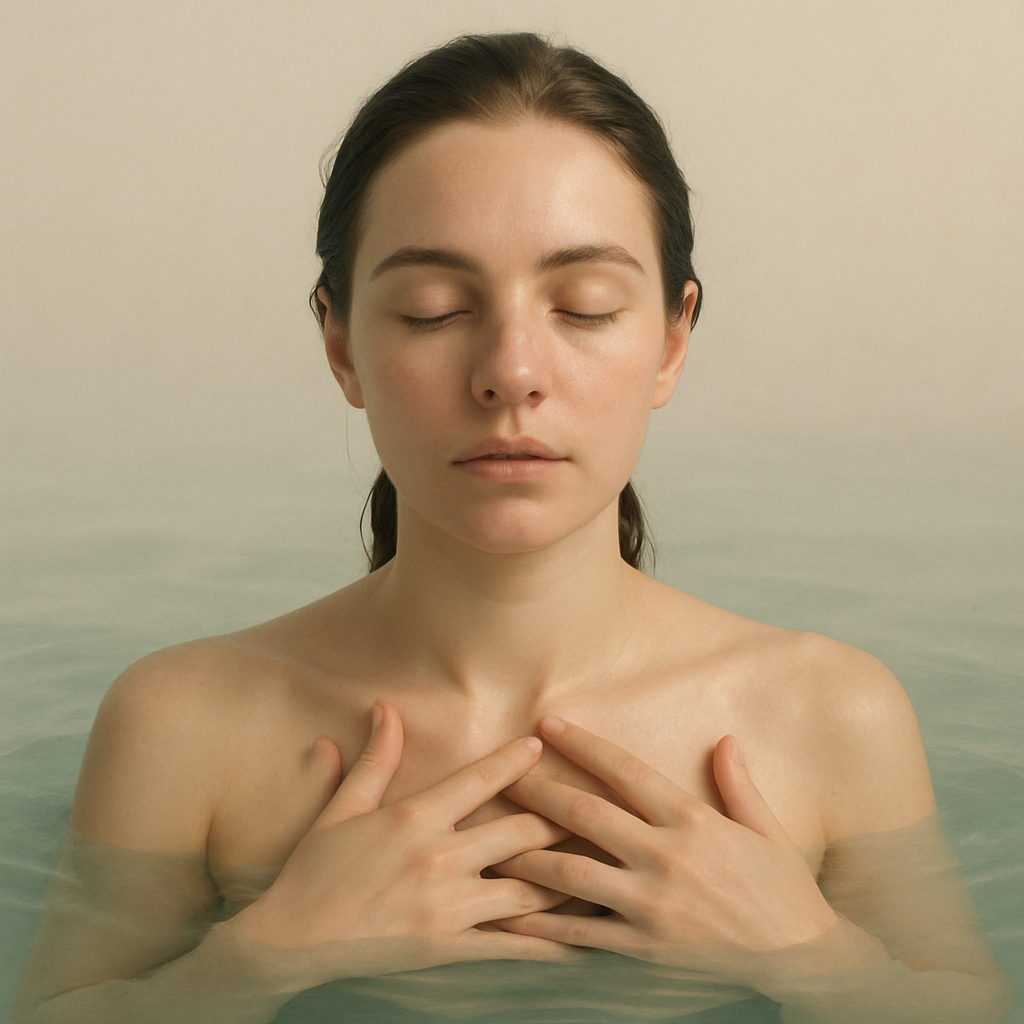
Dive into spa therapy, a natural remedy that harnesses the healing power of water. Learn about its history, benefits, and how to incorporate it into your wellness routine.
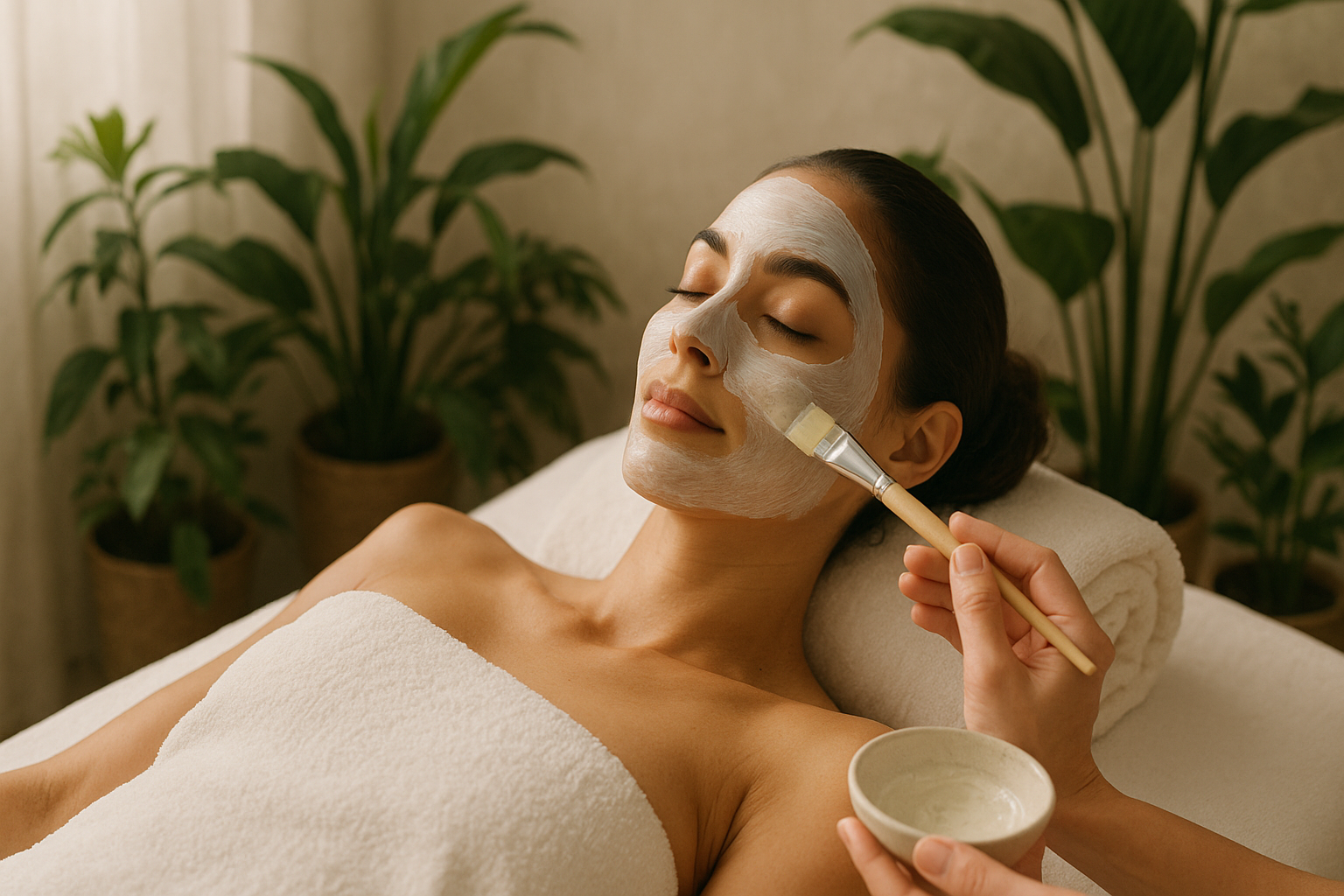
Explore the soothing realm of spa therapy, a branch of hydrotherapy, which utilizes water in various forms for relaxation and rejuvenation. Discover its historical roots, modern research, and practical applications in promoting wellness.
What It Is
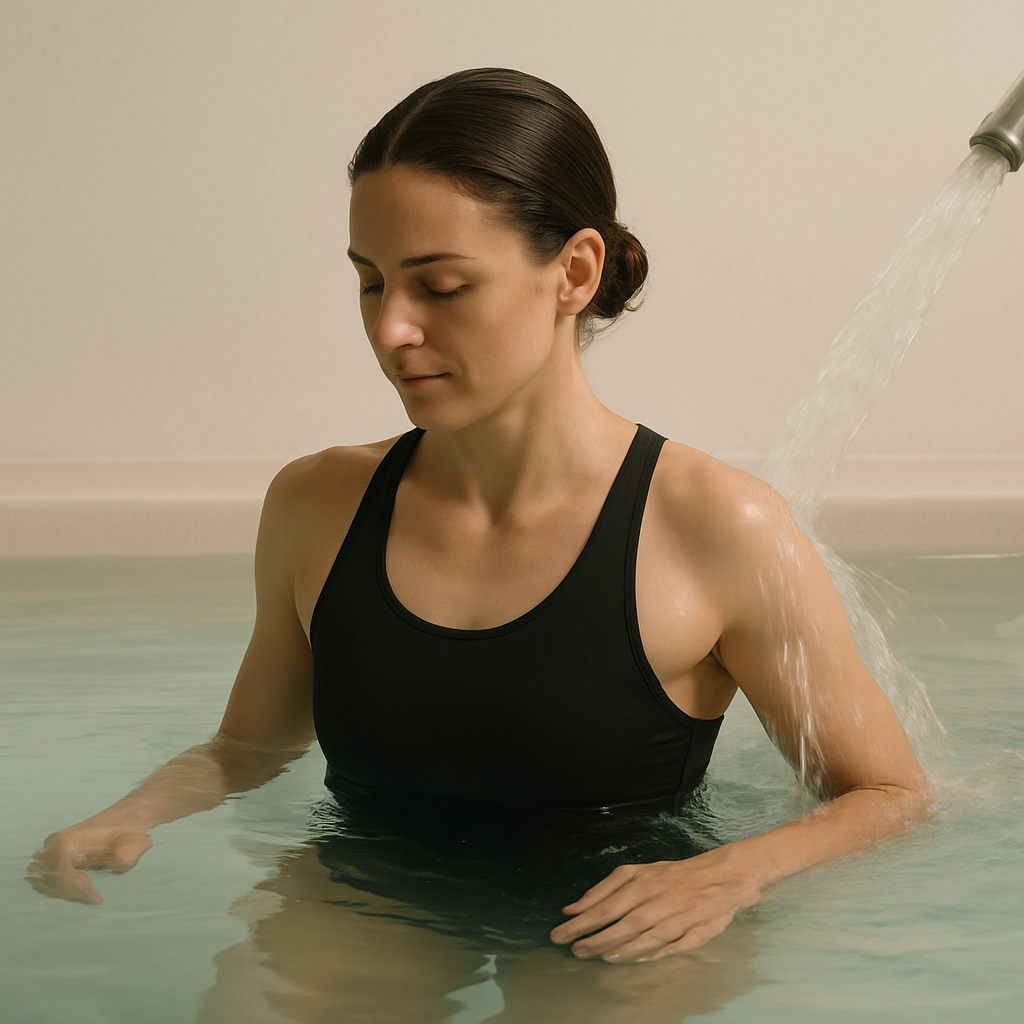
Spa therapy is a holistic approach that utilizes water in various forms, such as baths, wraps, and steam, to promote relaxation, healing, and overall wellness. This practice falls under the broader category of hydrotherapy, which is derived from the Greek words "hydro" (water) and "therapia" (healing). Spa therapy often incorporates elements such as essential oils, herbs, and minerals to enhance the therapeutic effects of water treatments.
Key Active Compounds & Mechanisms
The effectiveness of spa therapy often hinges on several key active compounds and mechanisms:
- Minerals: Elements like magnesium, calcium, and potassium found in mineral waters can have various physiological effects, such as muscle relaxation and improved circulation.
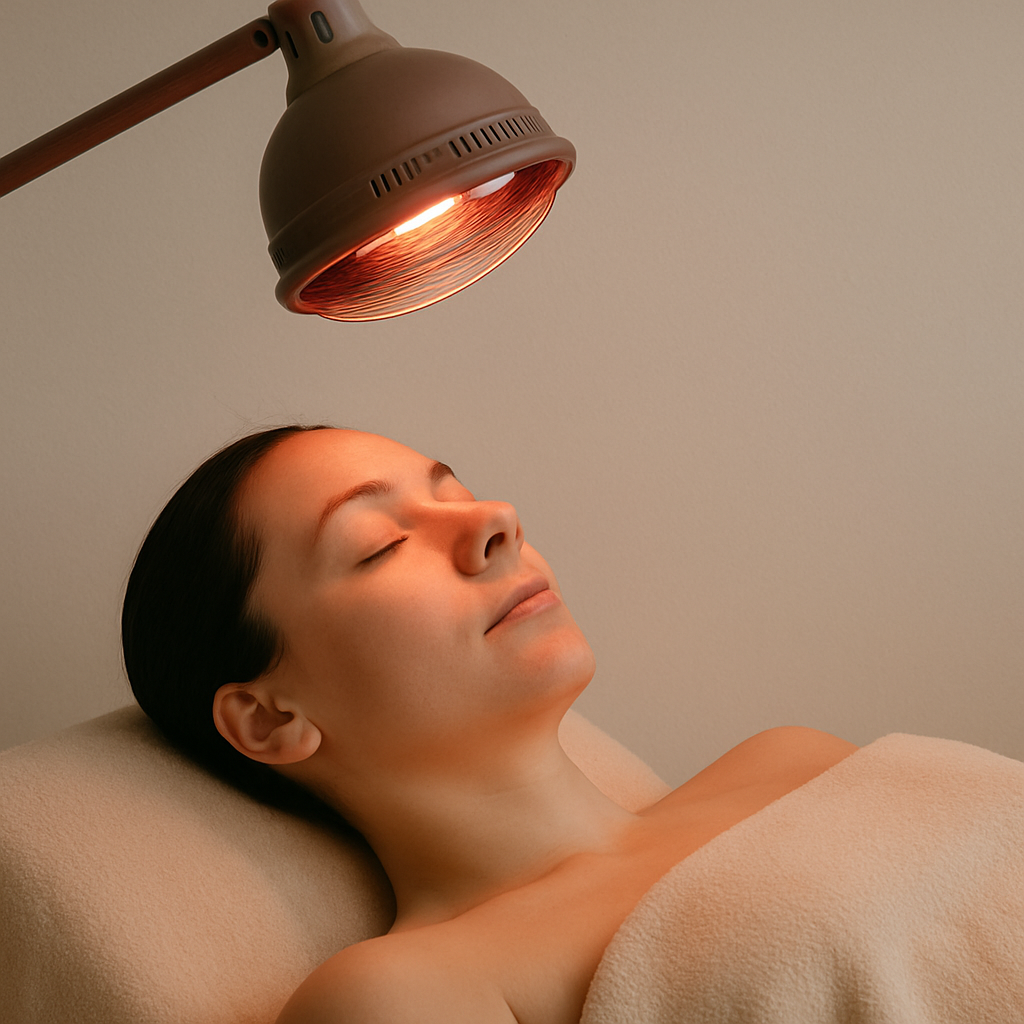
- Heat: The application of heat from hot water can help to dilate blood vessels, promoting better blood flow and reducing muscle tension.
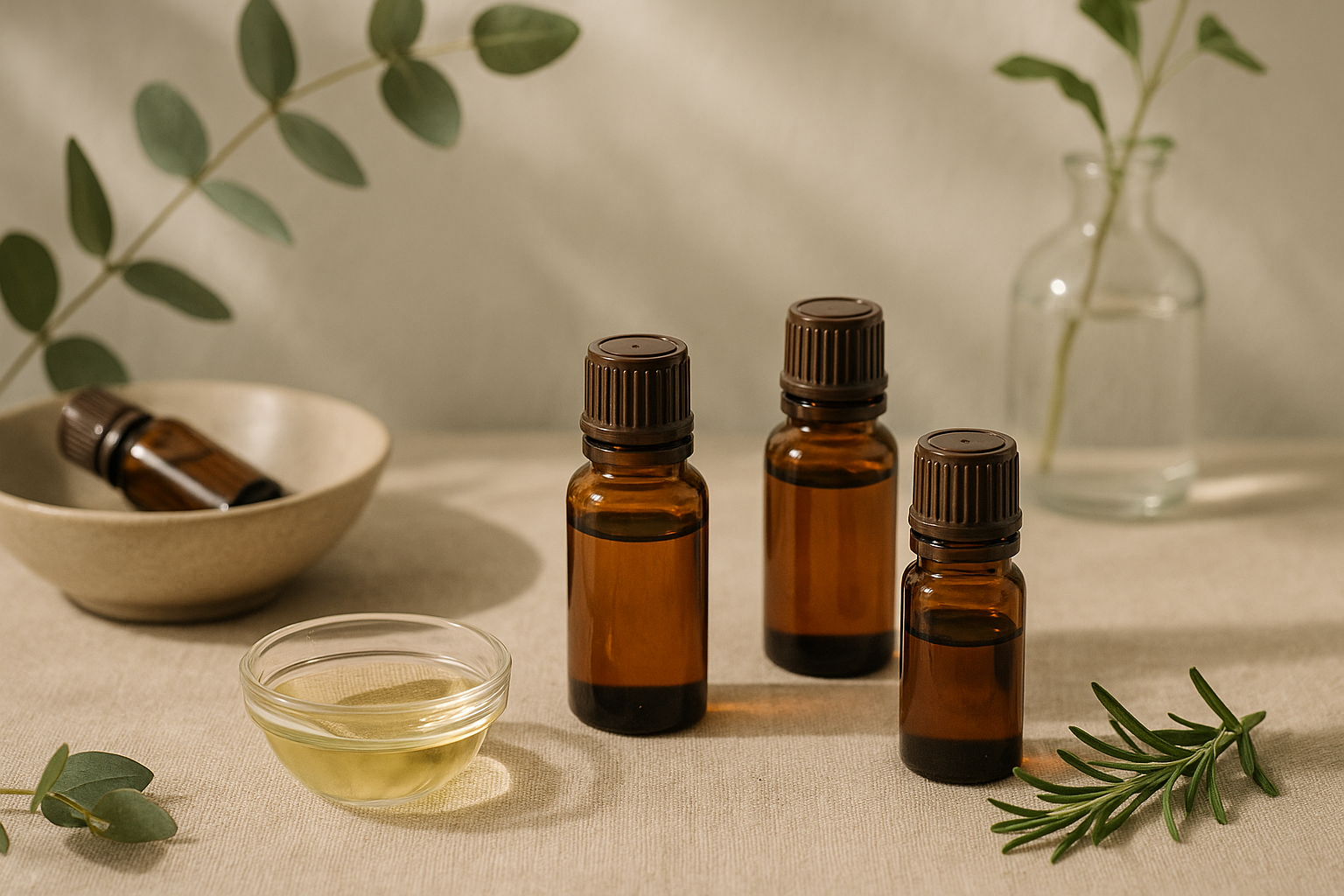
- Aromatherapy: The use of essential oils, such as lavender (Lavandula angustifolia) and eucalyptus (Eucalyptus globulus), can enhance relaxation and mood through olfactory stimulation.
Traditional Uses
Historically, spa therapy has roots in various cultures worldwide:
- Ancient Greece: The Greeks built elaborate bathhouses where water was used for both hygiene and relaxation.
- Roman Baths: The Romans perfected the art of bathing, incorporating saunas and steam rooms into their wellness routines.
- Japanese Onsen: Hot spring baths have been used in Japan for centuries, believed to have therapeutic properties that promote physical and mental well-being.
What Modern Research Suggests
Modern research into spa therapy is still evolving. Preliminary studies suggest that regular use of spa treatments can lead to:
- Reduced stress and anxiety levels
- Improved sleep quality
- Enhanced muscle recovery after physical activity
While evidence is promising, it is essential to approach these findings with caution and consider individual experiences.
Functional Actions
Spa therapy may offer several functional actions, including:
- Relaxation: The soothing nature of warm water can help reduce stress and promote relaxation.
- Pain Relief: Heat from water can alleviate muscle and joint pain.
- Detoxification: Sweating in a hot environment may assist in the elimination of toxins from the body.
Body Systems Supported
Spa therapy may support various body systems, including:
- Nervous System: By promoting relaxation and reducing stress, spa therapy can positively impact mental health.
- Musculoskeletal System: The heat and buoyancy of water can relieve pain and tension in muscles and joints.
- Circulatory System: Improved blood flow from heat exposure can enhance overall cardiovascular health.
Common Forms & Educational Dosing Ranges
Spa therapy can be experienced in various forms, including:
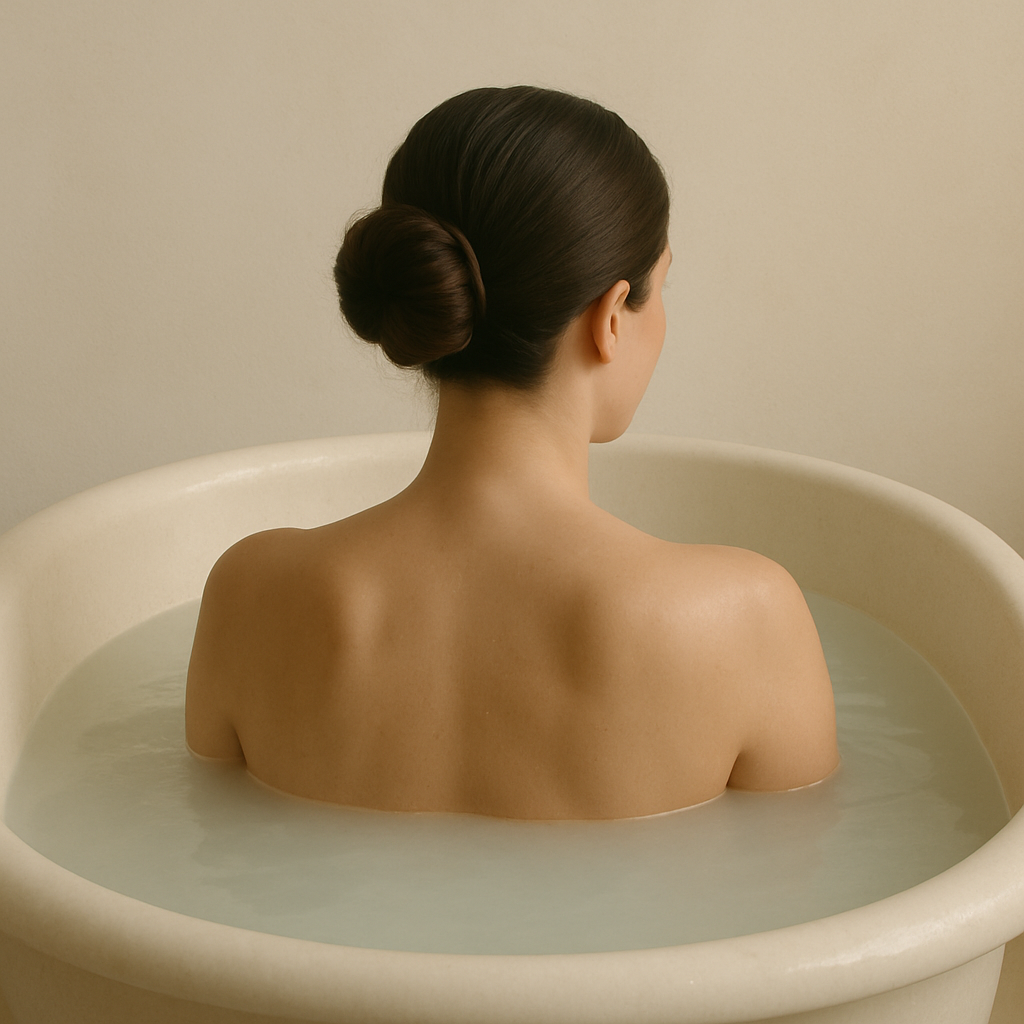
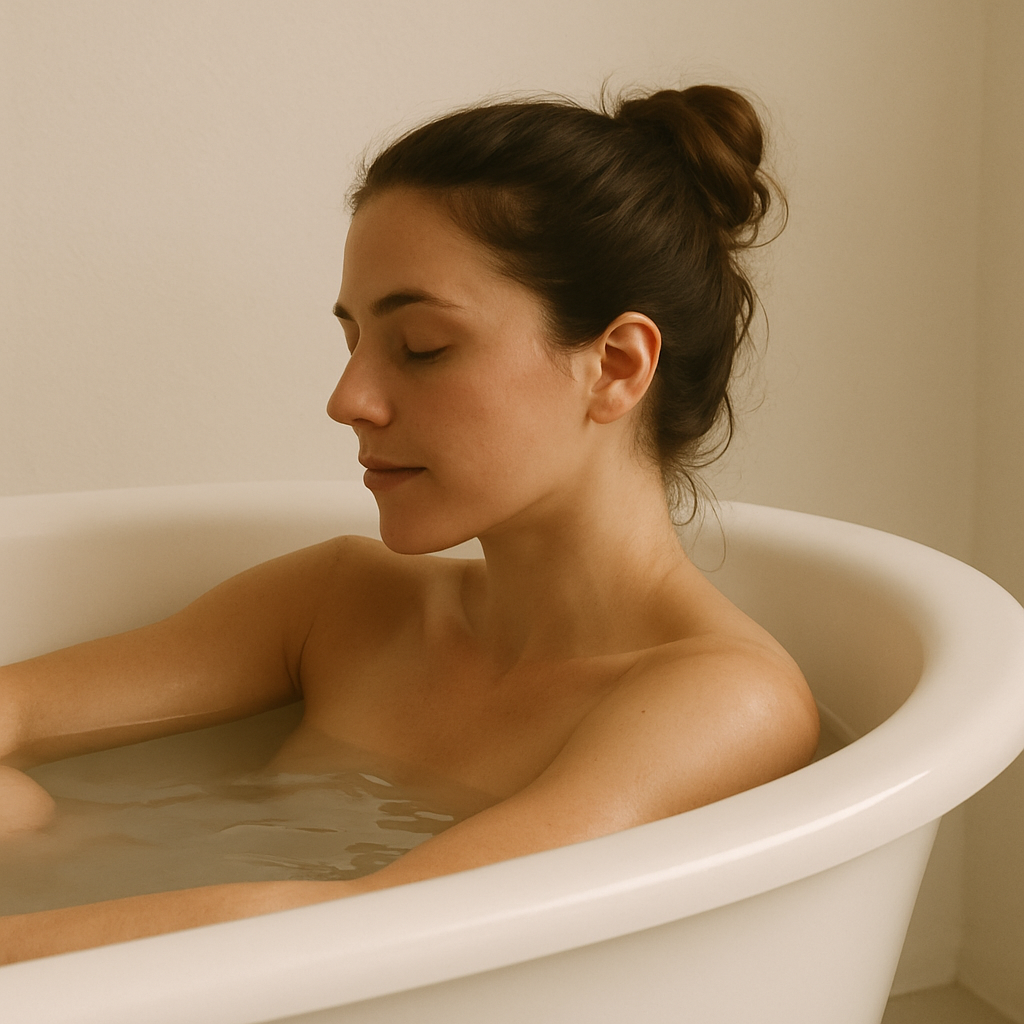
- Hydrotherapy Baths: Soaking in warm water for 15-30 minutes can promote relaxation.
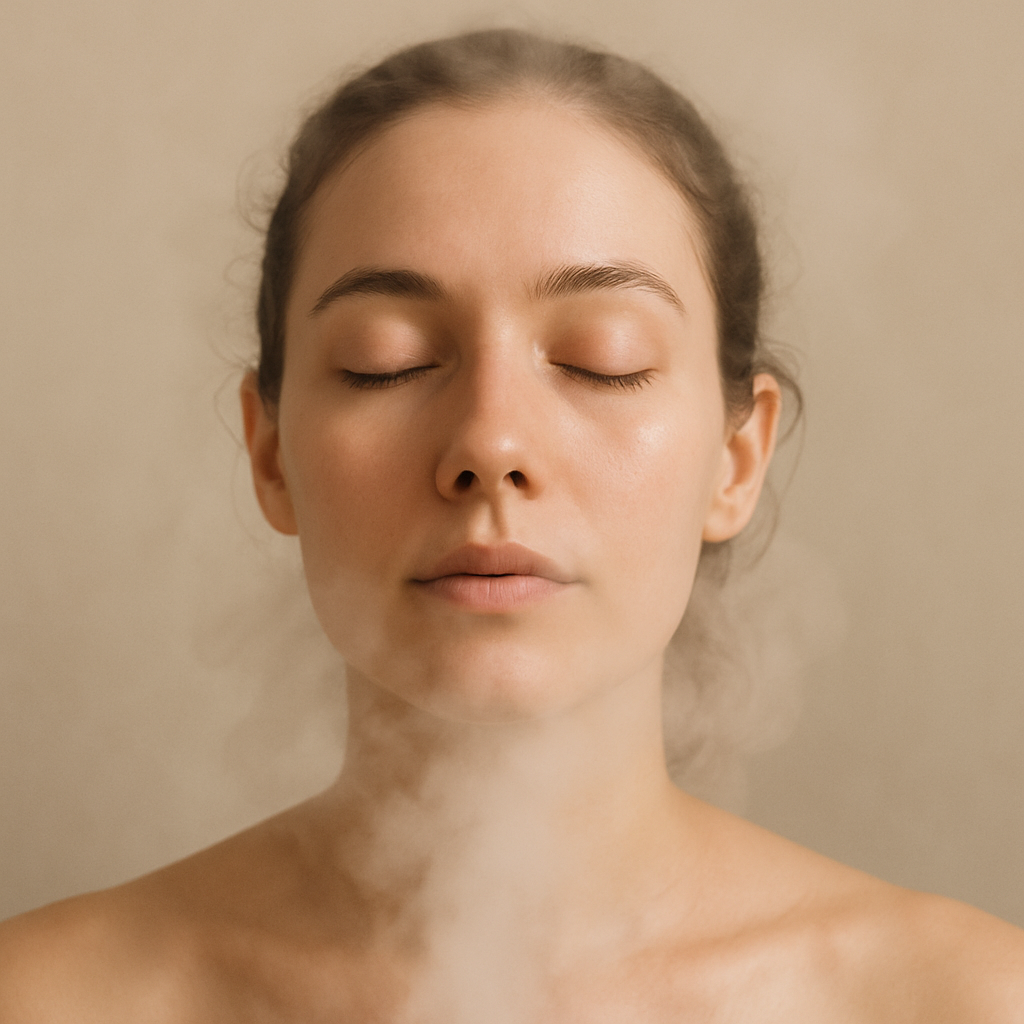
- Steam Rooms: Spending 10-20 minutes can aid in detoxification.
- Aromatherapy Baths: Adding essential oils to bathwater can enhance relaxation—typically 5-10 drops per bath.
Safety, Contraindications & Interactions
While spa therapy is generally safe, some individuals should exercise caution:
- People with cardiovascular conditions should consult a healthcare provider before using hot water treatments.
- Pregnant individuals should avoid high temperatures and consult with a healthcare professional.
- Those with skin conditions may experience irritation from certain minerals or essential oils.
Pairs Well With
To enhance the benefits of spa therapy, consider pairing it with:
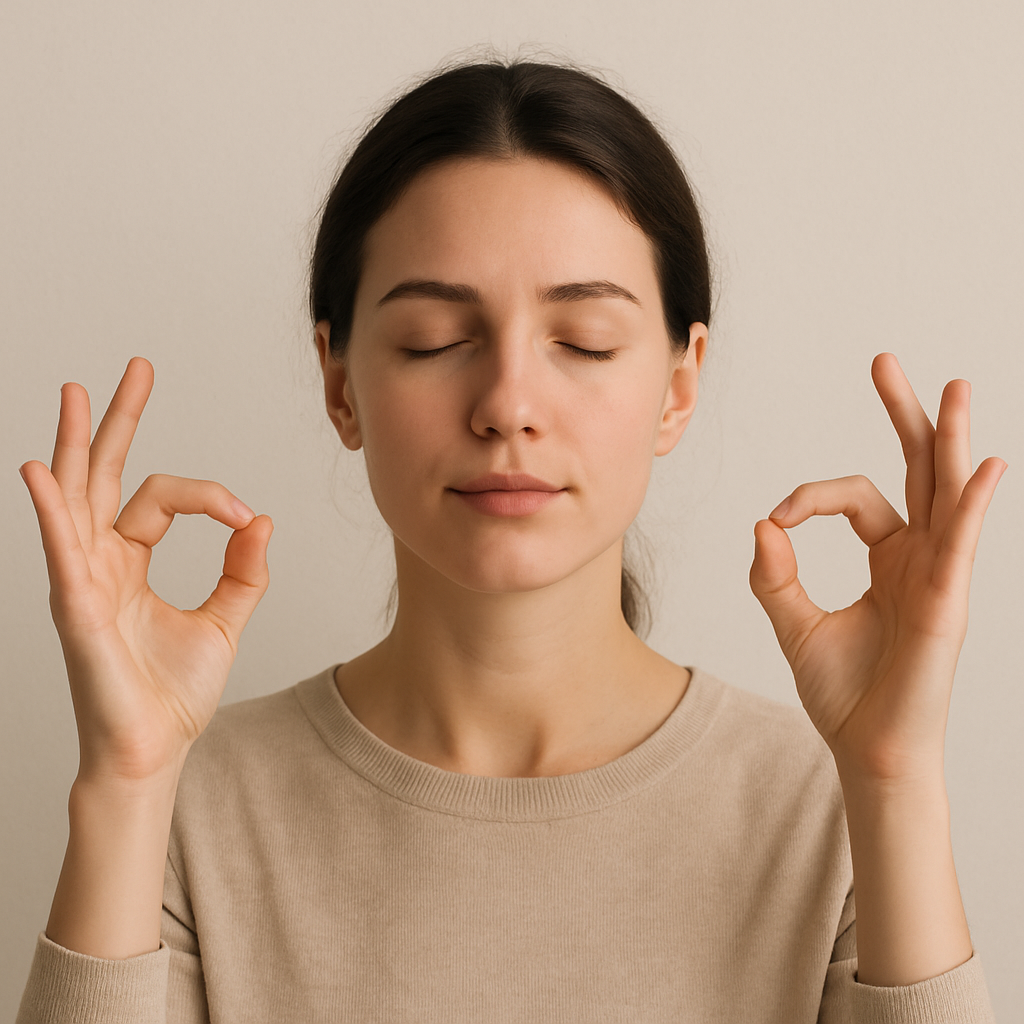
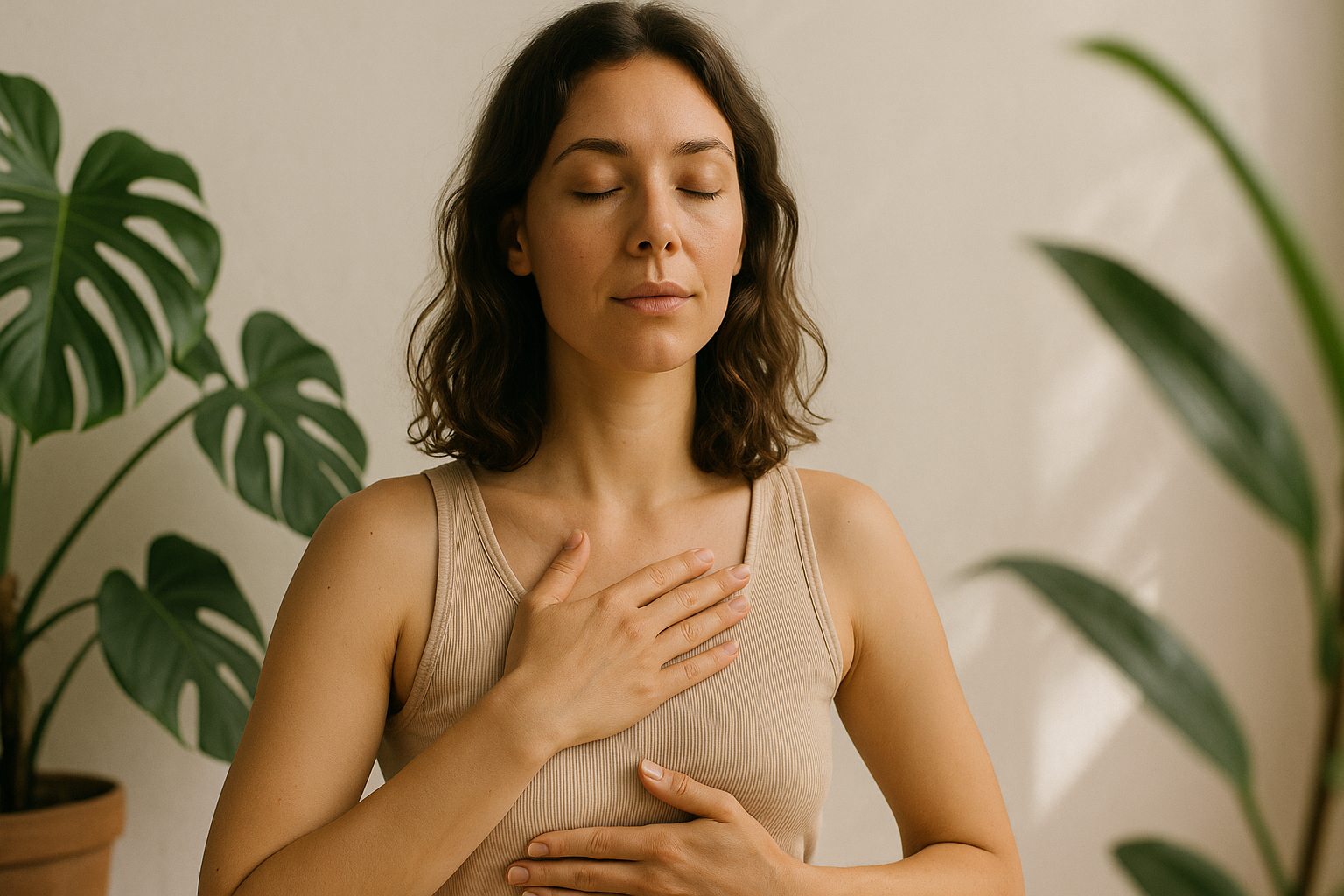
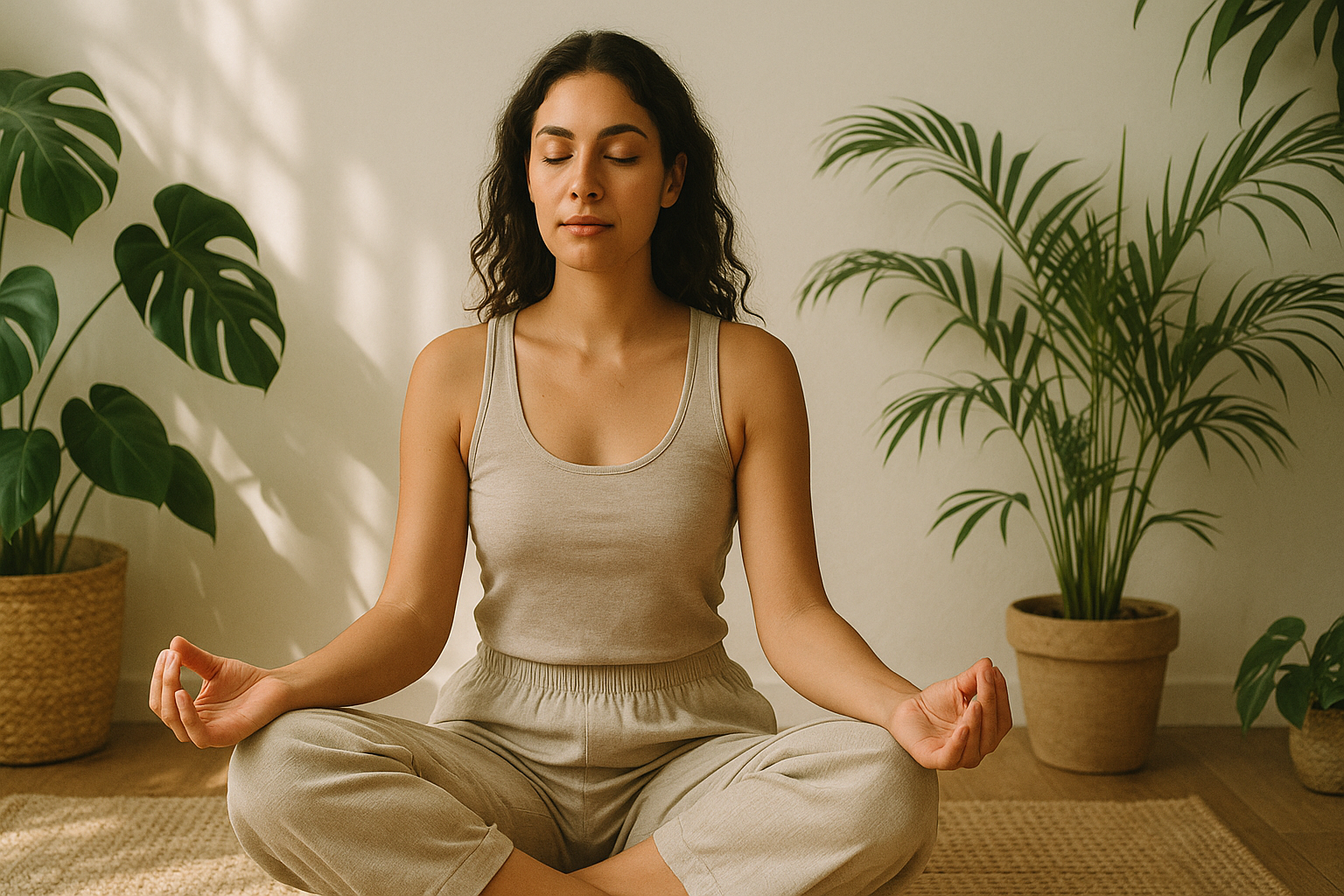
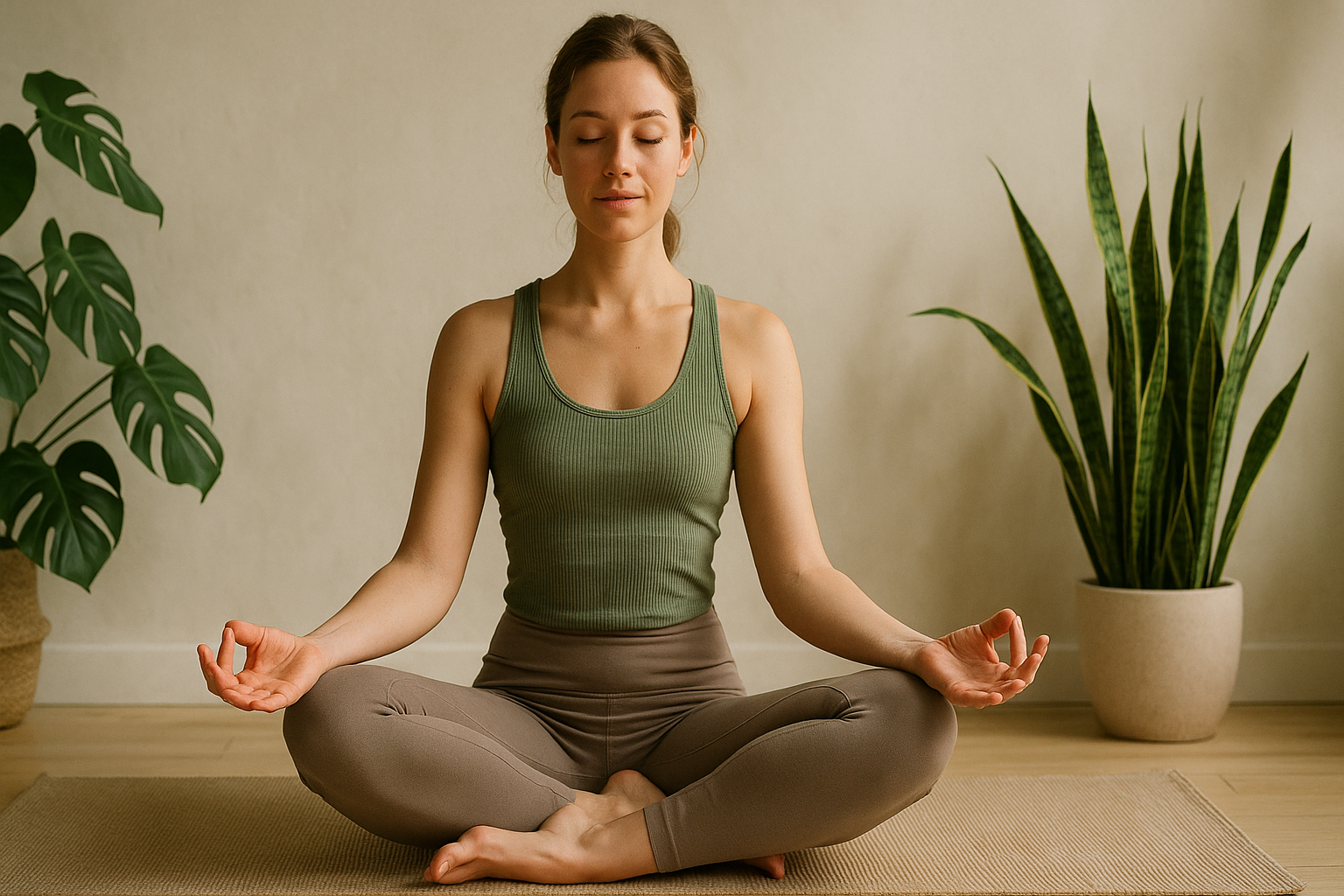
- Meditation: Combining relaxation techniques can deepen the effects of spa treatments.
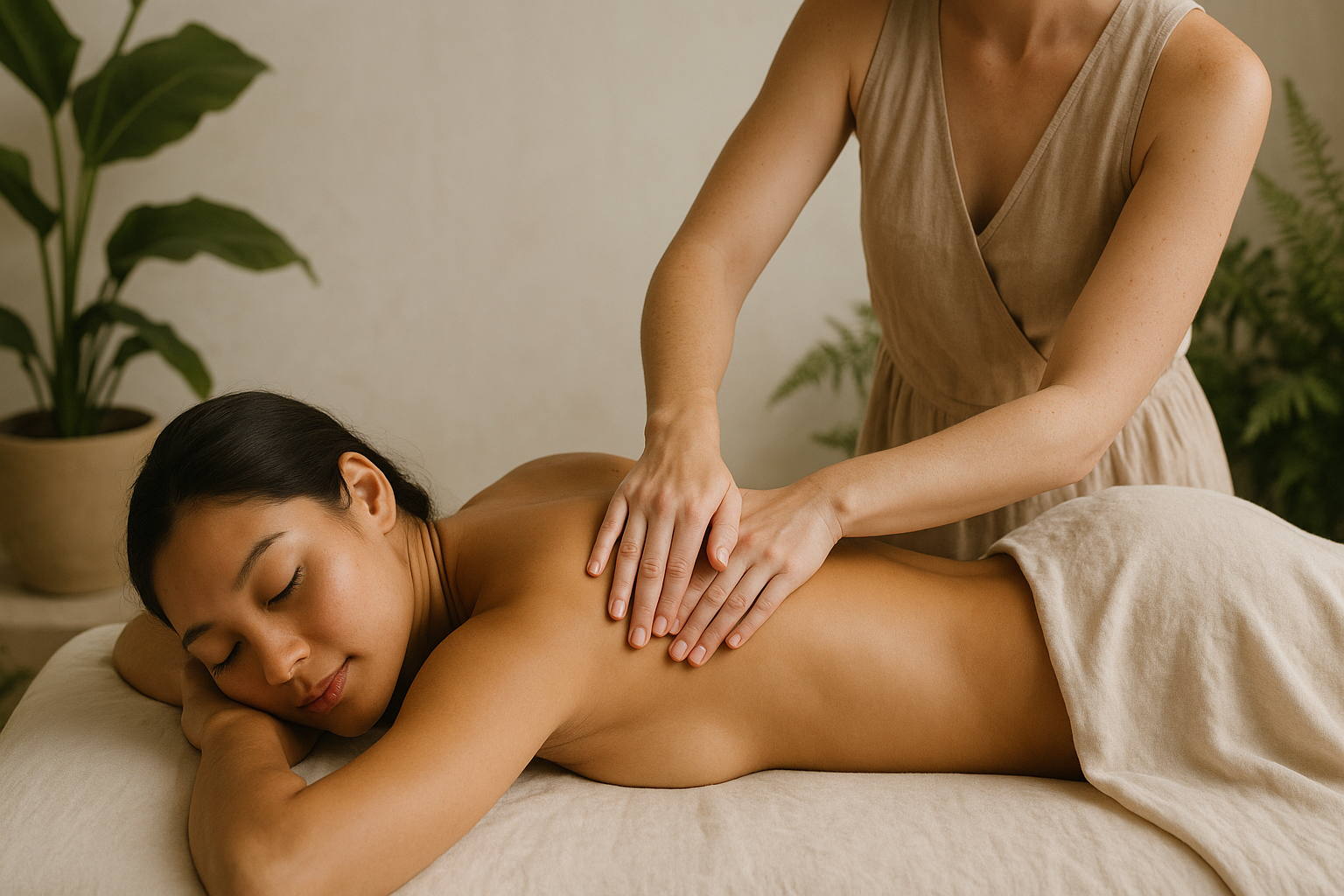
- Massage: Therapeutic massage can complement the relaxation achieved through spa therapy.
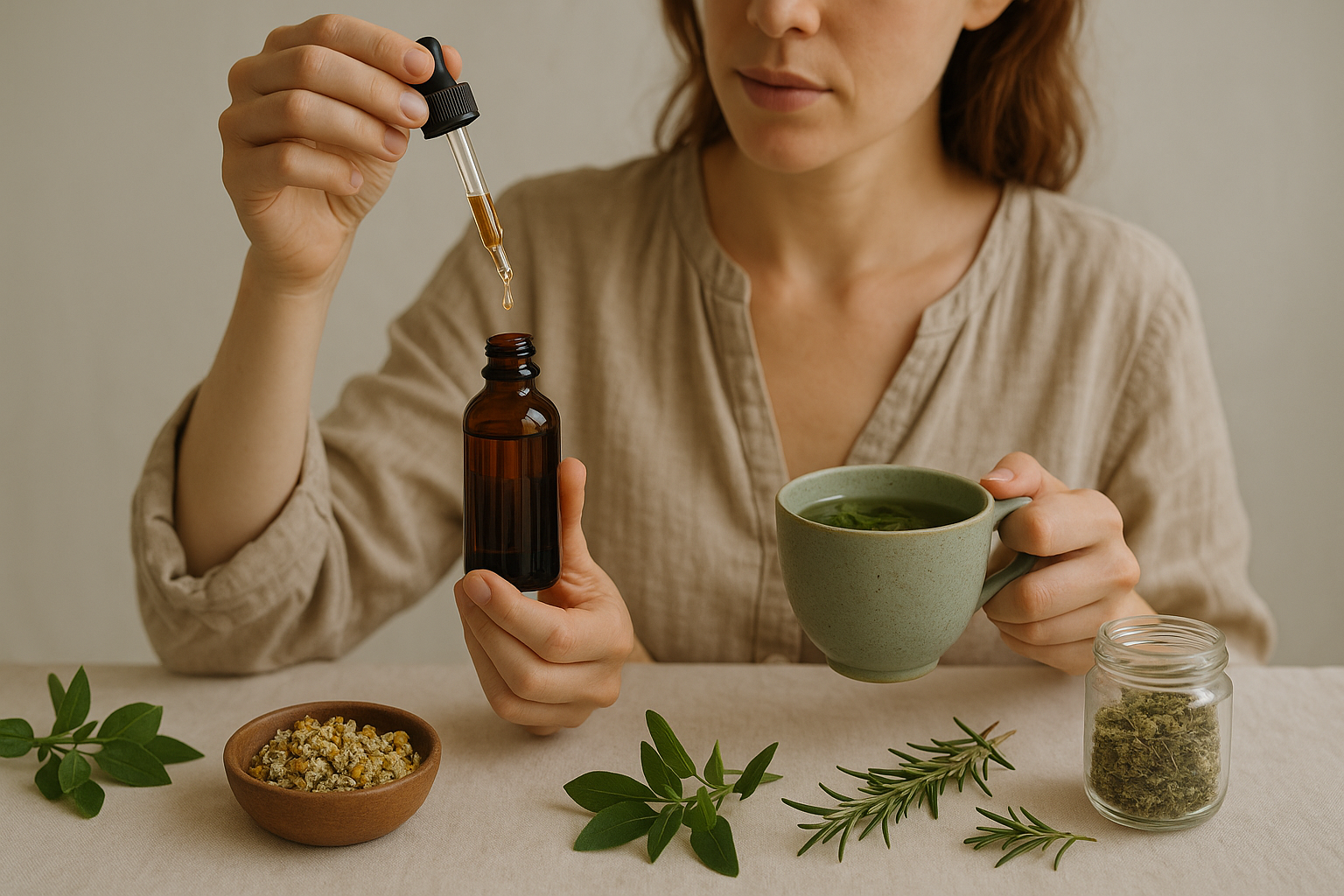
- Herbal Teas: Sipping calming herbal teas, such as chamomile (Matricaria chamomilla), can enhance overall relaxation.
FAQs (5)
- How often should I engage in spa therapy? It depends on individual needs; many find benefits from once a week.
- Is spa therapy suitable for everyone? Generally, yes, but those with specific health conditions should consult a doctor.
- Can I do spa therapy at home? Yes, many spa treatments can be replicated at home with simple tools.
- What is the ideal water temperature for a spa bath? The water should typically be between 100°F to 104°F (37°C to 40°C).
- Are there any long-term benefits to regular spa therapy? Regular spa therapy may lead to improved mental well-being, reduced pain, and enhanced relaxation.
Frequently asked
How often should I engage in spa therapy?
It depends on individual needs; many find benefits from once a week.
Is spa therapy suitable for everyone?
Generally, yes, but those with specific health conditions should consult a doctor.
Can I do spa therapy at home?
Yes, many spa treatments can be replicated at home with simple tools.
What is the ideal water temperature for a spa bath?
The water should typically be between 100°F to 104°F (37°C to 40°C).
Are there any long-term benefits to regular spa therapy?
Regular spa therapy may lead to improved mental well-being, reduced pain, and enhanced relaxation.