Cold Therapy
Discover the principles and benefits of cold therapy, a key aspect of hydrotherapy, including its applications, mechanisms, and safety considerations.
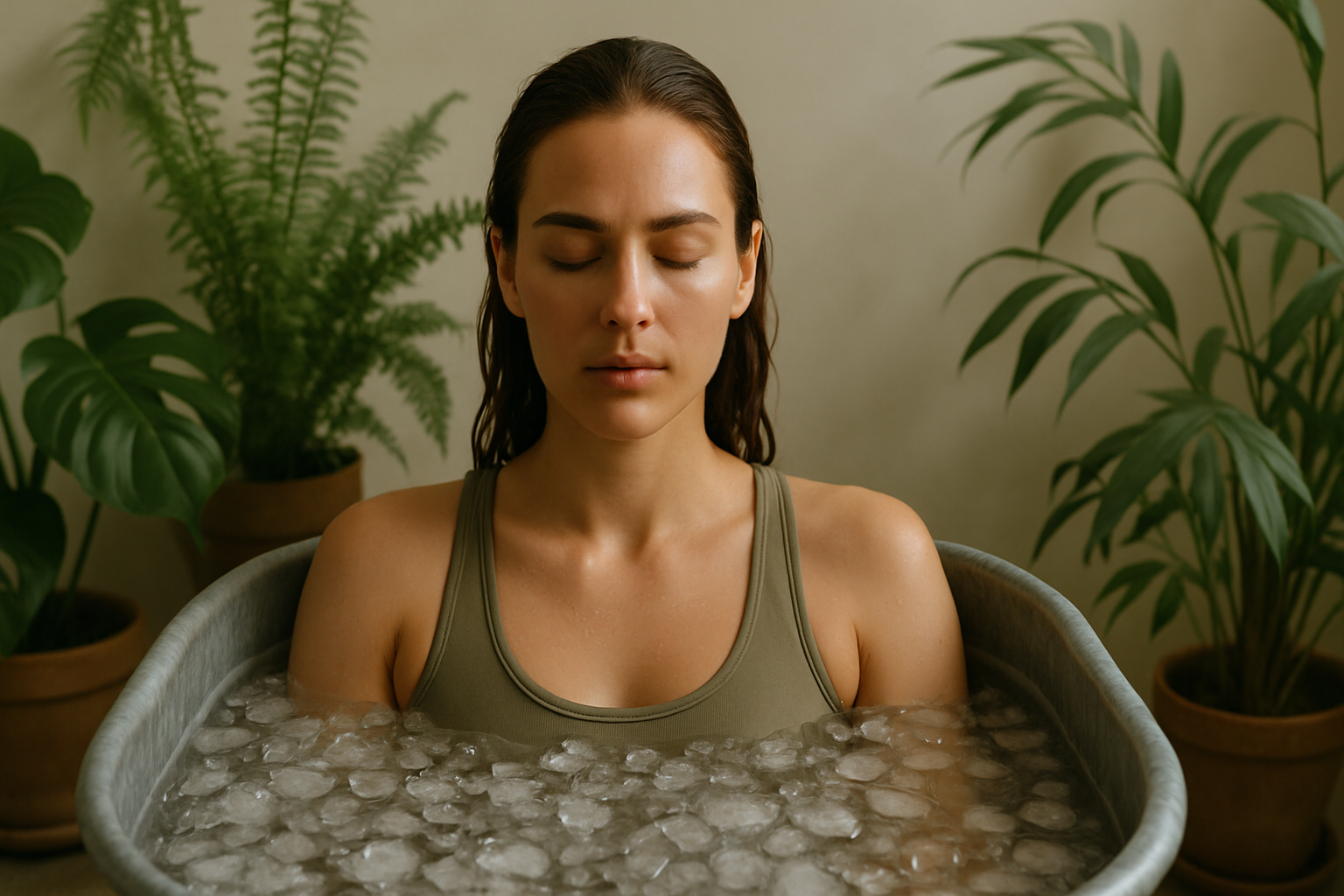
Explore the benefits and applications of cold therapy as a form of hydrotherapy. This natural remedy offers a range of uses, from reducing inflammation to enhancing recovery. Learn about its historical context, modern research, and safety considerations.
What It Is
Cold therapy, also known as cryotherapy, refers to the use of cold temperatures to is traditionally explored for various health conditions and to promote recovery. This technique involves applying ice, cold packs, or other forms of cold to the body to reduce inflammation, numb pain, and improve healing processes. The scientific basis of cold therapy is grounded in its ability to induce physiological responses that can benefit the body.
Key Active Compounds & Mechanisms
Cold therapy does not involve specific active compounds like herbal remedies; rather, its effectiveness lies in the physiological reactions it triggers. The primary mechanisms include:
- Vasoconstriction: Cold temperatures cause blood vessels to constrict, reducing blood flow to the affected area, which can decrease inflammation and swelling.
- Numbing Effect: Cold applications can numb nerve endings, providing pain relief in acute injuries or chronic pain conditions.
- Reduced Metabolic Rate: Cold therapy can lower metabolic activity in tissues, which may help to limit cellular damage and promote healing.
Traditional Uses
Historically, cold therapy has been utilized in various cultures for its healing properties. Ancient Egyptians used cold packs made of snow or ice to is traditionally explored for wounds and reduce swelling. In traditional Chinese medicine, cold applications are often used to balance the body's energy, or Qi, particularly in cases of inflammation or heat. The practice of immersing the body in cold water has also been documented in ancient Greece, where it was believed to invigorate and refresh the body.
What Modern Research Suggests
Modern studies on cold therapy have shown promising results, particularly in its application for sports injuries and recovery. Research indicates that cold therapy can:
- Reduce muscle soreness following intense exercise.
- Accelerate recovery from injuries by minimizing swelling and pain.
- Enhance overall physical performance when integrated into a broader recovery strategy.
However, more comprehensive research is needed to fully understand the long-term effects and optimal protocols for various conditions.
Functional Actions
The functional actions of cold therapy include:
- Pain Relief: Effective in managing acute and chronic pain.
- Inflammation Reduction: Helps decrease swelling in injuries.
- Muscle Recovery: Aids in the recovery process post-exercise.
Body Systems Supported
Cold therapy primarily supports the following body systems:
- Musculoskeletal System: Alleviates pain and reduces inflammation in muscles and joints.
- Nervous System: Provides analgesic effects through nerve numbing.
- Circulatory System: Influences blood flow and vascular function.
Common Forms & Educational Dosing Ranges
Cold therapy can be administered in various forms, including:
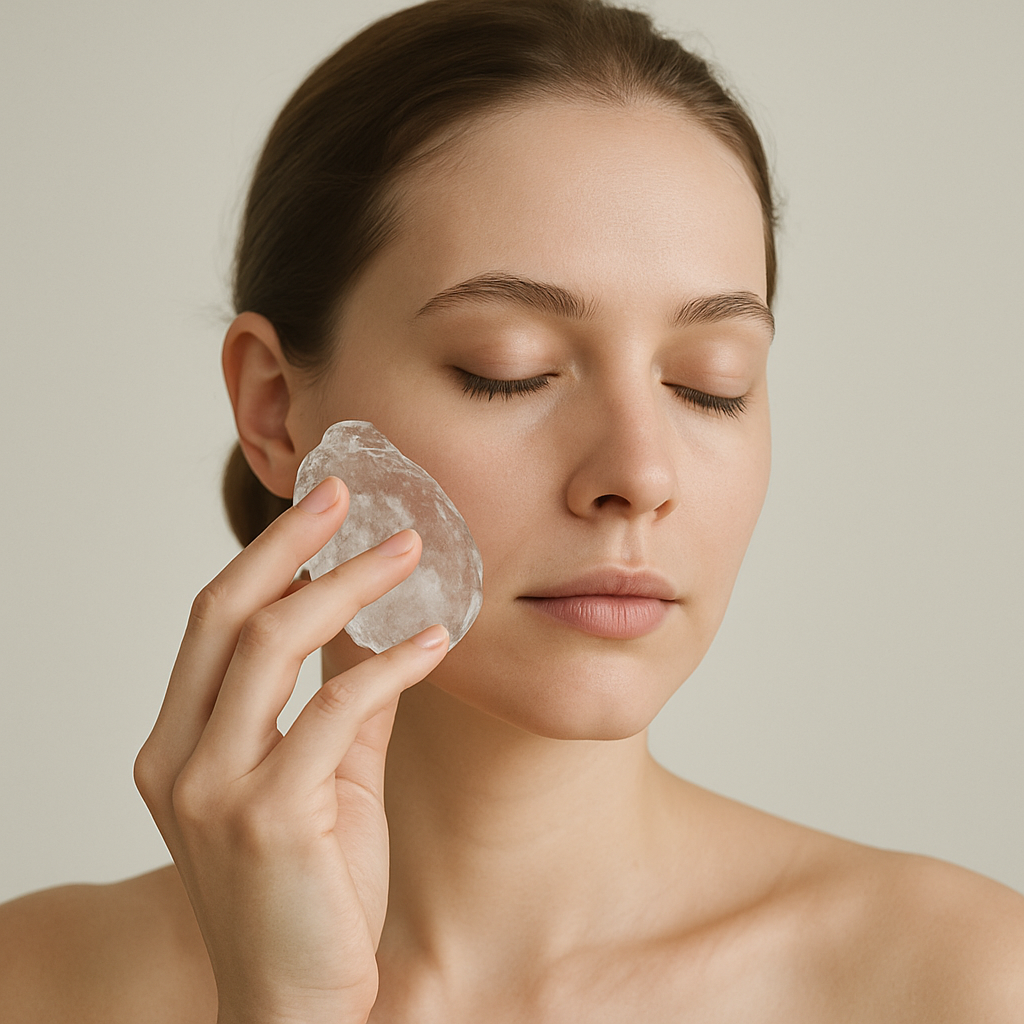
- Ice Packs: Applied directly to the skin for 15-20 minutes at a time.
- Cold Compresses: Soaked cloths or gel packs used similarly to ice packs.
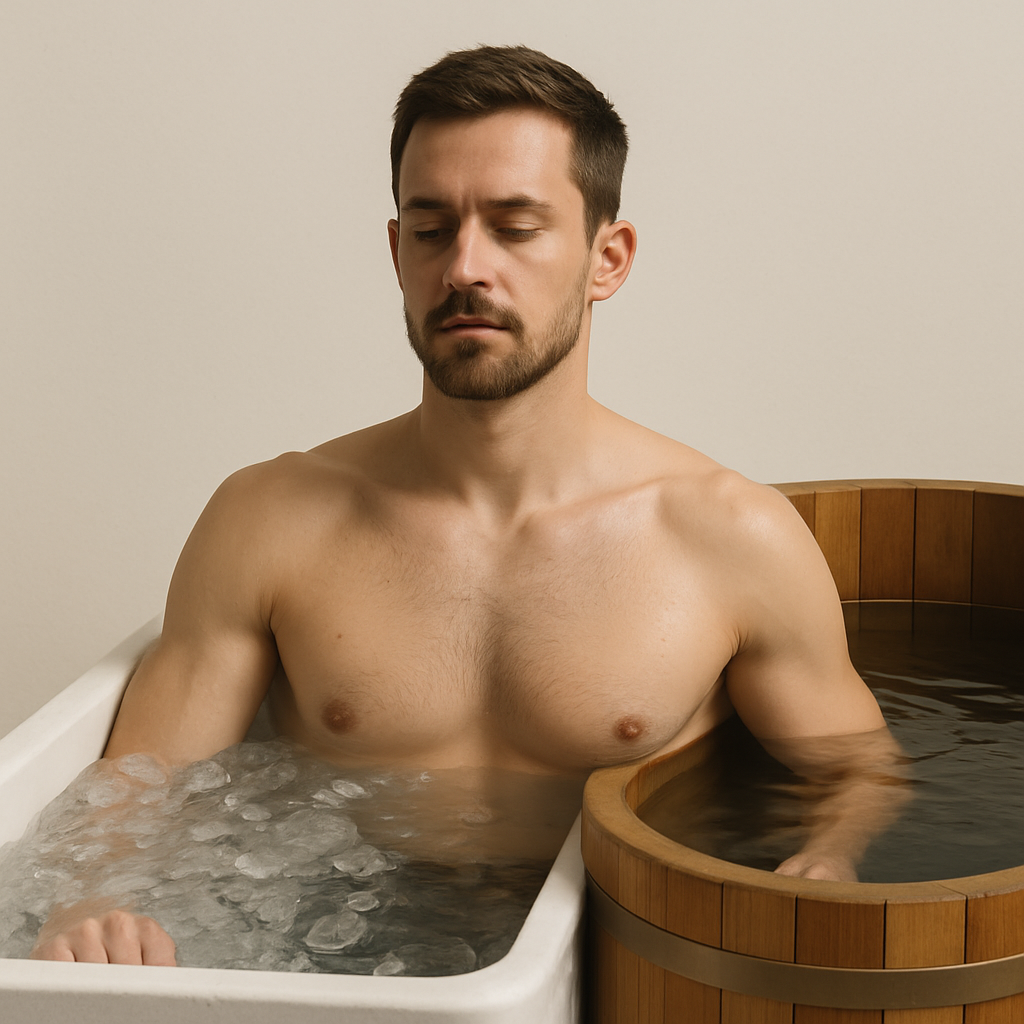
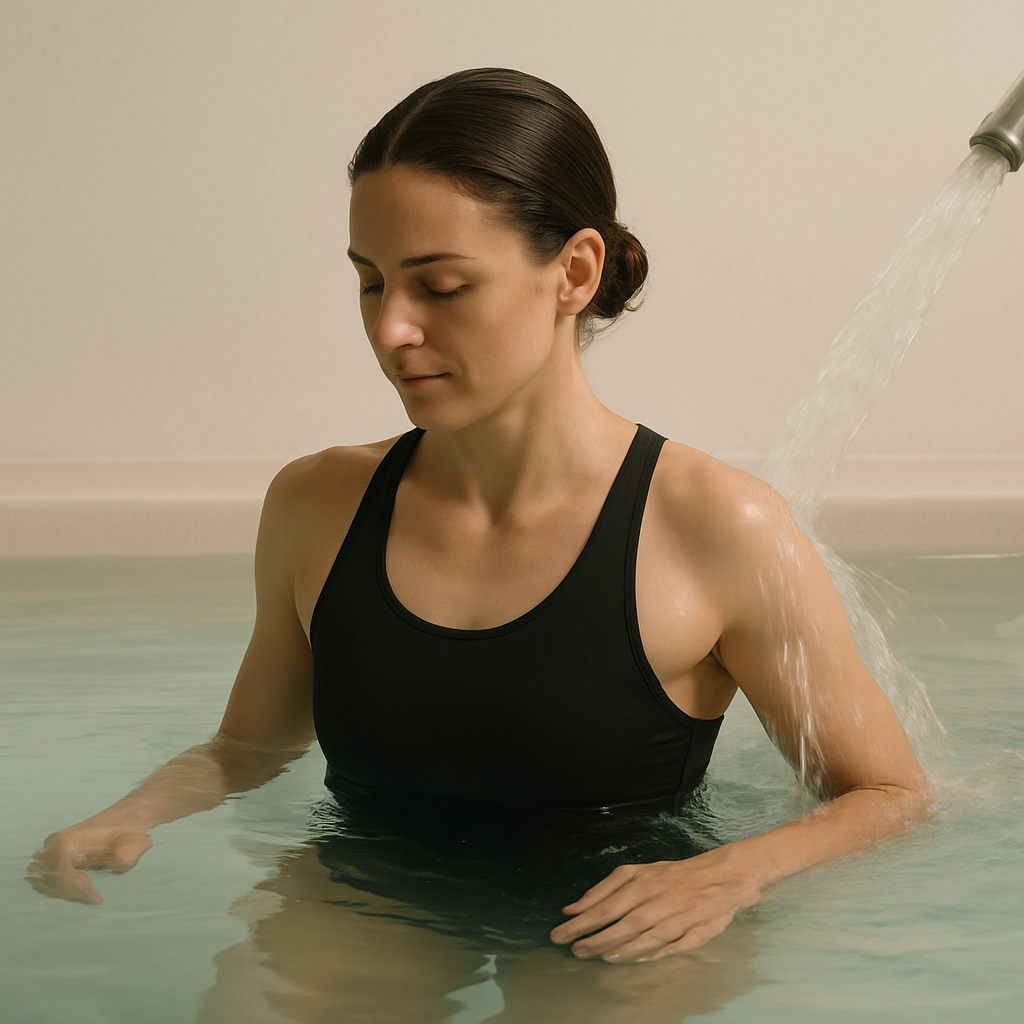
- Cold Water Immersion: Submerging the affected area in cold water, typically for 10-15 minutes.
- Cryo Chambers: Whole-body exposure to cold air for a few minutes, often used in sports rehabilitation.
Safety, Contraindications & Interactions
While cold therapy is generally safe for most individuals, there are several contraindications to consider:
- Hypersensitivity to Cold: Individuals with conditions like Raynaud's syndrome should avoid cold applications.
- Circulatory Disorders: Those with peripheral vascular disease should consult a healthcare provider before use.
- Open Wounds: Cold therapy should not be applied directly to open wounds or broken skin.
Additionally, cold therapy may interact with medications that affect circulation or blood flow, such as anticoagulants.
Pairs Well With
Cold therapy can be effectively paired with other natural remedies and treatments, including:
- Heat Therapy: Alternating between hot and cold can enhance recovery.
- Physical Therapy: Used in conjunction with exercises to improve mobility and strength.
- Herbal Remedies: Anti-inflammatory herbs can complement the effects of cold therapy.
FAQs (5)
- What is the best duration for cold therapy? Cold therapy should generally be applied for 15-20 minutes at a time to avoid skin damage.
- Can cold therapy be used for chronic pain? Yes, it can be beneficial for managing chronic pain conditions, especially when integrated with other therapies.
- Is cold therapy safe for everyone? Most people can safely use cold therapy, but those with specific medical conditions should consult a healthcare professional.
- How often can I use cold therapy? Cold therapy can be used multiple times a day, depending on the nature and severity of the condition being treated.
- Does cold therapy help with swelling? Yes, it is particularly effective in reducing swelling from acute injuries.
Frequently asked
What is the best duration for cold therapy?
Cold therapy should generally be applied for 15-20 minutes at a time to avoid skin damage.
Can cold therapy be used for chronic pain?
Yes, it can be beneficial for managing chronic pain conditions, especially when integrated with other therapies.
Is cold therapy safe for everyone?
Most people can safely use cold therapy, but those with specific medical conditions should consult a healthcare professional.
How often can I use cold therapy?
Cold therapy can be used multiple times a day, depending on the nature and severity of the condition being treated.
Does cold therapy help with swelling?
Yes, it is particularly effective in reducing swelling from acute injuries.