Recovery Baths
Recovery baths are a natural remedy that harnesses the healing power of water to promote relaxation and recovery. Learn more about their ingredients, benefits, and safety considerations.
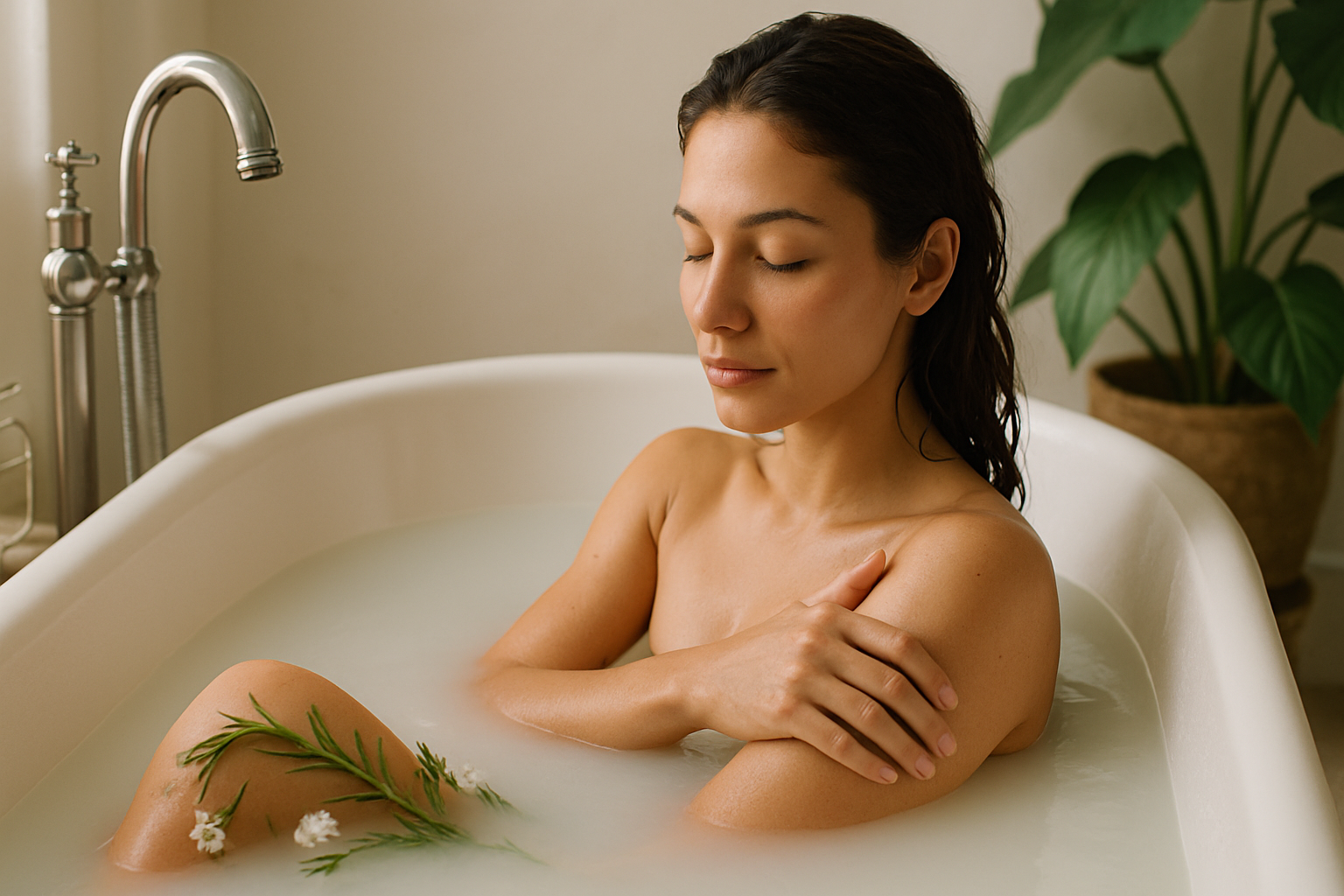
Explore the soothing benefits of recovery baths, a holistic approach to healing through hydrotherapy. Discover their historical significance, modern research, and how they support various body systems.
What It Is
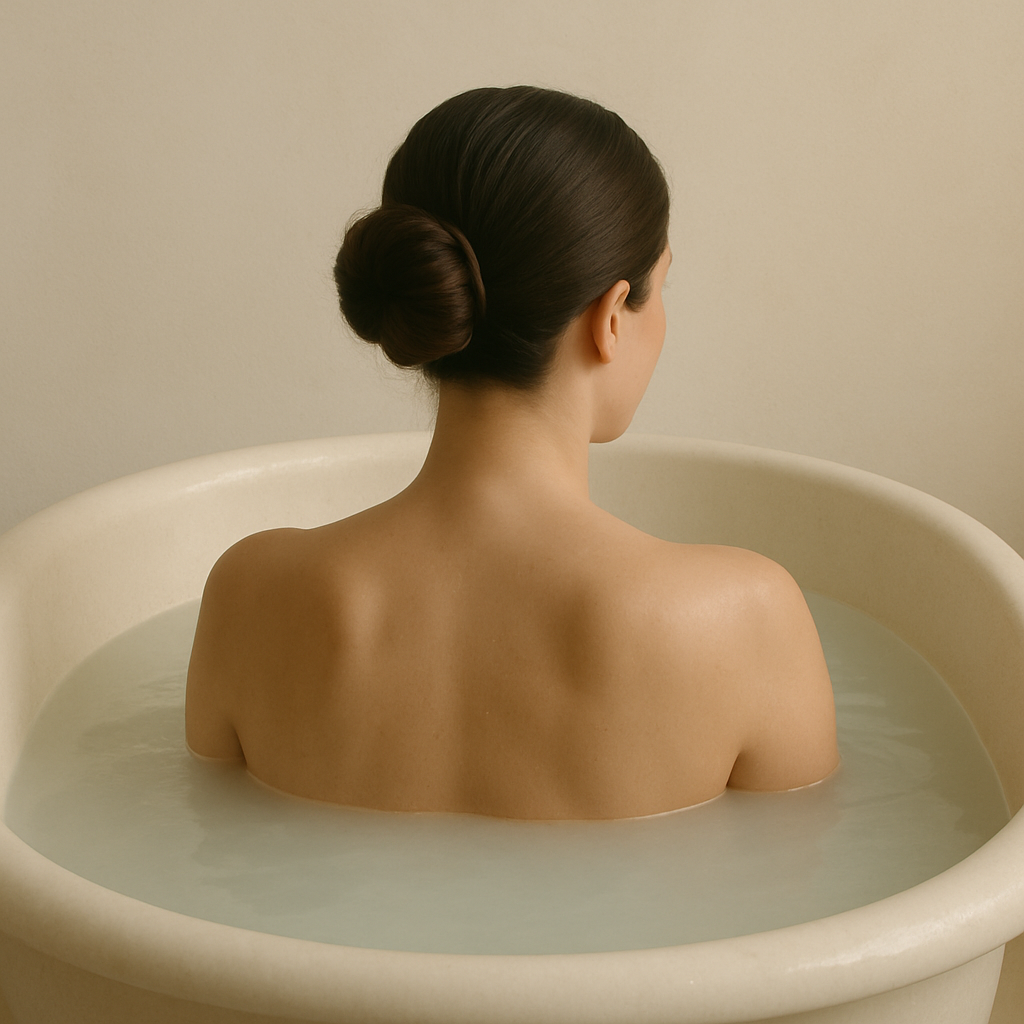
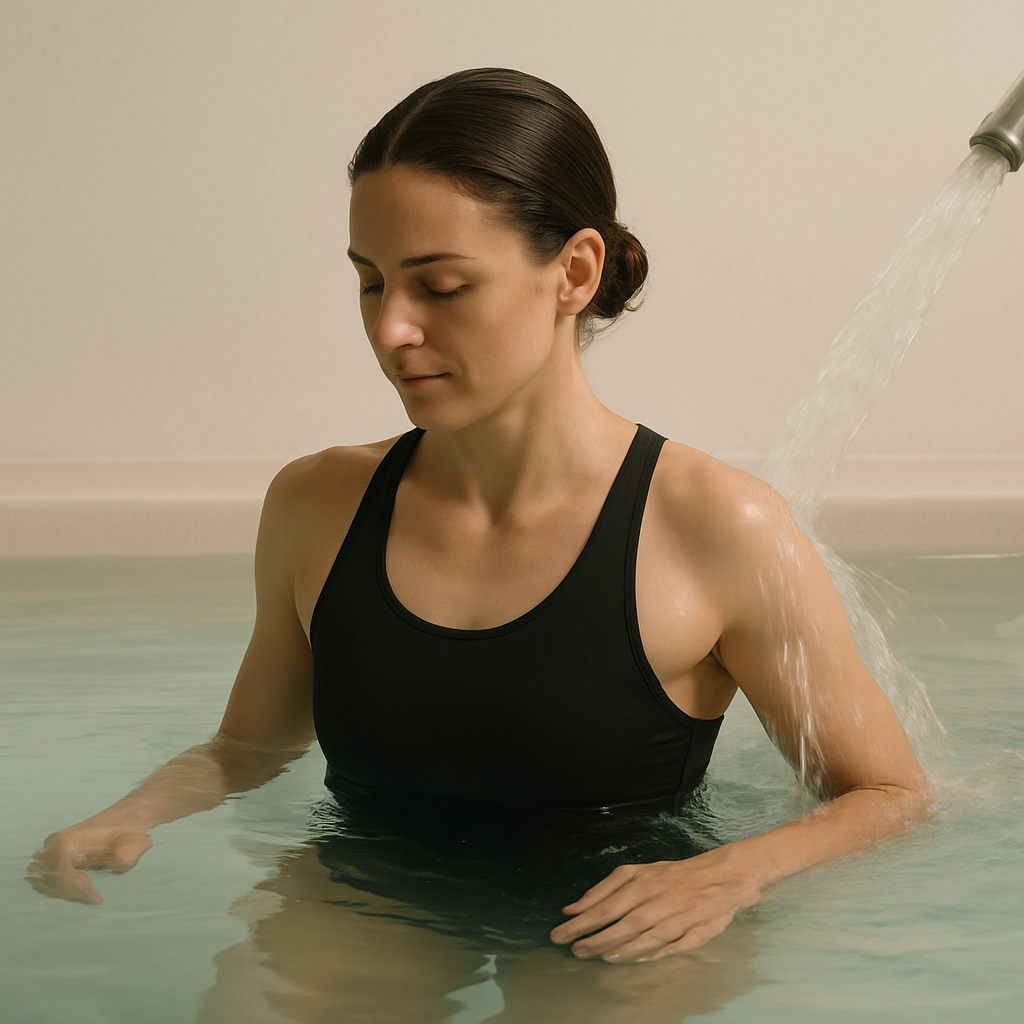
Recovery baths are therapeutic baths designed to promote relaxation, reduce muscle tension, and enhance physical recovery. They typically involve the use of warm water combined with various natural ingredients such as Epsom salts, essential oils, and herbs. The practice of taking baths for health benefits is rooted in hydrotherapy, which utilizes water for pain relief and treatment.
Key Active Compounds & Mechanisms
The effectiveness of recovery baths can largely be attributed to several key active compounds:
- Epsom Salt (Magnesium Sulfate): Known for its muscle-relaxing properties, magnesium is absorbed through the skin, promoting muscle relaxation and reducing soreness.
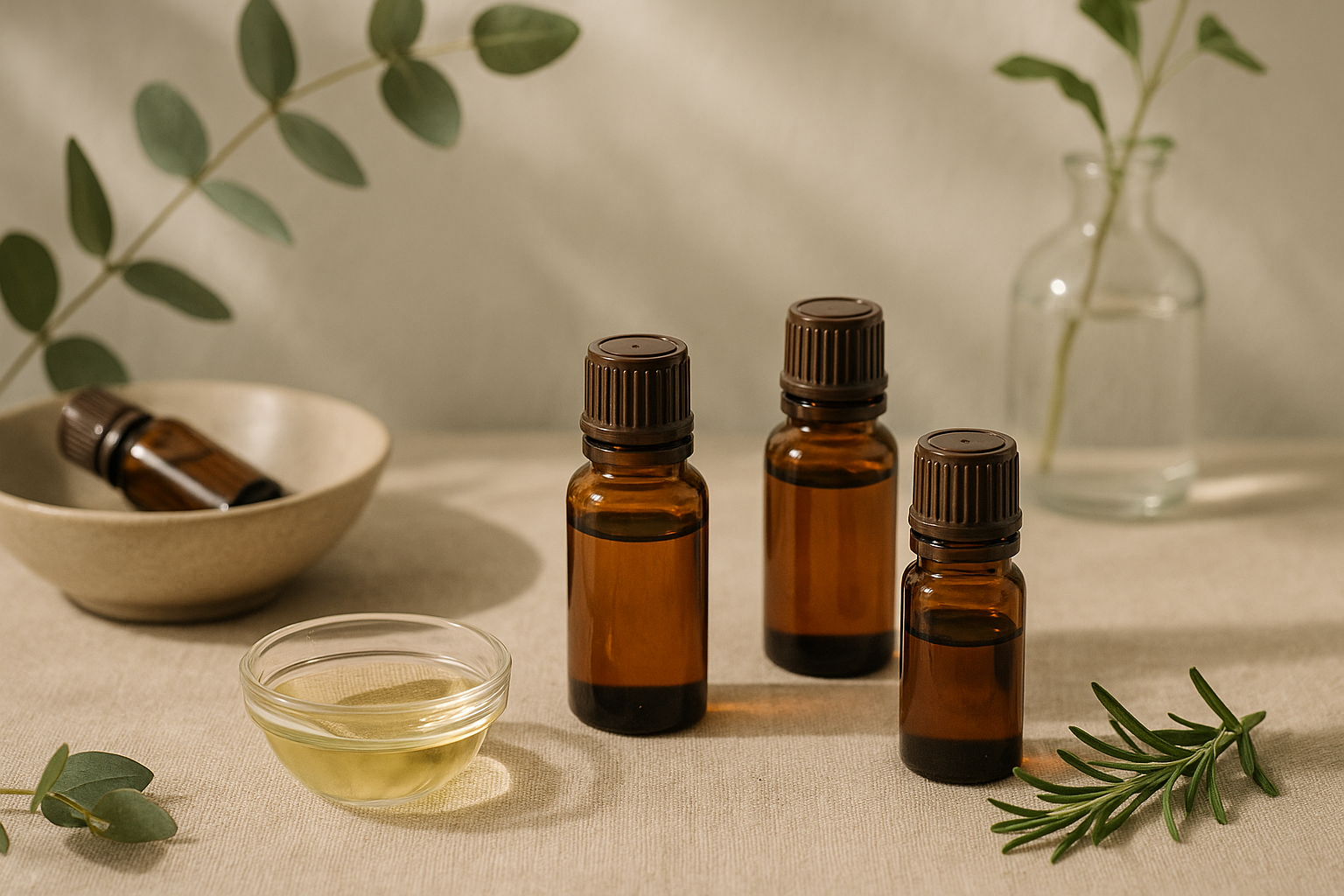
- Essential Oils: Oils such as lavender, eucalyptus, and chamomile contain compounds that can induce relaxation and alleviate stress.
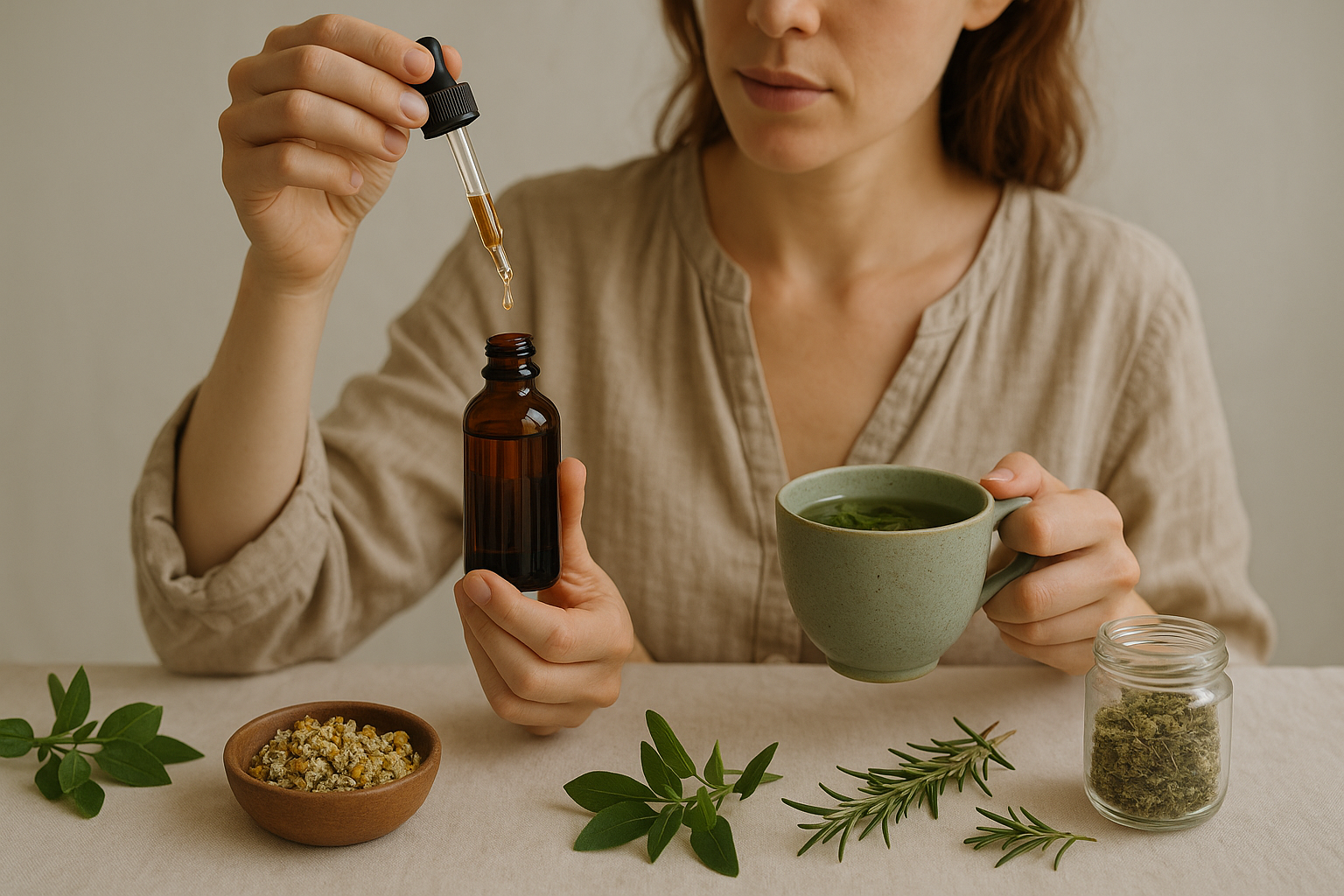
- Herbal Infusions: Various herbs, including peppermint and ginger, may enhance circulation and provide additional therapeutic benefits.
Traditional Uses
Historically, recovery baths have been utilized across various cultures as a means of healing and relaxation. The Ancient Romans famously built public baths that incorporated different water temperatures and healing minerals. Similarly, in Japan, the practice of soaking in onsen (hot springs) is believed to promote both physical and mental well-being. These practices highlight the long-standing recognition of water's therapeutic properties.
What Modern Research Suggests
Modern studies have begun to validate the benefits of recovery baths. Research indicates that warm water immersion can improve blood circulation, reduce muscle soreness post-exercise, and decrease levels of stress and anxiety. While more extensive studies are needed, preliminary findings suggest that regular use of recovery baths may support overall health and enhance recovery from physical exertion.
Functional Actions
Recovery baths primarily function to:
- Enhance relaxation and reduce stress.
- Alleviate muscle soreness and tension.
- Improve circulation and lymphatic drainage.
- Support skin health and detoxification.
Body Systems Supported
Recovery baths can support several body systems, including:
- Musculoskeletal System: By relaxing muscles and alleviating tension.
- Nervous System: Promoting relaxation and reducing stress levels.
- Integumentary System: Supporting skin health through hydration and detoxification.
Common Forms & Educational Dosing Ranges
Recovery baths can be customized based on individual preferences and needs. Common forms include:
- Epsom Salt Baths: Typically, 1-2 cups of Epsom salt are added to warm bathwater. Soak for 15-30 minutes.
- Essential Oil Baths: Add 5-10 drops of essential oil to bathwater, preferably mixed with a carrier oil to prevent skin irritation.
- Herbal Baths: Steep herbs in boiling water, then add to the bath; 1-2 cups of dried herbs are recommended.
Safety, Contraindications & Interactions
While recovery baths are generally safe for most individuals, certain precautions should be taken:
- Individuals with skin sensitivities or allergies should perform a patch test prior to using essential oils or herbal additions.
- Those with cardiovascular issues or certain medical conditions should consult a healthcare provider before engaging in hot baths.
- Pregnant individuals should also seek medical advice, especially regarding the use of specific essential oils.
Pairs Well With
To enhance the benefits of recovery baths, consider pairing them with:
- Meditation or Deep Breathing Exercises: To further promote relaxation.
- Gentle Stretching or Yoga: To complement the muscle relaxation and enhance overall well-being.
- Herbal Teas: Such as chamomile or peppermint for additional calming effects.
FAQs (5)
- How often can I take recovery baths? It is generally safe to take recovery baths 2-3 times a week, depending on your personal comfort and needs.
- Can I use recovery baths if I have sensitive skin? Yes, but it is advisable to conduct a patch test with any new ingredients, like essential oils.
- What is the ideal water temperature for a recovery bath? Aim for warm water, typically around 90-100°F (32-38°C), to promote relaxation without overheating the body.
- Are there any specific essential oils that are best for recovery baths? Lavender, eucalyptus, and frankincense are popular choices known for their calming properties.
- Can children take recovery baths? Yes, but ensure the water temperature is safe and avoid any strong essential oils.
Frequently asked
How often can I take recovery baths?
It is generally safe to take recovery baths 2-3 times a week, depending on your personal comfort and needs.
Can I use recovery baths if I have sensitive skin?
Yes, but it is advisable to conduct a patch test with any new ingredients, like essential oils.
What is the ideal water temperature for a recovery bath?
Aim for warm water, typically around 90-100°F (32-38°C), to promote relaxation without overheating the body.
Are there any specific essential oils that are best for recovery baths?
Lavender, eucalyptus, and frankincense are popular choices known for their calming properties.
Can children take recovery baths?
Yes, but ensure the water temperature is safe and avoid any strong essential oils.