Circulatory Therapy
Dive into circulatory therapy through hydrotherapy, examining its benefits, historical roots, and modern applications.
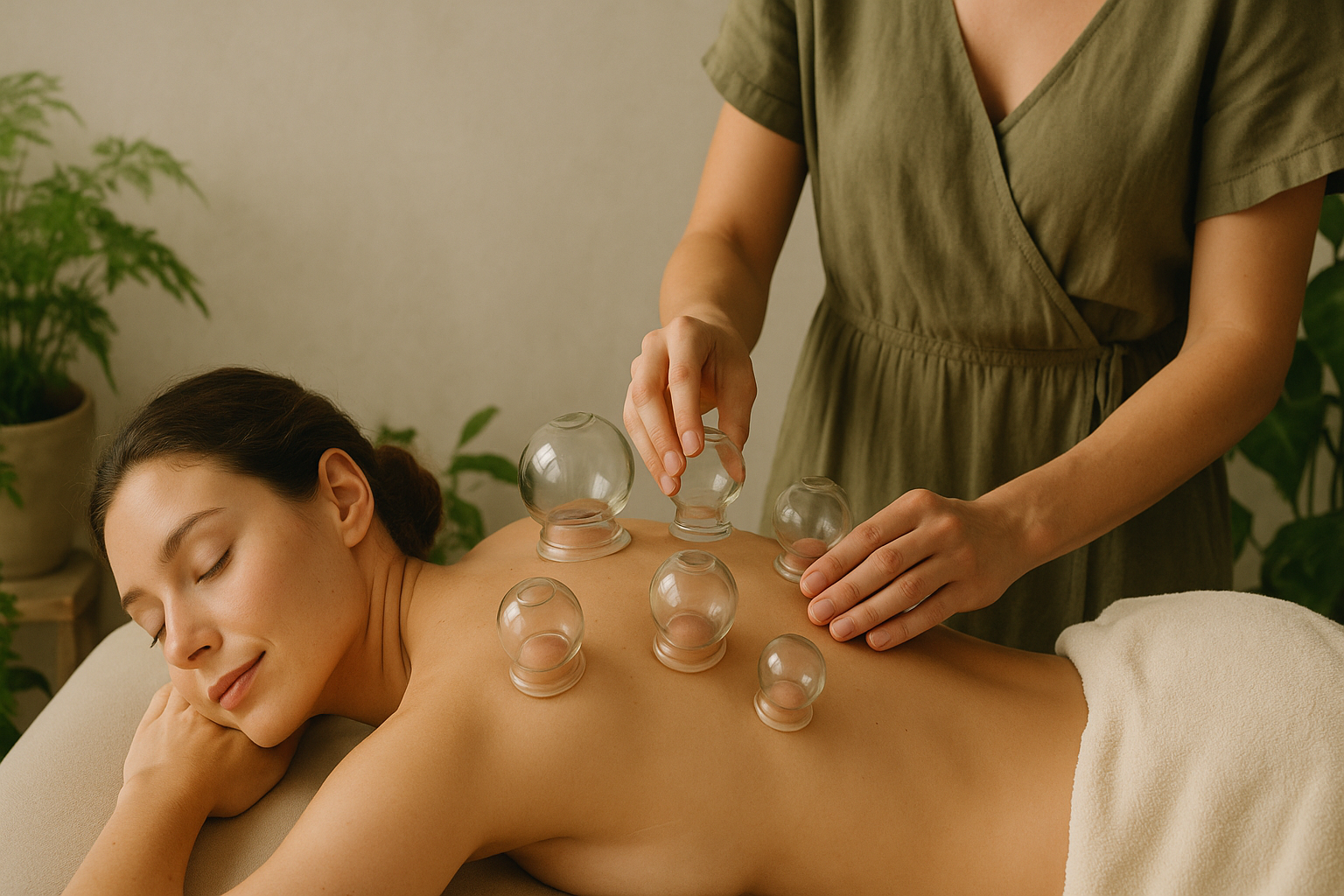
Explore the world of circulatory therapy within hydrotherapy, highlighting its definition, key compounds, traditional uses, modern research, and safety considerations. Discover how it supports body systems and find practical dosing recommendations.
What It Is
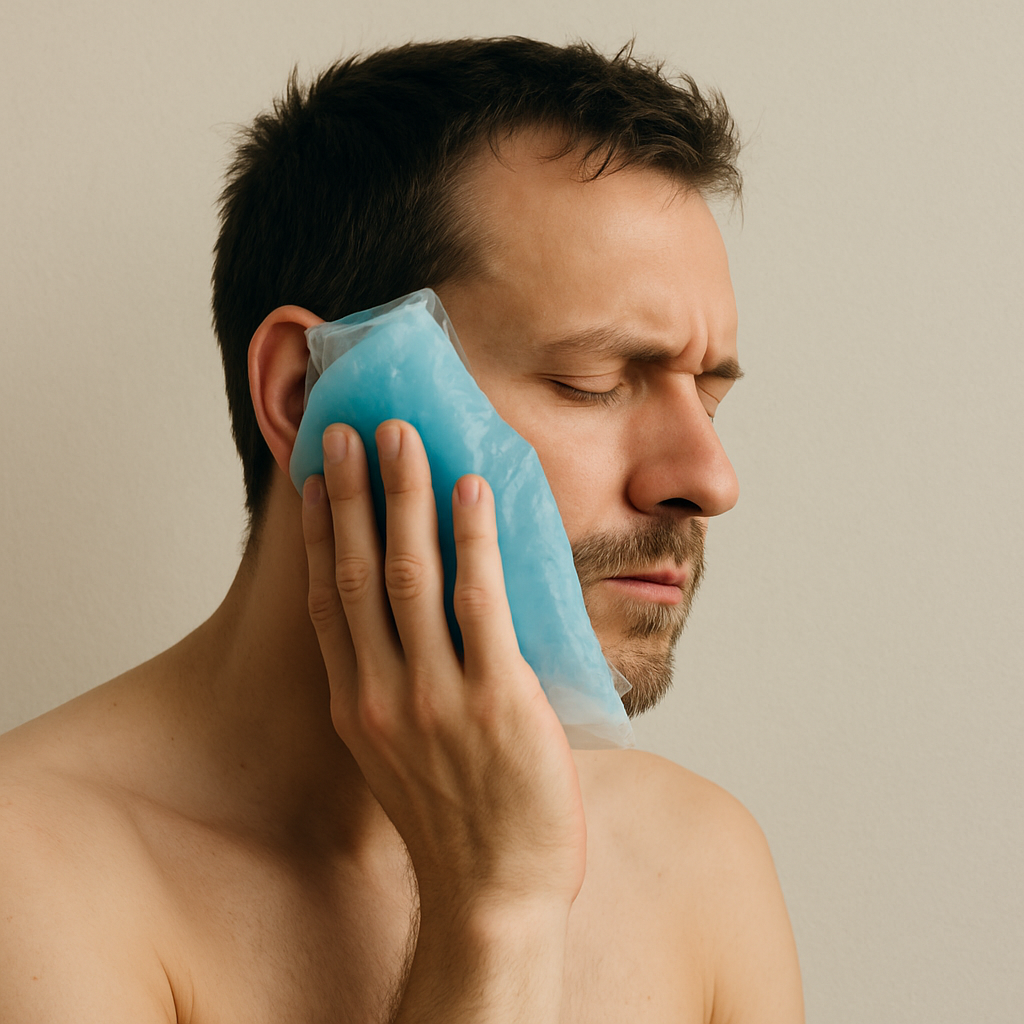
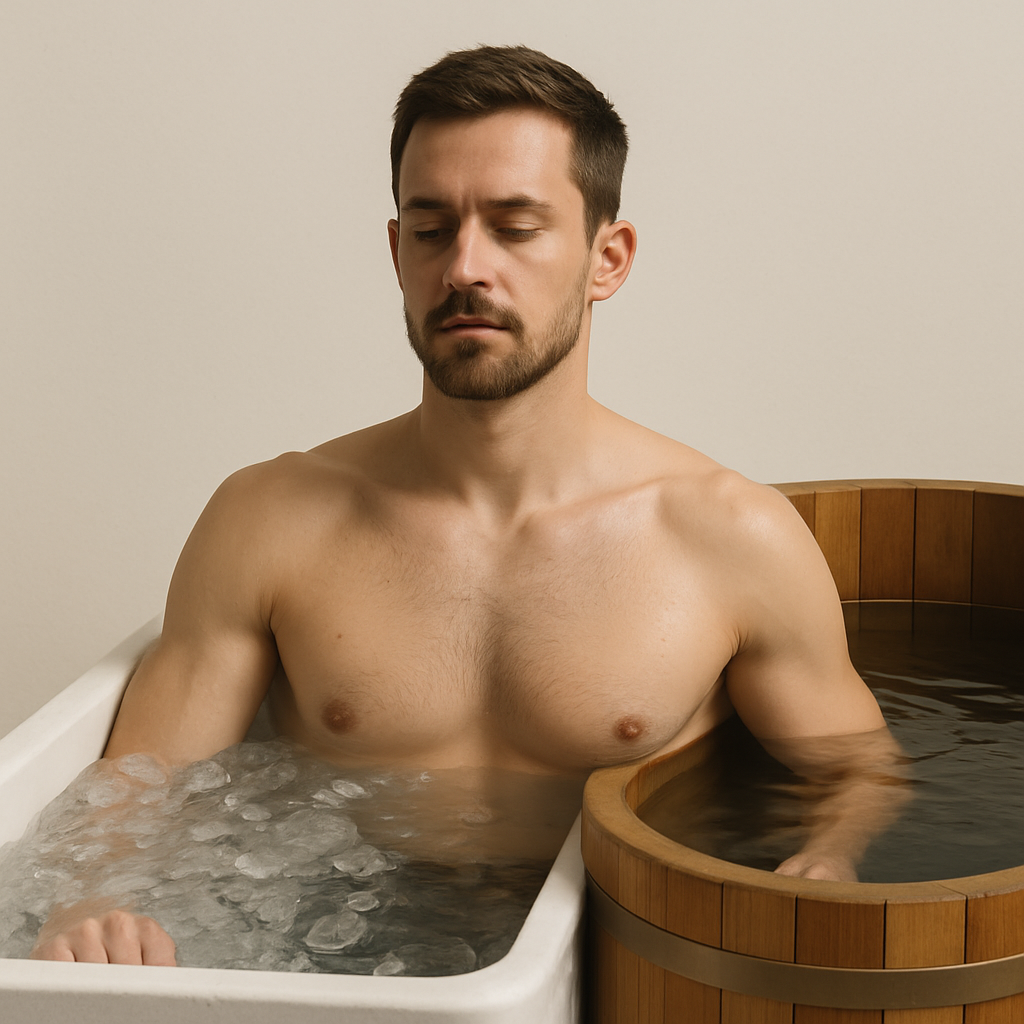
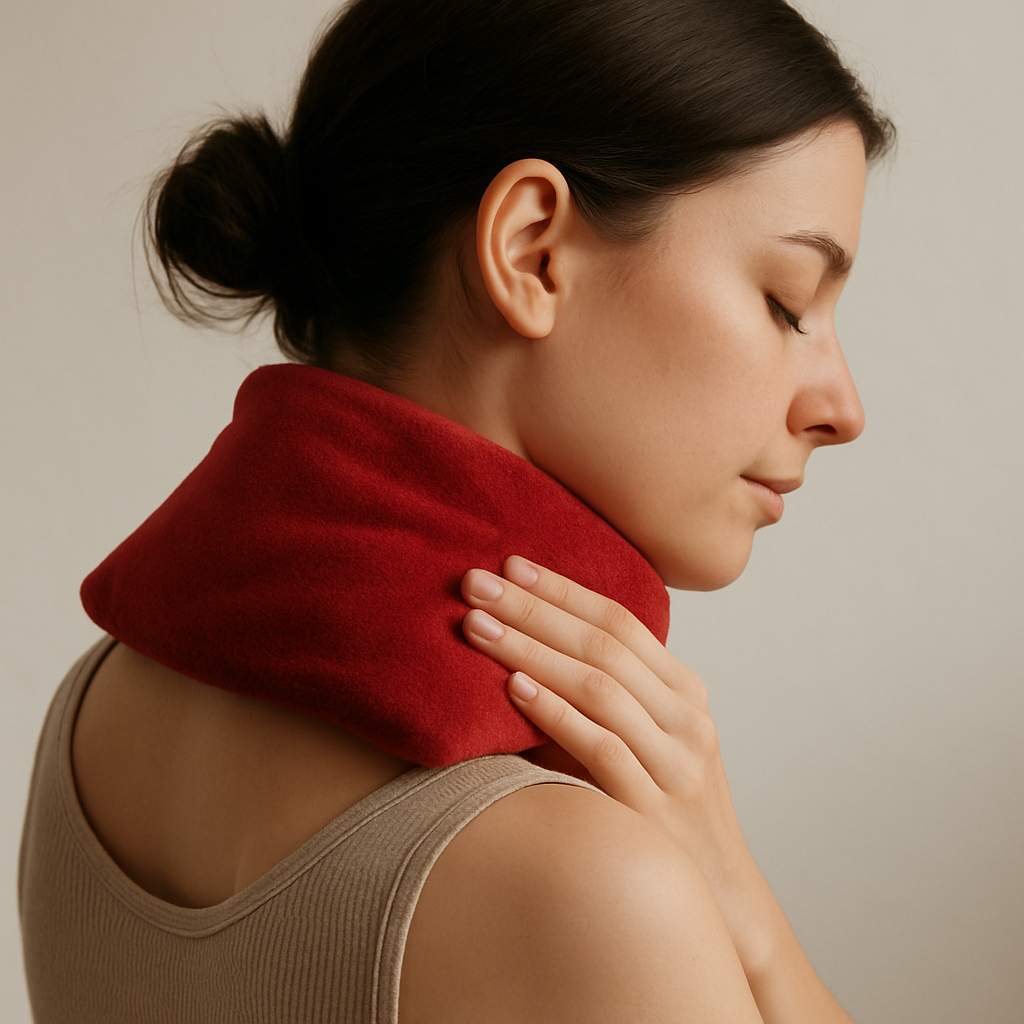
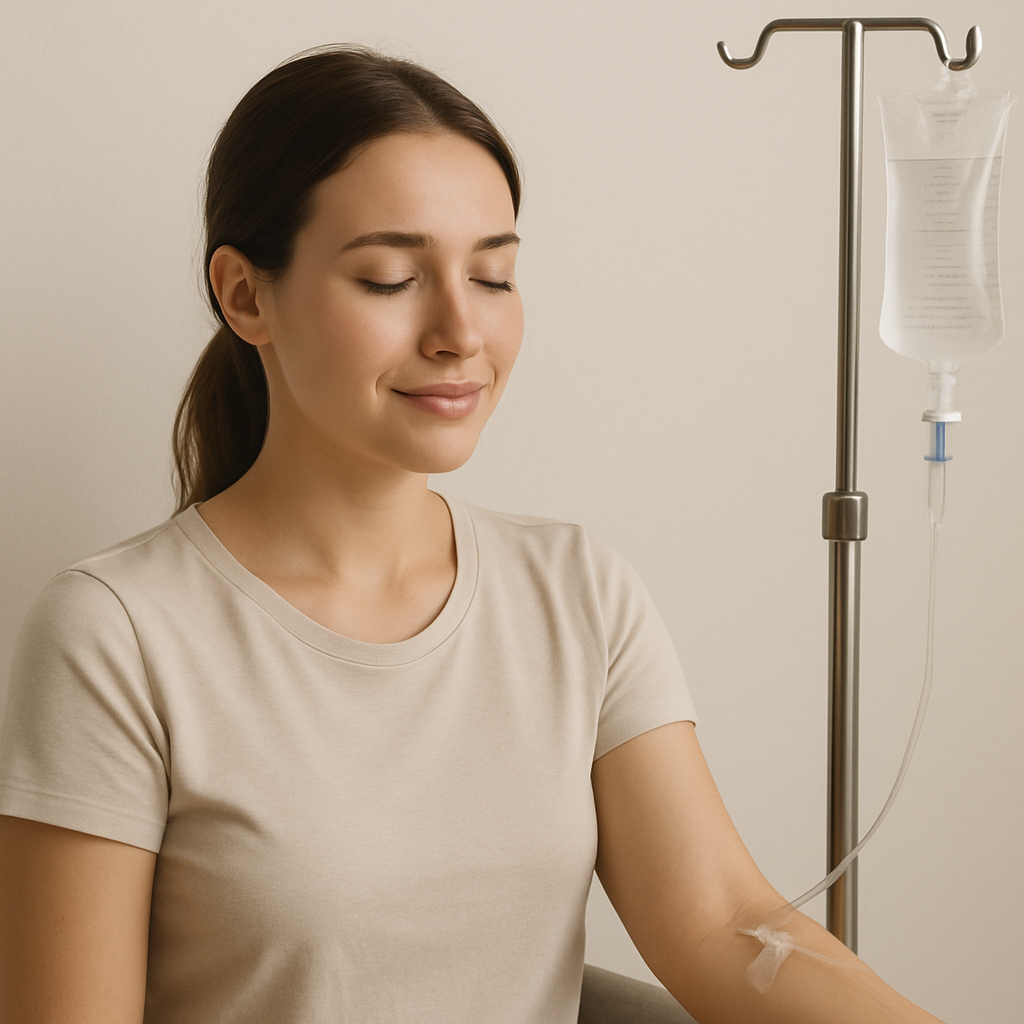
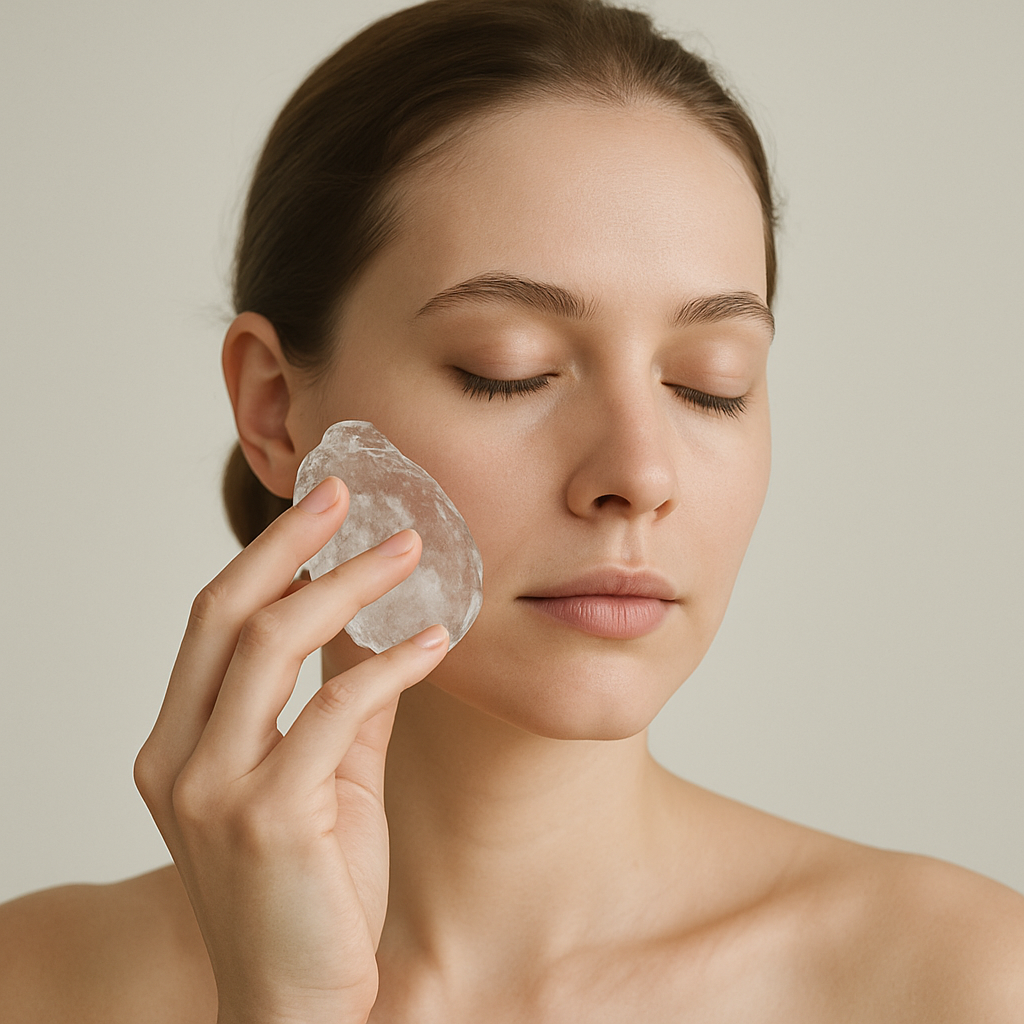
Circulatory therapy, a subset of hydrotherapy, refers to the use of water to enhance blood circulation and promote overall cardiovascular health. This therapy leverages the unique properties of water, including temperature and buoyancy, to stimulate blood flow and improve vascular function. The term encompasses various techniques, including hot and cold water applications, hydrostatic pressure, and aquatic exercises, all aimed at facilitating optimal circulation.
Key Active Compounds & Mechanisms
While circulatory therapy primarily relies on water, it can be enhanced by the inclusion of certain natural compounds that support vascular health. Some key active compounds associated with circulatory benefits include:
- Flavonoids: Found in various fruits and vegetables, flavonoids such as quercetin (from *Quercus robur*) can improve endothelial function.
- Omega-3 fatty acids: Present in fish oils and flaxseed, these compounds promote heart health and may help reduce blood viscosity.
- Ginkgo biloba: This plant (*Ginkgo biloba*) is known for enhancing blood flow and supporting cognitive function.
The mechanisms through which these compounds operate include vasodilation, reduction of platelet aggregation, and anti-inflammatory effects.
Traditional Uses
Historically, hydrotherapy has been utilized in various cultures for its therapeutic properties. Ancient Greeks and Romans are known to have built baths with hot and cold water for relaxation and health improvement. Similarly, traditional Chinese medicine incorporates water-based treatments such as warm baths and compresses to enhance circulation and alleviate pain. Indigenous populations around the world have also used natural springs and thermal waters for their healing properties, often believing in the spiritual and physical benefits of water.
What Modern Research Suggests
Modern research into circulatory therapy has provided insights into its effectiveness for improving circulation and cardiovascular health. Preliminary studies suggest that hydrotherapy can lead to:
- Increased blood flow and oxygen delivery to tissues.
- Improved recovery times after exercise.
- Enhanced muscle relaxation and pain relief.
While findings are promising, it is essential to approach these studies with caution, as more extensive clinical trials are needed to confirm the efficacy of various hydrotherapy methods.
Functional Actions
Circulatory therapy serves several functional actions within the body, including:
- Enhancing blood circulation: By utilizing temperature variations, hydrotherapy can help dilate blood vessels and improve overall circulation.
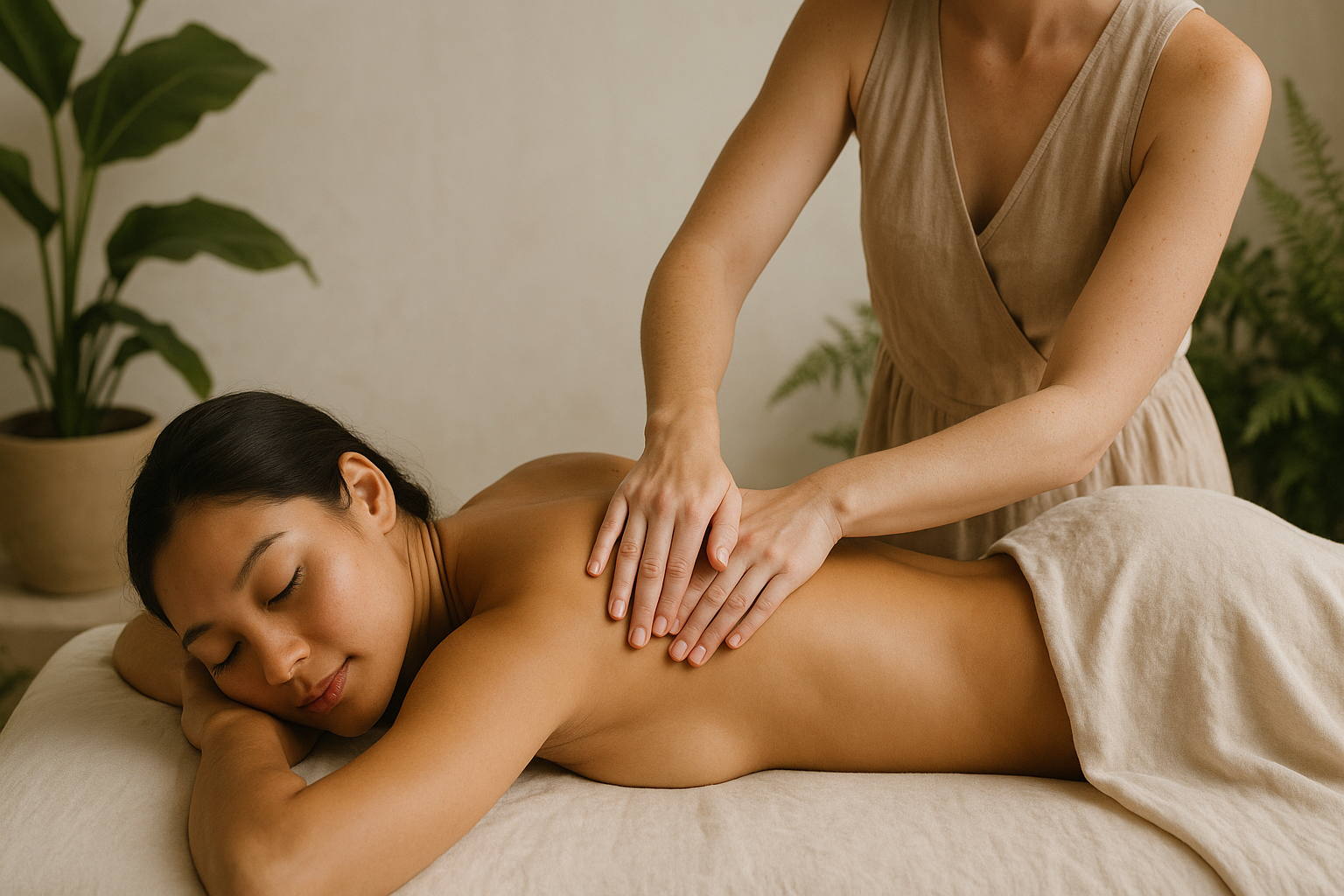
- Reducing muscle tension: Warm water applications can relax muscles, which may aid in reducing discomfort and stiffness.
- Promoting lymphatic drainage: Hydrostatic pressure can assist the lymphatic system in removing toxins and excess fluids from the body.
Body Systems Supported
Circulatory therapy primarily supports the cardiovascular system, but its benefits extend to other body systems, including:
- Musculoskeletal system: Helps alleviate pain and stiffness in muscles and joints.
- Nervous system: Can reduce stress and promote relaxation, benefiting mental health.
- Immune system: Improved circulation may enhance immune function by facilitating nutrient and oxygen delivery to cells.
Common Forms & Educational Dosing Ranges
Circulatory therapy can be administered in various forms, including:
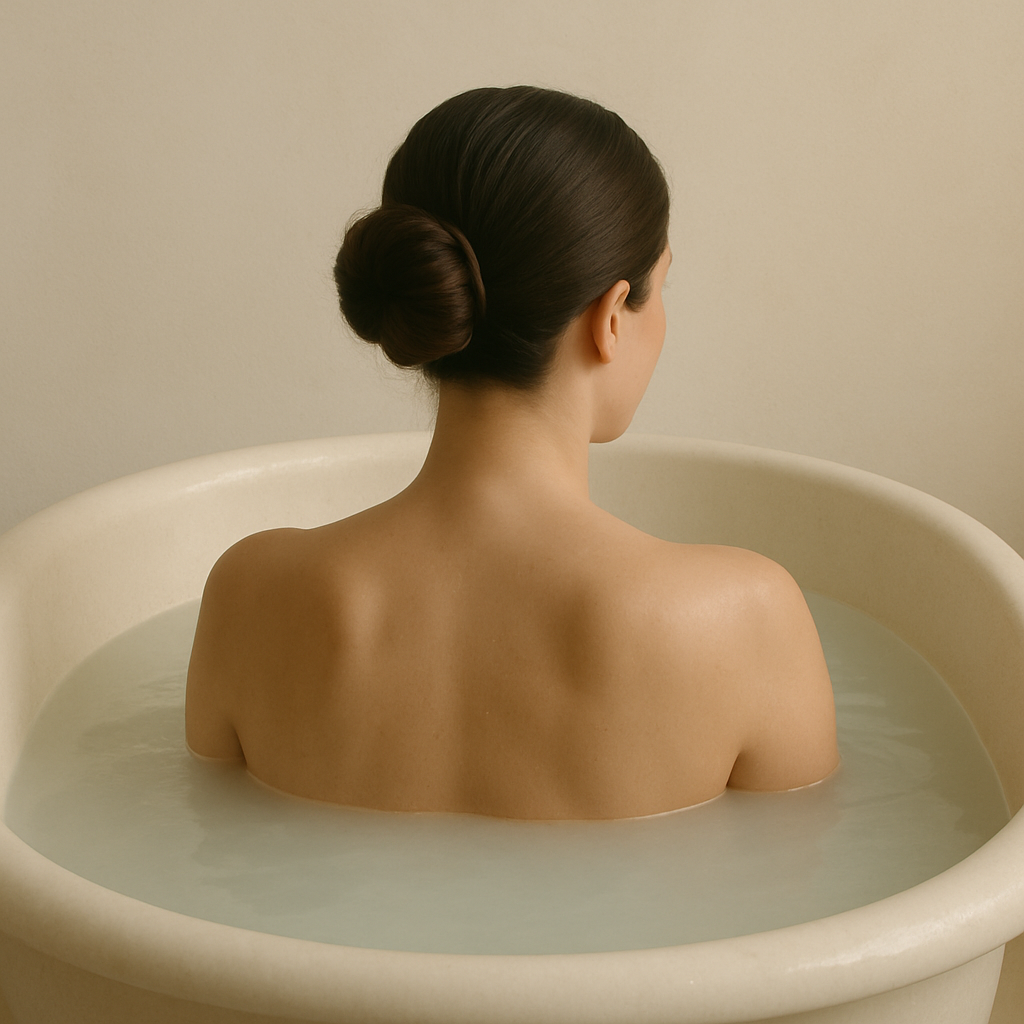
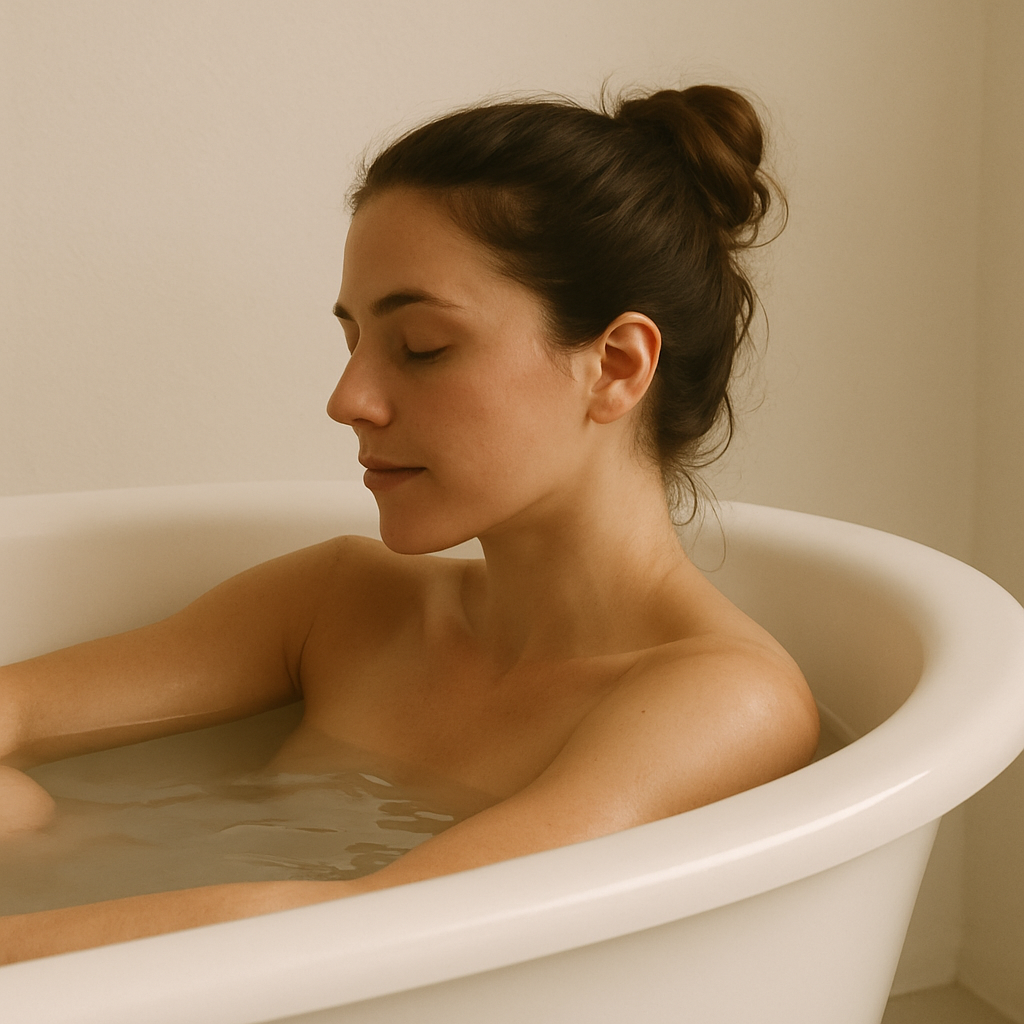
- Hydrotherapy baths: Soaking in warm or alternating hot and cold water baths for 15-30 minutes.
- Contrast showers: Alternating between warm and cold water for 5-10 minutes can stimulate circulation.
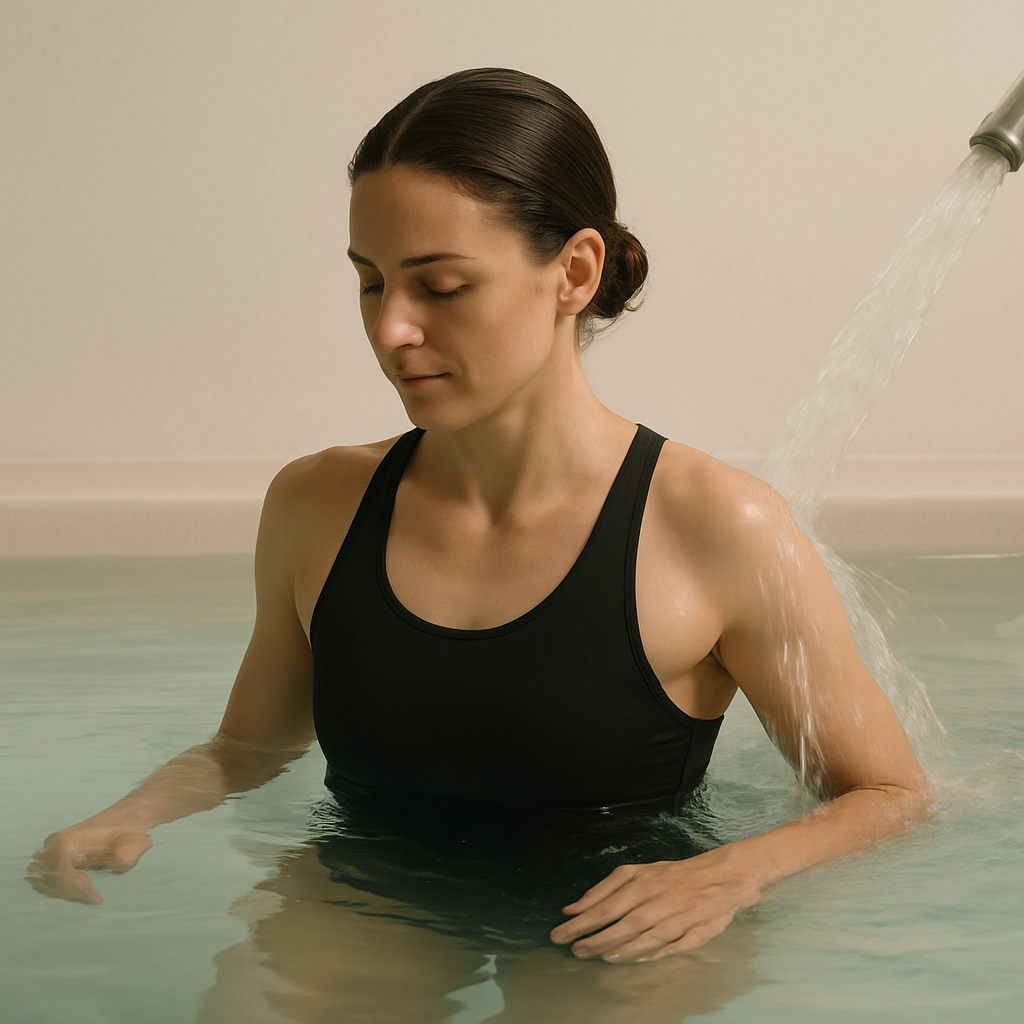
- Water aerobics: Engaging in low-impact exercises in warm water can enhance blood flow while reducing strain on joints.
Consulting with a healthcare professional is recommended to determine the most suitable form and duration based on individual health needs.
Safety, Contraindications & Interactions
While circulatory therapy is generally safe for most individuals, certain contraindications should be considered:
- Individuals with cardiovascular conditions should consult a physician before engaging in hydrotherapy.
- Those with skin sensitivities or allergies to certain materials used in baths or hot tubs should exercise caution.
- Pregnant women should consult a healthcare provider before starting any hydrotherapy regimen.
It is also important to be aware of interactions with specific medication classes, including blood thinners, which may require careful monitoring during hydrotherapy.
Pairs Well With
To enhance the effects of circulatory therapy, consider pairing it with:
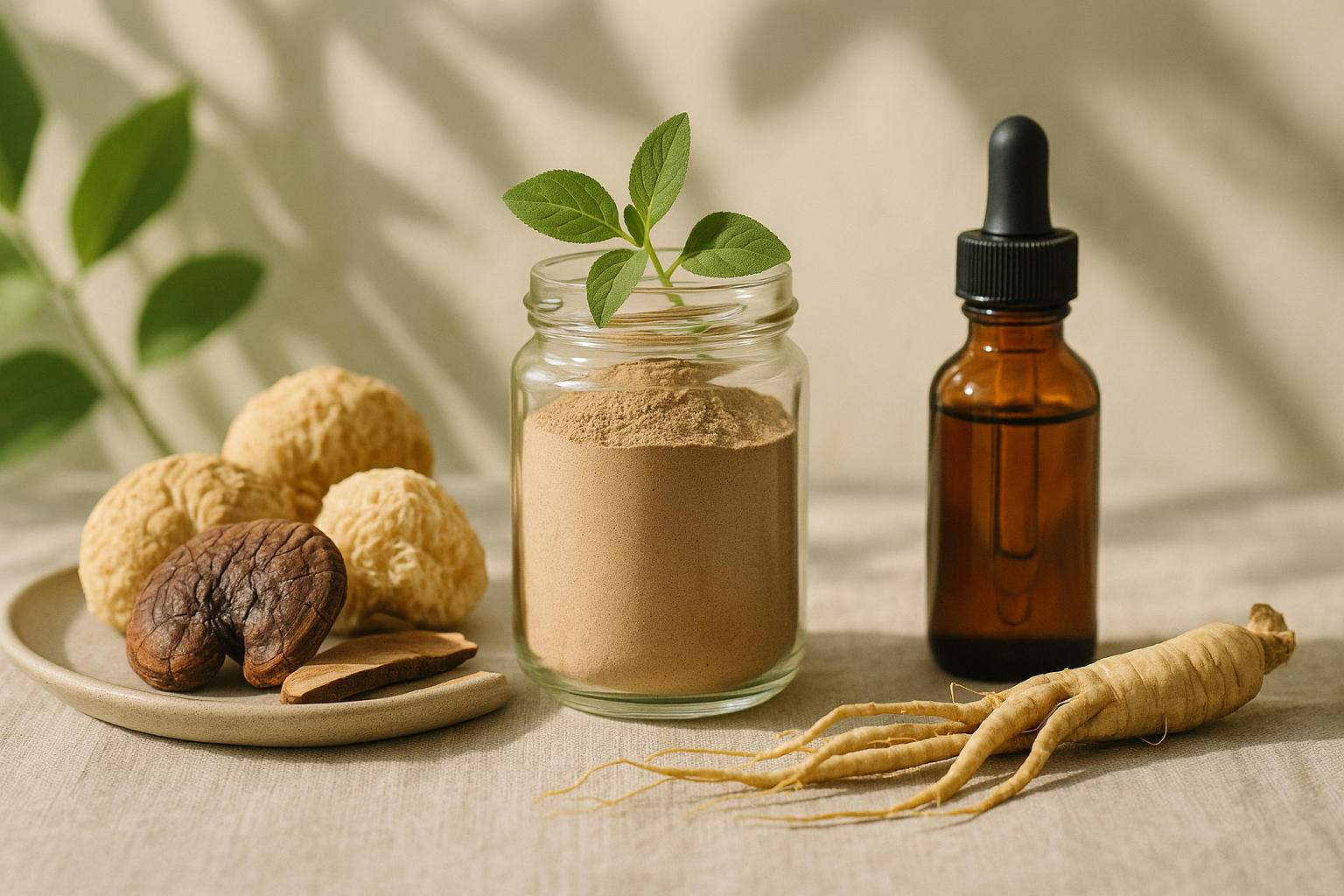
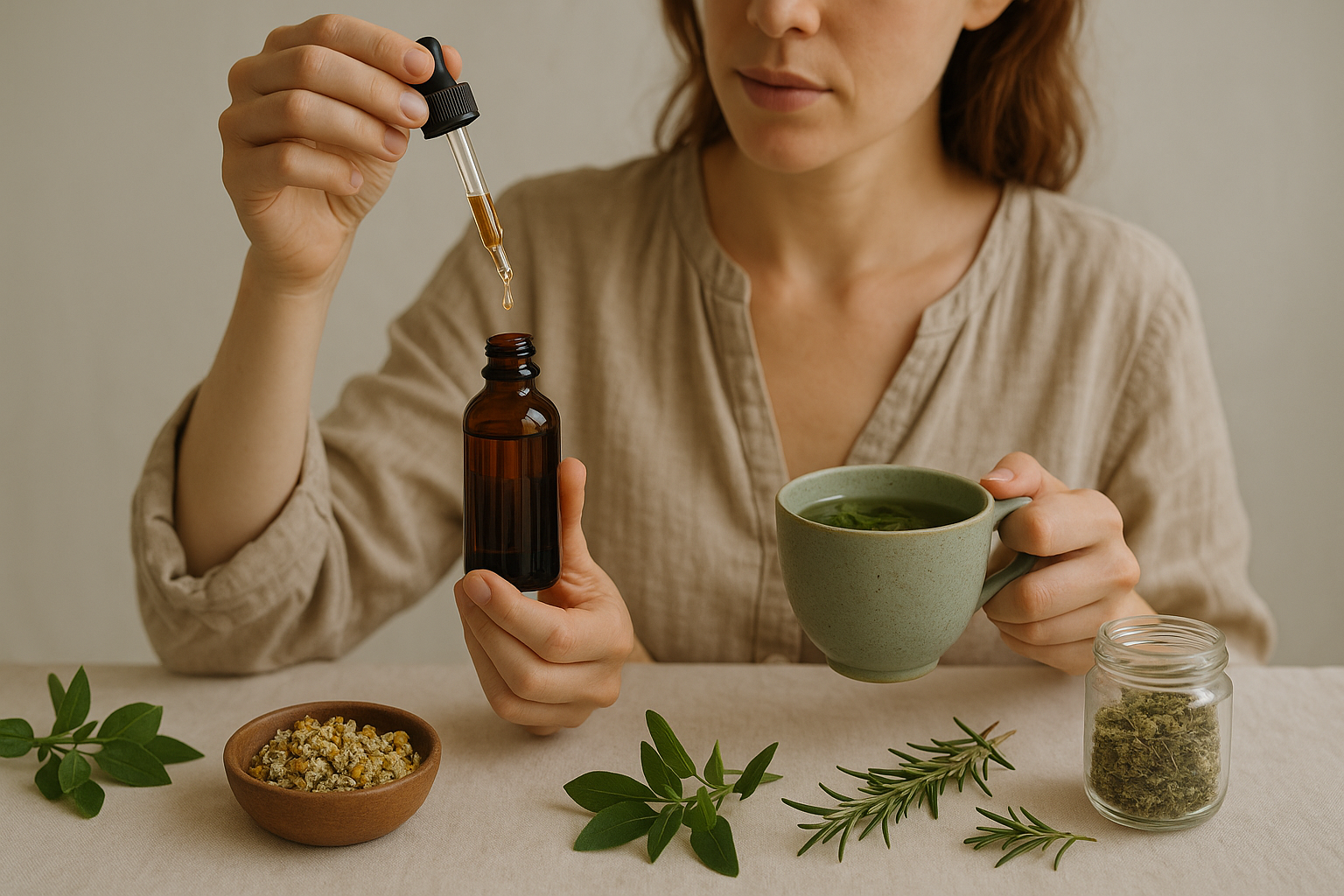
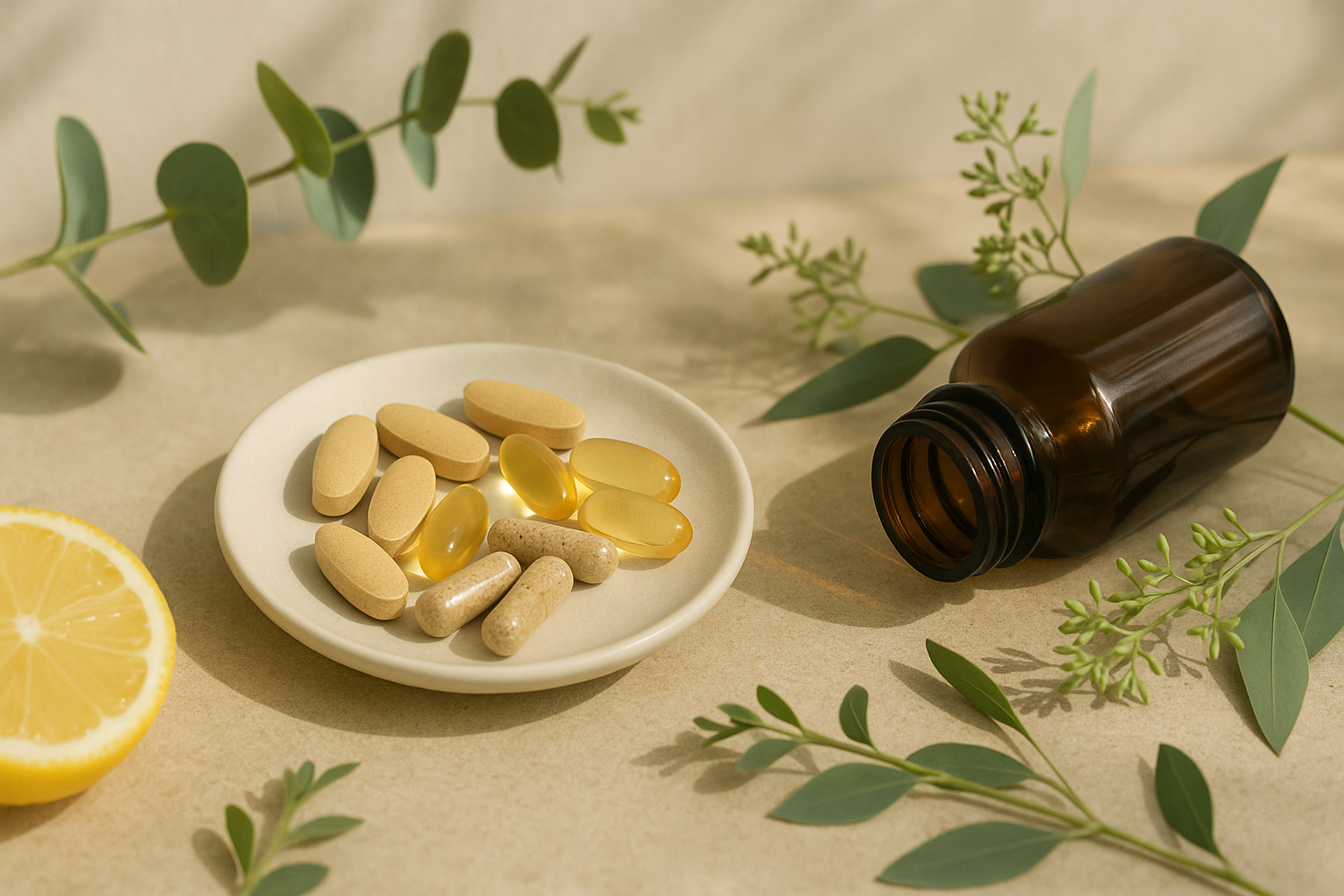
- Herbal supplements: Such as ginger (*Zingiber officinale*) and turmeric (*Curcuma longa*), known for their anti-inflammatory properties.
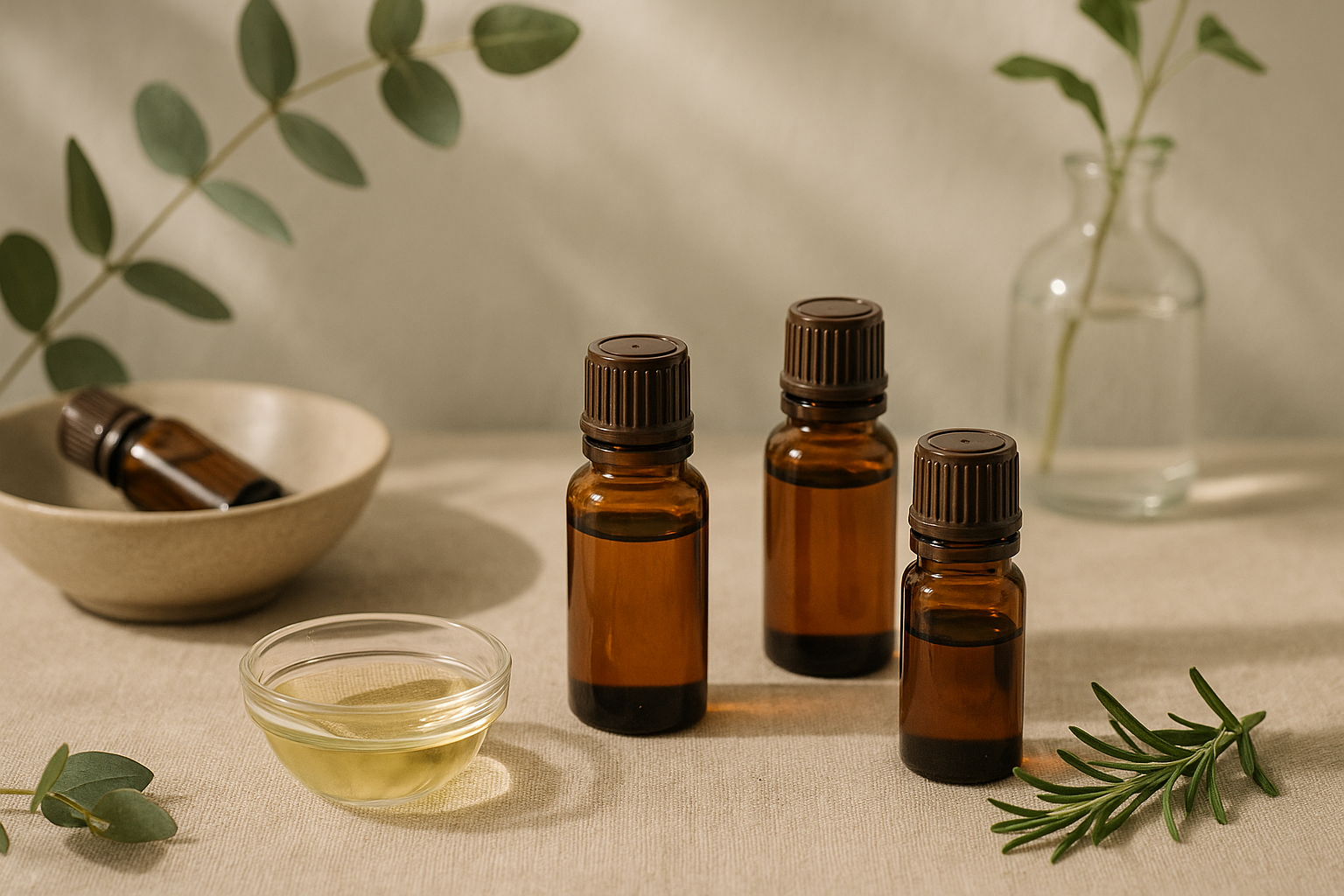
- Aromatherapy: Essential oils like peppermint and eucalyptus can provide additional relaxation and circulation benefits.
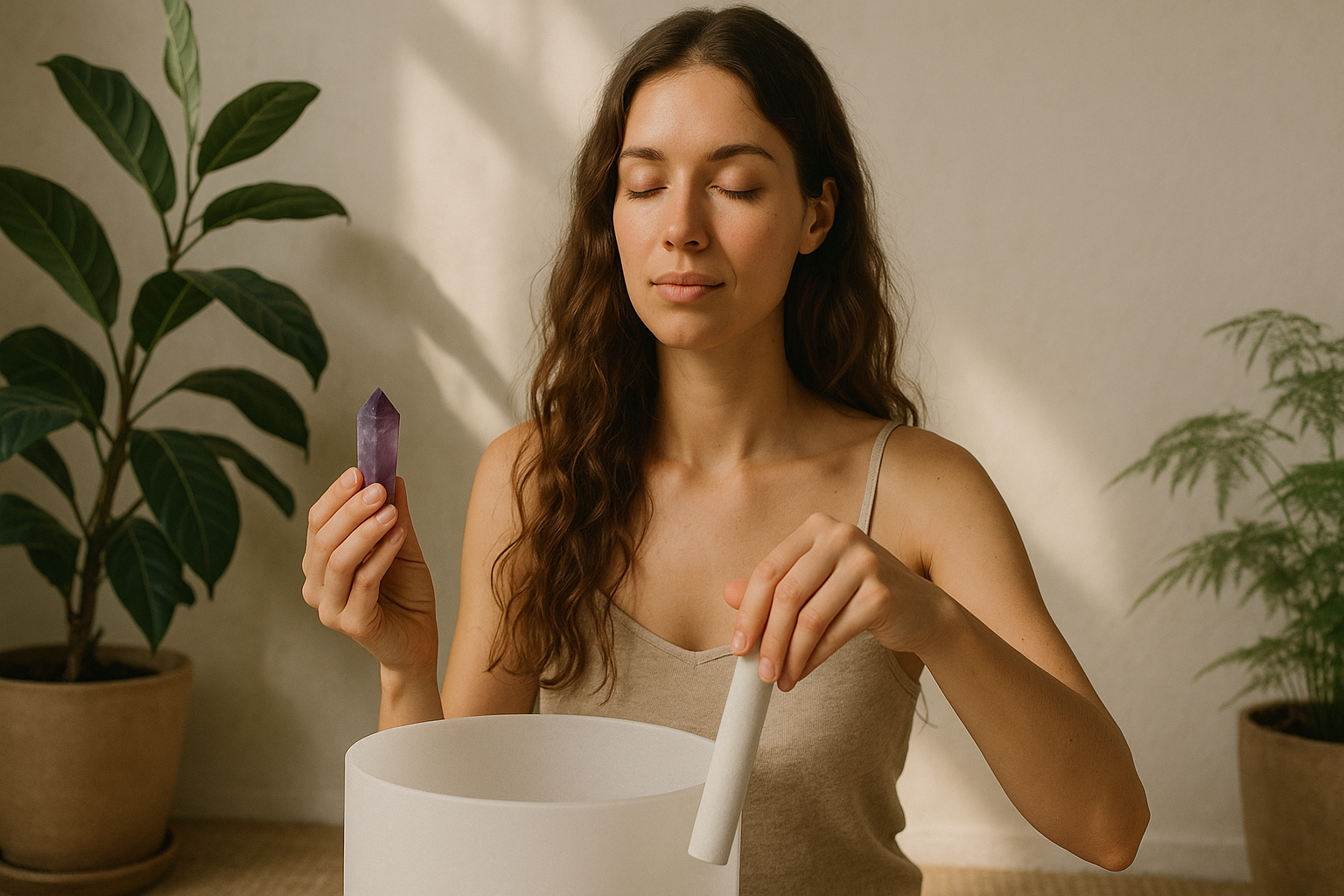
- Mindfulness practices: Incorporating yoga or meditation can further reduce stress and improve overall wellness.
FAQs (5)
- Is circulatory therapy suitable for everyone? While generally safe, individuals with certain health conditions should consult a healthcare provider before starting.
- How often should I engage in circulatory therapy? Frequency can vary; starting with 1-2 times per week is often recommended to gauge personal response.
- Can circulatory therapy help with recovery after exercise? Yes, hydrotherapy can aid in muscle recovery and reduce soreness after physical activity.
- Are there any side effects associated with circulatory therapy? Most individuals experience minimal side effects, but overheating or dehydration can occur, so it is crucial to stay hydrated.
- Can I combine circulatory therapy with other treatments? Yes, combining with herbal supplements or mindfulness practices can enhance the benefits, but consult a professional first.
Frequently asked
Is circulatory therapy suitable for everyone?
While generally safe, individuals with certain health conditions should consult a healthcare provider before starting.
How often should I engage in circulatory therapy?
Frequency can vary; starting with 1-2 times per week is often recommended to gauge personal response.
Can circulatory therapy help with recovery after exercise?
Yes, hydrotherapy can aid in muscle recovery and reduce soreness after physical activity.
Are there any side effects associated with circulatory therapy?
Most individuals experience minimal side effects, but overheating or dehydration can occur, so it is crucial to stay hydrated.
Can I combine circulatory therapy with other treatments?
Yes, combining with herbal supplements or mindfulness practices can enhance the benefits, but consult a professional first.