Hot Therapy
Discover the principles and practices of hot therapy within hydrotherapy, its historical significance, modern research, and safety guidelines.
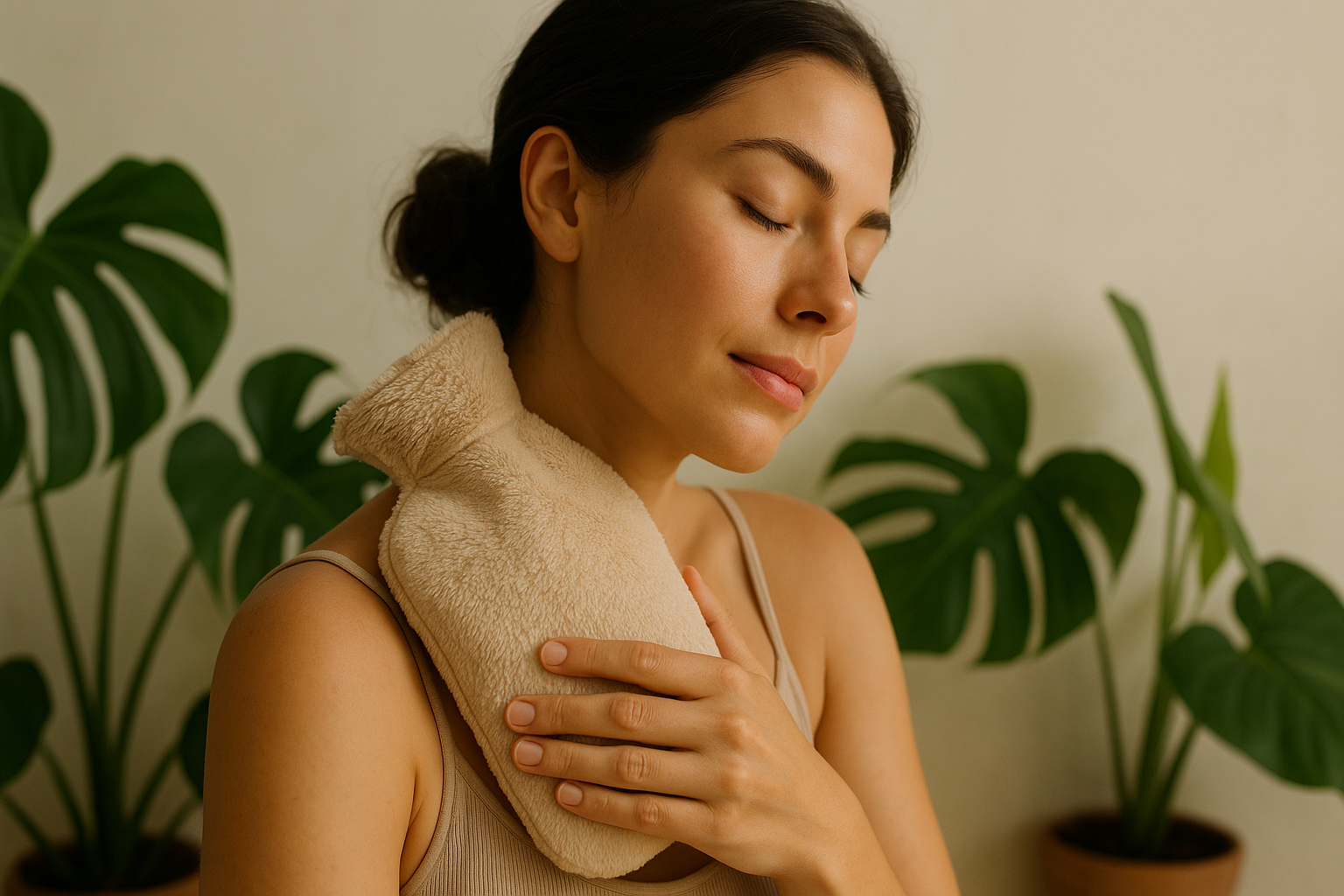
Explore the benefits and applications of hot therapy, a key component of hydrotherapy, using natural remedies to promote well-being.
What It Is
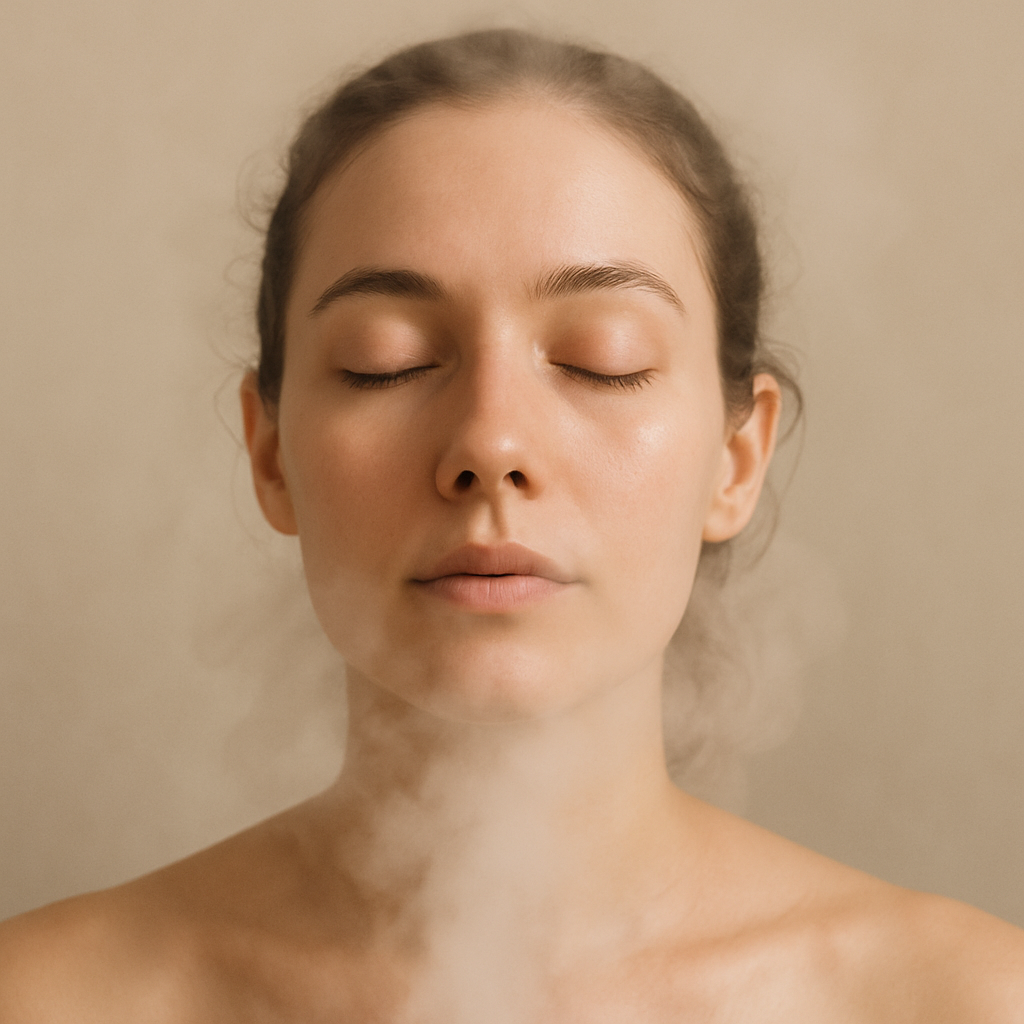
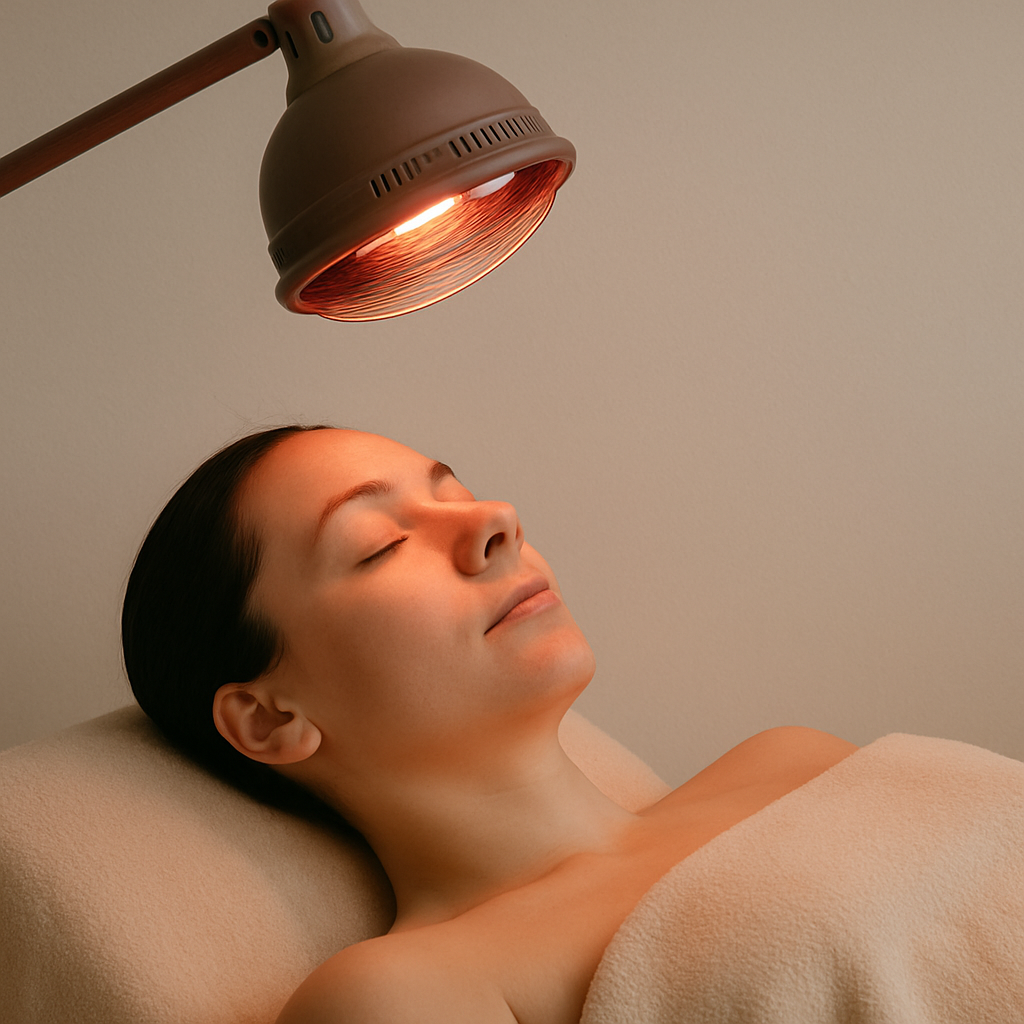
Hot therapy, often referred to as heat therapy or thermotherapy, involves the application of heat to the body to alleviate pain, promote relaxation, and enhance overall well-being. This form of therapy can be delivered through various methods, including hot water baths, heating pads, warm compresses, and saunas. By increasing blood flow and reducing muscle tension, hot therapy can provide relief from a range of conditions.
Key Active Compounds & Mechanisms
While hot therapy does not involve specific compounds like herbal remedies, its efficacy is rooted in physiological mechanisms. Heat dilates blood vessels, enhancing circulation and promoting the delivery of oxygen and nutrients to tissues. This process also aids in the removal of metabolic waste. Additionally, heat can influence pain perception by interrupting the transmission of pain signals to the brain.
Traditional Uses
Historically, hot therapy has been utilized in various cultures as a natural remedy for ailments. Ancient Egyptians used heated sand for muscle relaxation, while Roman baths became a social and therapeutic hub, emphasizing the importance of heat in wellness practices. In Traditional Chinese Medicine, heat therapy is often employed in conjunction with acupuncture to balance energy flow and relieve discomfort.
What Modern Research Suggests
Modern studies indicate that hot therapy can be effective in managing conditions such as arthritis, lower back pain, and muscle strains. Research has shown that applying heat can be beneficial in promoting tissue healing and reducing stiffness. However, more extensive clinical trials are needed to establish standardized practices and dosages for optimal results.
Functional Actions
- Pain Relief: Hot therapy can alleviate pain by relaxing muscles and soothing inflamed areas.
- Improved Circulation: The application of heat promotes blood flow, enhancing nutrient delivery and waste removal.
- Muscle Relaxation: Heat helps to relax tight muscles, contributing to improved flexibility and range of motion.
- Stress Reduction: The soothing effects of heat can reduce stress and promote a sense of well-being.
Body Systems Supported
Hot therapy primarily supports the muscular and circulatory systems. It can also have positive effects on the integumentary system (skin) and contribute to overall emotional well-being by promoting relaxation.
Common Forms & Educational Dosing Ranges
- Hot Water Baths: Soaking in a bath at a temperature between 92°F to 100°F (33°C to 38°C) for 15 to 30 minutes.
- Heating Pads: Applying a heating pad to the affected area for 15 to 20 minutes, ensuring not to exceed recommended temperatures.
- Warm Compresses: Using a warm, damp cloth on sore areas for 10 to 15 minutes.
- Saunas: Spending time in a sauna at temperatures ranging from 150°F to 195°F (65°C to 90°C) for 15 to 20 minutes, with proper hydration.
Safety, Contraindications & Interactions
Hot therapy is generally safe for most individuals; however, certain precautions should be taken. It is advisable to avoid heat therapy if you have:
- Open wounds or skin conditions
- Diabetes, as it may affect sensation
- Heart conditions that could be exacerbated by increased circulation
- Multiple sclerosis or other conditions that may worsen with heat
Additionally, individuals taking blood thinners or medications that affect circulation should consult a healthcare provider before using hot therapy.
Pairs Well With
Hot therapy can be effectively paired with:
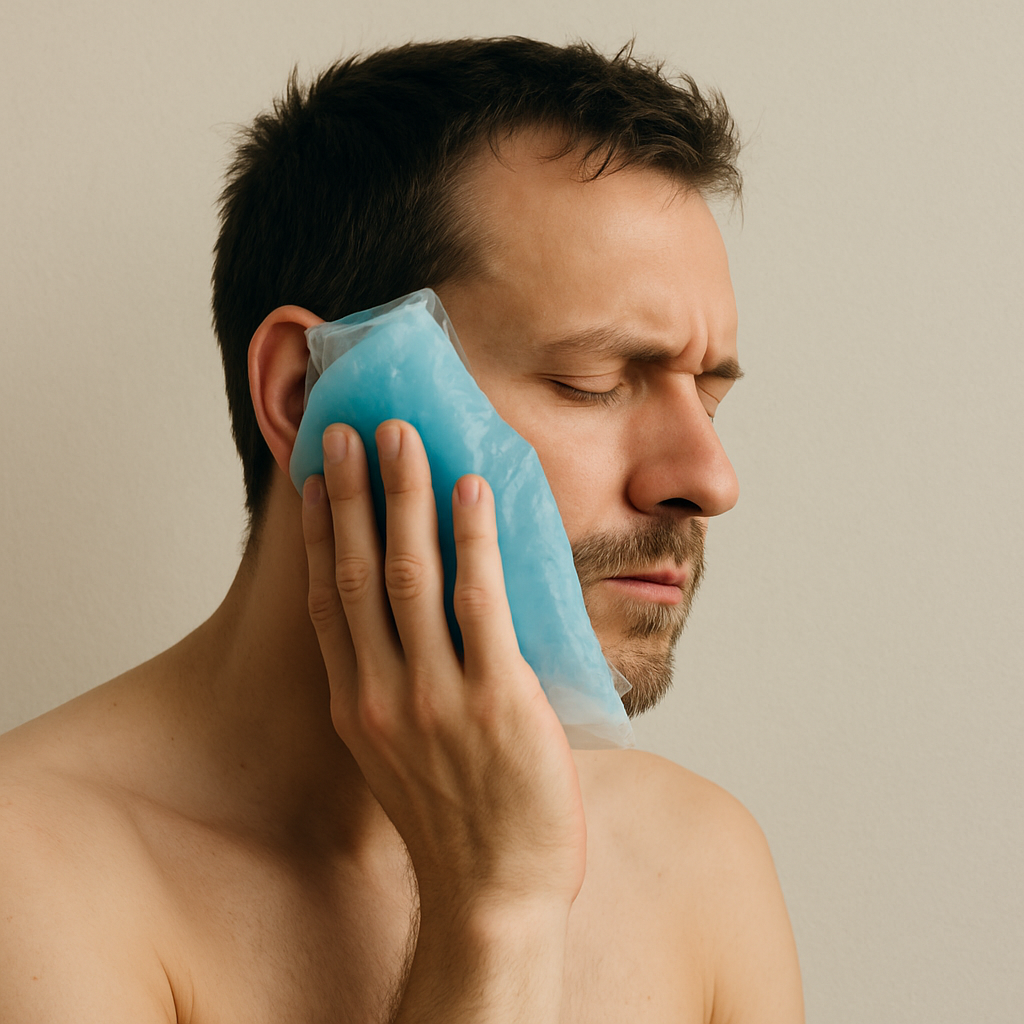
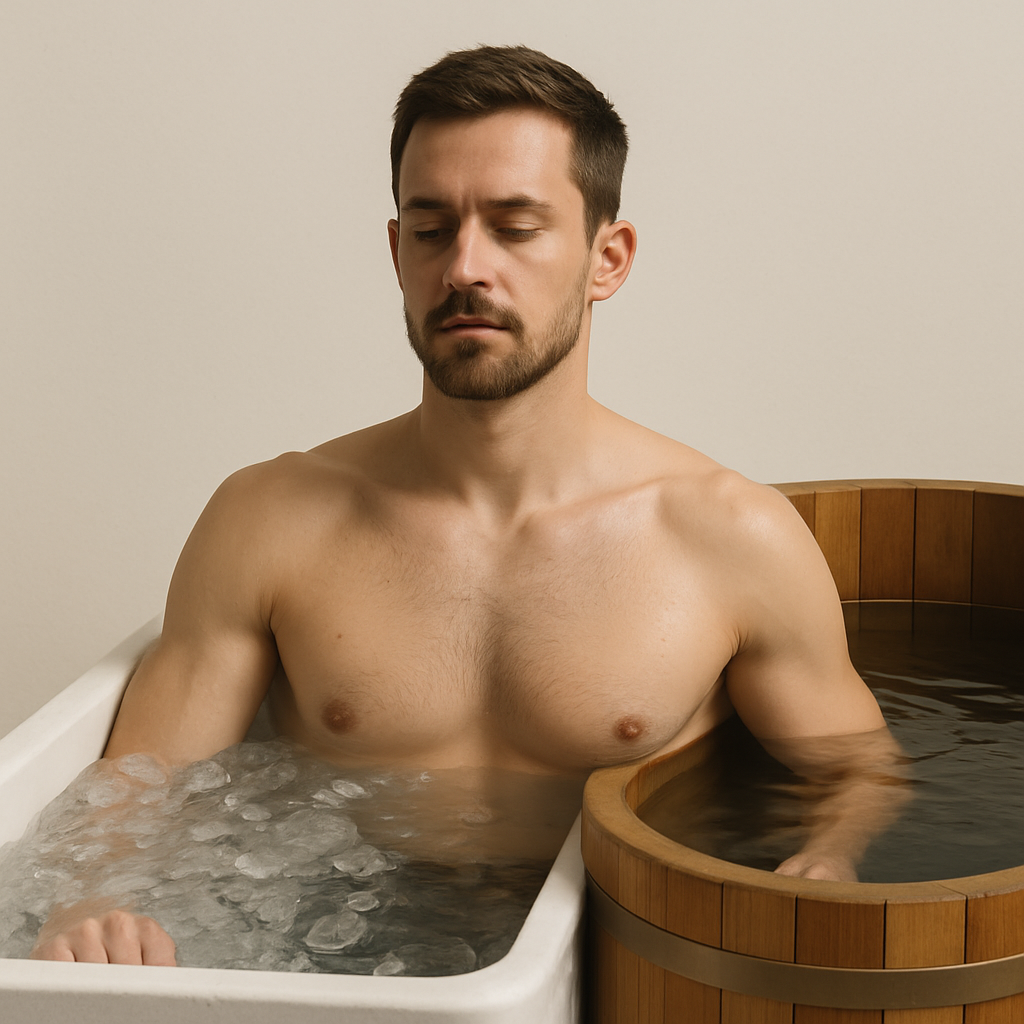
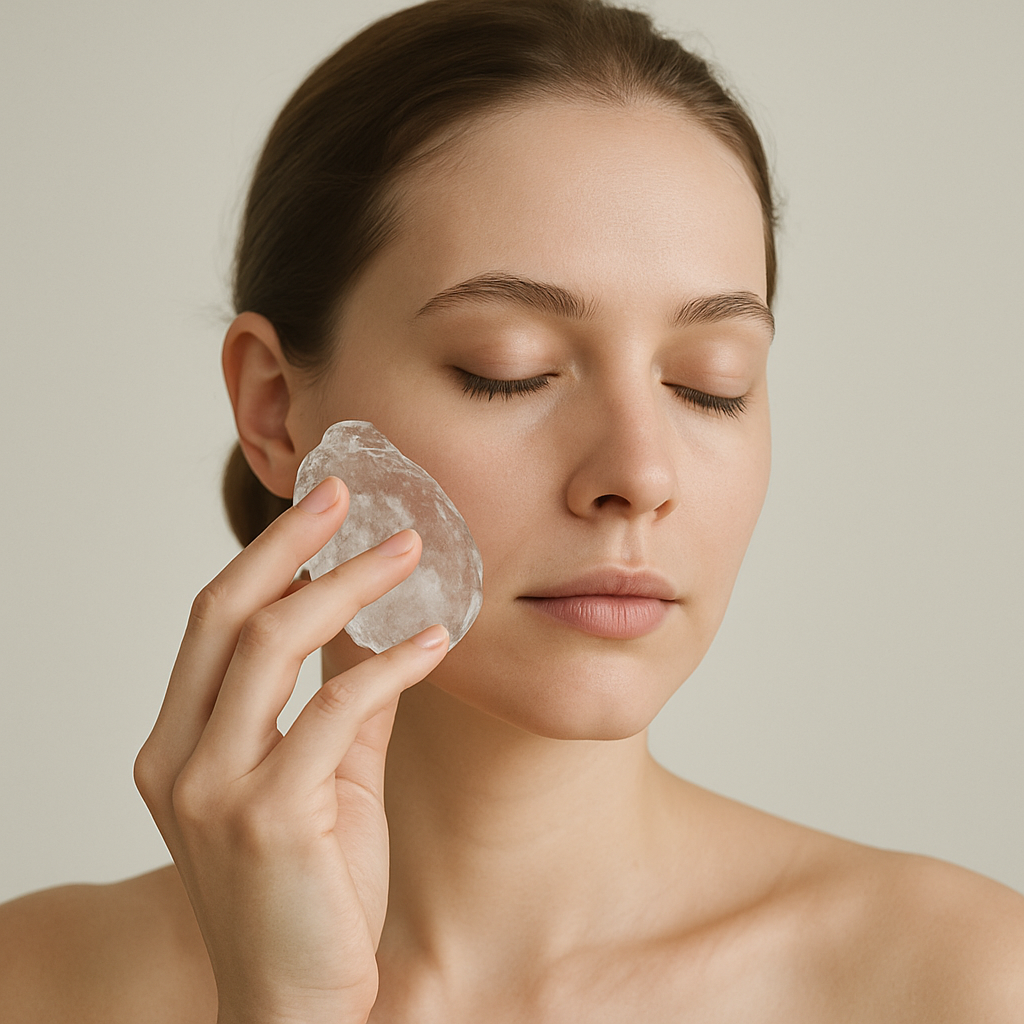
- Cold Therapy: Alternating heat and cold can enhance pain relief and reduce inflammation.
- Essential Oils: Adding oils like lavender or eucalyptus to baths can promote relaxation and enhance the experience.
- Stretching Exercises: Engaging in gentle stretching following heat application can further enhance muscle relaxation.
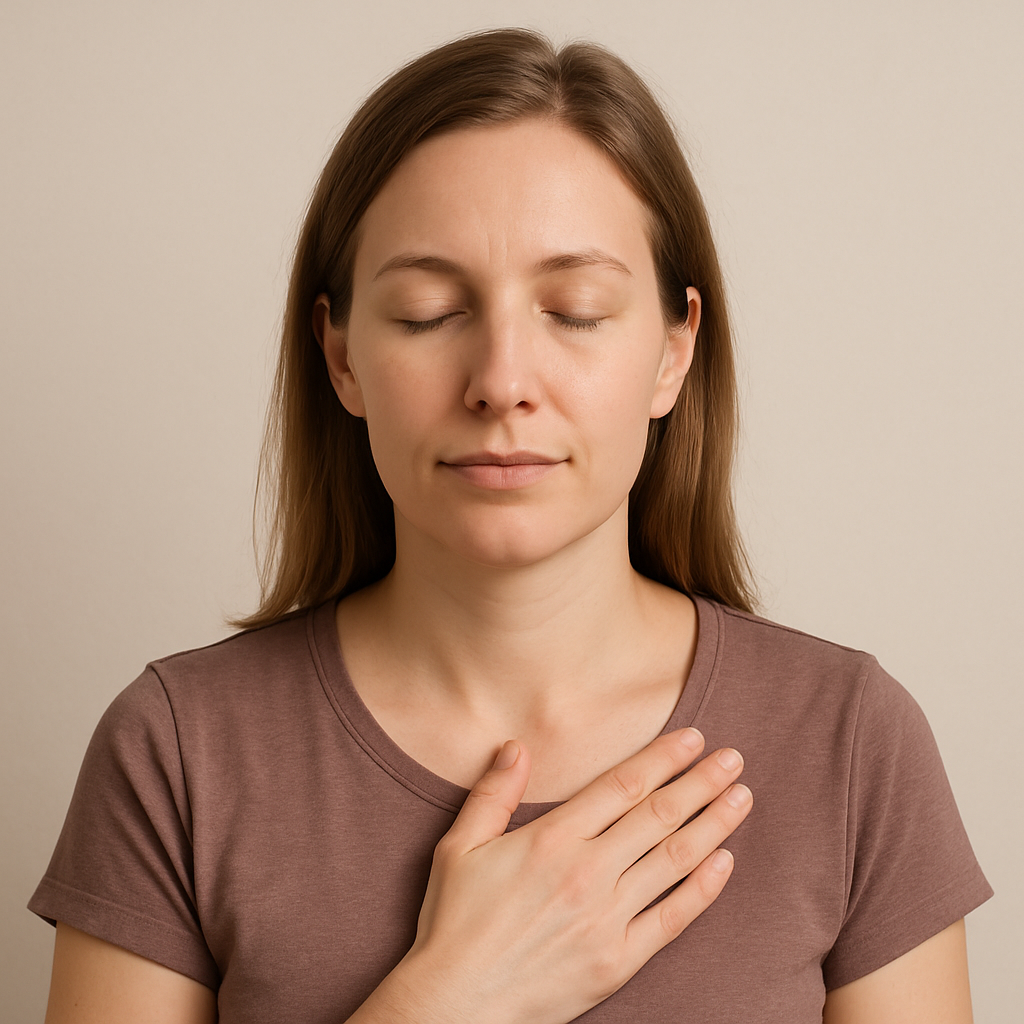
- Meditation: Combining hot therapy with mindfulness practices can amplify stress relief and promote healing.
FAQs (5)
- Is hot therapy safe for everyone? While generally safe, individuals with certain medical conditions should consult a healthcare provider before use.
- How long should I apply heat? It is recommended to apply heat for 15 to 30 minutes at a time, depending on the method used.
- Can hot therapy help with arthritis? Yes, hot therapy can help alleviate stiffness and pain associated with arthritis.
- Should I use heat or cold for muscle injuries? Cold therapy is typically recommended immediately after an injury, while heat can be beneficial for ongoing muscle tension.
- Can I combine hot therapy with other treatments? Yes, hot therapy can be effectively combined with cold therapy, essential oils, and stretching exercises for enhanced benefits.
Frequently asked
Is hot therapy safe for everyone?
While generally safe, individuals with certain medical conditions should consult a healthcare provider before use.
How long should I apply heat?
It is recommended to apply heat for 15 to 30 minutes at a time, depending on the method used.
Can hot therapy help with arthritis?
Yes, hot therapy can help alleviate stiffness and pain associated with arthritis.
Should I use heat or cold for muscle injuries?
Cold therapy is typically recommended immediately after an injury, while heat can be beneficial for ongoing muscle tension.
Can I combine hot therapy with other treatments?
Yes, hot therapy can be effectively combined with cold therapy, essential oils, and stretching exercises for enhanced benefits.