Steam Therapy
What It Is
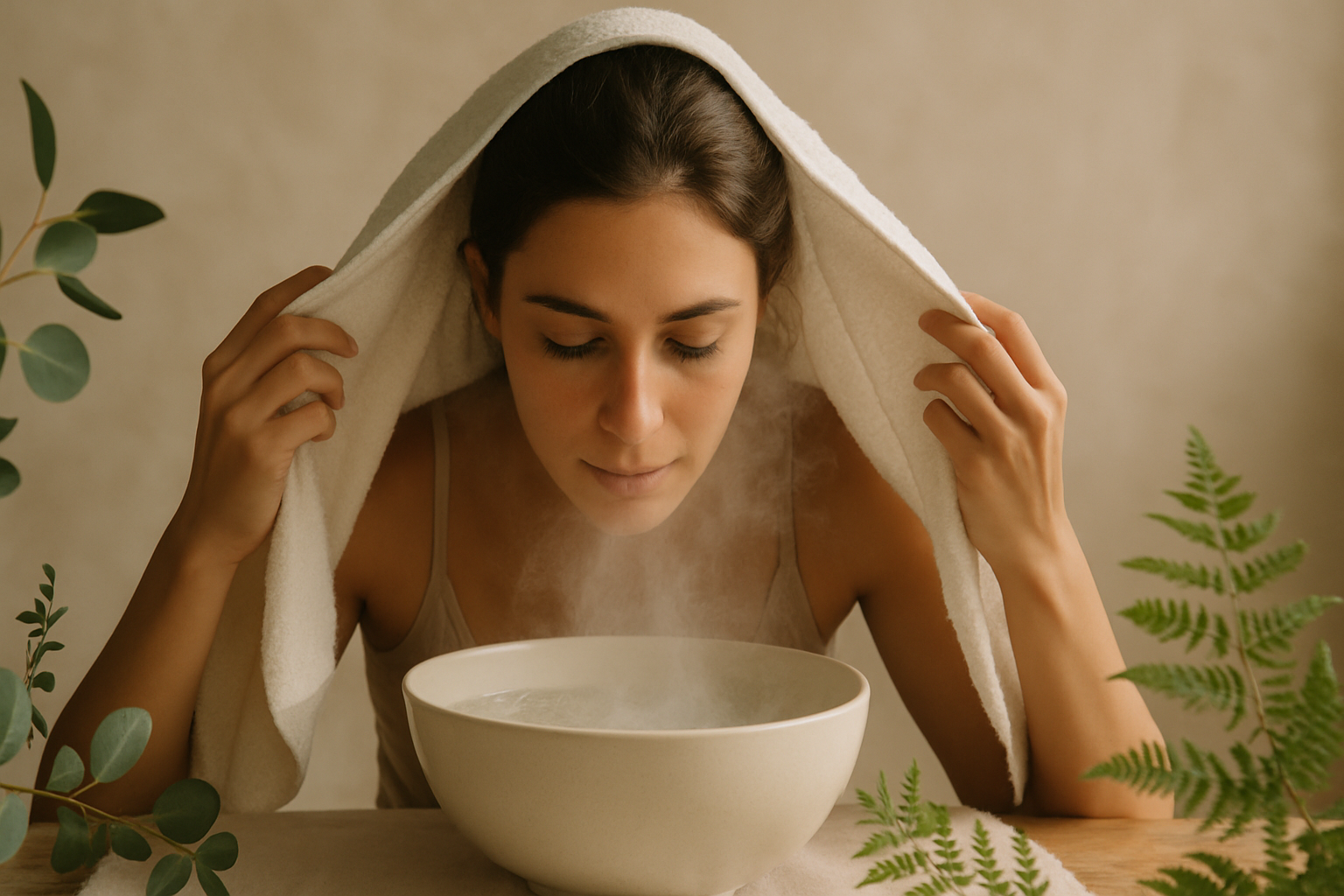
Steam therapy, also known as steam inhalation or steam treatment, is a hydrotherapy practice that involves inhaling water vapor to promote respiratory health and overall wellness. This method utilizes the natural properties of steam to help soothe and hydrate the airways, making it beneficial for various conditions. Steam therapy can be performed using a simple bowl of hot water, a steam inhaler, or in a steam room.
Key Active Compounds & Mechanisms
Steam therapy primarily relies on the physical properties of water (H2O) and its ability to convert from liquid to vapor. The therapeutic effects of steam are attributed to:
- Humidity: Increases moisture in the air, helping to alleviate respiratory discomfort.
- Heat: Promotes vasodilation, which can enhance circulation and relieve muscle tension.
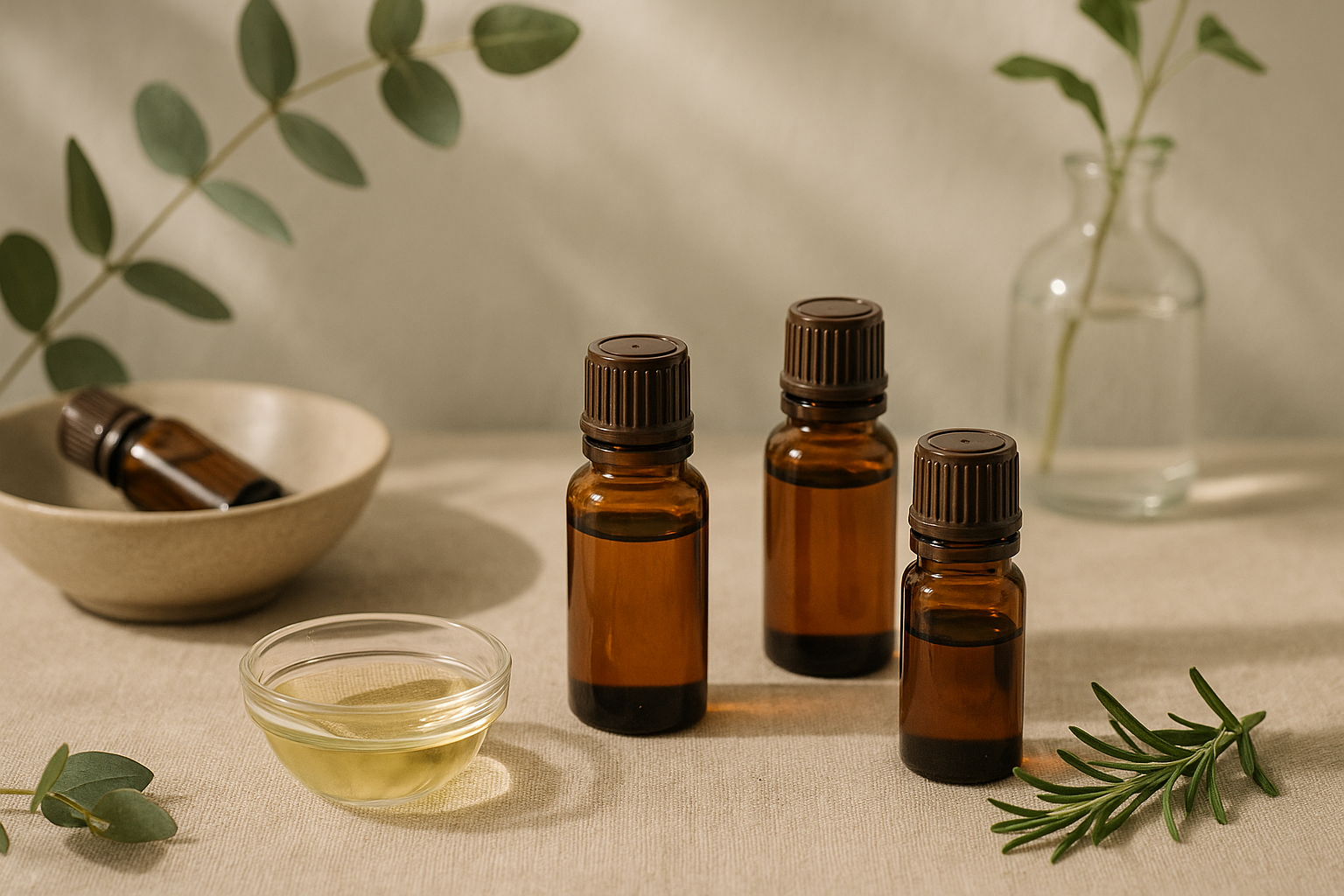
- Essential Oils: Often added to steam treatments, compounds like eucalyptus oil (Eucalyptus globulus) can provide additional respiratory benefits.
Traditional Uses
Steam therapy has been utilized for centuries across various cultures. Ancient Egyptians are known to have used steam baths, while Roman baths incorporated steam for relaxation and health. In traditional Chinese medicine, steam inhalation has been employed to is traditionally explored for respiratory ailments, and indigenous cultures have used herbal steam infusions for their healing properties.
What Modern Research Suggests
Modern studies have shown that steam therapy can be beneficial in managing conditions such as asthma, bronchitis, and sinusitis. Research indicates that inhaling steam may help reduce nasal congestion and improve mucus clearance. However, while many individuals report positive effects, more extensive clinical trials are needed to establish standardized guidelines and efficacy conclusively.
Functional Actions
The functional actions of steam therapy include:
- Respiratory Relief: Alleviates symptoms of congestion and irritation in the respiratory tract.
- Muscle Relaxation: The heat from steam can help soothe muscle tension and promote relaxation.
- Skin Benefits: Steam can open pores, aiding in cleansing and hydration.
Body Systems Supported
Steam therapy primarily supports the following body systems:
- Respiratory System: Helps clear airways and improve breathing.
- Circulatory System: May enhance blood flow due to vasodilation.
- Integumentary System: Promotes skin health through increased hydration.
Common Forms & Educational Dosing Ranges
Steam therapy can be administered in various forms, including:
- Steam Inhalation: Inhaling steam from hot water or a steam inhaler. Sessions may last 10-15 minutes, 2-3 times a day.
- Steam Rooms: Spending time in a steam room can offer relaxation and respiratory benefits. Sessions typically last 15-20 minutes.
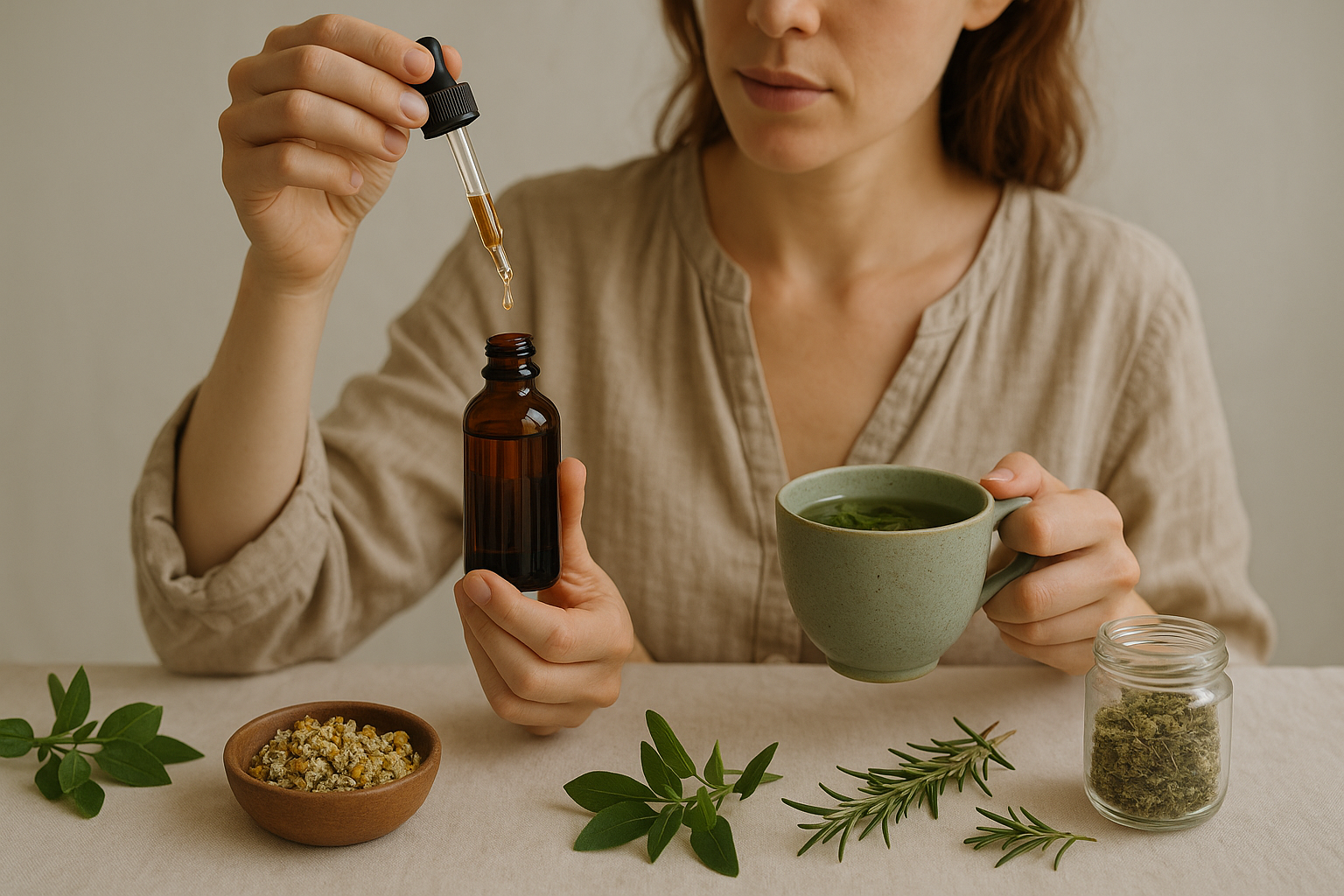
- Herbal Steam: Adding herbs or essential oils to steam for enhanced effects. Use a few drops of essential oil mixed with water for inhalation.
Safety, Contraindications & Interactions
While steam therapy is generally safe for most people, certain precautions should be taken:
- Individuals with asthma or respiratory issues should consult a healthcare provider before use.
- People with cardiovascular conditions may need to avoid prolonged exposure to heat.
- Those with skin sensitivities should be cautious about steam exposure, especially with added essential oils.
- Steam therapy may interact with medications that affect respiratory function, such as bronchodilators.
Pairs Well With
Steam therapy can be complemented by:
- Essential Oils: Eucalyptus, peppermint, or lavender for enhanced respiratory and relaxation effects.
- Herbal Remedies: Herbal teas or syrups that support respiratory health.
- Hydration: Drinking water or herbal infusions before and after steam sessions to maintain hydration.
FAQs (5)
- Is steam therapy safe for children? Yes, but it should be done under supervision to ensure safety and prevent burns.
- How often can I do steam therapy? It is generally safe to use steam therapy 2-3 times a day, but individual needs may vary.
- Can I use steam therapy if I have allergies? Yes, steam can help alleviate allergy symptoms, but consult with a healthcare provider for personalized advice.
- Are there any side effects? Some individuals may experience mild dizziness or skin irritation; it is essential to listen to your body.
- What should I avoid adding to the steam? Avoid using strong irritants or excessive amounts of essential oils, as they can cause respiratory irritation.
Frequently asked
Is steam therapy safe for children?
Yes, but it should be done under supervision to ensure safety and prevent burns.
How often can I do steam therapy?
It is generally safe to use steam therapy 2-3 times a day, but individual needs may vary.
Can I use steam therapy if I have allergies?
Yes, steam can help alleviate allergy symptoms, but consult with a healthcare provider for personalized advice.
Are there any side effects?
Some individuals may experience mild dizziness or skin irritation; it is essential to listen to your body.
What should I avoid adding to the steam?
Avoid using strong irritants or excessive amounts of essential oils, as they can cause respiratory irritation.