Herbal Extracts
Discover herbal extracts, their benefits, traditional uses, and modern insights. Learn about safety, dosing, and the best combinations for natural wellness.
Explore the world of herbal extracts, their active compounds, traditional uses, and modern research insights. Understand their functional actions, body systems supported, common forms, safety considerations, and ideal pairings.
What It Is
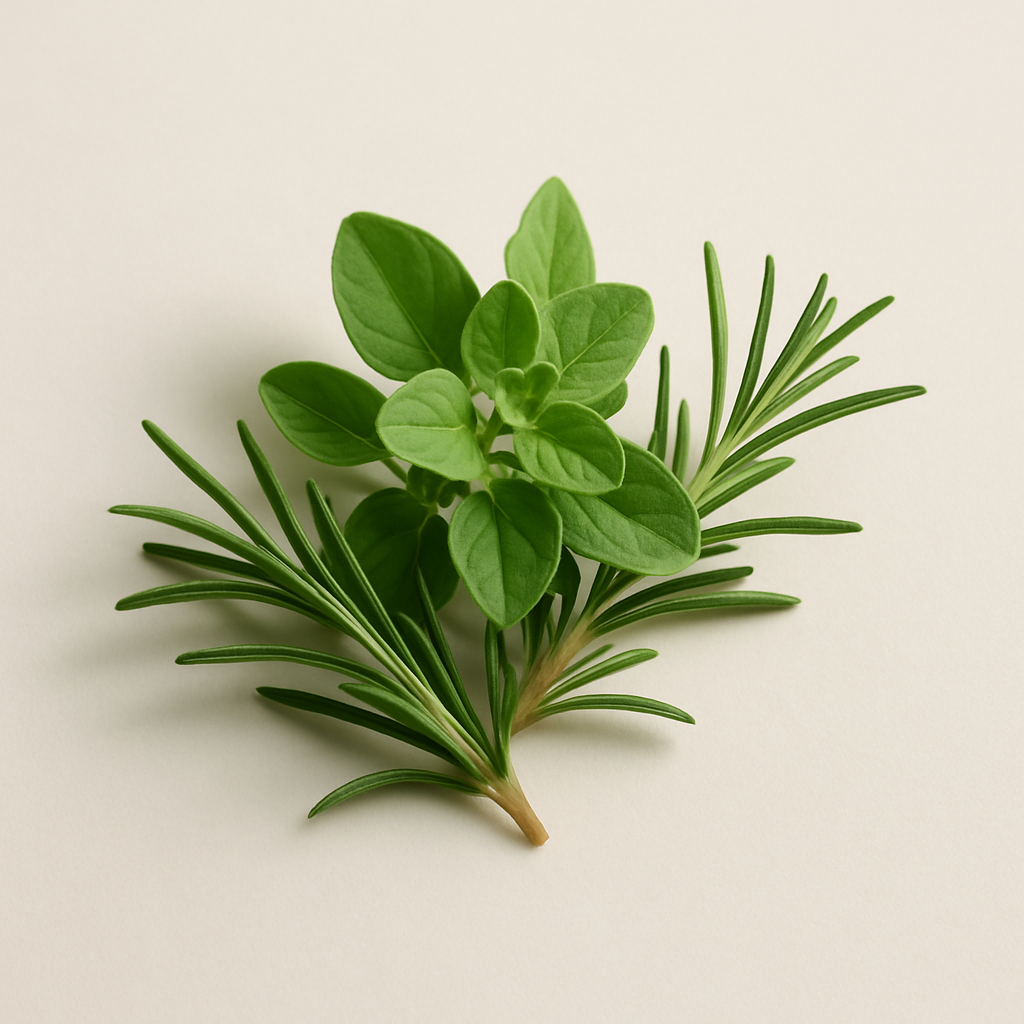
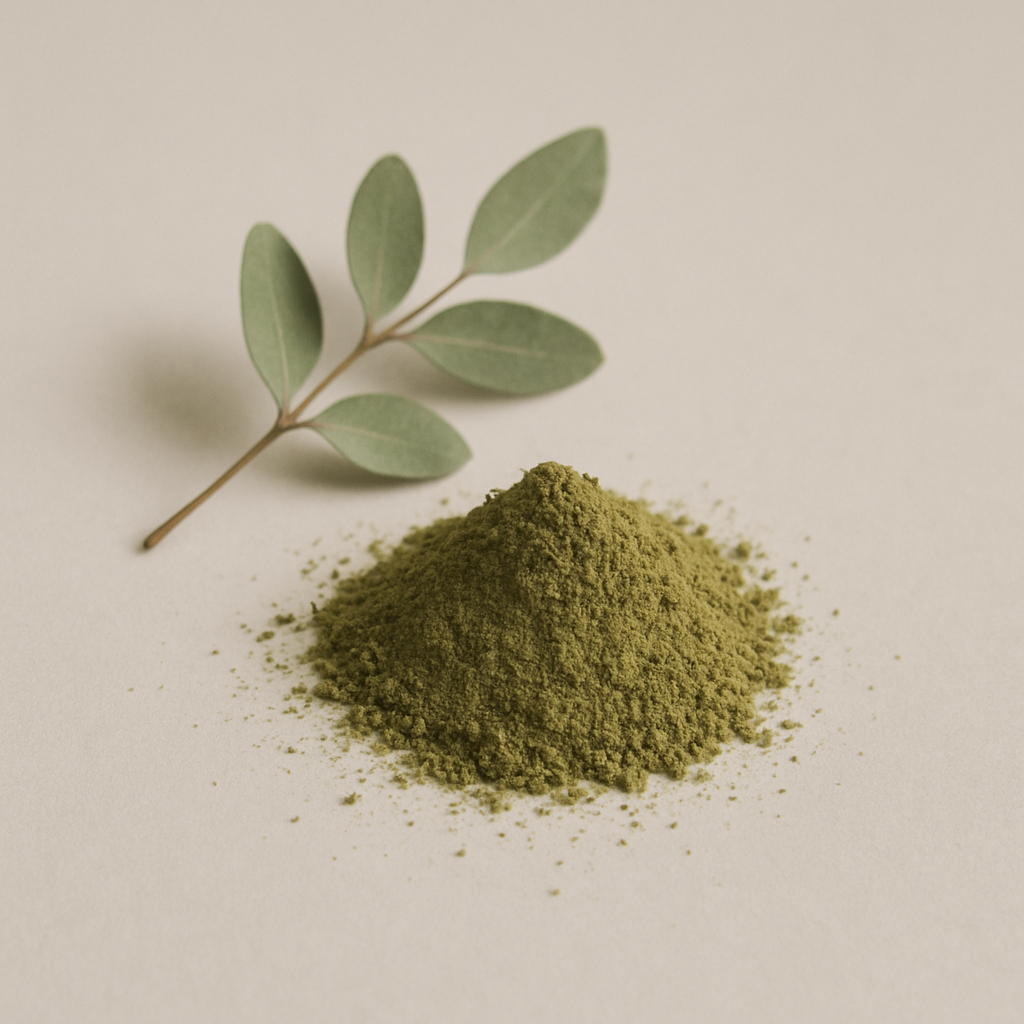
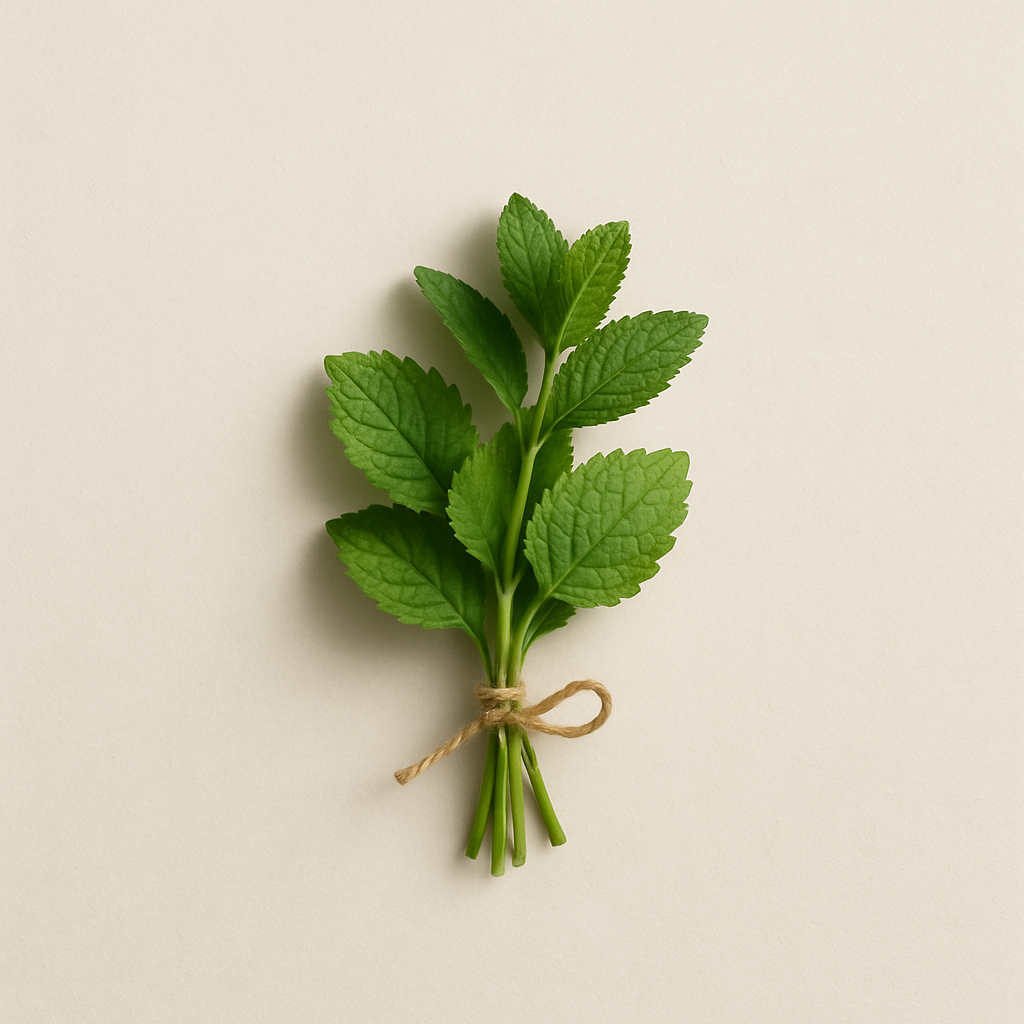
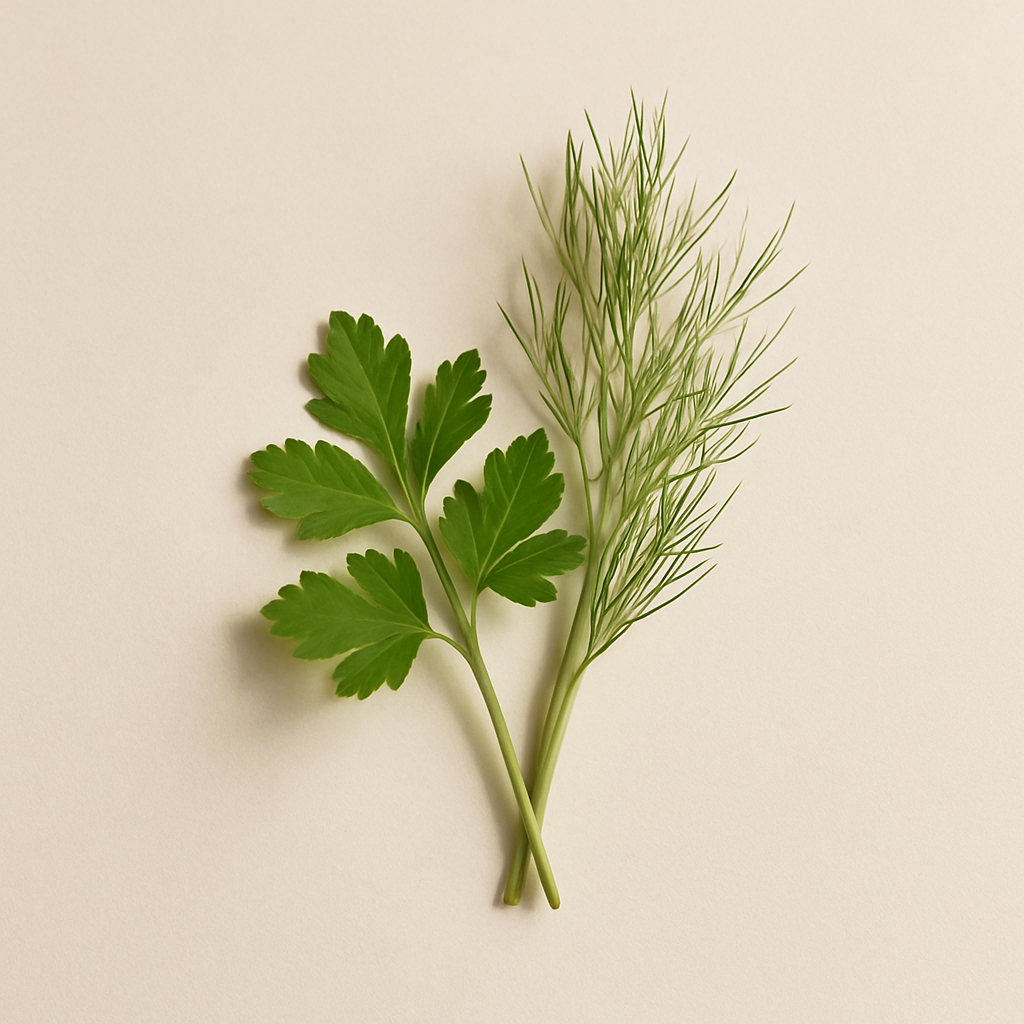
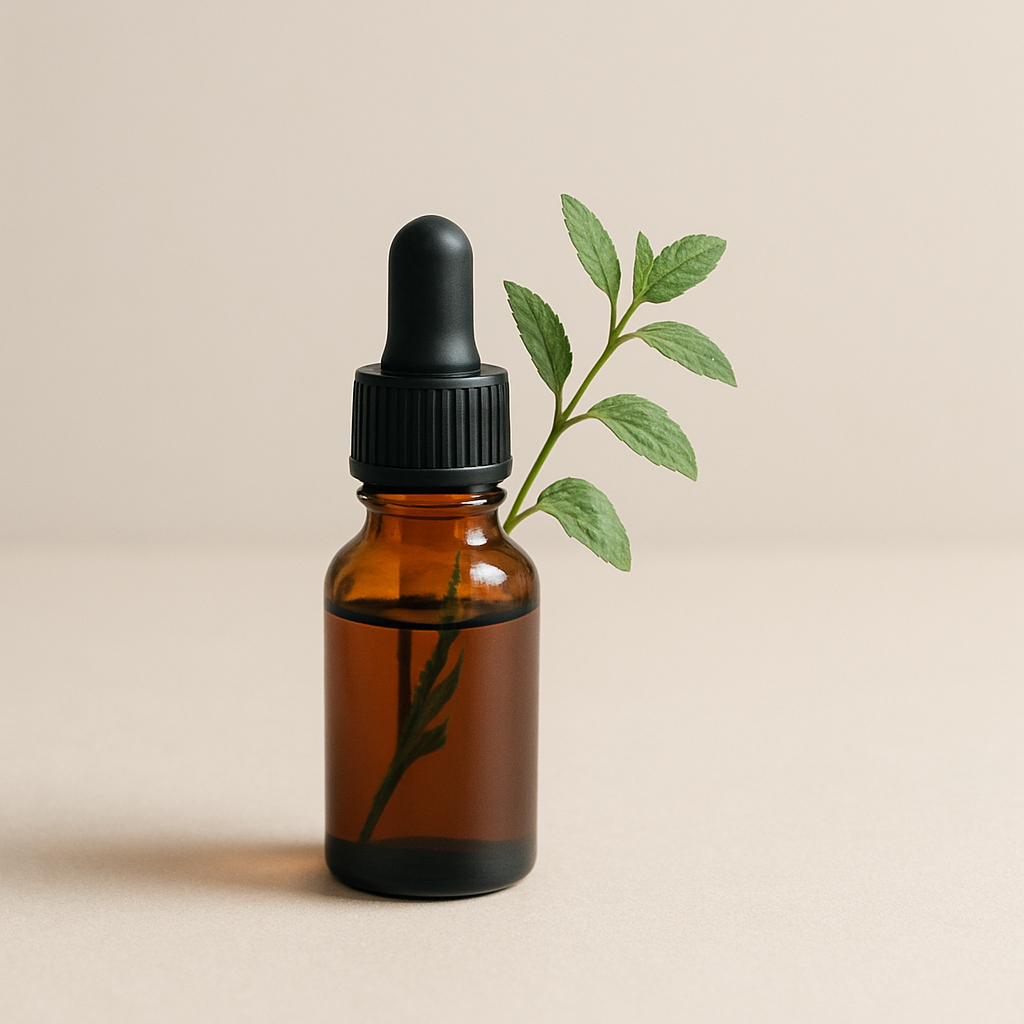
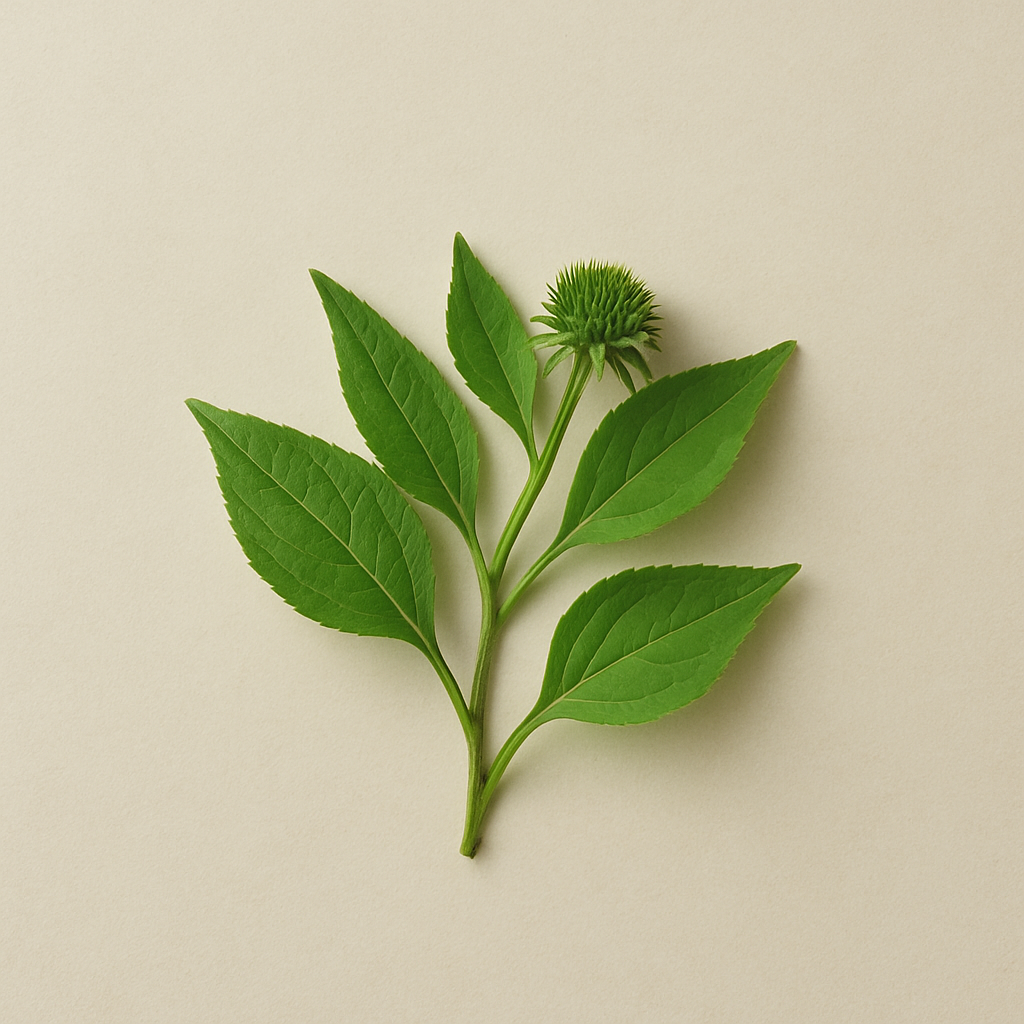
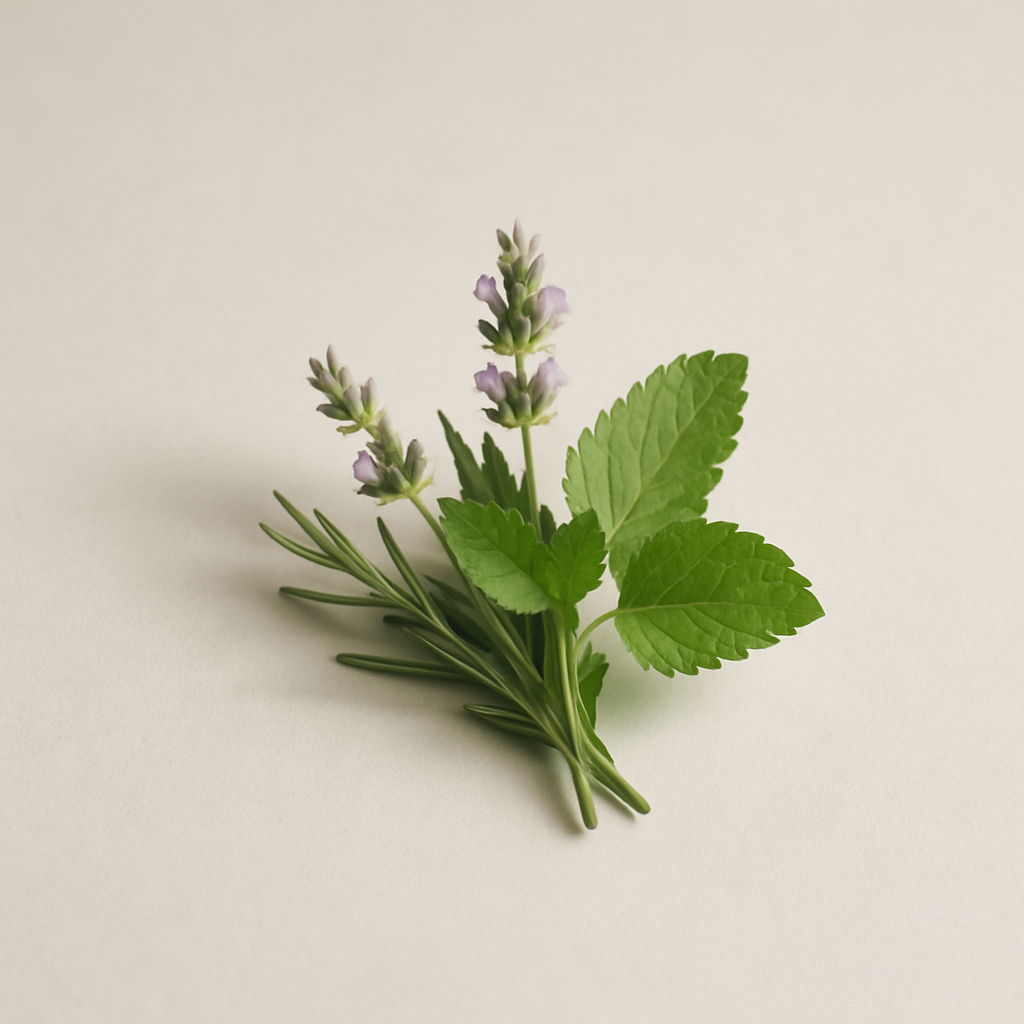
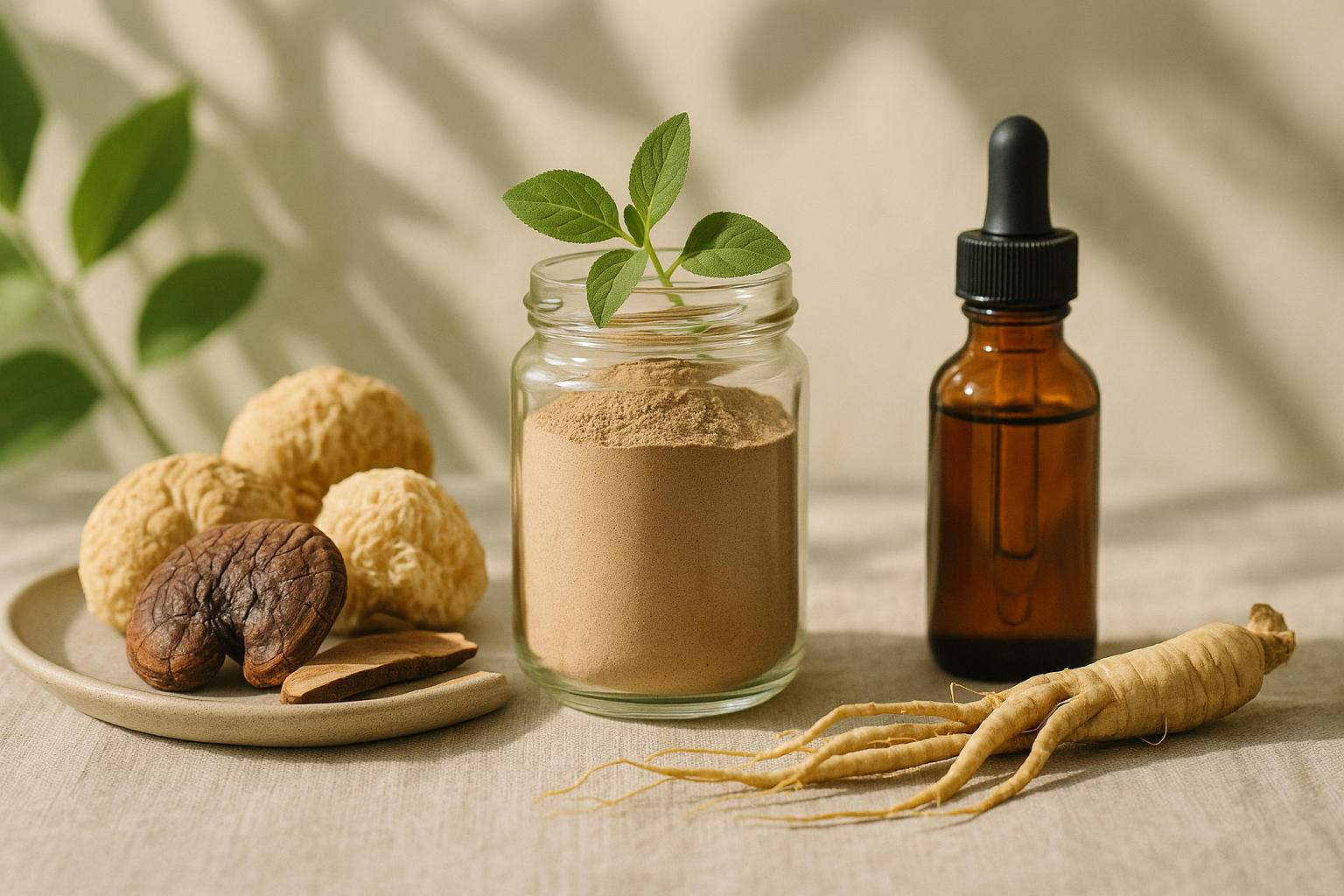
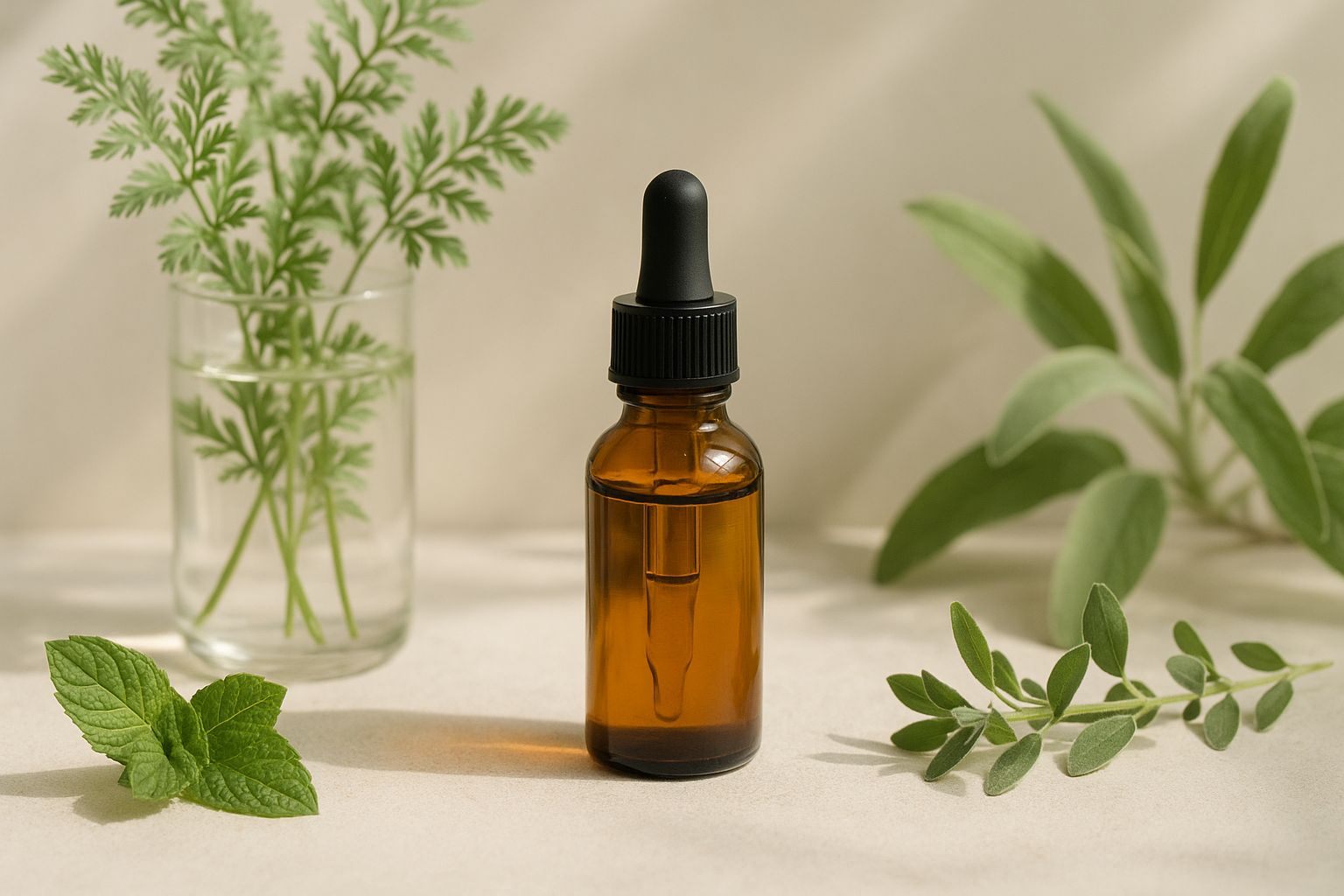
Herbal extracts are concentrated preparations derived from plants, utilizing various parts such as leaves, roots, flowers, or bark. The extraction process often involves solvents like water, alcohol, or glycerin to draw out the bioactive compounds, resulting in a potent form of the plant's therapeutic properties. Common examples include Echinacea purpurea (Echinacea), Hypericum perforatum (St. John's Wort), and Panax ginseng (Ginseng).
Key Active Compounds & Mechanisms
Each herbal extract contains specific active compounds responsible for its effects. For instance:
- Echinacea: Contains compounds like echinacoside and alkamides, which may enhance immune function.
- St. John's Wort: Rich in hypericin and hyperforin, known for their potential antidepressant effects.
- Ginseng: Contains ginsenosides that may improve energy levels and cognitive function.
These compounds work through various mechanisms, including modulation of neurotransmitters, anti-inflammatory effects, and immune system stimulation.
Traditional Uses
Herbal extracts have been utilized for centuries in different cultures. For example:
- Echinacea: Historically used by Native American tribes for wound healing and respiratory infections.
- St. John's Wort: Employed in ancient Greece and Rome for its mood-enhancing properties.
- Ginseng: Revered in Traditional Chinese Medicine for boosting vitality and longevity.
These traditional practices highlight the long-standing belief in the efficacy of herbal extracts for various health concerns.
What Modern Research Suggests
Recent studies have provided some support for the effectiveness of herbal extracts, though more research is needed. For example:
- Research on Echinacea suggests it may reduce the duration of colds.
- St. John's Wort has been shown in some studies to be effective for mild to moderate depression.
- Ginseng has been associated with improved physical performance and cognitive function.
While promising, it is important to approach these findings with caution, as results can vary based on individual circumstances and preparation methods.
Functional Actions
Herbal extracts serve various functional actions in the body, including:
- Immunomodulation: Enhancing or regulating the immune response.
- Antidepressant Effects: Alleviating symptoms of depression and anxiety.
- Adaptogenic Properties: Helping the body adapt to stress and improve resilience.
These actions contribute to overall health and wellness, supporting the body's natural processes.
Body Systems Supported
Herbal extracts can support multiple body systems, including:
- Immune System: Boosting the body’s defenses against infections.
- Nervous System: Promoting mental health and cognitive function.
- Endocrine System: Supporting hormonal balance and stress response.
This multifaceted support makes herbal extracts a valuable addition to holistic health practices.
Common Forms & Educational Dosing Ranges
Herbal extracts come in various forms, each with its own dosing considerations:
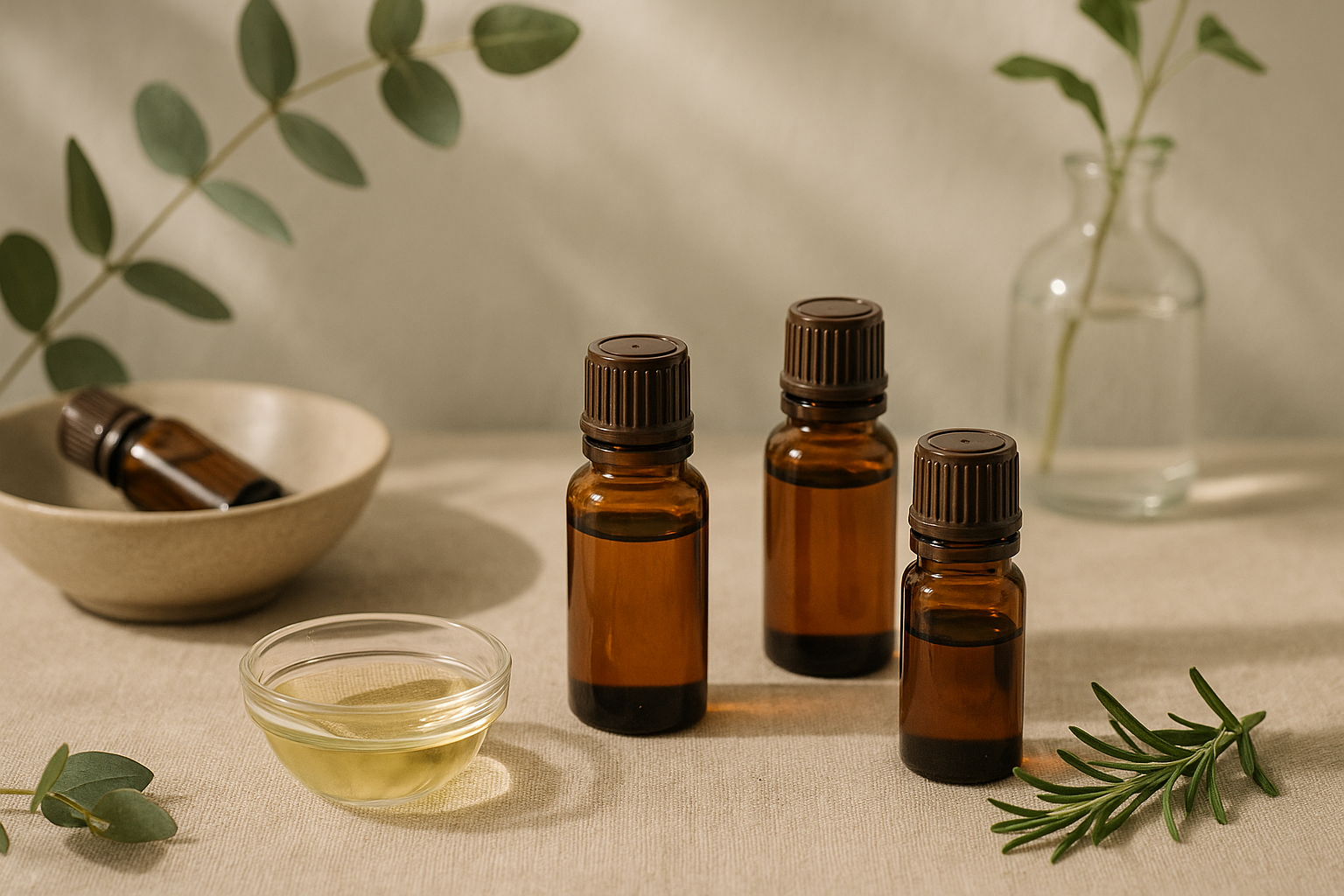
- Tinctures: Concentrated liquid extracts, typically taken in drops; dosing varies based on the herb.
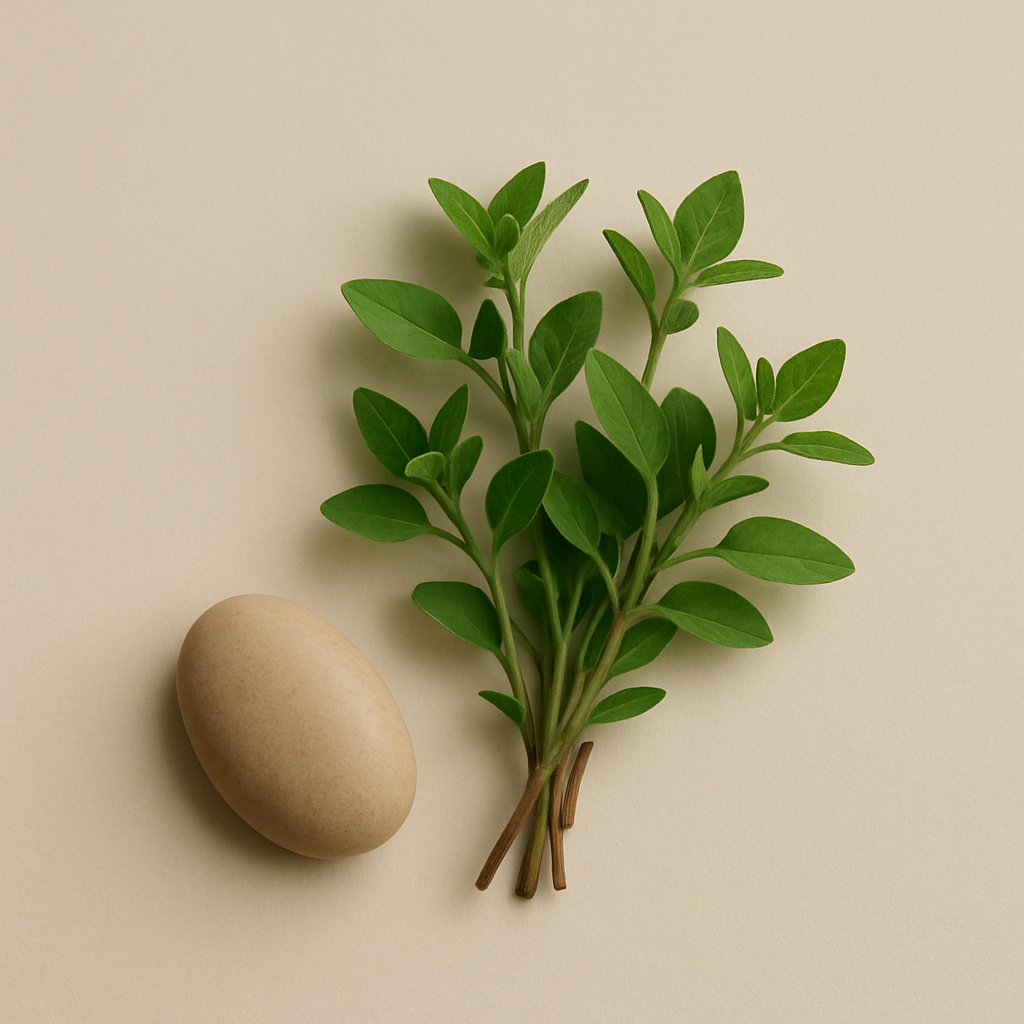
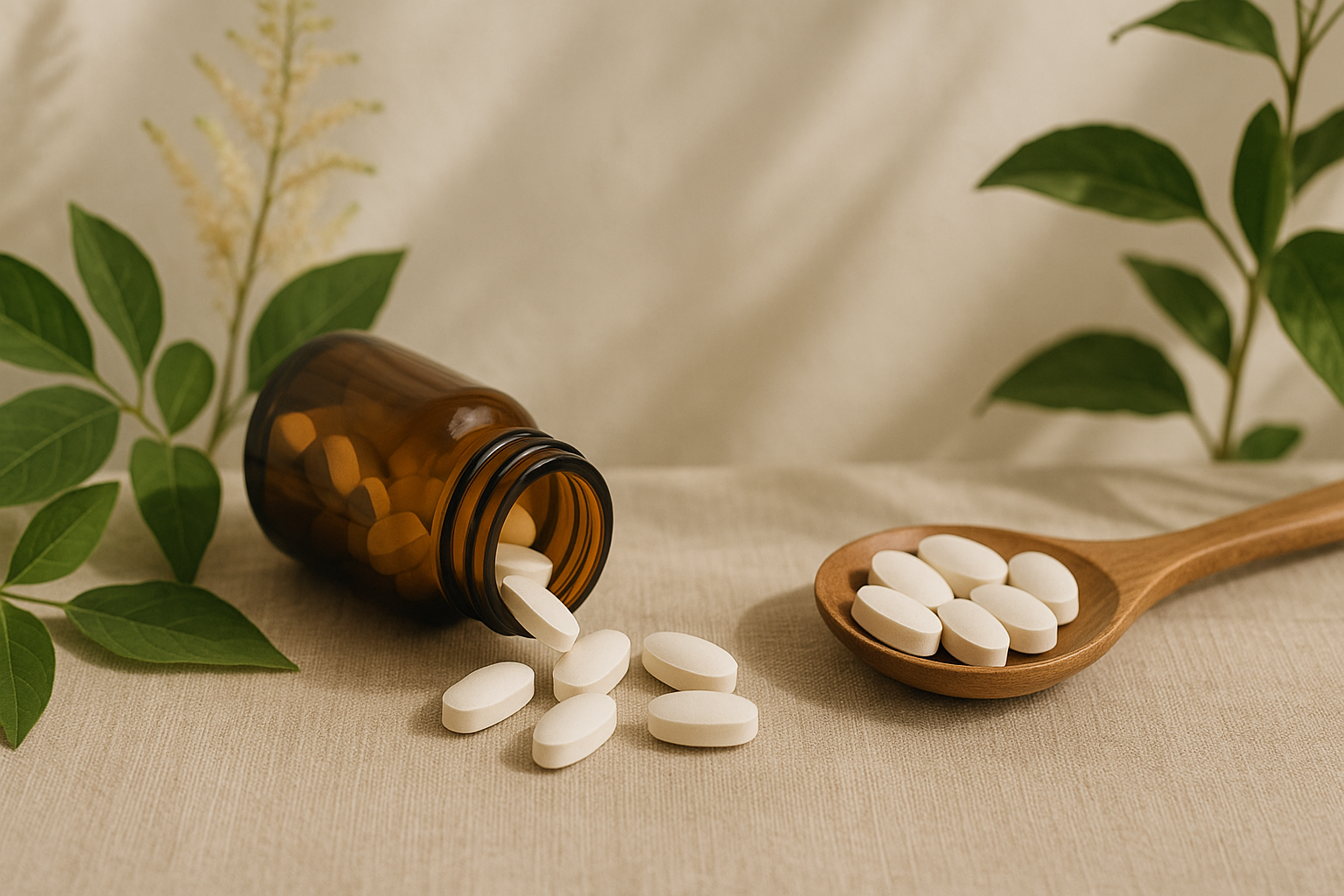
- Capsules: Dried extracts in pill form, with standardized dosages.
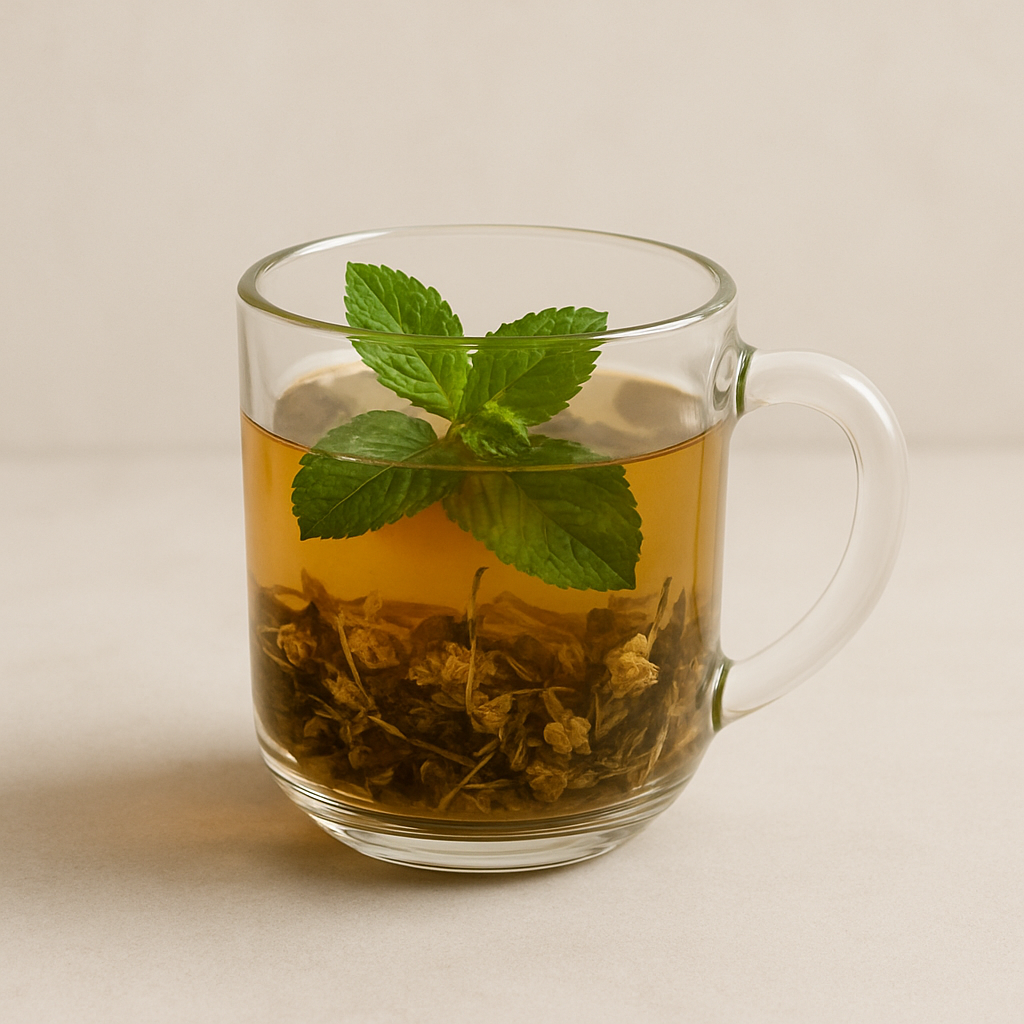
- Teas: Infusions made from dried herbs, usually consumed multiple times a day.
As a general guideline, always refer to product labels for specific dosing recommendations and consult with a healthcare professional for personalized advice.
Safety, Contraindications & Interactions
While herbal extracts can be beneficial, they also come with safety considerations. Common concerns include:
- Echinacea: May cause allergic reactions in individuals sensitive to plants in the daisy family.
- St. John's Wort: Can interact with various medications, including antidepressants, blood thinners, and birth control pills.
- Ginseng: May affect blood sugar levels and should be used cautiously in diabetics.
Always consult with a healthcare provider before starting any new herbal regimen, especially if you are pregnant, nursing, or taking medications.
Pairs Well With
Certain herbal extracts complement each other, enhancing their effects. Some beneficial pairings include:
- Echinacea and Elderberry: Together, they may provide robust immune support.
- St. John's Wort and Valerian: This combination may promote better sleep and mood balance.
- Ginseng and Ginkgo Biloba: This pairing can support cognitive function and energy levels.
Combining these extracts can lead to synergistic effects, improving overall efficacy.
FAQs (5)
- Can herbal extracts be taken with prescription medications? It is essential to consult with a healthcare provider, as some herbal extracts can interact with medications.
- How long does it take to see effects from herbal extracts? Effects can vary widely depending on the individual and the specific herb but may take days to weeks.
- Are there side effects associated with herbal extracts? Yes, some individuals may experience side effects like digestive upset or allergic reactions.
- Can I take multiple herbal extracts at once? While it is possible, it is advisable to consult a healthcare professional to avoid potential interactions.
- Are herbal extracts safe for children? Safety can vary by extract; consult a pediatrician for guidance on herbal use in children.
Frequently asked
Can herbal extracts be taken with prescription medications?
It is essential to consult with a healthcare provider, as some herbal extracts can interact with medications.
How long does it take to see effects from herbal extracts?
Effects can vary widely depending on the individual and the specific herb but may take days to weeks.
Are there side effects associated with herbal extracts?
Yes, some individuals may experience side effects like digestive upset or allergic reactions.
Can I take multiple herbal extracts at once?
While it is possible, it is advisable to consult a healthcare professional to avoid potential interactions.
Are herbal extracts safe for children?
Safety can vary by extract; consult a pediatrician for guidance on herbal use in children.