Herbal Tinctures
Discover the benefits, uses, and safety of herbal tinctures in this detailed overview.
Explore the world of herbal tinctures, their active compounds, traditional uses, modern research, and more in this comprehensive guide.
What It Is
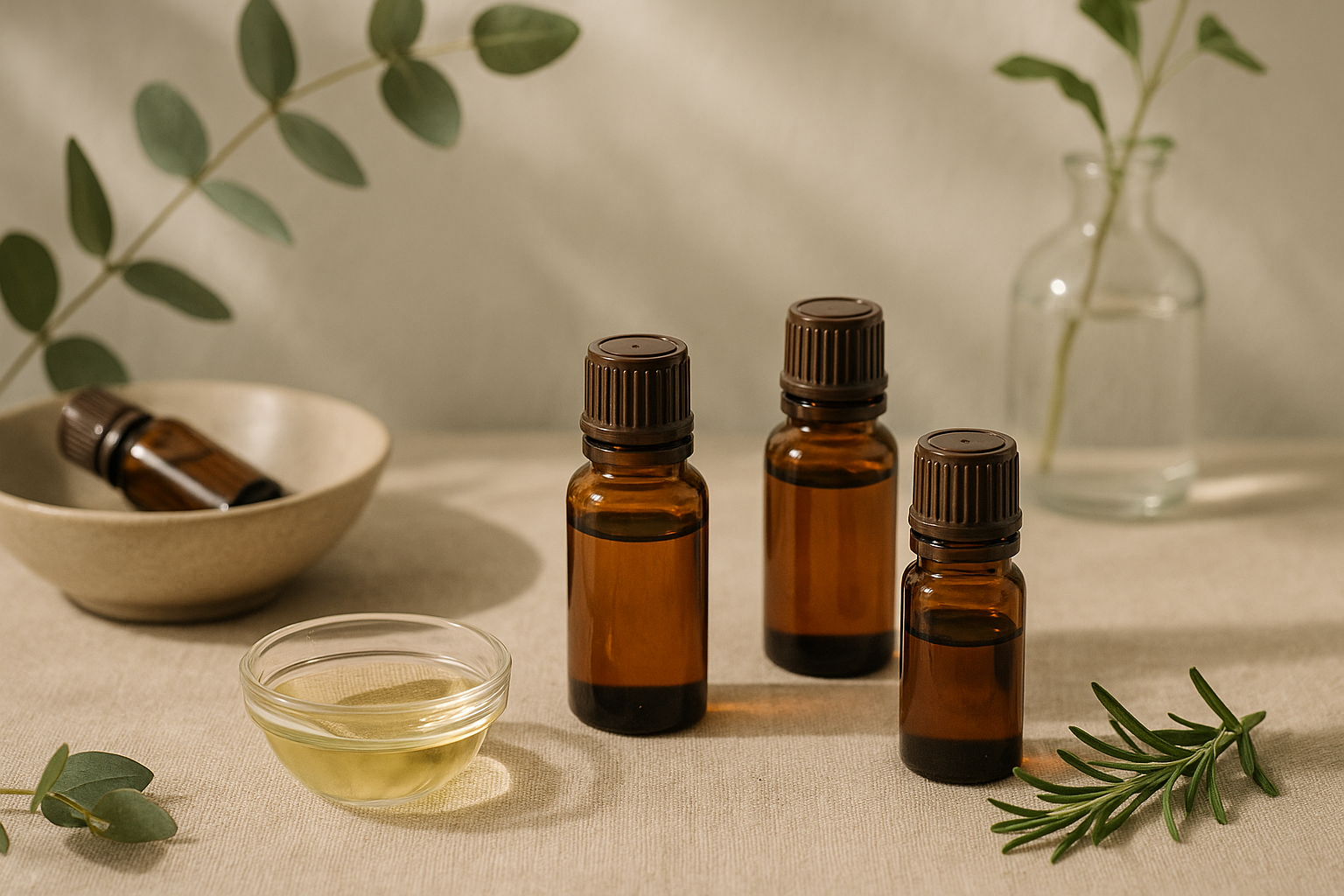
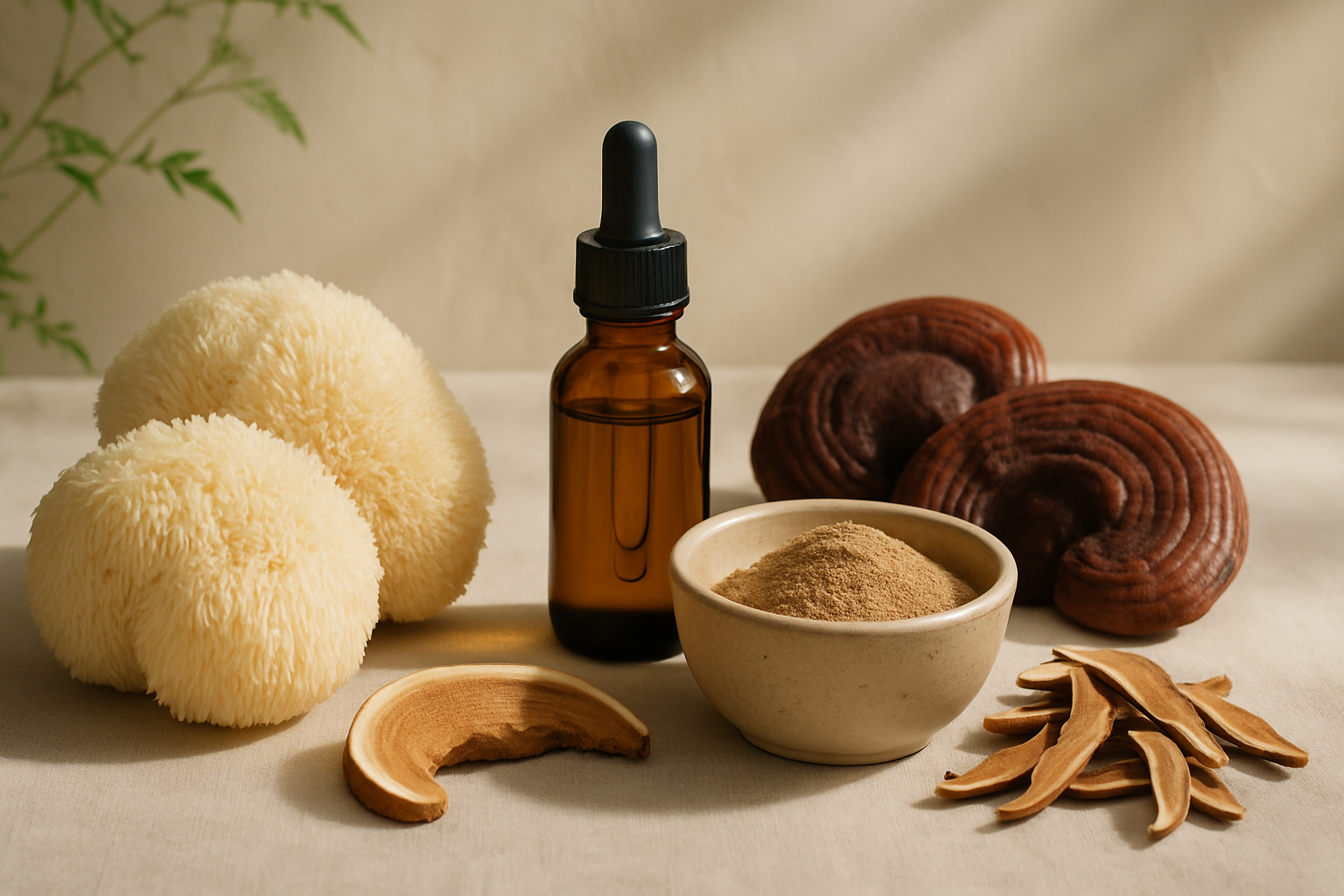
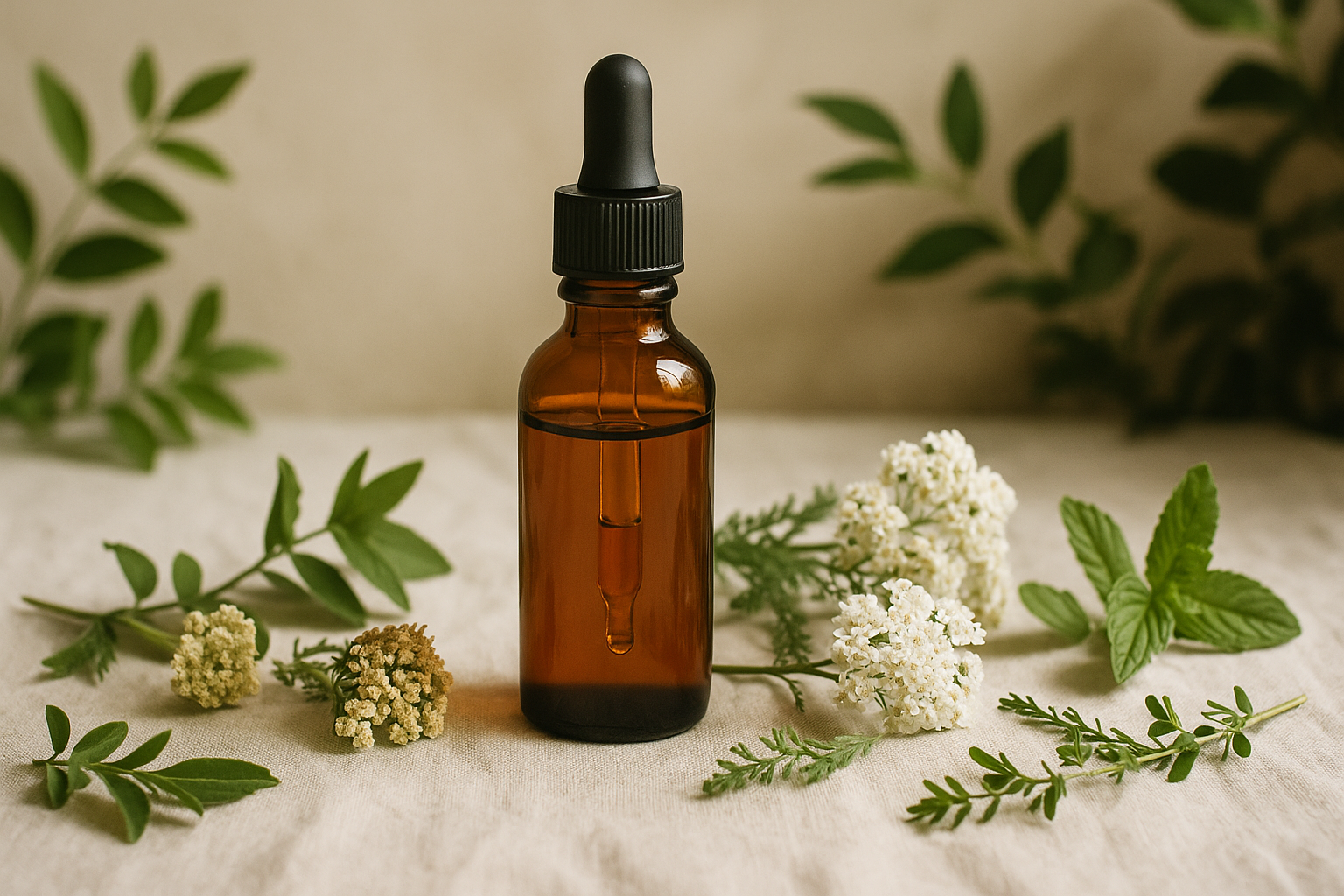
Herbal tinctures are concentrated liquid extracts made from herbs and plants, typically using alcohol, vinegar, or glycerin as solvents. They are created by soaking the plant material in the solvent for a period of time, which extracts the active constituents of the herb. A commonly used method involves using a ratio of one part herb to five parts alcohol, although this can vary depending on the herb and desired potency. The scientific name of the plant is included to ensure clarity and precision.
Key Active Compounds & Mechanisms
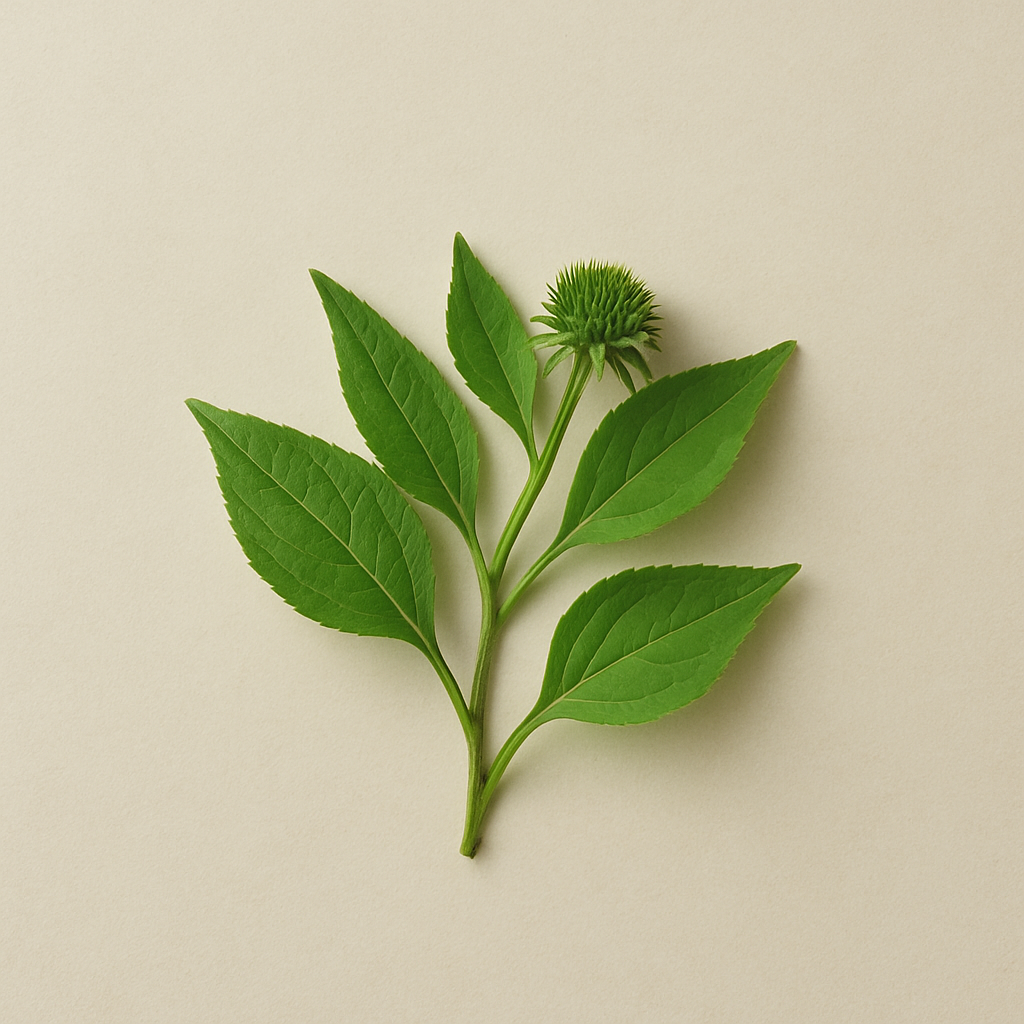
Herbal tinctures contain a variety of active compounds, including alkaloids, flavonoids, terpenes, and phenolic compounds. These compounds can work synergistically to provide health benefits. For example, tinctures made from Echinacea purpurea may contain alkaloids that support the immune system, while those made from St. John's Wort (Hypericum perforatum) may contain hypericin and hyperforin, which are thought to help alleviate mood disorders.
Traditional Uses
Herbal tinctures have been used for centuries in various cultures around the world. In traditional Chinese medicine, tinctures made from ginseng (Panax ginseng) have been employed to boost energy and cognitive function. Native American tribes have utilized tinctures from plants like echinacea for immune support. These practices demonstrate a long-standing reliance on the therapeutic properties of plants in promoting health and well-being.
What Modern Research Suggests
Modern research into herbal tinctures is still evolving, but preliminary studies have shown promising results. For instance, research on the use of tinctures made from valerian root (Valeriana officinalis) suggests potential benefits for sleep disorders. Other studies have explored the effectiveness of tinctures made from turmeric (Curcuma longa) in reducing inflammation. While these findings are encouraging, more rigorous clinical trials are necessary to fully understand the efficacy and safety of herbal tinctures.
Functional Actions
The functional actions of herbal tinctures can vary widely depending on the plant used. Some common actions include:
- Anti-inflammatory: Tinctures like turmeric can help reduce inflammation in the body.
- Antimicrobial: Tinctures made from garlic (Allium sativum) may have antimicrobial properties.
- Calming: Valerian tinctures are often used for their calming effects and to promote better sleep.
- Digestive Aid: Tinctures from peppermint (Mentha piperita) can support digestive health.
Body Systems Supported
Herbal tinctures can provide support to various body systems, including:
- Immune System: Tinctures from echinacea and elderberry (Sambucus nigra) are known for their immune-boosting properties.
- Nervous System: Tinctures from ashwagandha (Withania somnifera) may support stress relief and overall mental health.
- Digestive System: Tinctures from ginger (Zingiber officinale) can aid digestion and alleviate nausea.
- Musculoskeletal System: Tinctures from arnica (Arnica montana) can be used to reduce bruising and pain in muscles and joints.
Common Forms & Educational Dosing Ranges
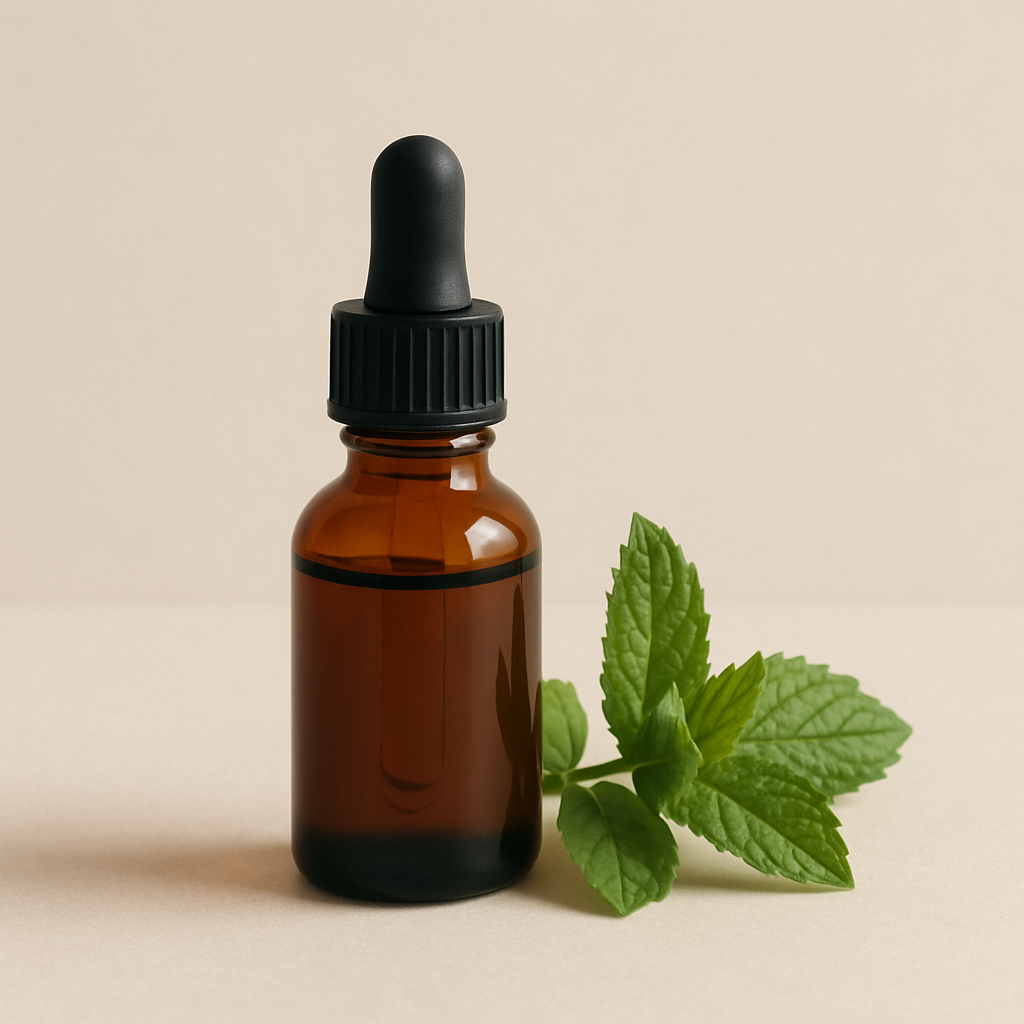
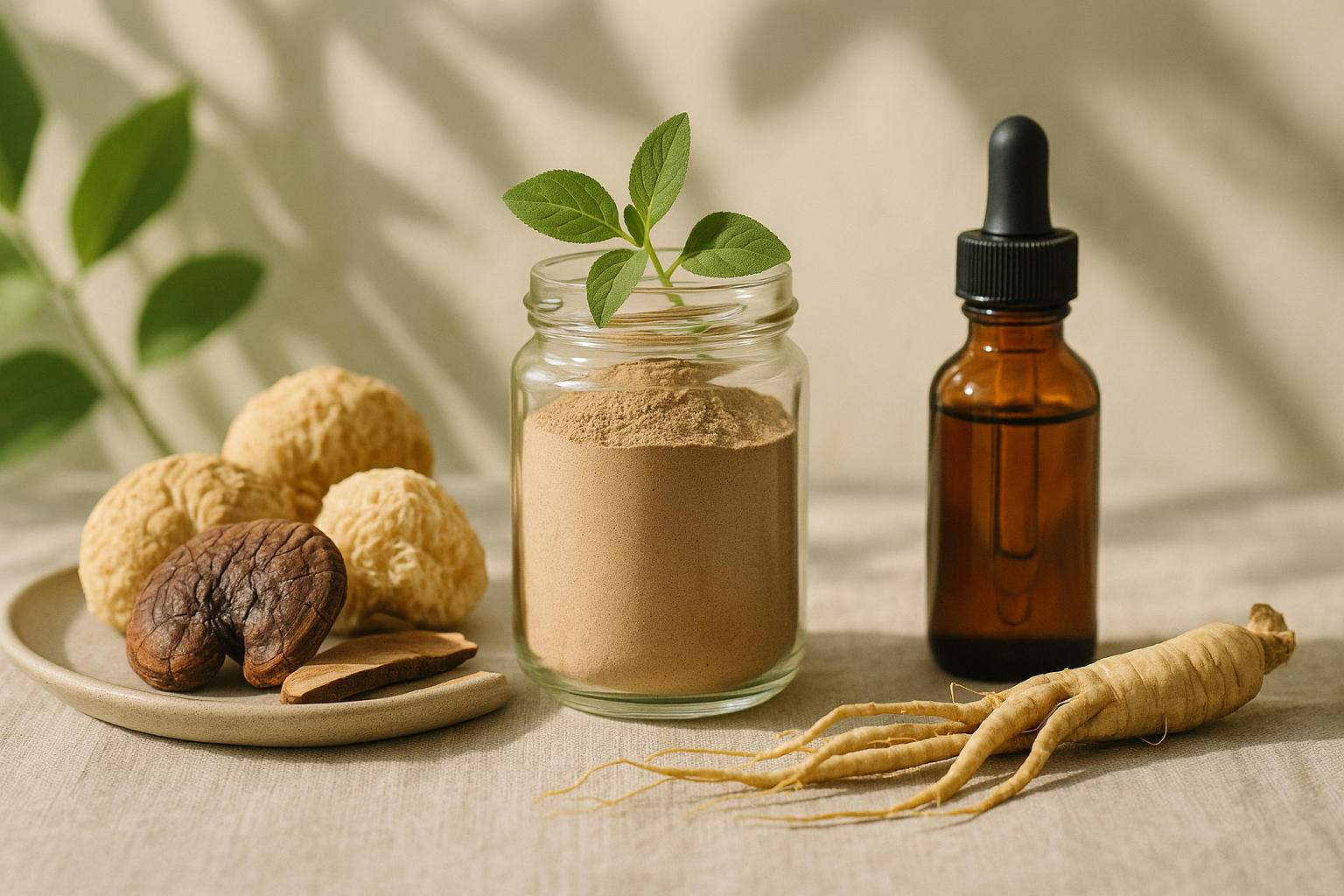
Herbal tinctures are typically available in liquid form, often in dropper bottles for easy dosing. Educational dosing ranges can vary widely depending on the tincture and the individual. A general guideline for adults may include:
- Standardized tinctures: 20-30 drops (1-2 mL) taken up to three times daily.
- Concentrated tinctures: 10-15 drops (0.5-1 mL) taken up to three times daily.
Always consult with a healthcare professional for personalized dosing recommendations.
Safety, Contraindications & Interactions
While herbal tinctures can be beneficial, it's essential to use caution. Some potential safety concerns include:
- Alcohol content: Many tinctures contain alcohol, which may not be suitable for everyone, especially those with liver conditions or those avoiding alcohol.
- Pregnancy and breastfeeding: Some herbs can have contraindications during pregnancy; it's crucial to consult a healthcare provider.
- Drug interactions: Certain tinctures can interact with medications, particularly blood thinners, antidepressants, and sedatives. For example, St. John's Wort can interfere with the effectiveness of many prescription medications.
Pairs Well With
Herbal tinctures can be combined with other natural remedies to enhance their effects. Some popular pairings include:
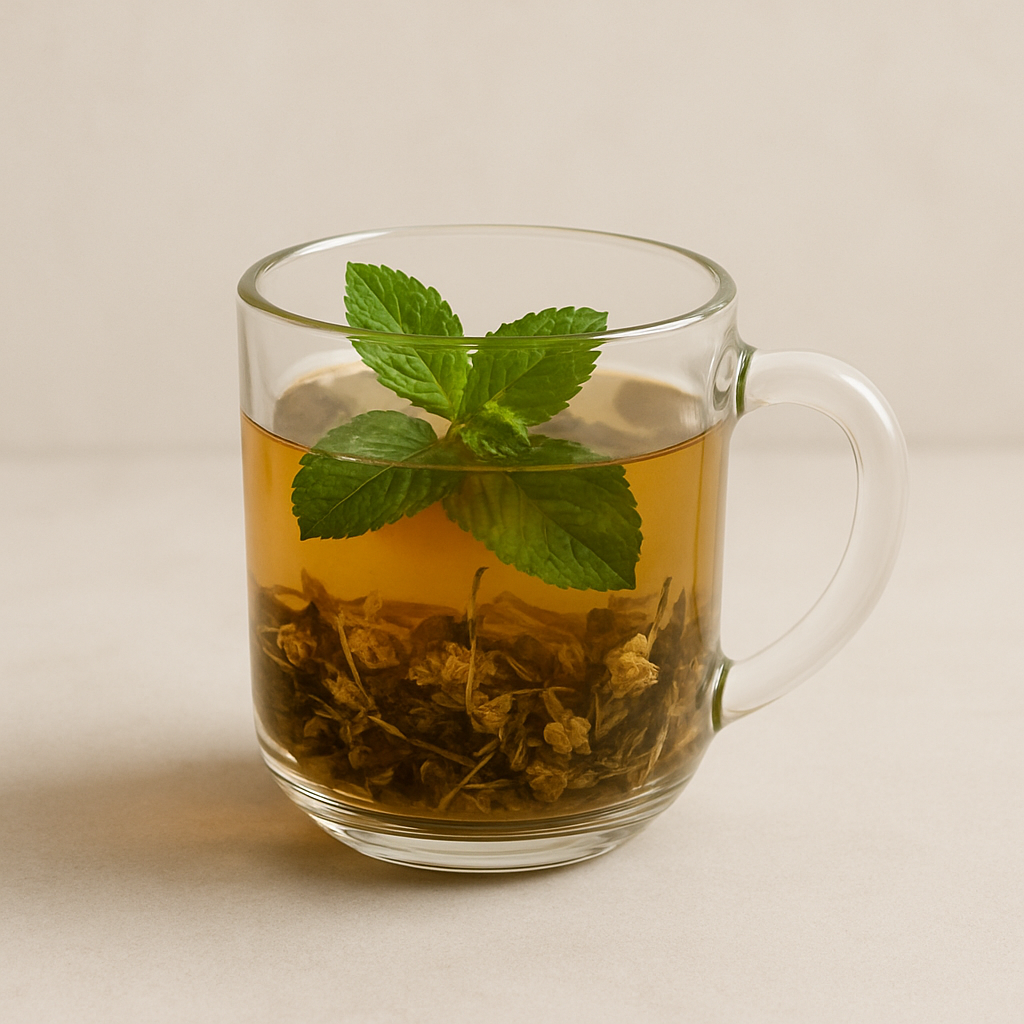
- Herbal teas: Combining tinctures with herbal teas can create synergistic effects, such as pairing chamomile (Matricaria chamomilla) tincture with chamomile tea for relaxation.
- Essential oils: Tinctures can be used alongside essential oils for a holistic approach to wellness.
- Supplements: Pairing tinctures with vitamins or minerals can support overall health, such as combining a tincture of ashwagandha with magnesium for stress relief.
FAQs (5)
- Are herbal tinctures safe to use? Herbal tinctures are generally safe when used appropriately, but it’s essential to consult with a healthcare provider, especially if you are pregnant, nursing, or taking medications.
- How do I take herbal tinctures? Tinctures are typically taken by placing the recommended dose under the tongue or mixing with water or juice.
- Can I make my own herbal tinctures? Yes, you can make your own tinctures at home using dried herbs and a suitable solvent, but it’s important to follow proper guidelines for safety and efficacy.
- How long do tinctures last? When stored properly in a cool, dark place, herbal tinctures can last for several years.
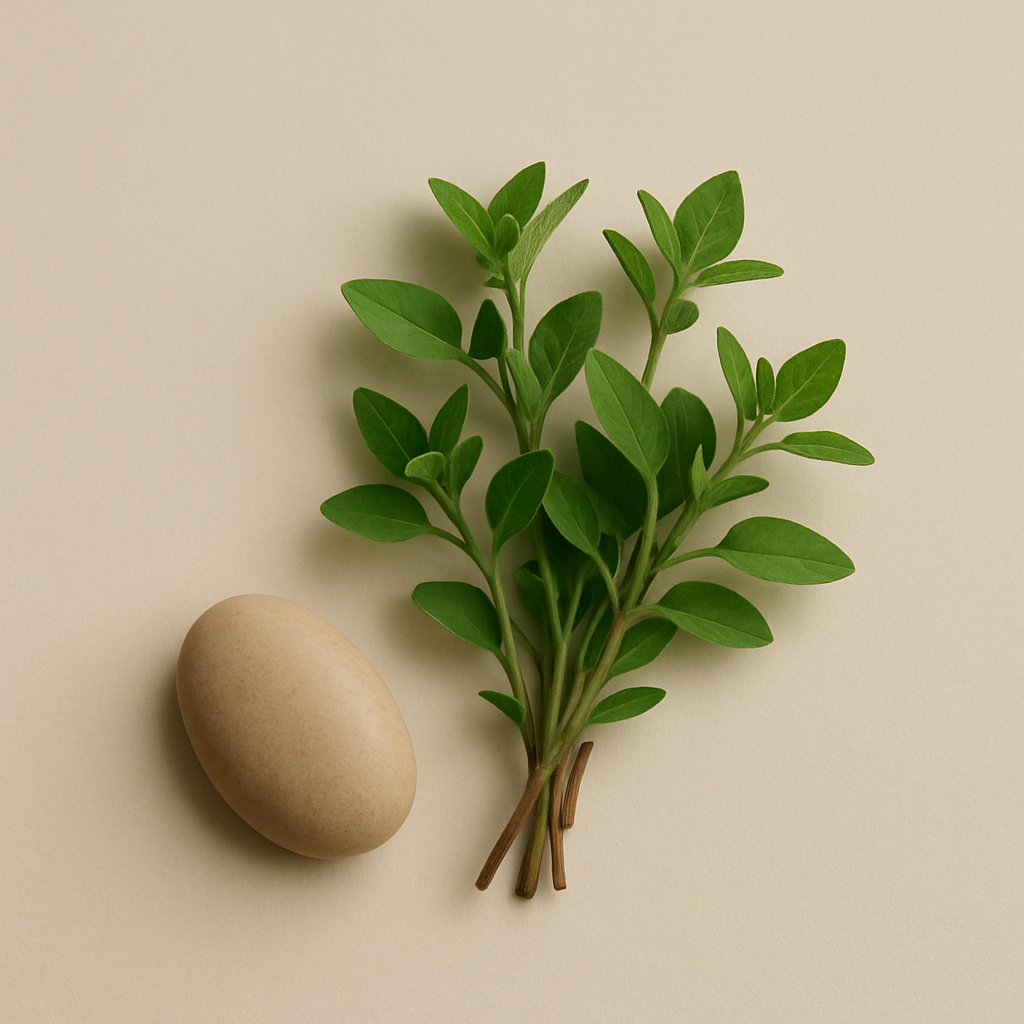
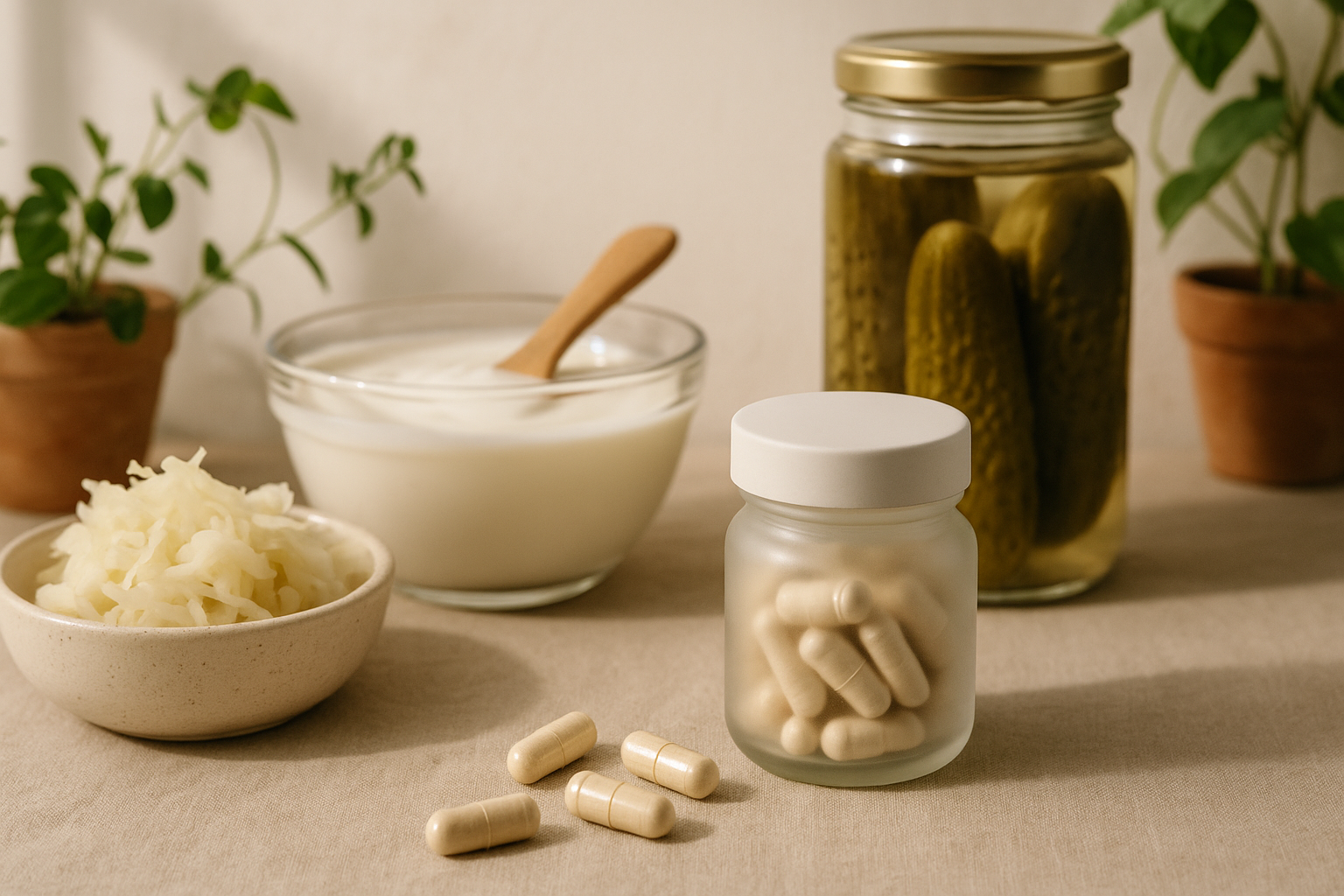
- Are tinctures better than capsules or teas? The choice between tinctures, capsules, or teas depends on personal preference and the specific herb's efficacy. Tinctures offer concentrated doses, while teas provide a gentler approach.
Frequently asked
Are herbal tinctures safe to use?
Herbal tinctures are generally safe when used appropriately, but it’s essential to consult with a healthcare provider, especially if you are pregnant, nursing, or taking medications.
How do I take herbal tinctures?
Tinctures are typically taken by placing the recommended dose under the tongue or mixing with water or juice.
Can I make my own herbal tinctures?
Yes, you can make your own tinctures at home using dried herbs and a suitable solvent, but it’s important to follow proper guidelines for safety and efficacy.
How long do tinctures last?
When stored properly in a cool, dark place, herbal tinctures can last for several years.
Are tinctures better than capsules or teas?
The choice between tinctures, capsules, or teas depends on personal preference and the specific herb's efficacy. Tinctures offer concentrated doses, while teas provide a gentler approach.