Digestive Herbs
Discover the benefits of digestive herbs, including their mechanisms, safety, and common forms.
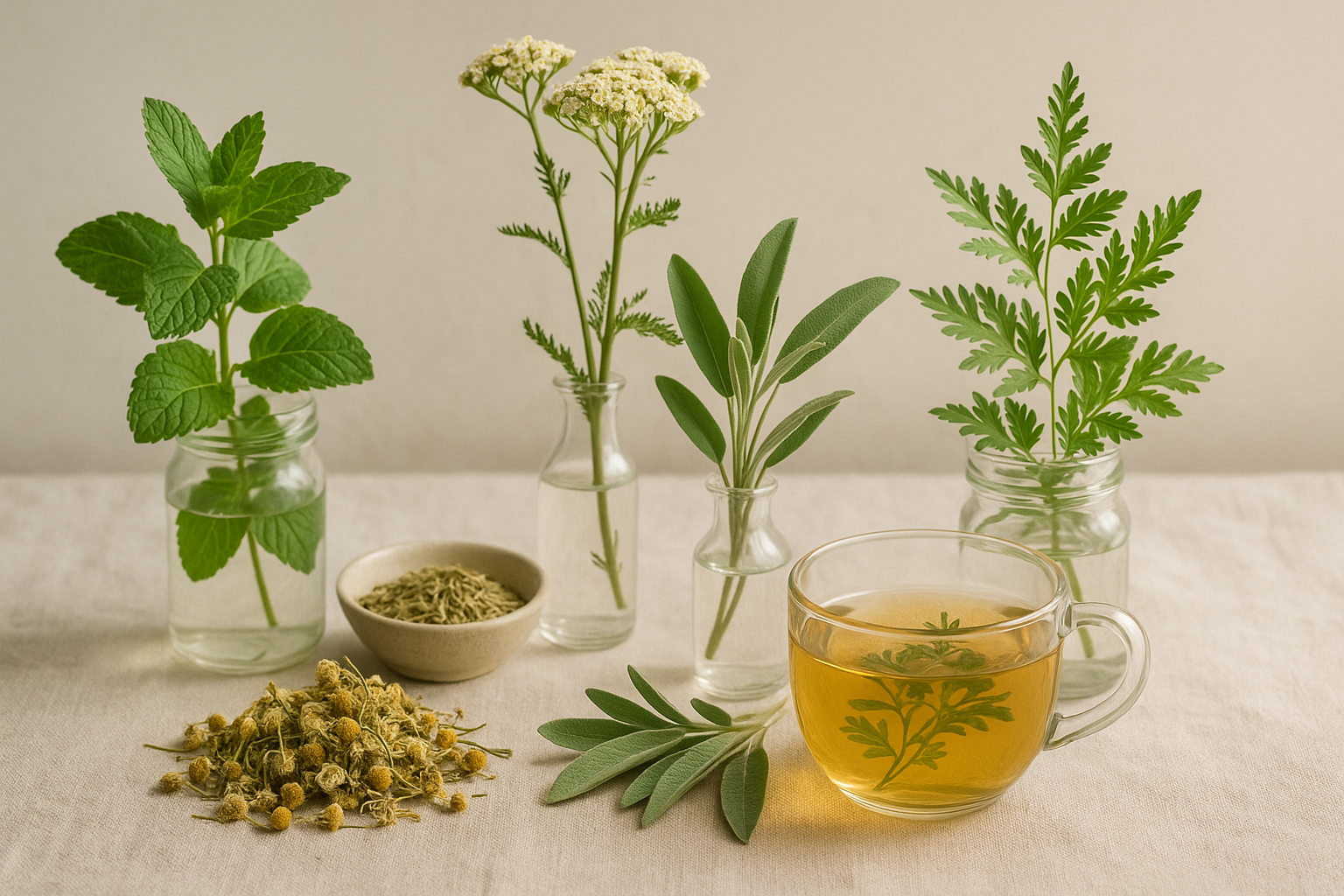
Explore the world of digestive herbs, their active compounds, traditional uses, and modern research insights.
What It Is
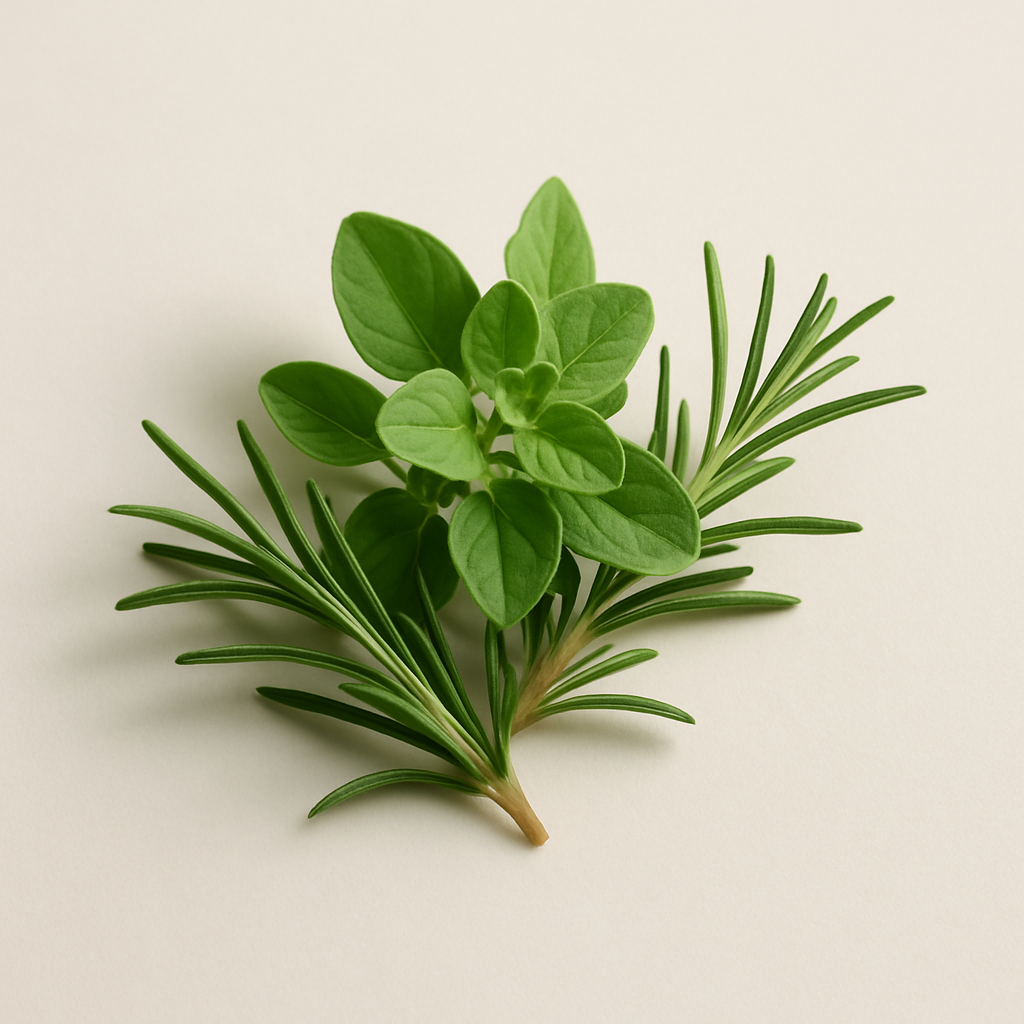
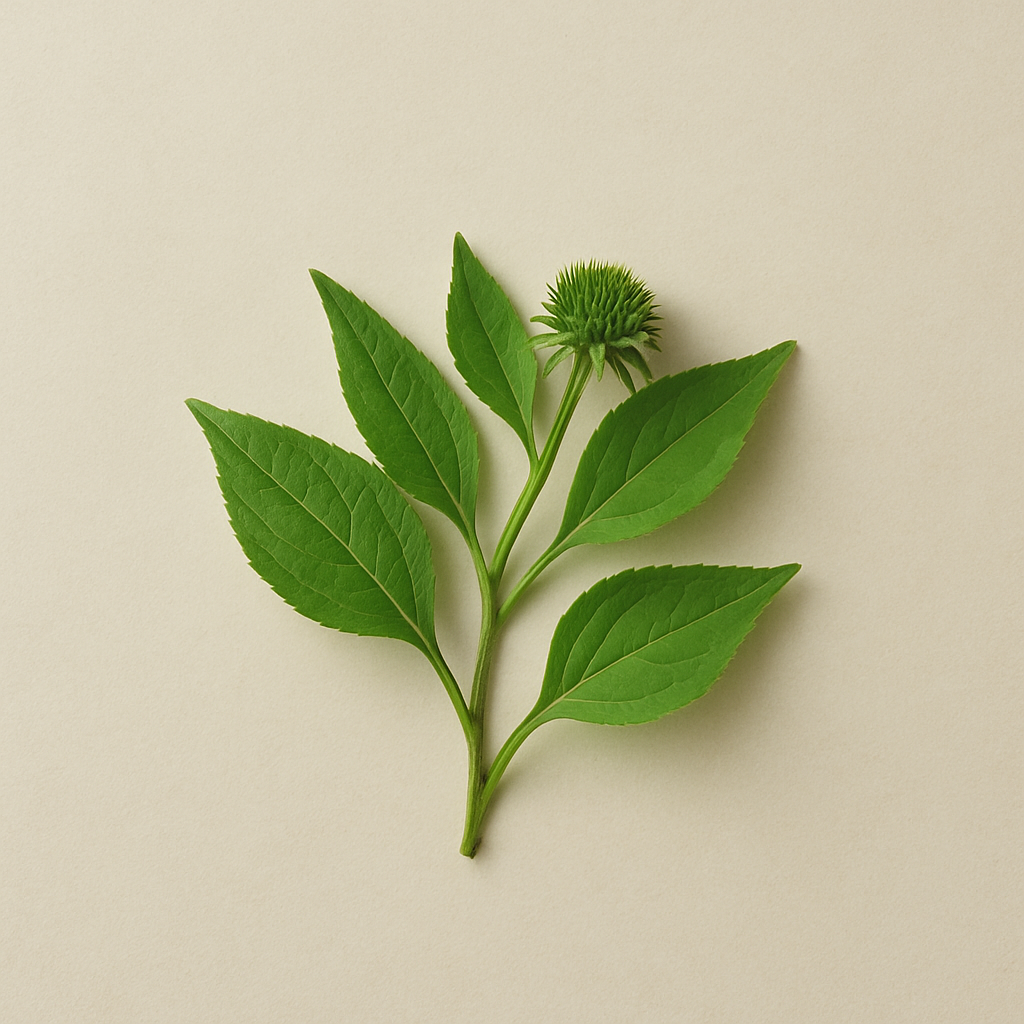
Digestive herbs are plants known for their beneficial effects on the digestive system, helping to alleviate various gastrointestinal issues. These herbs can support digestion, reduce bloating, and promote overall gut health. Common examples include peppermint (Mentha piperita), ginger (Zingiber officinale), and fennel (Foeniculum vulgare).
Key Active Compounds & Mechanisms
Digestive herbs contain various active compounds that contribute to their effects. For instance:
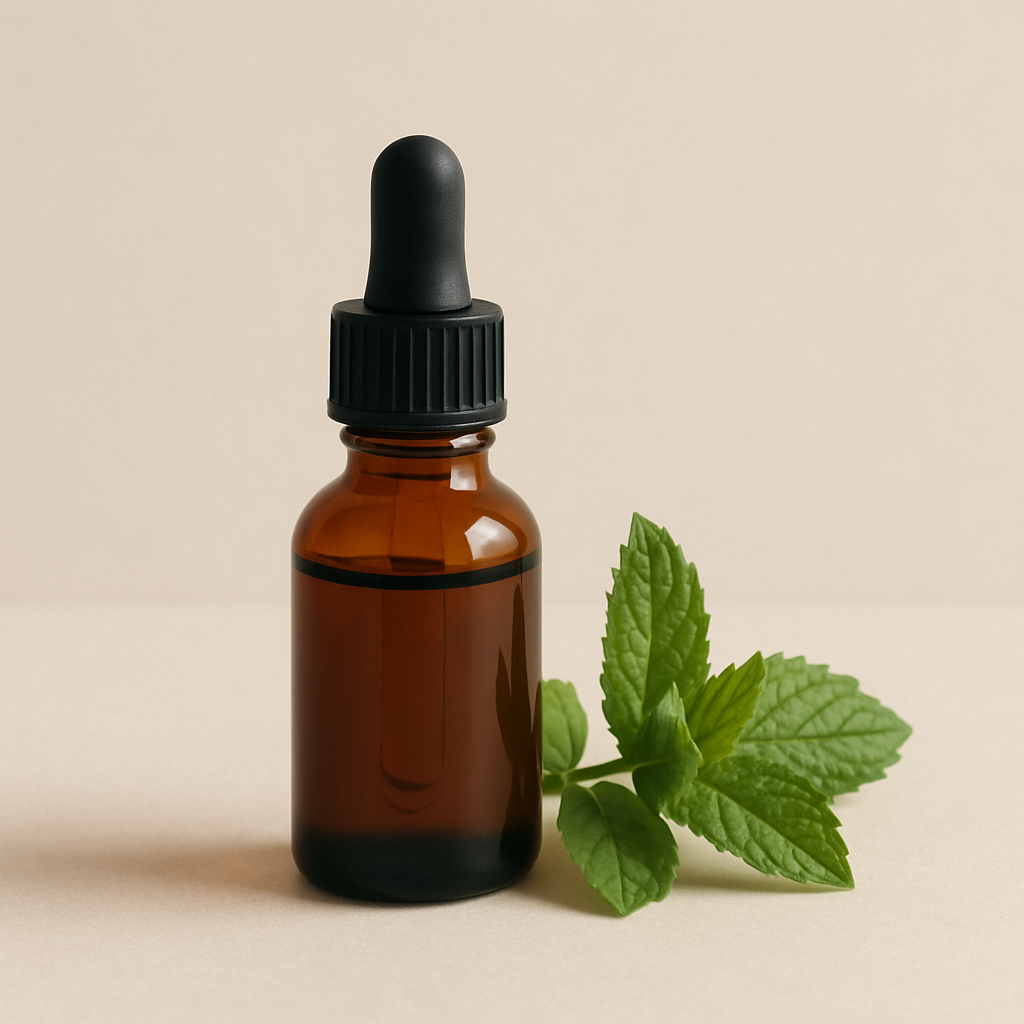
- Peppermint: Contains menthol, which can relax the muscles of the gastrointestinal tract.
- Ginger: Rich in gingerol, a compound known for its anti-inflammatory and anti-nausea properties.
- Fennel: Contains anethole, which may help relieve bloating and gas.
These compounds work through different mechanisms, such as muscle relaxation and enhancing digestive enzyme activity.
Traditional Uses
Throughout history, digestive herbs have been used in various cultures to support gut health. For example:
- Peppermint: Used by the Ancient Greeks for digestive ailments and as a flavoring agent.
- Ginger: A staple in Traditional Chinese Medicine, used for thousands of years to is traditionally explored for nausea and digestive discomfort.
- Fennel: Utilized in Ayurvedic practices for its carminative properties, helping to reduce gas and bloating.
These traditional uses highlight the long-standing recognition of herbs in promoting digestive health.
What Modern Research Suggests
Recent studies have begun to validate some of the traditional uses of digestive herbs. For instance:
- Research shows that peppermint oil can effectively reduce symptoms of irritable bowel syndrome (IBS).
- Ginger has been found to be effective in reducing nausea in pregnant women and chemotherapy patients.
- Fennel may help alleviate symptoms of dyspepsia and improve overall digestive function.
While promising, more research is needed to fully understand the extent of these benefits.
Functional Actions
Digestive herbs can perform several functional actions, including:
- Carminative: Help reduce gas and bloating.
- Digestive Stimulant: Enhance digestive enzyme production and secretion.
- Anti-inflammatory: Reduce inflammation in the gut lining.
- Antimicrobial: Help balance gut flora and protect against harmful bacteria.
These actions contribute to improved digestive health and comfort.
Body Systems Supported
Digestive herbs primarily support the following body systems:
- Gastrointestinal System: Enhancing digestion and nutrient absorption.
- Endocrine System: Influencing hormone levels related to digestion.
- Immune System: Supporting gut health, which plays a crucial role in overall immunity.
By promoting gut health, these herbs can have a positive impact on overall well-being.
Common Forms & Educational Dosing Ranges
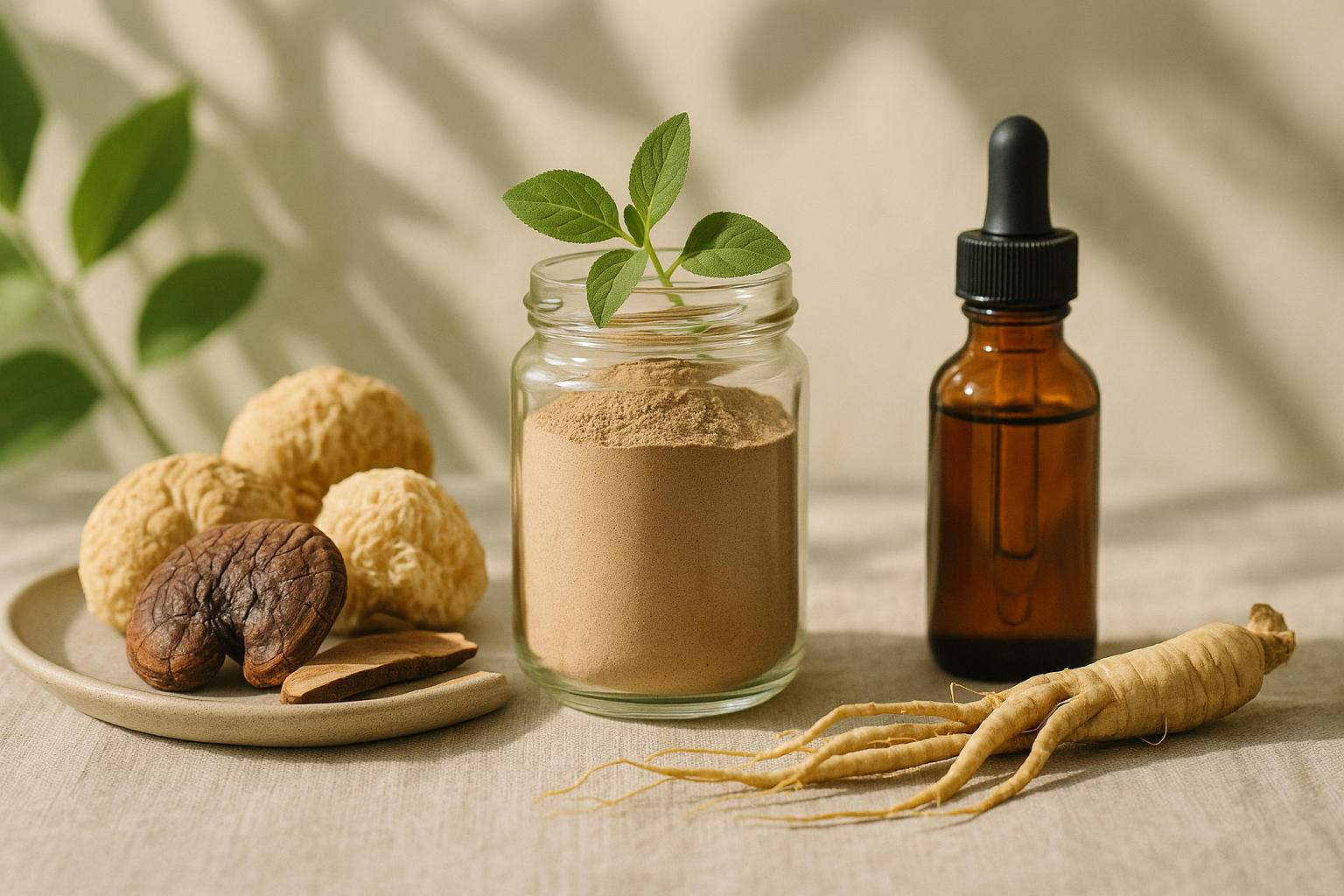
Digestive herbs are available in various forms, including:
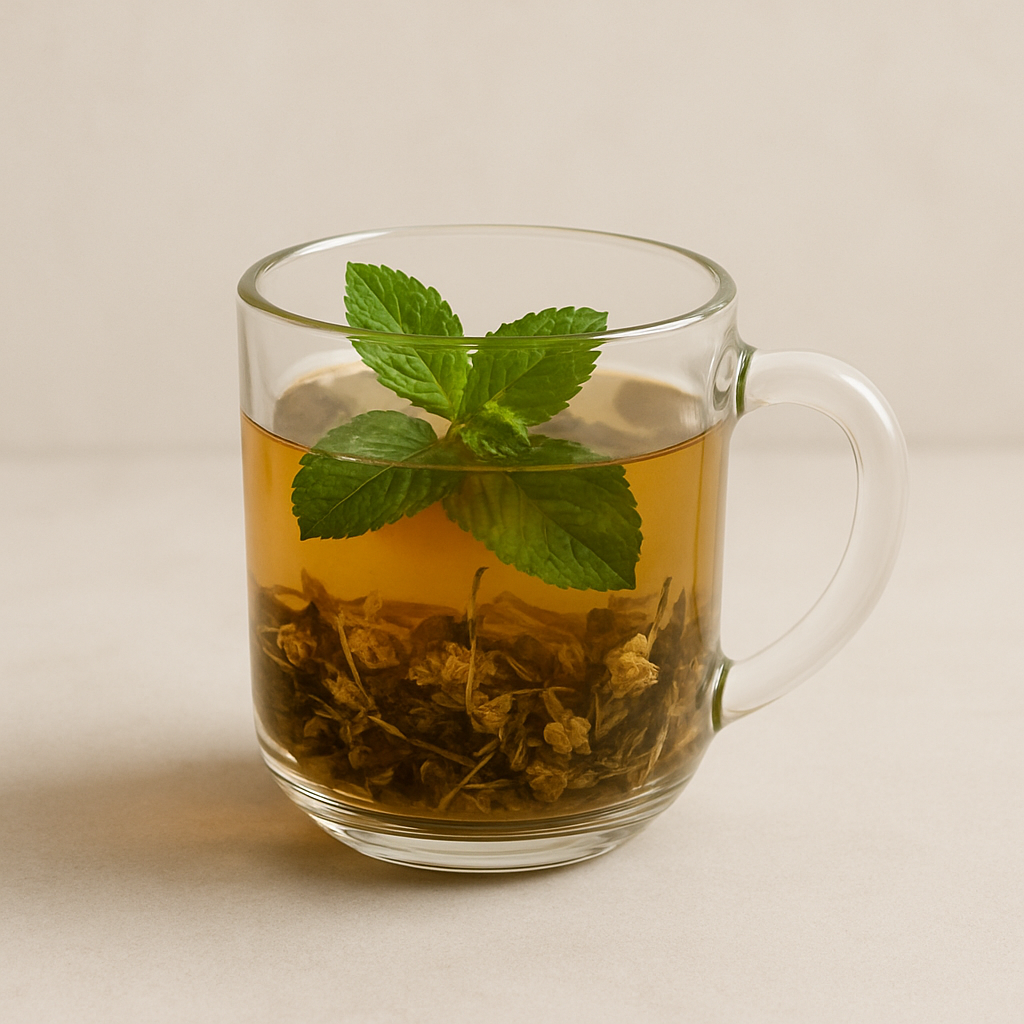
- Teas: A common and soothing way to consume digestive herbs. Typical dosing is 1-2 cups daily.
- Capsules or Tablets: Standardized extracts for more precise dosing, often ranging from 250 mg to 1000 mg per day.
- Tinctures: Concentrated liquid extracts that can be taken in small doses, about 1-2 ml per day.
It is essential to follow specific product guidelines or consult a healthcare provider for personalized dosing.
Safety, Contraindications & Interactions
While digestive herbs are generally safe for most individuals, there are some considerations:
- Peppermint: May worsen GERD symptoms in some individuals.
- Ginger: Caution in those on blood thinners, as it may enhance their effects.
- Fennel: Should be avoided during pregnancy as it can stimulate uterine contractions.
Always consult a healthcare provider before starting any new herbal regimen, especially if you are on medications or have underlying health conditions.
Pairs Well With
Digestive herbs can be effectively paired with other natural remedies to enhance their effects, such as:
- Chamomile: Known for its calming properties, which can complement the soothing effects of digestive herbs.
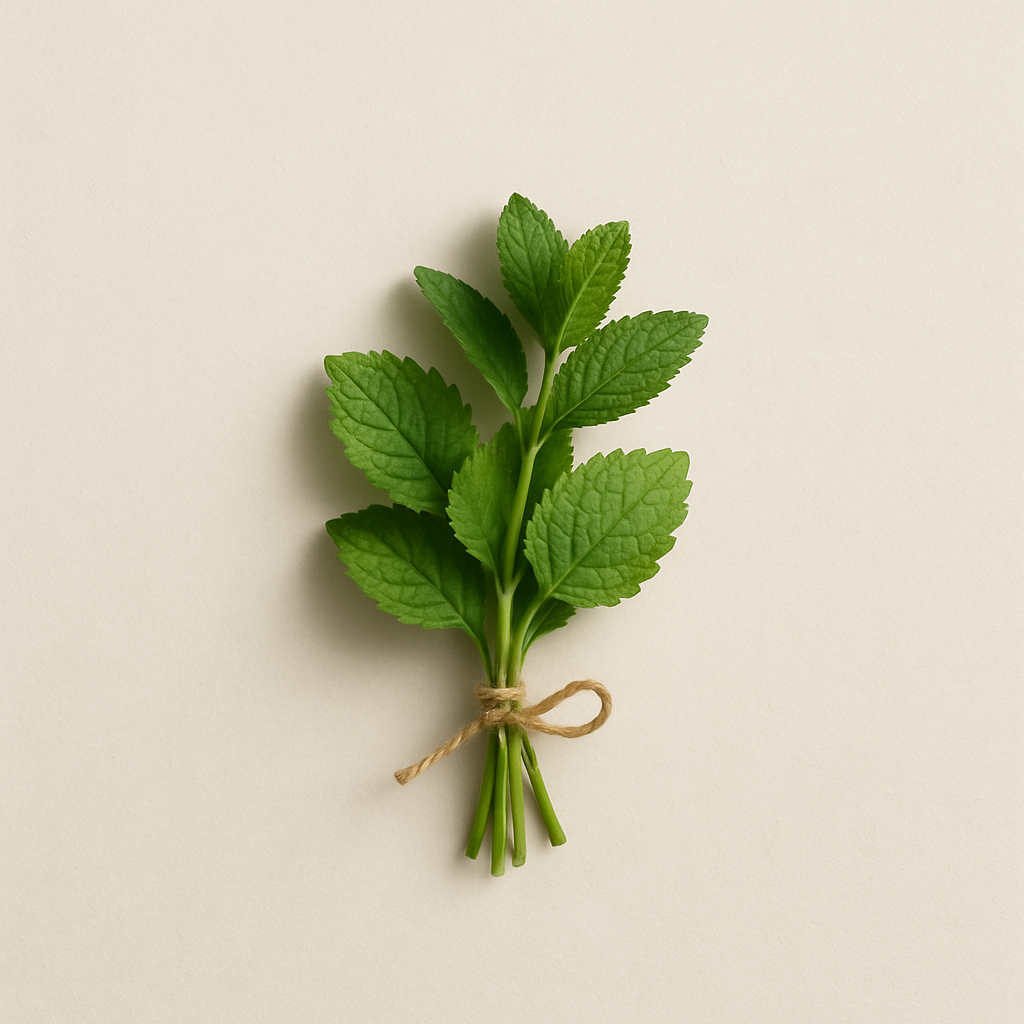
- Lemon Balm: Helps reduce stress and anxiety, which can benefit digestive health.
- Probiotics: Support overall gut health, enhancing the benefits of digestive herbs.
FAQs (5)
- Are digestive herbs safe for everyone? While many people can safely use digestive herbs, those with specific health conditions or on certain medications should consult a healthcare provider.
- How long does it take to see results from digestive herbs? Results may vary, but many individuals report improvements within a few days to weeks of consistent use.
- Can I use digestive herbs during pregnancy? Some herbs are safe during pregnancy, while others, like fennel, should be avoided. Always consult a healthcare provider.
- Can children take digestive herbs? Many digestive herbs are safe for children, but dosing and specific herb selection should be guided by a healthcare professional.
- What is the best way to consume digestive herbs? The best form depends on individual preference; teas, capsules, and tinctures are all effective options.
Frequently asked
Are digestive herbs safe for everyone?
While many people can safely use digestive herbs, those with specific health conditions or on certain medications should consult a healthcare provider.
How long does it take to see results from digestive herbs?
Results may vary, but many individuals report improvements within a few days to weeks of consistent use.
Can I use digestive herbs during pregnancy?
Some herbs are safe during pregnancy, while others, like fennel, should be avoided. Always consult a healthcare provider.
Can children take digestive herbs?
Many digestive herbs are safe for children, but dosing and specific herb selection should be guided by a healthcare professional.
What is the best way to consume digestive herbs?
The best form depends on individual preference; teas, capsules, and tinctures are all effective options.