Immune Support Herbs
Immune support herbs offer a natural way to enhance your body's defenses. Discover their key compounds, traditional uses, and modern insights in this comprehensive guide.
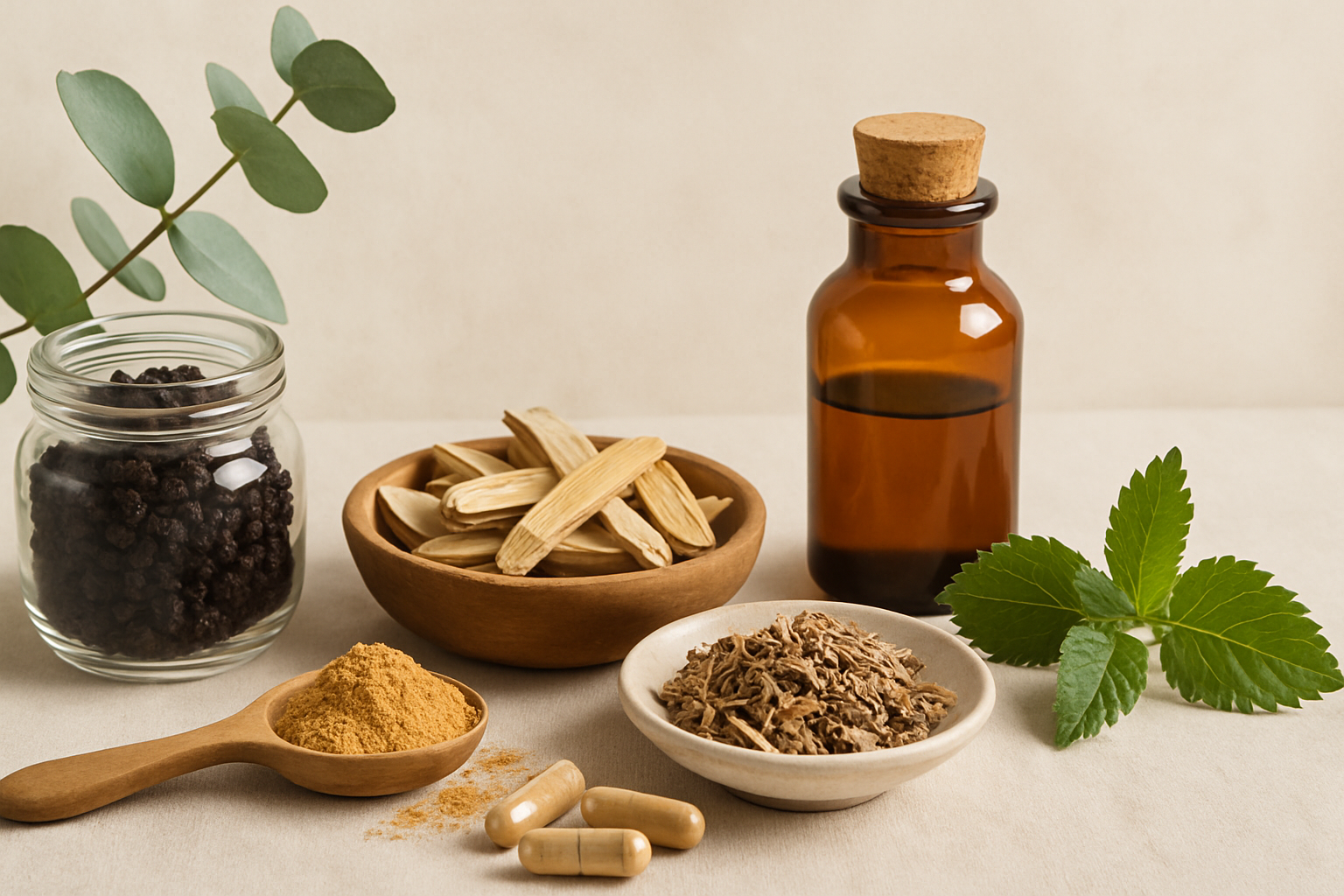
Explore the world of immune support herbs, their active compounds, traditional uses, and modern research insights. Discover how these natural remedies can bolster your body's defenses and find out the best practices for their use.
What It Is
Immune support herbs refer to a range of plants known for their ability to enhance and modulate the immune system. These herbs can include various species, such as Echinacea purpurea (Echinacea), Withania somnifera (Ashwagandha), and Panax ginseng (Ginseng). Each of these herbs has unique properties that contribute to strengthening the body's natural defense mechanisms.
Key Active Compounds & Mechanisms
The efficacy of immune support herbs lies in their active compounds. For instance, Echinacea contains alkamides, which are believed to stimulate the activity of white blood cells. Ashwagandha is rich in withanolides, which may help to modulate stress responses and enhance immune function. Ginseng contains ginsenosides, which are thought to improve overall energy levels and immune resilience. These active compounds work synergistically to promote a balanced immune response.
Traditional Uses
Historically, immune support herbs have been integral to various healing traditions. Echinacea has been used by Native American tribes for centuries as a remedy for infections and to boost immune health. In Ayurveda, Ashwagandha is referred to as a powerful adaptogen, helping the body cope with stress and enhancing overall vitality. Ginseng has been utilized in Traditional Chinese Medicine for its revitalizing and immune-boosting properties. These ancient practices highlight the long-standing belief in the power of herbs to support health.
What Modern Research Suggests
Contemporary studies have begun to validate some traditional uses of these herbs. Research on Echinacea suggests that it may reduce the duration and severity of colds. Studies on Ashwagandha have indicated its potential to lower stress levels, thereby indirectly benefiting immune function. Ginseng has been shown in some clinical trials to enhance immune response in older adults. However, it is important to note that more research is needed, and results can vary based on individual factors.
Functional Actions
Immune support herbs generally exhibit several functional actions, including:
- Immune modulation: Encouraging a balanced immune response.
- Antioxidant properties: Protecting cells from oxidative stress.
- Adaptogenic effects: Helping the body adapt to stress.
- Anti-inflammatory actions: Reducing inflammation that can compromise immune function.
Body Systems Supported
The primary body system supported by immune support herbs is the immune system itself. Additionally, these herbs can also benefit:
- The respiratory system: Helping to fend off infections.
- The endocrine system: Supporting hormonal balance, particularly in stress responses.
- The nervous system: Aiding in stress management and overall well-being.
Common Forms & Educational Dosing Ranges
Immune support herbs are available in various forms:
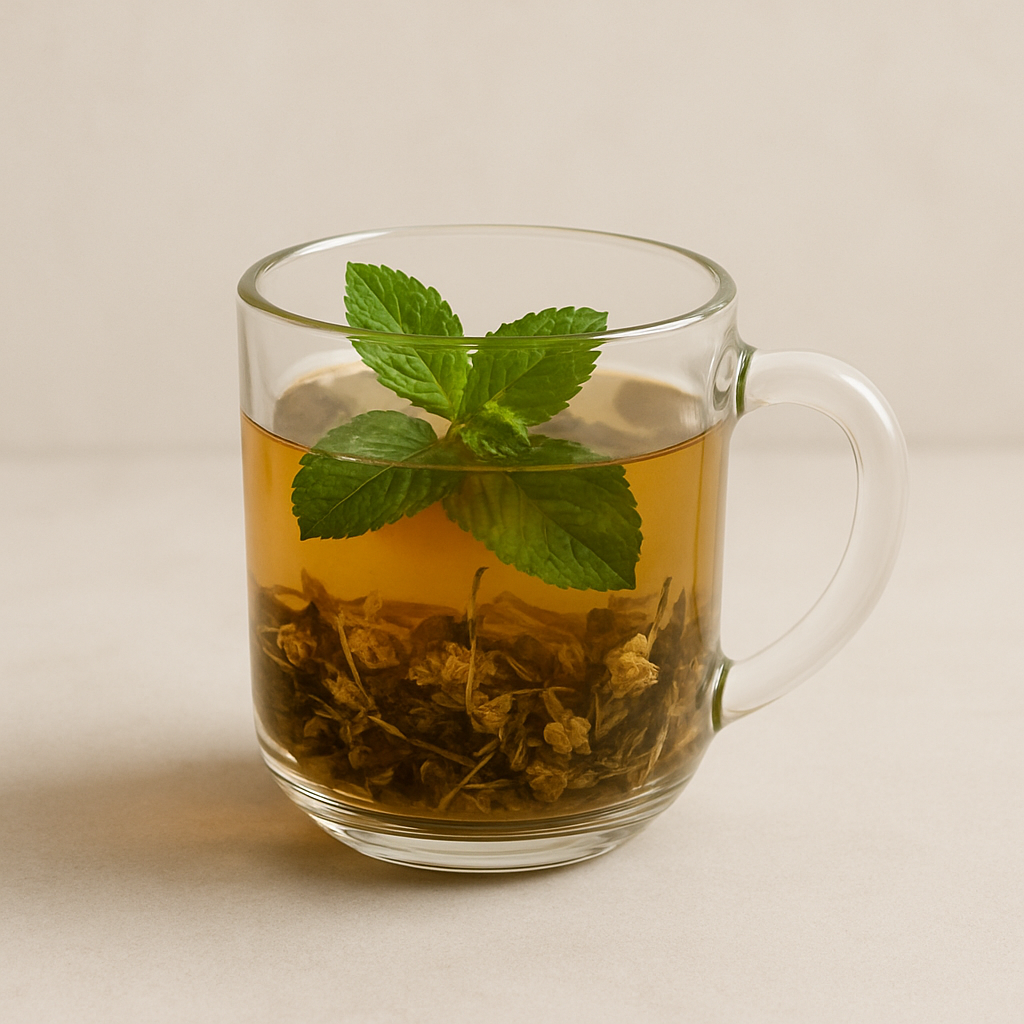
- Teas: Often made from dried leaves or flowers. Typical dosing ranges from 1-2 cups a day.
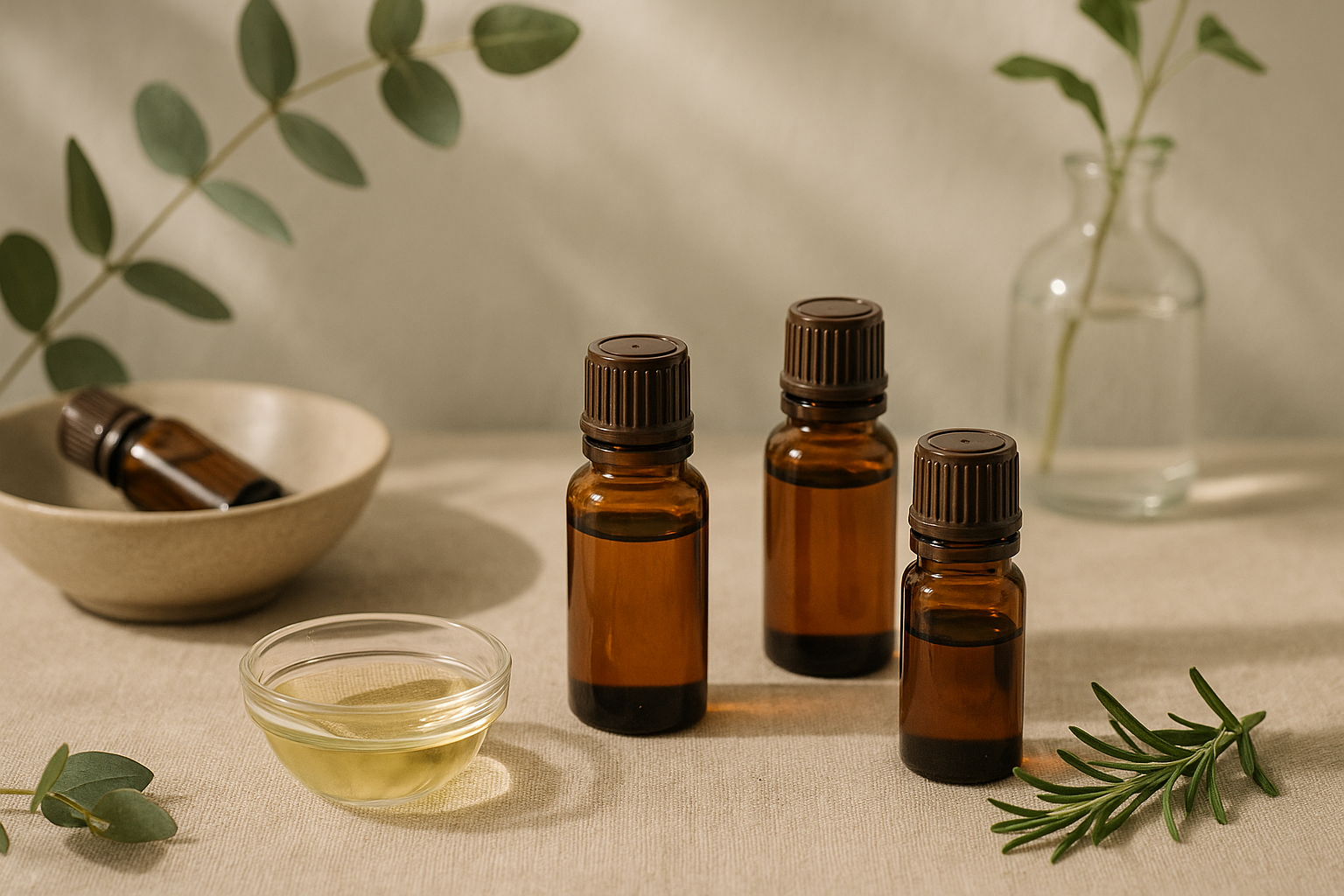
- Tinctures: Concentrated herbal extracts. A common dosing range is 20-30 drops, 2-3 times daily.
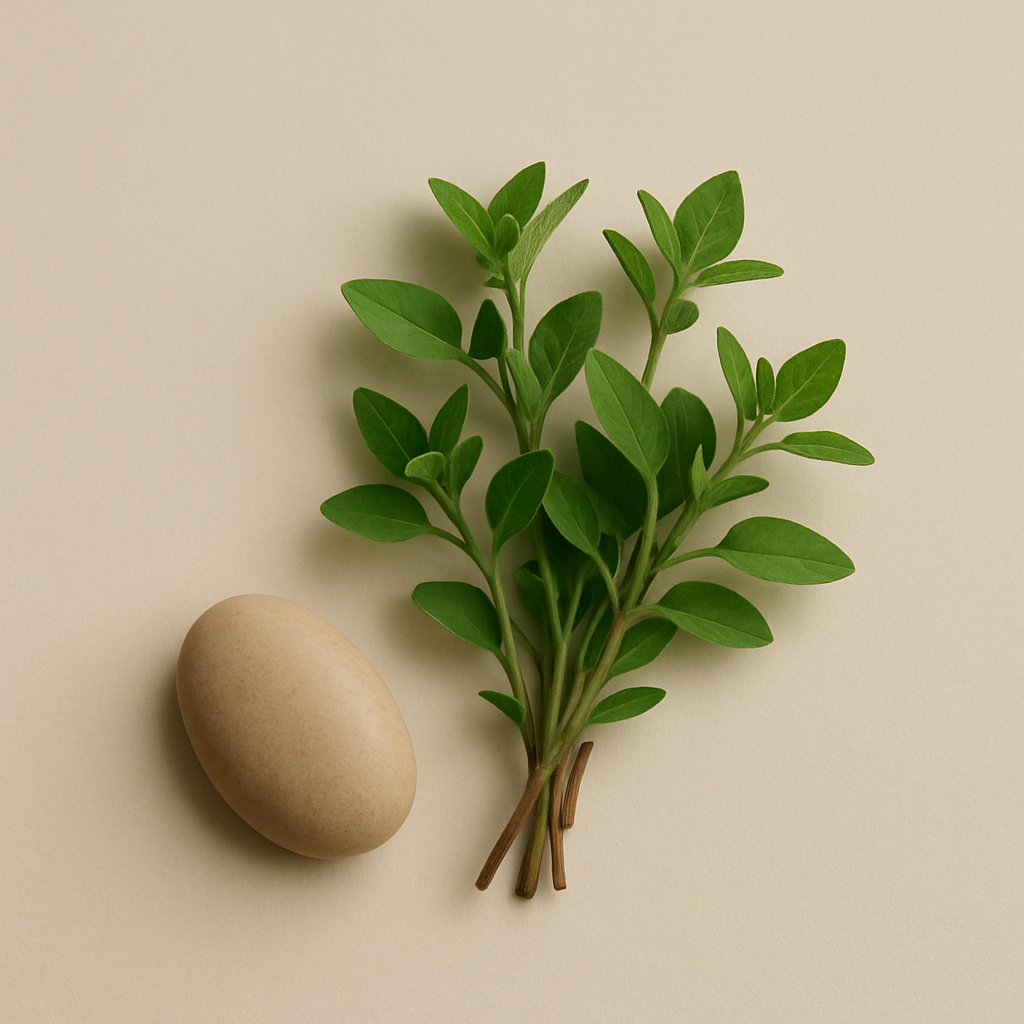
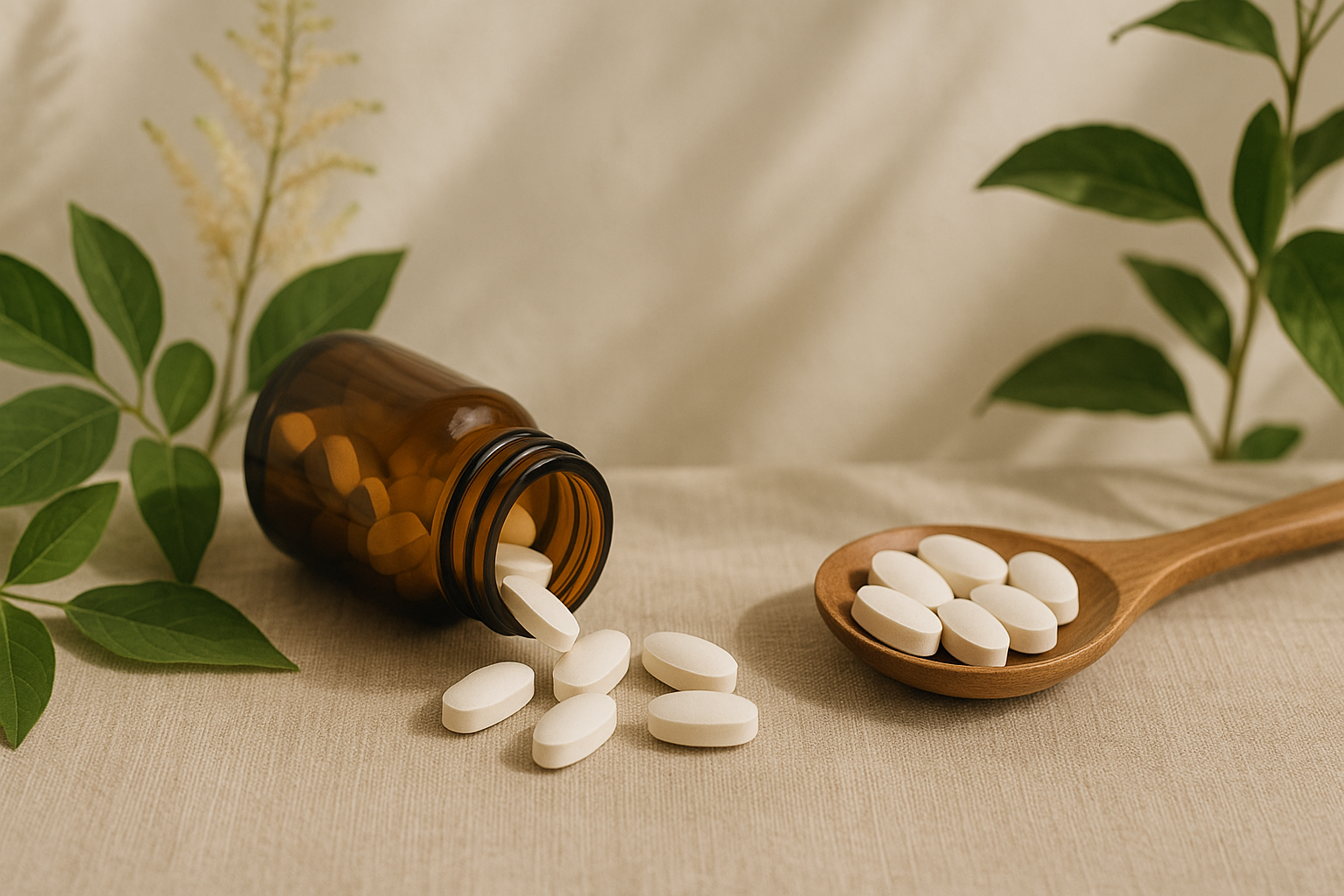
- Capsules: Providing powdered herbal forms. Typical doses vary based on the herb but generally range from 300-600 mg daily.
It's crucial to follow product instructions and consult a healthcare professional for personalized dosing.
Safety, Contraindications & Interactions
While many immune support herbs are considered safe, it is essential to be aware of potential contraindications:
- Echinacea: May not be suitable for individuals with autoimmune diseases, as it can stimulate the immune system.
- Ashwagandha: Should be used cautiously in individuals with hyperthyroidism or those on sedative medications.
- Ginseng: May interact with anticoagulant medications and should be avoided by individuals with hormone-sensitive conditions.
Always consult with a healthcare provider before starting any new herbal regimen, especially if you are on medications or have underlying health conditions.
Pairs Well With
To enhance their effects, immune support herbs can be combined with:
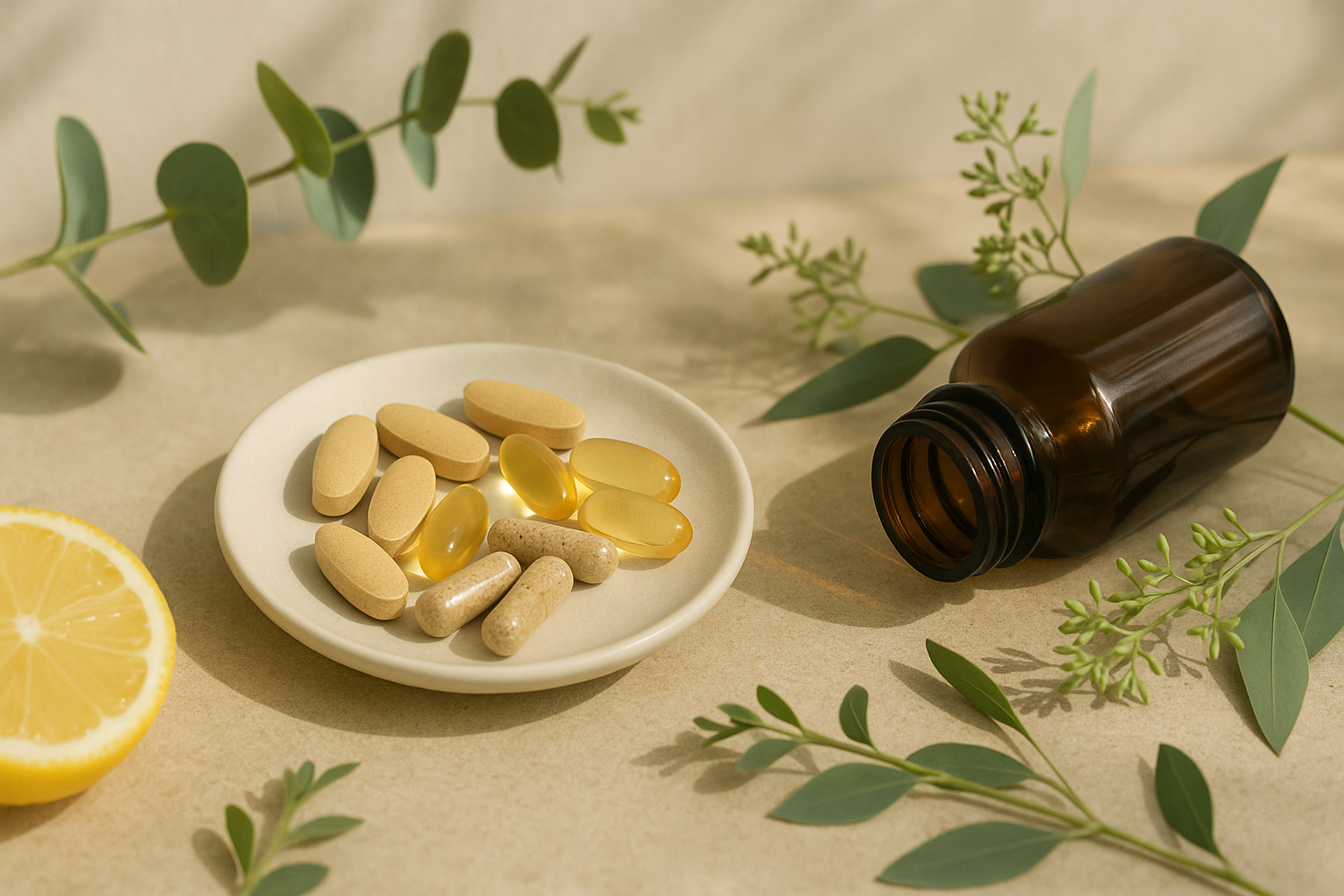
- Vitamin C: Known for its immune-boosting properties.
- Zinc: A critical mineral for immune function.
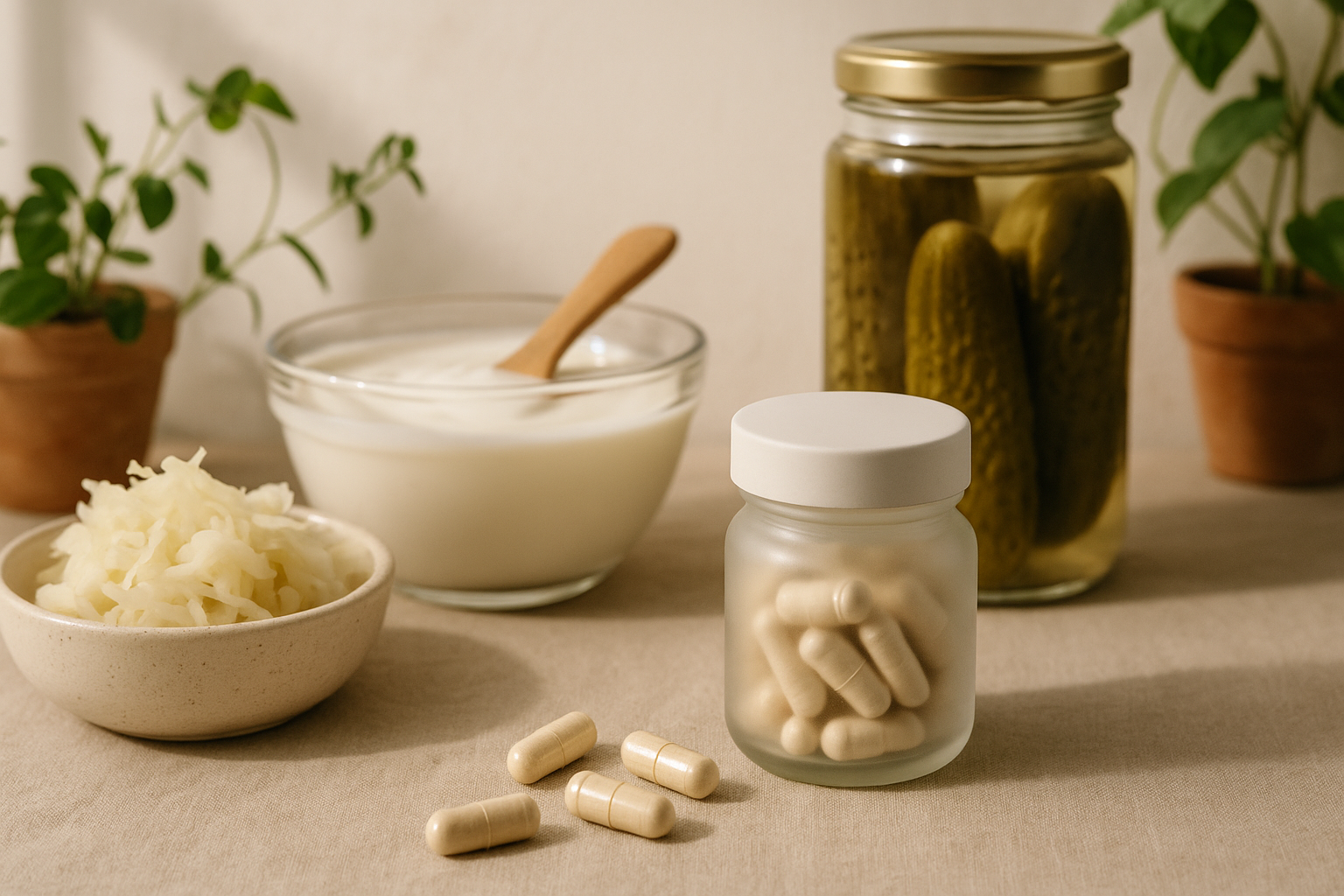
- Probiotics: Supporting gut health, which is closely linked to immune health.
FAQs (5)
- What are immune support herbs? Immune support herbs are plants known for their ability to enhance and modulate the immune system.
- How do I use Echinacea for immune support? Echinacea can be taken as a tea, tincture, or capsule. Follow dosing recommendations on the product label.
- Can Ashwagandha help with stress? Yes, Ashwagandha is known as an adaptogen that may help the body manage stress, which can indirectly support immune health.
- Is Ginseng safe for everyone? Ginseng may not be suitable for individuals with certain health conditions, such as hormone-sensitive issues or those on blood thinners.
- How can I incorporate these herbs into my daily routine? You can enjoy them as teas, supplements, or incorporated into meals for added health benefits.
Frequently asked
What are immune support herbs?
Immune support herbs are plants known for their ability to enhance and modulate the immune system.
How do I use Echinacea for immune support?
Echinacea can be taken as a tea, tincture, or capsule. Follow dosing recommendations on the product label.
Can Ashwagandha help with stress?
Yes, Ashwagandha is known as an adaptogen that may help the body manage stress, which can indirectly support immune health.
Is Ginseng safe for everyone?
Ginseng may not be suitable for individuals with certain health conditions, such as hormone-sensitive issues or those on blood thinners.
How can I incorporate these herbs into my daily routine?
You can enjoy them as teas, supplements, or incorporated into meals for added health benefits.