Circulatory Herbs
Discover the benefits of circulatory herbs, their historical uses, active compounds, and safety considerations for enhancing circulatory health.
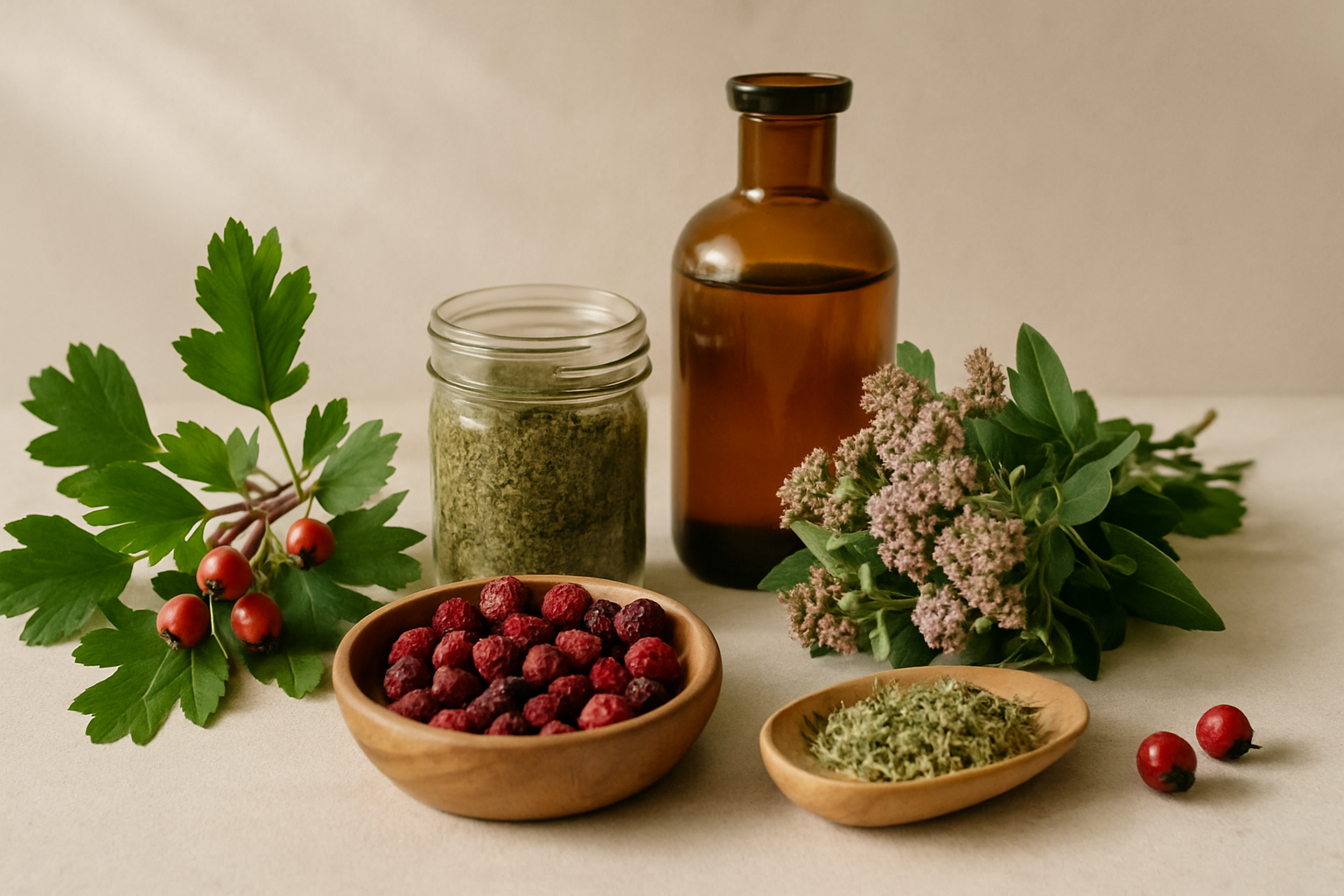
Explore the world of circulatory herbs, their traditional uses, active compounds, and modern research insights. Learn how these natural remedies can support your circulatory health.
What It Is
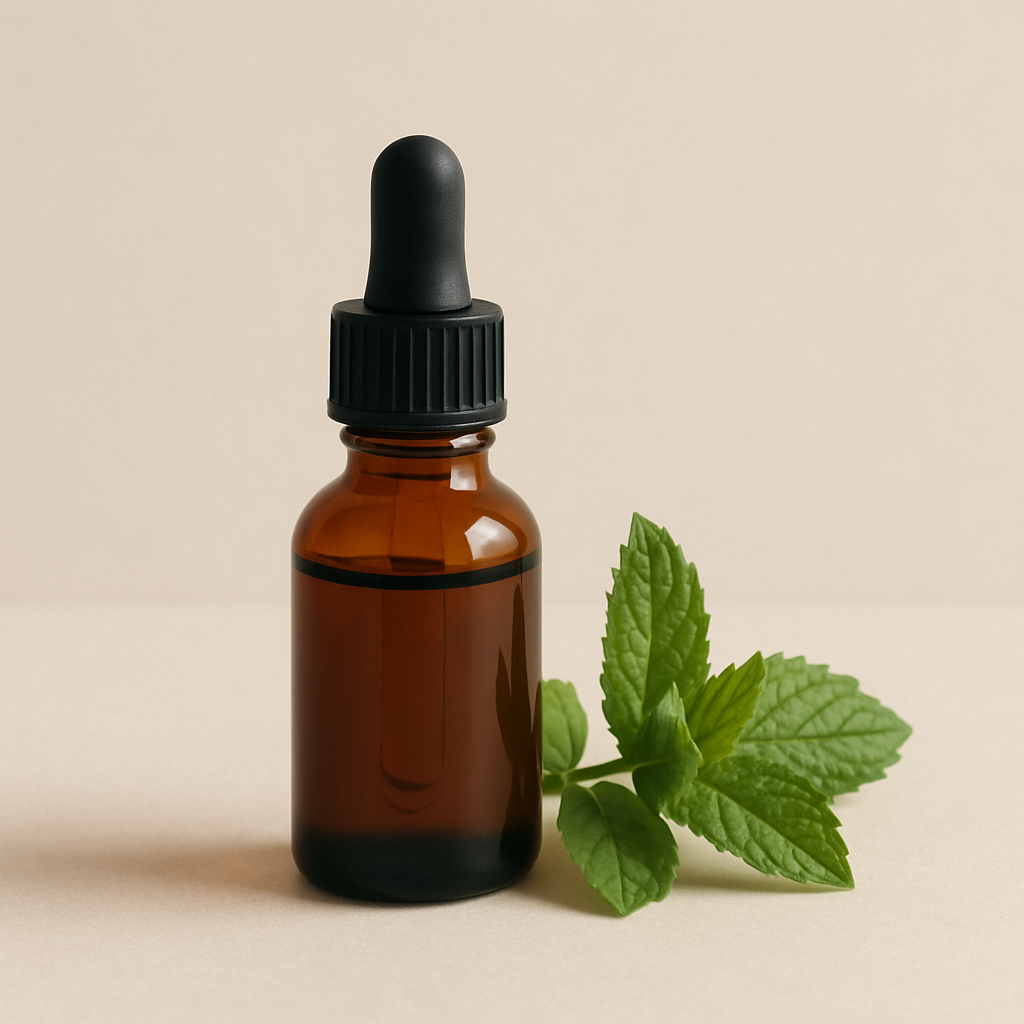
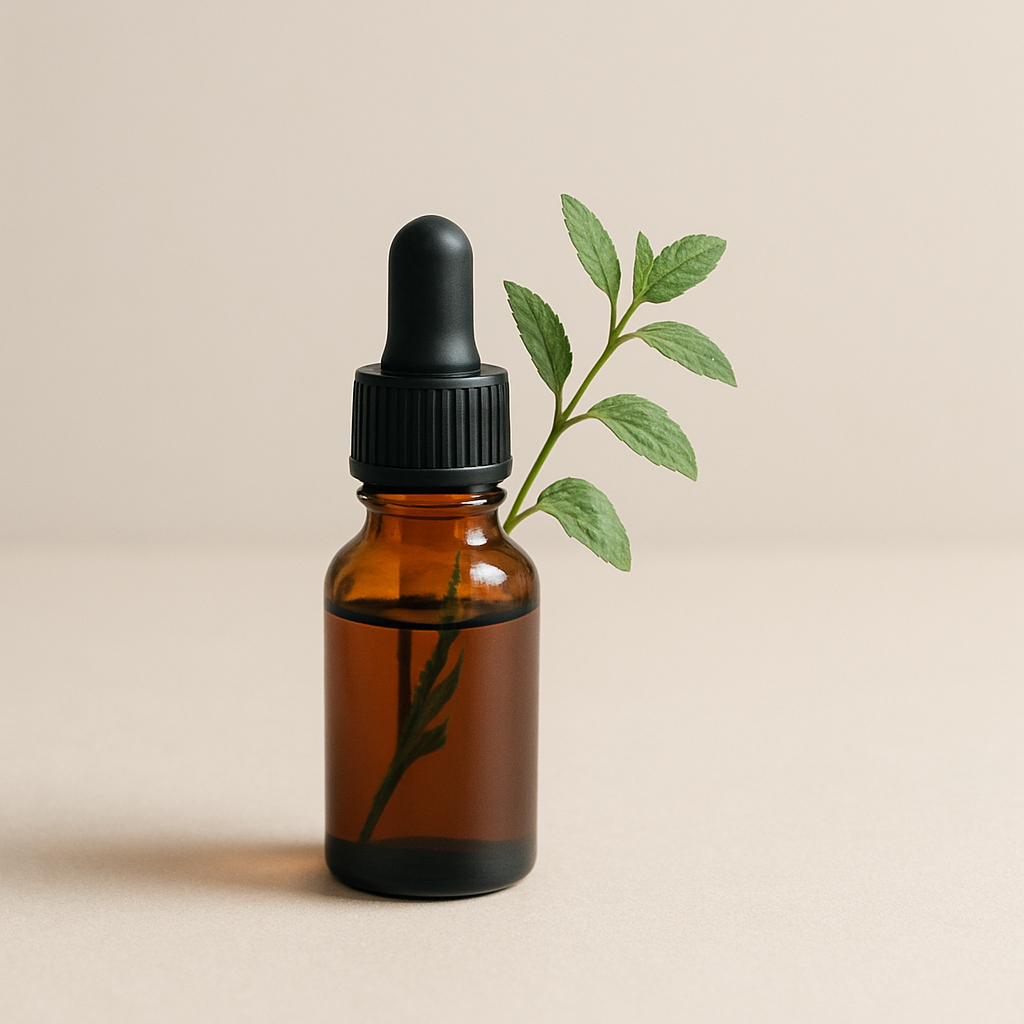
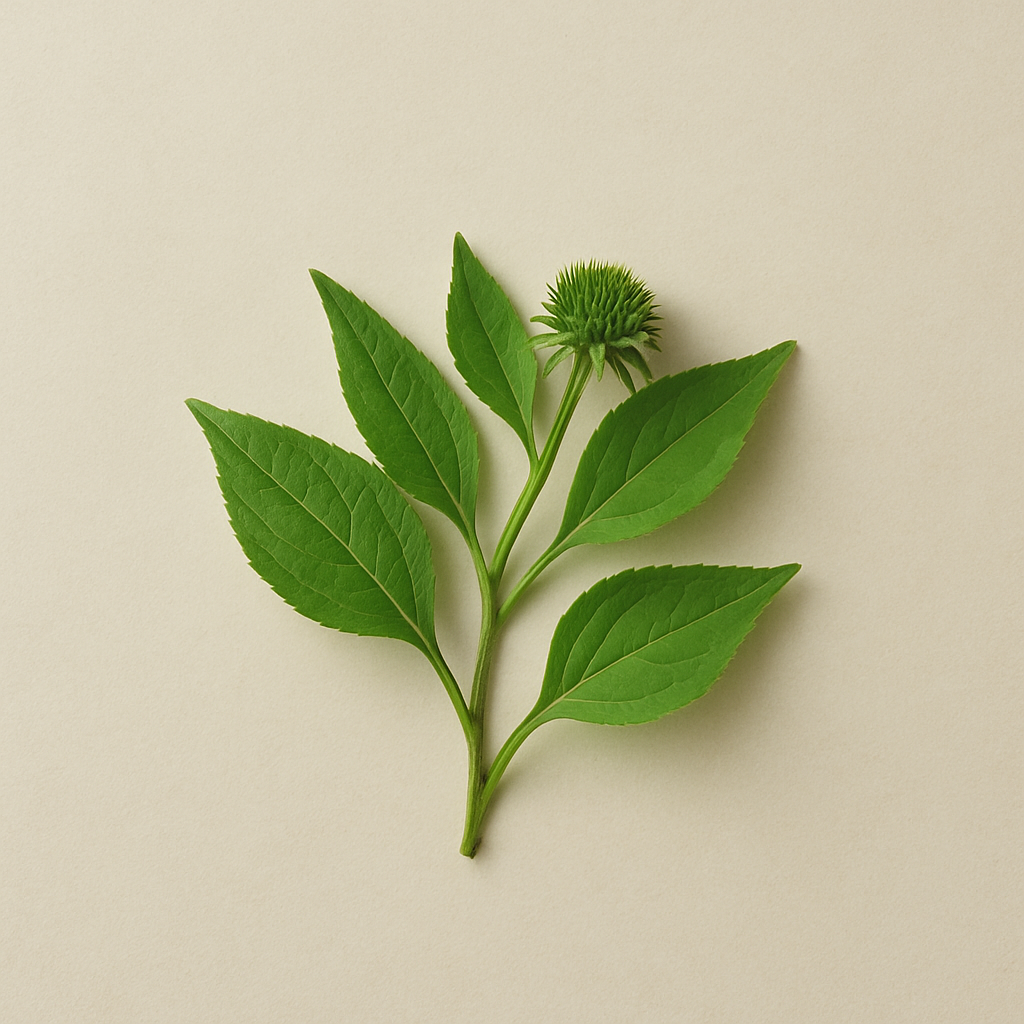
Circulatory herbs are plants traditionally used to support and enhance the health of the circulatory system, which includes the heart and blood vessels. These herbs can help improve blood circulation, strengthen cardiovascular function, and promote overall vascular health. Some commonly known circulatory herbs include Ginkgo biloba, Hawthorn (Crataegus spp.), and Cayenne (Capsicum annuum).
Key Active Compounds & Mechanisms
Circulatory herbs contain various active compounds that contribute to their beneficial effects on the cardiovascular system. For example:
- Ginkgo biloba: Contains flavonoids and terpenoids, which may enhance blood flow by dilating blood vessels and reducing blood viscosity.
- Hawthorn: Rich in flavonoids and oligomeric proanthocyanidins, hawthorn is believed to strengthen the heart muscle and improve its efficiency.
- Cayenne: Contains capsaicin, known for its ability to stimulate blood flow and improve circulation.
Traditional Uses
Throughout history, various cultures have utilized circulatory herbs for their health benefits. For instance:
- Ginkgo biloba: Traditionally used in Chinese medicine for thousands of years to enhance memory and circulation.
- Hawthorn: Used in European folk medicine to is traditionally explored for heart ailments and improve cardiovascular health.
- Cayenne: A staple in culinary practices and traditional medicine in various cultures for its ability to warm the body and stimulate circulation.
What Modern Research Suggests
Modern studies have begun to explore the efficacy of circulatory herbs. While more research is necessary, preliminary findings suggest:
- Ginkgo biloba: May help improve cognitive function in individuals with vascular dementia.
- Hawthorn: Some studies indicate it may be beneficial for heart failure by improving heart function and exercise tolerance.
- Cayenne: Research shows it may aid in reducing blood pressure and cholesterol levels.
Functional Actions
The functional actions of circulatory herbs typically include:
- Vasodilation: Widening of blood vessels to enhance blood flow.
- Antioxidant properties: Reducing oxidative stress on blood vessels.
- Anti-inflammatory effects: Helping to lower inflammation that can affect cardiovascular health.
Body Systems Supported
Circulatory herbs primarily support the following systems:
- Cardiovascular System: Enhancing heart health and circulation.
- Nervous System: Improving brain function by promoting blood flow to the brain.
- Digestive System: Certain circulatory herbs aid digestion by improving circulation to the digestive organs.
Common Forms & Educational Dosing Ranges
Circulatory herbs are available in various forms, including:
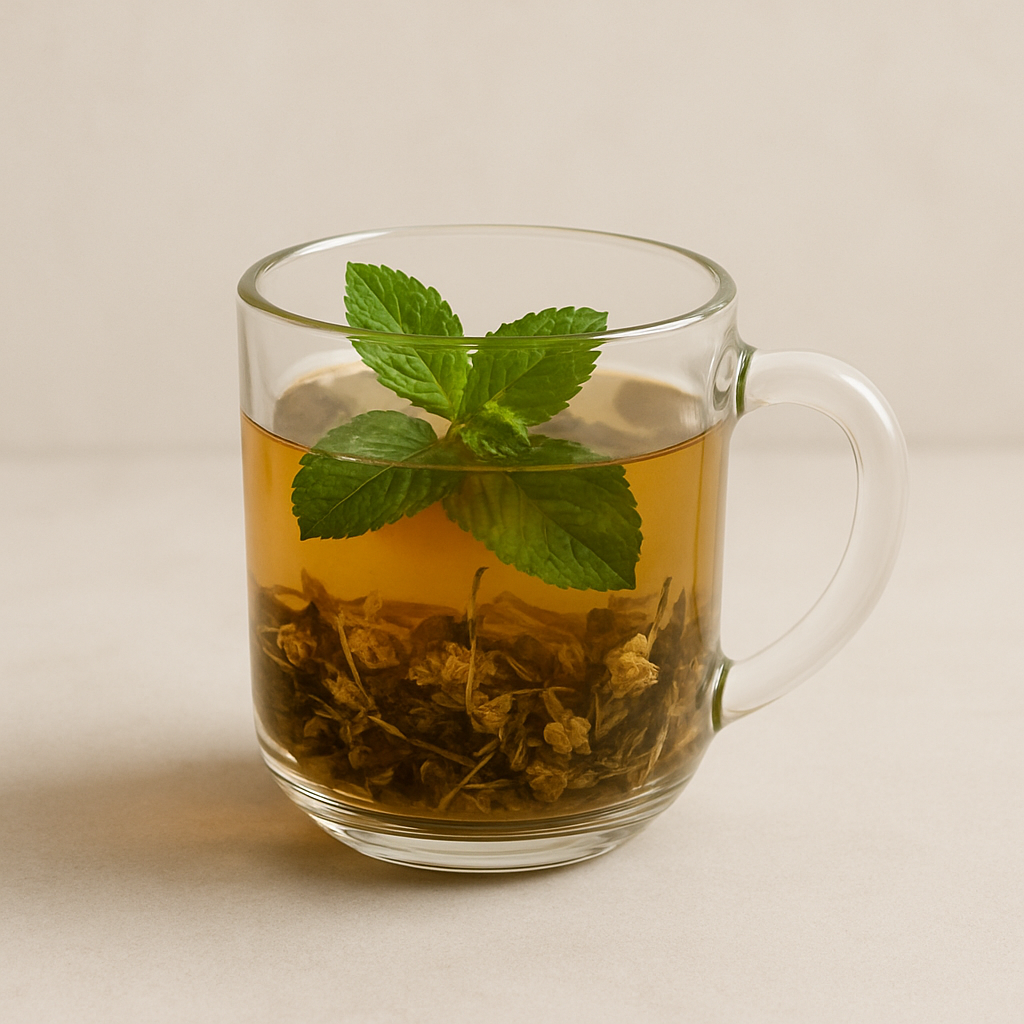
- Teas: Often made from dried leaves or flowers.
- Tinctures: Concentrated herbal extracts that are typically taken in small doses.
- Capsules or tablets: Standardized extracts for consistent dosing.
Educational dosing ranges vary widely based on the herb and individual health considerations. Always consult with a healthcare professional for tailored advice.
Safety, Contraindications & Interactions
While many circulatory herbs are generally safe, some may interact with medications or have contraindications. For example:
- Ginkgo biloba: May increase bleeding risk, especially when taken with anticoagulants like warfarin.
- Hawthorn: Can interact with heart medications, potentially enhancing their effects.
- Cayenne: Should be used cautiously by individuals on blood pressure medications.
Always consult with a healthcare professional before starting any new herbal regimen.
Pairs Well With
Circulatory herbs can often enhance their effects when paired with other natural remedies:
- Garlic: Supports heart health and may enhance the effects of circulatory herbs.
- Turmeric: Offers anti-inflammatory benefits that can complement circulatory support.
- Green tea: Rich in antioxidants, it can work synergistically with circulatory herbs.
FAQs (5)
- What are circulatory herbs? Circulatory herbs are plants traditionally used to support heart and blood vessel health.
- How do circulatory herbs work? They typically improve blood flow, strengthen the heart, and possess antioxidant properties.
- Are there any side effects? Some herbs may cause side effects or interact with medications; consultation with a healthcare professional is advised.
- Can I take circulatory herbs with other supplements? It's best to consult with a healthcare provider to ensure safety and effectiveness.
- How long does it take to see results? The time varies depending on the herb and individual circumstances; consistent use is often necessary for benefits to become apparent.
Frequently asked
What are circulatory herbs?
Circulatory herbs are plants traditionally used to support heart and blood vessel health.
How do circulatory herbs work?
They typically improve blood flow, strengthen the heart, and possess antioxidant properties.
Are there any side effects?
Some herbs may cause side effects or interact with medications; consultation with a healthcare professional is advised.
Can I take circulatory herbs with other supplements?
It's best to consult with a healthcare provider to ensure safety and effectiveness.
How long does it take to see results?
The time varies depending on the herb and individual circumstances; consistent use is often necessary for benefits to become apparent.