Respiratory Herbs
Discover the benefits and uses of respiratory herbs in supporting lung health and wellness.
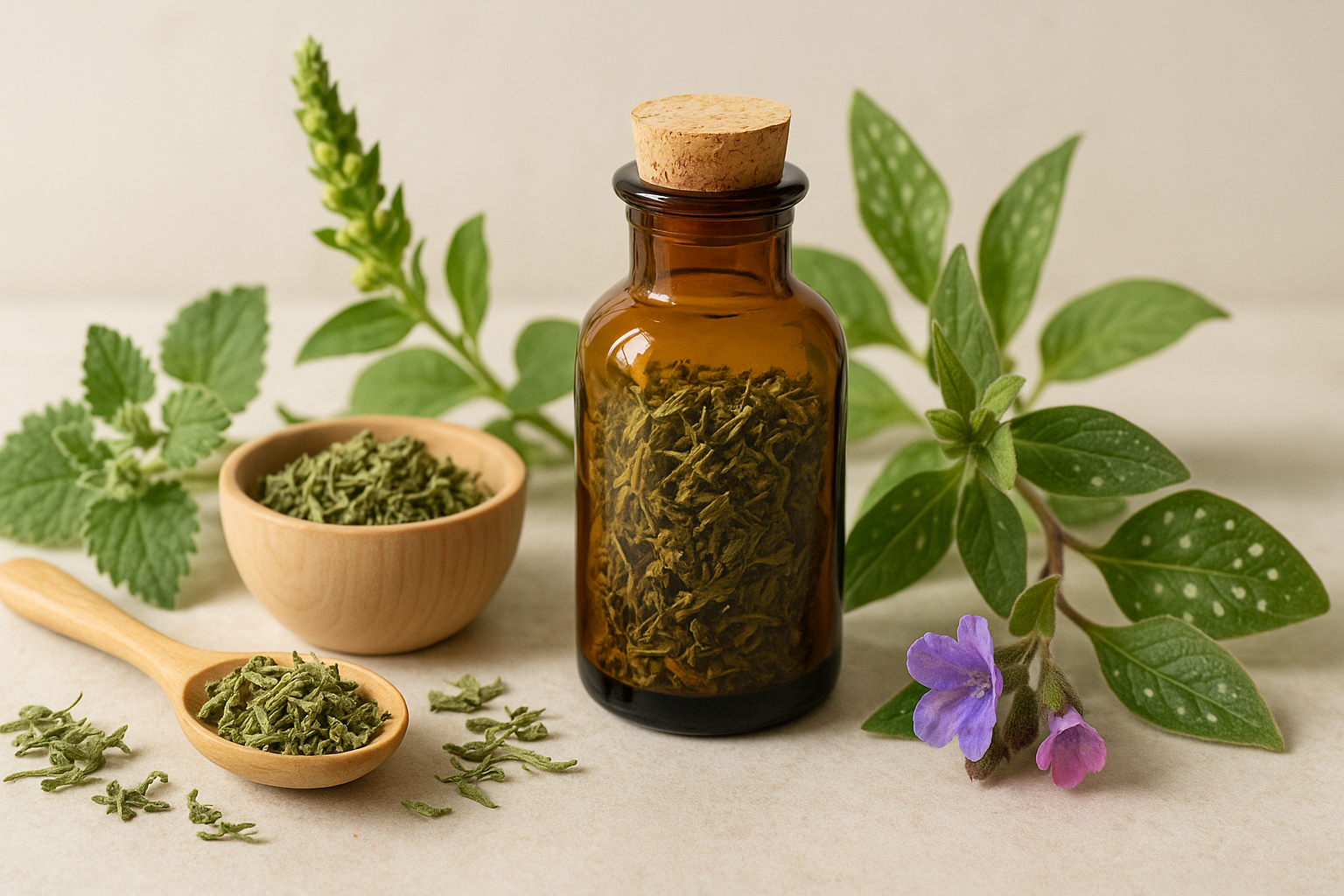
Explore the world of respiratory herbs, their traditional uses, modern research findings, and more, to support lung health naturally.
What It Is
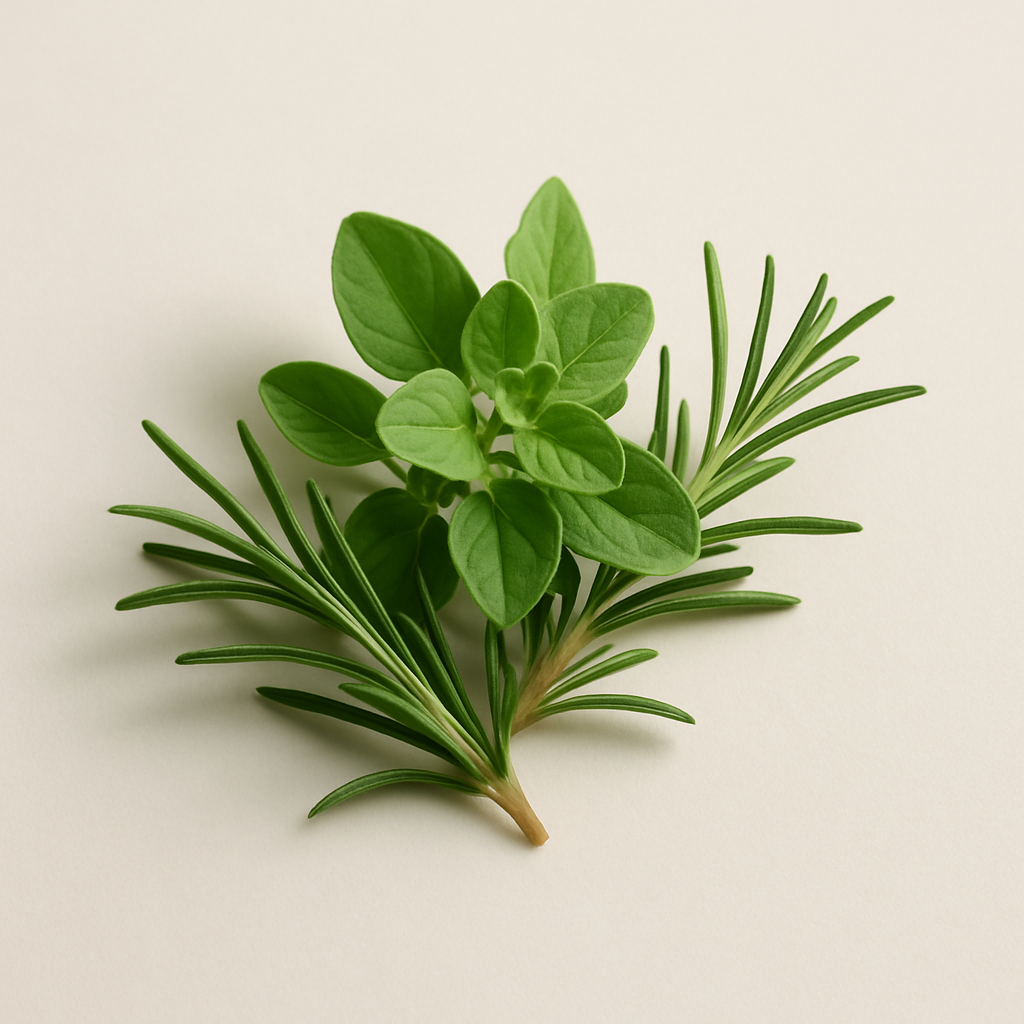
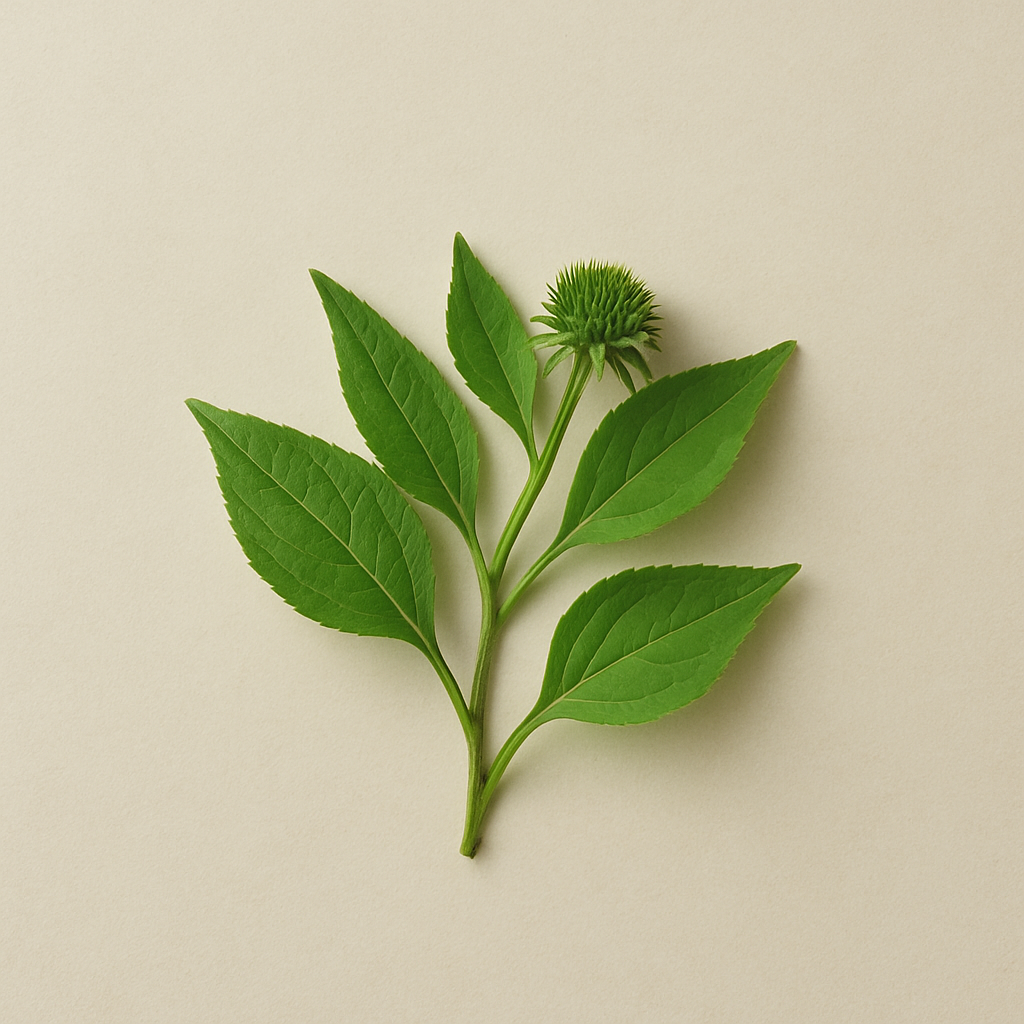
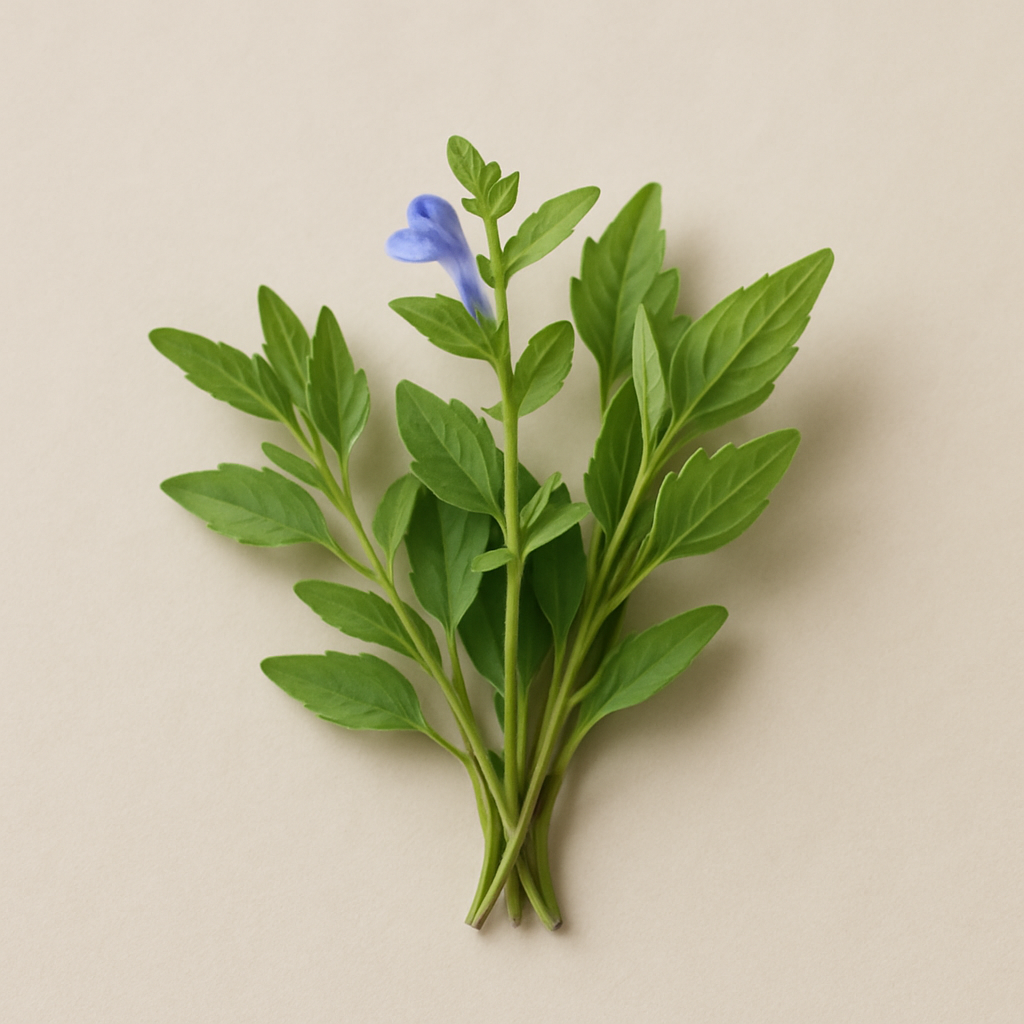
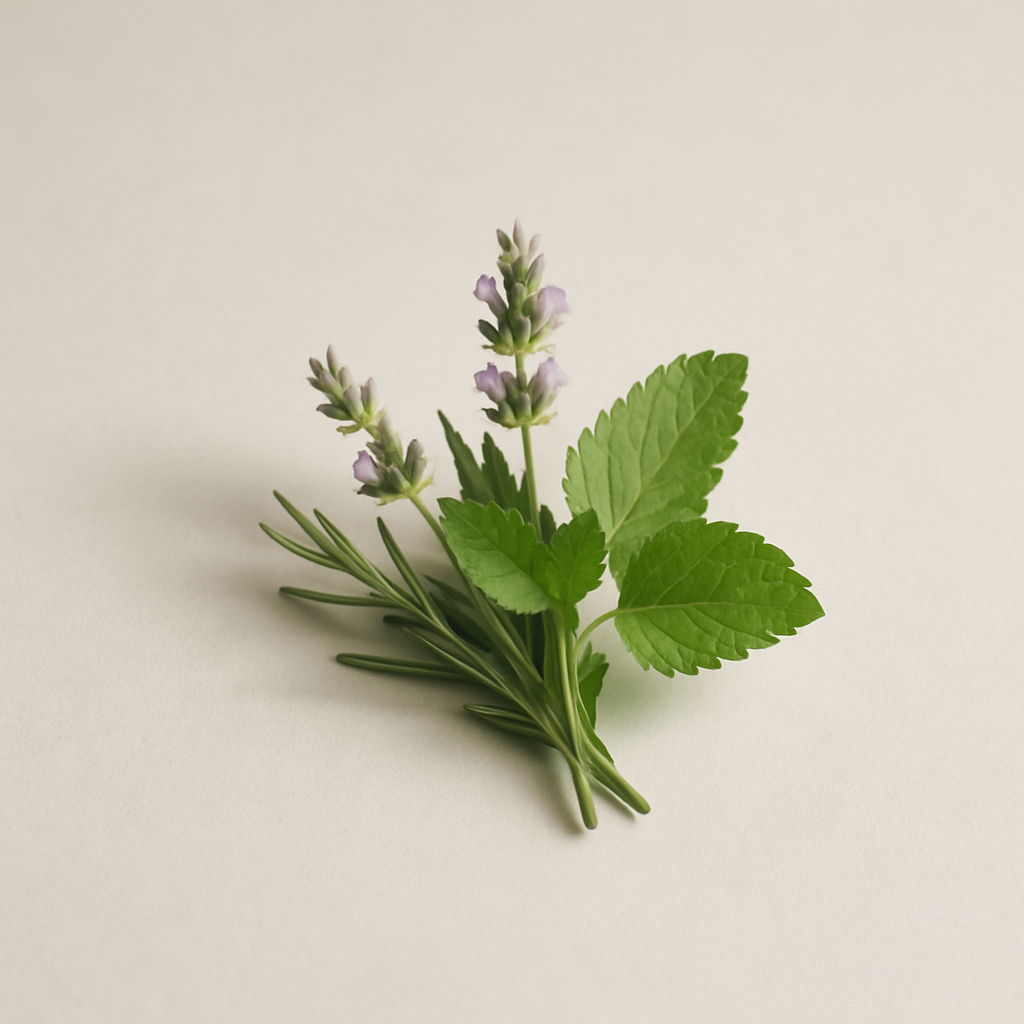
Respiratory herbs are plants traditionally used to support respiratory health and alleviate symptoms associated with respiratory conditions. These herbs can include a range of species that have been recognized for their beneficial effects on the respiratory system. Common respiratory herbs include Thyme (Thymus vulgaris), Eucalyptus (Eucalyptus globulus), and Mullein (Verbascum thapsus), among others.
Key Active Compounds & Mechanisms
The effectiveness of respiratory herbs can often be attributed to their key active compounds. For example:
- Thyme: Contains thymol and carvacrol, which have antimicrobial and anti-inflammatory properties.
- Eucalyptus: Rich in eucalyptol, known for its ability to act as a decongestant and to support respiratory function.
- Mullein: Contains saponins and flavonoids that may help soothe irritated respiratory tissues.
These compounds often work synergistically to help clear mucus, reduce inflammation, and support overall respiratory function.
Traditional Uses
Historically, various cultures have embraced the use of respiratory herbs for their healing properties. Ancient Egyptians utilized thyme in their embalming processes, believing in its protective effects. In traditional Chinese medicine, herbs like eucalyptus have been used to is traditionally explored for coughs and colds. Indigenous peoples of North America have long used mullein leaves as a remedy for respiratory ailments, employing them in teas and poultices to alleviate symptoms.
What Modern Research Suggests
Modern scientific studies have begun to validate some traditional uses of respiratory herbs. Research indicates that thyme may have potent antimicrobial properties, which can help combat respiratory infections. Eucalyptus oil has been studied for its ability to reduce inflammation in the airways and improve symptoms of bronchitis. However, while preliminary evidence is promising, more extensive clinical trials are needed to establish definitive health claims for these herbs.
Functional Actions
Respiratory herbs can provide various functional actions that support lung health:
- Expectorant: Helps in expelling mucus from the respiratory tract.
- Antimicrobial: Fights off pathogens that can cause respiratory infections.
- Anti-inflammatory: Reduces inflammation in the airways, aiding breathing.
- Decongestant: Helps to relieve nasal congestion and sinus pressure.
Body Systems Supported
The primary body system supported by respiratory herbs is the respiratory system. They can aid in maintaining clear airways, improving lung function, and enhancing overall respiratory health. Additionally, some respiratory herbs may offer benefits to the immune system, helping the body to fend off infections.
Common Forms & Educational Dosing Ranges
Respiratory herbs can be consumed in various forms:
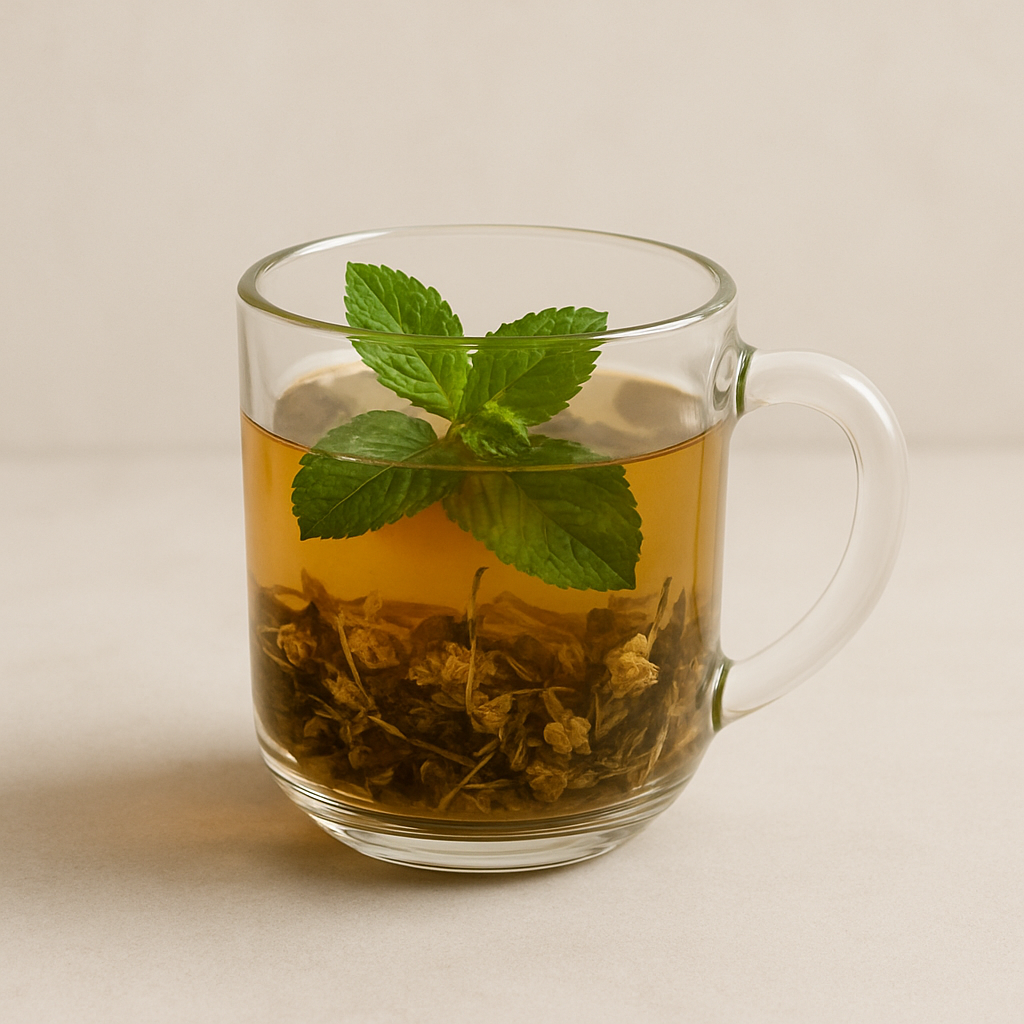
- Teas: Often brewed from dried leaves, flowers, or roots.
- Tinctures: Alcohol extracts that concentrate the active compounds.
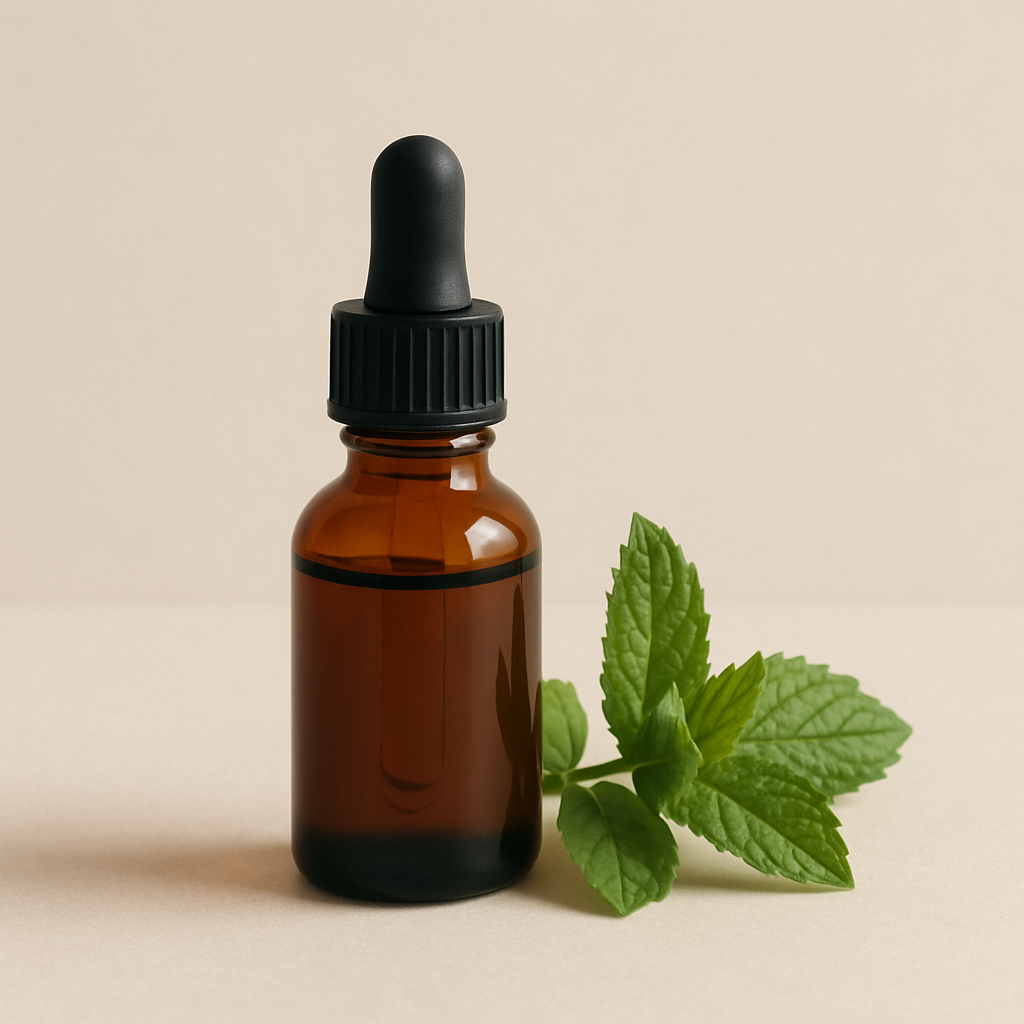
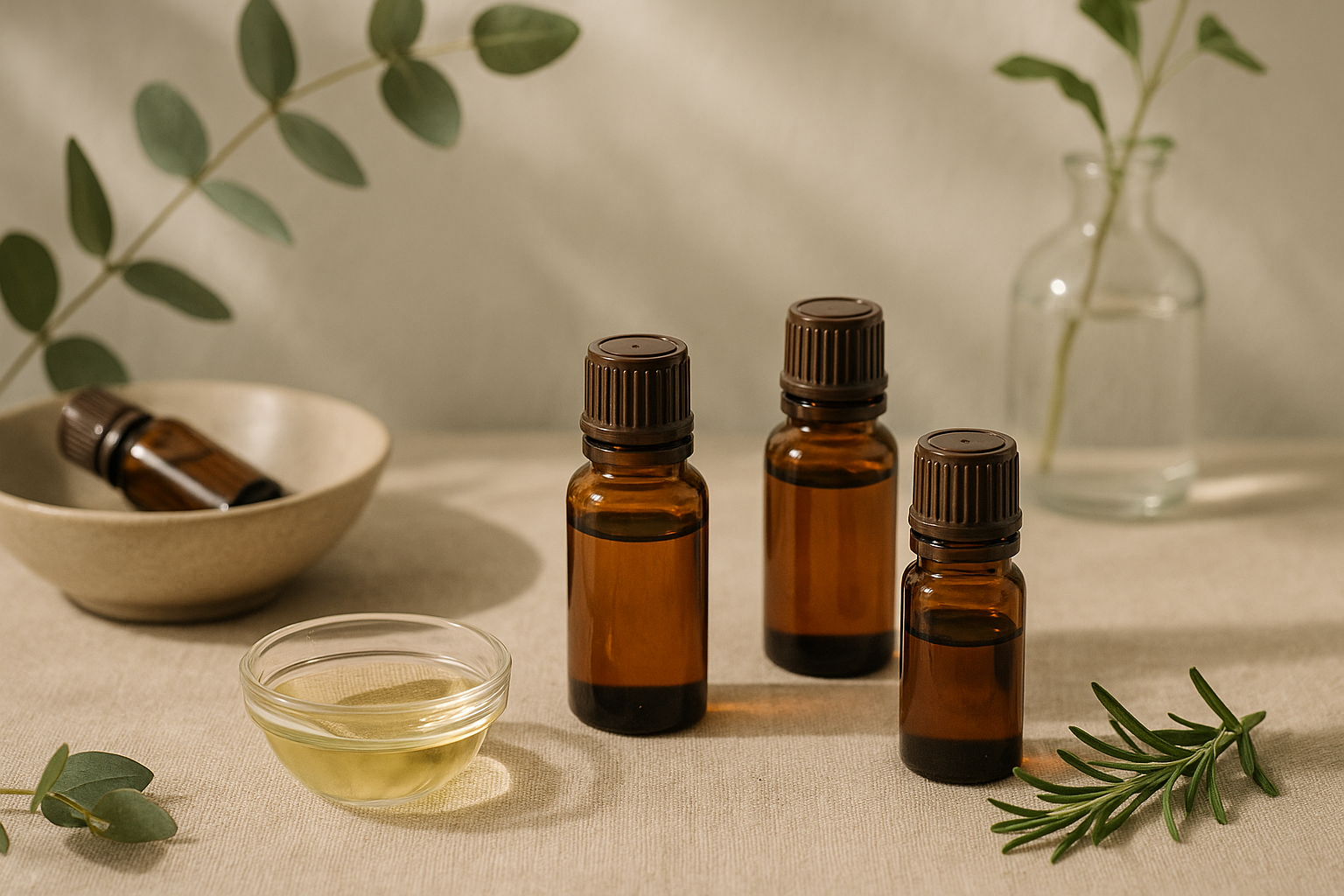
- Essential oils: Used for inhalation or topical applications (when diluted).
- Capsules or tablets: Convenient forms for daily supplementation.
Educational dosing can vary, but general guidelines suggest:
- Thyme tea: 1-2 teaspoons of dried herb steeped in hot water for 10 minutes, consumed 2-3 times daily.
- Eucalyptus essential oil: 1-3 drops in a diffuser or mixed with a carrier oil for topical use.
- Mullein tea: 1 tablespoon of dried leaves steeped for 15 minutes, taken 2-3 times daily.
Safety, Contraindications & Interactions
While respiratory herbs are generally considered safe for many people, there are some precautions to keep in mind:
- Thyme: May interact with blood thinners and should be used cautiously if you are on such medications.
- Eucalyptus: Not recommended for young children and may cause respiratory distress in some individuals when inhaled improperly.
- Mullein: Generally safe, but those with allergies to plants in the figwort family should use caution.
Always consult with a healthcare professional before starting new herbal remedies, especially if you are pregnant, nursing, or taking other medications.
Pairs Well With
Respiratory herbs can often be combined with other herbal remedies for enhanced effects:
- Honey: Known for its soothing properties, honey can complement herbal teas.
- Lemon: Adds vitamin C and can enhance the flavor of herbal teas.
- Ginger: Works well with many respiratory herbs for its anti-inflammatory properties.
FAQs (5)
- What are respiratory herbs? Respiratory herbs are plants used to support lung health and alleviate respiratory symptoms.
- Can respiratory herbs help with allergies? Some respiratory herbs may help reduce inflammation and clear mucus, potentially alleviating allergy symptoms.
- Are respiratory herbs safe for children? Some respiratory herbs can be safe for children, but always consult a healthcare provider before use.
- How should I prepare respiratory herbs? They can be prepared as teas, tinctures, or used in essential oil form, depending on the herb.
- Can I take respiratory herbs with other medications? It is essential to consult a healthcare professional to avoid potential interactions with other medications.
Frequently asked
What are respiratory herbs?
Respiratory herbs are plants used to support lung health and alleviate respiratory symptoms.
Can respiratory herbs help with allergies?
Some respiratory herbs may help reduce inflammation and clear mucus, potentially alleviating allergy symptoms.
Are respiratory herbs safe for children?
Some respiratory herbs can be safe for children, but always consult a healthcare provider before use.
How should I prepare respiratory herbs?
They can be prepared as teas, tinctures, or used in essential oil form, depending on the herb.
Can I take respiratory herbs with other medications?
It is essential to consult a healthcare professional to avoid potential interactions with other medications.