Medicinal Teas
Medicinal teas offer a blend of ancient wisdom and modern research for natural health. Learn about their benefits, safety, and common forms.
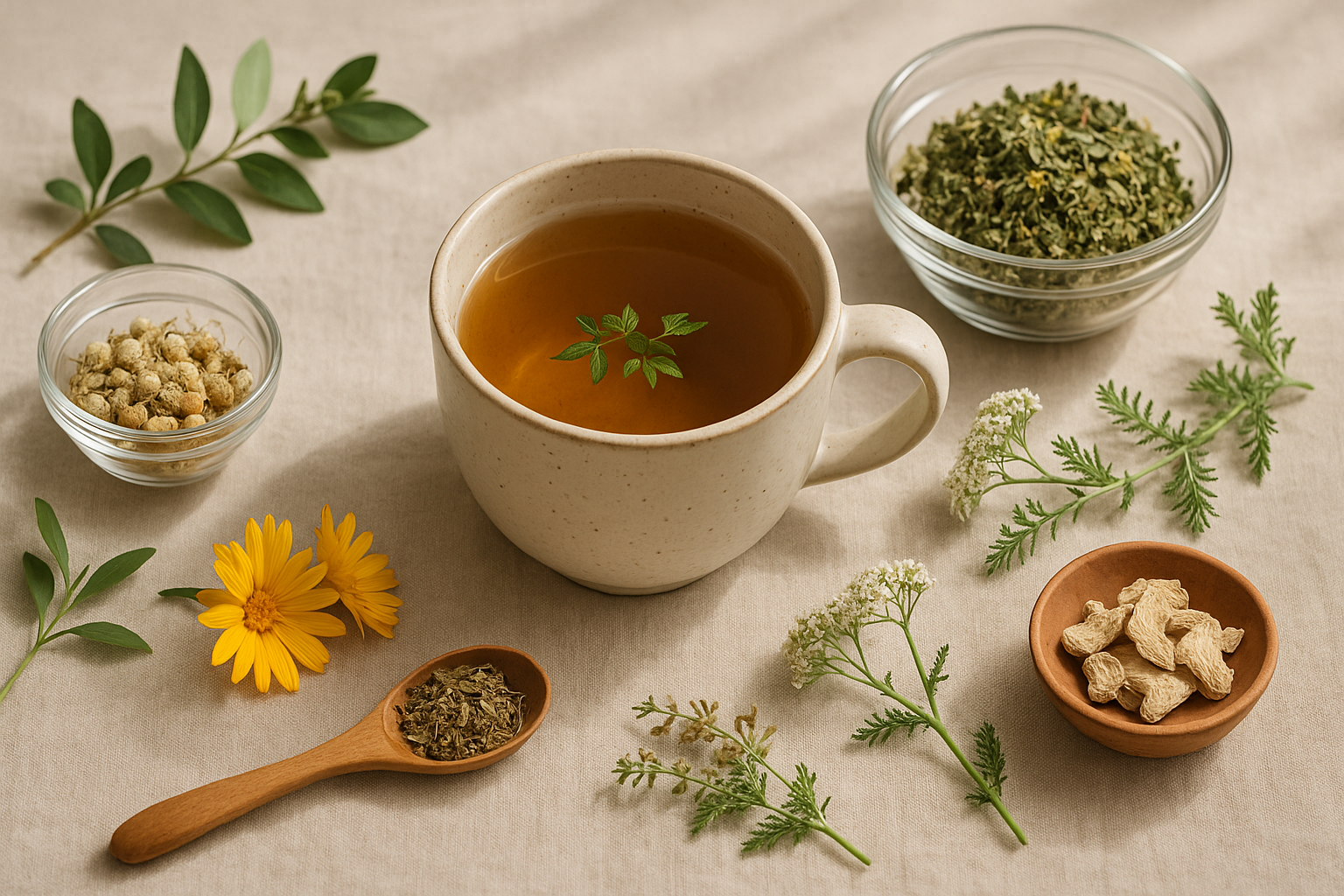
Explore the world of medicinal teas, their historical significance, active compounds, and modern research insights. Discover how these herbal infusions can support various body systems and learn about safe usage and potential interactions.
What It Is
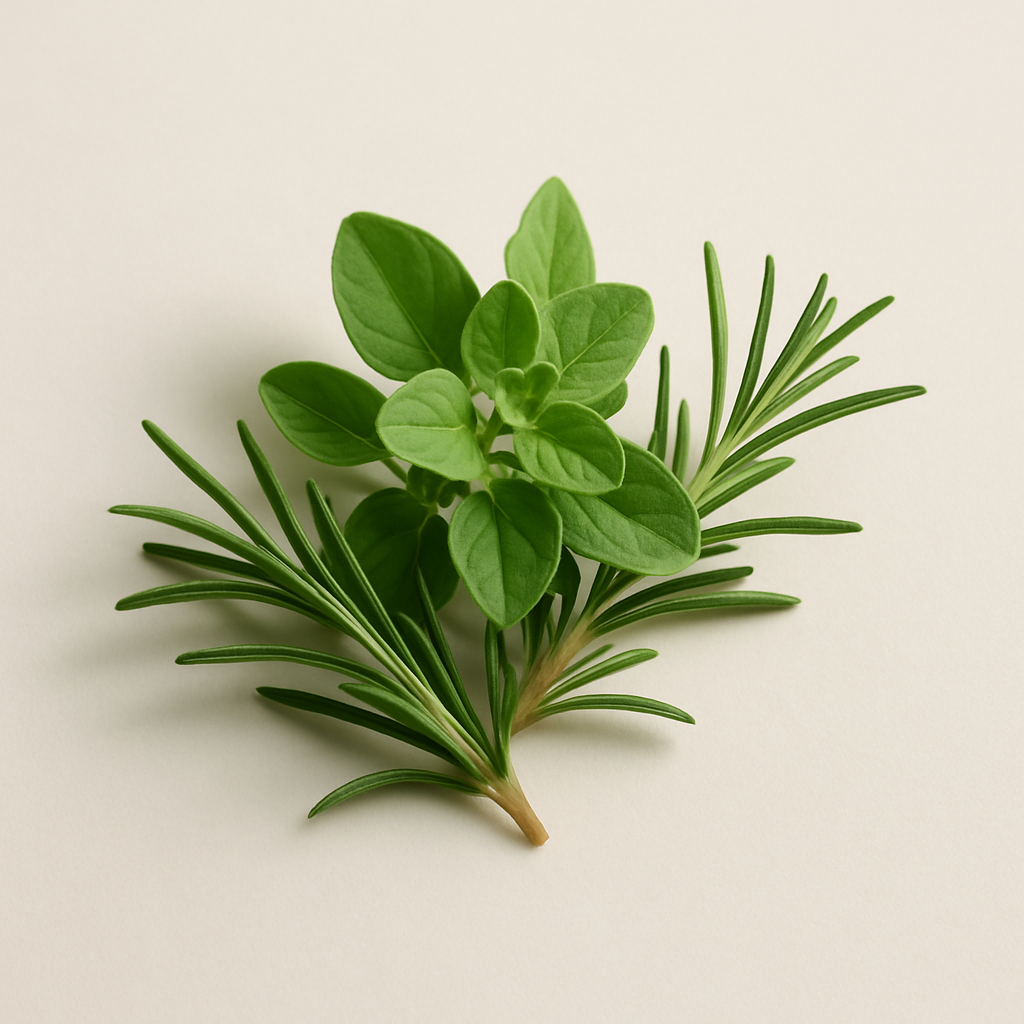
Medicinal teas are herbal infusions made from the leaves, flowers, stems, or roots of plants known for their therapeutic properties. These beverages have been used for centuries in various cultures to promote health and well-being. Commonly referred to as herbal teas, they can be prepared from a single herb or a blend of several herbs to harness their combined benefits.
Key Active Compounds & Mechanisms
The efficacy of medicinal teas largely depends on their active compounds, which vary by plant. Some key active components include:
- Flavonoids: Known for their antioxidant properties, they can help reduce inflammation.
- Alkaloids: These compounds often affect the nervous system and can have calming or stimulating effects.
- Tannins: Known for their astringent qualities, they may assist in digestive health.
- Essential oils: These can influence mood and have antimicrobial properties.
These compounds interact with the body’s cells and systems, leading to various health benefits.
Traditional Uses
Historically, medicinal teas have played a crucial role in traditional medicine around the globe. In Ancient China, for example, Camellia sinensis (tea) was consumed not only for its taste but also for its purported health benefits. Native American tribes utilized various herbs like Mentha piperita (peppermint) for digestive issues and Chamomilla recutita (chamomile) for its calming effects. In Ayurveda, herbal infusions are regularly prescribed to restore balance and is traditionally explored for ailments.
What Modern Research Suggests
Modern research has begun to validate many of the historical uses of medicinal teas. Studies have shown that Chamomilla recutita may help with sleep disturbances, while Glycyrrhiza glabra (licorice) has been investigated for its potential to soothe gastrointestinal discomfort. However, it is essential to approach these findings with caution, as more research is required to fully understand the extent of their benefits and mechanisms.
Functional Actions
Medicinal teas offer a variety of functional actions, which can include:
- Anti-inflammatory: Helps reduce inflammation in the body.
- Antioxidant: Protects cells from oxidative stress.
- Digestive aid: Supports digestive health and alleviates discomfort.
- Calming: Promotes relaxation and reduces anxiety levels.
Body Systems Supported
Medicinal teas can support multiple body systems, including:
- Digestive System: Teas like peppermint and ginger can aid digestion and relieve nausea.
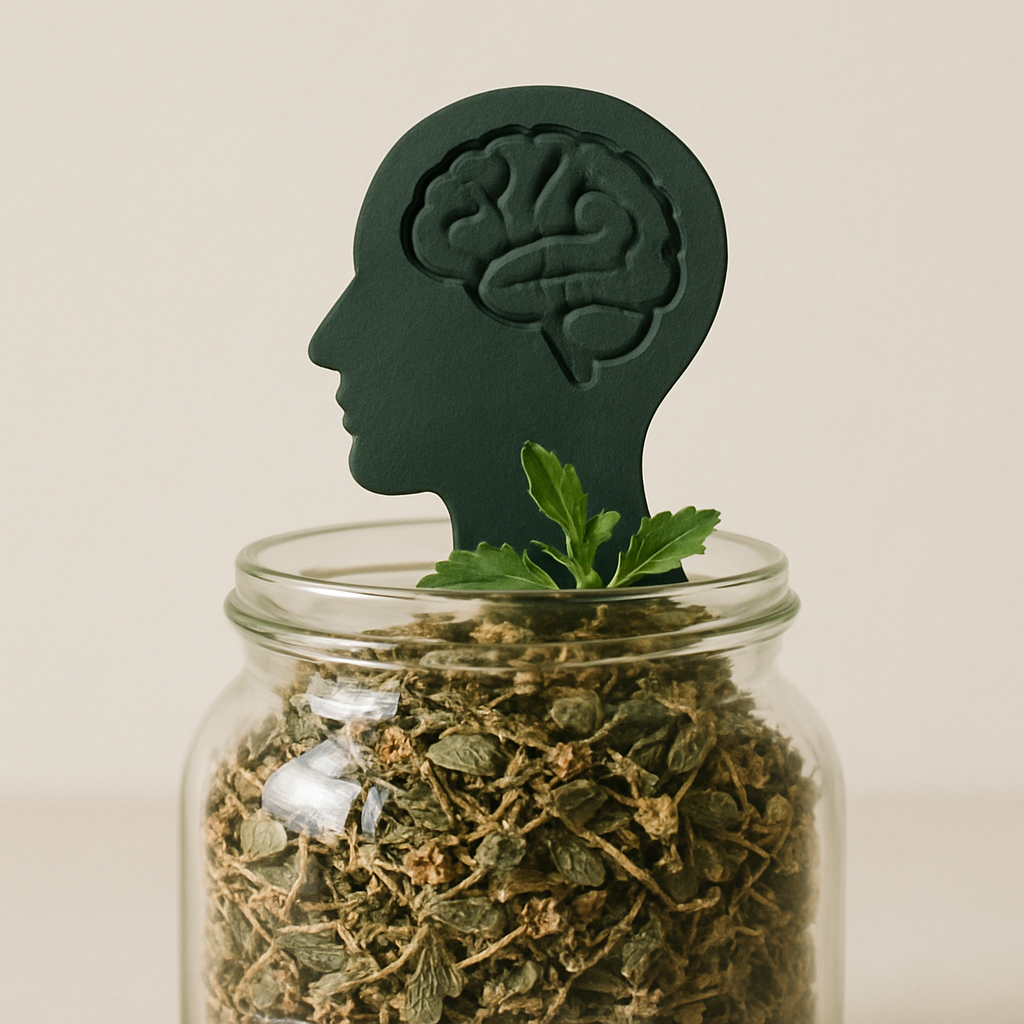
- Nervous System: Chamomile and lemon balm are known for their calming effects on the mind.
- Immune System: Echinacea and elderflower may help bolster immune function.
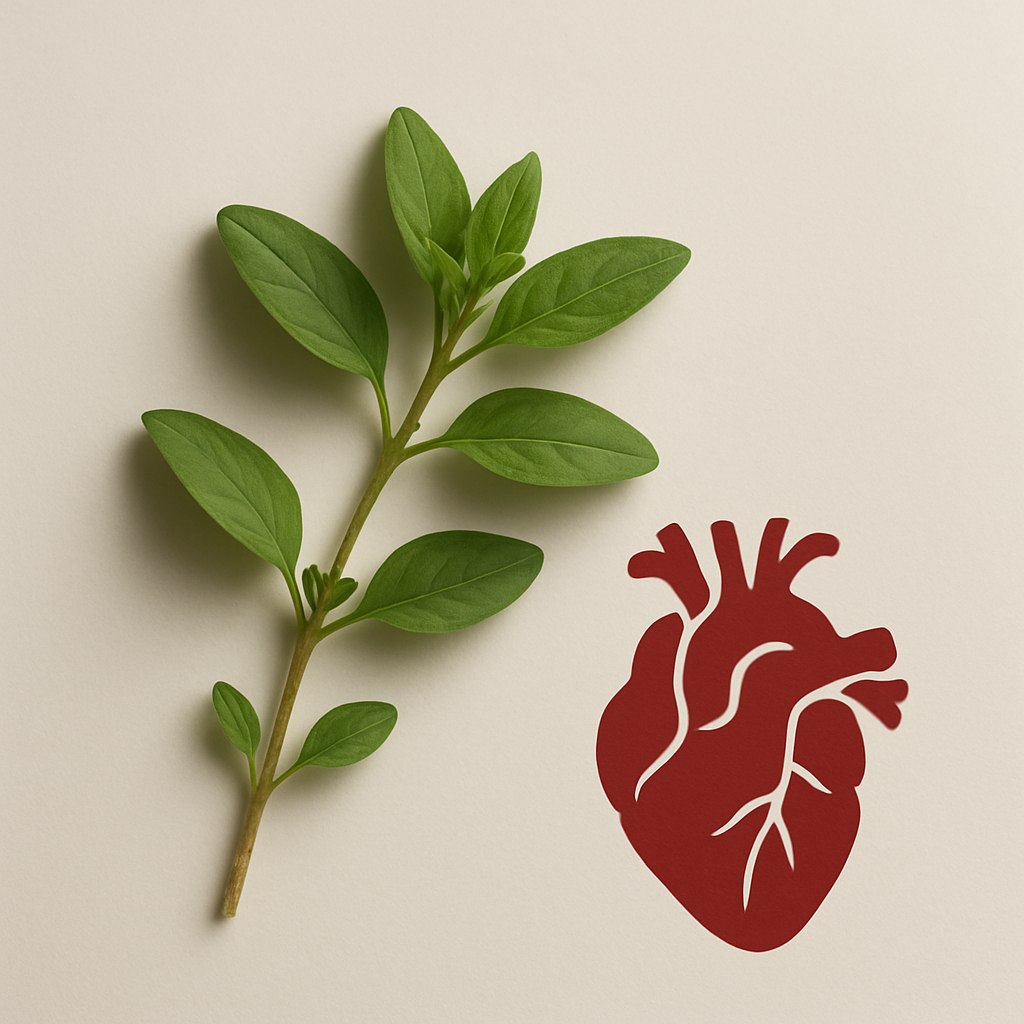
- Cardiovascular System: Hibiscus tea has been linked to lower blood pressure.
Common Forms & Educational Dosing Ranges
Medicinal teas are typically consumed as brewed infusions. Common forms include:
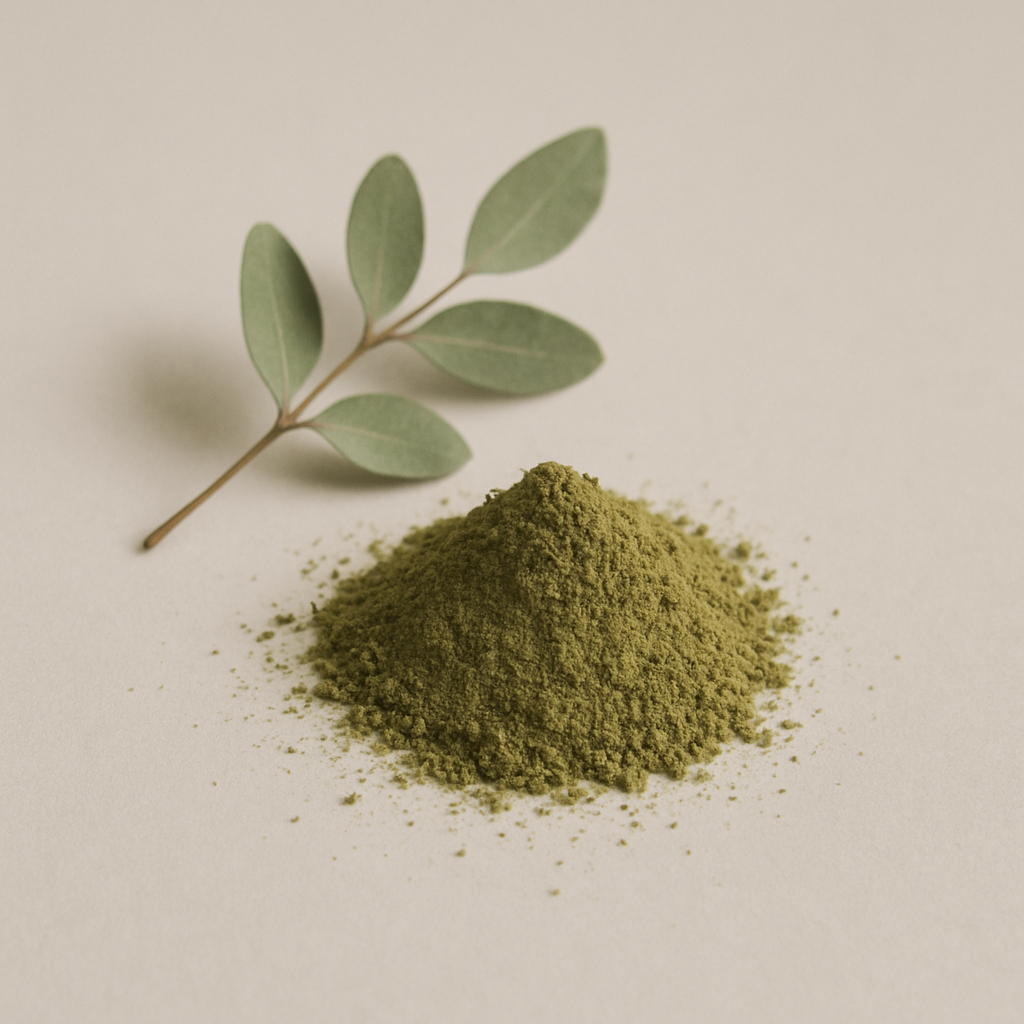
- Loose leaf: Herbal materials steeped directly in hot water.
- Tea bags: Pre-measured portions of herbs for convenience.
- Concentrates: More potent extracts that can be diluted before consumption.
Educational dosing ranges often suggest:
- 1-2 teaspoons of dried herbs per cup of water for loose leaf teas.
- 1 tea bag per cup of water for bagged teas.
Safety, Contraindications & Interactions
While many medicinal teas are safe for most people, it is crucial to be aware of potential contraindications. Some considerations include:
- Licorice (Glycyrrhiza glabra): May interact with blood pressure medications and should be avoided by those with hypertension.
- Chamomile: Can cause allergic reactions in individuals sensitive to plants in the daisy family.
- Ginger: May pose risks for those on blood-thinning medications.
Consulting with a healthcare provider before starting any new herbal regimen is recommended, especially for pregnant or nursing women, children, or individuals with chronic health conditions.
Pairs Well With
Medicinal teas can be enhanced by combining them with other herbs or ingredients. Some popular pairings include:
- Honey: Adds sweetness and can have soothing properties.
- Lemon: Provides vitamin C and enhances flavor.
- Ginger: Pairs well with many herbal teas for additional digestive support.
FAQs (5)
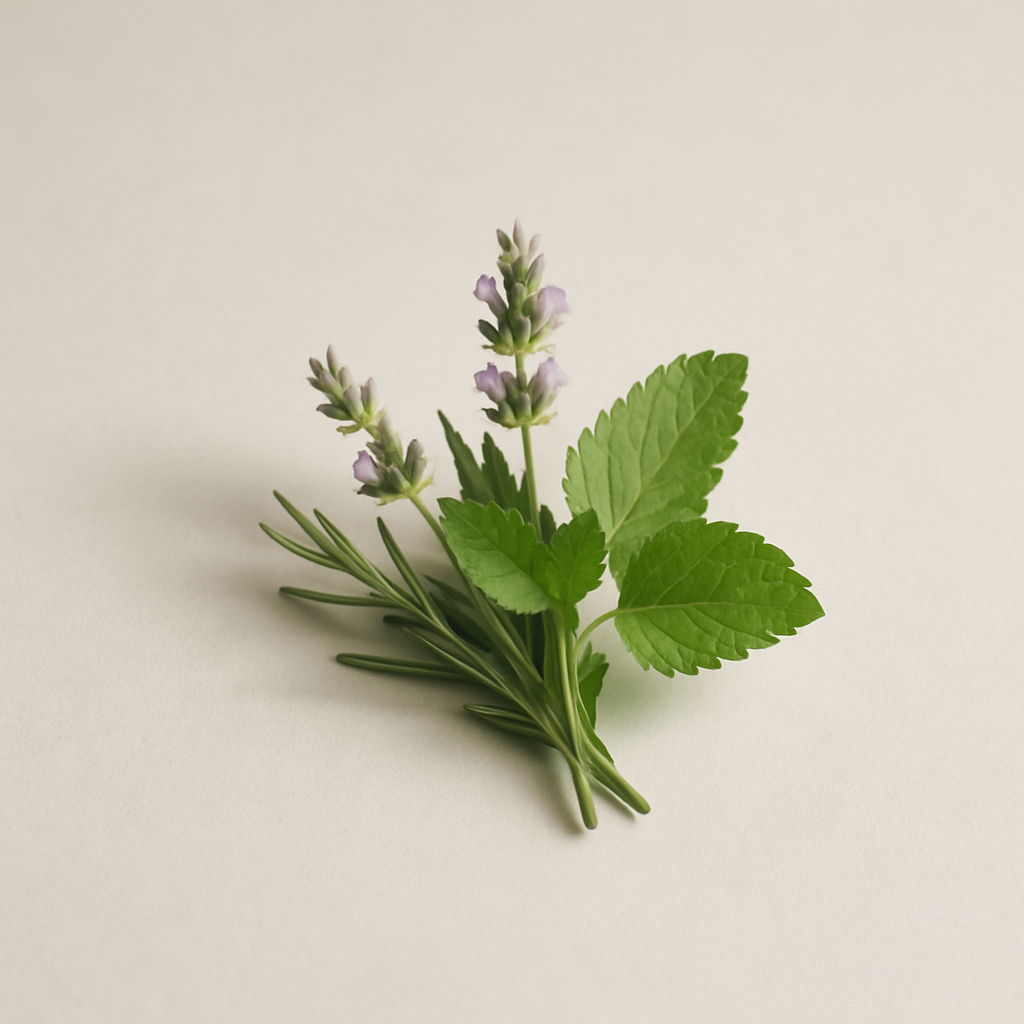
- What are the best medicinal teas for relaxation? Chamomile, lavender, and lemon balm are excellent choices for promoting relaxation.
- Can I drink medicinal teas every day? Many herbal teas can be consumed daily, but it is best to vary the types to avoid any potential side effects.
- Are there any side effects to medicinal teas? While generally safe, some herbs may cause allergic reactions or interact with medications. Always consult a healthcare provider.
- How do I prepare medicinal tea? Steep 1-2 teaspoons of dried herbs or 1 tea bag in hot water for 5-10 minutes, then strain and enjoy.
- Can children drink medicinal teas? Some herbal teas are safe for children, but it is advisable to consult a pediatrician before introducing them.
Frequently asked
What are the best medicinal teas for relaxation?
Chamomile, lavender, and lemon balm are excellent choices for promoting relaxation.
Can I drink medicinal teas every day?
Many herbal teas can be consumed daily, but it is best to vary the types to avoid any potential side effects.
Are there any side effects to medicinal teas?
While generally safe, some herbs may cause allergic reactions or interact with medications. Always consult a healthcare provider.
How do I prepare medicinal tea?
Steep 1-2 teaspoons of dried herbs or 1 tea bag in hot water for 5-10 minutes, then strain and enjoy.
Can children drink medicinal teas?
Some herbal teas are safe for children, but it is advisable to consult a pediatrician before introducing them.