Nervous System Herbs
Discover the benefits of nervous system herbs, their history, modern research, and how they can support your health.
Explore the world of nervous system herbs, their traditional uses, modern research, and how they can support your health. Discover key active compounds, functional actions, and safe usage guidelines.
What It Is
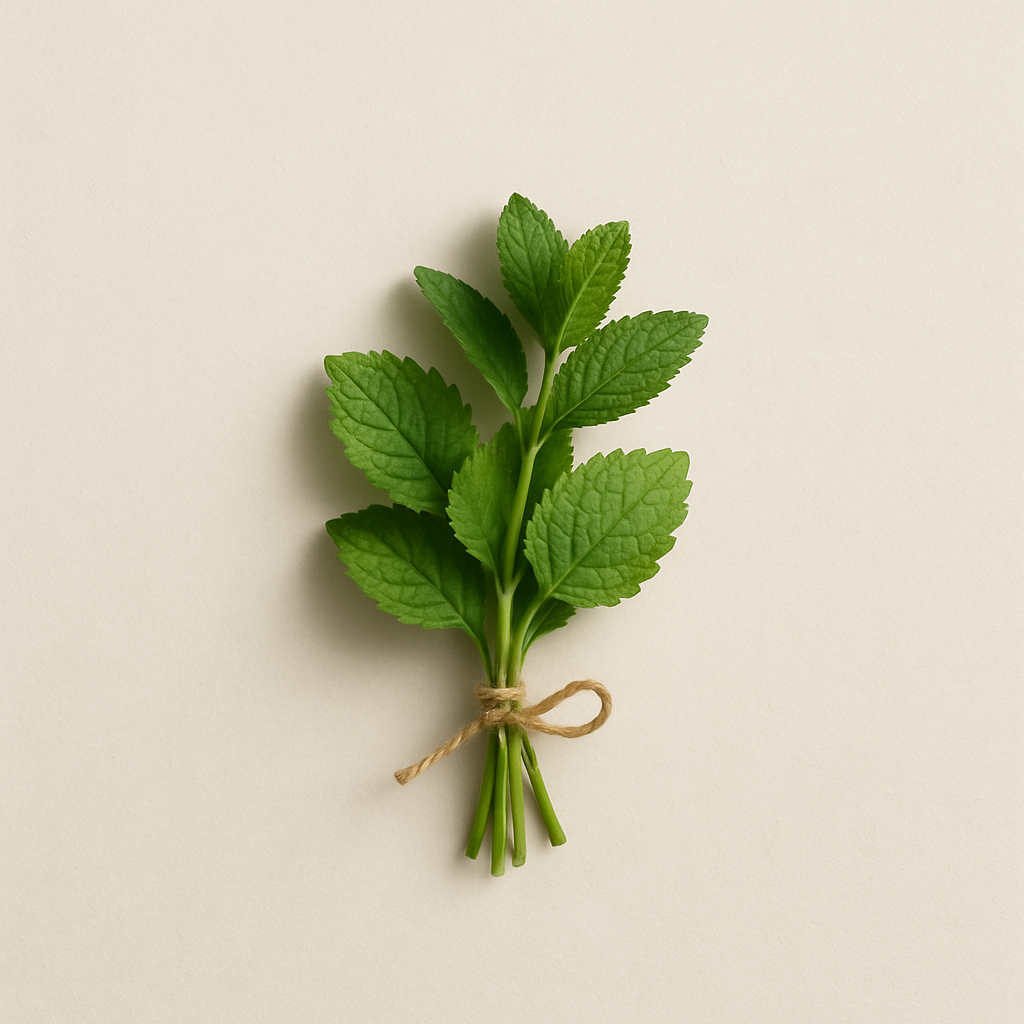
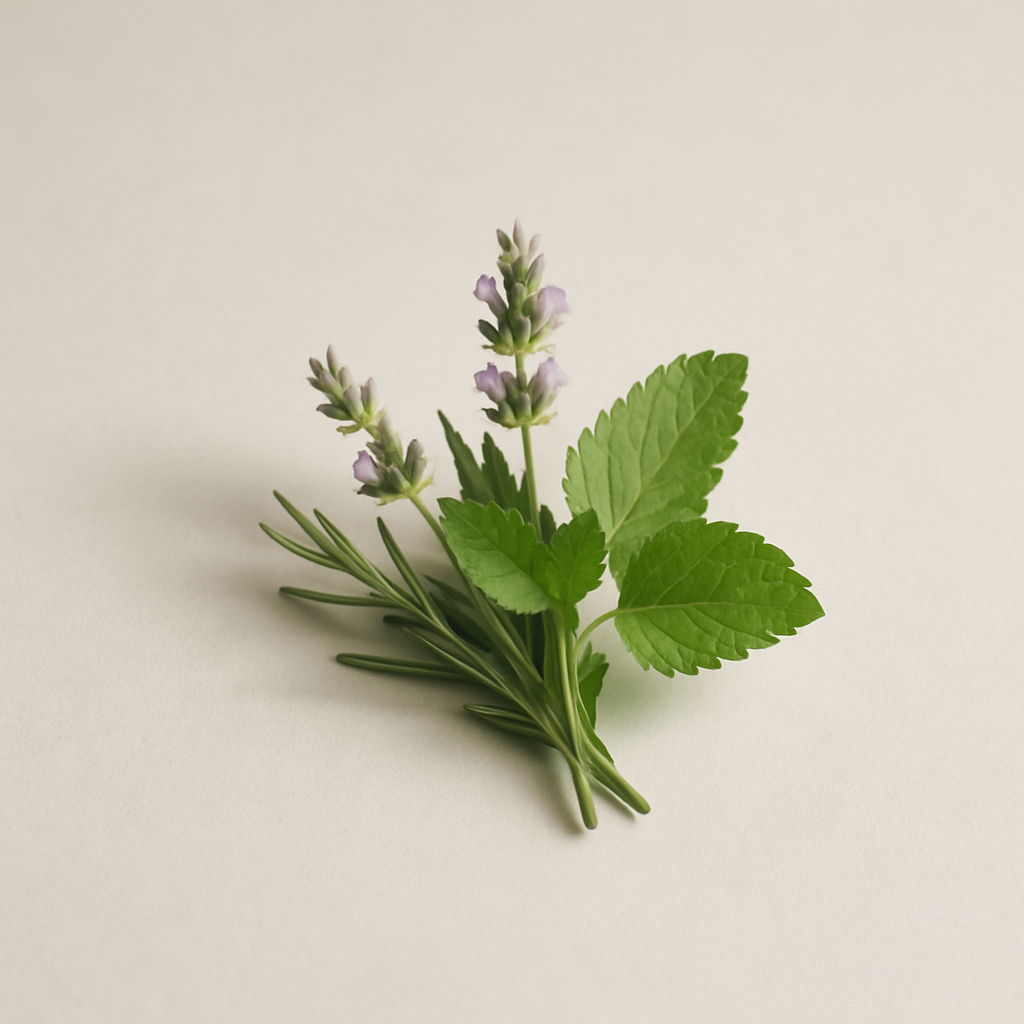
Nervous system herbs refer to a group of plants known for their ability to support the nervous system's health and function. These herbs can promote relaxation, reduce anxiety, and enhance cognitive function. Some common examples include Lavandula angustifolia (lavender), Valeriana officinalis (valerian), and Melissa officinalis (lemon balm). Each of these herbs has unique properties that can aid in managing stress and supporting overall brain health.
Key Active Compounds & Mechanisms
The effectiveness of nervous system herbs is largely attributed to their active compounds. For instance, lavender contains linalool and linalyl acetate, which are known for their calming effects. Valerian root contains valerenic acid, which may enhance GABA (gamma-aminobutyric acid) levels in the brain, promoting relaxation. Lemon balm is rich in rosmarinic acid, which has antioxidant properties and may help reduce anxiety.
Traditional Uses
Historically, nervous system herbs have been utilized across various cultures for their calming and restorative properties. For example:
- Lavender: Used in ancient Roman baths to promote relaxation.
- Valerian: Known in traditional Greek and Roman medicine for its sedative effects.
- Lemon balm: Employed in medieval Europe to reduce stress and improve mood.
These practices highlight a long-standing appreciation for the benefits these herbs can provide.
What Modern Research Suggests
Modern studies have begun to validate some traditional uses of nervous system herbs. Research indicates that:
- Lavender oil may reduce anxiety in various populations, including those undergoing surgery.
- Valerian root has been shown to improve sleep quality in individuals with insomnia.
- Lemon balm may reduce stress and improve cognitive performance in healthy adults.
However, further research is needed to fully understand the mechanisms and effectiveness of these herbs.
Functional Actions
Nervous system herbs exhibit several functional actions:
- Calming: Many of these herbs help to soothe the nervous system, reducing symptoms of anxiety and stress.
- Restorative: They can aid in recovery during periods of mental fatigue or stress.
- Enhancing cognitive function: Certain herbs may support memory and focus while reducing mental fog.
Body Systems Supported
The primary body system supported by nervous system herbs is the nervous system itself, including:
- The central nervous system (CNS)
- The peripheral nervous system (PNS)
- The endocrine system, due to the interaction between stress hormones and nervous system function
Through these interactions, these herbs can promote overall mental and emotional well-being.
Common Forms & Educational Dosing Ranges
Nervous system herbs can be consumed in various forms, including:
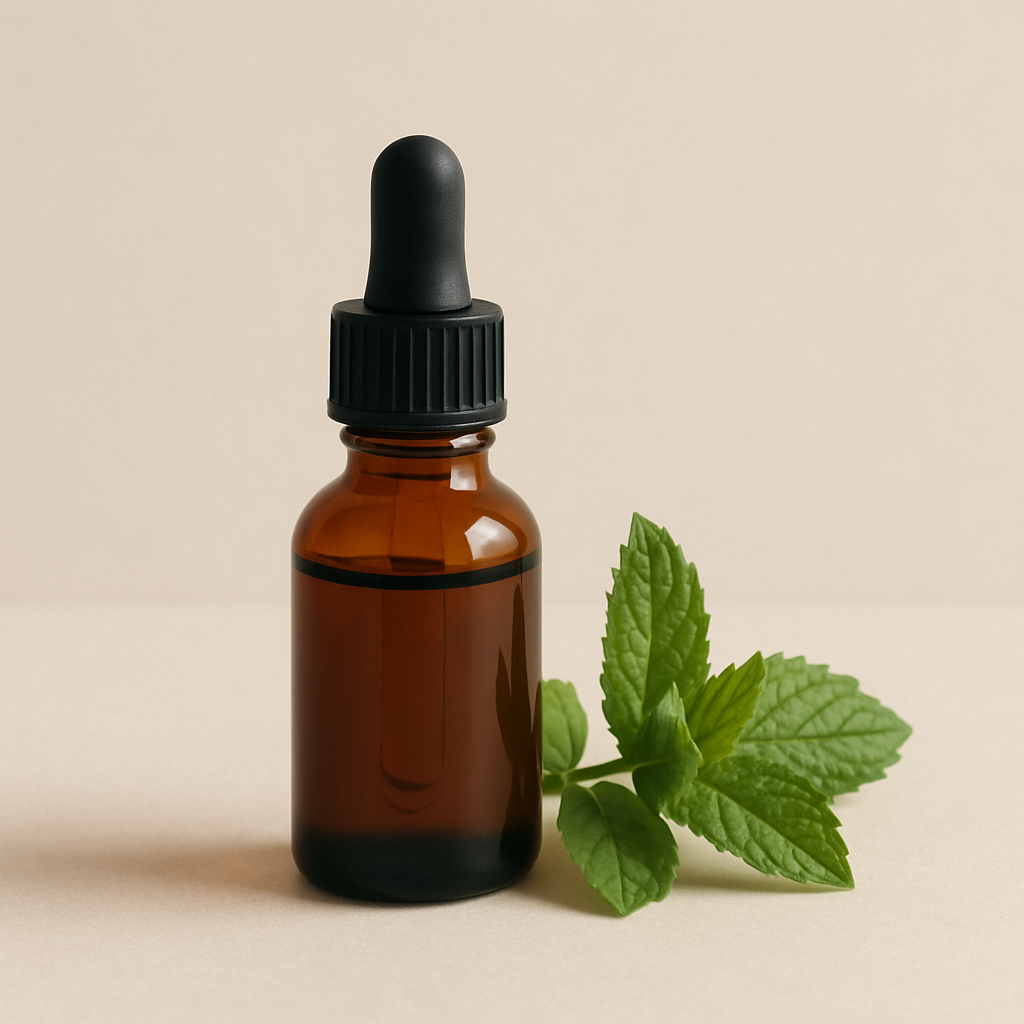
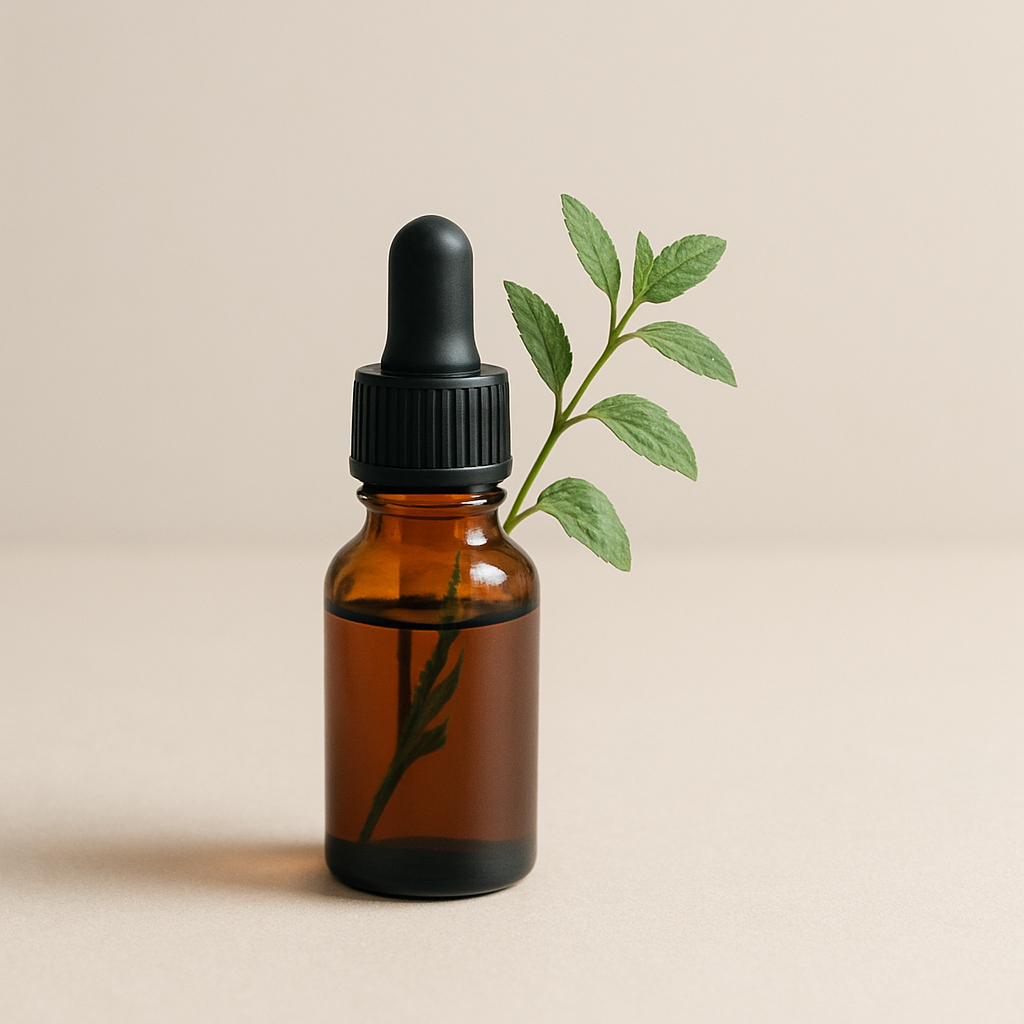
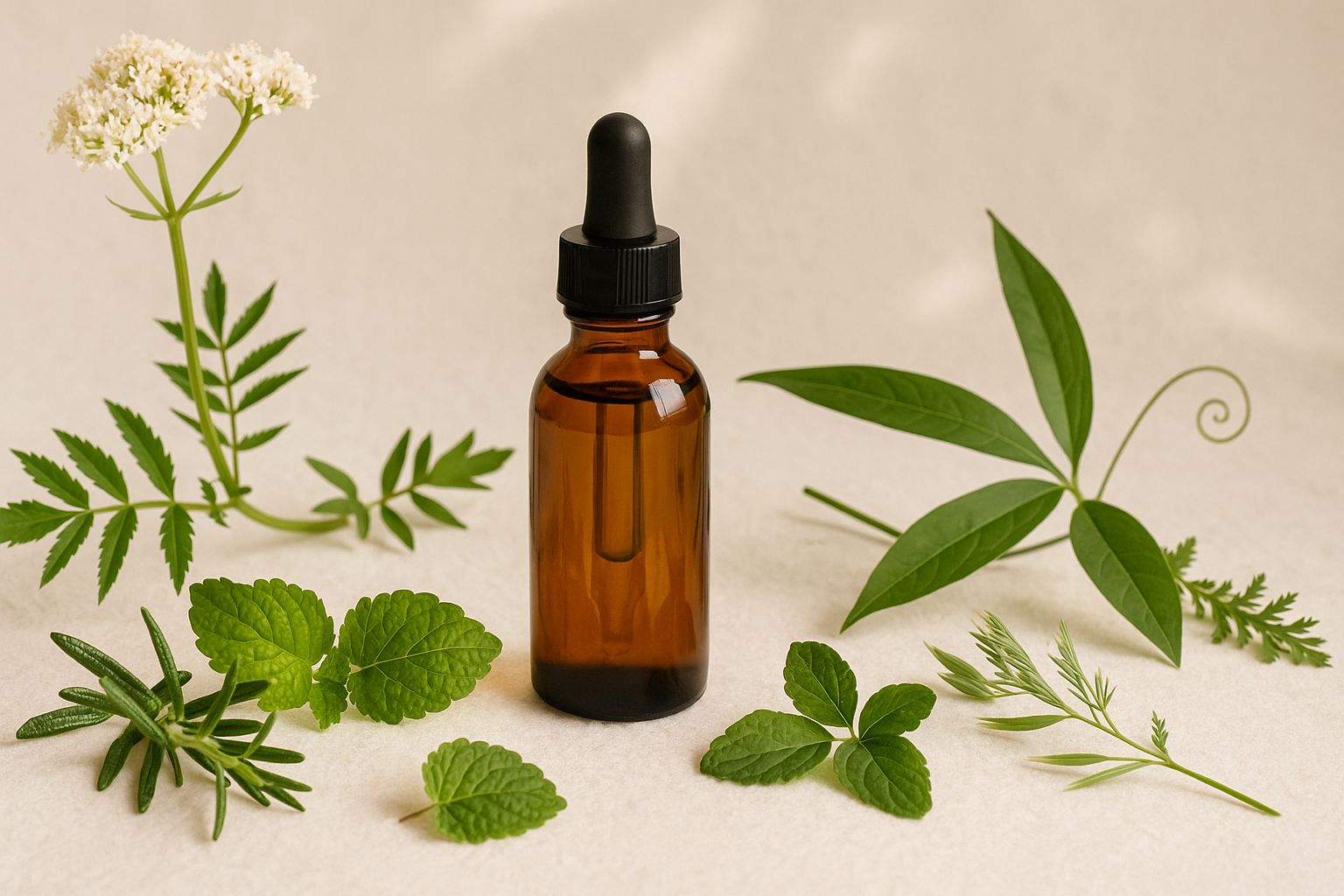
- Tinctures: Concentrated liquid extracts, typically taken in drops. Dosage varies, but often ranges from 1-2 ml, 2-3 times daily.
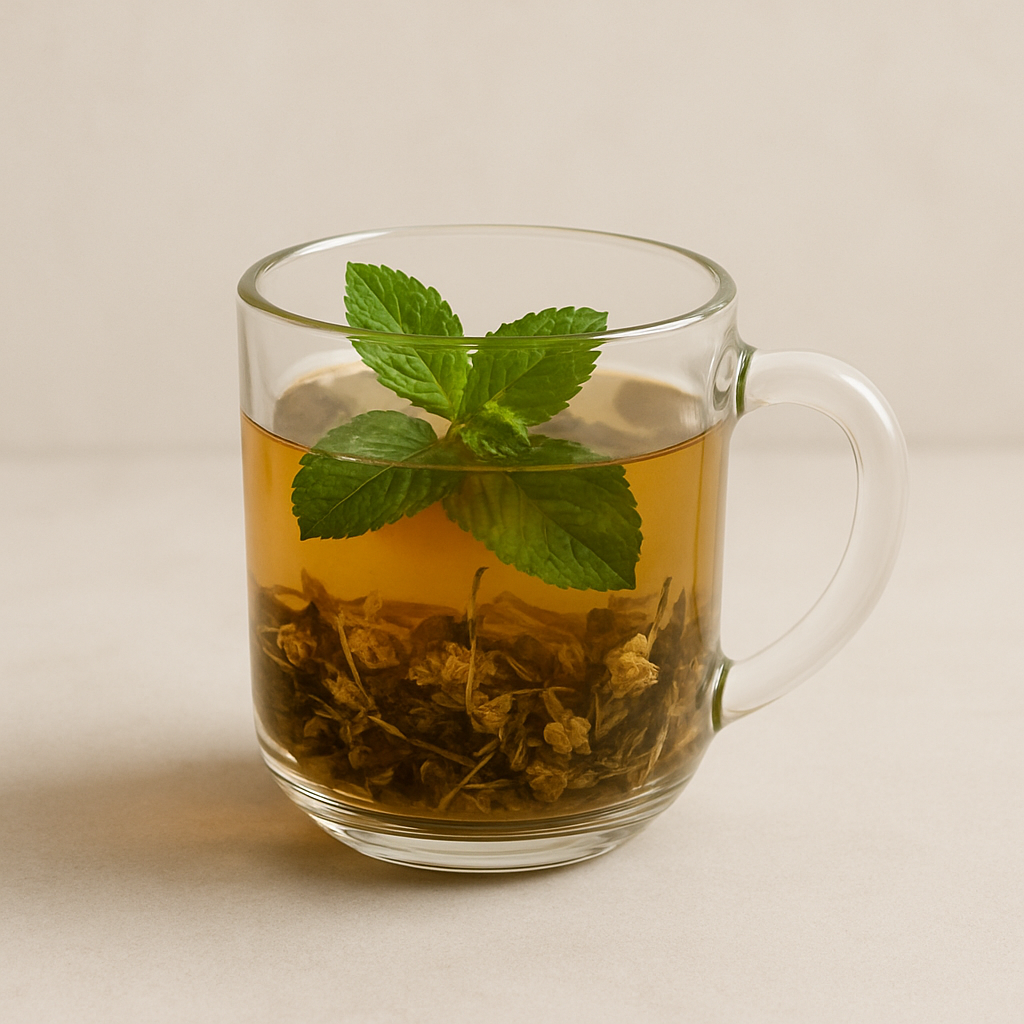
- Teas: Dried herbs brewed in hot water. A common dosage is 1-2 teaspoons of dried herb per cup of water, taken 2-3 times daily.
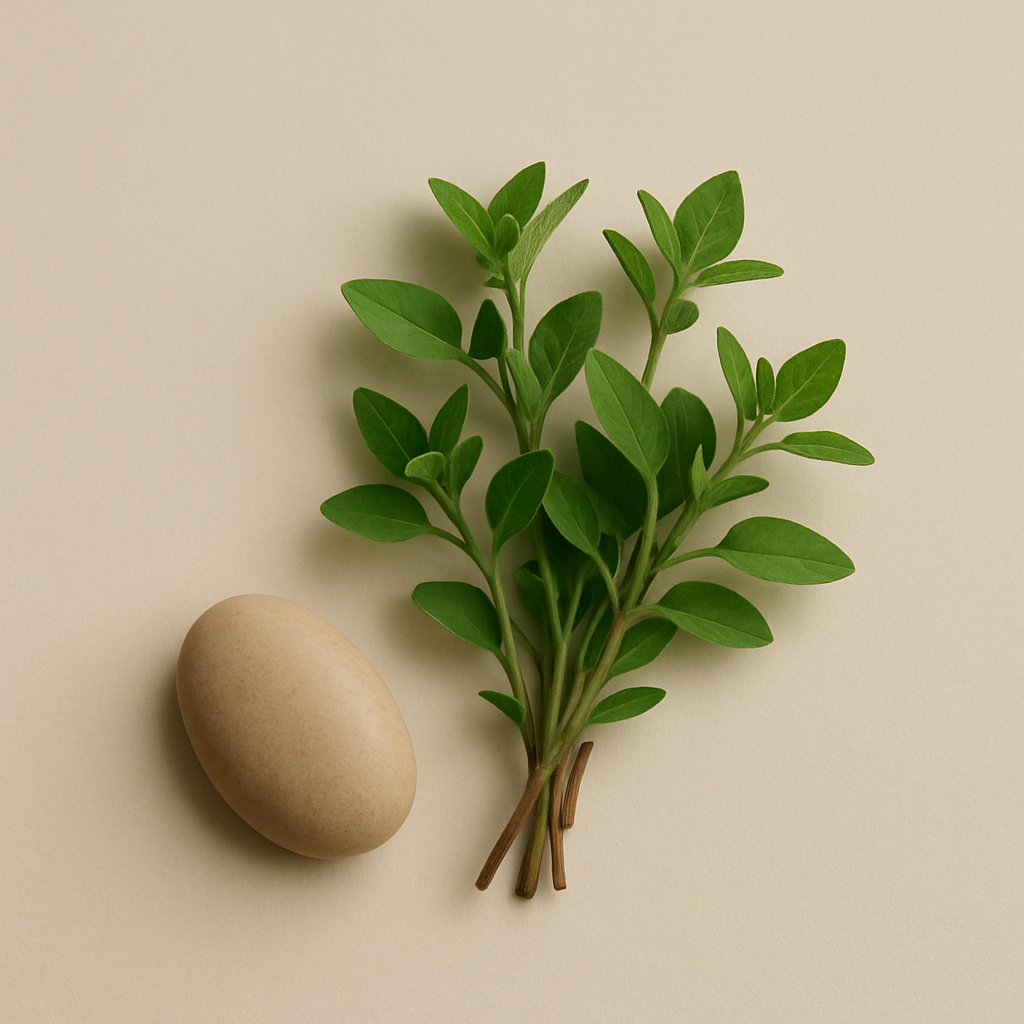
- Capsules: Standardized extracts for precise dosing, often taken 1-2 capsules 1-2 times daily.
Always consult with a healthcare provider for personalized dosing recommendations.
Safety, Contraindications & Interactions
While nervous system herbs are generally safe for most people, some precautions should be taken:
- Lavender: May cause allergic reactions in some individuals and should be avoided during pregnancy.
- Valerian: Can cause drowsiness; avoid if operating heavy machinery or during pregnancy. It may interact with sedatives or medications that affect the central nervous system.
- Lemon balm: Generally safe, but may interact with thyroid medications.
Always discuss with a healthcare professional before starting any new herbal regimen, especially if you are on medications.
Pairs Well With
Nervous system herbs can be effectively combined with other natural remedies to enhance their benefits:
- Chamomile: Known for its calming effects, it pairs well with lavender.
- Passionflower: Often used alongside valerian for enhanced relaxation.
- Ashwagandha: This adaptogen complements lemon balm's stress-reducing properties.
FAQs (5)
- 1. Can I use nervous system herbs if I am pregnant? It is best to consult a healthcare professional before using any herbs during pregnancy.
- 2. How long does it take for these herbs to work? Effects may vary; some may experience benefits within days, while others may take weeks.
- 3. Can I take multiple nervous system herbs at once? Yes, but it is advisable to consult with a healthcare provider for personalized advice.
- 4. Are there any side effects associated with nervous system herbs? Some individuals may experience mild side effects like drowsiness or digestive upset; consult a professional if concerns arise.
- 5. Where can I buy these herbs? They are available at health food stores, herbal shops, and online retailers that specialize in herbal products.
Frequently asked
What are nervous system herbs?
Nervous system herbs are plants known for their ability to support the health and function of the nervous system, promoting relaxation and reducing anxiety.
How do I use nervous system herbs?
Nervous system herbs can be used in various forms, including tinctures, teas, and capsules, with specific dosages depending on the herb.
Are nervous system herbs safe to use?
While generally safe, it is important to consult with a healthcare professional before starting any new herbal regimen, especially if you are on medications.
Can nervous system herbs help with sleep problems?
Yes, some nervous system herbs, like valerian, have been traditionally used to improve sleep quality and promote relaxation.
Can I combine different nervous system herbs?
Yes, many nervous system herbs can be effectively combined, but it is recommended to seek professional guidance for the best results.