Anti-Inflammatory Herbs
Discover the benefits of anti-inflammatory herbs, their mechanisms of action, and how they can support your health naturally.
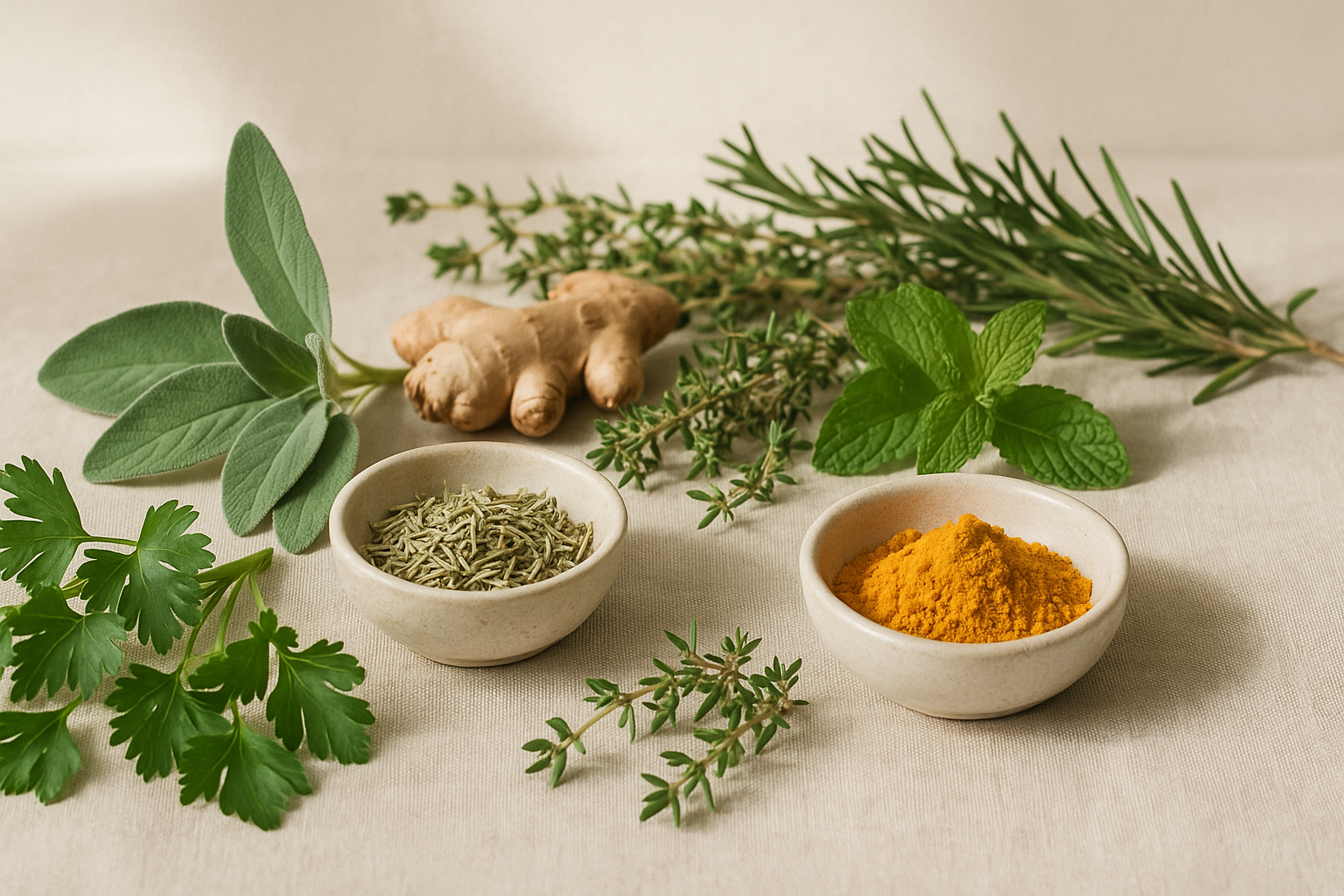
Explore the world of anti-inflammatory herbs, their active compounds, traditional uses, and modern research insights. Learn how these natural remedies can support your health and well-being.
What It Is
Anti-inflammatory herbs are plants known for their ability to reduce inflammation in the body. Inflammation is a natural response of the immune system, but chronic inflammation can lead to various health issues. Some notable anti-inflammatory herbs include Turmeric (Curcuma longa), Ginger (Zingiber officinale), and Boswellia (Boswellia serrata). These herbs have been used for centuries in various cultures for their healing properties and potential to alleviate inflammatory conditions.
Key Active Compounds & Mechanisms
The effectiveness of anti-inflammatory herbs often lies in their active compounds. For example:
- Curcumin: Found in turmeric, curcumin is known for its potent anti-inflammatory and antioxidant properties.
- Gingerol: The active compound in ginger, gingerol, exhibits significant anti-inflammatory effects and may inhibit the production of pro-inflammatory cytokines.
- Boswellic acids: Present in Boswellia, these compounds are believed to inhibit pro-inflammatory enzymes and pathways.
These compounds work by modulating various inflammatory pathways in the body, helping to reduce pain and swelling associated with inflammatory conditions.
Traditional Uses
Throughout history, many cultures have utilized anti-inflammatory herbs in their healing practices. For instance:
- In Traditional Chinese Medicine, ginger has long been used to is traditionally explored for digestive issues and inflammation.
- Ayurvedic medicine employs turmeric not only for its culinary uses but also for its ability to promote overall health and reduce inflammation.
- In ancient Egypt, Boswellia was valued for its aromatic resin and was used in religious rituals as well as for its medicinal properties.
These traditional practices highlight the longstanding recognition of these herbs as valuable tools for managing inflammation.
What Modern Research Suggests
Recent studies have begun to confirm the efficacy of these herbs in managing inflammation. For example:
- Clinical trials have shown that curcumin can significantly reduce markers of inflammation in conditions such as arthritis and metabolic syndrome.
- Research on ginger indicates its potential effectiveness in reducing muscle pain and soreness following exercise.
- Boswellia has been studied for its use in treating osteoarthritis and inflammatory bowel disease, showing promising results in reducing symptoms.
While the evidence is encouraging, more extensive research is needed to fully understand the mechanisms and potential applications of these herbs.
Functional Actions
Anti-inflammatory herbs offer a range of functional actions, including:
- Reducing Pain: Many anti-inflammatory herbs are effective in alleviating pain associated with inflammation.
- Enhancing Immune Function: These herbs may support the immune system by modulating inflammatory responses.
- Antioxidant Activity: Many contain antioxidants that help protect cells from oxidative stress.
These actions contribute to overall health and well-being, particularly for individuals suffering from chronic inflammatory conditions.
Body Systems Supported
Anti-inflammatory herbs are beneficial for several body systems, including:
- Musculoskeletal System: They can help alleviate pain and inflammation associated with arthritis and other joint disorders.
- Digestive System: Herbs like ginger can soothe gastrointestinal inflammation and support digestive health.
- Cardiovascular System: Some studies suggest that anti-inflammatory herbs may help reduce the risk of heart disease by combating inflammation.
Supporting these systems helps enhance overall health and quality of life.
Common Forms & Educational Dosing Ranges
Anti-inflammatory herbs are available in various forms, including:
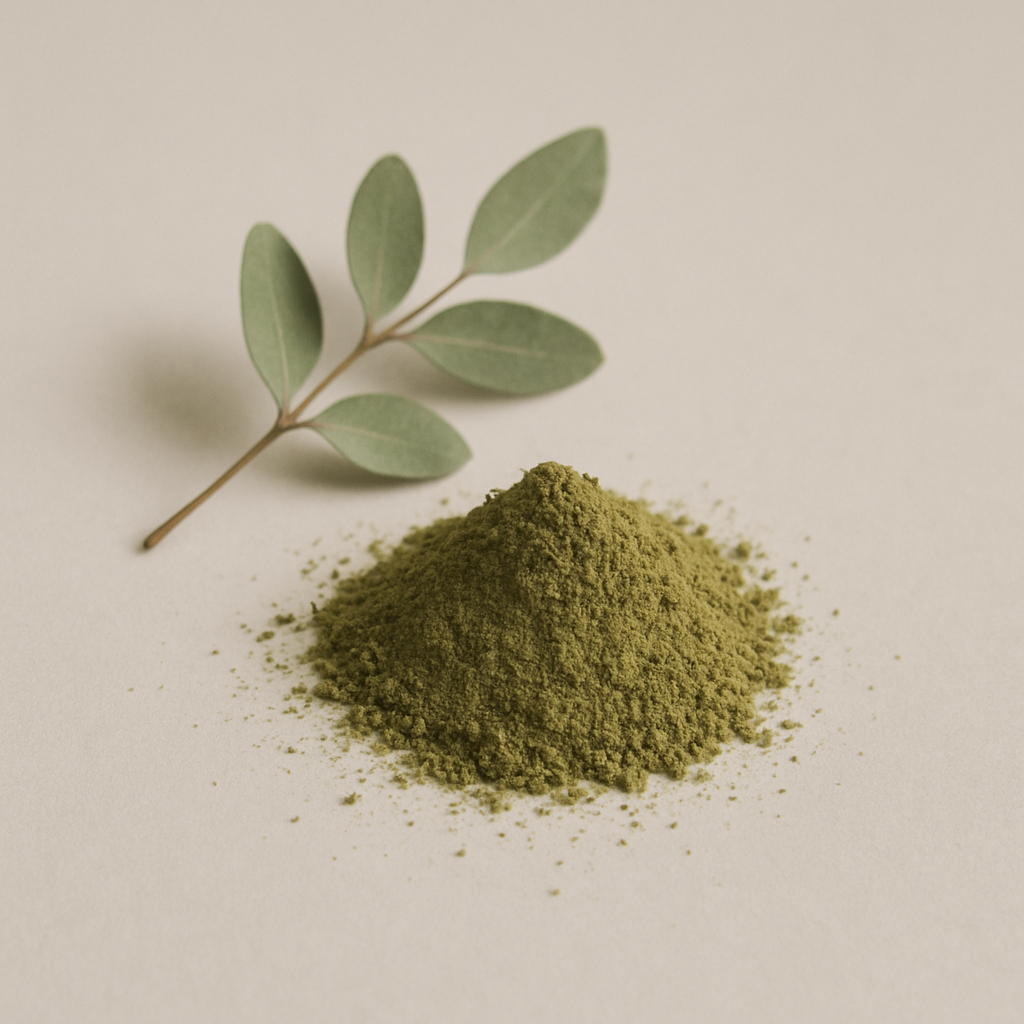
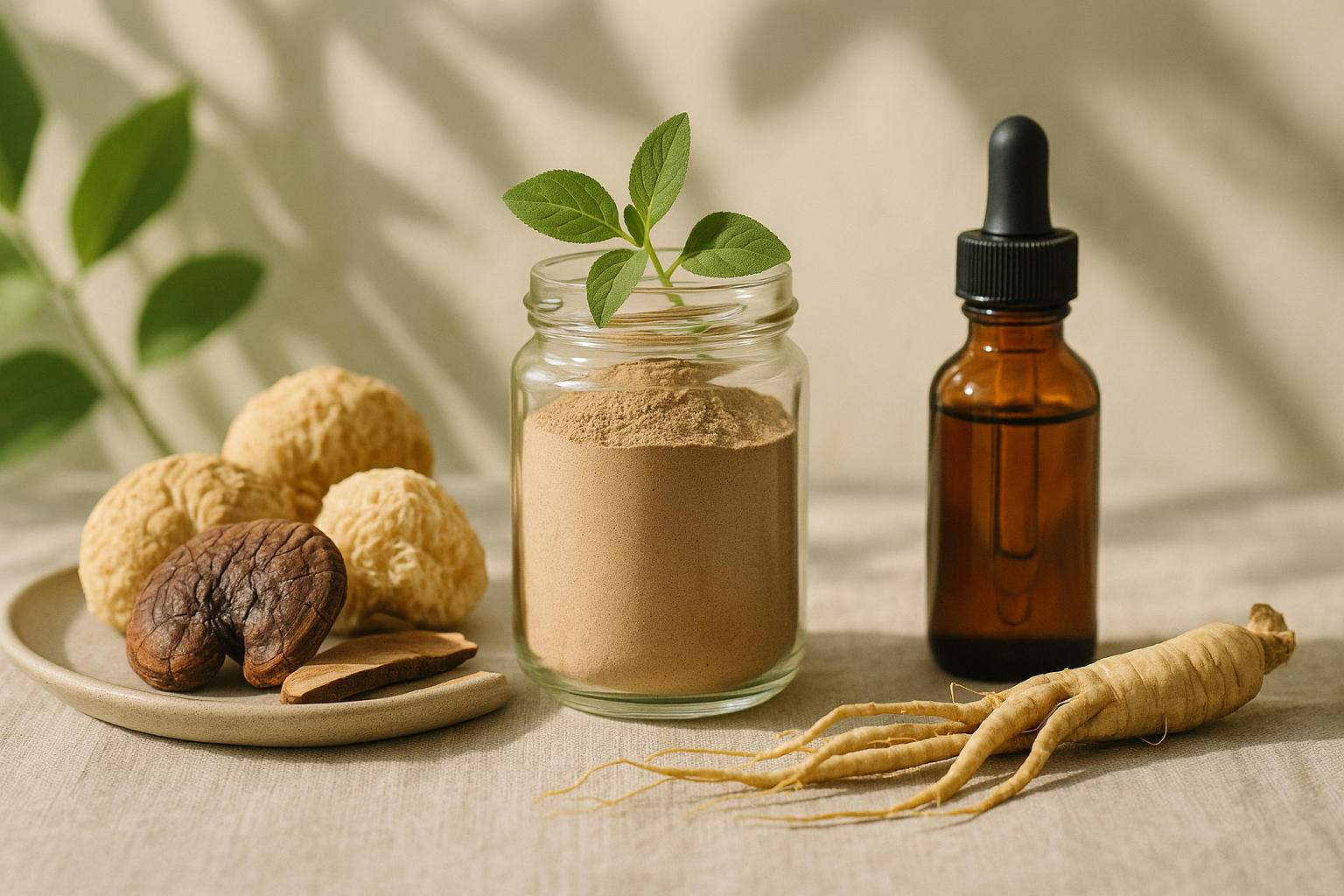
- Powder: Turmeric and ginger can be consumed as powders in smoothies or meals. A common dosing range is 500-2000 mg of curcumin daily.
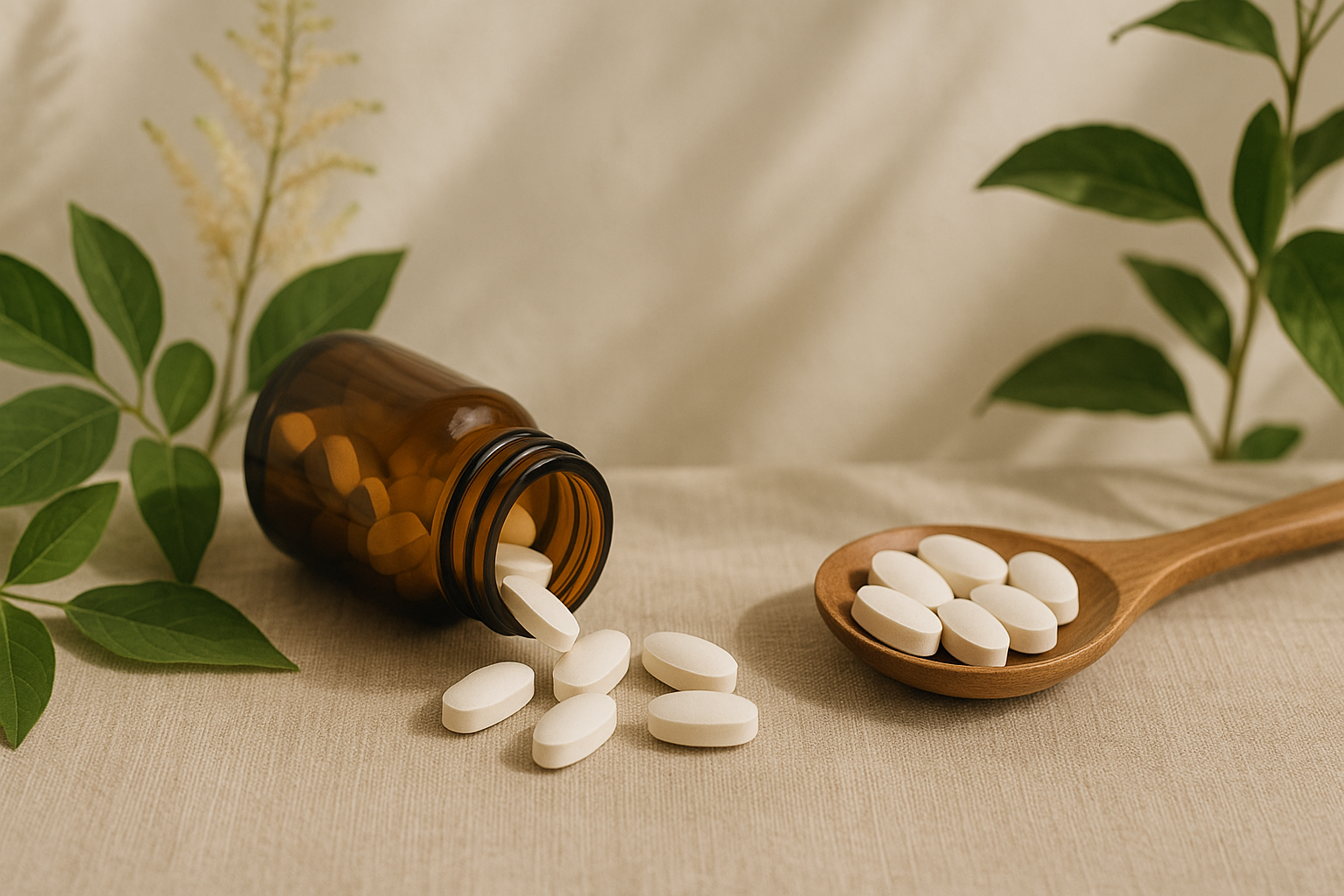
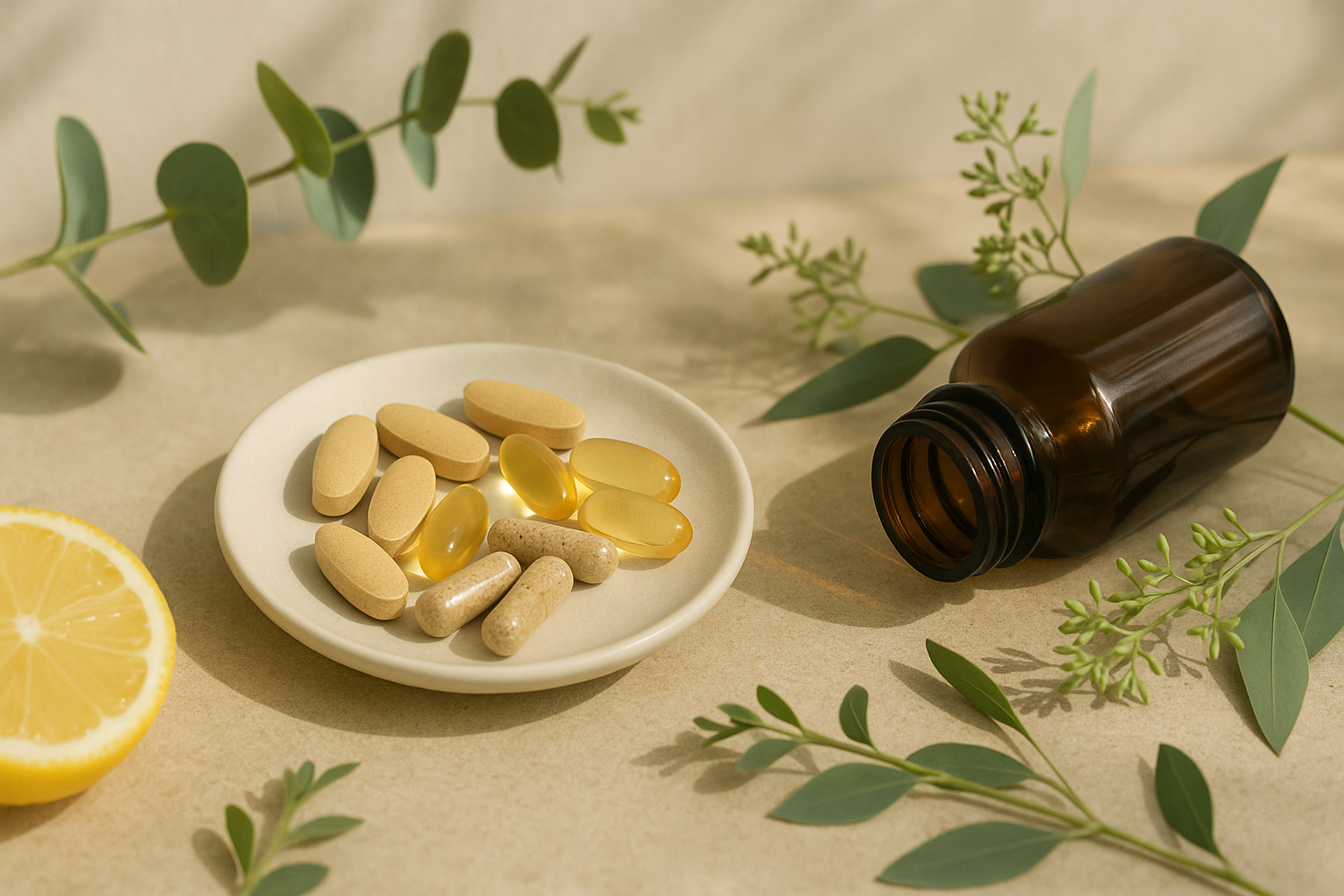
- Capsules: Supplements containing concentrated extracts of these herbs are also popular, often with recommended doses between 300-600 mg.
- Teas: Ginger and turmeric teas can be enjoyed regularly, with no specific dosage but moderation is advised.
It’s always best to consult with a healthcare professional before starting any new herbal regimen.
Safety, Contraindications & Interactions
While anti-inflammatory herbs are generally considered safe for most people, there are some precautions to consider:
- Turmeric: High doses may cause gastrointestinal issues. It can interact with blood thinners and medications for diabetes.
- Ginger: While safe in moderate amounts, excessive consumption might lead to heartburn or digestive upset. It may also interact with anticoagulants.
- Boswellia: Generally well-tolerated, but should be used cautiously in individuals with allergies to related plants.
Always discuss with a healthcare provider, especially if you are pregnant, nursing, or taking medications.
Pairs Well With
Anti-inflammatory herbs can be combined with various other natural remedies for enhanced effects:
- Omega-3 Fatty Acids: Found in fish oil, these can work synergistically with anti-inflammatory herbs to reduce inflammation.
- Green Tea: Rich in antioxidants, it complements the effects of these herbs.
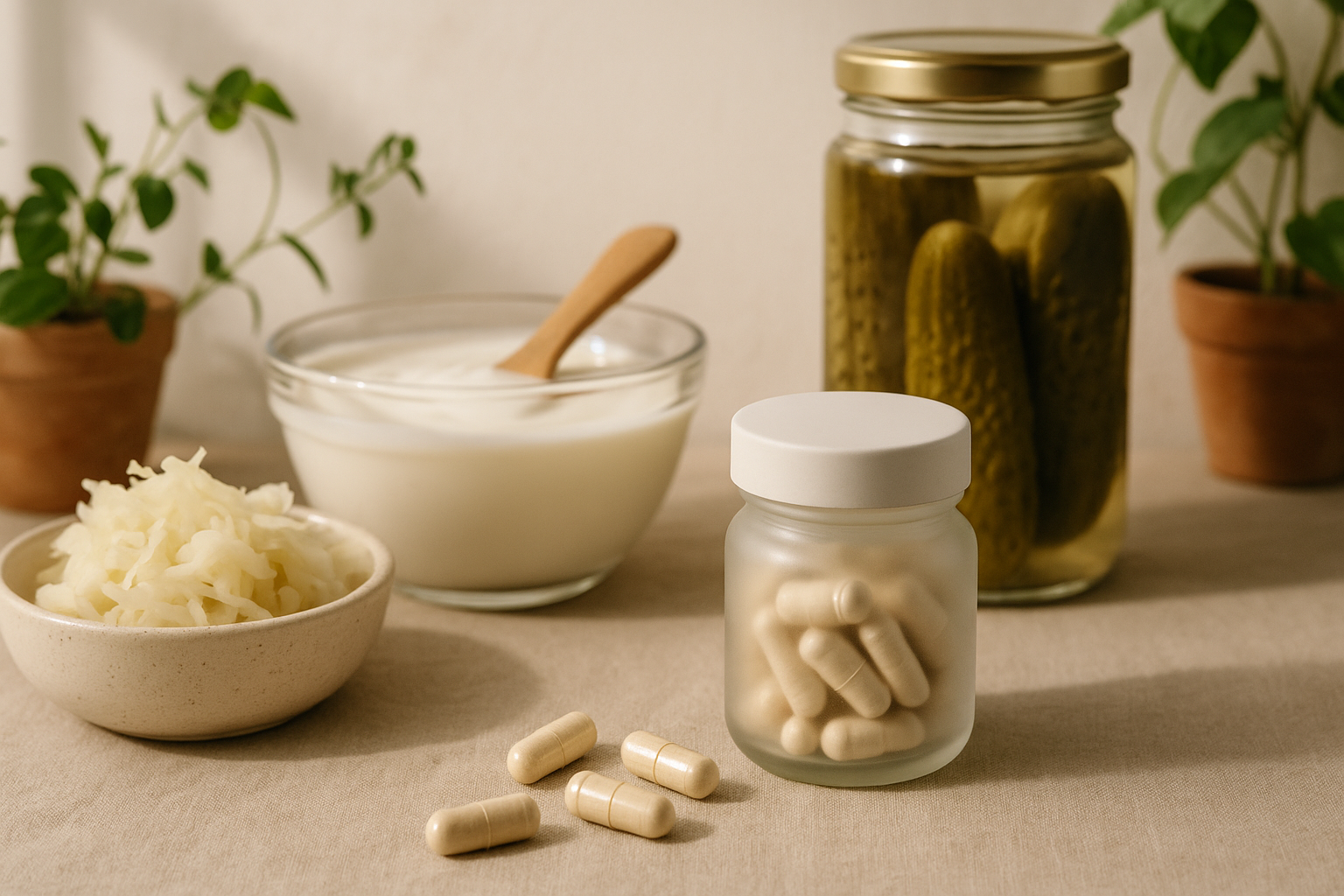
- Probiotics: Supporting gut health can further enhance the body's ability to manage inflammation.
These combinations can create a holistic approach to reducing inflammation and improving overall health.
FAQs (5)
- What are the most effective anti-inflammatory herbs? Commonly effective herbs include turmeric, ginger, and boswellia.
- Can I take anti-inflammatory herbs with other medications? Some herbs may interact with medications; consult your healthcare provider first.
- How long does it take for anti-inflammatory herbs to work? Results can vary; some may notice improvements within a few days, while others may take weeks.
- Are there any side effects of using anti-inflammatory herbs? While generally safe, excessive use may cause digestive upset or allergic reactions in some individuals.
- Can anti-inflammatory herbs be used preventively? Yes, incorporating them into your diet may help manage inflammation levels over time.
Frequently asked
What are the most effective anti-inflammatory herbs?
Commonly effective herbs include turmeric, ginger, and boswellia.
Can I take anti-inflammatory herbs with other medications?
Some herbs may interact with medications; consult your healthcare provider first.
How long does it take for anti-inflammatory herbs to work?
Results can vary; some may notice improvements within a few days, while others may take weeks.
Are there any side effects of using anti-inflammatory herbs?
While generally safe, excessive use may cause digestive upset or allergic reactions in some individuals.
Can anti-inflammatory herbs be used preventively?
Yes, incorporating them into your diet may help manage inflammation levels over time.