Sleep Support Herbs
Discover natural sleep support herbs, their historical uses, scientific insights, and practical applications for improving sleep quality.
Explore the realm of sleep support herbs and discover their traditional uses, modern research insights, and how they can help promote restful sleep. Learn about their active compounds, functional actions, and safe usage guidelines.
What It Is
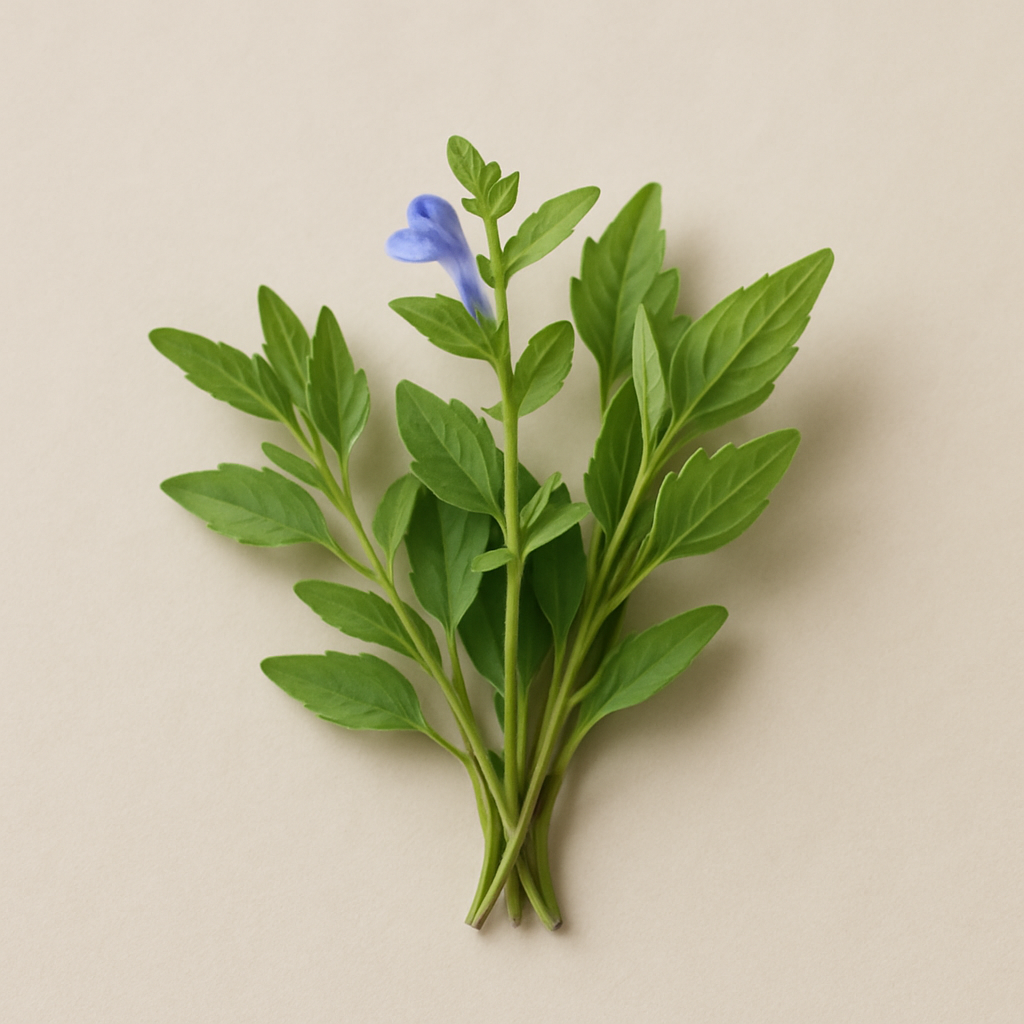
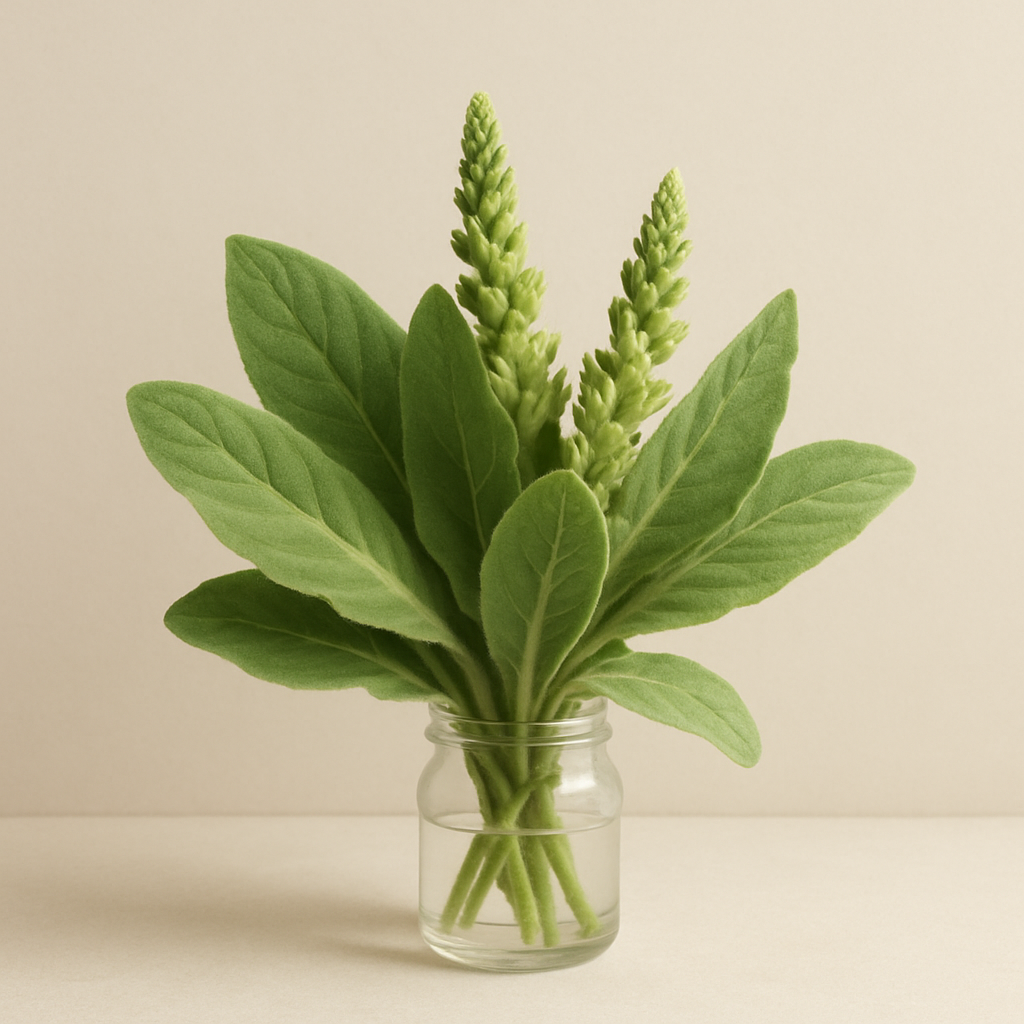
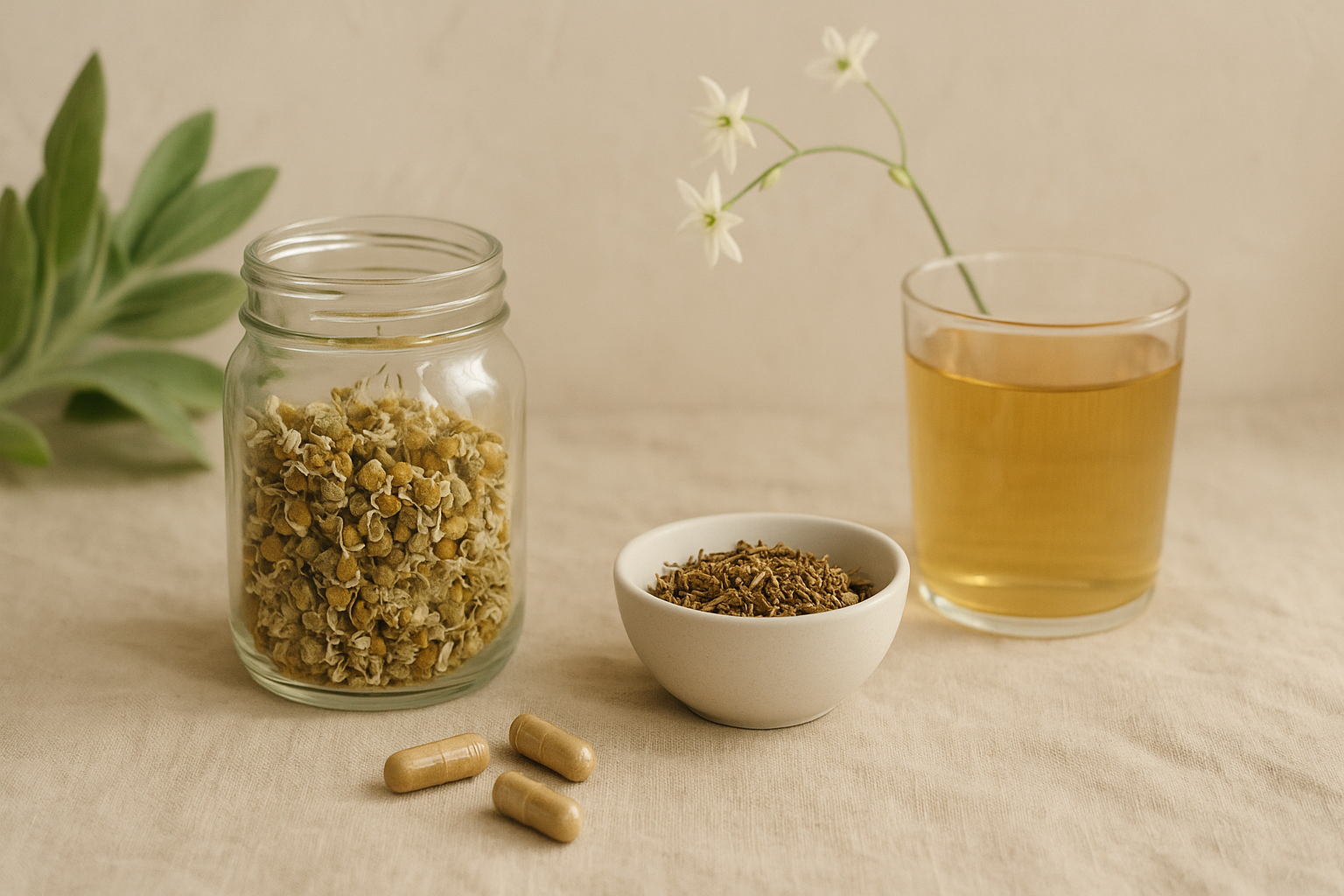
Sleep support herbs are a variety of plants known for their calming effects and ability to promote relaxation and restful sleep. These herbs have been used in various cultures for centuries, relying on their natural properties to aid those struggling with sleep disturbances. Some of the most common sleep support herbs include Valerian root (Valeriana officinalis), Chamomile (Matricaria chamomilla), and Lavender (Lavandula angustifolia).
Key Active Compounds & Mechanisms
Each sleep support herb contains unique active compounds that contribute to their sleep-enhancing effects:
- Valerian root: Contains valerenic acid, which may inhibit the breakdown of gamma-aminobutyric acid (GABA), a neurotransmitter that promotes relaxation.
- Chamomile: Rich in apigenin, an antioxidant that binds to specific receptors in the brain, potentially inducing sleepiness.
- Lavender: Contains linalool and linalyl acetate, which have been shown to reduce anxiety and improve sleep quality.
Traditional Uses
Historically, these herbs have been utilized in various cultures:
- Valerian root: Used in ancient Greece and Rome as a remedy for insomnia and anxiety.
- Chamomile: Popular in Egyptian, Greek, and Roman cultures for its calming effects and use as a bedtime tea.
- Lavender: Employed in medieval Europe for its soothing scent, often placed in pillows to promote better sleep.
What Modern Research Suggests
While more research is needed, preliminary studies show promising results:
- Valerian root: Some studies suggest that it may reduce the time it takes to fall asleep and improve sleep quality.
- Chamomile: Research indicates that it may help improve sleep quality, especially in older adults.
- Lavender: Studies have shown that lavender essential oil may enhance sleep quality and reduce insomnia symptoms.
Functional Actions
Sleep support herbs primarily function by:
- Promoting relaxation and reducing anxiety.
- Enhancing sleep quality and duration.
- Supporting the body's natural sleep-wake cycle.
Body Systems Supported
These herbs primarily support the:
- Nervous system: by promoting relaxation and reducing anxiety.
- Endocrine system: by helping to balance hormones related to sleep.
- Immune system: by potentially improving overall sleep quality, which is vital for immune function.
Common Forms & Educational Dosing Ranges
Sleep support herbs can be found in various forms, including:
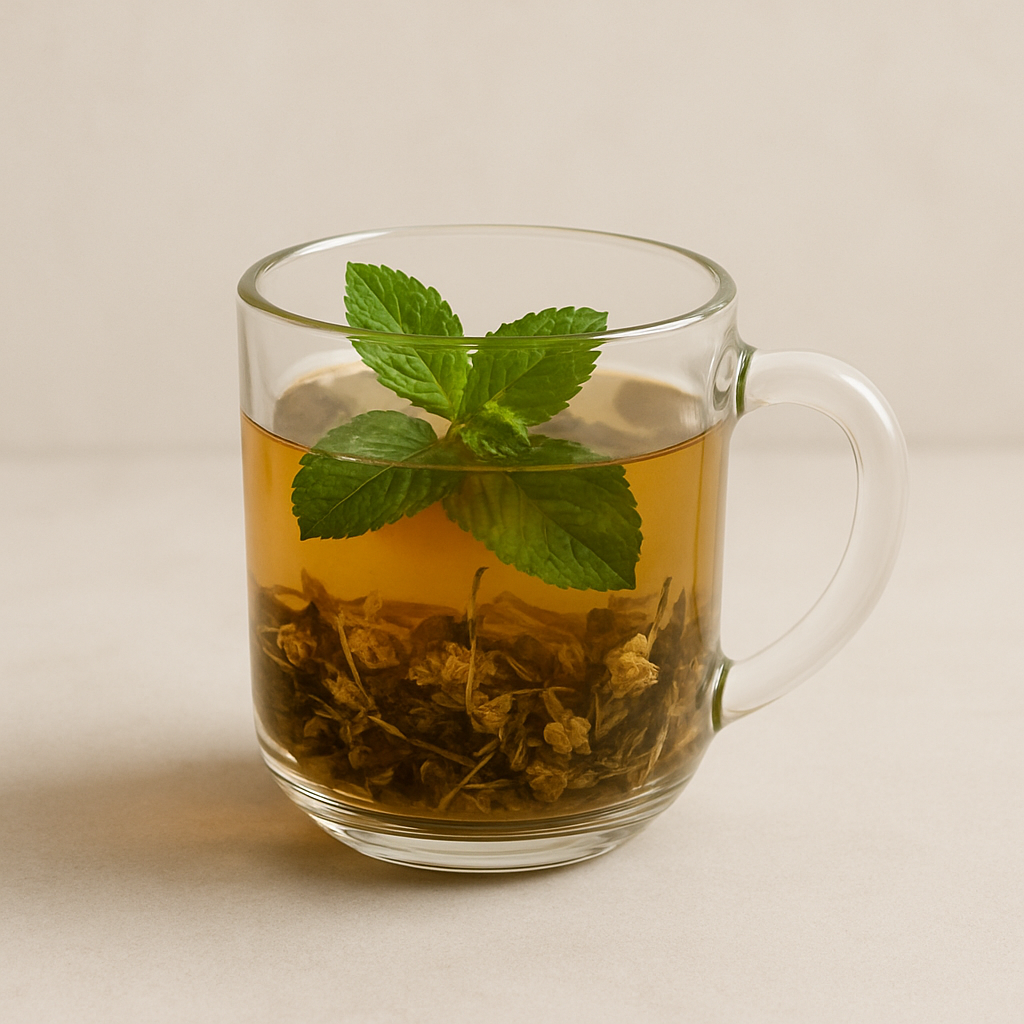
- Teas: Usually made from dried leaves or flowers. Typical dosing is 1-2 cups before bedtime.
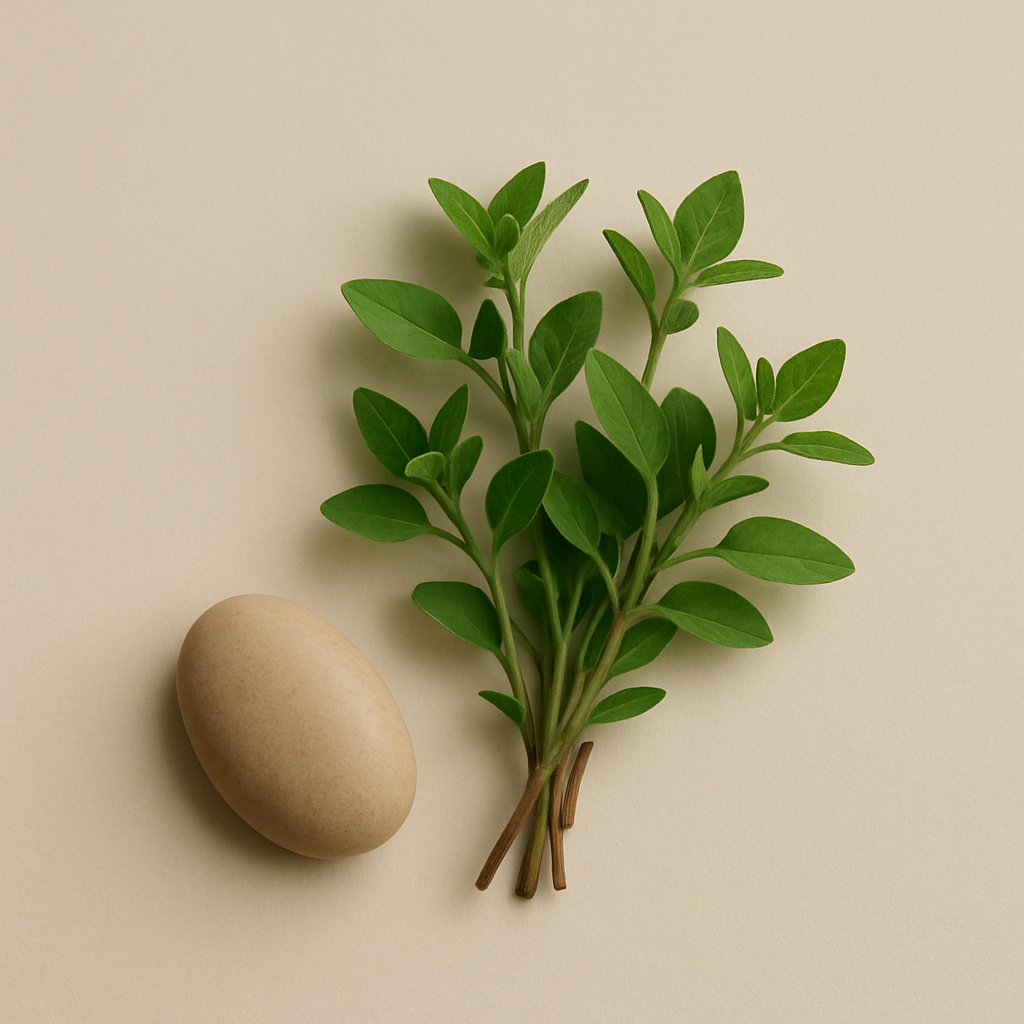
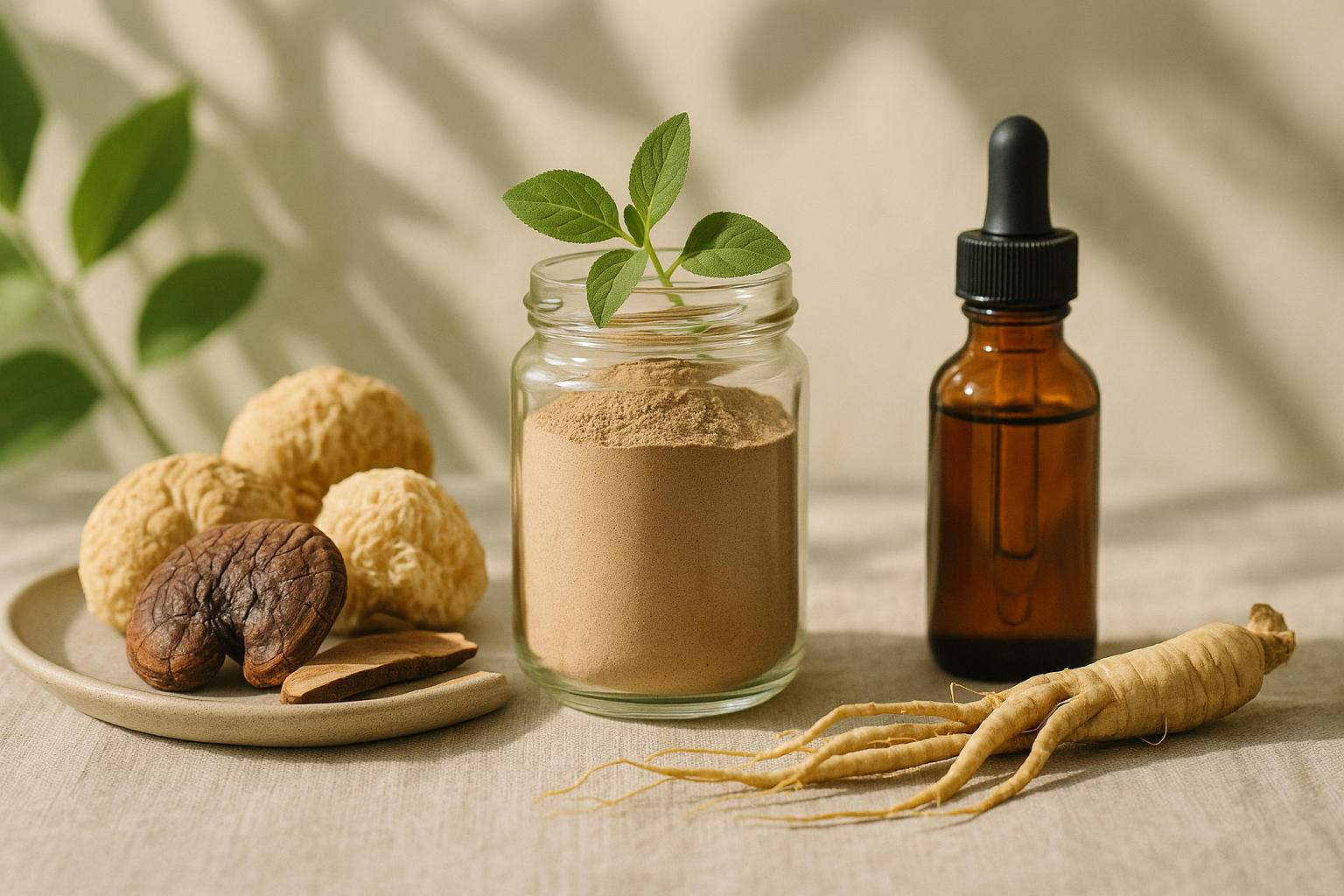
- Capsules: Standardized extracts can provide consistent dosing. Common doses range from 300-600 mg of valerian root extract.
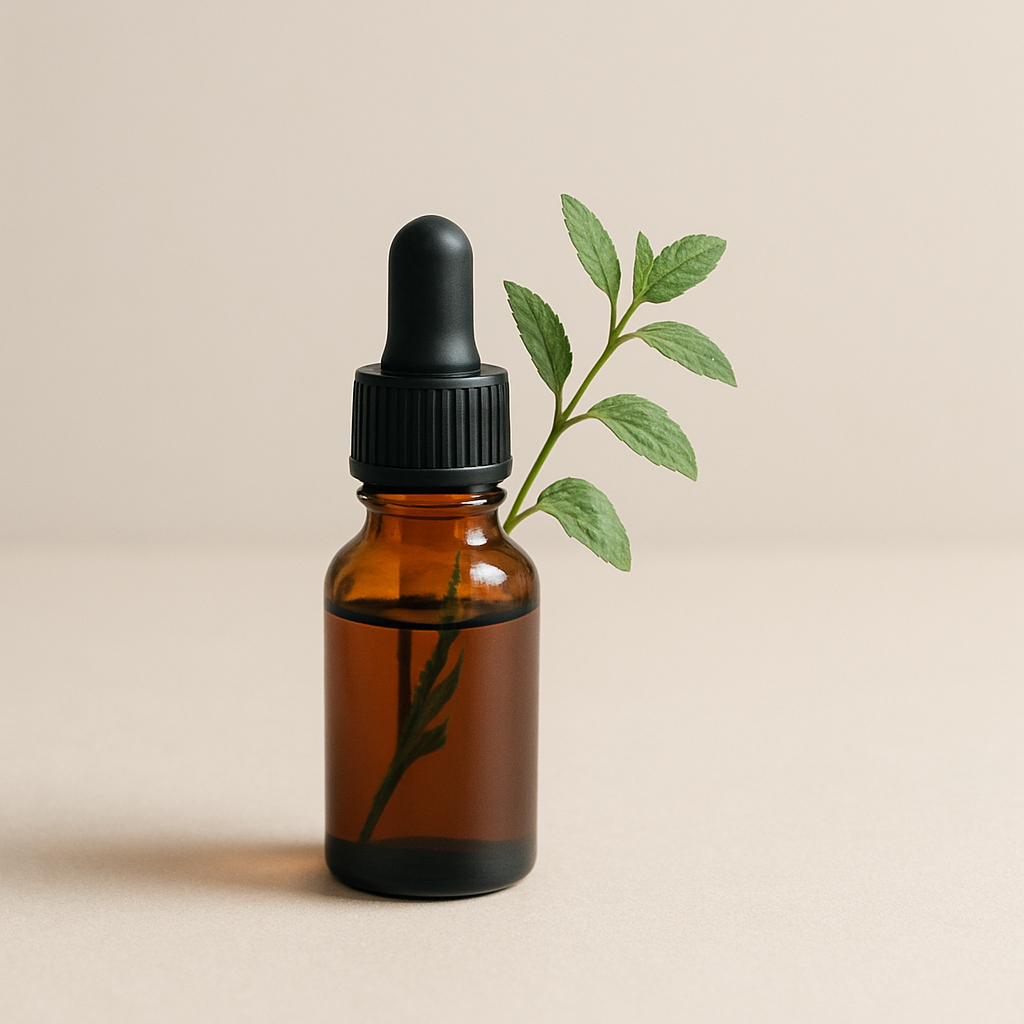
- Tinctures: Concentrated liquid extracts. Suggested dosing varies but often involves 1-2 dropperfuls before sleep.
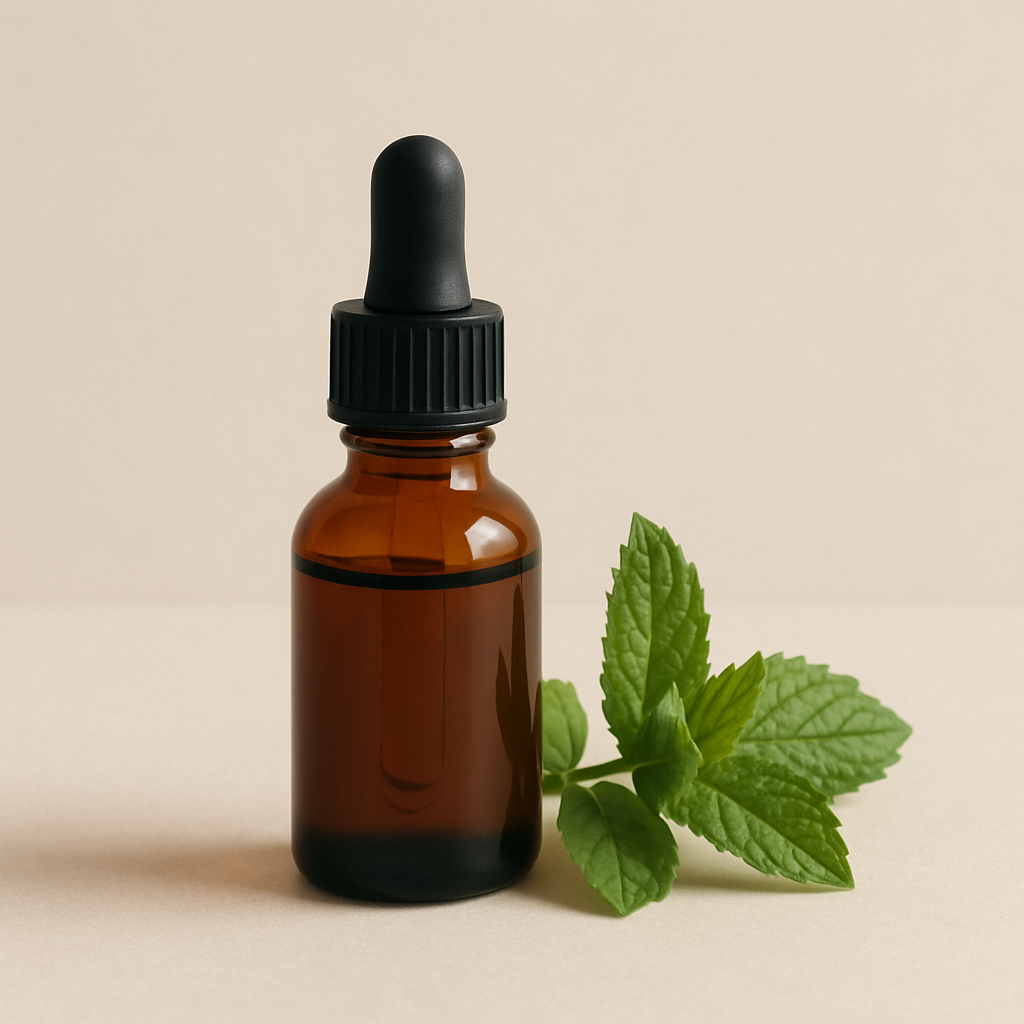
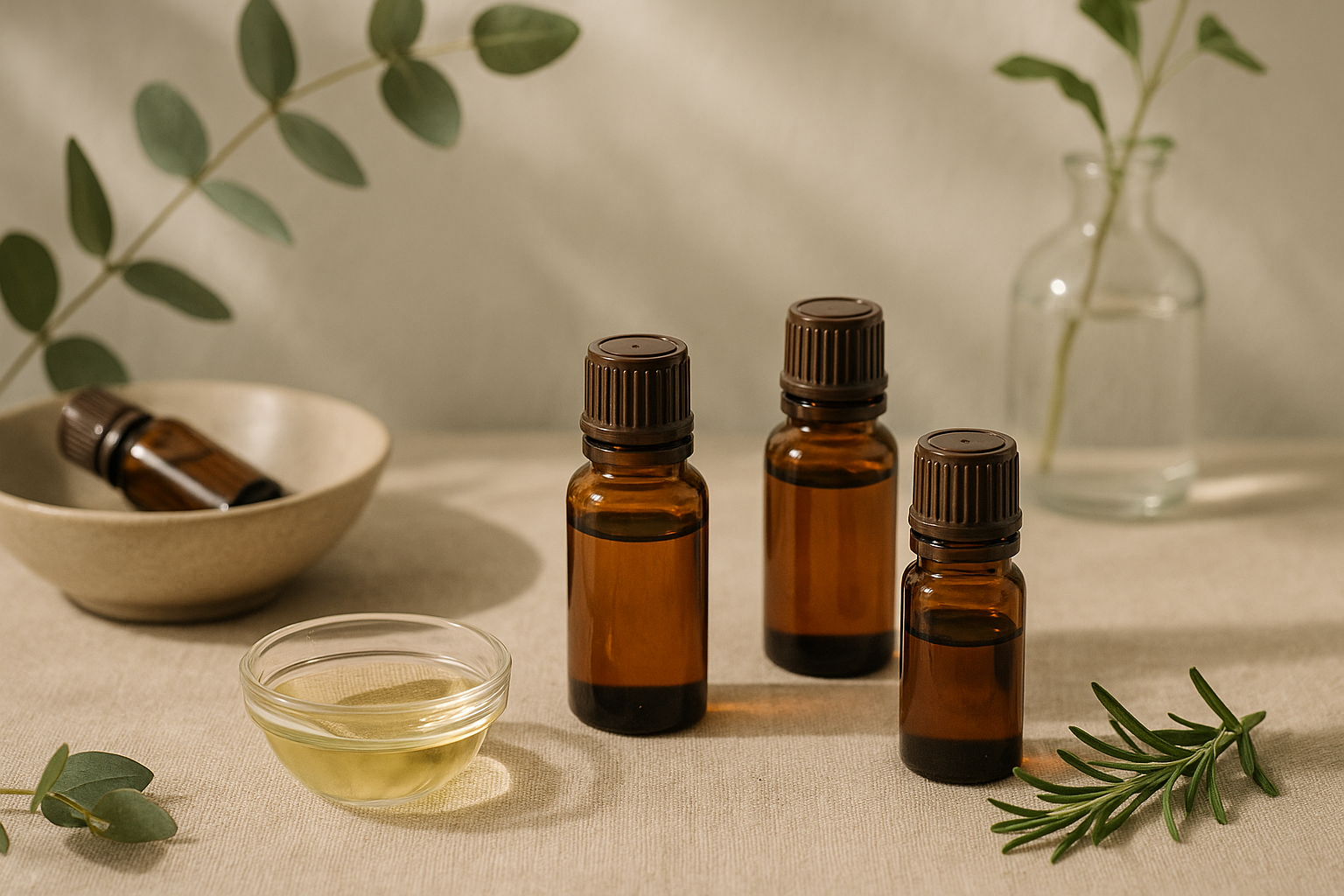
- Essential oils: Used in aromatherapy, particularly lavender. A few drops on a pillow or in a diffuser can be effective.
Safety, Contraindications & Interactions
While generally safe for most people, some precautions should be taken:
- Valerian root: May interact with sedatives, alcohol, and certain medications that affect the liver.
- Chamomile: Caution for those allergic to plants in the daisy family or those on blood thinners.
- Lavender: May affect hormone levels; caution for those with hormone-sensitive conditions.
Pairs Well With
To enhance the effects of sleep support herbs, consider pairing them with:
- Magnesium: A mineral known for its calming properties.
- Melatonin: A hormone that regulates sleep-wake cycles.
- Passionflower: Another herb known for its calming effects and support for sleep.
FAQs (5)
- What is the best sleep support herb? It depends on individual needs, but valerian root and chamomile are popular choices.
- How long does it take for these herbs to work? Effects can vary; some may notice benefits within a few days, while others may take weeks.
- Are there any side effects? Mild side effects may include dizziness or stomach upset, though serious side effects are rare.
- Can I use sleep support herbs with other medications? Always consult a healthcare provider before combining herbs with medications.
- How should I store these herbs? Keep them in a cool, dry place away from direct sunlight to maintain potency.
Frequently asked
What is the best sleep support herb?
It depends on individual needs, but valerian root and chamomile are popular choices.
How long does it take for these herbs to work?
Effects can vary; some may notice benefits within a few days, while others may take weeks.
Are there any side effects?
Mild side effects may include dizziness or stomach upset, though serious side effects are rare.
Can I use sleep support herbs with other medications?
Always consult a healthcare provider before combining herbs with medications.
How should I store these herbs?
Keep them in a cool, dry place away from direct sunlight to maintain potency.