Botanical Powders
Discover the world of botanical powders and their applications in herbal remedies, emphasizing their active compounds, historical uses, and safety considerations.
Explore the benefits and uses of botanical powders in herbal remedies, including their active compounds, traditional applications, and modern research insights.
What It Is
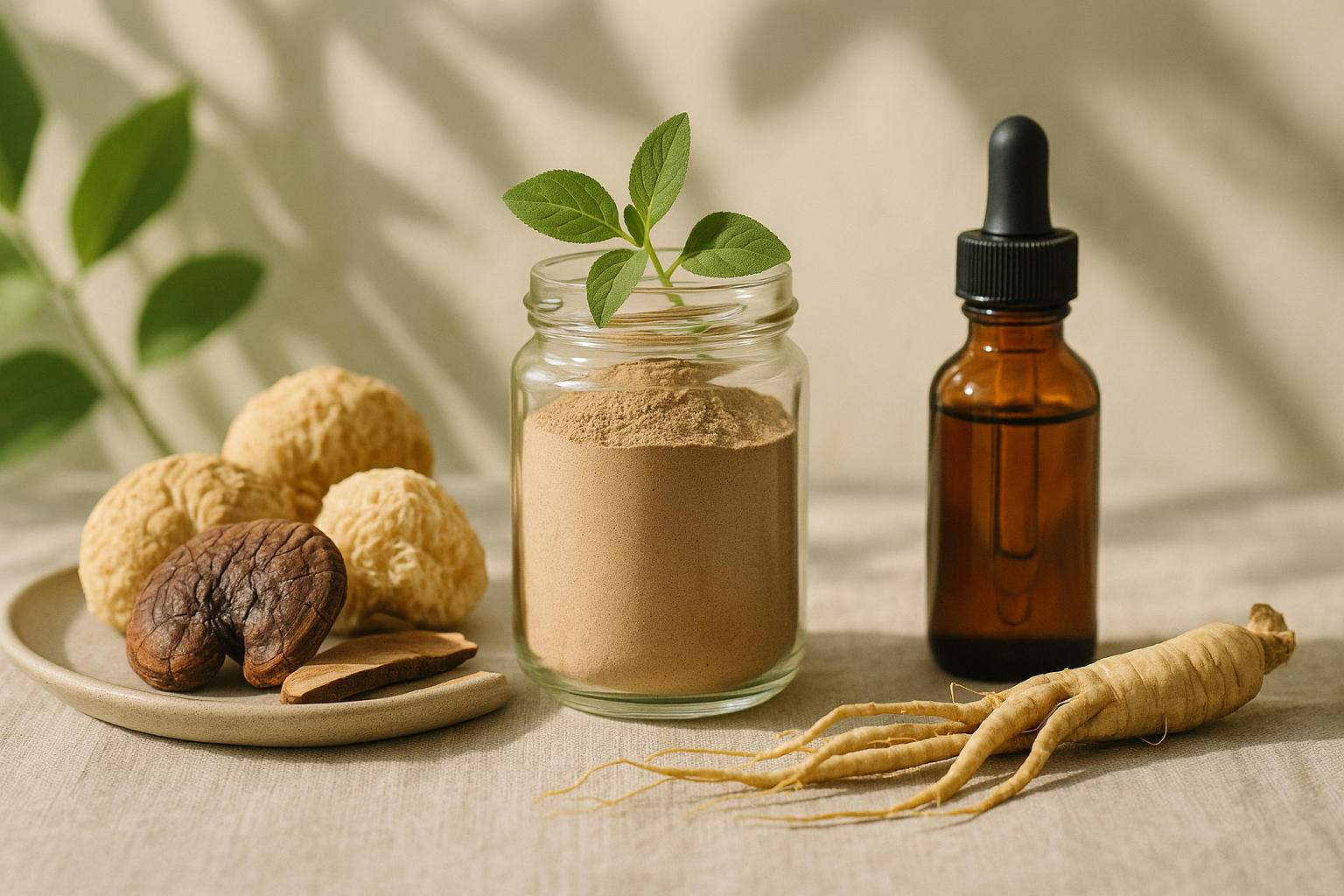
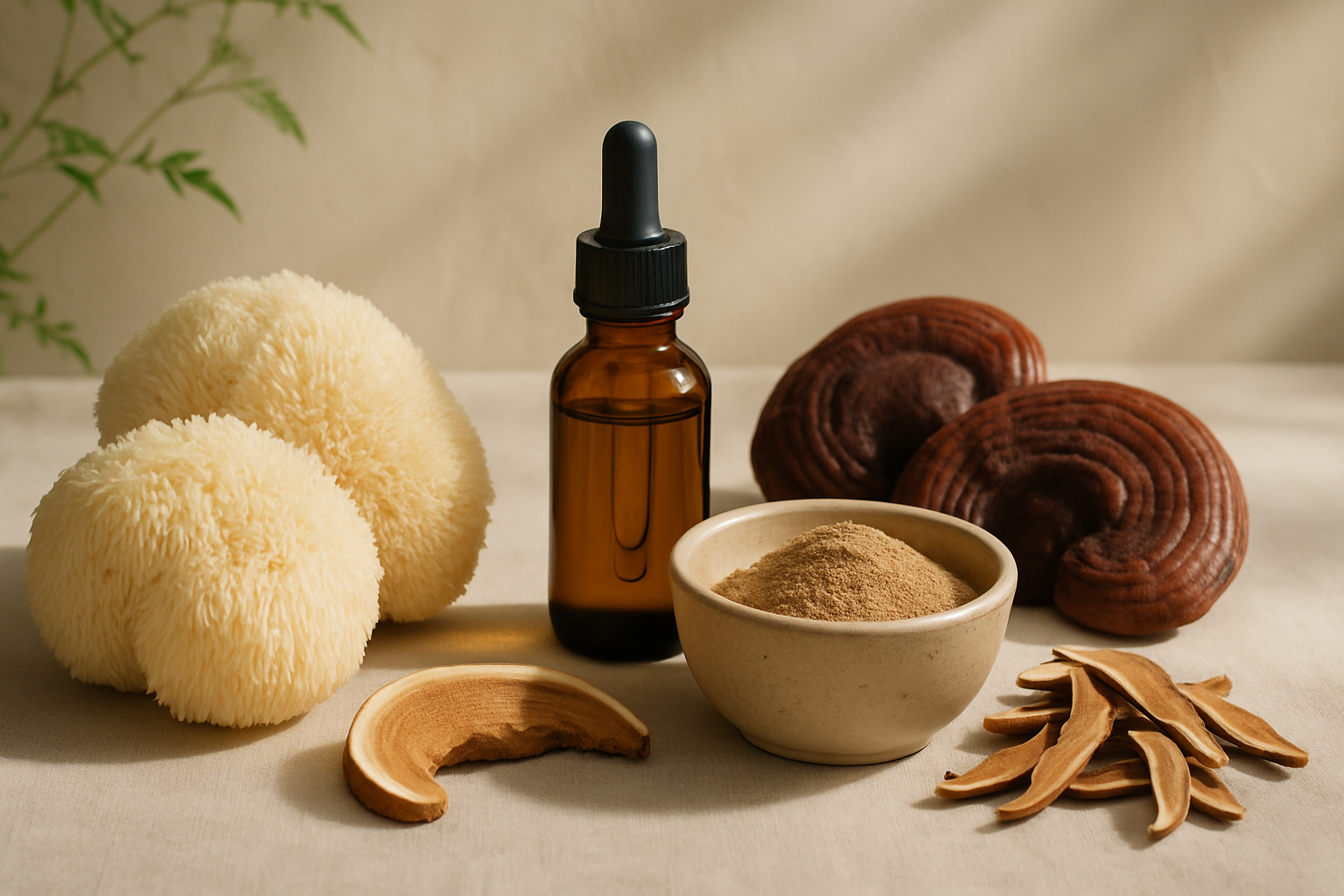
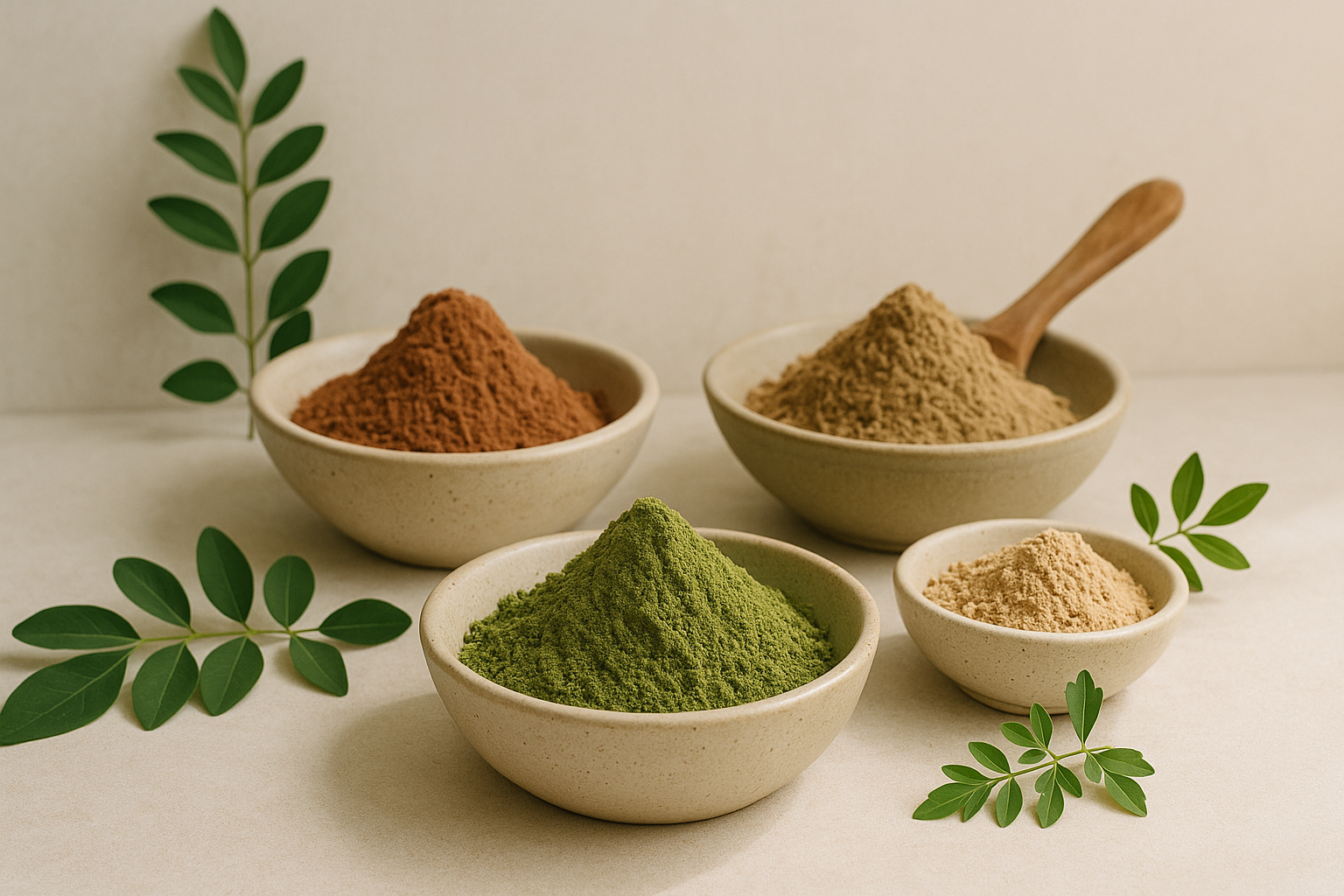
Botanical powders are finely ground plant materials derived from various parts of plants, including leaves, roots, flowers, and seeds. These powders retain the essence of the plant, concentrating its active compounds. Common examples include turmeric (Curcuma longa), spirulina (Arthrospira platensis), and moringa (Moringa oleifera). Each powder is unique in its nutritional profile and potential health benefits.
Key Active Compounds & Mechanisms
Botanical powders contain a plethora of active compounds that contribute to their health-promoting properties. For instance:
- Turmeric: Contains curcumin, known for its anti-inflammatory and antioxidant effects.
- Spirulina: Rich in protein, vitamins, and minerals, particularly phycocyanin, which has antioxidant properties.
- Moringa: Contains vitamins A, C, and E, as well as quercetin, which may help reduce inflammation.
These compounds interact with various biological pathways, supporting overall health and wellness.
Traditional Uses
Historically, botanical powders have been integral to many cultures around the world. For example:
- Turmeric: Used in Ayurvedic and Traditional Chinese Medicine for centuries to is traditionally explored for inflammation and digestive issues.
- Spirulina: Consumed by ancient civilizations such as the Aztecs and the Kanembu people of Chad for its nutritional benefits.
- Moringa: Known as the "miracle tree," it has been used in South Asian cultures for its nutritional value and medicinal properties.
These traditional applications reflect a deep understanding of the therapeutic potential of these plants.
What Modern Research Suggests
Modern scientific studies have begun to explore the benefits of botanical powders more rigorously. Preliminary evidence suggests:
- Curcumin in turmeric may help manage joint pain and support cognitive health.
- Spirulina may enhance immune function and support cardiovascular health.
- Moringa may have blood sugar-lowering effects and support heart health.
While these findings are promising, further research is needed to fully understand their mechanisms and efficacy.
Functional Actions
Botanical powders exhibit a range of functional actions that can support health in various ways. Some of these include:
- Anti-inflammatory: Many botanical powders, such as turmeric, possess strong anti-inflammatory properties.
- Antioxidant: Powders like spirulina are rich in antioxidants, helping to combat oxidative stress.
- Nutritional support: Powders such as moringa provide essential vitamins and minerals.
These actions contribute to their popularity in natural health practices.
Body Systems Supported
Botanical powders can support multiple body systems, including:
- Immune System: Powders like spirulina and turmeric can enhance immune function.
- Digestive System: Turmeric and moringa can support digestive health.
- Cardiovascular System: Moringa and spirulina may help maintain heart health.
Incorporating these powders into a daily routine may promote holistic wellness.
Common Forms & Educational Dosing Ranges
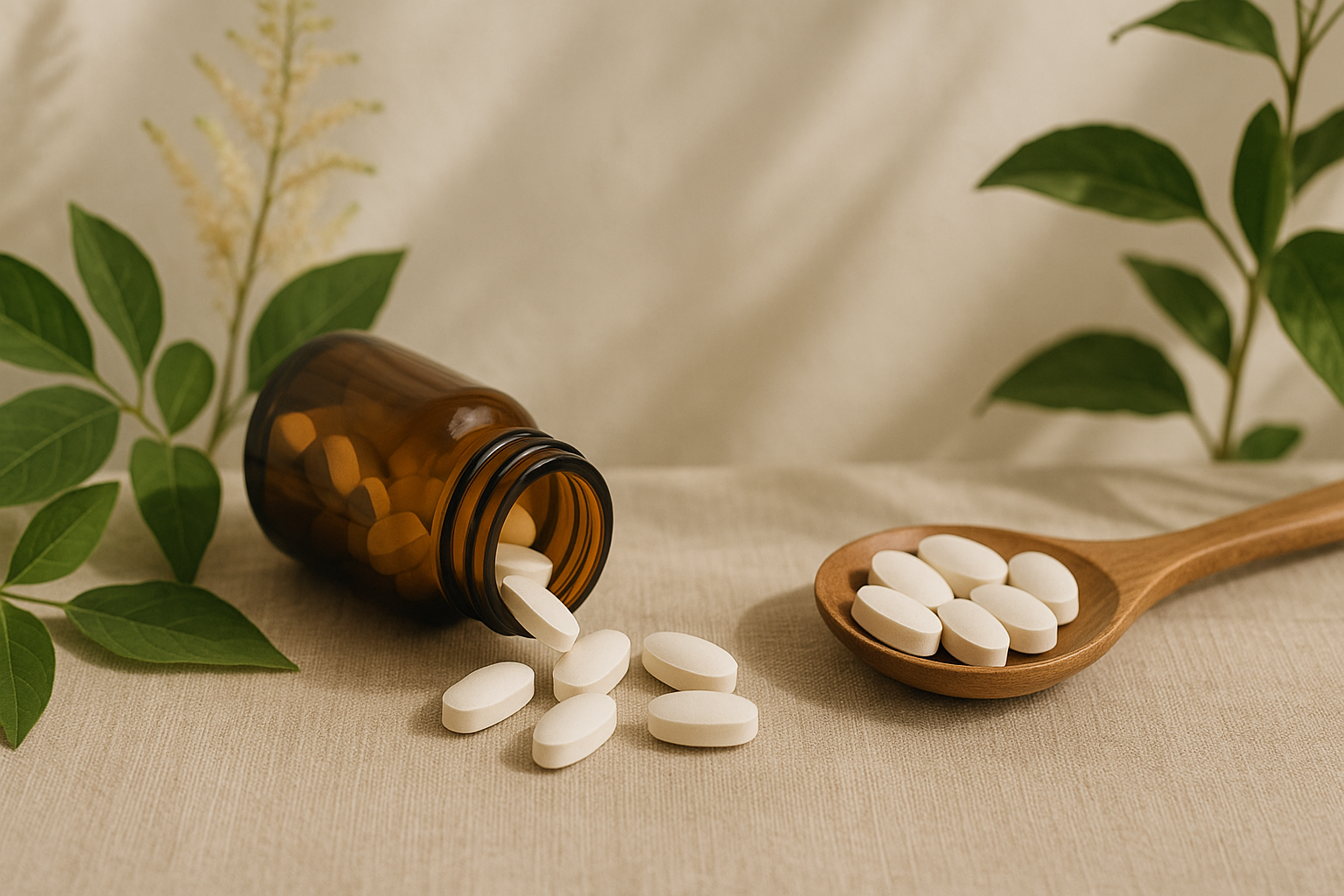
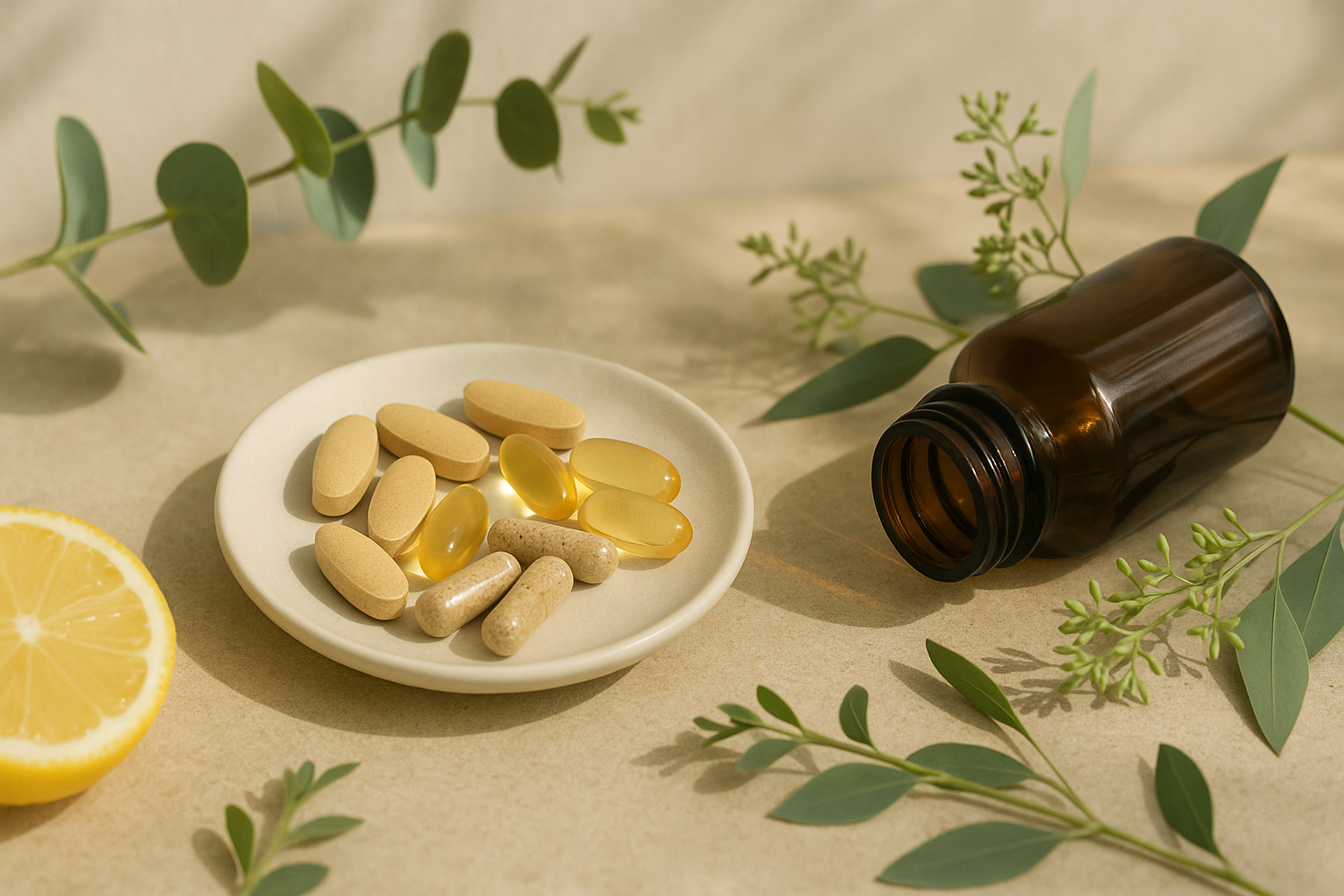
Botanical powders are available in various forms, including:
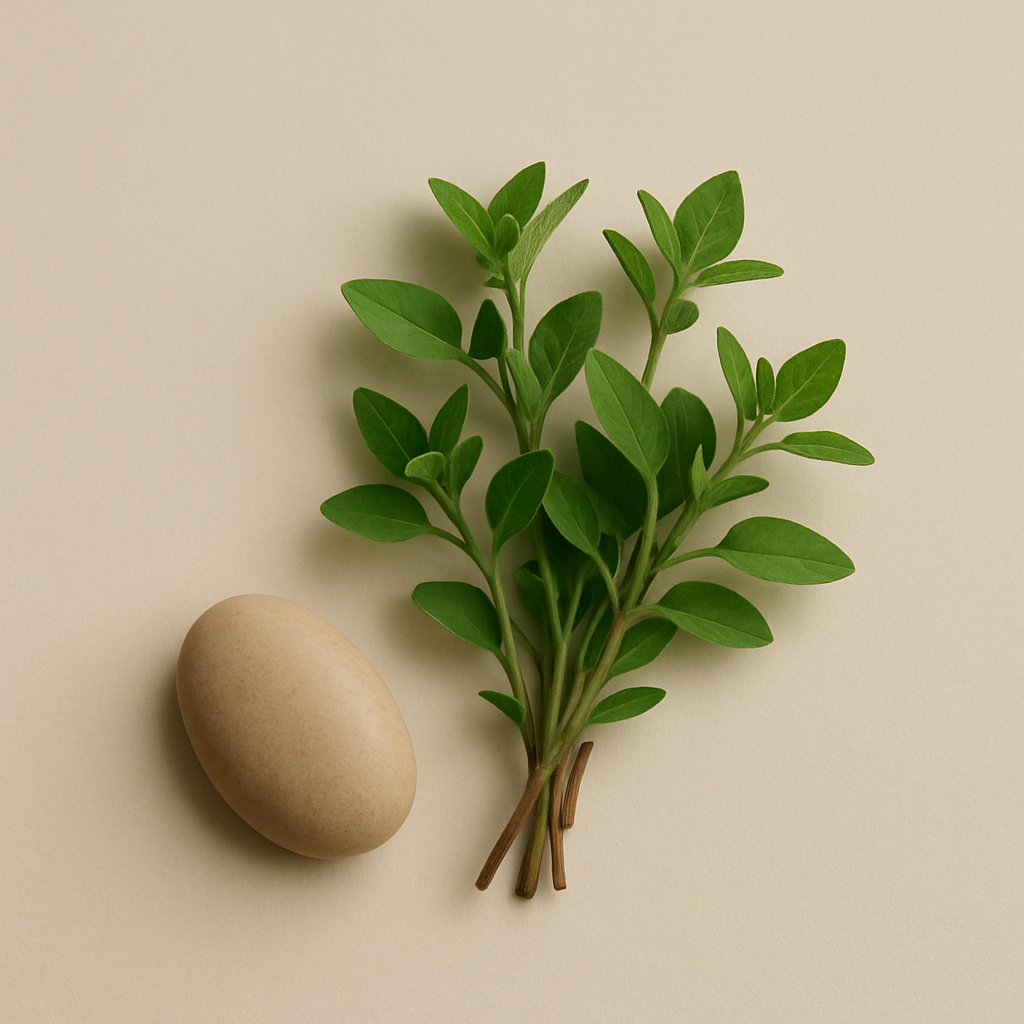
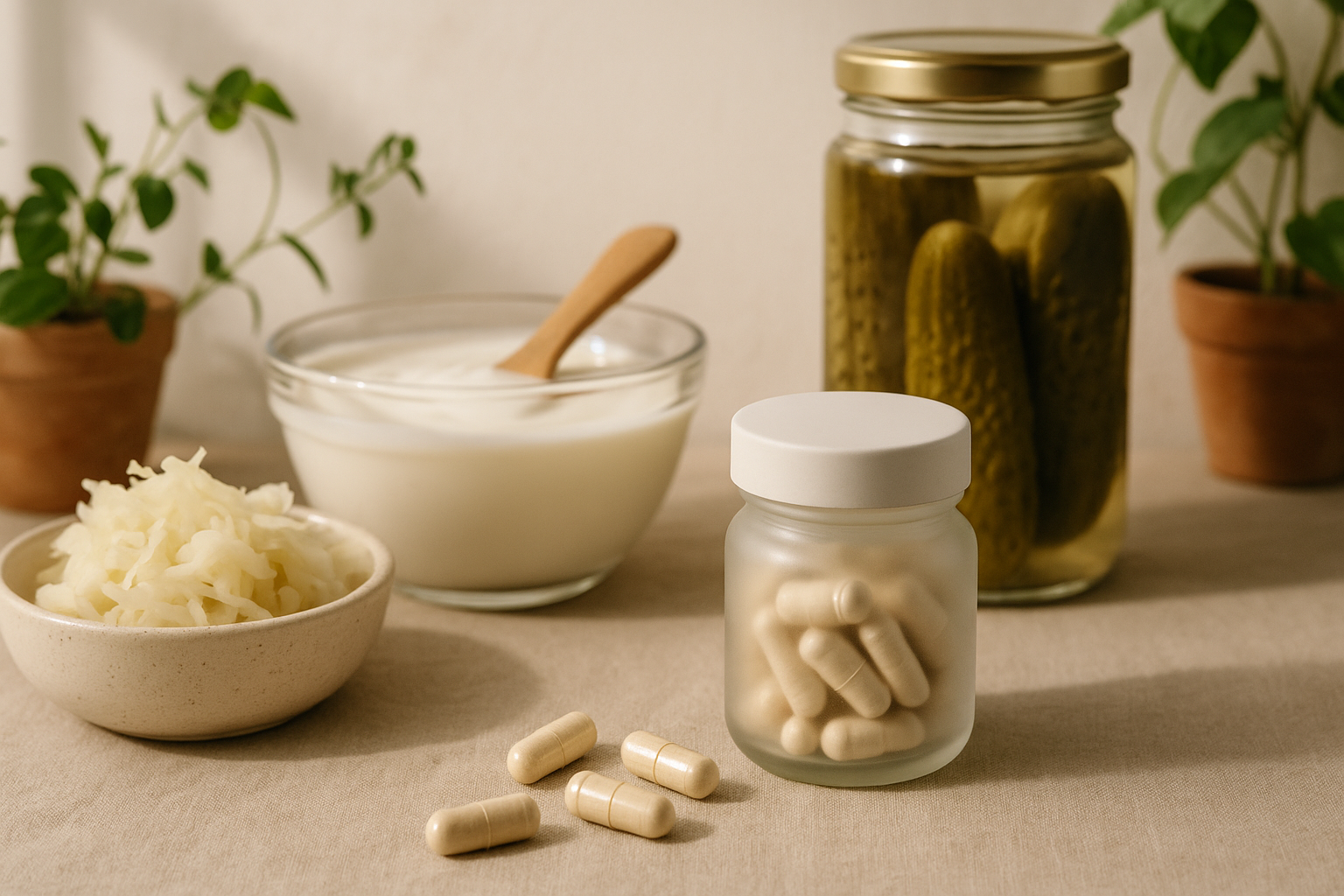
- Capsules: Convenient for daily supplementation.
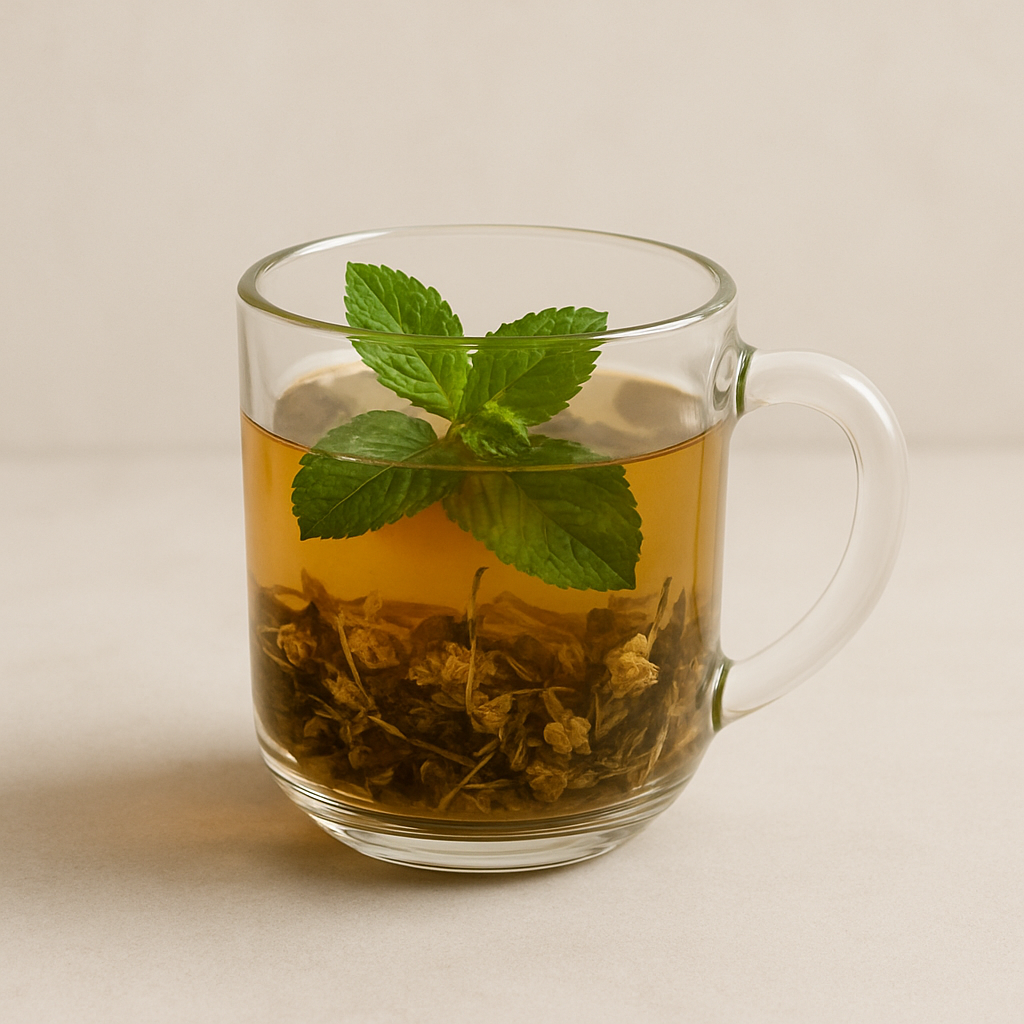
- Loose Powder: Can be added to smoothies, soups, or teas.
- Tablets: Another form for easy consumption.
Educational dosing ranges vary widely based on the specific powder:
- Turmeric: 500-2000 mg of curcumin per day.
- Spirulina: 1-10 grams per day.
- Moringa: 1-3 teaspoons of powder daily.
It is advisable to consult with a healthcare professional before starting any new supplement regimen.
Safety, Contraindications & Interactions
While botanical powders are generally considered safe, some precautions should be taken:
- Turmeric: May interact with blood thinners and anti-diabetic medications.
- Spirulina: Should be avoided by individuals with autoimmune diseases.
- Moringa: May lower blood sugar levels; caution is advised for those on diabetes medications.
Always consult a healthcare provider before starting any new herbal supplement, especially if you are pregnant, nursing, or taking other medications.
Pairs Well With
Botanical powders can be combined with various other natural remedies for enhanced effects:
- Turmeric: Pairs well with black pepper to enhance absorption.
- Spirulina: Can be blended with fruits in smoothies for a nutritional boost.
- Moringa: Works well in soups or mixed with herbal teas for additional benefits.
FAQs
- What are botanical powders?
Botanical powders are ground plant materials that retain the active compounds of the plant, used for their health benefits. - How do I take botanical powders?
They can be consumed in capsule form, as loose powder added to food or drinks, or in tablet form. - Are there any side effects?
While generally safe, some botanical powders may interact with medications or cause digestive upset in sensitive individuals. - Can I take botanical powders daily?
Many people take them daily, but it's best to consult with a healthcare provider for personalized advice. - Where can I buy botanical powders?
They are widely available in health food stores, online retailers, and specialty herbal shops.
Frequently asked
What are botanical powders?
Botanical powders are ground plant materials that retain the active compounds of the plant, used for their health benefits.
How do I take botanical powders?
They can be consumed in capsule form, as loose powder added to food or drinks, or in tablet form.
Are there any side effects?
While generally safe, some botanical powders may interact with medications or cause digestive upset in sensitive individuals.
Can I take botanical powders daily?
Many people take them daily, but it's best to consult with a healthcare provider for personalized advice.
Where can I buy botanical powders?
They are widely available in health food stores, online retailers, and specialty herbal shops.