Wearable Analytics
Explore the world of wearable analytics within biomarker testing and tracking. Understand its mechanisms, evidence, practical applications, and how it supports various body systems and health goals.
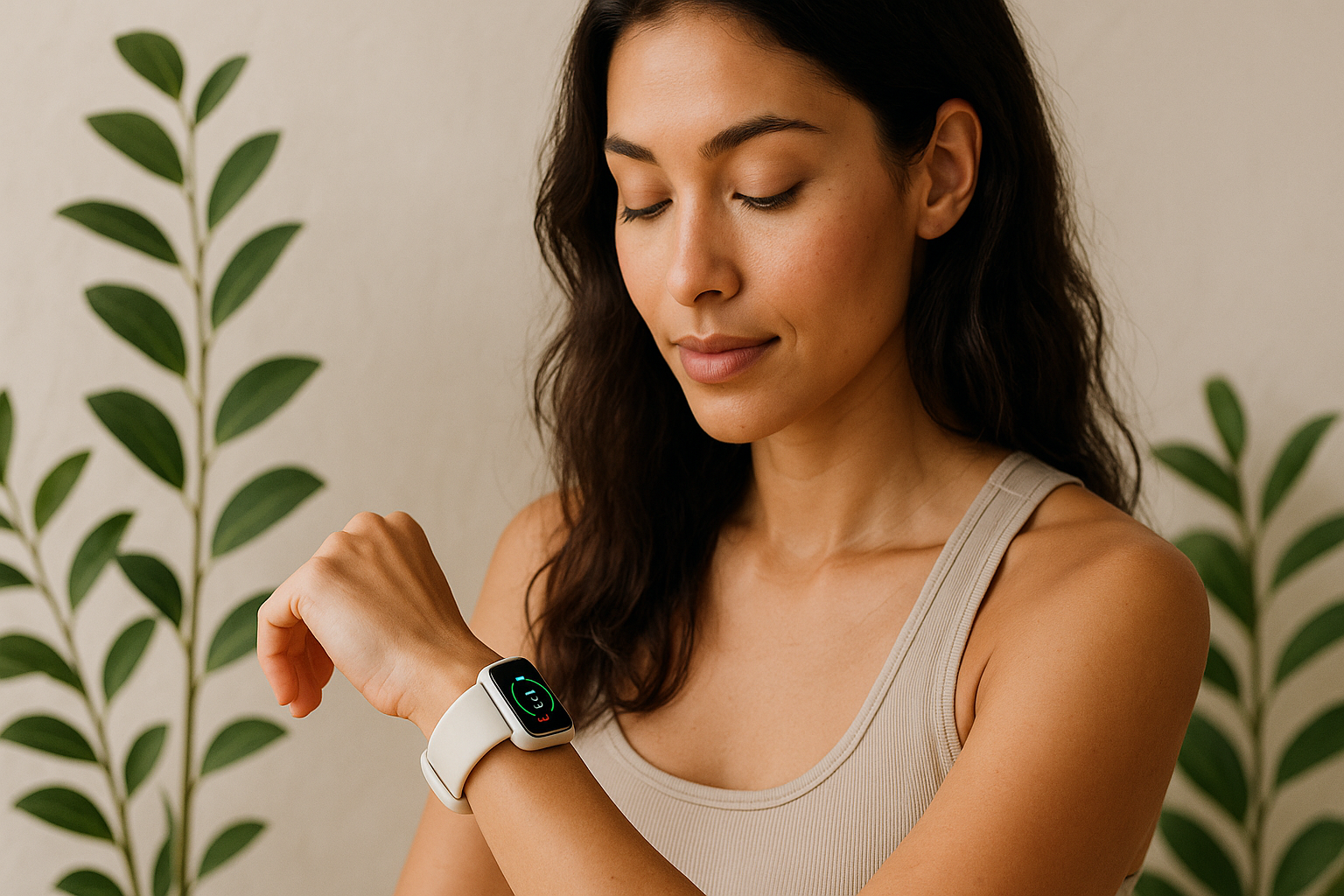
Wearable analytics represent a rapidly evolving field within biomarker testing and tracking, focusing on the use of technology to monitor various physiological parameters in real-time. This page explores the definition, mechanisms, evidence, practical applications, relevant biomarkers, supported body systems, common goals, safety considerations, and complementary approaches to wearable analytics in the context of modern wellness.
What It Is
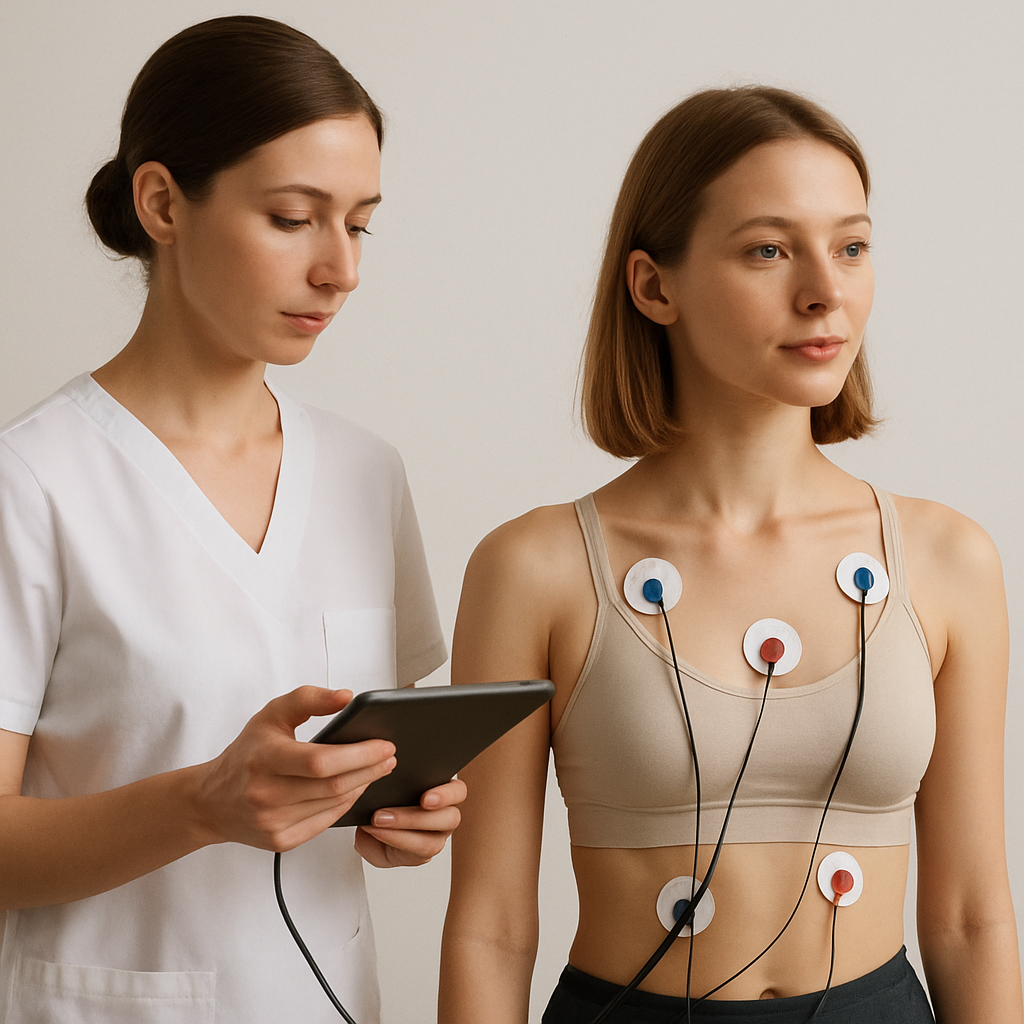
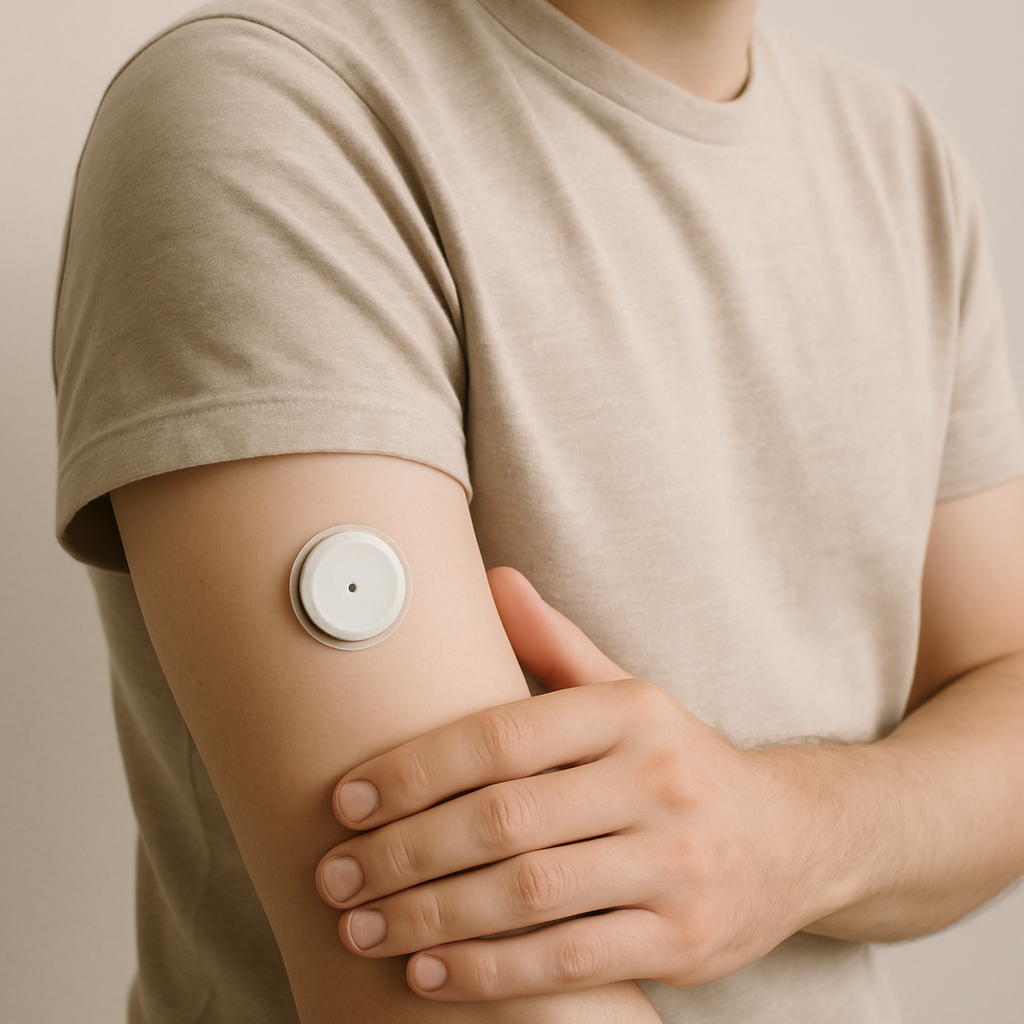
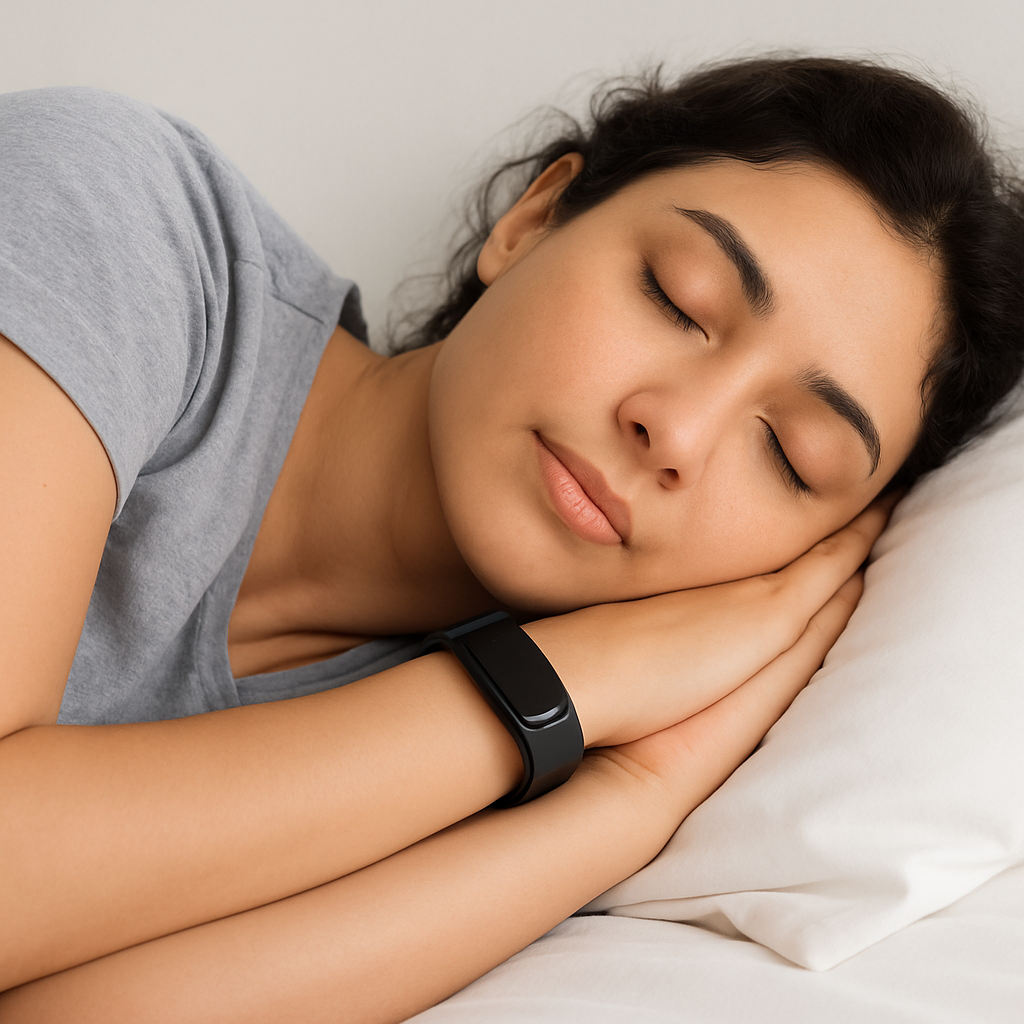
Wearable analytics refers to the use of technology integrated into wearable devices to monitor, collect, and analyze physiological data in real-time. These devices can track a variety of biomarkers, including heart rate, sleep patterns, physical activity, and even stress levels. The data gathered can offer insights into an individual's health status, enabling proactive wellness management and personalized health interventions.
The rise of wearable technology has made biomarker tracking more accessible to a broader population. From fitness trackers to smartwatches, these devices are designed to be user-friendly, allowing individuals to engage with their health data without requiring extensive medical knowledge. As the technology continues to evolve, the potential for more sophisticated biomarker analysis and health tracking expands significantly.
Mechanism / How It Works
Wearable analytics devices typically employ various sensors to collect data on physiological metrics. Common sensors include accelerometers, gyroscopes, heart rate monitors, and skin temperature sensors. These sensors work together to gather comprehensive data about the user's body and activity levels.
The collected data is transmitted to a connected device, usually a smartphone or computer, where it is analyzed using algorithms. These algorithms process the raw data to provide insights and trends, which can be displayed through user-friendly interfaces. Some devices also offer real-time feedback, allowing users to make immediate adjustments to their lifestyle or activities based on their biomarker readings.
Evidence Summary
The evidence supporting wearable analytics is still evolving. Preliminary studies suggest that these devices can effectively monitor specific biomarkers and provide valuable insights into personal health. For instance, research has shown that wearable devices can accurately track heart rate and physical activity levels, contributing to improved fitness outcomes.
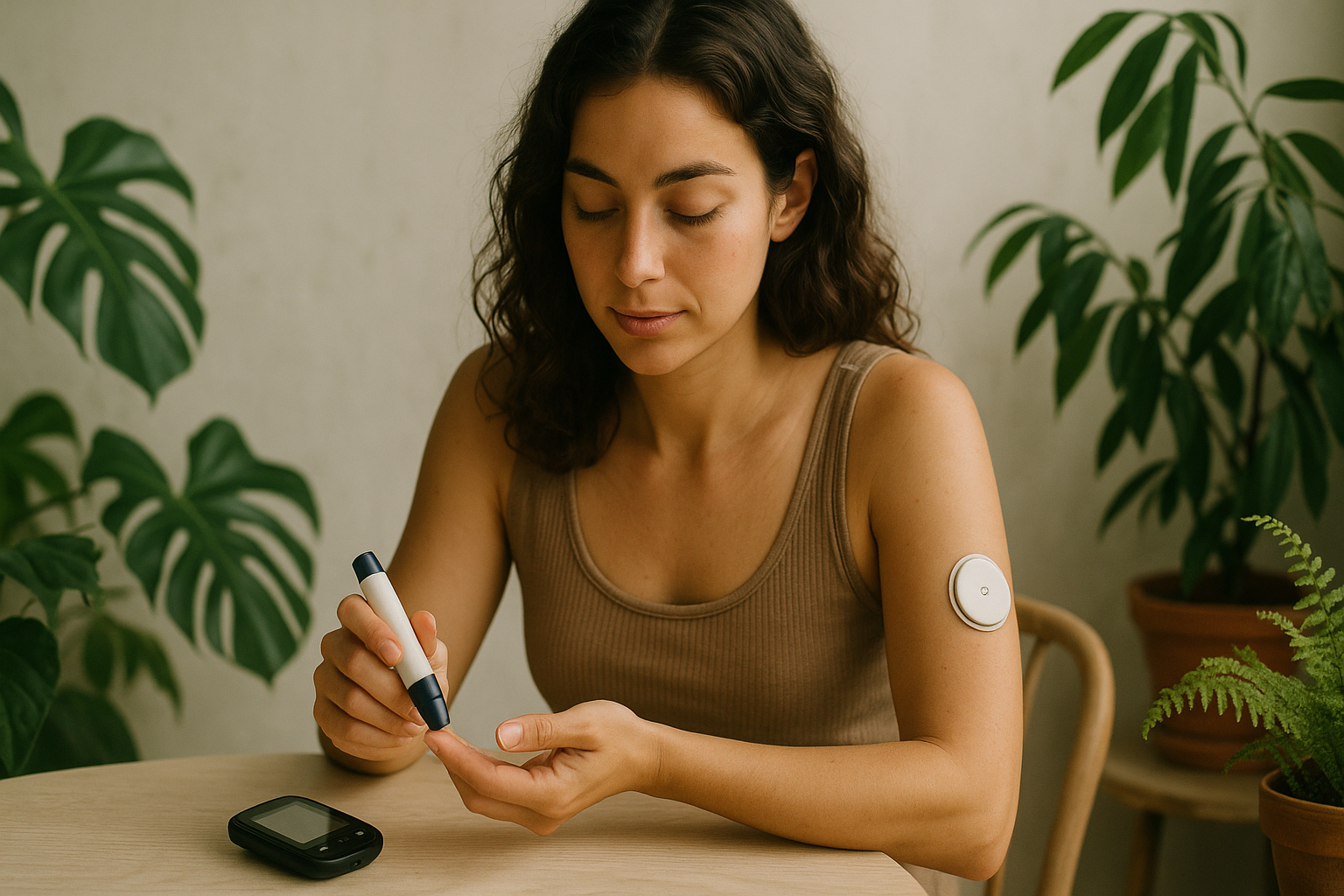
However, clinical evidence is mixed regarding the effectiveness of wearables in managing chronic health conditions. While some studies indicate that wearables can assist in monitoring conditions such as diabetes and hypertension, conflicting data exists about their long-term efficacy and reliability. Much of the current research focuses on short-term outcomes, and more extensive longitudinal studies are needed to draw definitive conclusions about their impact on overall health management.
Practical Application
To integrate wearable analytics into daily life effectively, users should establish clear protocols for data tracking and analysis. Here are some practical tips:
- Set specific health goals, such as improving sleep quality or increasing daily physical activity.
- Regularly sync the wearable device with a smartphone app to ensure data accuracy.
- Review collected data weekly to identify patterns and make informed adjustments to routines.
- Be mindful of battery life and device maintenance to ensure consistent monitoring.
Common pitfalls include over-reliance on the data provided by wearables and neglecting the importance of professional medical advice. It's essential to view wearable analytics as a complementary tool rather than a replacement for traditional health assessments.
Relevant Biomarkers & Tracking
Wearable analytics can track various biomarkers, including:
- Heart rate
- Step count and physical activity levels
- Sleep duration and quality
- Caloric expenditure
- Stress levels (via heart rate variability)
This tracking capability allows users to monitor their health and fitness comprehensively, tailoring their wellness strategies based on actionable insights derived from the data.
Body Systems Supported
Wearable analytics primarily supports the following body systems:
- Cardiovascular system (heart rate monitoring)
- Musculoskeletal system (activity tracking)
- Nervous system (stress and sleep monitoring)
By providing insights into these systems, wearables can help users make informed choices that promote overall wellness and prevent potential health issues.
Common Goals
Users of wearable analytics typically aim to achieve several common health and wellness goals:
- Improving fitness and physical activity levels
- Enhancing sleep quality
- Managing stress and mental well-being
- Monitoring chronic health conditions
These goals highlight the versatility of wearable analytics in addressing various aspects of health and wellness.
Safety, Contraindications & Edge Cases
While wearable analytics are generally considered safe, some contraindications and edge cases should be noted:
- Individuals with specific medical conditions should consult a healthcare provider before relying solely on wearable devices for health monitoring.
- Wearables may not be suitable for all populations, particularly young children or individuals with cognitive impairments.
- Data privacy and security are crucial considerations; users should ensure they understand how their data is stored and shared.
Awareness of these factors can help users make informed decisions about their engagement with wearable technology.
Pairs Well With
Wearable analytics can complement various ancient and natural wellness practices, enhancing their effectiveness. Some notable pairings include:
- Mindfulness and meditation practices to reduce stress levels
- Yoga and physical training regimens to improve flexibility and strength
- Nutrition tracking through apps to support dietary goals
These combinations can create a holistic approach to wellness, integrating technology with time-tested practices.
FAQs (5)
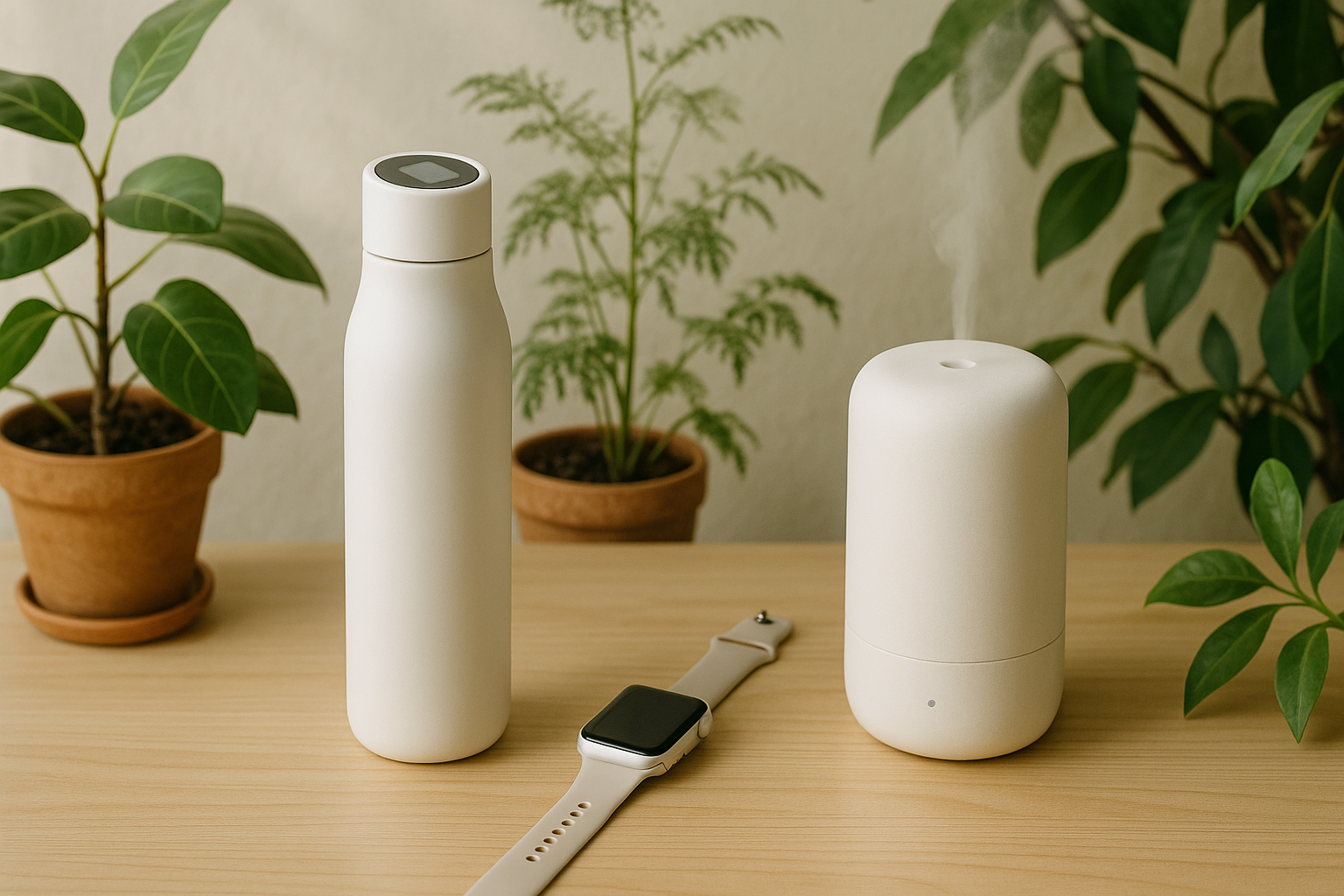
- What types of wearable devices are available? Wearable devices include fitness trackers, smartwatches, and specialized health monitoring devices.
- Can wearable analytics replace medical advice? No, wearable analytics should complement professional medical advice, not replace it.
- How accurate are the readings from wearable devices? While many wearable devices provide reasonably accurate data, their precision can vary based on the device and the type of measurement.
- Are there specific populations that should avoid using wearables? Individuals with certain medical conditions or those under a healthcare provider's care should consult before using wearables.
- How can I ensure my data is secure? Choose devices with strong data privacy policies, and regularly review privacy settings on connected apps.
Frequently asked
What types of wearable devices are available?
Wearable devices include fitness trackers, smartwatches, and specialized health monitoring devices.
Can wearable analytics replace medical advice?
No, wearable analytics should complement professional medical advice, not replace it.
How accurate are the readings from wearable devices?
While many wearable devices provide reasonably accurate data, their precision can vary based on the device and the type of measurement.
Are there specific populations that should avoid using wearables?
Individuals with certain medical conditions or those under a healthcare provider's care should consult before using wearables.
How can I ensure my data is secure?
Choose devices with strong data privacy policies, and regularly review privacy settings on connected apps.