Longevity Testing
Explore longevity testing, a key aspect of biomarker testing and tracking, that assesses your biological age and helps you make informed health decisions.

Longevity testing focuses on assessing biomarkers that may indicate an individual's biological age and potential lifespan. Through various tests, individuals can gain insights into their health and make informed decisions to enhance their longevity.
What It Is
Longevity testing is a growing field within biomarker testing and tracking, focusing on evaluating various biological markers that provide insights into an individual's health and potential lifespan. This testing aims to identify signs of aging and risk factors for age-related diseases, allowing individuals to make informed choices about their health strategies.
By measuring specific biomarkers, such as telomere length, inflammatory markers, and metabolic profiles, longevity testing can reveal discrepancies between chronological age and biological age. Understanding these differences can empower individuals to adopt healthier lifestyle choices aimed at increasing their longevity and improving overall well-being.
Mechanism / How It Works
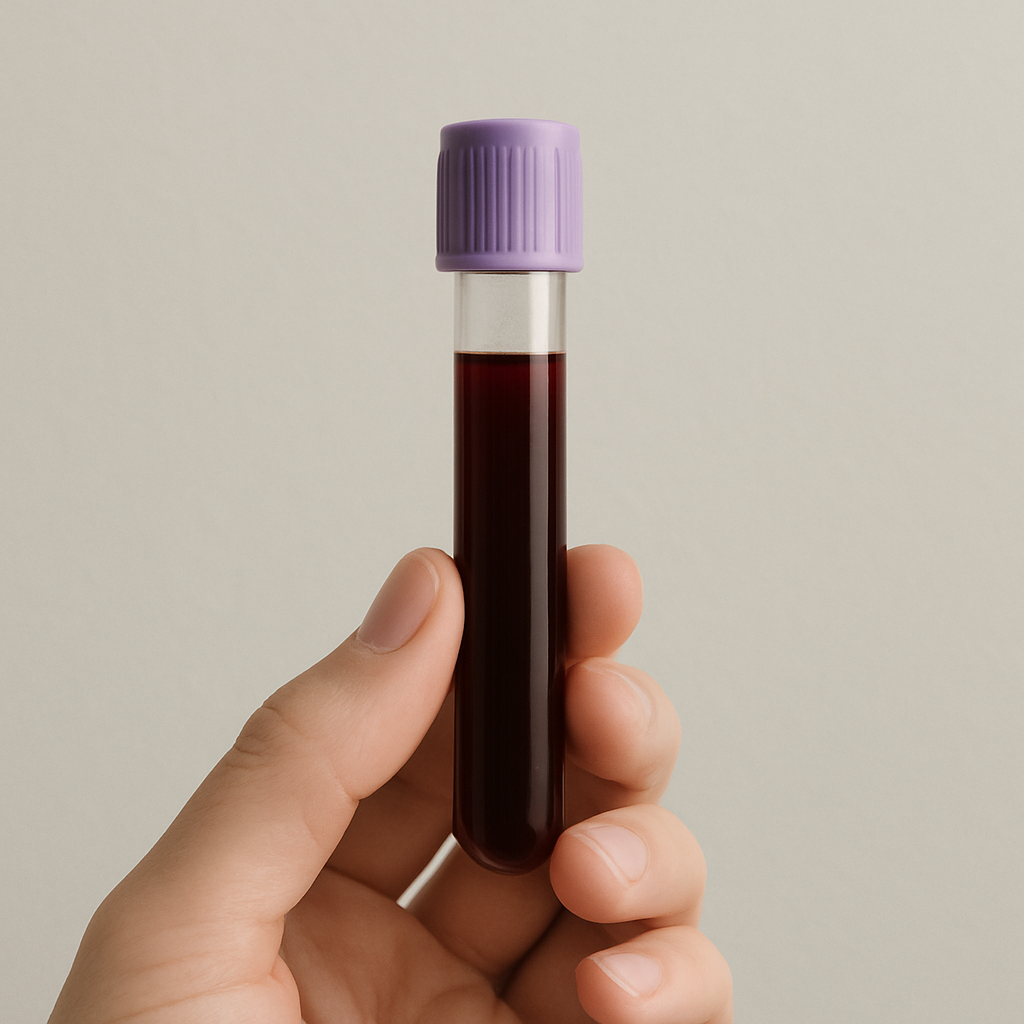
Longevity testing typically involves laboratory analyses of blood, saliva, or tissue samples to measure specific biomarkers associated with aging. These biomarkers can include:
- Telomere length, which shortens as cells divide and is considered a marker of cellular aging.
- Inflammatory markers like C-reactive protein (CRP) that indicate chronic inflammation, a known contributor to age-related diseases.
- Metabolomic profiles that assess the balance of metabolites in the body, reflecting overall metabolic health.
- Genetic markers that may indicate predispositions to certain age-related conditions.
Once these biomarkers are assessed, they can be compared to standard ranges, allowing individuals to understand their biological age relative to their chronological age. Advanced algorithms and age-predictive models may also be utilized to provide a comprehensive picture of health risk factors and longevity potential.
Evidence Summary
The research surrounding longevity testing is still evolving, and while some biomarkers have established correlations with aging and longevity, others remain under investigation. Preliminary studies have shown that:
- Telomere length is associated with lifespan and age-related diseases, but findings are mixed regarding its predictive power.
- Inflammation is a significant factor in aging, with chronic inflammation linked to various age-related conditions.
- Metabolomic analysis can identify metabolic dysfunctions that precede clinical disease, highlighting areas for intervention.
Clinical evidence supporting the effectiveness of longevity testing is growing, but there are conflicting findings regarding the reliability of some biomarkers. More extensive longitudinal studies are needed to establish definitive conclusions about the predictive value of these tests for longevity.
Practical Application
- Schedule regular testing to track changes in biomarkers over time, allowing for early intervention if necessary.
- Use results to inform lifestyle changes such as diet, exercise, and stress management aimed at reducing biological age.
- Consult with healthcare professionals to develop personalized health protocols based on testing outcomes.
Common pitfalls include over-reliance on test results without considering other health factors and failing to consult professionals for guidance on interpreting results. It's essential to view these tests as one component of a holistic approach to health.
Relevant Biomarkers & Tracking
Key biomarkers relevant to longevity testing include:
- Telomere length
- C-reactive protein (CRP)
- Insulin-like growth factor 1 (IGF-1)
- Blood glucose levels
- Lipid profiles
- Homocysteine levels
- Oxidative stress markers
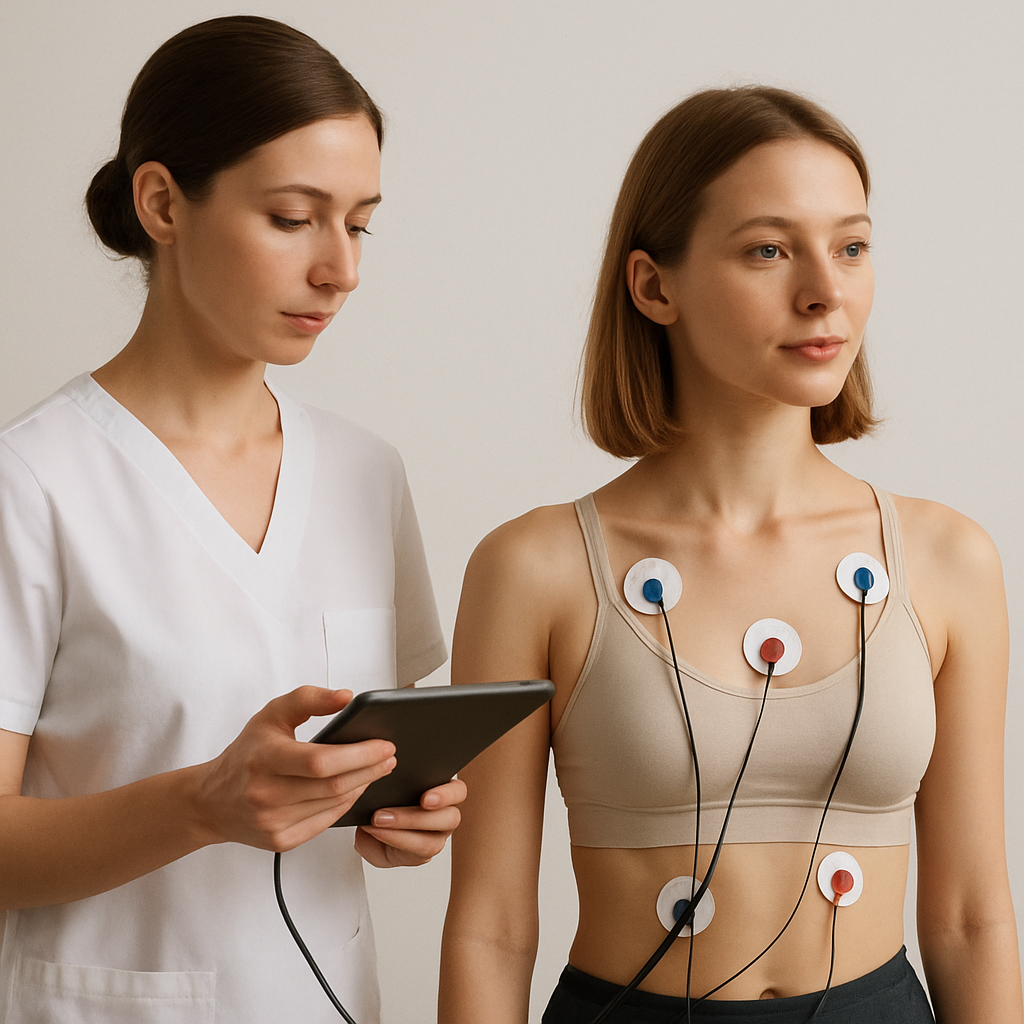
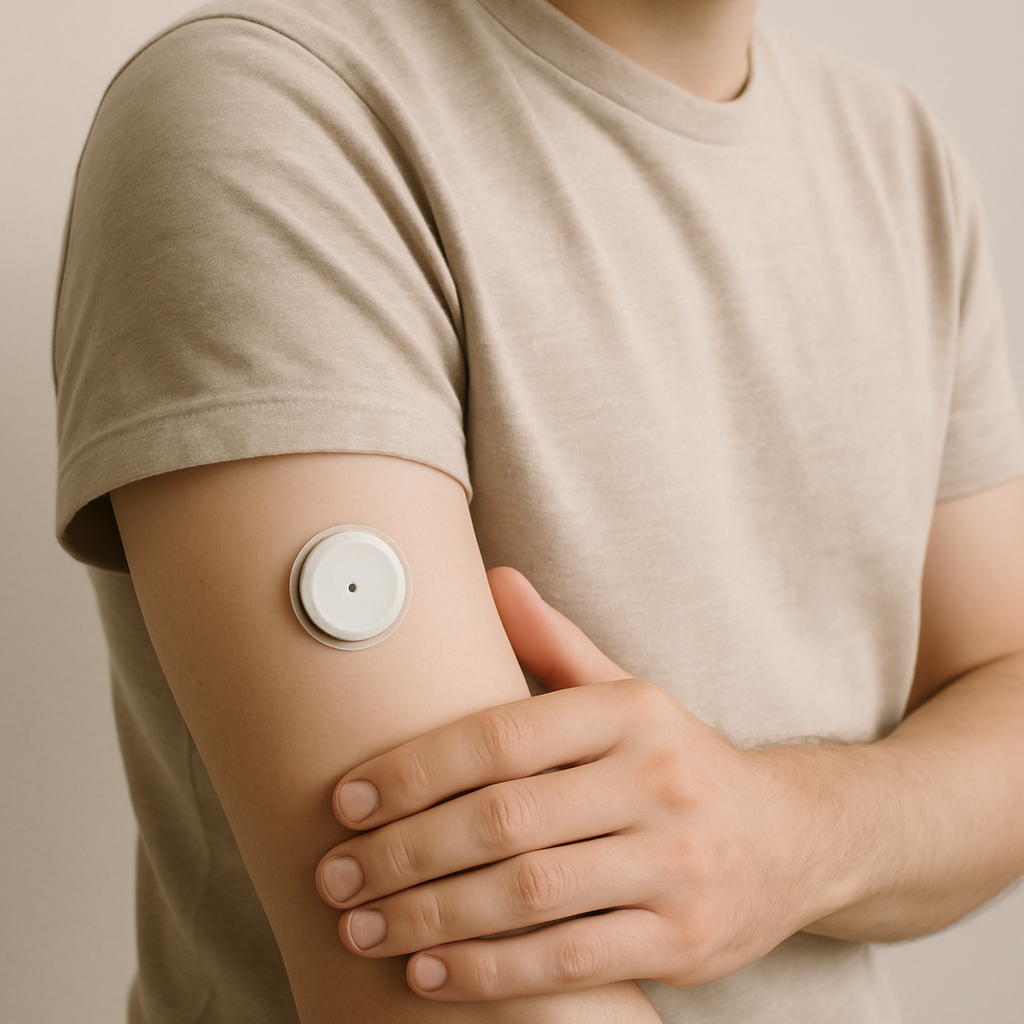
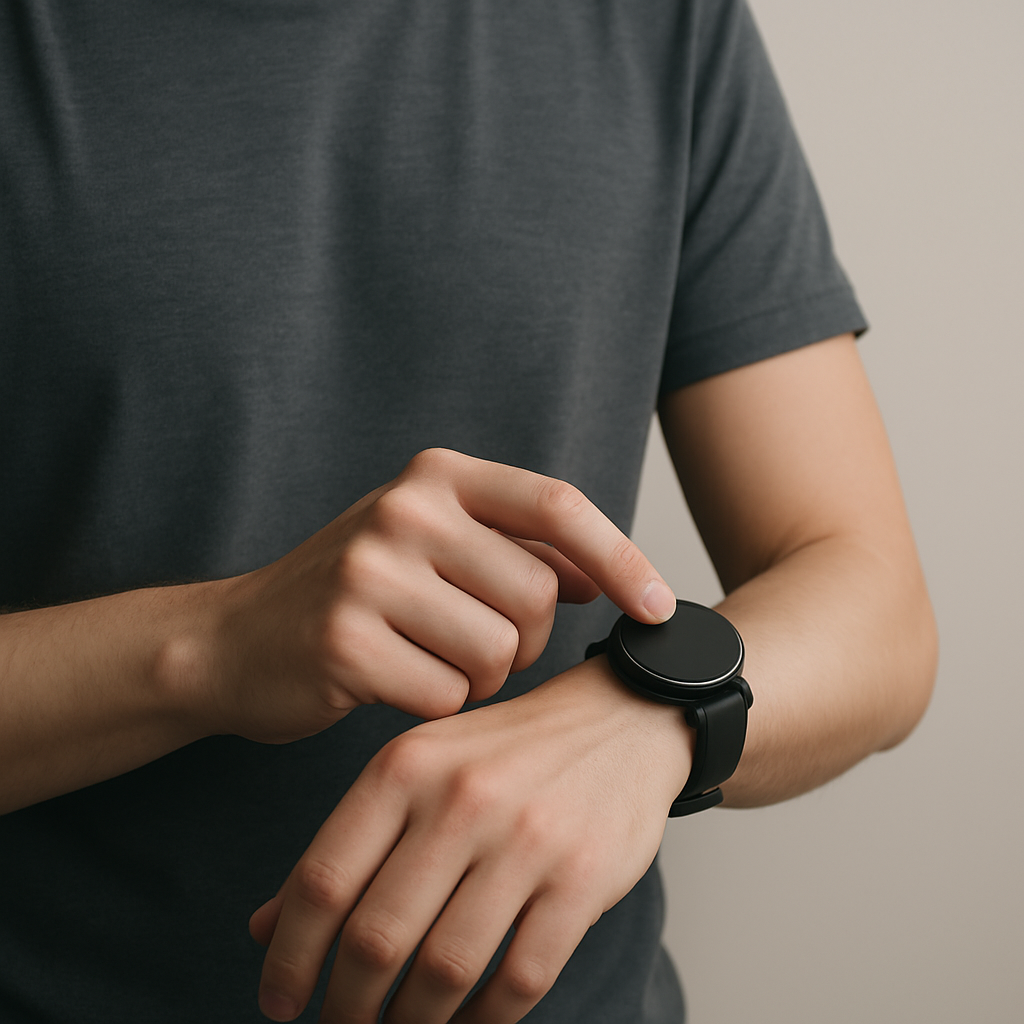
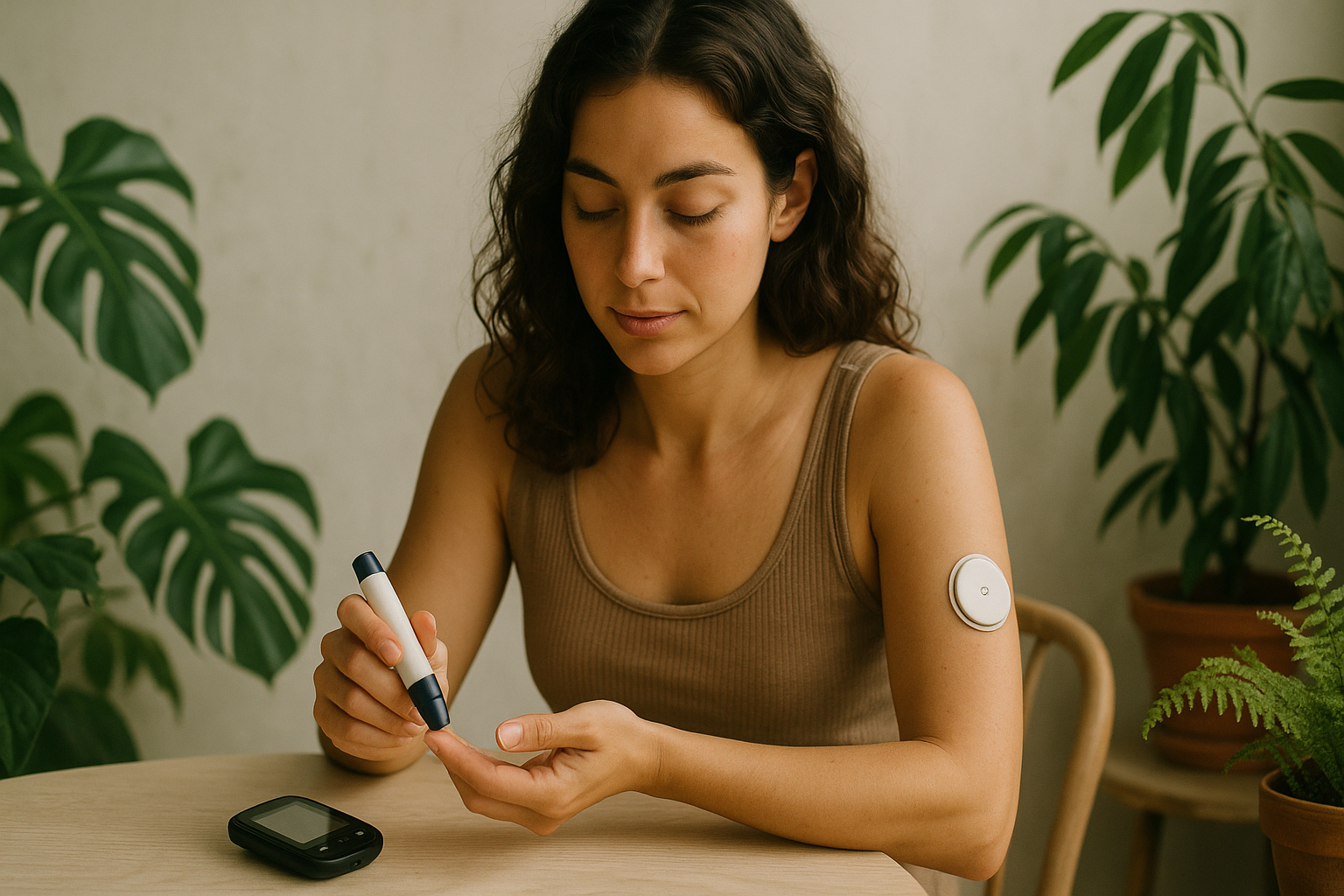
Tracking these biomarkers can be done through regular blood tests, at-home testing kits, or wearable technology that monitors health metrics. Keeping a log of changes over time can help identify trends and inform health decisions.
Body Systems Supported
Longevity testing can provide insights that support multiple body systems, including:
- Endocrine system - hormonal balance impacts metabolism and aging.
- Immune system - chronic inflammation affects immune function and overall health.
- Cardiovascular system - lipid profiles and inflammation markers are crucial for heart health.
- Metabolic system - understanding metabolic markers can guide dietary and exercise interventions.
Common Goals
The primary goals of longevity testing include:
- Identifying biological age and potential health risks.
- Guiding lifestyle changes to promote longevity.
- Improving overall health and vitality.
- Monitoring progress over time to assess the effectiveness of health interventions.
Safety, Contraindications & Edge Cases
Longevity testing is generally safe, but individuals should consider the following:
- Consult healthcare providers before undergoing testing, especially if there are existing health conditions.
- Be aware of psychological impacts, as knowledge of biological age may cause anxiety or stress.
- Some biomarkers may require fasting or specific preparation prior to testing, so follow instructions carefully.
Pairs Well With
Longevity testing can be complemented by various ancient and natural health practices, including:
- Traditional Chinese Medicine (TCM) - which emphasizes holistic health and balance.
- Ayurveda - a system that focuses on personalized health and longevity.
- Mindfulness and meditation practices - which can reduce stress and promote overall well-being.
- Nutrition and herbal remedies that support metabolic health.
FAQs (5)
- What is the purpose of longevity testing? Longevity testing aims to assess biological markers that indicate health status and potential lifespan, helping individuals make informed health choices.
- How often should I undergo longevity testing? The frequency can vary; however, many experts recommend annual testing to monitor changes over time.
- Are there any risks associated with longevity testing? Longevity testing is generally safe, but individuals should consult healthcare providers to address potential concerns.
- Can I improve my biological age? Yes, through lifestyle changes such as diet, exercise, and stress management, individuals can potentially improve their biological age.
- Is longevity testing covered by insurance? Coverage may vary by provider and plan, so it is advisable to check with your insurance provider regarding specifics.
Frequently asked
What is the purpose of longevity testing?
Longevity testing aims to assess biological markers that indicate health status and potential lifespan, helping individuals make informed health choices.
How often should I undergo longevity testing?
The frequency can vary; however, many experts recommend annual testing to monitor changes over time.
Are there any risks associated with longevity testing?
Longevity testing is generally safe, but individuals should consult healthcare providers to address potential concerns.
Can I improve my biological age?
Yes, through lifestyle changes such as diet, exercise, and stress management, individuals can potentially improve their biological age.
Is longevity testing covered by insurance?
Coverage may vary by provider and plan, so it is advisable to check with your insurance provider regarding specifics.