Health Dashboards
Explore the role of health dashboards in biomarker testing and tracking, their mechanisms, applications, and relevant biomarkers for a holistic approach to modern wellness.
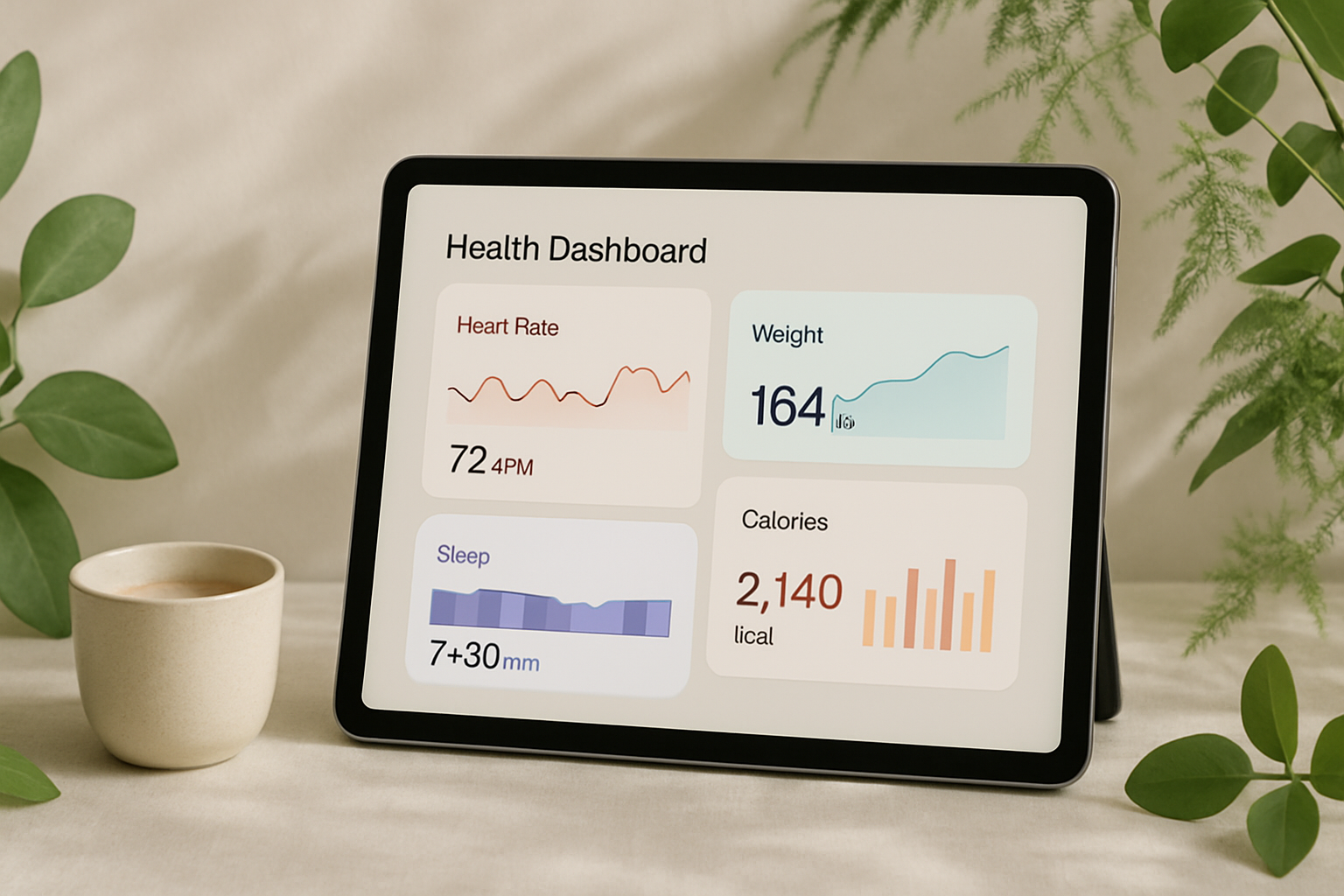
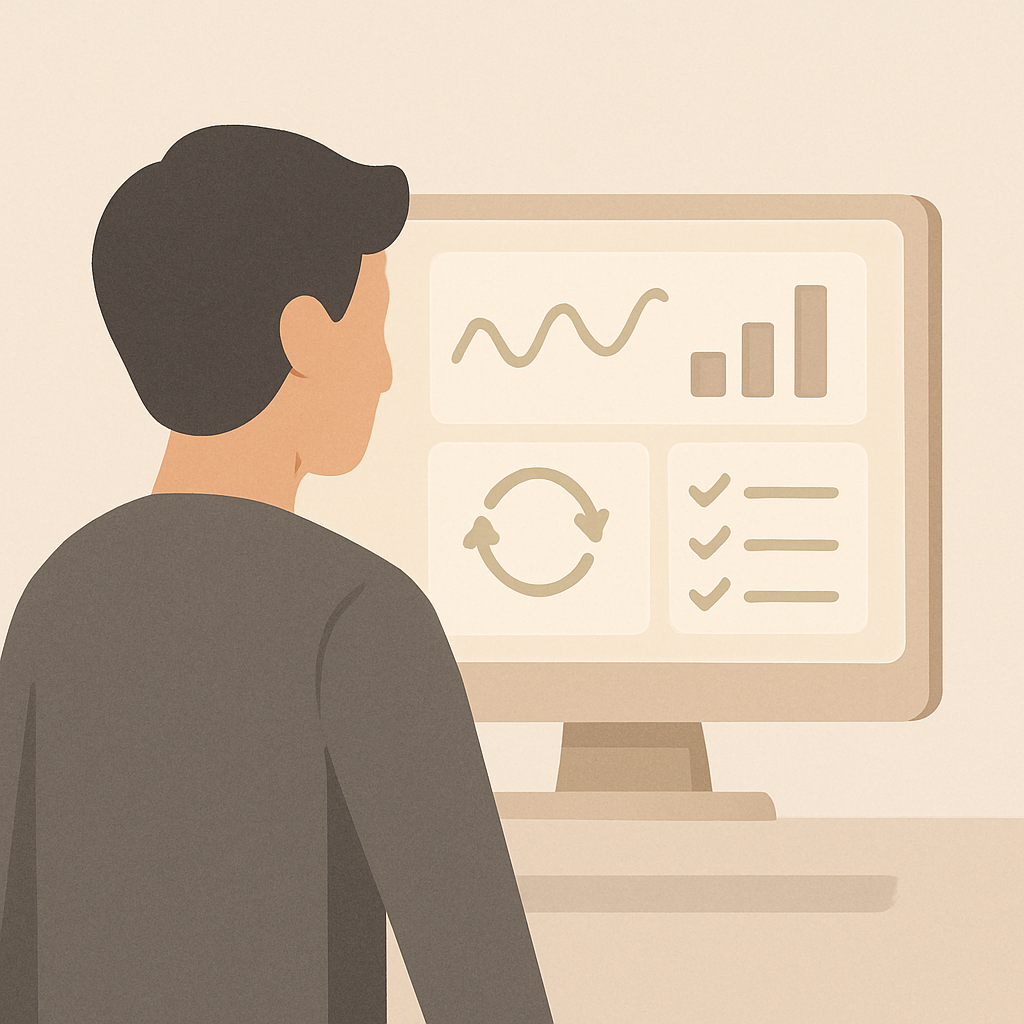
Health dashboards are digital tools that aggregate and display personal health data, allowing individuals to monitor various biomarkers and health metrics over time. These platforms offer a visual representation of health trends, making it easier to identify patterns and make informed decisions about wellness.
What It Is
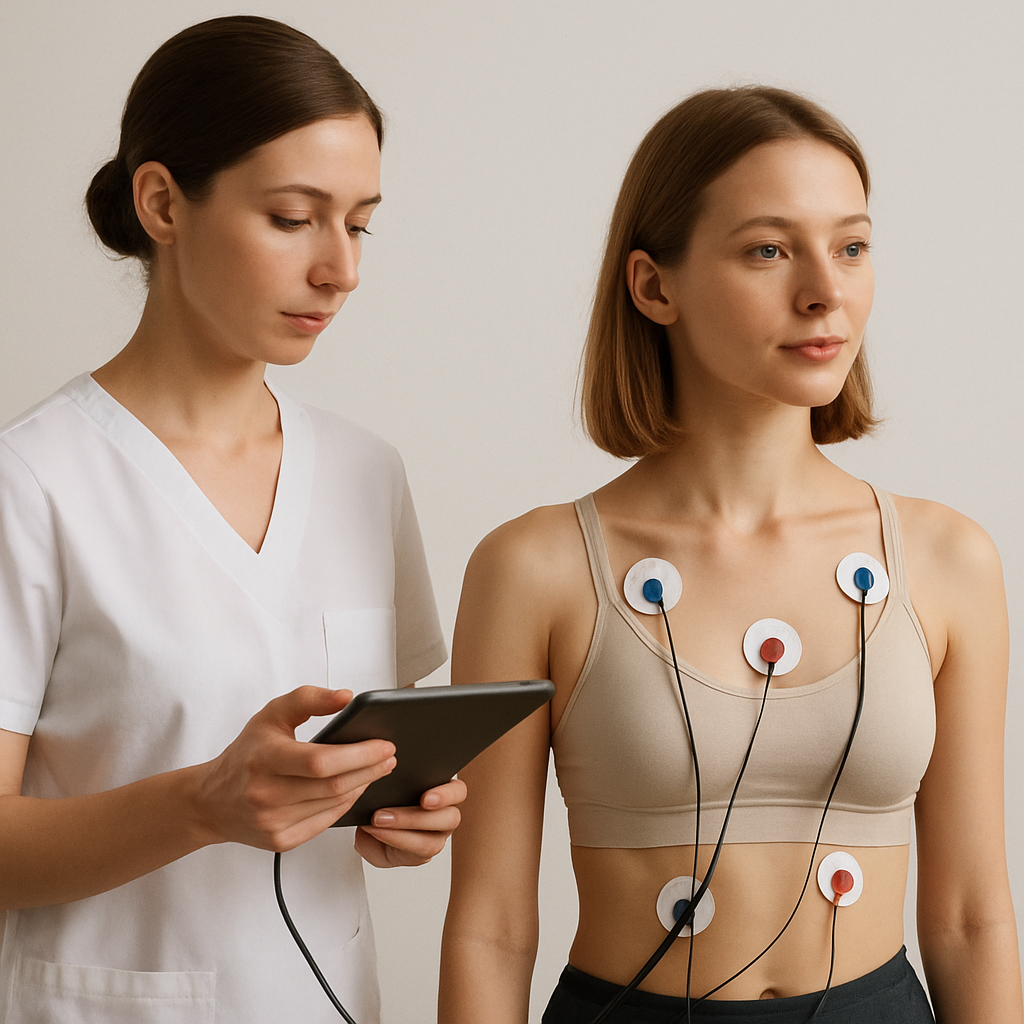
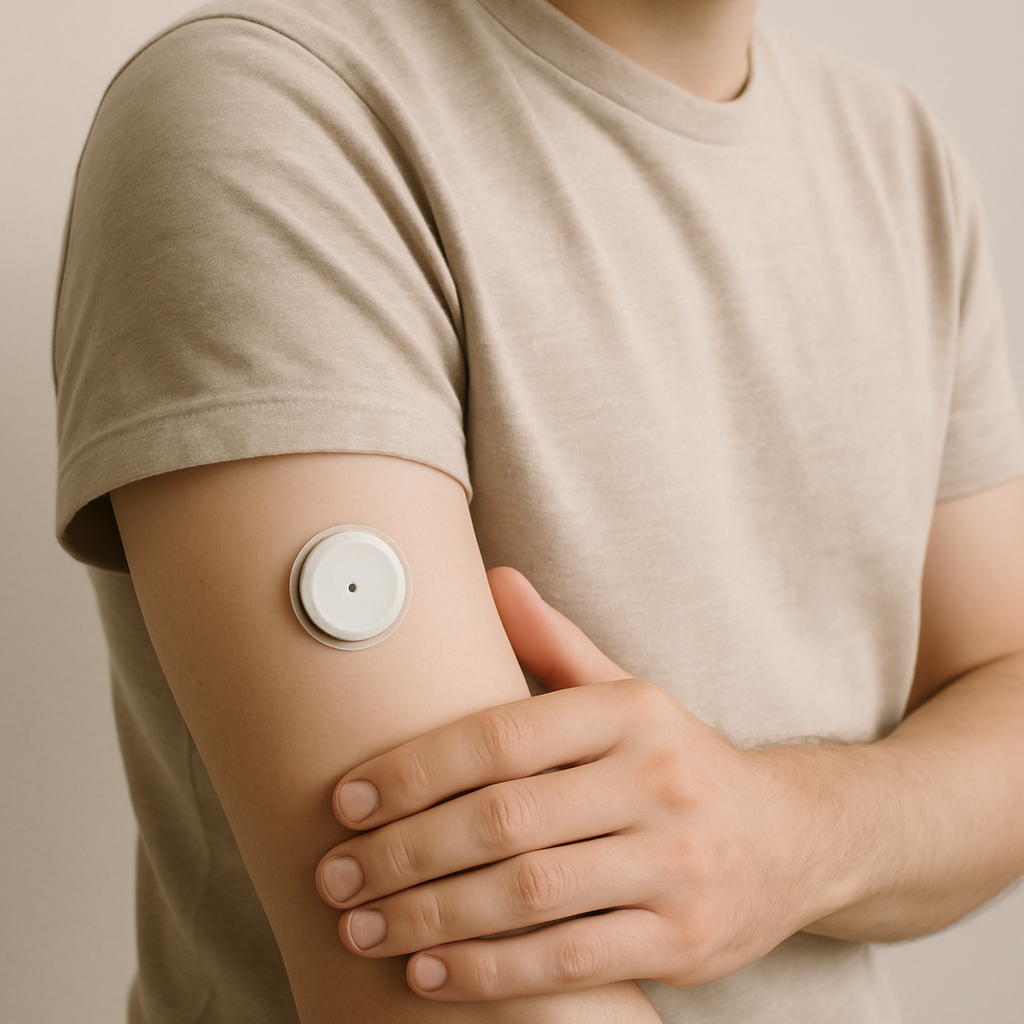
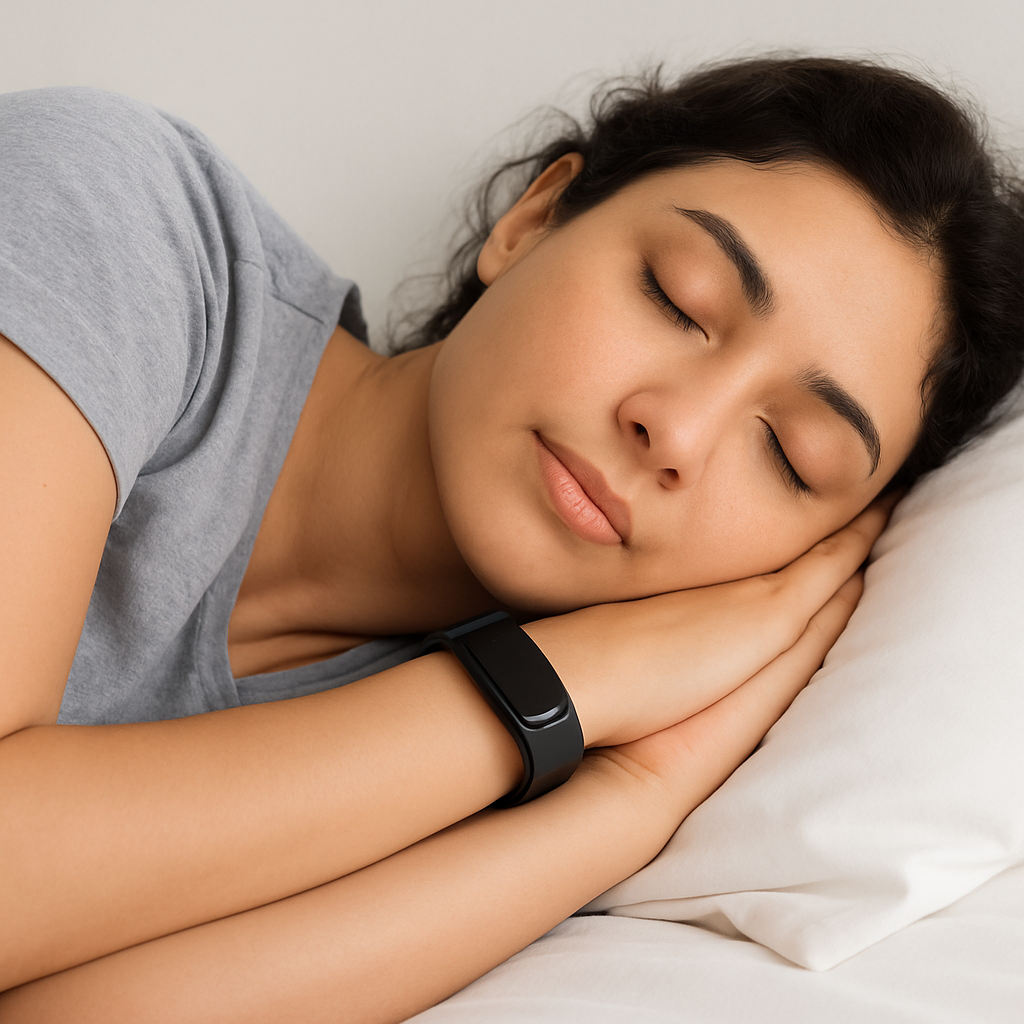
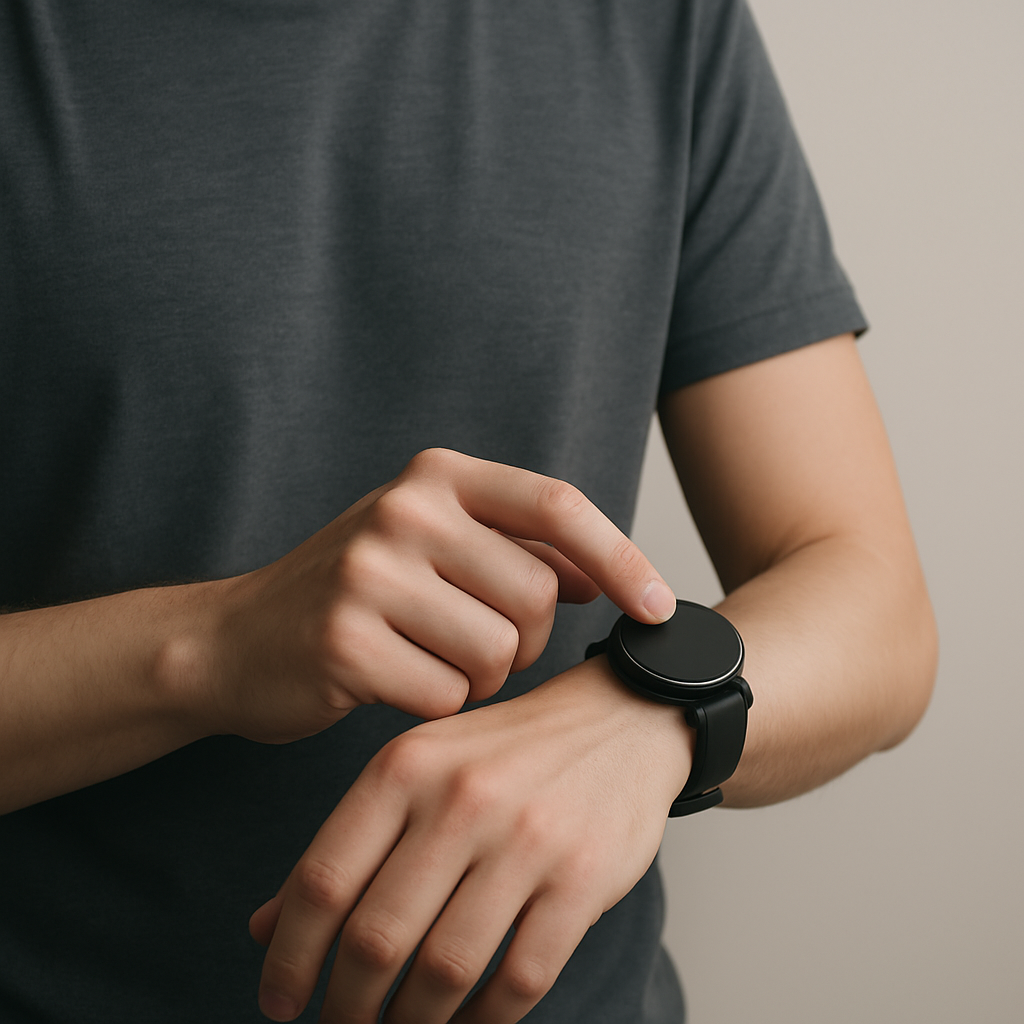
Health dashboards are digital platforms designed to collect, visualize, and analyze personal health data from various sources. These dashboards typically integrate data from biomarker testing, wearable devices, medical records, and self-reported information, providing users with a comprehensive view of their health status. By presenting this information in an accessible format, health dashboards facilitate better understanding and management of individual health metrics.
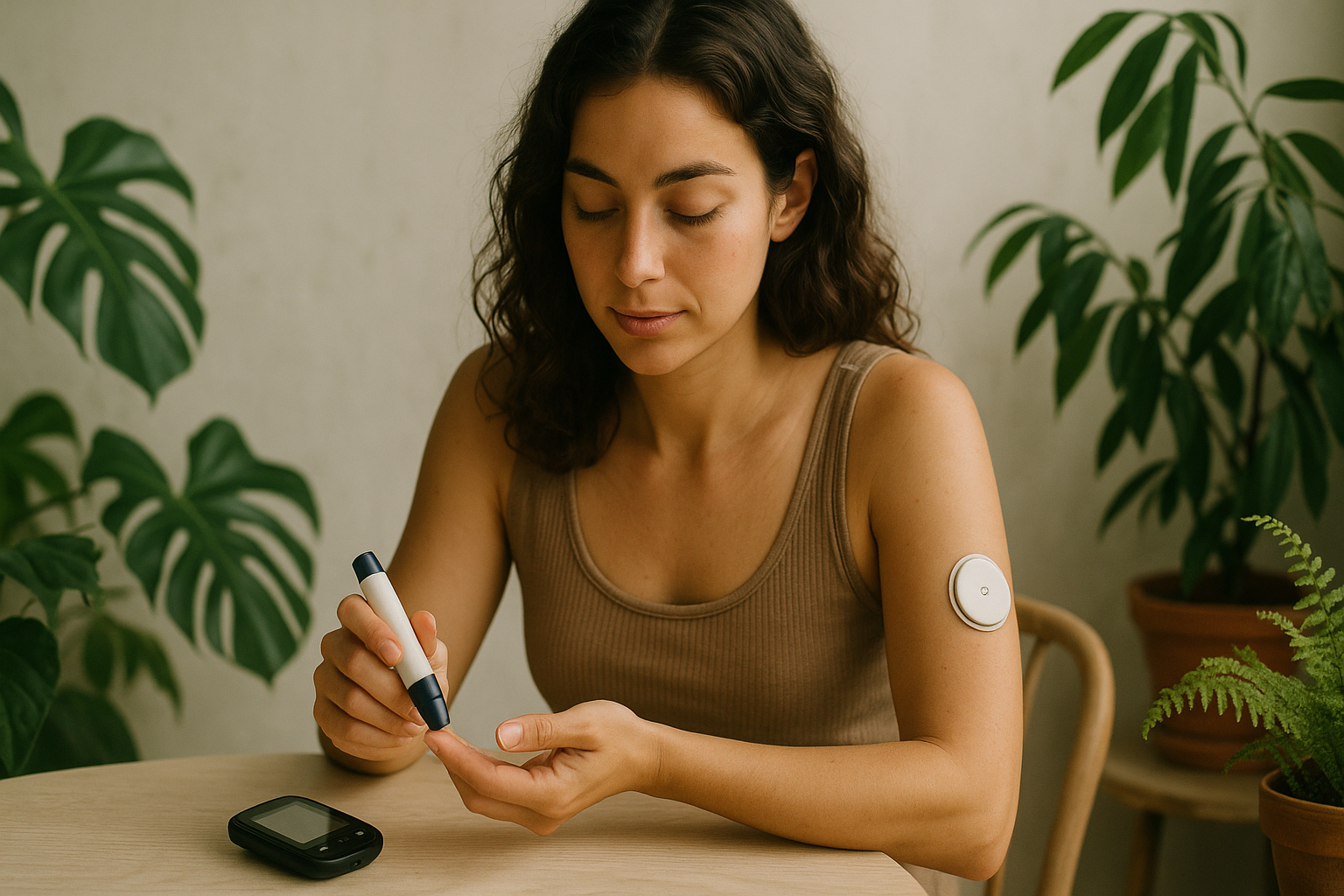
These tools are especially valuable in the era of personalized medicine, where tracking biomarkers can lead to more tailored health interventions. Users can monitor aspects like glucose levels, cholesterol, hormone levels, and more, allowing them to make informed decisions about their lifestyle and health management.
Mechanism / How It Works
Health dashboards operate by aggregating data from multiple sources, such as health apps, wearables, and laboratory tests. The data is then processed and displayed in user-friendly formats like graphs, charts, and tables. This visualization helps users easily track changes over time and understand their overall health trends.
Typically, these dashboards utilize algorithms to analyze data patterns, offering insights and recommendations based on individual health goals. Users can input their lifestyle choices, such as diet and exercise, which the dashboard can correlate with their biomarker data to provide a more holistic view of their health.
Evidence Summary
The effectiveness of health dashboards in improving health outcomes is still under investigation. Preliminary studies suggest that these tools can enhance patient engagement and self-management, leading to better adherence to treatment protocols and healthier lifestyle choices. However, clinical evidence remains limited, and more research is needed to establish definitive benefits.
Some studies highlight conflicting results regarding the accuracy and reliability of self-reported data versus clinical measurements. While health dashboards can empower users, reliance solely on these platforms without professional guidance may lead to misinterpretation of data.
Practical Application
To effectively integrate health dashboards into daily life, individuals should establish a routine for monitoring their biomarker data. This can involve setting specific health goals, such as improving cardiovascular health or managing diabetes, and regularly checking dashboard metrics related to those goals.
Common pitfalls include neglecting to update lifestyle changes in the dashboard or misinterpreting data trends. Users should also consider the importance of consulting healthcare professionals when making significant health decisions based on dashboard insights.
Relevant Biomarkers & Tracking
Health dashboards can track a variety of biomarkers, including:
- Blood glucose levels
- Cholesterol levels
- Vitamin D levels
- Hormone levels (e.g., cortisol, testosterone)
- Body mass index (BMI)
These biomarkers can provide crucial insights into metabolic health, hormonal balance, and overall well-being.
Body Systems Supported
Health dashboards can support various body systems, including:
- Endocrine system
- Cardiovascular system
- Metabolic system
- Immune system
- Nervous system
By tracking relevant biomarkers, users can gain insights into how these systems function and how lifestyle changes might impact them.
Common Goals
Individuals often use health dashboards to achieve specific wellness goals, such as:
- Weight management
- Improved blood sugar control
- Enhanced cardiovascular health
- Better hormonal balance
- Increased energy levels
By setting clear goals, users can utilize dashboard insights to create actionable health plans.
Safety, Contraindications & Edge Cases
While health dashboards are generally safe, users should be cautious about the accuracy of the data being inputted and the interpretations drawn from it. Individuals with chronic health conditions should not rely solely on dashboard insights for medical decisions but should seek professional advice.
Edge cases may include users who may misinterpret data trends or those who experience anxiety related to health tracking. It is essential for users to approach these tools with a balanced mindset and to consult healthcare providers when needed.
Pairs Well With
Health dashboards can complement various ancient and natural wellness practices, such as:
- Mindfulness and meditation for stress reduction
- Nutritional therapy based on personal dietary needs
- Herbal remedies to support specific bodily functions
- Physical activity regimens tailored to individual biomarker results
Integrating these practices can enhance the effectiveness of health dashboards and promote a holistic approach to wellness.
FAQs (5)
- What data can I track with a health dashboard?
You can track various biomarkers, including blood glucose, cholesterol, and hormone levels, as well as lifestyle factors like diet and exercise. - Are health dashboards suitable for everyone?
While generally safe, individuals with chronic health conditions should consult healthcare professionals before relying solely on dashboard insights. - How accurate is the data from health dashboards?
The accuracy can vary based on the sources of data. Self-reported information may not always align with clinical measurements. - Can health dashboards replace medical advice?
No, health dashboards should complement, not replace, professional medical advice. - How can I use a health dashboard effectively?
Set specific health goals and regularly monitor your biomarker data, while ensuring to consult with healthcare providers for significant health decisions.
Frequently asked
What data can I track with a health dashboard?
You can track various biomarkers, including blood glucose, cholesterol, and hormone levels, as well as lifestyle factors like diet and exercise.
Are health dashboards suitable for everyone?
While generally safe, individuals with chronic health conditions should consult healthcare professionals before relying solely on dashboard insights.
How accurate is the data from health dashboards?
The accuracy can vary based on the sources of data. Self-reported information may not always align with clinical measurements.
Can health dashboards replace medical advice?
No, health dashboards should complement, not replace, professional medical advice.
How can I use a health dashboard effectively?
Set specific health goals and regularly monitor your biomarker data, while ensuring to consult with healthcare providers for significant health decisions.