Blood Biomarkers
Delve into blood biomarkers within the realm of biomarker testing and tracking. Learn about their mechanisms, practical applications, and the body systems they support.

Explore the significance, mechanisms, and practical applications of blood biomarkers in modern wellness. Discover how they can help track health and wellness, understand relevant biomarkers and their implications, and learn about safety considerations.
What It Is
Blood biomarkers are measurable indicators found in the blood that can provide insights into an individual's health status, disease processes, and responses to treatment. These markers can include proteins, hormones, enzymes, and other substances that reflect physiological changes or abnormalities in the body. As part of biomarker testing and tracking, they play a crucial role in modern wellness by helping to assess risks, diagnose conditions, and monitor therapeutic efficacy.
In the context of wellness, blood biomarkers can facilitate personalized health interventions. By analyzing these markers, individuals and healthcare providers can tailor lifestyle changes, dietary modifications, and treatment plans to better meet health goals. This proactive approach underscores the shift from reactive to preventive healthcare, emphasizing the importance of maintaining optimal health through informed decision-making.
Mechanism / How It Works
The functionality of blood biomarkers hinges on their ability to reflect underlying physiological or pathological processes. When certain conditions arise, such as inflammation, infection, or metabolic changes, specific biomarkers may be released into the bloodstream or altered in concentration. For instance, elevated levels of cholesterol can indicate cardiovascular risk, while changes in glucose levels can signify diabetes.
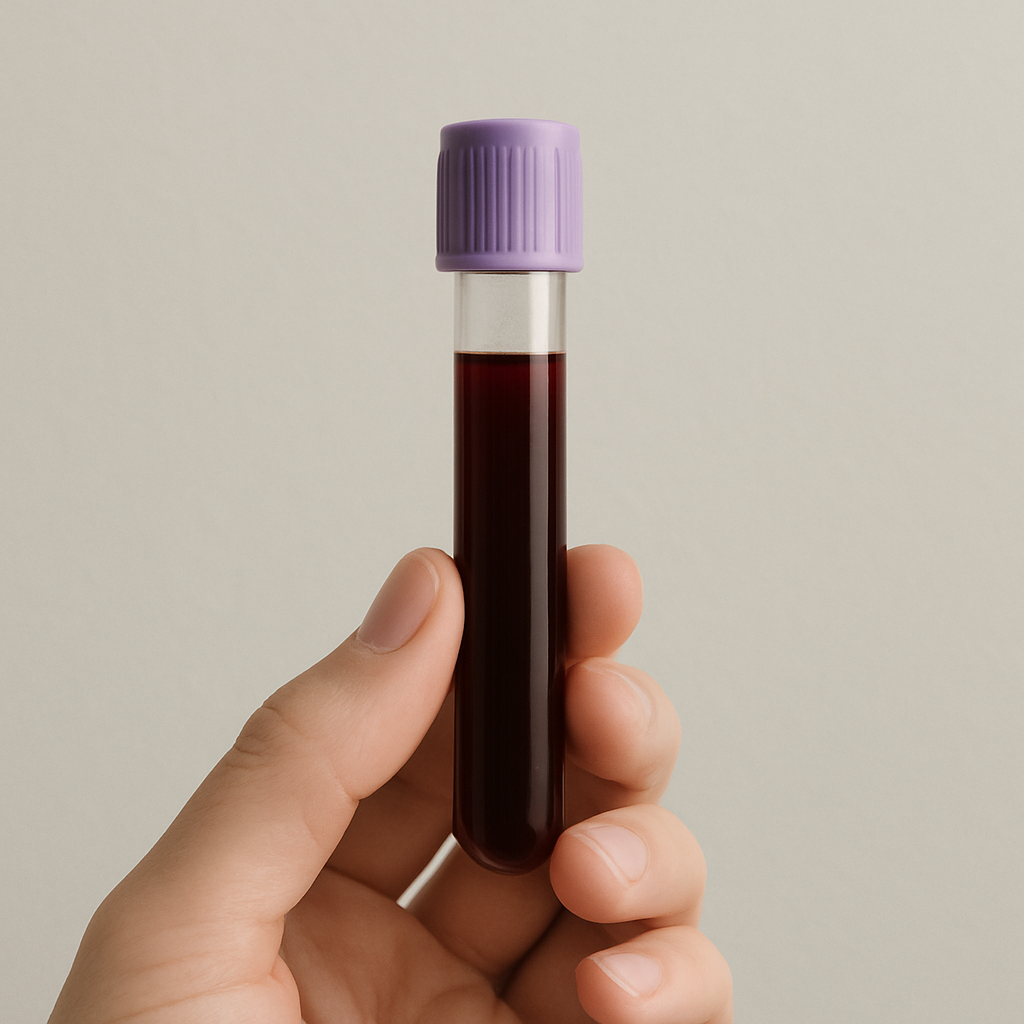
Testing for these biomarkers typically involves drawing a blood sample, which is then analyzed using various laboratory techniques. These may include immunoassays, mass spectrometry, or genetic profiling, depending on the specific biomarker being measured. The results can help healthcare providers interpret an individual's health status, track disease progression, and evaluate the effectiveness of treatments.
Evidence Summary
The body of evidence surrounding blood biomarkers is varied, with some markers being extensively validated while others remain in preliminary or conflicting stages of research. For example, markers such as C-reactive protein (CRP) and low-density lipoprotein (LDL) cholesterol have well-established correlations with inflammation and cardiovascular disease, respectively. Numerous studies have confirmed their predictive value in assessing health risks.
However, other biomarkers are still being explored, and their clinical utility might not be fully established. For instance, while certain genetic markers may suggest predisposition to diseases, the complexity of gene-environment interactions often complicates interpretations. Therefore, while blood biomarkers can be powerful tools, it's crucial to approach their use with a nuanced understanding of the current scientific landscape and the limitations inherent in emerging research.
Practical Application
To effectively integrate blood biomarker testing into a wellness routine, individuals should follow certain protocols. First, regular testing can provide valuable insights into health trends over time. It is advisable to work with healthcare professionals to determine the appropriate frequency of tests based on personal health goals and risk factors.
Daily integration of findings from blood biomarker tests can involve lifestyle adjustments. For example, if a test reveals elevated glucose levels, one might consider dietary changes to reduce sugar intake. Additionally, being aware of common pitfalls—such as over-reliance on single biomarkers without considering the full clinical picture—can enhance the effectiveness of biomarker tracking.
Relevant Biomarkers & Tracking
Several biomarkers are commonly used in tracking health and wellness. Some relevant examples include:
- Hemoglobin A1c: Reflects average blood glucose levels over the past two to three months, useful for diabetes management.
- High-Sensitivity C-Reactive Protein (hs-CRP): Indicates systemic inflammation, associated with various chronic diseases.
- Lipid Panel: Comprises cholesterol and triglyceride levels, important for cardiovascular health assessment.
- Vitamin D Levels: Essential for bone health and immune function, with implications for overall wellness.
- Thyroid Hormones: TSH, T3, and T4 are crucial for metabolic regulation and energy levels.
Tracking these biomarkers over time can help individuals identify patterns, assess the impact of lifestyle changes, and make informed decisions about their health.
Body Systems Supported
Blood biomarkers can provide insights into a variety of body systems, including:
- Endocrine System: Hormonal imbalances can be assessed through markers like thyroid hormones and insulin.
- Cardiovascular System: Lipid profiles and inflammatory markers help evaluate heart health.
- Immune System: Biomarkers such as CRP can indicate immune responses and inflammation.
- Metabolic System: Glucose and lipid levels reflect metabolic health and potential disorders like diabetes.
Common Goals
Individuals may pursue blood biomarker tracking for various health-related goals, including:
- Improving metabolic health and managing weight.
- Reducing inflammation and chronic disease risk.
- Optimizing nutrient levels for overall wellness.
- Tracking the effectiveness of lifestyle changes or treatments.
- Enhancing athletic performance through tailored approaches.
Safety, Contraindications & Edge Cases
While blood biomarker testing is generally safe, there are considerations to keep in mind. Some individuals may experience discomfort at the site of blood draw or have rare allergic reactions to testing materials. Additionally, certain medical conditions may affect biomarker levels, necessitating careful interpretation of results.
Contraindications for specific tests should be discussed with a healthcare provider to ensure safety, especially for individuals with bleeding disorders or those on anticoagulant therapy. Moreover, interpreting biomarkers in isolation without considering the broader clinical context can lead to misinterpretations, so collaboration with healthcare professionals is essential.
Pairs Well With
Blood biomarker testing can be complemented by various ancient or natural wellness practices:
- Nutrition: Whole foods and nutrient-dense diets can support optimal biomarker levels.
- Herbal Medicine: Certain herbs may help modulate inflammation and support metabolic health.
- Meditation and Mindfulness: Stress reduction techniques can positively influence biomarkers related to stress and inflammation.
- Physical Activity: Regular exercise is beneficial for maintaining healthy biomarker levels.
FAQs (5)
- What are blood biomarkers? Blood biomarkers are measurable substances in the blood that reflect health status or disease processes.
- How are blood biomarkers tested? Blood samples are drawn and analyzed using various laboratory techniques to measure specific biomarkers.
- What can blood biomarkers indicate? They can indicate risk for diseases, monitor treatment effectiveness, and provide insights into overall health.
- Are there any risks associated with blood biomarker testing? While generally safe, some individuals may experience discomfort or rare allergic reactions during blood draws.
- How can I use blood biomarker results in my wellness journey? Results can guide lifestyle changes, dietary adjustments, and inform discussions with healthcare providers about health goals.
Frequently asked
What are blood biomarkers?
Blood biomarkers are measurable substances in the blood that reflect health status or disease processes.
How are blood biomarkers tested?
Blood samples are drawn and analyzed using various laboratory techniques to measure specific biomarkers.
What can blood biomarkers indicate?
They can indicate risk for diseases, monitor treatment effectiveness, and provide insights into overall health.
Are there any risks associated with blood biomarker testing?
While generally safe, some individuals may experience discomfort or rare allergic reactions during blood draws.
How can I use blood biomarker results in my wellness journey?
Results can guide lifestyle changes, dietary adjustments, and inform discussions with healthcare providers about health goals.