Functional Diagnostics
Functional Diagnostics is a modern approach to wellness that utilizes biomarker testing for a comprehensive understanding of health. Learn about its mechanisms, evidence, practical applications, and more.

Explore the world of Functional Diagnostics within Biomarker Testing & Tracking, a cutting-edge approach in Modern Wellness. This guide covers its definition, mechanisms, evidence, practical applications, relevant biomarkers, supported body systems, goals, safety considerations, and complementary practices.
What It Is
Functional Diagnostics is a sophisticated method of understanding health and wellness through the analysis of biomarkers. This approach assesses various biological markers in the body to identify potential imbalances, dysfunctions, or underlying health issues. Unlike traditional diagnostics, which often focus solely on disease identification, Functional Diagnostics takes a holistic view, aiming to understand the body’s functioning as a whole.
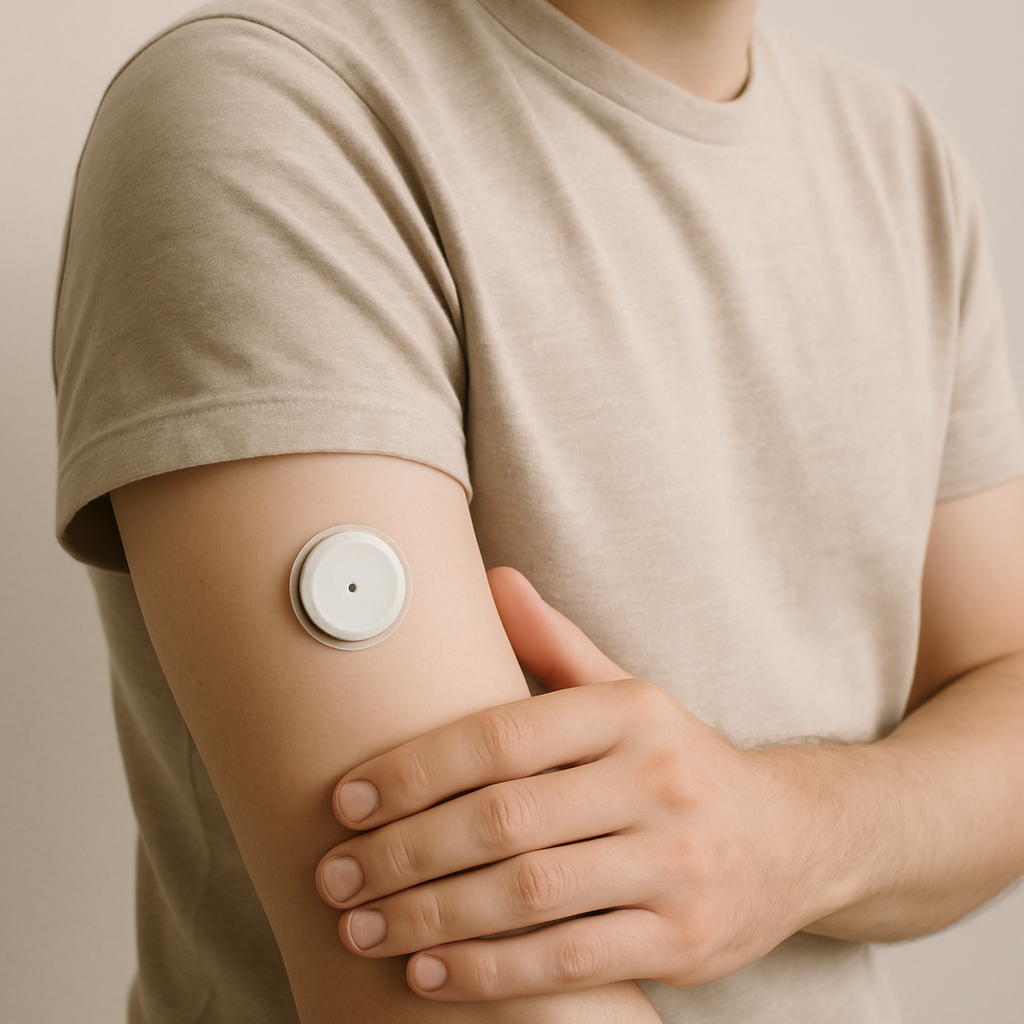
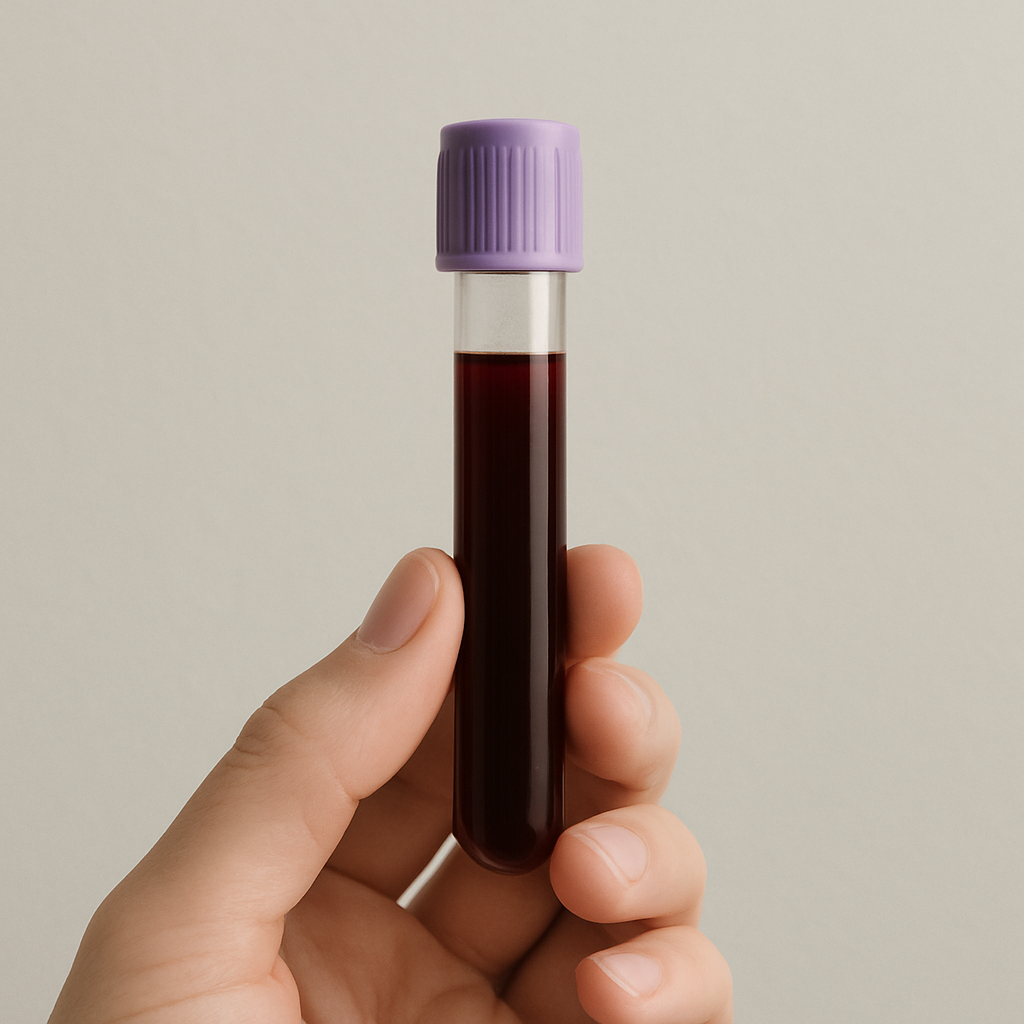
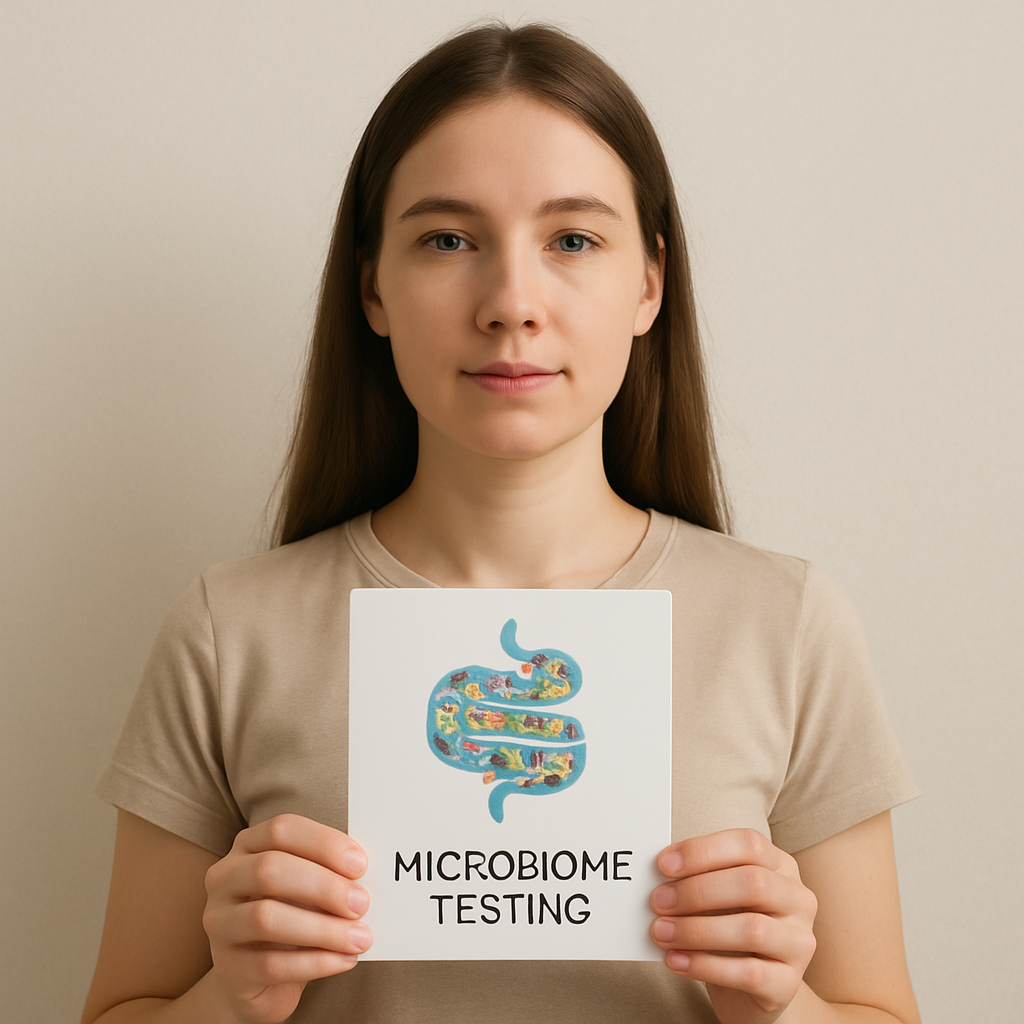
Biomarker testing can include a variety of measurements, such as blood, urine, or saliva tests, that provide insights into metabolic, hormonal, and immune functions. These biomarkers serve as indicators of health status, enabling practitioners to tailor personalized wellness plans based on individual needs and conditions. Functional Diagnostics emphasizes prevention and optimization of health rather than merely treating symptoms.
Mechanism / How It Works
The mechanism of Functional Diagnostics revolves around the collection and analysis of biomarkers that reflect the body’s physiological state. By employing advanced laboratory techniques, practitioners can measure specific substances in the body that signify how well different systems are functioning. For instance, hormone levels can indicate endocrine health, while nutrient levels might reveal nutritional deficiencies.
This process often involves correlating biomarker results with lifestyle factors, including diet, stress, sleep, and exercise. By integrating these data points, practitioners create a comprehensive profile of an individual's health, identifying areas for improvement and, consequently, designing targeted interventions.
Evidence Summary
The evidence surrounding Functional Diagnostics is a mix of preliminary findings and clinical studies, with some conflicting data. Research supports the effectiveness of biomarker testing in certain contexts, such as hormone balancing, metabolic health, and nutritional assessments. However, the field is still evolving, and more studies are needed to establish standardized protocols and validate the reliability of specific tests.
While some biomarkers are well-established in clinical settings, others may lack rigorous validation. Therefore, it is crucial to approach Functional Diagnostics with an understanding of its current limitations and the need for further research to solidify its applications.
Practical Application
Implementing Functional Diagnostics in daily life involves several key protocols. Individuals interested in this approach typically start with a thorough assessment that includes a comprehensive panel of biomarker tests. Based on the results, practitioners may recommend dietary changes, supplements, lifestyle modifications, or specific therapeutic interventions.
Common pitfalls include over-reliance on test results without considering the broader context of an individual’s lifestyle and health history. It is essential to view biomarker data as part of a larger picture rather than as isolated indicators. Regular follow-ups and adjustments to health plans are also important to ensure ongoing support and optimize outcomes.
Relevant Biomarkers & Tracking
Numerous biomarkers are relevant in Functional Diagnostics, each providing unique insights into various health aspects. Some commonly tracked biomarkers include:
- C-reactive protein (CRP) - an indicator of inflammation
- Thyroid hormones (T3, T4, TSH) - essential for metabolic function
- Vitamin D levels - important for immune health
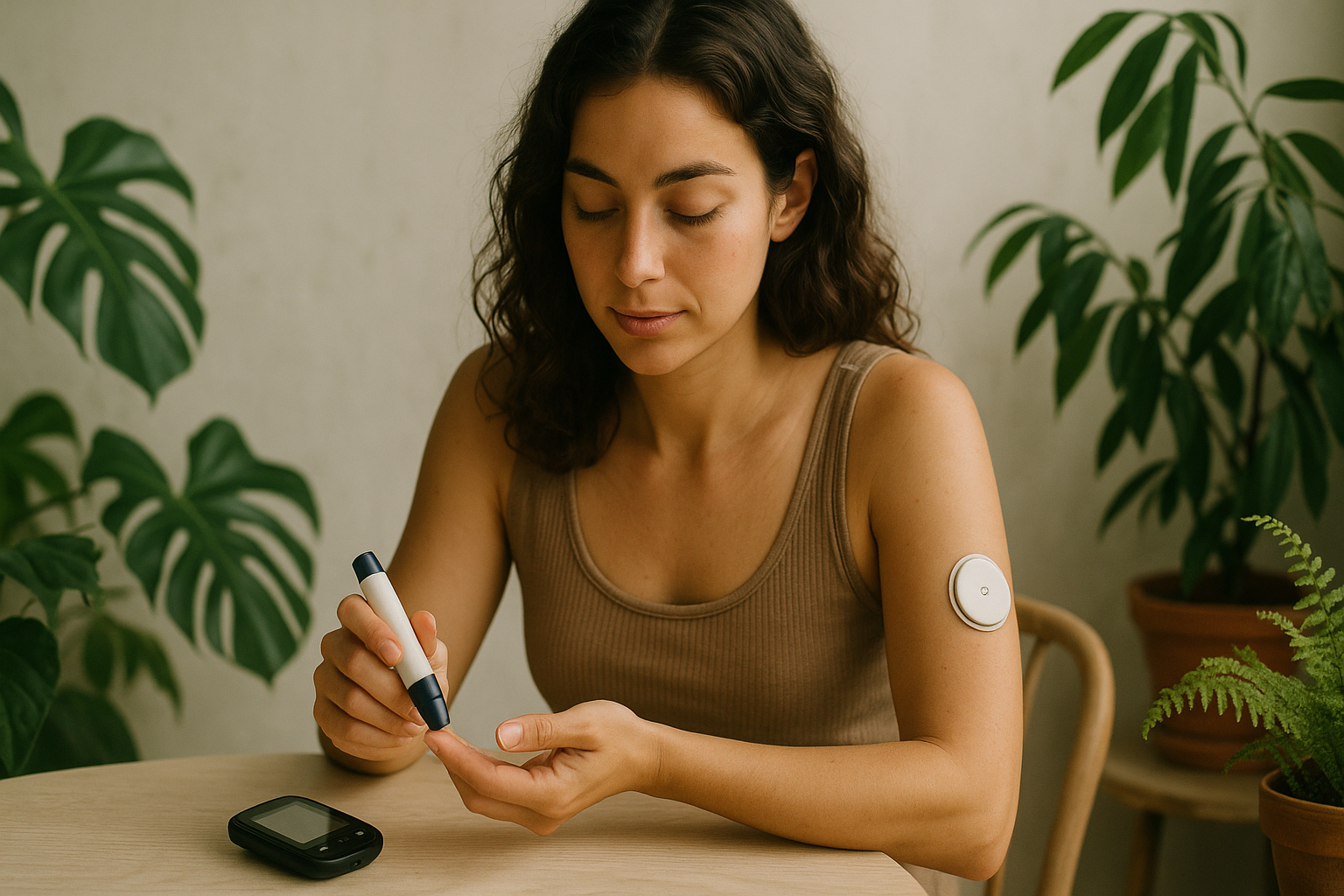
- Insulin and glucose levels - critical for metabolic health
- Hormonal profiles (e.g., estrogen, testosterone) - vital for reproductive and overall health
Tracking these biomarkers over time can help assess the effectiveness of health interventions and guide further adjustments.
Body Systems Supported
Functional Diagnostics supports multiple body systems, including:
- Endocrine system - through hormone balancing
- Immune system - by monitoring inflammatory markers
- Digestive system - through nutrient absorption assessments
- Metabolic system - by evaluating glucose and lipid levels
- Nervous system - by measuring neurotransmitter levels
This comprehensive approach allows for a more integrated view of health, addressing multiple systems simultaneously.
Common Goals
The primary goals of Functional Diagnostics include:
- Identifying and addressing underlying health issues
- Optimizing hormonal balance
- Enhancing metabolic function
- Improving nutrient status
- Reducing inflammation
These goals align with the overarching aim of achieving optimal wellness, rather than merely preventing or treating disease.
Safety, Contraindications & Edge Cases
Functional Diagnostics is generally considered safe; however, individuals should be aware of potential contraindications. For example, certain biomarkers may require specific preparation before testing, such as fasting for blood tests. Additionally, individuals with specific health conditions may require modified testing approaches.
It is essential to consult with a qualified practitioner who can interpret results accurately and provide guidance tailored to individual needs. Awareness of edge cases, such as the impact of medications or acute illnesses on biomarker results, is also crucial for accurate interpretation.
Pairs Well With
Functional Diagnostics can be effectively paired with other wellness practices and approaches, including:
- Nutrition therapy - to support dietary changes based on biomarker results
- Mindfulness practices - to address stress and mental health
- Physical activity programs - to enhance metabolic health
- Herbal medicine - as a complementary approach to address specific health concerns
These combinations can create a more holistic wellness plan that supports overall health and vitality.
FAQs (5)
- What is the primary benefit of Functional Diagnostics? It offers a comprehensive understanding of health by analyzing various biomarkers, allowing for personalized wellness plans.
- Are there any risks associated with biomarker testing? Generally, biomarker testing is safe, but preparation requirements and individual health conditions should be considered.
- How often should I undergo Functional Diagnostics? The frequency can vary; typically, follow-up testing is conducted every few months to assess progress and make necessary adjustments.
- Can Functional Diagnostics replace traditional medical care? It is not intended to replace traditional care but rather to complement it by providing additional insights into health.
- What should I do if I get conflicting results from tests? Consult with a qualified practitioner to interpret the results in the context of your overall health and lifestyle.
Frequently asked
What is the primary benefit of Functional Diagnostics?
It offers a comprehensive understanding of health by analyzing various biomarkers, allowing for personalized wellness plans.
Are there any risks associated with biomarker testing?
Generally, biomarker testing is safe, but preparation requirements and individual health conditions should be considered.
How often should I undergo Functional Diagnostics?
The frequency can vary; typically, follow-up testing is conducted every few months to assess progress and make necessary adjustments.
Can Functional Diagnostics replace traditional medical care?
It is not intended to replace traditional care but rather to complement it by providing additional insights into health.
What should I do if I get conflicting results from tests?
Consult with a qualified practitioner to interpret the results in the context of your overall health and lifestyle.