Recovery Analytics
Dive into recovery analytics, a crucial component of biomarker testing that enhances wellness through data-driven insights on recovery processes.

Explore the role of recovery analytics in biomarker testing and tracking within modern wellness. Discover how it works, the evidence supporting its use, practical applications, and relevant biomarkers.
What It Is
Recovery analytics refers to the systematic measurement and evaluation of various physiological and psychological markers that indicate an individual's recovery status following physical exertion, stress, or injury. It encompasses technologies and methodologies that track biomarkers related to recovery, such as heart rate variability, sleep quality, and inflammation levels. By analyzing these metrics, individuals and healthcare professionals can gain valuable insights into the body’s recovery processes and optimize performance and well-being.
At its core, recovery analytics provides a quantitative approach to understanding how well the body is recovering from stressors. This data-driven method can help individuals tailor their recovery strategies, ensuring they are not only effective but also personalized to their unique physiological responses. As a component of modern wellness, recovery analytics blends technology with traditional health practices to enhance physical and mental well-being.
Mechanism / How It Works
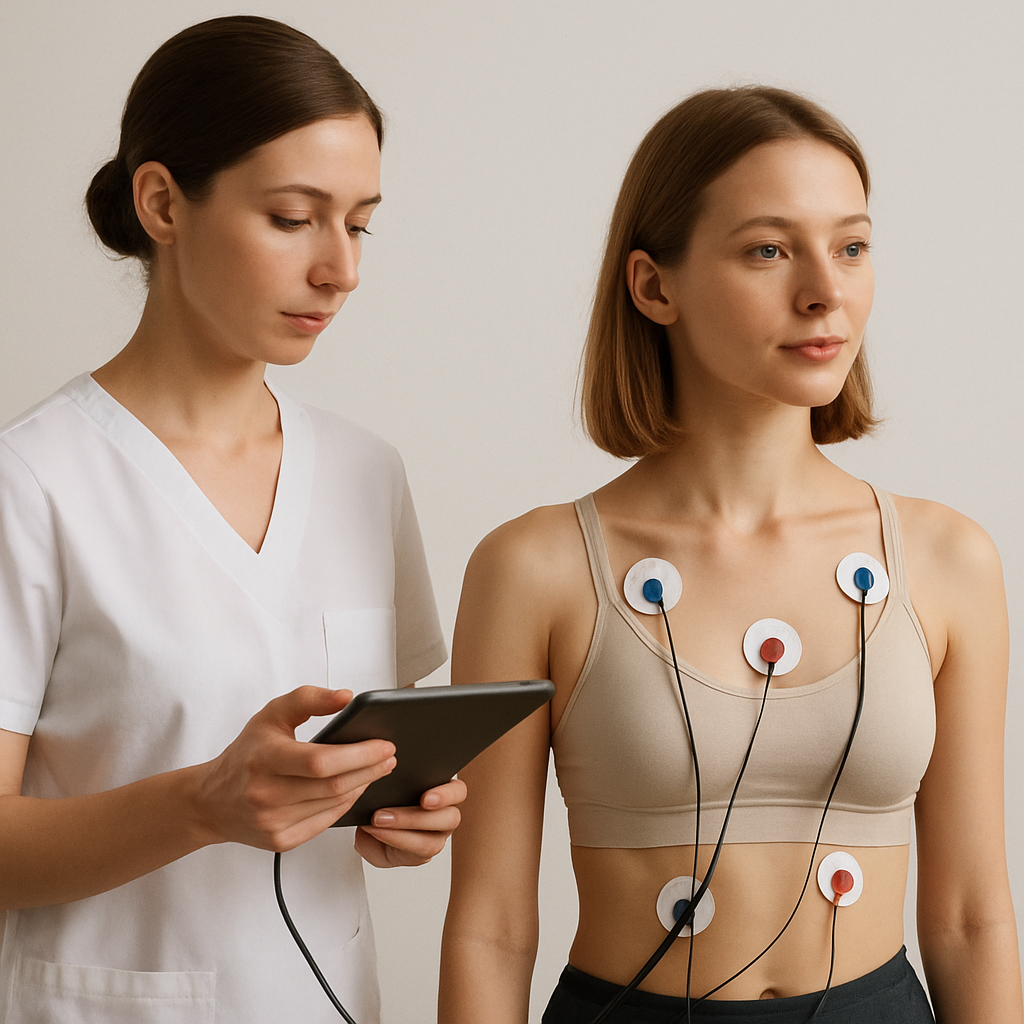
Recovery analytics works by utilizing various biomarker testing techniques to gather data on physiological responses to stress and recovery. Common methods include:
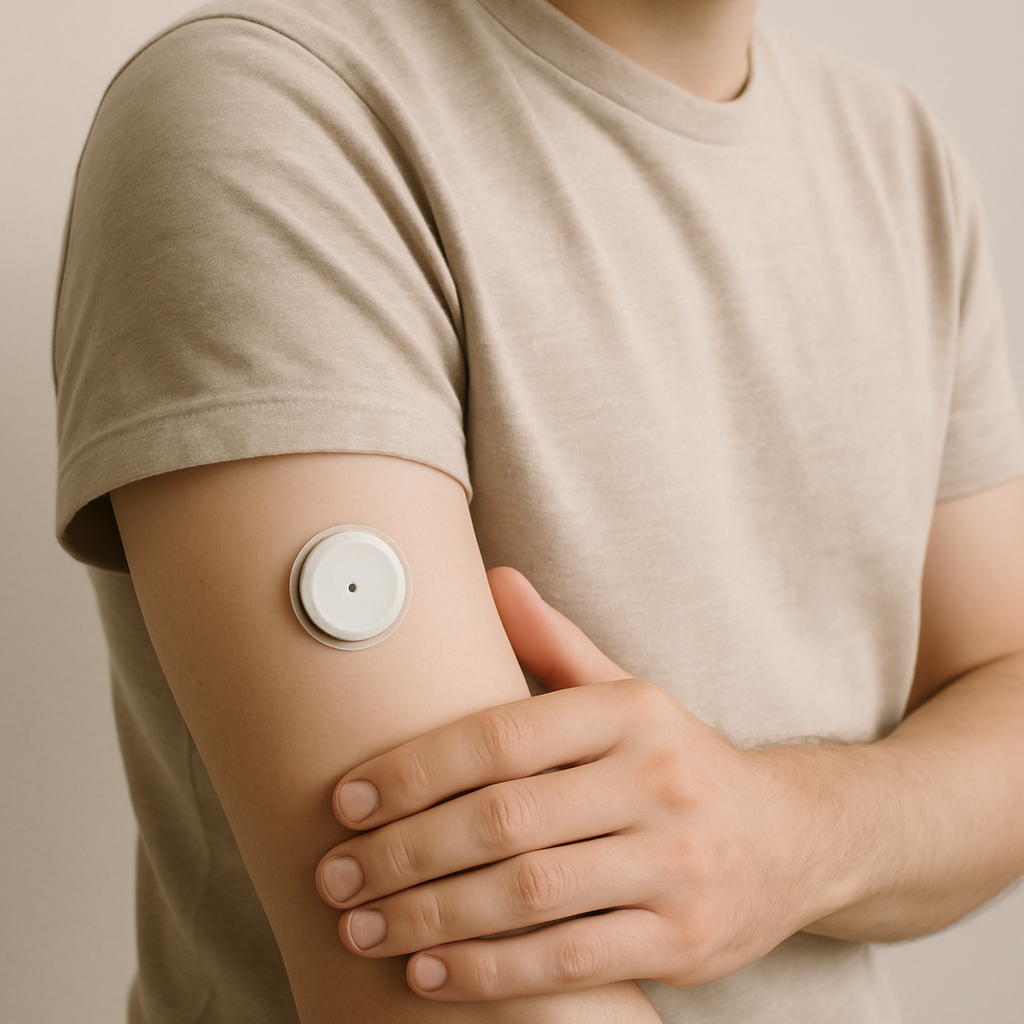
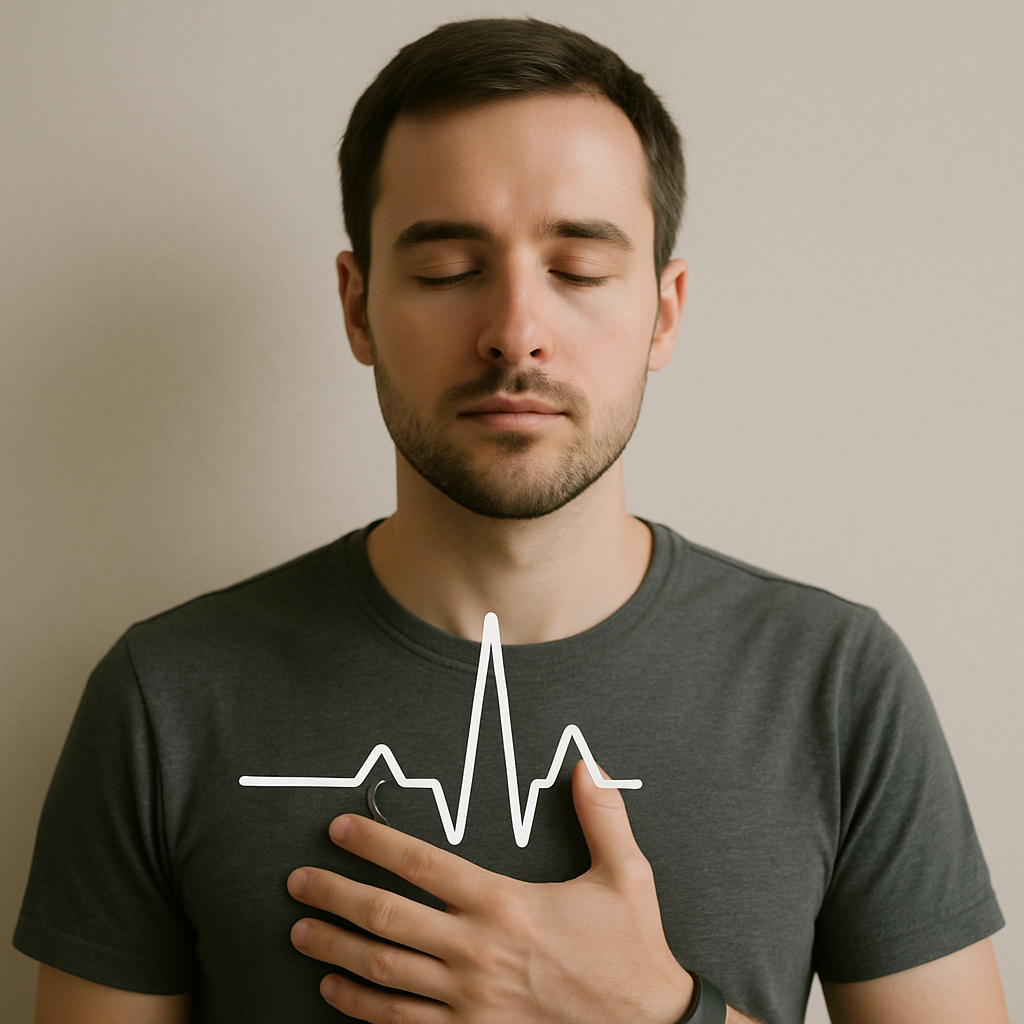
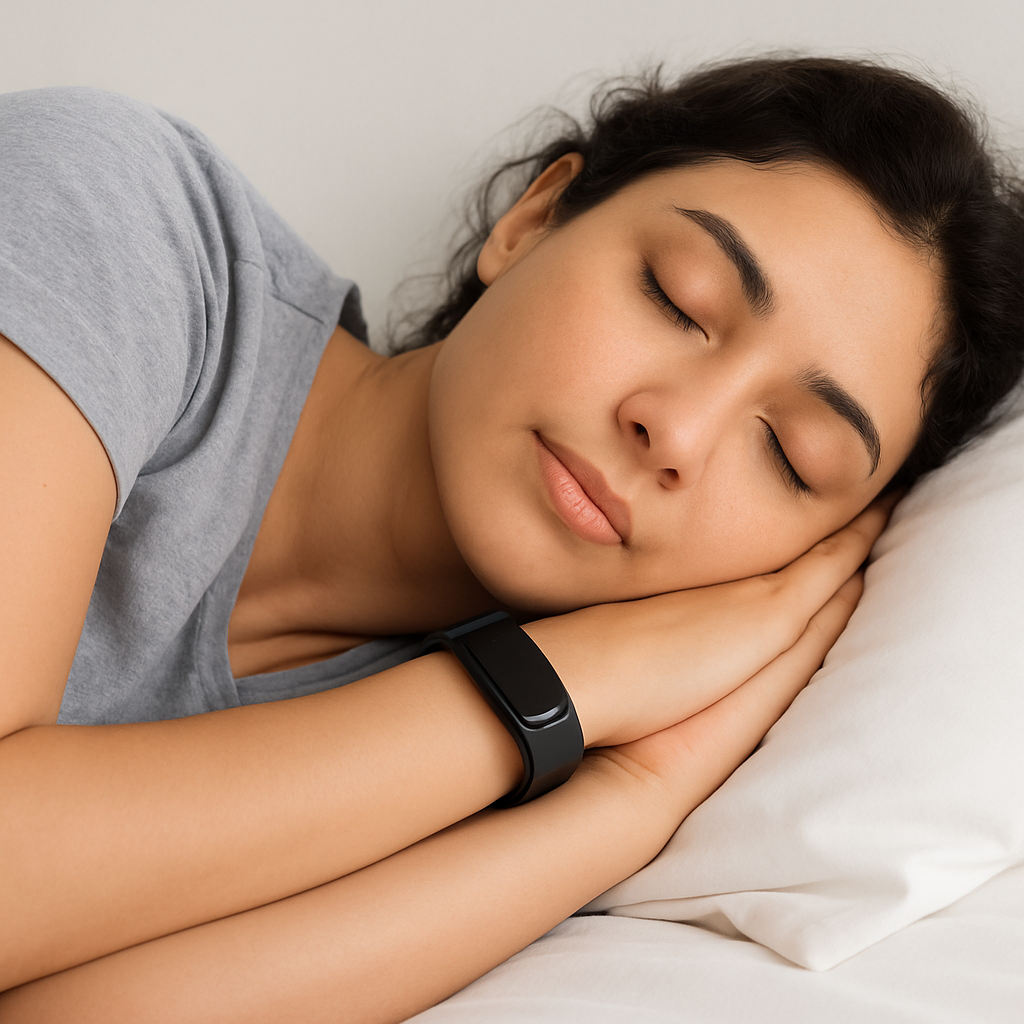
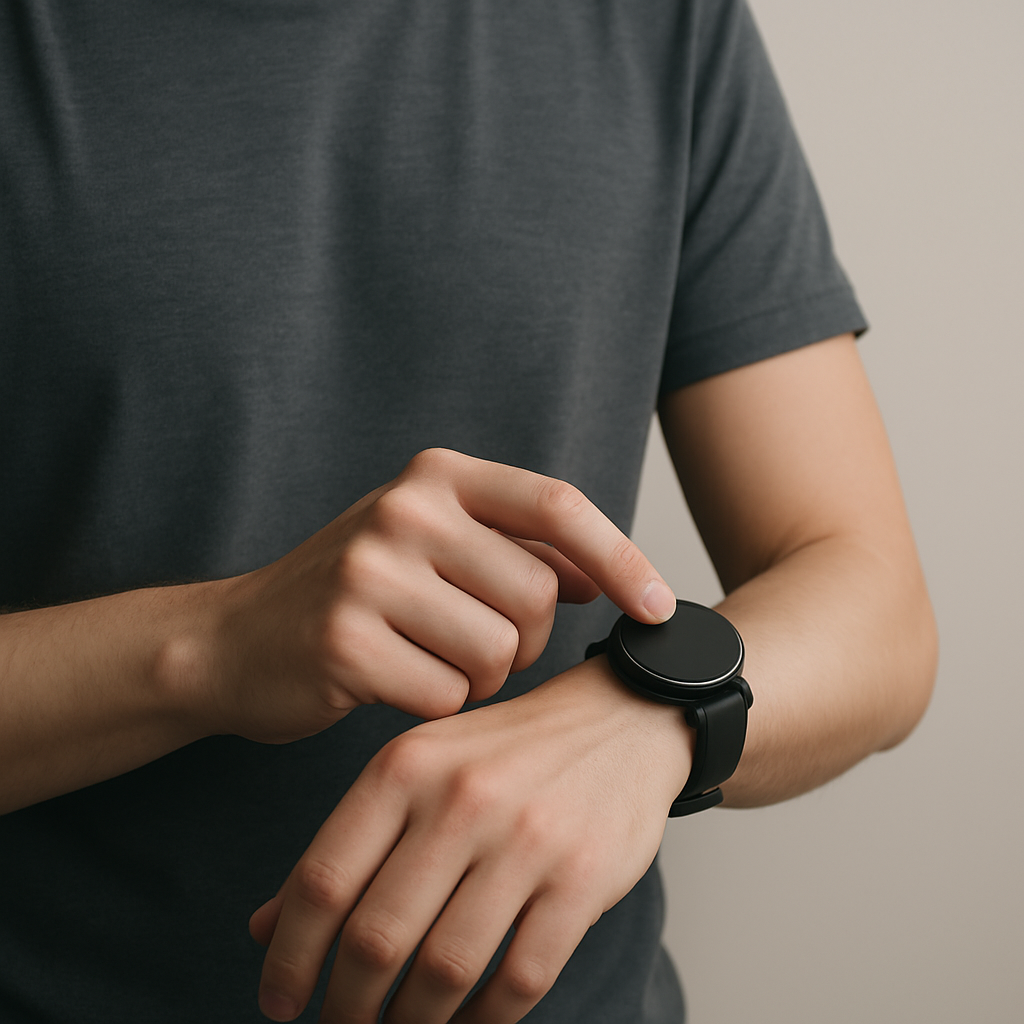
- Wearable Technology: Devices like heart rate monitors and fitness trackers provide real-time data on heart rate, activity levels, and sleep patterns.
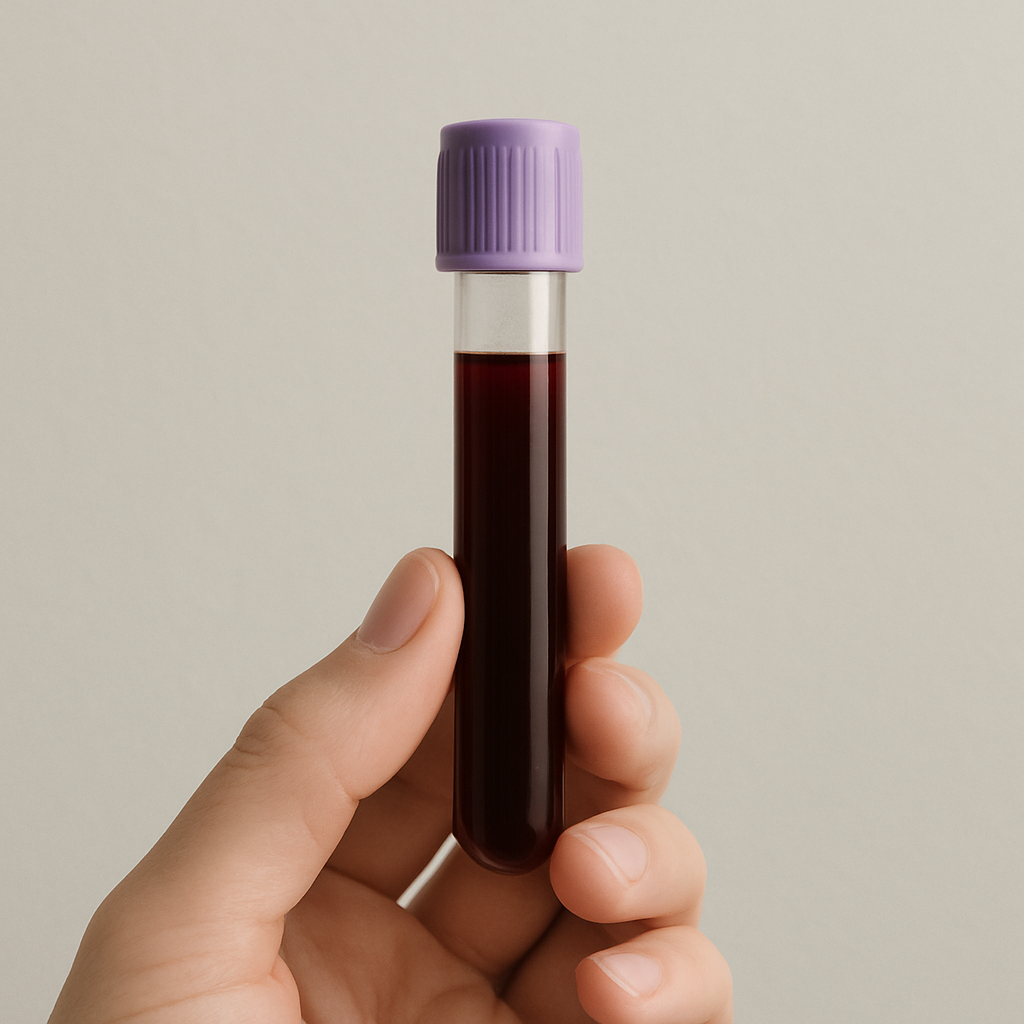
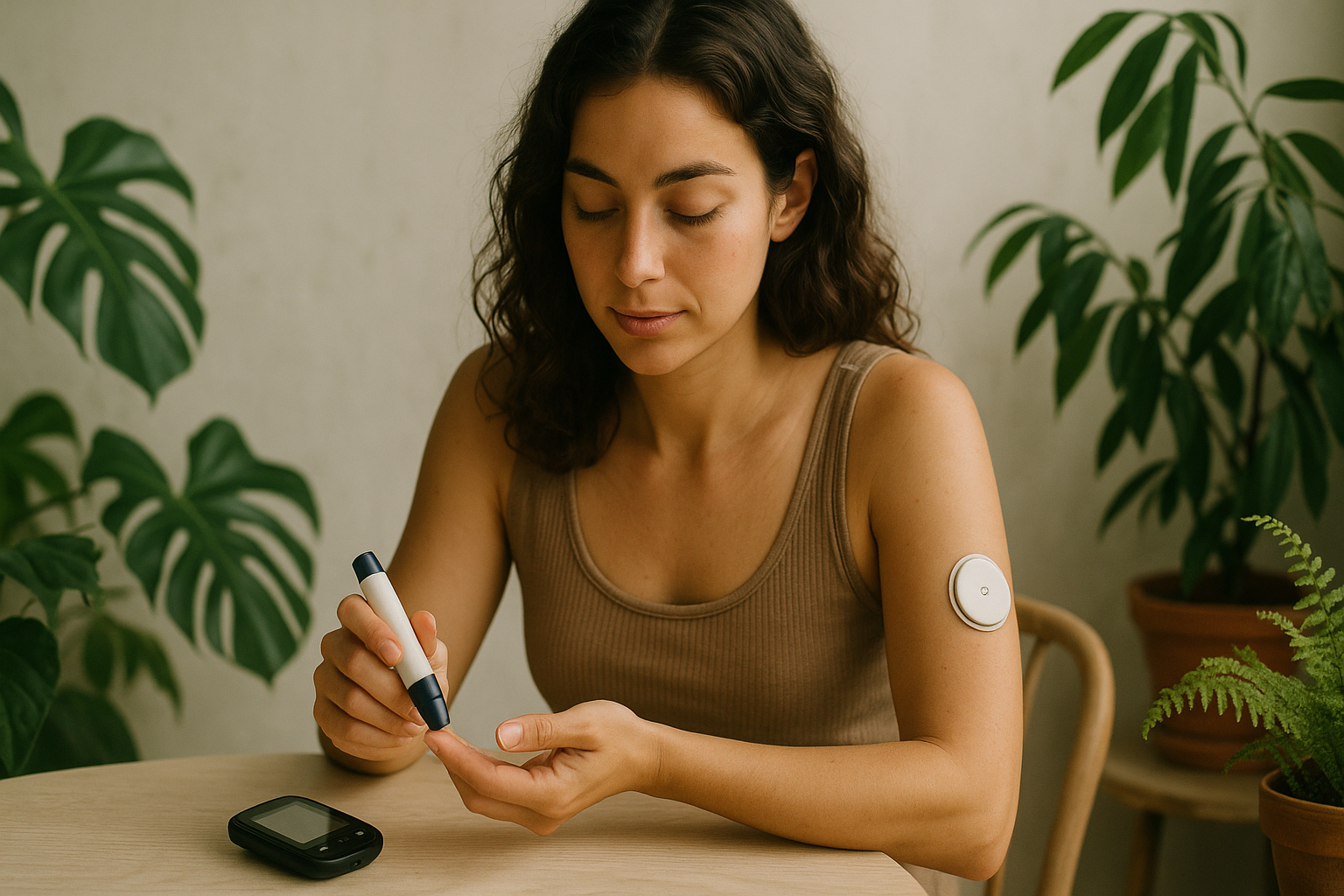
- Blood Tests: Assessing biomarkers such as cortisol, creatine kinase, and inflammatory markers can give insights into the body’s recovery state.
- Self-Reported Metrics: Questionnaires regarding perceived exertion, mood, and sleep can complement objective data.
These methods allow for a comprehensive view of recovery, highlighting trends over time and identifying factors that may impede or enhance the recovery process. By continuously tracking these metrics, individuals can adjust their recovery protocols, whether that involves modifying training regimens, dietary adjustments, or incorporating recovery techniques such as meditation or massage.
Evidence Summary
The current body of evidence surrounding recovery analytics is still evolving. Preliminary studies indicate that tracking recovery biomarkers can be beneficial for athletes and individuals engaged in high-stress activities. For instance, research has shown that monitoring heart rate variability can be an effective indicator of recovery status and overall health. Clinical studies have begun to explore the relationship between recovery metrics and athletic performance, revealing promising correlations.
However, there remain conflicting findings regarding the most effective biomarkers and tracking methods. Some studies suggest that self-reported recovery metrics may not always align with physiological data, indicating a need for a multifaceted approach. While the potential of recovery analytics is significant, more robust clinical research is required to validate its effectiveness across diverse populations and to establish standardized protocols.
Practical Application
- Daily Tracking: Use wearable devices to monitor heart rate, sleep patterns, and activity levels. Review trends weekly.
- Regular Assessments: Schedule periodic blood tests to check for biomarkers related to recovery and inflammation.
- Mindfulness Practices: Incorporate stress reduction techniques such as yoga or meditation to enhance recovery.
Common pitfalls include relying solely on one type of data, neglecting to consider individual variability, and failing to adjust recovery strategies based on findings. It is crucial to maintain a holistic view, combining multiple data sources for a comprehensive understanding of recovery.
Relevant Biomarkers & Tracking
Several key biomarkers are commonly tracked in recovery analytics, including:
- Cortisol: A hormone associated with stress; high levels may indicate inadequate recovery.
- Heart Rate Variability (HRV): A measure of autonomic nervous system function, often used as an indicator of recovery.
- Creatine Kinase: An enzyme that can indicate muscle damage and recovery status.
- Inflammatory Markers: Such as C-reactive protein (CRP) that can signal inflammation in the body.
Tracking these biomarkers can provide insights into how well the body is recovering and inform necessary adjustments to training or recovery protocols.
Body Systems Supported
Recovery analytics primarily supports the following body systems:
- Cardiovascular System: Monitoring heart rate and HRV helps assess cardiovascular health and recovery.
- Musculoskeletal System: Tracking muscle recovery and injury healing through biomarkers like creatine kinase.
- Endocrine System: Assessing hormone levels, particularly cortisol, to understand stress responses.
- Nervous System: Evaluating HRV provides insights into autonomic nervous system balance.
Common Goals
Individuals utilizing recovery analytics often pursue the following goals:
- Optimizing Performance: Athletes seek to enhance their training outcomes by understanding their recovery status.
- Reducing Injury Risk: By monitoring recovery, individuals can prevent overtraining and associated injuries.
- Improving Sleep Quality: Tracking sleep patterns can lead to better rest and recovery.
- Enhancing Overall Well-Being: Understanding recovery contributes to improved mental health and stress management.
Safety, Contraindications & Edge Cases
While recovery analytics is generally safe, certain considerations should be kept in mind:
- Individual Variability: Everyone's body responds differently; what works for one person may not work for another.
- Medical Conditions: Individuals with specific health issues (e.g., heart conditions) should consult healthcare professionals before engaging in intensive tracking.
- Data Overload: Too much data can lead to confusion and misinterpretation; focus on key metrics.
Always approach recovery analytics with a balanced perspective, integrating professional guidance where necessary.
Pairs Well With
Recovery analytics complements various ancient and natural wellness practices, including:
- Ayurveda: The holistic approach of Ayurveda can enhance recovery through personalized dietary and lifestyle choices.
- Traditional Chinese Medicine: Techniques such as acupuncture and herbal treatments can support recovery processes.
- Yoga and Meditation: Mindfulness practices can be tracked alongside recovery metrics to enhance overall well-being.
FAQs (5)
- What is recovery analytics? Recovery analytics is the measurement and evaluation of physiological markers to assess the body’s recovery status.
- How does recovery analytics work? It utilizes various tracking methods, including wearable technology and blood tests, to gather data on recovery-related biomarkers.
- What are the key biomarkers tracked in recovery analytics? Common biomarkers include cortisol, heart rate variability, creatine kinase, and inflammatory markers.
- Can recovery analytics help prevent injuries? Yes, by monitoring recovery, individuals can avoid overtraining and reduce the risk of injuries.
- Is recovery analytics suitable for everyone? While generally safe, individuals with specific health conditions should consult with healthcare professionals before engaging in recovery analytics.
Frequently asked
What is recovery analytics?
Recovery analytics is the measurement and evaluation of physiological markers to assess the body’s recovery status.
How does recovery analytics work?
It utilizes various tracking methods, including wearable technology and blood tests, to gather data on recovery-related biomarkers.
What are the key biomarkers tracked in recovery analytics?
Common biomarkers include cortisol, heart rate variability, creatine kinase, and inflammatory markers.
Can recovery analytics help prevent injuries?
Yes, by monitoring recovery, individuals can avoid overtraining and reduce the risk of injuries.
Is recovery analytics suitable for everyone?
While generally safe, individuals with specific health conditions should consult with healthcare professionals before engaging in recovery analytics.