Hormone Panels
Discover the significance of hormone panels in biomarker testing and tracking, including their mechanisms, applications, and safety considerations.

Explore the essentials of hormone panels, their mechanisms, practical applications, and relevant biomarkers in the realm of modern wellness.
What It Is
Hormone panels are specialized tests designed to measure the levels of various hormones in the body. These panels can provide valuable insights into hormonal balance, helping individuals and healthcare providers understand conditions related to hormonal fluctuations. Hormones play a crucial role in regulating numerous bodily functions, including metabolism, mood, and reproduction, making hormone testing a critical component of modern wellness.
Typically, hormone panels test a range of hormones, including but not limited to estrogen, progesterone, testosterone, cortisol, and thyroid hormones. By analyzing these hormone levels, practitioners can identify potential imbalances or issues that may be affecting a person's health and well-being.
Mechanism / How It Works
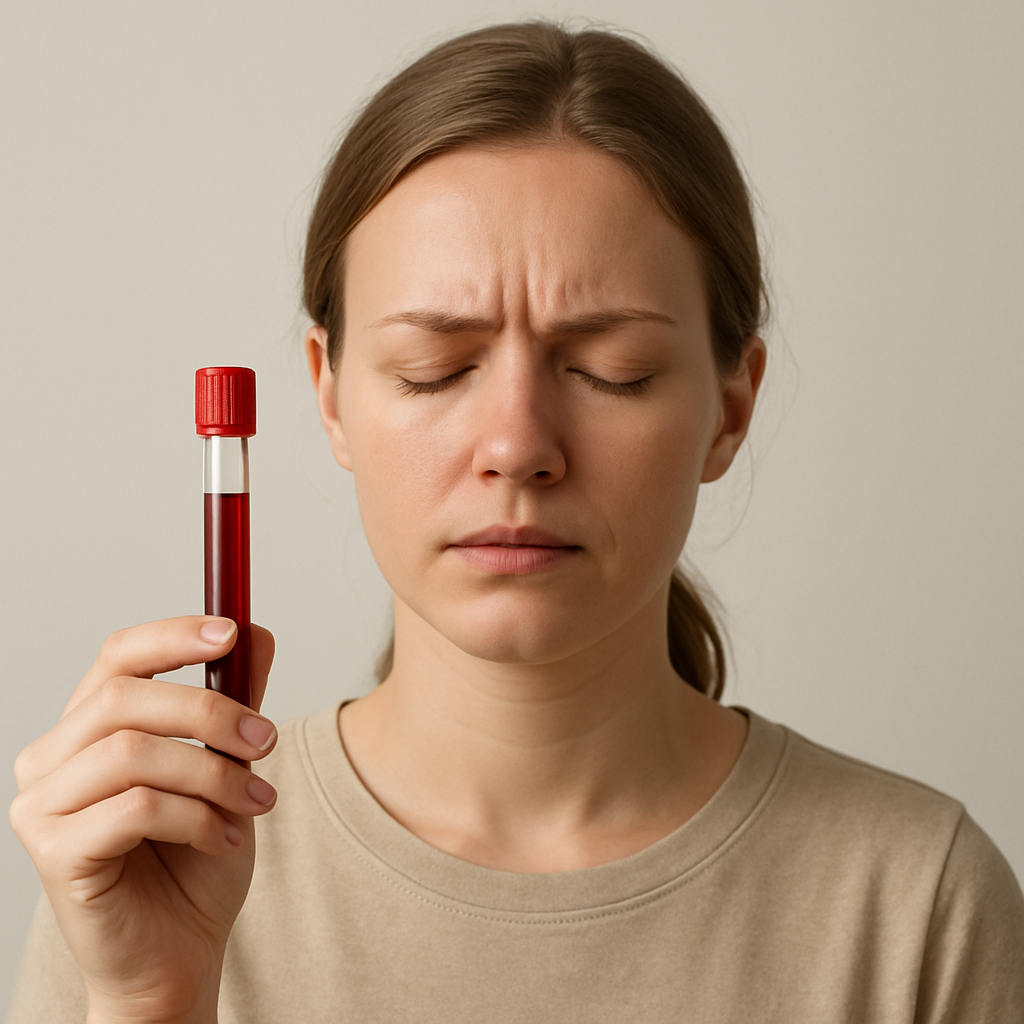
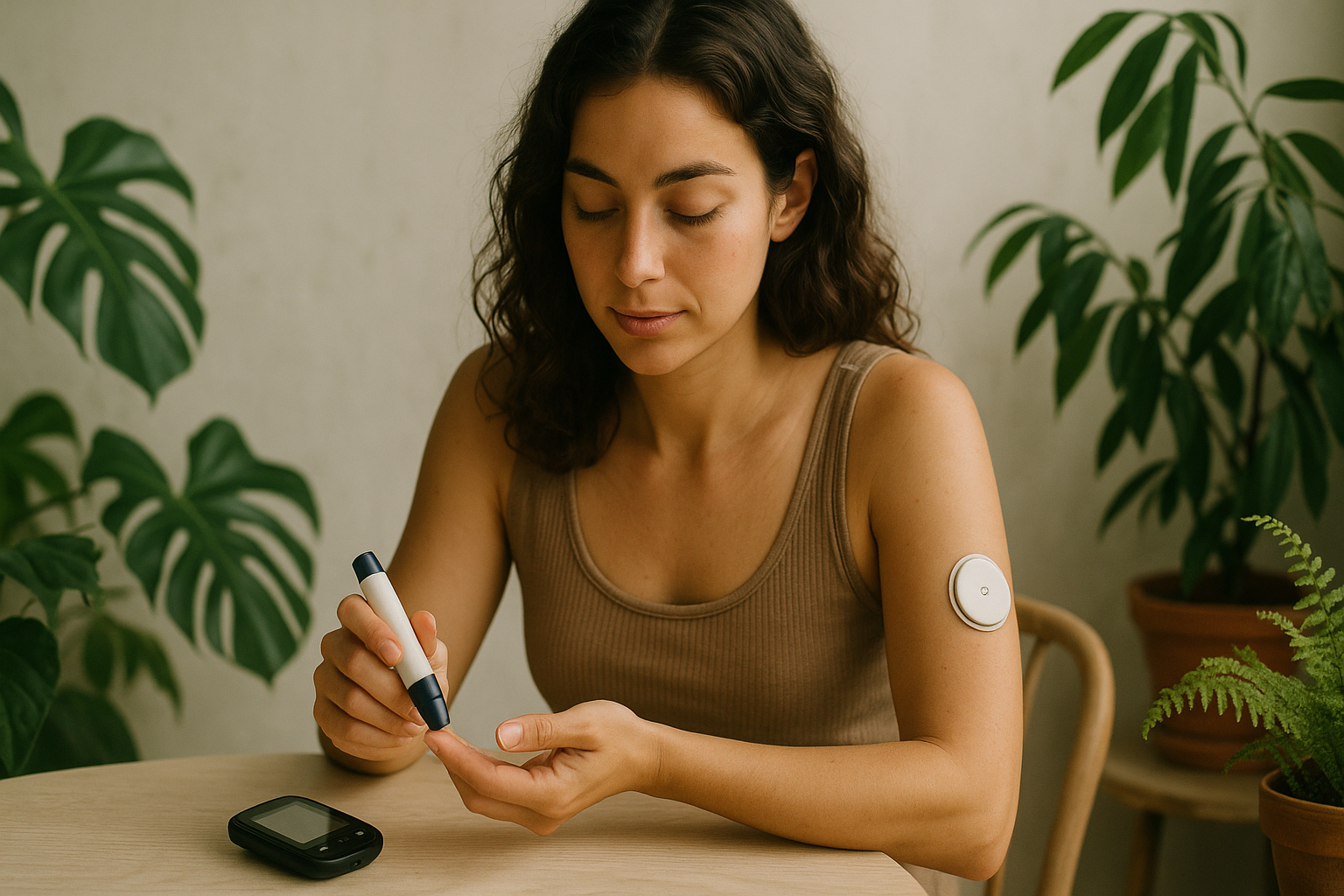
The process of hormone testing generally involves collecting a sample of blood, saliva, or urine, depending on the specific hormones being measured. Once collected, the samples are sent to a laboratory where advanced analytical techniques are employed to quantify hormone levels. Common methods include immunoassays, mass spectrometry, and liquid chromatography.
The results of these tests can reveal patterns of hormonal production and regulation in the body. For instance, a high level of cortisol may indicate chronic stress, while low testosterone levels could suggest hormonal deficiencies. Understanding these results allows for tailored interventions aimed at restoring hormonal balance.
Evidence Summary
The field of hormone testing is rapidly evolving, with a growing body of research supporting the use of hormone panels for various health concerns. Clinical studies have demonstrated the utility of hormone testing in diagnosing conditions such as polycystic ovary syndrome (PCOS), thyroid disorders, and adrenal insufficiency. However, the evidence remains preliminary for some hormone assessments, and results can vary based on numerous factors, including individual physiology and testing methods.
Moreover, conflicting evidence exists regarding the interpretation of certain hormone levels. For example, while low testosterone is often associated with age-related decline, some studies suggest that low levels may not always correlate with symptoms of hormonal deficiency. Therefore, it is essential to approach hormone testing with a critical eye and consider it as part of a broader clinical picture rather than in isolation.
Practical Application
Implementing hormone panels into a wellness routine can be highly beneficial. Individuals may choose to undergo hormone testing when experiencing symptoms such as fatigue, mood swings, or unexplained weight changes. Following testing, practitioners can develop personalized protocols that may include lifestyle modifications, dietary changes, or supplementation.
Daily integration of hormone health strategies might involve adopting stress-reduction techniques, regular exercise, and a balanced diet rich in nutrients that support hormonal balance, such as healthy fats and proteins. Common pitfalls include over-relying on test results without considering the context of overall health, or neglecting to follow up with a healthcare provider for comprehensive interpretation and advice.
Relevant Biomarkers & Tracking
Key biomarkers often included in hormone panels encompass:
- Estrogen
- Progesterone
- Testosterone
- Cortisol
- Thyroid hormones (T3, T4, TSH)
Tracking these hormones over time can provide insights into how lifestyle changes impact hormonal health. Regular monitoring may involve periodic testing and journaling symptoms, dietary habits, and stress levels to correlate with hormone fluctuations.
Body Systems Supported
Hormone panels can support various body systems, including:
- Endocrine system
- Reproductive system
- Metabolic system
- Nervous system
By addressing hormonal imbalances, individuals may experience improvements in reproductive health, metabolic function, and overall emotional well-being.
Common Goals
Individuals may seek hormone testing for numerous reasons, including:
- Addressing symptoms of hormonal imbalance
- Optimizing energy levels and mood
- Managing weight
- Improving reproductive health
- Enhancing overall wellness
Safety, Contraindications & Edge Cases
While hormone testing is generally safe, it is crucial to consider potential contraindications. Individuals with certain conditions, such as hormone-sensitive cancers, should approach testing and subsequent interventions with caution. Additionally, the interpretation of hormone levels can vary significantly based on factors like age, sex, and health status, making personalized guidance essential.
Pairs Well With
Hormone panels can work synergistically with various ancient and natural wellness practices, such as:
- Adaptogens (e.g., ashwagandha, rhodiola) for stress management
- Traditional herbal remedies that support hormonal balance
- Mindfulness and meditation practices to enhance emotional well-being
Integrating these approaches can provide a holistic strategy for maintaining hormonal health.
FAQs (5)
- What is a hormone panel? A hormone panel is a test that measures the levels of various hormones in the body to assess hormonal balance.
- How is a hormone panel performed? Hormone panels can be performed through blood, saliva, or urine samples, which are analyzed in a laboratory.
- What hormones are typically tested? Common hormones tested include estrogen, progesterone, testosterone, cortisol, and thyroid hormones.
- How can I use hormone panel results? Results can guide lifestyle changes, dietary adjustments, or medical interventions to restore hormonal balance.
- Are there any risks associated with hormone testing? Hormone testing is generally safe, but individuals with certain health conditions should consult with a healthcare provider before testing.
Frequently asked
What is a hormone panel?
A hormone panel is a test that measures the levels of various hormones in the body to assess hormonal balance.
How is a hormone panel performed?
Hormone panels can be performed through blood, saliva, or urine samples, which are analyzed in a laboratory.
What hormones are typically tested?
Common hormones tested include estrogen, progesterone, testosterone, cortisol, and thyroid hormones.
How can I use hormone panel results?
Results can guide lifestyle changes, dietary adjustments, or medical interventions to restore hormonal balance.
Are there any risks associated with hormone testing?
Hormone testing is generally safe, but individuals with certain health conditions should consult with a healthcare provider before testing.