Sleep Tracking
Explore sleep tracking as a crucial component of biomarker testing within modern wellness. Learn about its mechanisms, evidence, practical applications, and how it supports overall health.
Discover the essentials of sleep tracking within the realm of biomarker testing and tracking. Understand its mechanisms, evidence, practical applications, and how it supports various body systems while addressing safety considerations and common goals.
What It Is
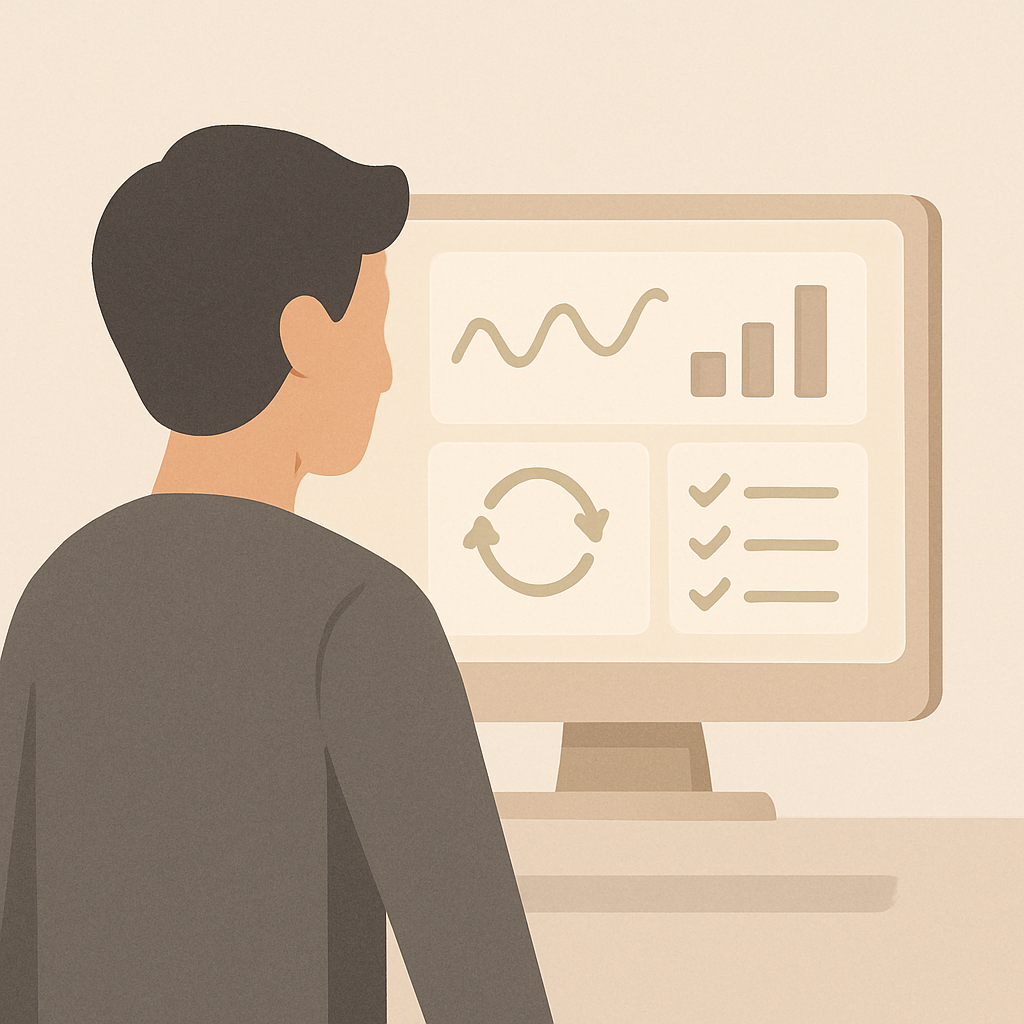
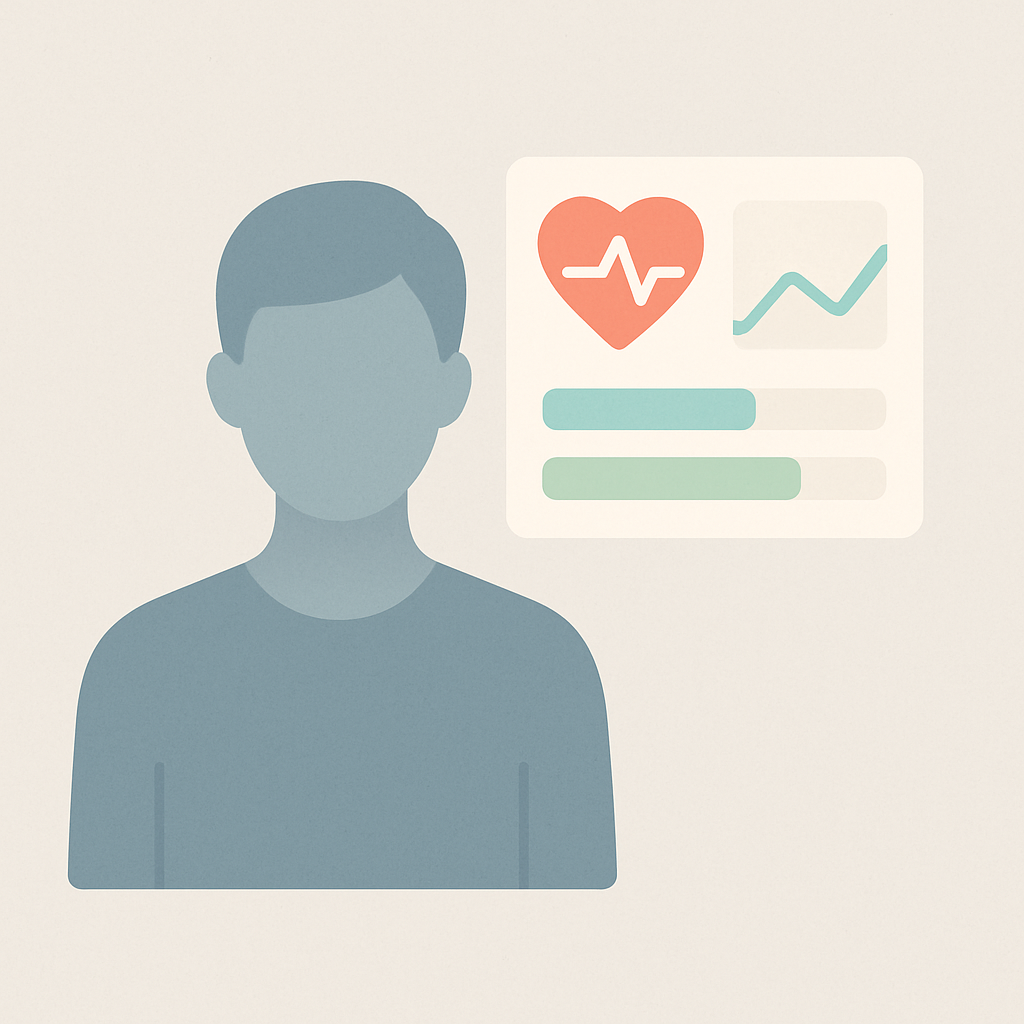
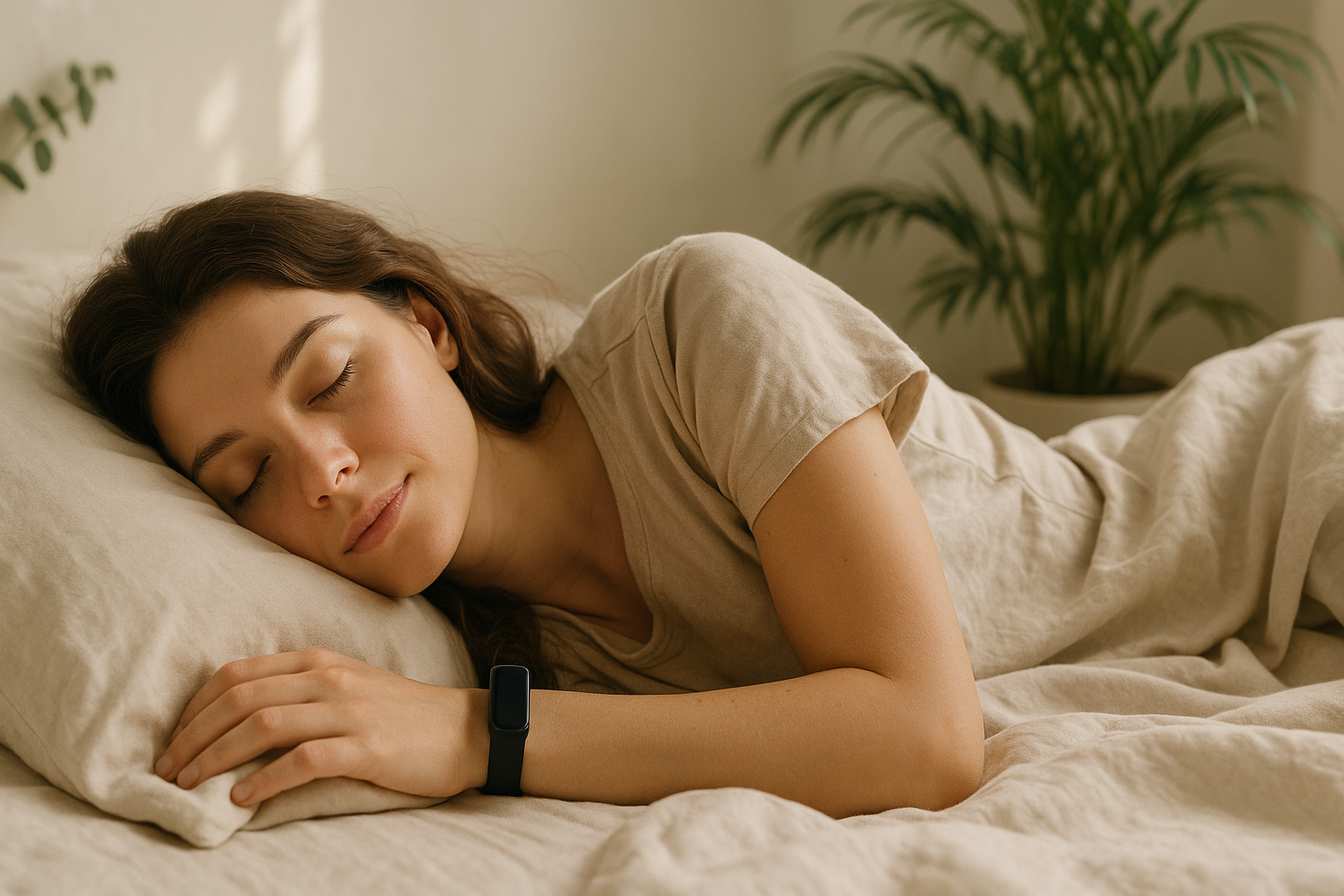
Sleep tracking involves the monitoring of various parameters related to sleep quality and patterns. This can include metrics such as total sleep time, sleep stages (light, deep, and REM), and disturbances throughout the night. With advancements in technology, sleep tracking has become more accessible through wearable devices and smartphone applications, allowing individuals to gain insights into their sleep health.
By analyzing sleep data, users can identify trends and make informed decisions to improve their sleeping habits. This practice is increasingly recognized as a valuable tool in the realm of modern wellness, where understanding personal health metrics is essential for optimizing overall well-being.
Mechanism / How It Works
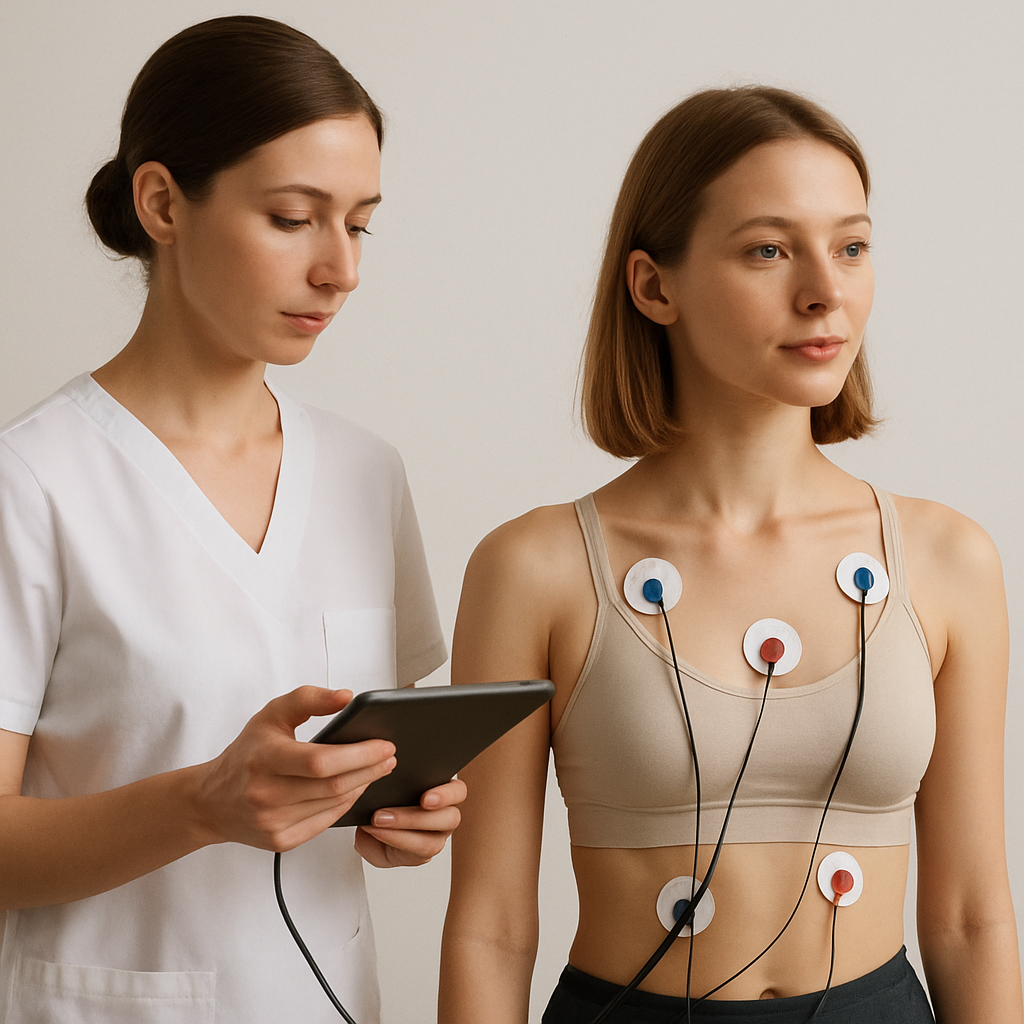
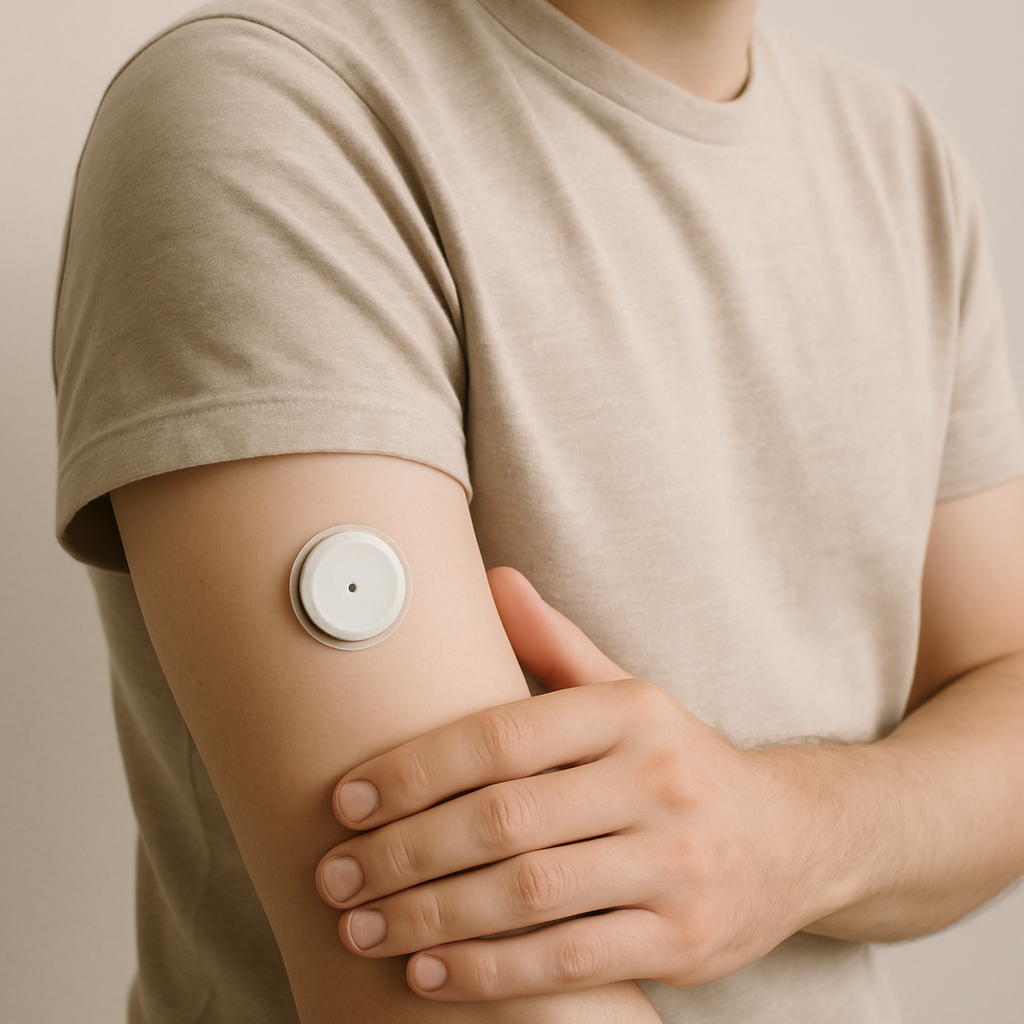
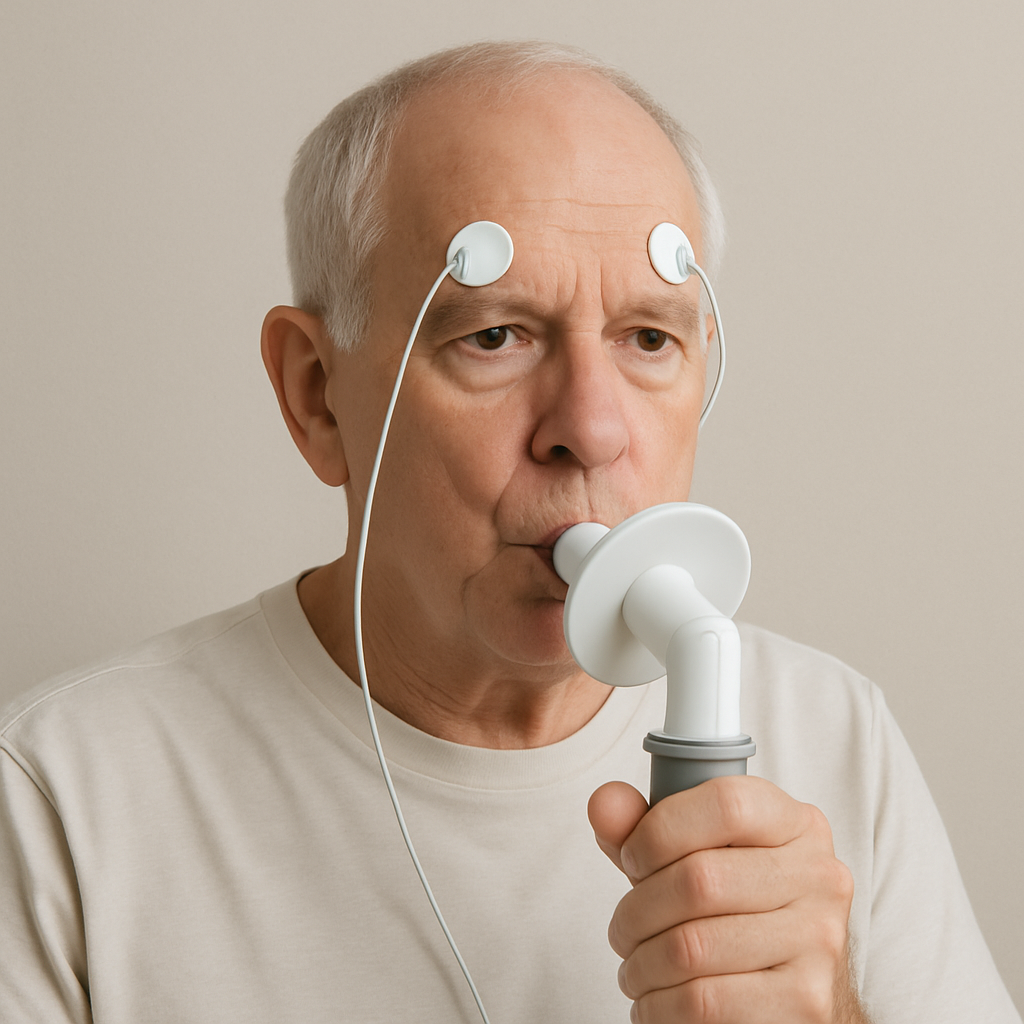
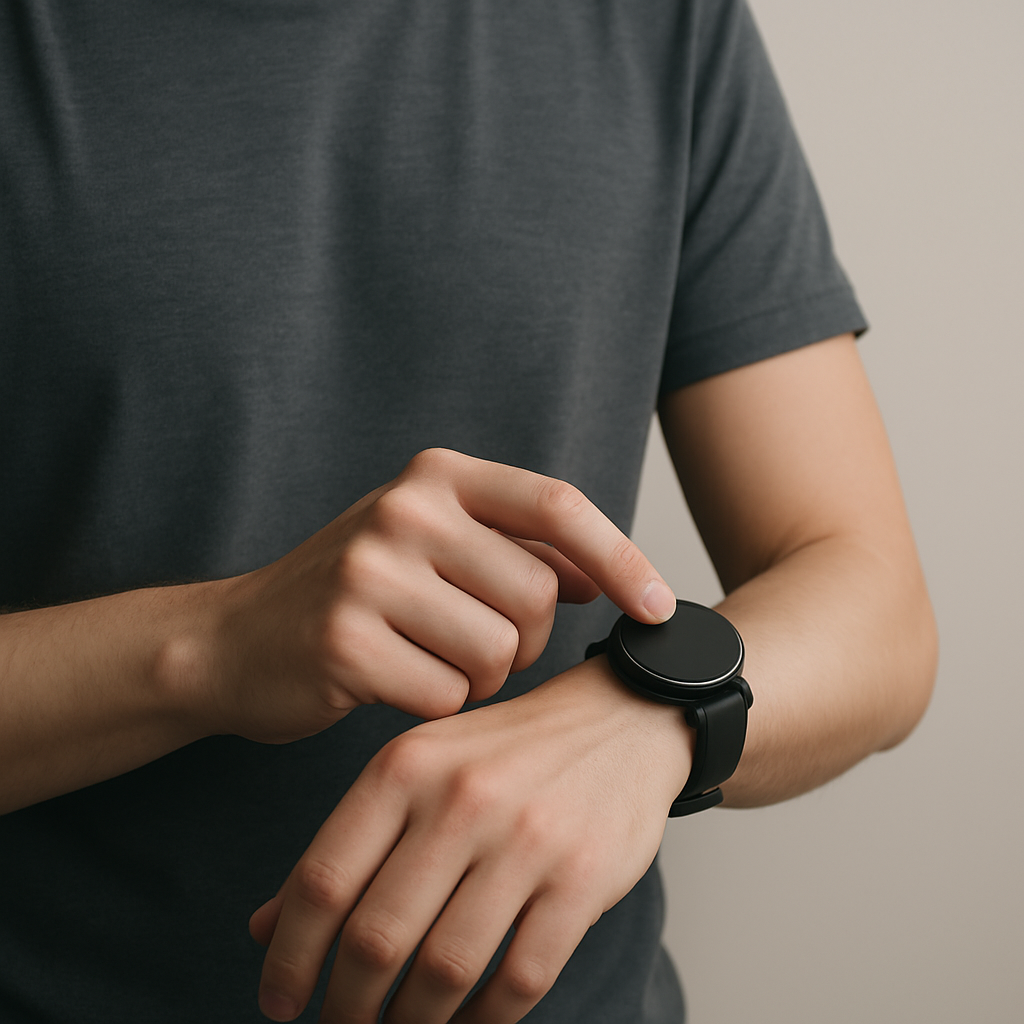
Sleep trackers typically use a combination of sensors and algorithms to gather data on various physiological parameters during sleep. Wearable devices may utilize accelerometers to detect movement, heart rate monitors to assess cardiac activity, and even pulse oximetry to measure blood oxygen levels. This data is processed to determine sleep stages and overall sleep quality.
Smartphone apps may leverage similar technology through microphone input, detecting snoring or environmental noise, while also allowing manual input of sleep habits and feelings upon waking. The integration of these technologies provides a comprehensive picture of an individual’s sleep patterns, enabling users to recognize factors that contribute to better or worse sleep.
Evidence Summary
Research on sleep tracking has shown promising results, yet it is still an evolving field. Preliminary studies indicate that sleep tracking can lead to improved sleep hygiene and awareness of sleep-related issues. For instance, a study found that individuals who actively tracked their sleep patterns reported better sleep quality and a greater understanding of their sleep behavior.
However, clinical evidence remains mixed. While some studies support the effectiveness of certain sleep trackers in accurately monitoring sleep stages, others suggest variability in accuracy between different devices. Additionally, conflicting findings exist regarding the long-term benefits of sleep tracking on overall health outcomes. More research is necessary to establish standardized metrics and validate the efficacy of various sleep tracking methods.
Practical Application
To effectively integrate sleep tracking into daily life, individuals can follow a few simple protocols. First, selecting a reliable sleep tracking device that aligns with personal preferences is crucial. Users should familiarize themselves with how to set up the device and interpret the data it provides.
Daily integration can include establishing a consistent sleep schedule, using the insights gained from tracking to identify patterns, and making adjustments accordingly. Common pitfalls include becoming overly fixated on the data, which may lead to anxiety about sleep, or neglecting other wellness practices that contribute to sleep quality, such as dietary choices and stress management.
Relevant Biomarkers & Tracking
Key biomarkers related to sleep tracking include:
- Sleep duration
- Sleep efficiency
- Heart rate variability
- Blood oxygen levels
- Frequency of awakenings
- Sleep latency (time taken to fall asleep)
These biomarkers provide a comprehensive view of an individual’s sleep health and can guide interventions for improvement.
Body Systems Supported
Sleep tracking supports various body systems, primarily the:
- Cognitive system, enhancing memory and learning
- Endocrine system, regulating hormones associated with stress and metabolism
- Cardiovascular system, impacting heart health and blood pressure
- Immune system, influencing the body’s ability to fight off illness
By improving sleep quality, individuals may experience positive effects on these interconnected systems.
Common Goals
Individuals may pursue sleep tracking with several common goals in mind, such as:
- Improving overall sleep quality
- Identifying sleep disorders or disturbances
- Enhancing daytime alertness and productivity
- Reducing insomnia symptoms
- Establishing a consistent sleep routine
By setting clear goals, users can tailor their tracking efforts to achieve desired outcomes.
Safety, Contraindications & Edge Cases
Sleep tracking is generally considered safe for most individuals. However, those with specific medical conditions or sleep disorders should consult with a healthcare professional before relying solely on tracking devices. For example, individuals with severe sleep apnea or certain neurological disorders may require specialized monitoring beyond consumer sleep trackers.
Furthermore, it is essential to recognize that while sleep tracking provides valuable insights, it should not replace professional medical advice or treatment when necessary.
Pairs Well With
Sleep tracking complements various ancient and natural wellness practices, including:
- Meditation and mindfulness techniques for stress reduction
- Aromatherapy using essential oils known to promote relaxation
- Herbal supplements such as valerian root or melatonin
- Traditional practices like yoga or tai chi to enhance physical relaxation
Integrating these methods with sleep tracking can enhance overall sleep quality and well-being.
FAQs (5)
- Q: How accurate are sleep trackers?
- A: Accuracy varies by device. Some trackers provide reliable data, while others may lack precision, particularly in distinguishing between sleep stages.
- Q: Can sleep tracking help with insomnia?
- A: Yes, by identifying patterns and behaviors that contribute to insomnia, users can make informed changes to improve their sleep.
- Q: Do I need to wear a device every night?
- A: Consistency is key for tracking trends, but occasional use can still provide valuable insights.
- Q: Can I rely solely on sleep trackers for managing sleep issues?
- A: While helpful, sleep trackers should complement professional medical advice, especially for severe sleep disorders.
- Q: What lifestyle changes can enhance sleep quality?
- A: Establishing a regular sleep schedule, reducing screen time before bed, and managing stress through relaxation techniques can improve sleep quality.
Frequently asked
How accurate are sleep trackers?
Accuracy varies by device. Some trackers provide reliable data, while others may lack precision, particularly in distinguishing between sleep stages.
Can sleep tracking help with insomnia?
Yes, by identifying patterns and behaviors that contribute to insomnia, users can make informed changes to improve their sleep.
Do I need to wear a device every night?
Consistency is key for tracking trends, but occasional use can still provide valuable insights.
Can I rely solely on sleep trackers for managing sleep issues?
While helpful, sleep trackers should complement professional medical advice, especially for severe sleep disorders.
What lifestyle changes can enhance sleep quality?
Establishing a regular sleep schedule, reducing screen time before bed, and managing stress through relaxation techniques can improve sleep quality.