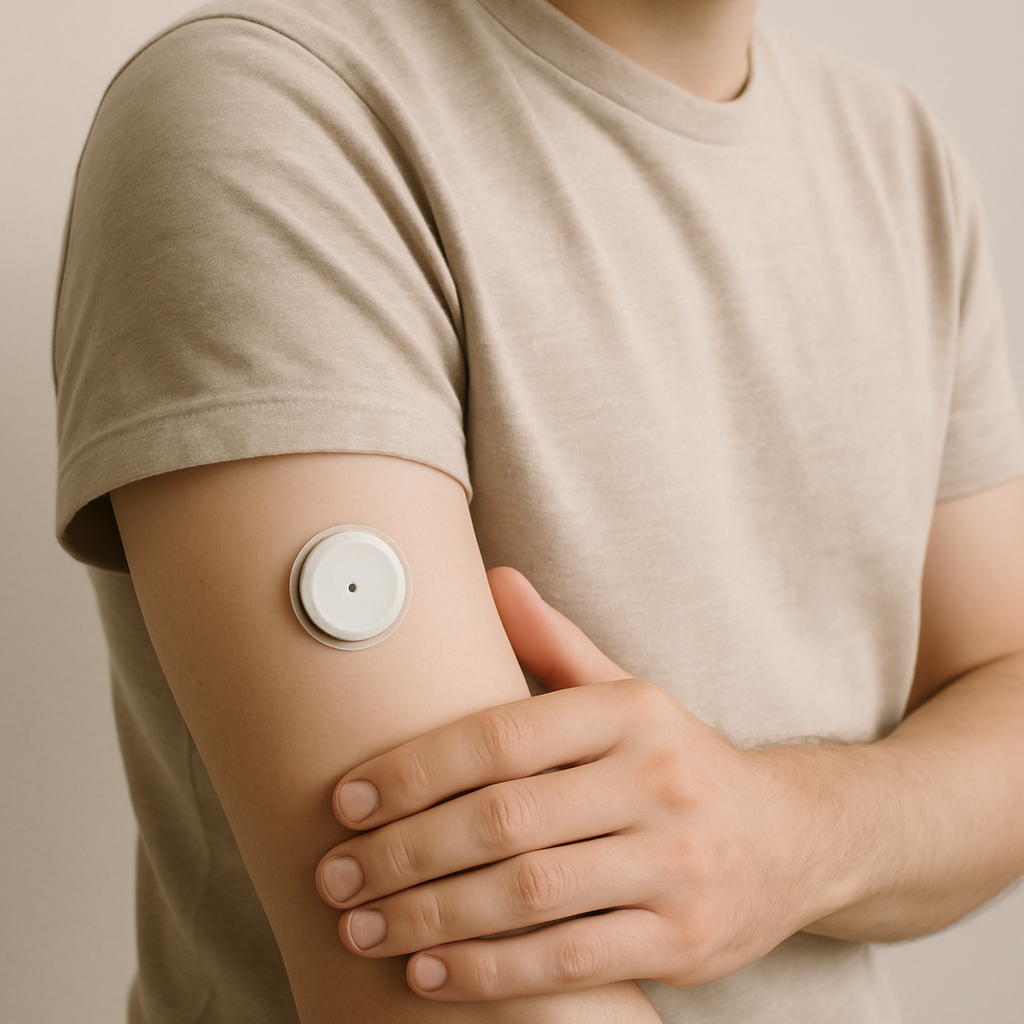
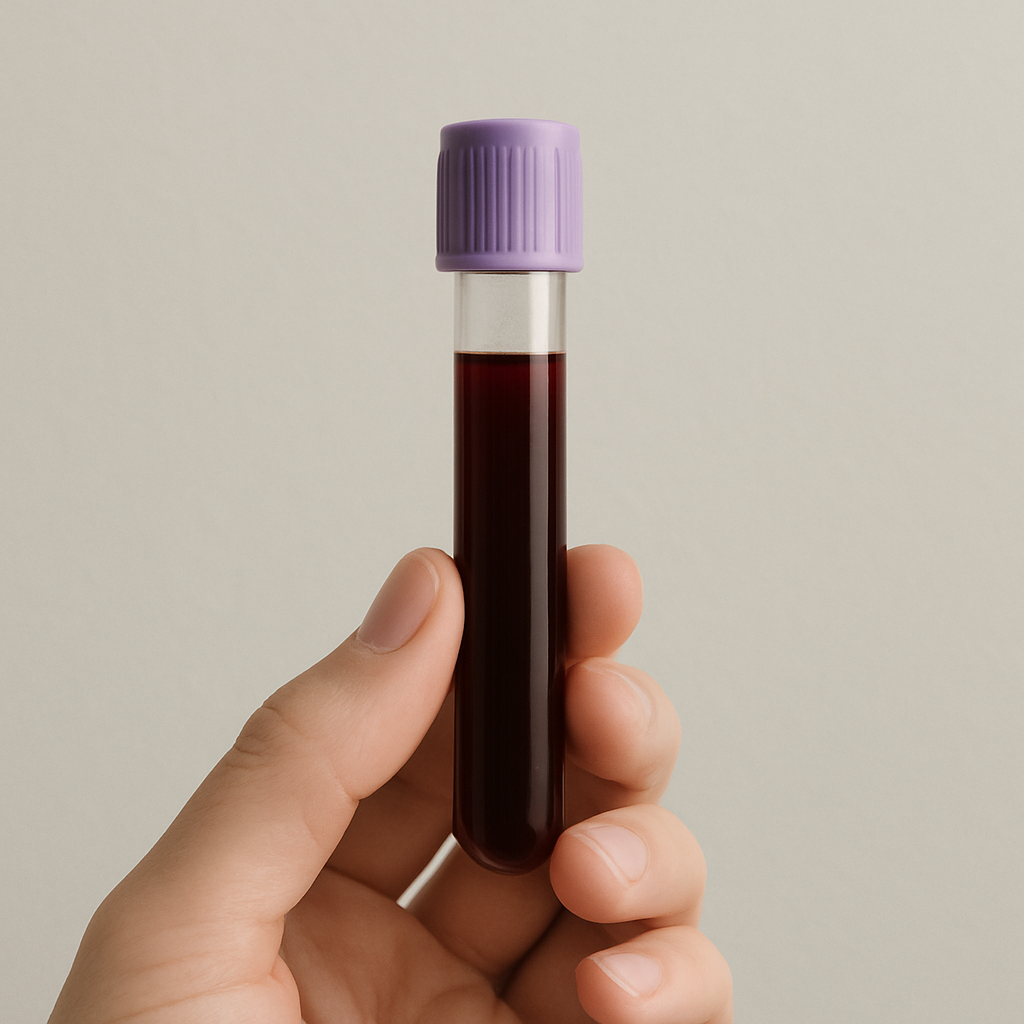
Inflammation Markers
Explore the significance of inflammation markers in biomarker testing, their mechanisms, practical applications, and relevant biomarkers for tracking inflammation.

Inflammation markers are essential indicators used in biomarker testing to assess and monitor inflammation levels in the body. Understanding these markers can aid in the management of various health conditions.
What It Is
Inflammation markers are biological indicators that help assess the presence and intensity of inflammation in the body. These markers can be measured through various tests and are crucial in diagnosing, monitoring, and managing numerous health conditions, including autoimmune diseases, infections, and chronic inflammatory disorders. Common inflammation markers include C-reactive protein (CRP), erythrocyte sedimentation rate (ESR), and cytokines.
When the body encounters injury or infection, the immune system activates a response that leads to inflammation. This process is essential for healing; however, chronic inflammation can contribute to various diseases, such as heart disease, diabetes, and certain cancers. Monitoring inflammation markers allows healthcare providers to evaluate the body’s inflammatory response and make informed decisions regarding treatment and lifestyle modifications.
Mechanism / How It Works
Inflammation markers are substances released into the bloodstream in response to inflammation. When tissues are damaged or infected, immune cells release proteins and other molecules that signal the body to initiate the healing process. These substances can increase in concentration during inflammation, making them useful for diagnostic purposes.
The most commonly tested inflammation markers include:
- C-reactive protein (CRP): Produced by the liver in response to inflammation, elevated levels of CRP indicate acute or chronic inflammatory conditions.
- Erythrocyte sedimentation rate (ESR): This test measures how quickly red blood cells settle at the bottom of a test tube, with faster rates suggesting higher levels of inflammation.
- Cytokines: These are signaling molecules that mediate and regulate immunity and inflammation. Certain cytokines, like interleukin-6 (IL-6), are significant markers of inflammation.
Evidence Summary
The evidence surrounding inflammation markers is extensive, with various studies highlighting their role in different health conditions. Preliminary research has shown that elevated levels of CRP and ESR can indicate increased risk for cardiovascular diseases, autoimmune disorders, and other inflammatory conditions. However, it is essential to recognize that while these markers can indicate inflammation, they are not specific to any particular disease.
Clinical studies support the use of inflammation markers in monitoring disease progression and treatment response. For instance, individuals with rheumatoid arthritis often show elevated levels of CRP and ESR, which can decrease with effective treatment. Nonetheless, conflicting evidence exists regarding the predictive value of these markers for certain conditions, and further research is necessary to establish comprehensive guidelines for their use.
Practical Application
Integrating inflammation marker testing into routine health assessments can provide valuable insights into an individual’s inflammatory status. Here are some practical applications:
- Regular testing for individuals with chronic conditions like arthritis, lupus, or heart disease.
- Using inflammation markers to track the effectiveness of treatment regimens.
- Incorporating lifestyle changes—such as a balanced diet, regular exercise, and stress management—to help lower inflammation levels.
Common pitfalls include relying solely on inflammation markers for diagnosis without considering clinical symptoms and other diagnostic tests. It is important to interpret these markers in conjunction with a healthcare professional to ensure comprehensive care.
Relevant Biomarkers & Tracking
Key inflammation biomarkers include:
- C-reactive protein (CRP)
- Erythrocyte sedimentation rate (ESR)
- Interleukin-6 (IL-6)
- Tumor necrosis factor-alpha (TNF-alpha)
Tracking these biomarkers can provide insights into the effectiveness of interventions and lifestyle adjustments aimed at reducing inflammation. Regular monitoring can help identify trends and inform necessary changes in treatment or lifestyle.
Body Systems Supported
Inflammation markers primarily support the following body systems:
- Immune System: By assessing inflammatory responses, these markers help gauge immune function.
- Cardiovascular System: Elevated inflammation markers can indicate increased risk for heart disease.
- Musculoskeletal System: In conditions like arthritis, inflammation markers can reflect joint health.
Common Goals
Some common goals associated with monitoring inflammation markers include:
- Reducing overall inflammation levels through lifestyle modifications.
- Improving management of chronic inflammatory diseases.
- Enhancing recovery from acute injuries or infections.
Safety, Contraindications & Edge Cases
Testing for inflammation markers is generally safe, with minimal risks associated with blood draws. However, understanding the limitations is crucial. For instance, elevated inflammation markers can arise from various causes, including infections and chronic diseases, which may lead to misinterpretation if not considered in context.
Patients should discuss any concerns with their healthcare provider, particularly if they have conditions that may affect inflammation levels or if they are on medications that influence immune function.
Pairs Well With
To enhance the understanding and management of inflammation, inflammation markers pair well with:
- Dietary Approaches: Anti-inflammatory diets rich in omega-3 fatty acids, antioxidants, and fiber can support lower inflammation levels.
- Mindfulness Practices: Techniques such as meditation and yoga may help reduce stress-related inflammation.
- Physical Activity: Regular exercise has been shown to lower systemic inflammation and improve overall health.
FAQs (5)
What are inflammation markers?
Inflammation markers are biological substances that indicate the presence and intensity of inflammation in the body.
How are inflammation markers tested?
They are typically tested through blood draws, measuring substances like C-reactive protein (CRP) and erythrocyte sedimentation rate (ESR).
What do elevated inflammation markers indicate?
Elevated levels can indicate acute or chronic inflammation, which may be associated with various health conditions.
Can lifestyle changes affect inflammation markers?
Yes, adopting an anti-inflammatory diet, engaging in regular exercise, and managing stress can help lower inflammation markers.
Are there any risks associated with inflammation marker testing?
Testing is generally safe, but it’s important to interpret the results in context with other clinical information.
Frequently asked
What are inflammation markers?
Inflammation markers are biological substances that indicate the presence and intensity of inflammation in the body.
How are inflammation markers tested?
They are typically tested through blood draws, measuring substances like C-reactive protein (CRP) and erythrocyte sedimentation rate (ESR).
What do elevated inflammation markers indicate?
Elevated levels can indicate acute or chronic inflammation, which may be associated with various health conditions.
Can lifestyle changes affect inflammation markers?
Yes, adopting an anti-inflammatory diet, engaging in regular exercise, and managing stress can help lower inflammation markers.
Are there any risks associated with inflammation marker testing?
Testing is generally safe, but it’s important to interpret the results in context with other clinical information.