HRV Monitoring
Discover the essentials of Heart Rate Variability (HRV) monitoring, its mechanisms, applications, and how it supports your wellness journey.
Explore the concept of Heart Rate Variability (HRV) monitoring as a vital tool for understanding overall wellness and stress management. Learn how it works, its evidence base, practical applications, supported body systems, safety considerations, and how it can complement other wellness practices.
What It Is
Heart Rate Variability (HRV) refers to the variation in time intervals between consecutive heartbeats. This variability is a crucial biomarker that reflects the autonomic nervous system's functionality, which controls involuntary bodily functions such as heart rate, digestion, and respiratory rate. HRV is influenced by various factors, including stress, physical activity, and overall health, making it a valuable indicator of an individual’s physiological and psychological state.
Essentially, HRV is not just about heart rate; it provides insights into how well the body can adapt to stressors. A higher HRV is generally associated with good health and resilience, while a lower HRV can indicate stress, fatigue, or underlying health issues. Monitoring HRV can aid individuals in optimizing their wellness strategies, enhancing performance, and managing stress more effectively.
Mechanism / How It Works
The heart does not beat at a constant rate; instead, there are fluctuations in time intervals between beats, which are influenced by the autonomic nervous system. This system has two branches: the sympathetic nervous system (responsible for the 'fight or flight' response) and the parasympathetic nervous system (responsible for 'rest and digest'). The balance between these two systems determines HRV.
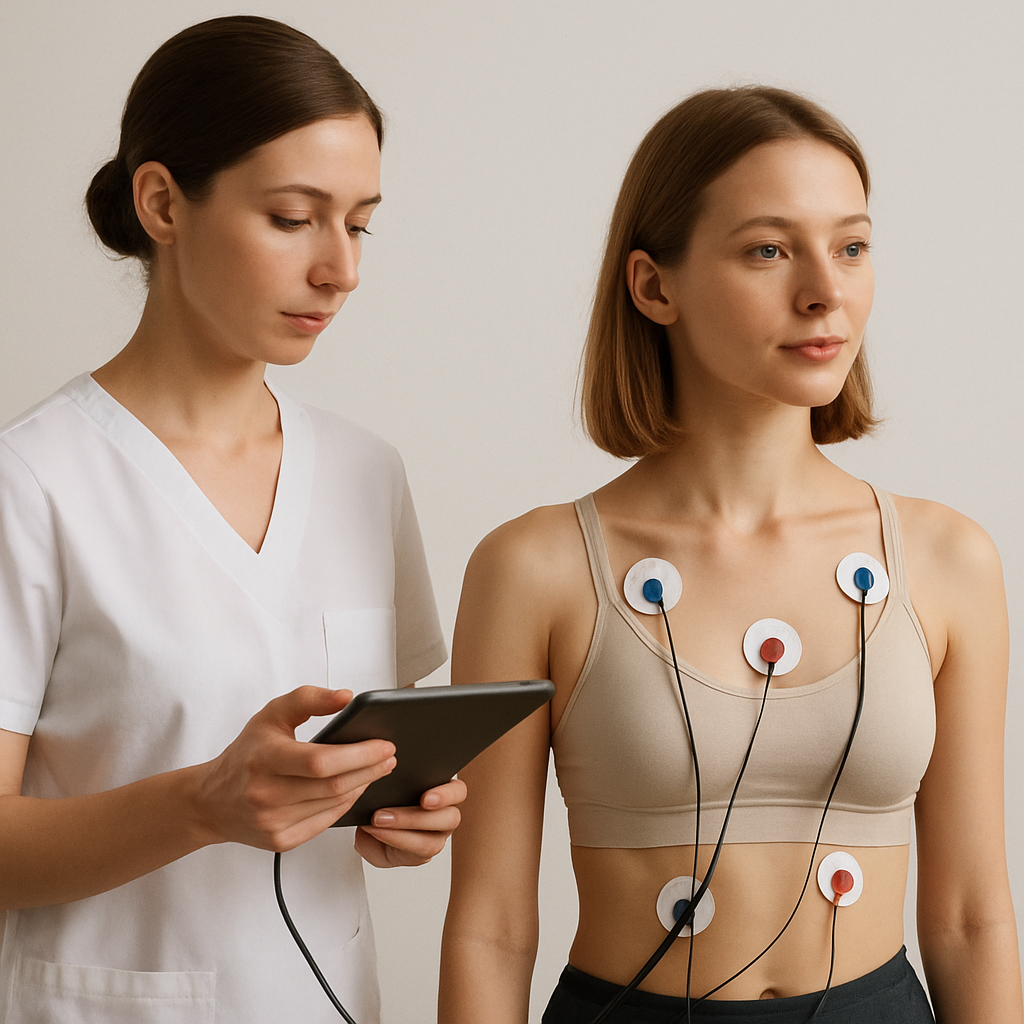
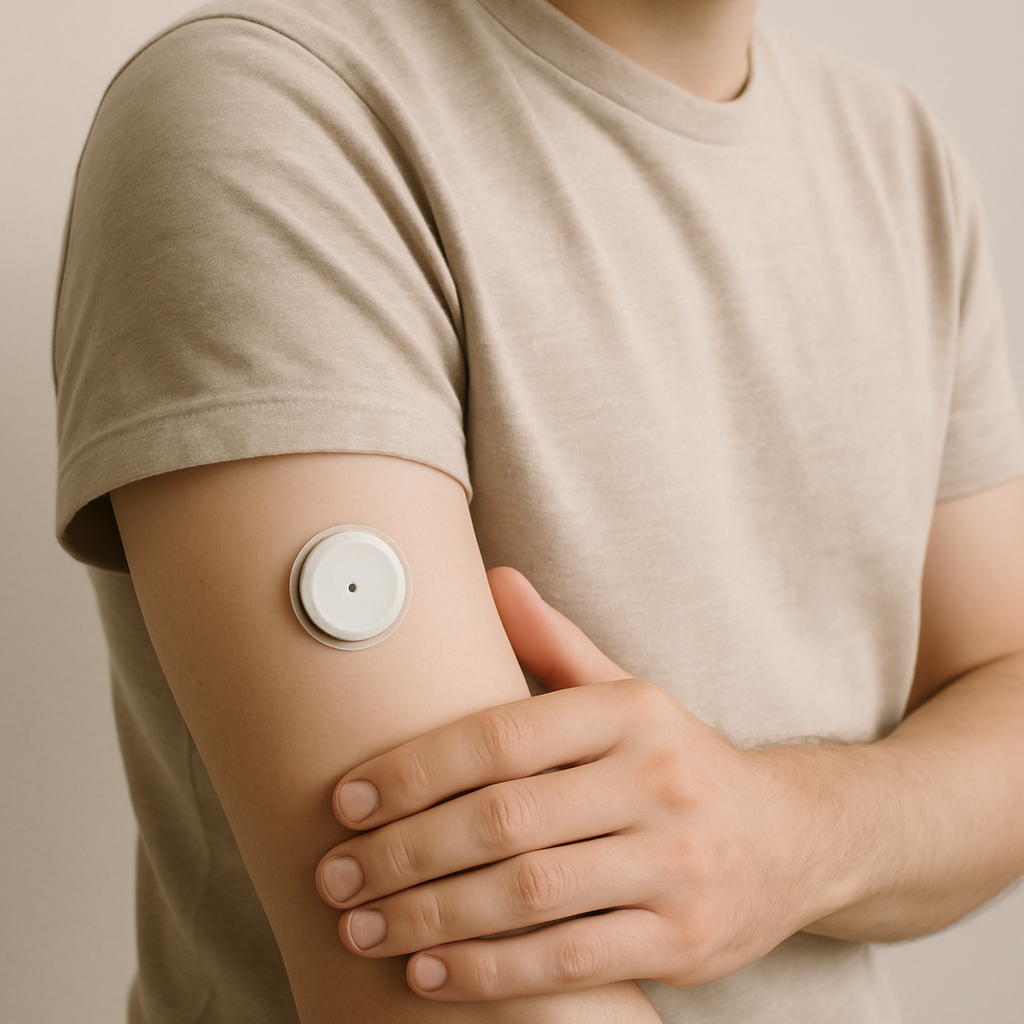
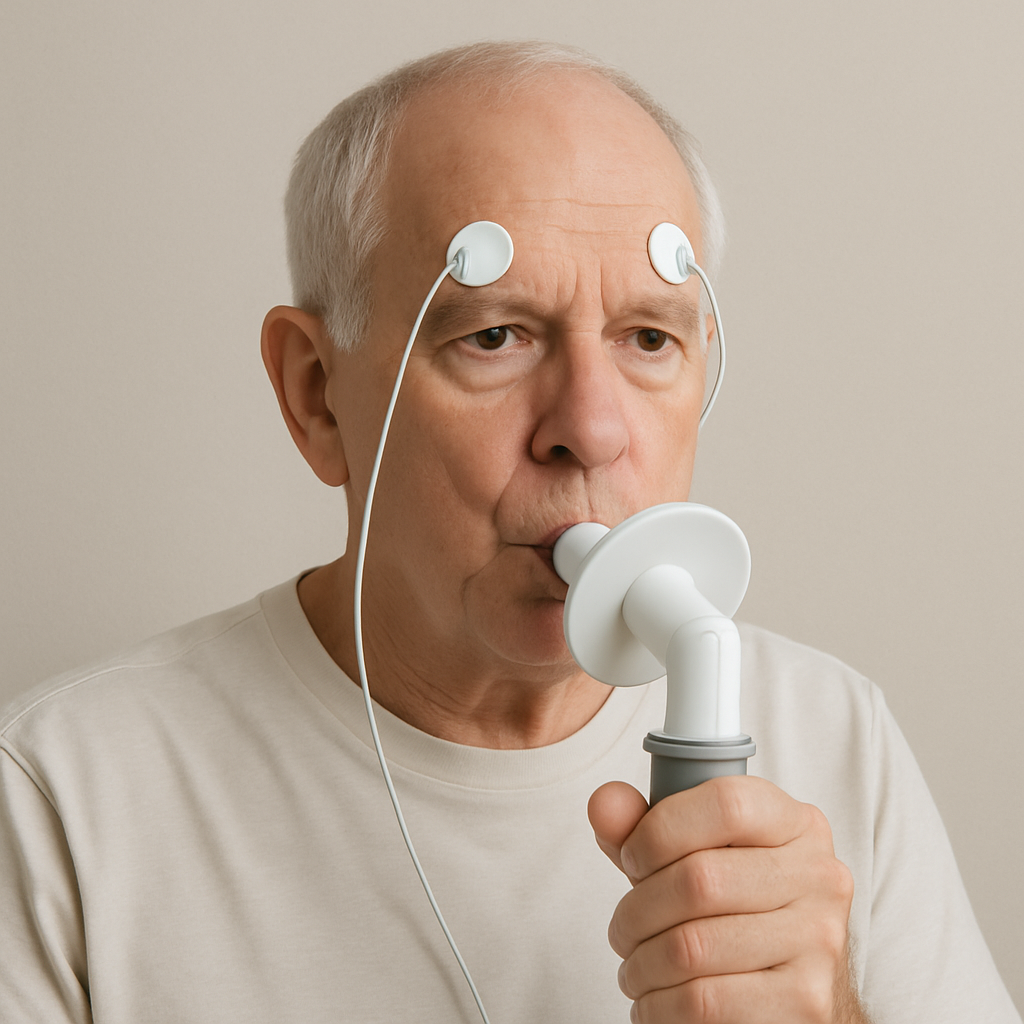
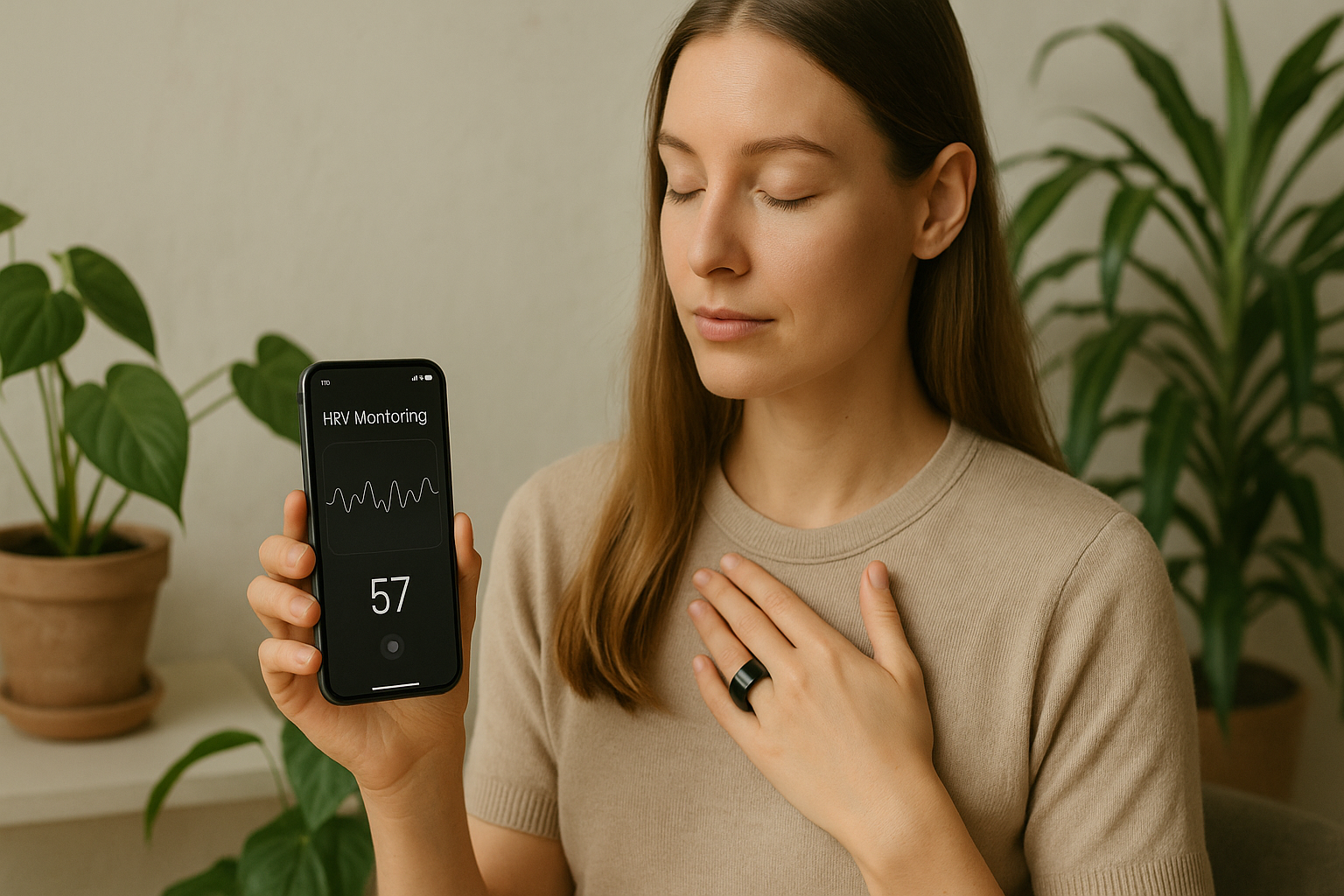
When the body is under stress, the sympathetic nervous system dominates, usually resulting in a lower HRV. Conversely, during restful or relaxed states, the parasympathetic system takes over, leading to increased HRV. Various methods, including electrocardiogram (ECG) and wearable devices, can measure HRV by analyzing the intervals between heartbeats over a set period. This data can be used to assess stress levels, recovery states, and overall heart health.
Evidence Summary
Research on HRV has shown promising results in several areas, though the evidence is still developing. Studies indicate that higher HRV is linked to better cardiovascular health, improved emotional regulation, and enhanced recovery from physical exertion. However, findings are sometimes conflicting, particularly regarding the implications of low HRV.
While some studies suggest low HRV is a predictor of health issues such as cardiovascular disease and mental health disorders, others caution against over-interpreting HRV data without considering individual baseline levels and context. Therefore, while HRV can be a valuable tool for monitoring wellness, it should be used in conjunction with other health assessments for a comprehensive view.
Practical Application
Integrating HRV monitoring into daily life can be straightforward. Here are some practical protocols:
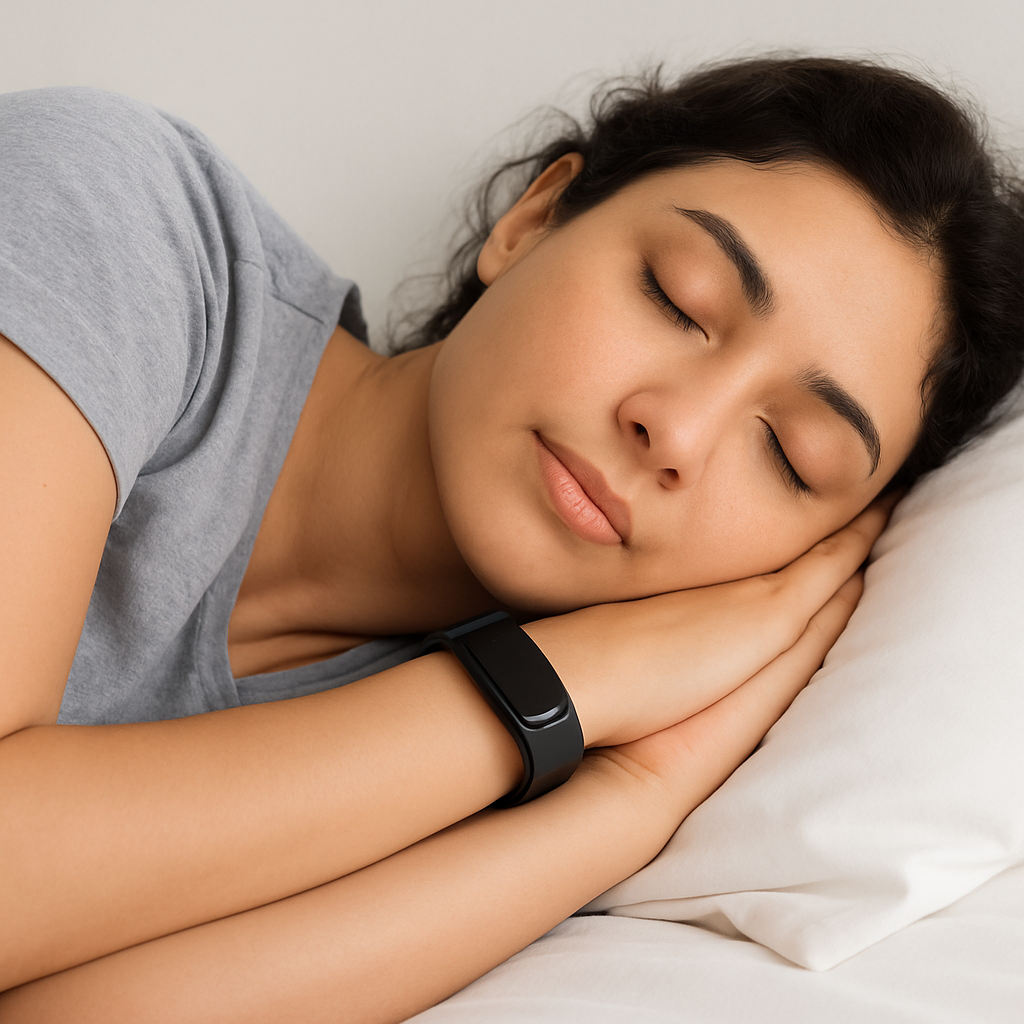
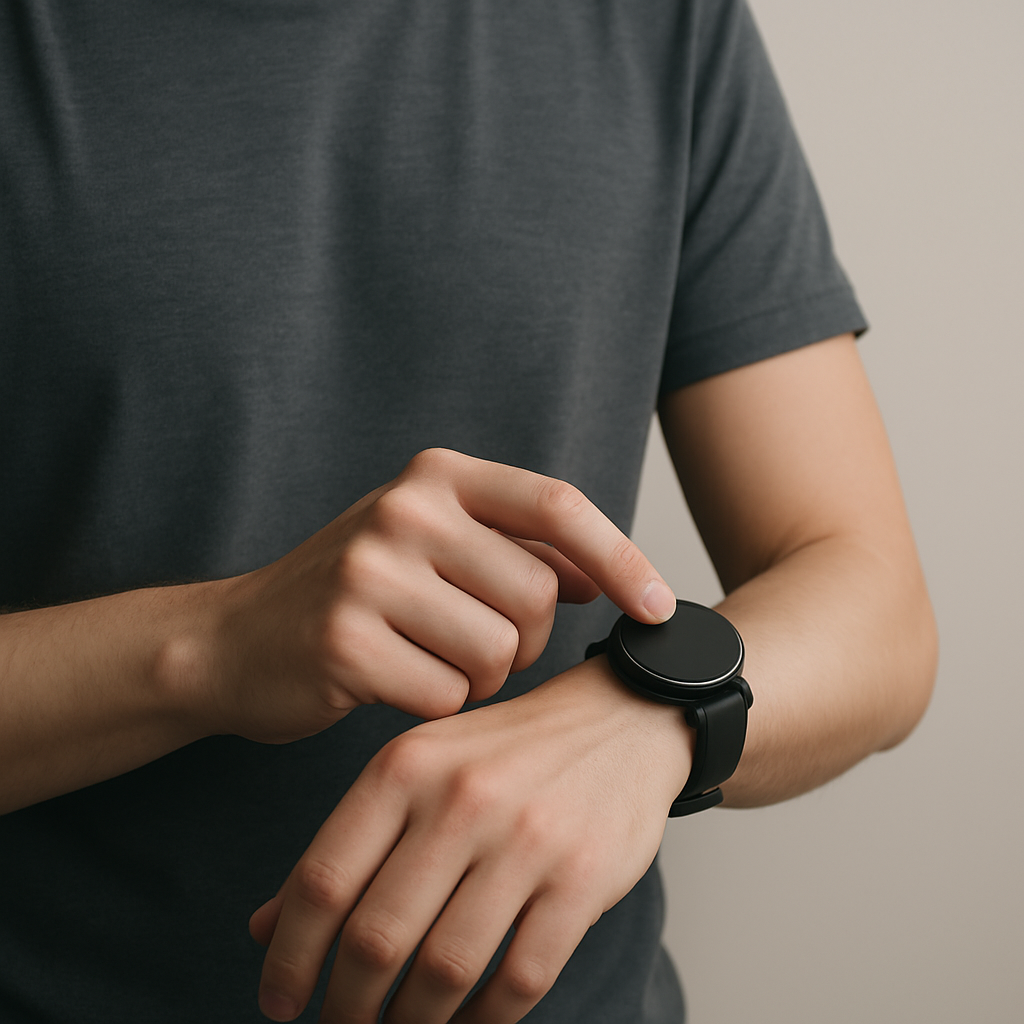
- Use a wearable device or smartphone app: Many devices provide real-time HRV readings and track trends over time.
- Establish a routine: Measure HRV at the same time each day, preferably in the morning after waking up, to ensure consistency.
- Combine with breathing exercises: Practices such as deep breathing or meditation can help increase HRV by activating the parasympathetic nervous system.
Common pitfalls include becoming overly fixated on daily fluctuations instead of considering longer-term trends or failing to account for factors that can influence HRV readings, such as sleep quality, hydration, and physical activity levels. It's essential to approach HRV data with an understanding of its context and limitations.
Relevant Biomarkers & Tracking
HRV is primarily tracked using metrics such as:
- Root Mean Square of Successive Differences (RMSSD): A common measure of HRV that indicates short-term variability.
- Standard Deviation of NN intervals (SDNN): Represents overall HRV and is useful for long-term assessments.
- Frequency domain measures: These assess the distribution of power across different frequency bands of heart rate.
Tracking these metrics over time can provide insights into stress levels, recovery states, and overall wellness. It's beneficial to maintain a journal alongside HRV data to correlate lifestyle changes, stressors, and recovery strategies.
Body Systems Supported
HRV monitoring can provide insights into various body systems, including:
- Cardiovascular system: HRV is a direct measure of heart health and autonomic regulation.
- Endocrine system: HRV can indicate how well the body manages stress hormones like cortisol.
- Nervous system: It reflects the balance between the sympathetic and parasympathetic nervous systems.
- Musculoskeletal system: Monitoring HRV can help in assessing recovery from physical activity.
Common Goals
Individuals may pursue HRV monitoring for various reasons, including:
- Improving stress management and resilience.
- Enhancing athletic performance and recovery.
- Monitoring emotional well-being and mood regulation.
- Gaining insights into overall cardiovascular health.
Safety, Contraindications & Edge Cases
HRV monitoring is generally safe for most individuals. However, there are some considerations:
- Individuals with certain medical conditions should consult with a healthcare provider before beginning HRV monitoring, especially those with cardiovascular issues.
- HRV data should not be used in isolation for making health decisions; it should complement other assessments and professional advice.
- High levels of anxiety or stress may lead to variability in HRV, necessitating a thoughtful approach to interpretation.
Pairs Well With
HRV monitoring can complement various ancient and natural wellness practices, such as:
- Yoga: Integrating breath control and mindfulness can enhance parasympathetic activity.
- Tai Chi: This practice combines movement with deep breathing, promoting relaxation and potentially increasing HRV.
- Aromatherapy: Certain essential oils may support relaxation and stress reduction, positively influencing HRV.
FAQs (5)
- What is a normal HRV range? Normal HRV ranges can vary widely based on individual factors, but generally, higher values indicate better health and resilience.
- How often should I check my HRV? Daily monitoring is recommended for the most accurate assessment, particularly at the same time each day.
- Can I improve my HRV? Yes, practices like regular exercise, stress management techniques, and adequate sleep can help improve HRV.
- What should I do if my HRV is low? Consider evaluating lifestyle factors, including stress levels, sleep quality, and physical activity, and consult a healthcare professional if concerns persist.
- Is HRV monitoring suitable for everyone? While generally safe, individuals with specific health conditions should consult a healthcare provider before starting HRV monitoring.
Frequently asked
What is a normal HRV range?
Normal HRV ranges can vary widely based on individual factors, but generally, higher values indicate better health and resilience.
How often should I check my HRV?
Daily monitoring is recommended for the most accurate assessment, particularly at the same time each day.
Can I improve my HRV?
Yes, practices like regular exercise, stress management techniques, and adequate sleep can help improve HRV.
What should I do if my HRV is low?
Consider evaluating lifestyle factors, including stress levels, sleep quality, and physical activity, and consult a healthcare professional if concerns persist.
Is HRV monitoring suitable for everyone?
While generally safe, individuals with specific health conditions should consult a healthcare provider before starting HRV monitoring.