Glucose Monitoring
Learn about glucose monitoring as a critical aspect of biomarker testing, its mechanisms, applications, and safety considerations.
Explore the importance of glucose monitoring within the realm of biomarker testing and tracking, focusing on its mechanisms, evidence, practical applications, and safety considerations.
What It Is
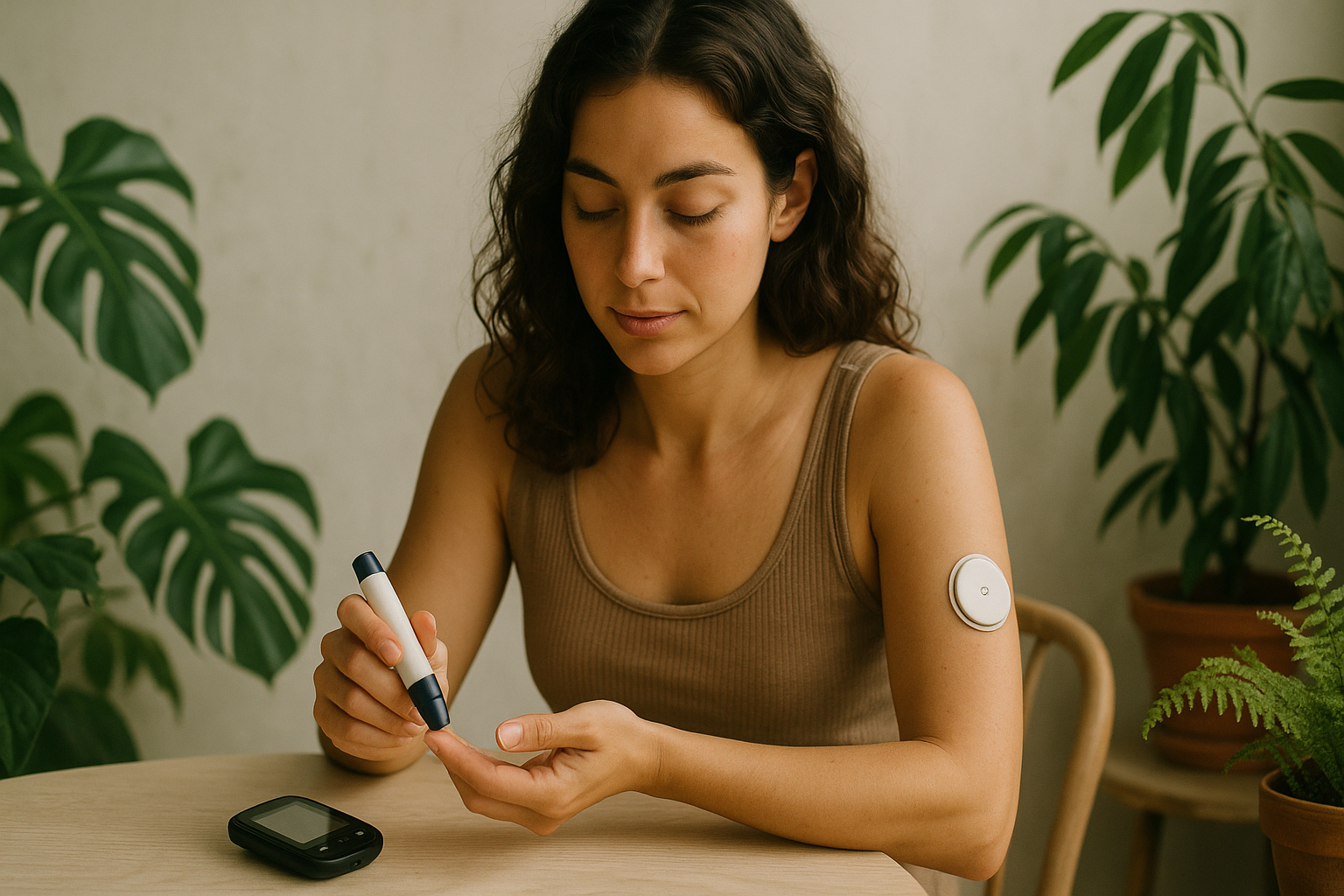
Glucose monitoring refers to the process of measuring the concentration of glucose in the blood. This practice is crucial for individuals managing diabetes, as it helps to maintain blood sugar levels within a target range, thereby preventing complications associated with hyperglycemia and hypoglycemia. Glucose meters, continuous glucose monitors (CGMs), and mobile health applications are commonly used tools in this process.
Understanding glucose levels is not limited to diabetes management. Healthy individuals can also benefit from monitoring their glucose to optimize their energy levels, enhance physical performance, and maintain metabolic health. By tracking glucose levels, individuals can gain insights into how their bodies respond to various foods, exercise, stress, and other lifestyle factors.
Mechanism / How It Works
Glucose monitoring primarily works by utilizing enzymatic reactions to determine the amount of glucose present in a blood sample. Traditional glucose meters require a small blood sample, which is placed on a test strip that contains enzymes like glucose oxidase or glucose dehydrogenase. These enzymes react with glucose, producing an electrical signal that is converted into a blood glucose level reading.
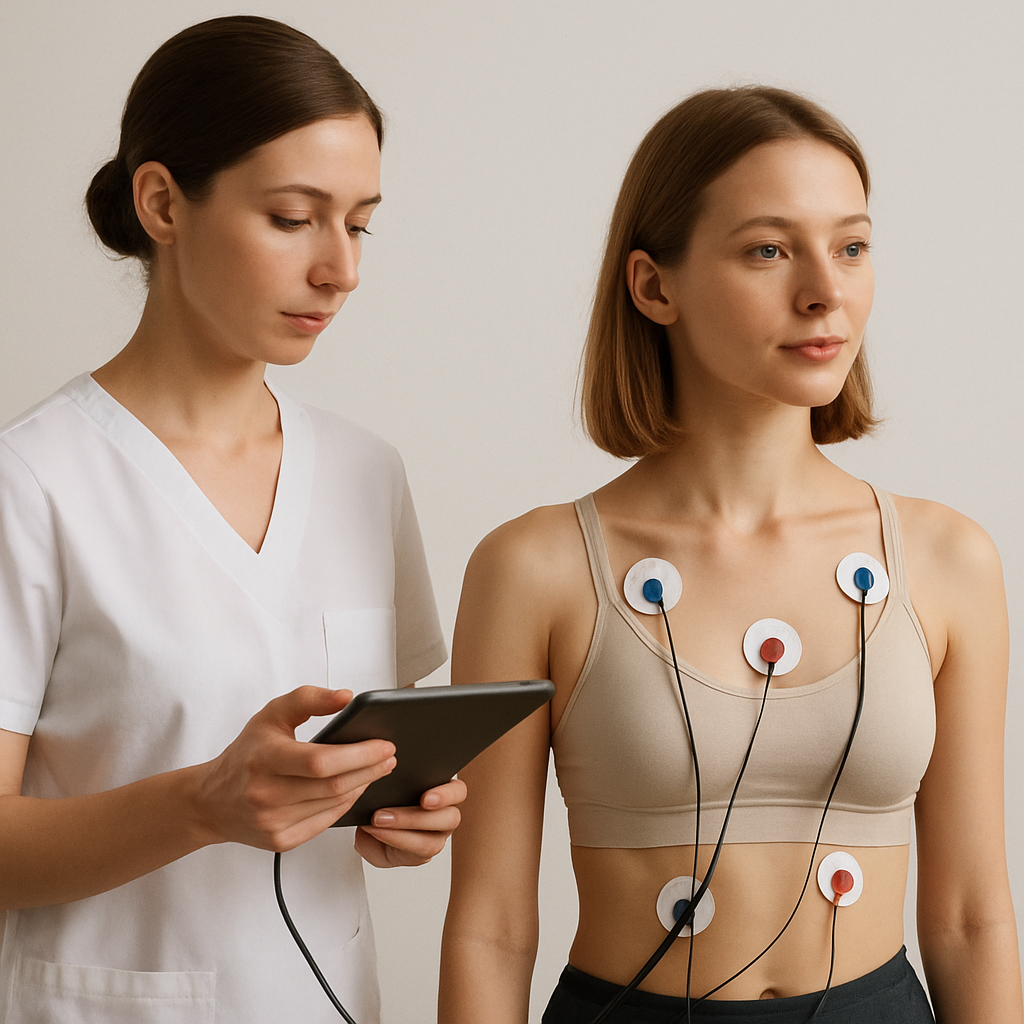
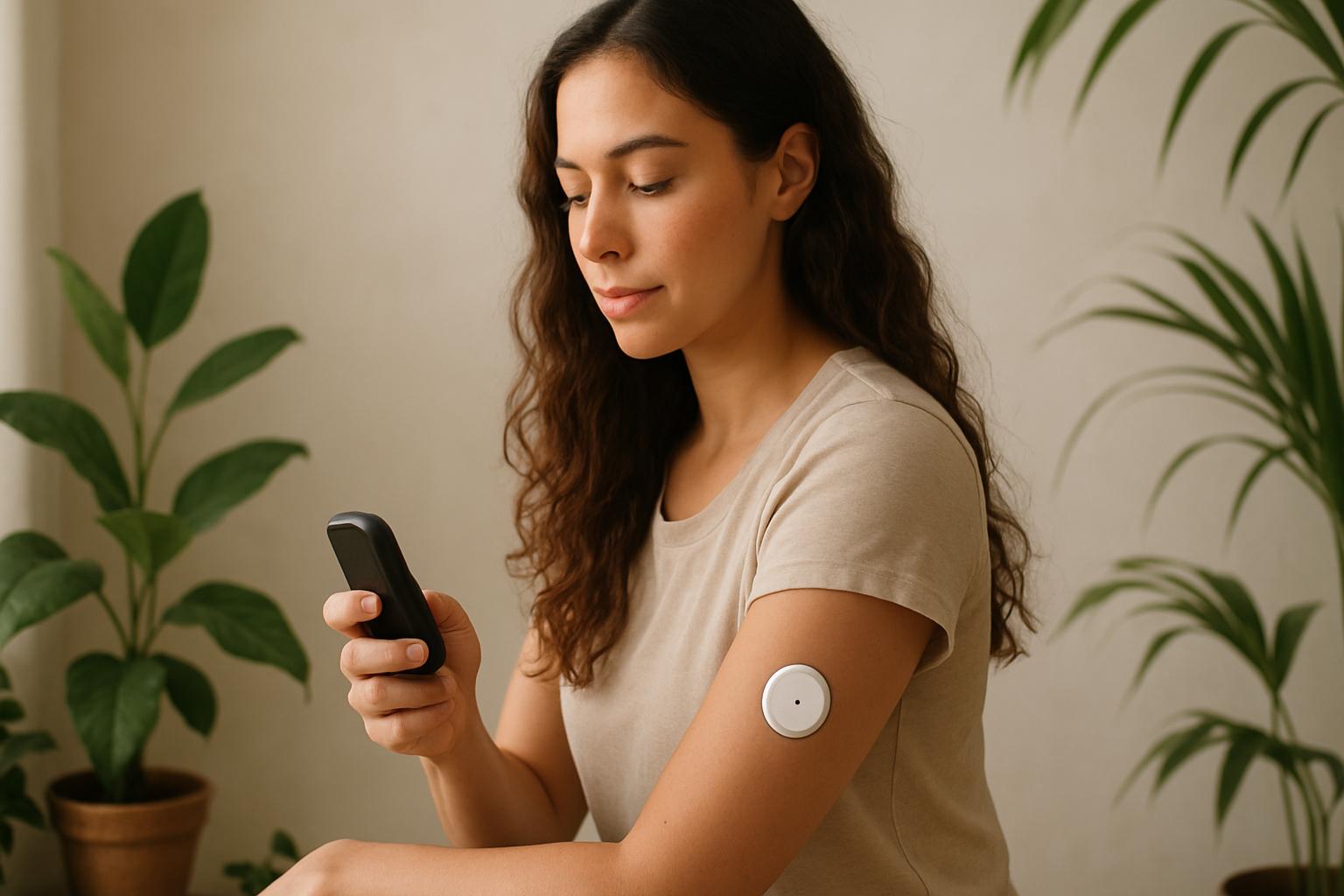
Continuous glucose monitors (CGMs) operate differently by using a small sensor placed under the skin. These devices measure glucose levels in the interstitial fluid, providing real-time data on glucose fluctuations throughout the day. CGMs can alert users to rapid changes in glucose levels, which can be particularly beneficial for individuals with diabetes.
Evidence Summary
Research supports the effectiveness of glucose monitoring in managing diabetes and improving metabolic health. Studies have shown that regular glucose monitoring can lead to better glycemic control, reduced incidence of hypoglycemia, and improved overall health outcomes for people with diabetes. However, evidence is mixed regarding the benefits of glucose monitoring for non-diabetic individuals. Some research suggests that self-monitoring can help improve dietary choices and promote healthier lifestyle habits.
Conflicting evidence exists about the need for continuous glucose monitoring in all diabetic patients versus traditional monitoring methods. While some studies highlight the advantages of CGMs in reducing A1C levels, others suggest that they may not be necessary for everyone, particularly those with well-controlled diabetes.
Practical Application
Incorporating glucose monitoring into daily life involves establishing a routine for checking blood sugar levels. Individuals with diabetes are often advised to check their levels before meals, after meals, and during times of physical activity. Using a CGM can simplify this process by providing continuous readings and eliminating the need for frequent finger pricks.
Common pitfalls include neglecting to monitor glucose levels consistently, misinterpreting data, or failing to adjust dietary and lifestyle choices based on glucose readings. Education on how to read and respond to the data is crucial for effective glucose management.
Relevant Biomarkers & Tracking
Key biomarkers related to glucose monitoring include:
- Fasting blood glucose
- Postprandial blood glucose
- Hemoglobin A1C (HbA1c)
- Continuous glucose monitoring data
Tracking these biomarkers can provide comprehensive insights into an individual’s glucose management and overall metabolic health.
Body Systems Supported
Glucose monitoring supports various body systems, primarily:
- Endocrine system: Regulates hormone levels, including insulin and glucagon.
- Metabolic system: Influences energy production and storage.
- Cardiovascular system: Helps prevent diabetes-related complications such as cardiovascular disease.
Maintaining stable glucose levels can lead to improved overall health and reduced risk of chronic diseases.
Common Goals
Common goals for glucose monitoring include:
- Maintaining blood glucose levels within a target range.
- Reducing the frequency of hypoglycemic and hyperglycemic episodes.
- Improving A1C levels over time.
- Enhancing dietary and lifestyle choices based on glucose data.
These goals can lead to better health outcomes and a higher quality of life for individuals managing their glucose levels.
Safety, Contraindications & Edge Cases
Glucose monitoring is generally safe for most individuals. However, some contraindications may include:
- Skin conditions that may affect sensor placement for CGMs.
- Severe hypoglycemia, which may require immediate medical intervention rather than self-monitoring.
Edge cases may involve individuals with certain medical conditions that affect glucose metabolism, such as hormonal disorders or severe insulin resistance, where standard glucose monitoring protocols may not apply.
Pairs Well With
Glucose monitoring pairs well with various ancient and natural practices, including:
- Mindful eating: Encourages awareness of how foods affect glucose levels.
- Herbal remedies: Certain herbs like cinnamon and berberine may support healthy glucose metabolism.
- Regular physical activity: Exercise is known to help improve insulin sensitivity and glucose utilization.
Integrating these practices can enhance the effectiveness of glucose monitoring and contribute to overall wellness.
FAQs (5)
- What is the best time to check my blood glucose levels?
It is generally recommended to check levels before and after meals, as well as during times of increased activity. - How often should I monitor my glucose if I have diabetes?
The frequency of glucose monitoring depends on individual needs and treatment plans, but many people check their levels multiple times a day. - Can I use glucose monitoring if I am not diabetic?
Yes, non-diabetic individuals can benefit from glucose monitoring to optimize health and understand how their bodies respond to different foods and activities. - What should I do if my glucose levels are too high?
Consult your healthcare provider for personalized advice, but common strategies include adjusting your diet, increasing physical activity, or reviewing medication. - Are there any risks associated with continuous glucose monitoring?
While generally safe, some individuals may experience skin irritation or allergic reactions at the sensor site. It's important to monitor for any adverse reactions.
Frequently asked
What is the best time to check my blood glucose levels?
It is generally recommended to check levels before and after meals, as well as during times of increased activity.
How often should I monitor my glucose if I have diabetes?
The frequency of glucose monitoring depends on individual needs and treatment plans, but many people check their levels multiple times a day.
Can I use glucose monitoring if I am not diabetic?
Yes, non-diabetic individuals can benefit from glucose monitoring to optimize health and understand how their bodies respond to different foods and activities.
What should I do if my glucose levels are too high?
Consult your healthcare provider for personalized advice, but common strategies include adjusting your diet, increasing physical activity, or reviewing medication.
Are there any risks associated with continuous glucose monitoring?
While generally safe, some individuals may experience skin irritation or allergic reactions at the sensor site. It's important to monitor for any adverse reactions.