Continuous Monitoring
Discover the significance of continuous monitoring in biomarker testing and tracking, its mechanisms, evidence, applications, and more in the quest for modern wellness.
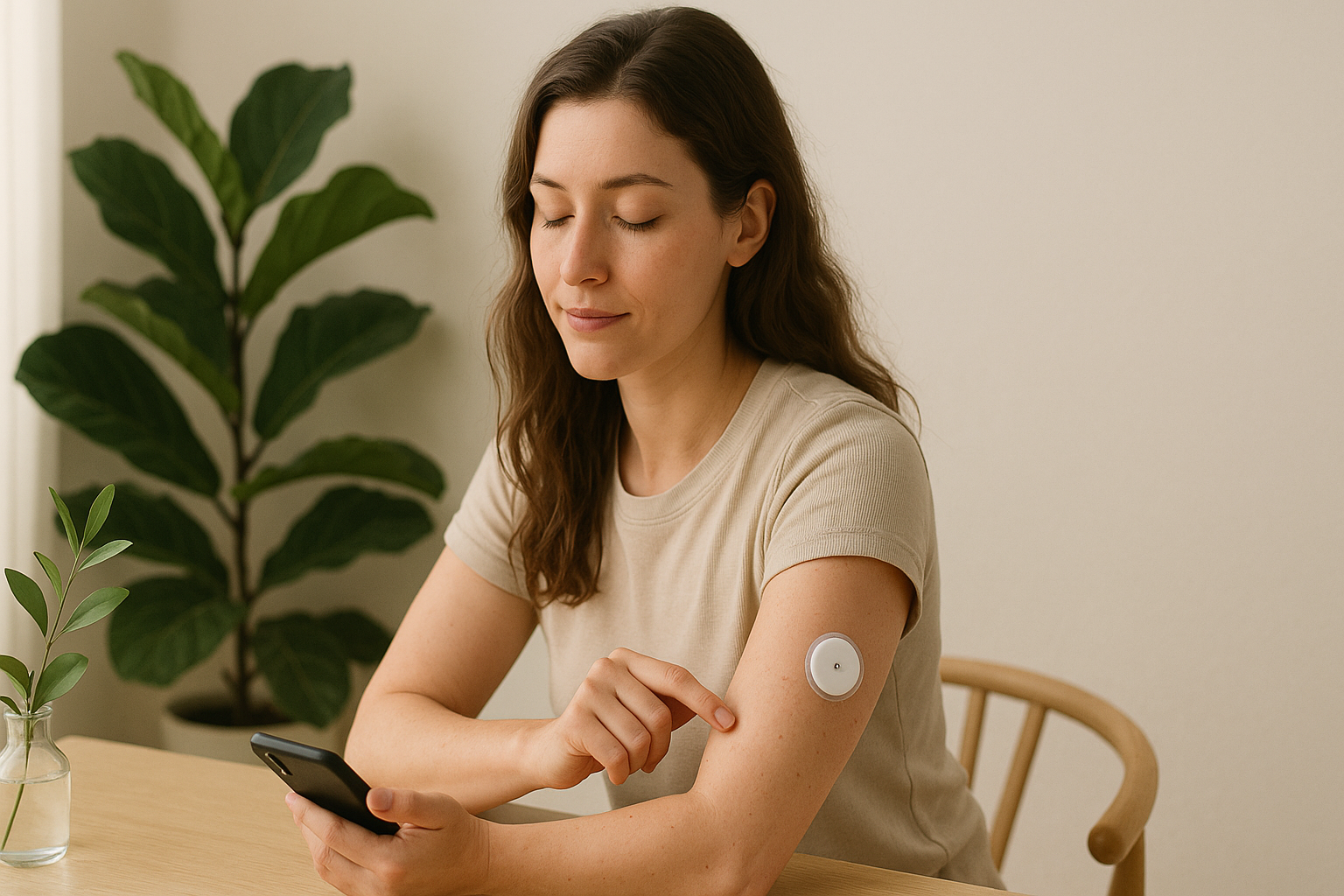
Explore the realm of continuous monitoring within biomarker testing and tracking, a vital aspect of modern wellness. This page delves into its definition, mechanisms, evidence, practical applications, relevant biomarkers, supported body systems, common goals, safety considerations, and complementary practices.
What It Is
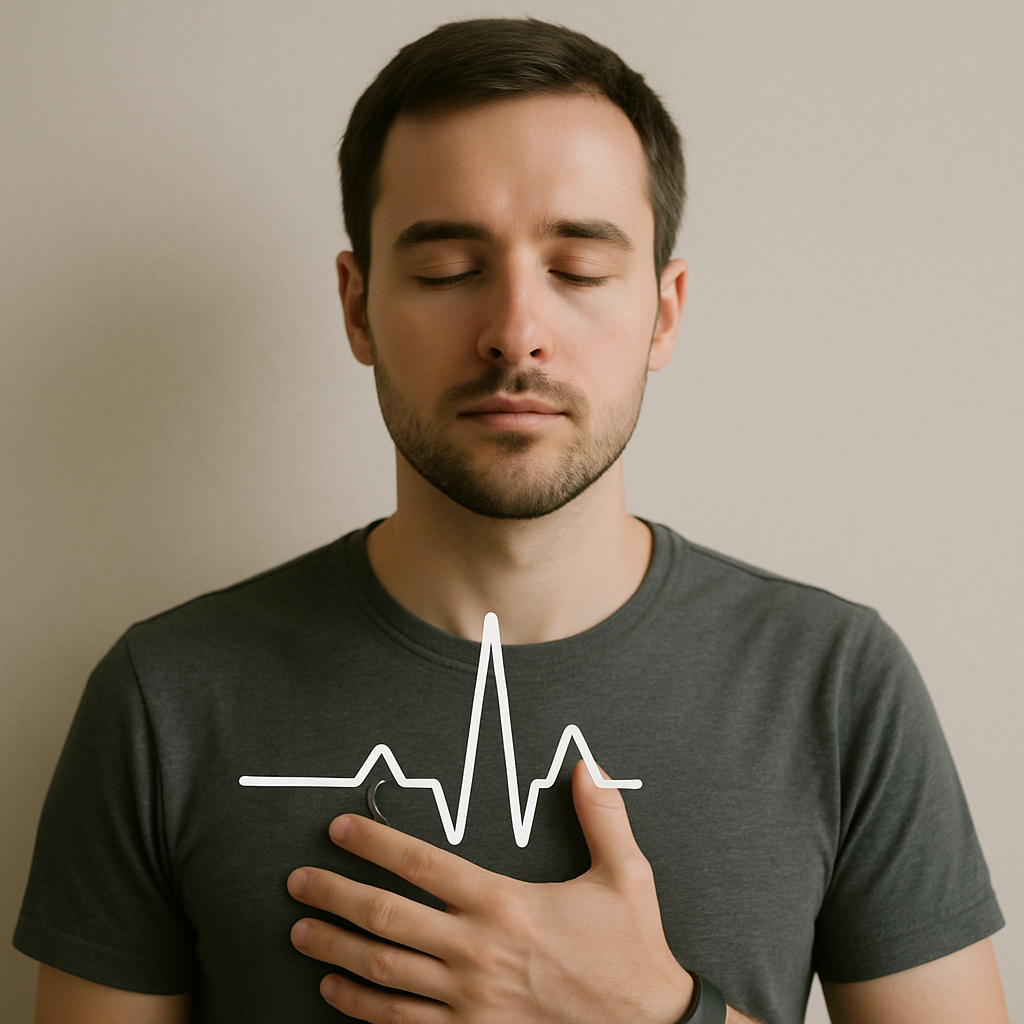
Continuous monitoring refers to the real-time tracking of biological markers that provide insights into an individual's health status. This approach is particularly valuable as it allows for ongoing assessment rather than relying solely on sporadic testing. Continuous monitoring can encompass various parameters such as heart rate, glucose levels, and other key indicators that reflect physiological changes over time.
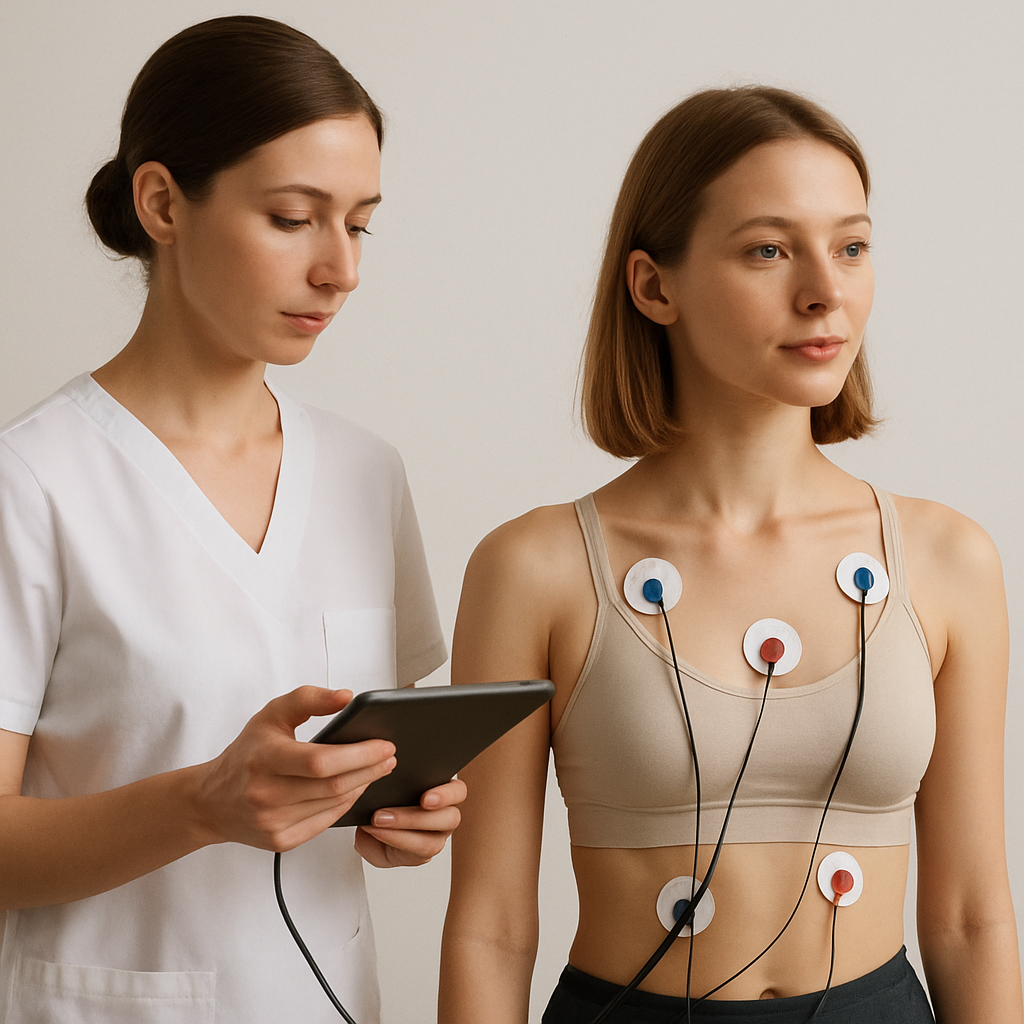
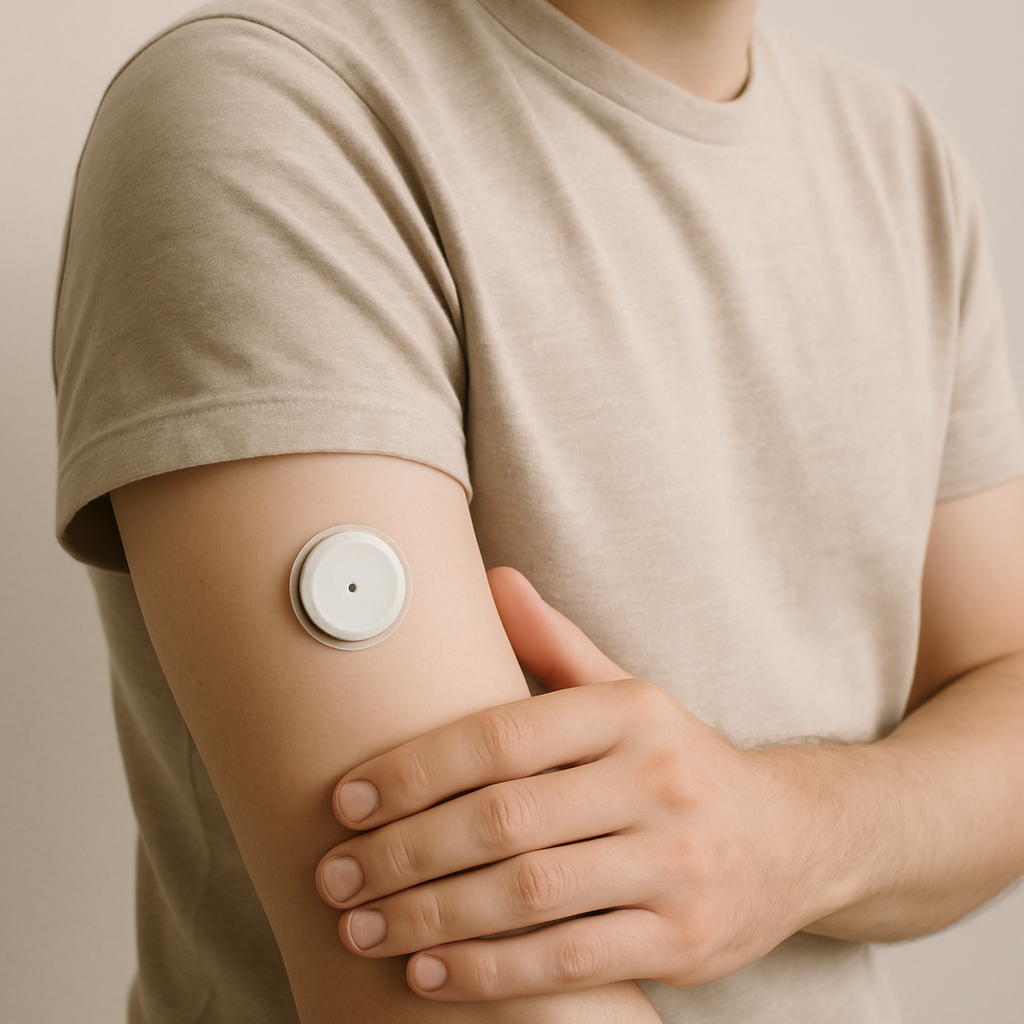
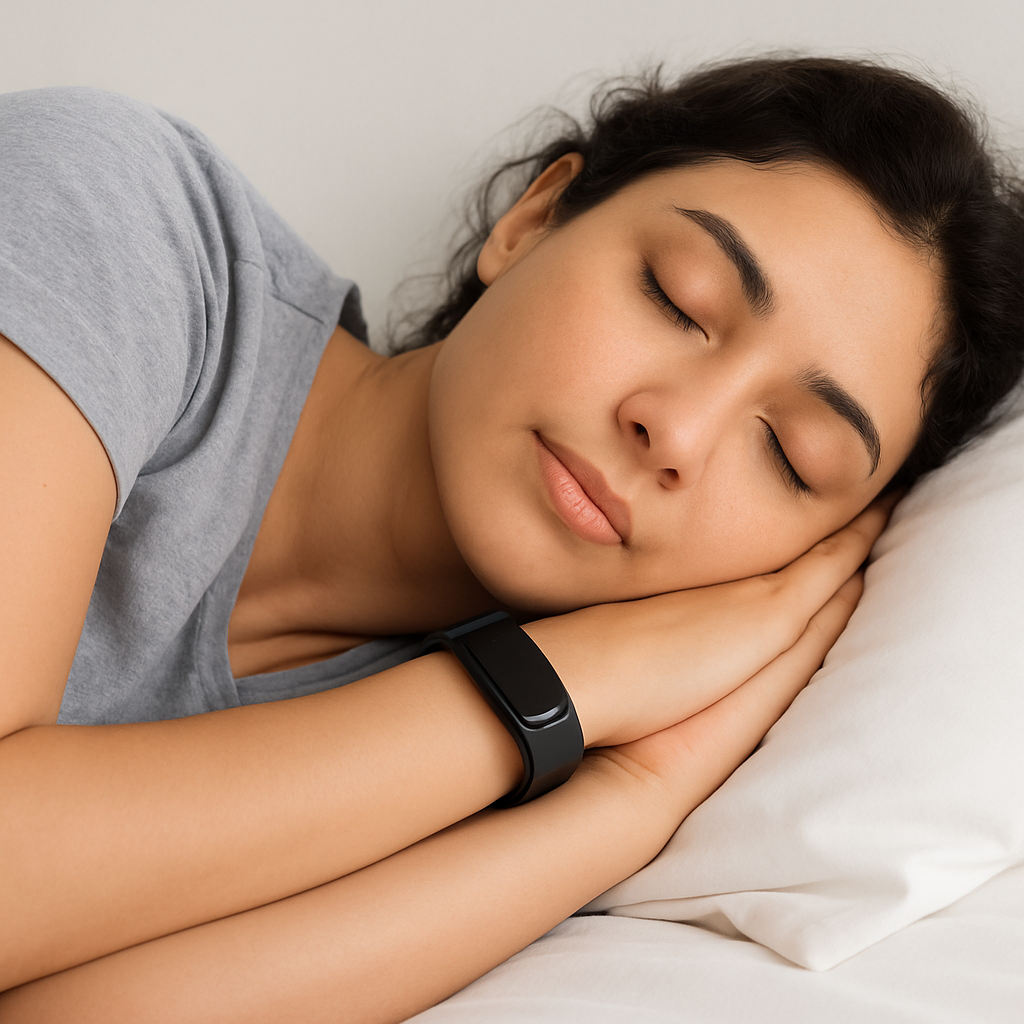
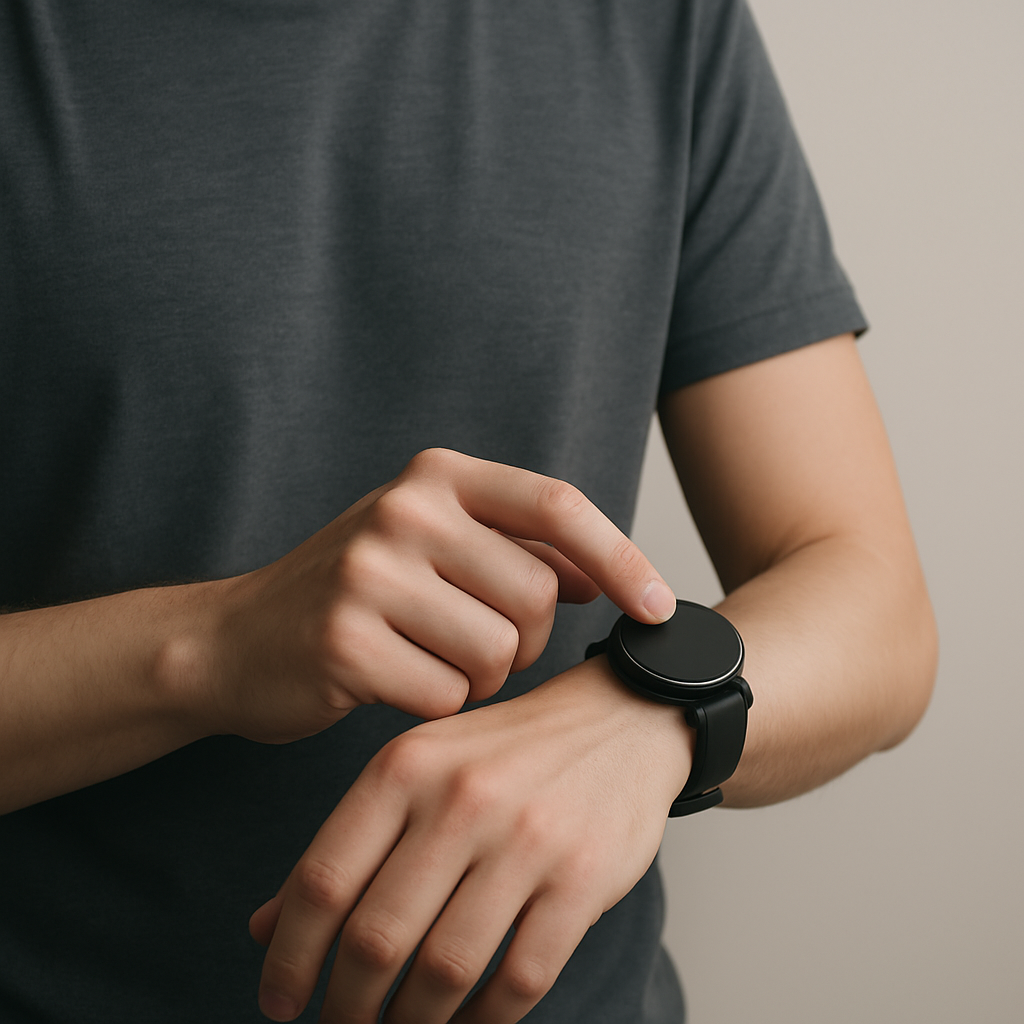
The technology behind continuous monitoring typically involves wearable devices or implantable sensors that collect data continuously. This data can be analyzed to detect patterns, trends, and anomalies, providing a more comprehensive understanding of a person's health and enabling timely interventions when necessary.
Mechanism / How It Works
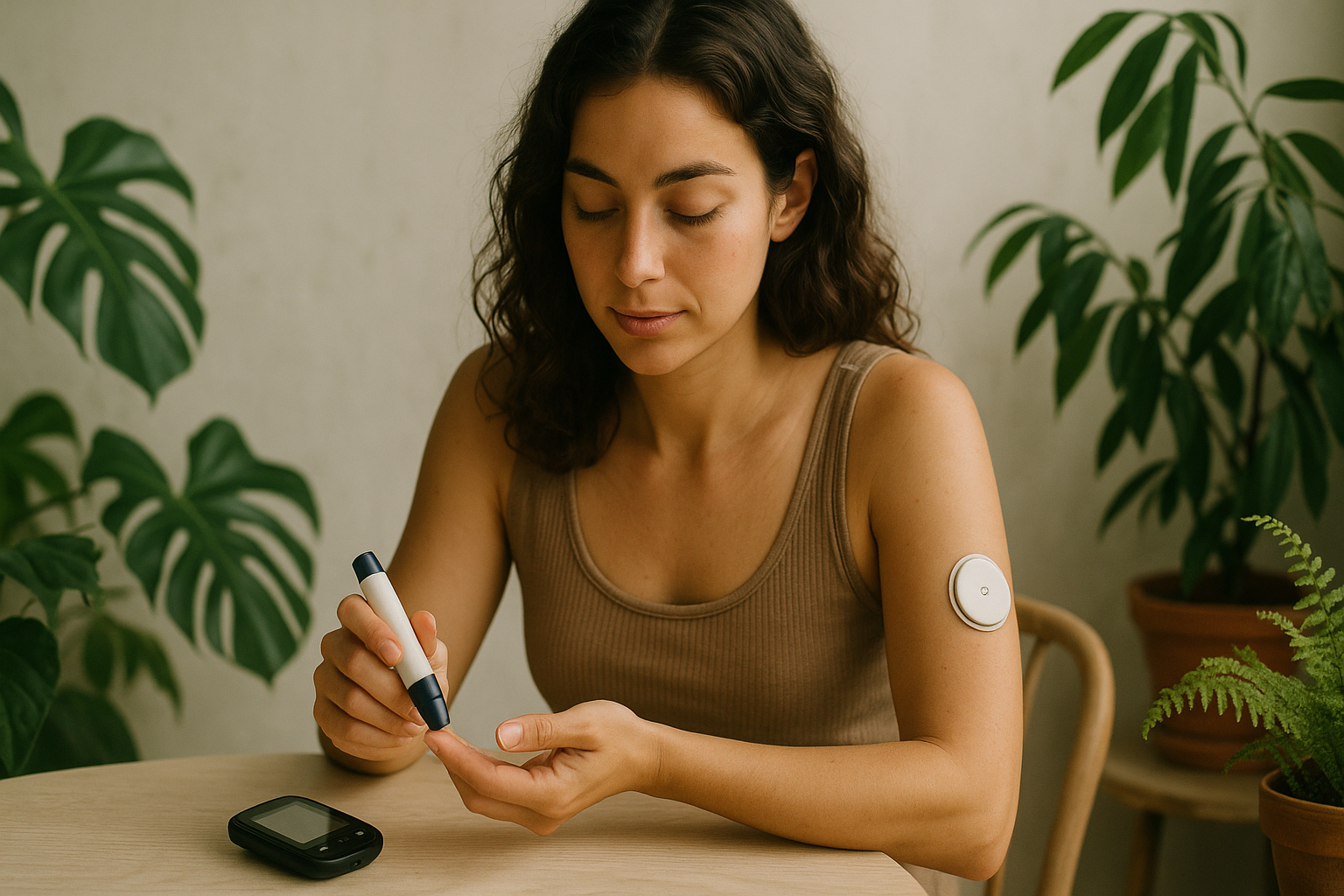
Continuous monitoring systems operate through a combination of sensors, algorithms, and data analysis platforms. Sensors embedded in wearable devices or medical implants gather data on specific biomarkers. For instance, glucose monitors use electrochemical sensors to measure blood sugar levels, while heart rate monitors utilize photoplethysmography to assess heart activity.
The collected data is transmitted to a connected device, such as a smartphone or computer, where sophisticated algorithms analyze the information. This analysis helps in identifying trends and making predictions about future health states. Notifications and alerts can be generated if the monitored data exceeds or drops below set thresholds, allowing individuals and healthcare providers to respond promptly.
Evidence Summary
The evidence surrounding continuous monitoring is evolving, with a mix of preliminary and clinical studies providing insights into its effectiveness. Preliminary research indicates that continuous glucose monitoring can significantly improve glycemic control in individuals with diabetes. Additionally, studies on continuous heart rate monitoring have shown potential benefits in managing cardiovascular diseases.
However, some conflicting evidence exists regarding the psychological impact of constant data availability. While many users appreciate the proactive health management it allows, others may experience anxiety from receiving constant health updates. More robust clinical trials are needed to fully understand the long-term effects and benefits of continuous monitoring in various health contexts.
Practical Application
Integrating continuous monitoring into daily life requires a structured approach. Individuals should start by selecting the appropriate device based on their health goals. For example, someone looking to manage diabetes may opt for a continuous glucose monitor, while a person focused on cardiovascular health might choose a smartwatch with heart rate monitoring capabilities.
Protocols should include setting up the device, understanding how to interpret the data, and creating action plans based on the insights gained. Common pitfalls include over-reliance on the data, leading to unnecessary stress, or failing to consult healthcare providers about significant changes in biomarker readings. Regular check-ins with healthcare professionals can help balance data interpretation with clinical expertise.
Relevant Biomarkers & Tracking
Continuous monitoring can track various biomarkers, including:
- Blood glucose levels
- Heart rate
- Blood pressure
- Oxygen saturation
- Physical activity levels
- Sleep quality
Each of these biomarkers can provide critical insights into an individual's overall health and wellness, helping to inform lifestyle choices and medical decisions.
Body Systems Supported
Continuous monitoring supports several body systems, including:
- Endocrine System - particularly in managing diabetes through glucose monitoring.
- Cardiovascular System - by providing real-time heart rate and blood pressure data.
- Respiratory System - through continuous tracking of oxygen saturation levels.
- Nervous System - monitoring stress levels and sleep patterns for overall mental health.
Common Goals
Individuals may pursue continuous monitoring with various health goals in mind, including:
- Improving disease management, such as diabetes or hypertension.
- Enhancing athletic performance through real-time feedback on vital signs.
- Promoting preventive health measures by identifying risk factors early.
- Increasing engagement in personal health management and awareness.
Safety, Contraindications & Edge Cases
While continuous monitoring can be beneficial, there are safety considerations. Individuals with certain medical conditions, such as skin sensitivities or allergies to adhesive materials used in sensors, should consult healthcare providers before using continuous monitoring devices. Additionally, individuals with privacy concerns regarding data security should be aware of how their data is used and stored.
Edge cases may include users who may become overly reliant on monitoring data, leading to anxiety or unnecessary medical consultations. It is essential to maintain a balanced approach and seek professional guidance when interpreting health data.
Pairs Well With
Continuous monitoring can be effectively paired with various ancient and natural wellness practices, including:
- Mindfulness and meditation for stress reduction and mental clarity.
- Herbal supplements that support heart health or metabolic function.
- Traditional practices like yoga to enhance physical well-being and mindfulness.
FAQs (5)
- What types of devices are used for continuous monitoring? Devices vary from wearables like smartwatches to implantable sensors specifically designed for monitoring health metrics.
- How often should I check my monitoring data? The frequency can depend on individual health goals, but regular daily checks are often recommended.
- Can continuous monitoring replace regular doctor visits? It should complement, not replace, regular healthcare check-ups with professionals.
- What should I do if I receive an alert from my monitoring device? Consult a healthcare professional for guidance on significant alerts or changes in your biomarker levels.
- Is continuous monitoring suitable for everyone? Not necessarily; individuals with certain conditions should consult their healthcare provider before using these devices.
Frequently asked
What types of devices are used for continuous monitoring?
Devices vary from wearables like smartwatches to implantable sensors specifically designed for monitoring health metrics.
How often should I check my monitoring data?
The frequency can depend on individual health goals, but regular daily checks are often recommended.
Can continuous monitoring replace regular doctor visits?
It should complement, not replace, regular healthcare check-ups with professionals.
What should I do if I receive an alert from my monitoring device?
Consult a healthcare professional for guidance on significant alerts or changes in your biomarker levels.
Is continuous monitoring suitable for everyone?
Not necessarily; individuals with certain conditions should consult their healthcare provider before using these devices.