Microbiome Testing
Explore the world of microbiome testing, its mechanisms, applications, and how it can support your modern wellness journey.

Microbiome testing is an emerging field in biomarker testing that aims to analyze the diverse community of microorganisms residing in the human body, particularly the gut. By assessing the composition and function of these microbial communities, individuals can gain insights into their health, dietary habits, and potential disease risks.
What It Is
Microbiome testing refers to the analysis of the genetic material of microorganisms, including bacteria, viruses, fungi, and other microbes, that inhabit various parts of the human body, with a significant focus on the gut microbiome. This testing provides insights into the diversity, composition, and function of these microbial communities, offering valuable information about an individual's health status and lifestyle factors.
The gut microbiome plays a critical role in various bodily functions, impacting digestion, metabolism, immune response, and even mental health. By examining these microbial profiles, microbiome testing can help identify imbalances or dysbiosis, which may be associated with a range of health issues, including gastrointestinal disorders, autoimmune diseases, and metabolic conditions.
Mechanism / How It Works
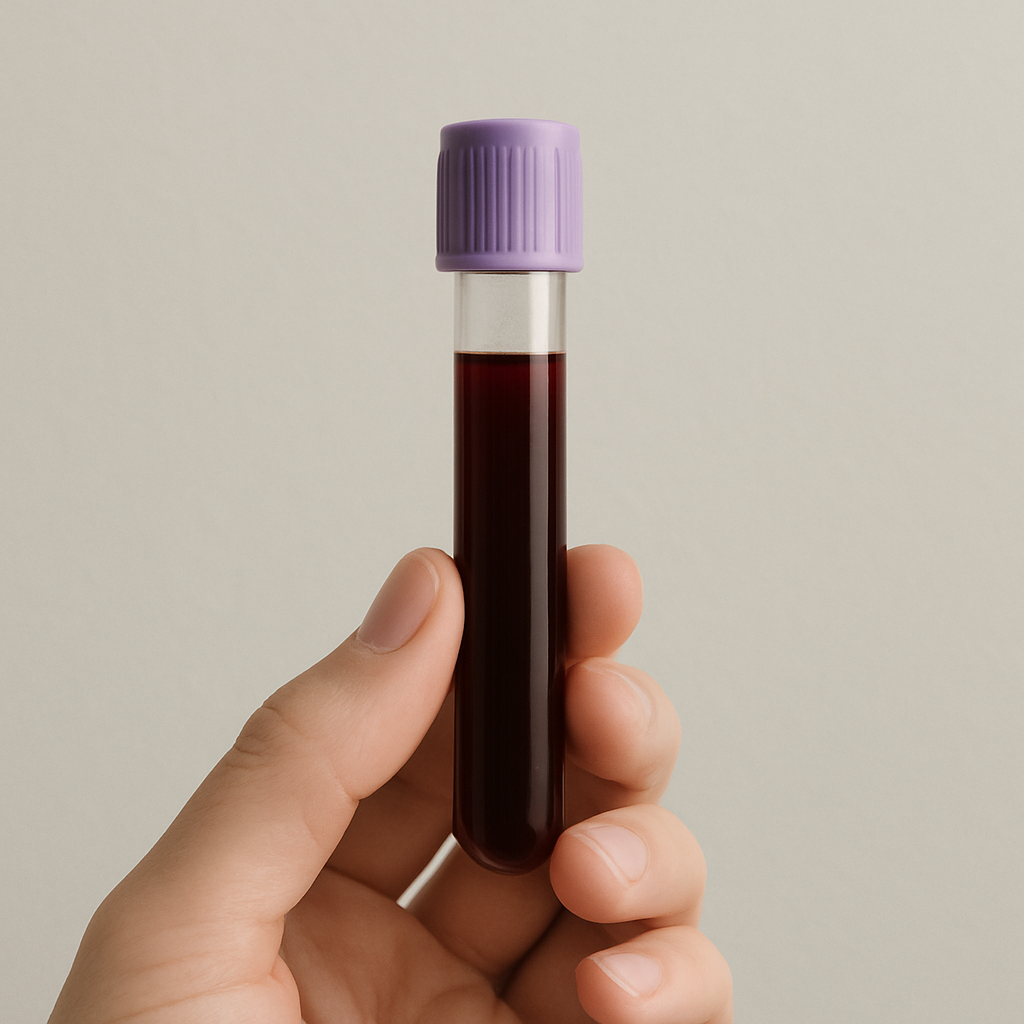
Microbiome testing typically involves collecting a sample, usually stool, which contains a wealth of microbial DNA. This sample is then analyzed using advanced sequencing technologies, such as 16S rRNA sequencing or whole-genome sequencing, to identify and quantify the different types of microorganisms present.
The data generated is processed through bioinformatics tools that compare the individual's microbiome profile to reference databases. This analysis can reveal the presence of specific microbial taxa, their relative abundances, and functional capabilities. By interpreting this information, researchers and healthcare professionals can make informed recommendations regarding diet, lifestyle changes, and potential interventions.
Evidence Summary
The field of microbiome research is rapidly evolving, and while there is a growing body of evidence supporting the relationship between the microbiome and various health outcomes, it is essential to recognize the current limitations and areas of conflict. Preliminary studies have suggested associations between specific microbiome profiles and conditions such as obesity, diabetes, inflammatory bowel disease, and mental health disorders.
However, clinical evidence remains inconsistent, with many studies yielding conflicting results. Factors such as individual variability, dietary influences, and environmental factors can all impact microbiome composition, making it challenging to establish definitive causal relationships. Moreover, the clinical utility of microbiome testing for diagnosing or treating specific conditions is still under investigation, and more robust, large-scale studies are needed to solidify these connections.
Practical Application
Integrating microbiome testing into one's health regimen can provide valuable insights and guide personalized wellness strategies. Here are some practical applications:
- Identifying Dysbiosis: Understanding imbalances in gut bacteria can help individuals address specific health issues.
- Personalized Nutrition: Microbiome results can inform dietary choices tailored to support a healthy microbiome.
- Lifestyle Modifications: Recommendations based on microbiome analysis can encourage healthier habits, such as increased physical activity and stress management.
Common pitfalls include over-reliance on test results and neglecting the importance of consultation with healthcare professionals. It's crucial to approach microbiome testing as a tool for understanding one's health rather than a definitive diagnosis.
Relevant Biomarkers & Tracking
Microbiome testing can identify various biomarkers related to microbial diversity and specific taxa of interest. Key biomarkers might include:
- Richness: The number of different species present.
- Diversity: The variety of microbial species and their relative abundances.
- Specific Genera or Species: Identification of particular bacteria known to influence health outcomes.
Tracking these biomarkers over time can help individuals monitor their microbiome's health and make informed decisions about lifestyle and dietary changes.
Body Systems Supported
The gut microbiome plays a pivotal role in several body systems, including:
- Digestive System: Aids in digestion and nutrient absorption.
- Immune System: Influences immune responses and helps protect against pathogens.
- Endocrine System: Impacts metabolism and hormone regulation.
- Nervous System: Connects to brain health and mental well-being through the gut-brain axis.
Common Goals
Individuals may pursue microbiome testing with various goals in mind, such as:
- Improving Gut Health: Addressing digestive issues and enhancing overall gut function.
- Weight Management: Understanding the microbiome's role in metabolism and weight regulation.
- Enhancing Immune Function: Supporting a balanced immune response.
- Mental Health Support: Exploring the gut-brain connection for mood and anxiety management.
Safety, Contraindications & Edge Cases
Microbiome testing is generally considered safe, as it involves non-invasive sample collection. However, there are some considerations to keep in mind:
- Individuals with specific health conditions should consult a healthcare professional before making significant dietary or lifestyle changes based on test results.
- Microbiome data interpretation can be complex, and misinterpretation may lead to unnecessary stress or ineffective interventions.
- It is essential to approach microbiome testing as part of a broader health strategy, rather than relying solely on test outcomes.
Pairs Well With
Microbiome testing can be complemented by various ancient and natural wellness practices, including:
- Fermented Foods: Incorporating probiotics from natural sources like yogurt, kefir, and kombucha.
- Herbal Remedies: Utilizing herbs known for their gut-supportive properties.
- Meditation and Mindfulness: Reducing stress to positively influence gut health.
FAQs (5)
- What is microbiome testing? Microbiome testing analyzes the microorganisms in your body, primarily focusing on gut bacteria, to provide insights into your health.
- How often should I get microbiome testing? Frequency depends on individual health goals, but many opt for annual testing or after significant dietary changes.
- Can I improve my microbiome health? Yes, through dietary changes, probiotics, and lifestyle adjustments.
- Are there any risks associated with microbiome testing? Generally low-risk, but misinterpretation of results can lead to inappropriate lifestyle changes.
- Does microbiome testing replace medical advice? No, it should be used as a supplementary tool and not as a substitute for professional medical advice.
Frequently asked
What is microbiome testing?
Microbiome testing analyzes the microorganisms in your body, primarily focusing on gut bacteria, to provide insights into your health.
How often should I get microbiome testing?
Frequency depends on individual health goals, but many opt for annual testing or after significant dietary changes.
Can I improve my microbiome health?
Yes, through dietary changes, probiotics, and lifestyle adjustments.
Are there any risks associated with microbiome testing?
Generally low-risk, but misinterpretation of results can lead to inappropriate lifestyle changes.
Does microbiome testing replace medical advice?
No, it should be used as a supplementary tool and not as a substitute for professional medical advice.