Tribal Herbalism
Delve into Tribal Herbalism's definition, history, practices, and modern insights within African Traditional Medicine.
Explore the rich tradition of Tribal Herbalism within African Traditional Medicine, its historical context, practices, and modern research insights.
What It Is
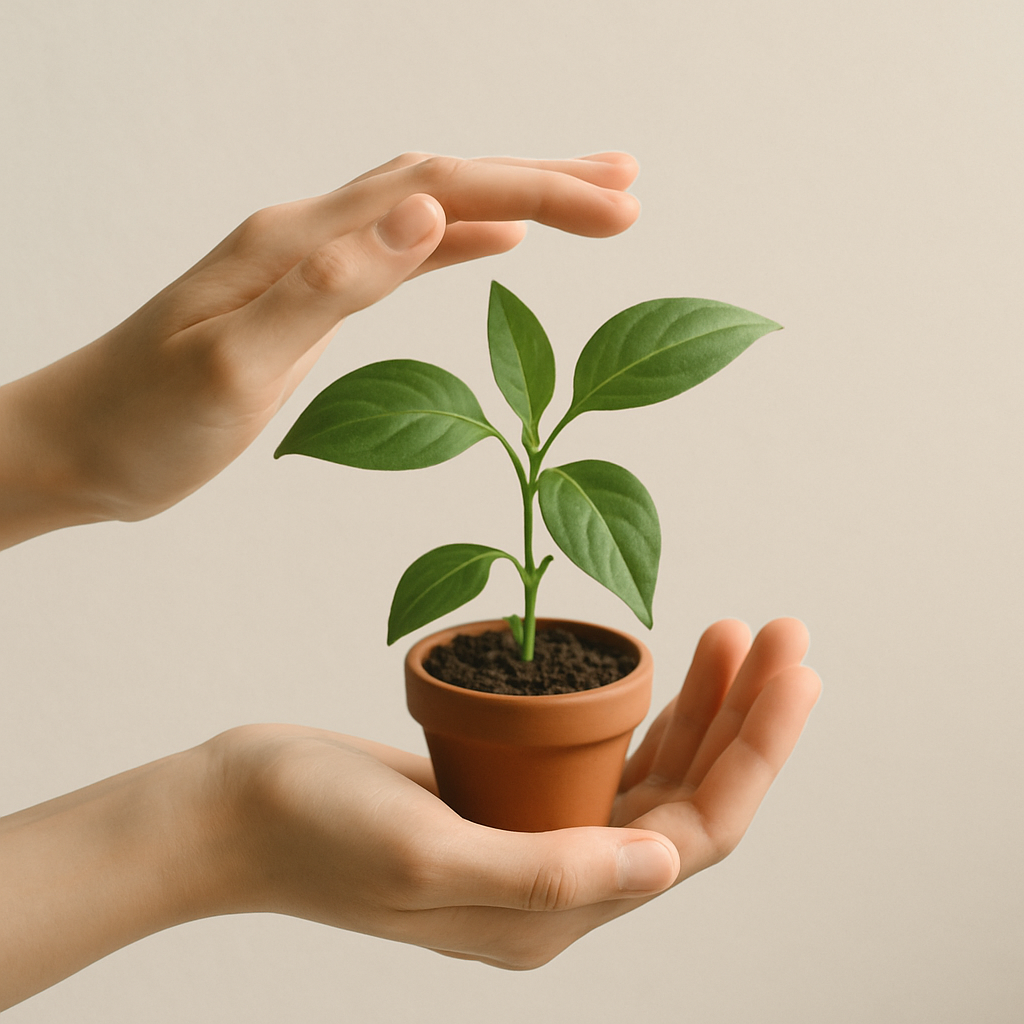
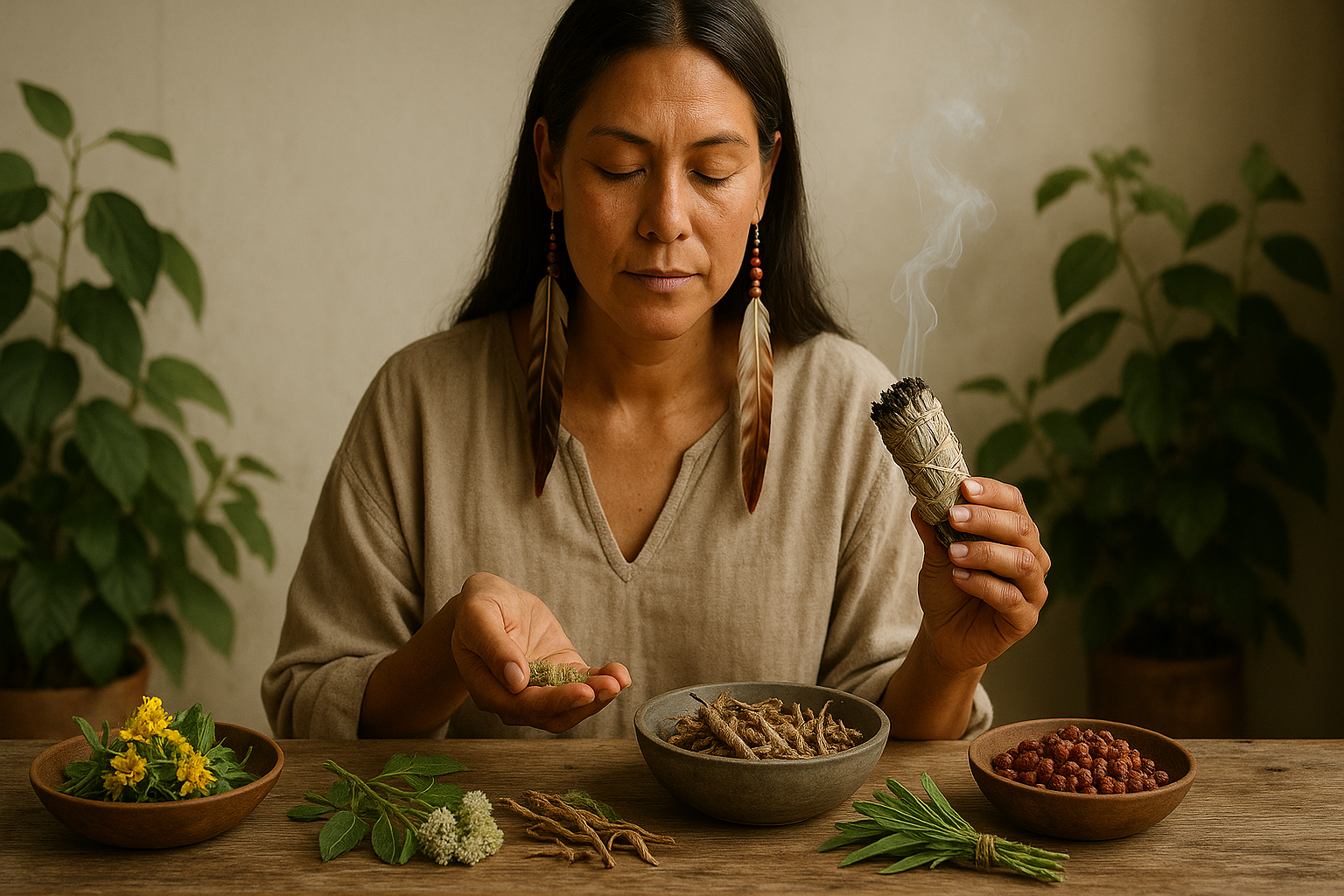
Tribal Herbalism is a holistic practice deeply rooted in African Traditional Medicine, emphasizing the use of local plants and herbs for healing and wellness. This practice is not merely about the application of herbal remedies; it encompasses a broader understanding of the relationship between the individual and their environment, including cultural beliefs, spiritual connections, and community traditions.
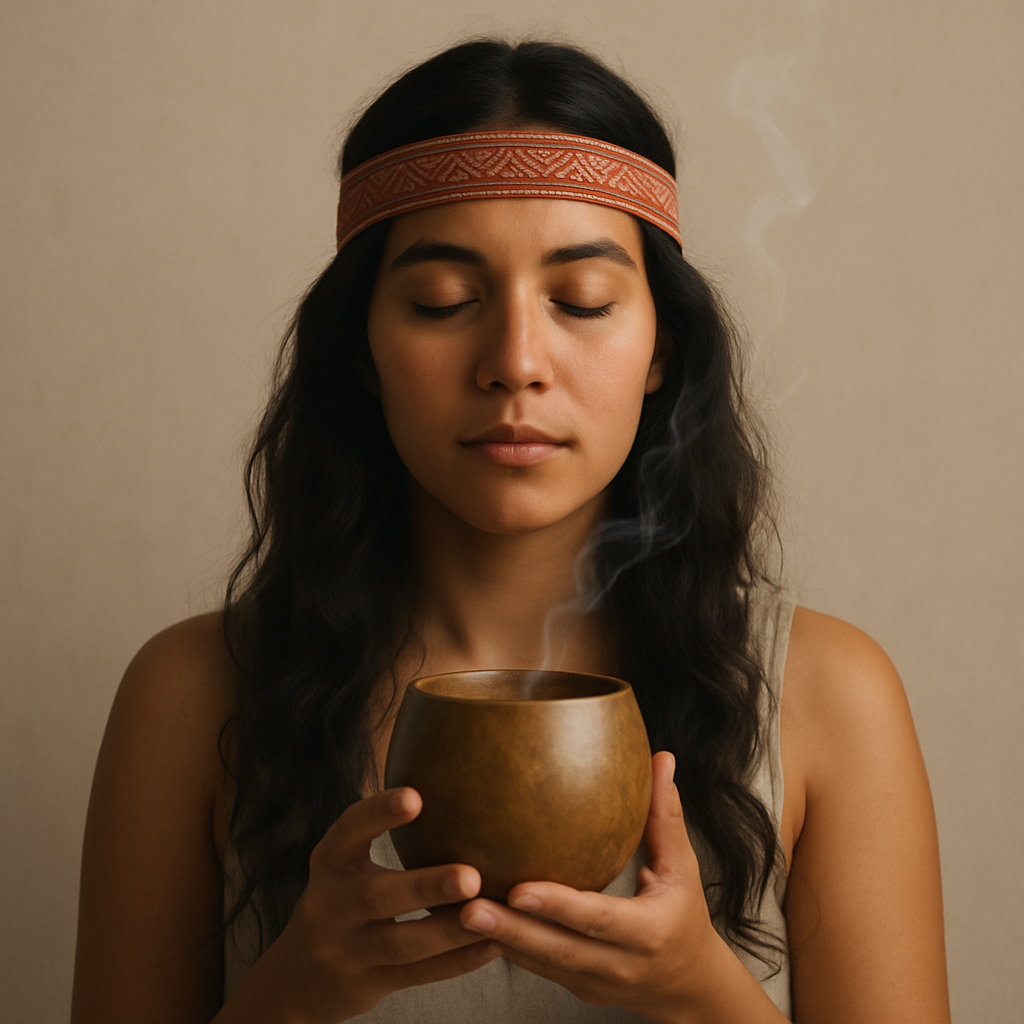
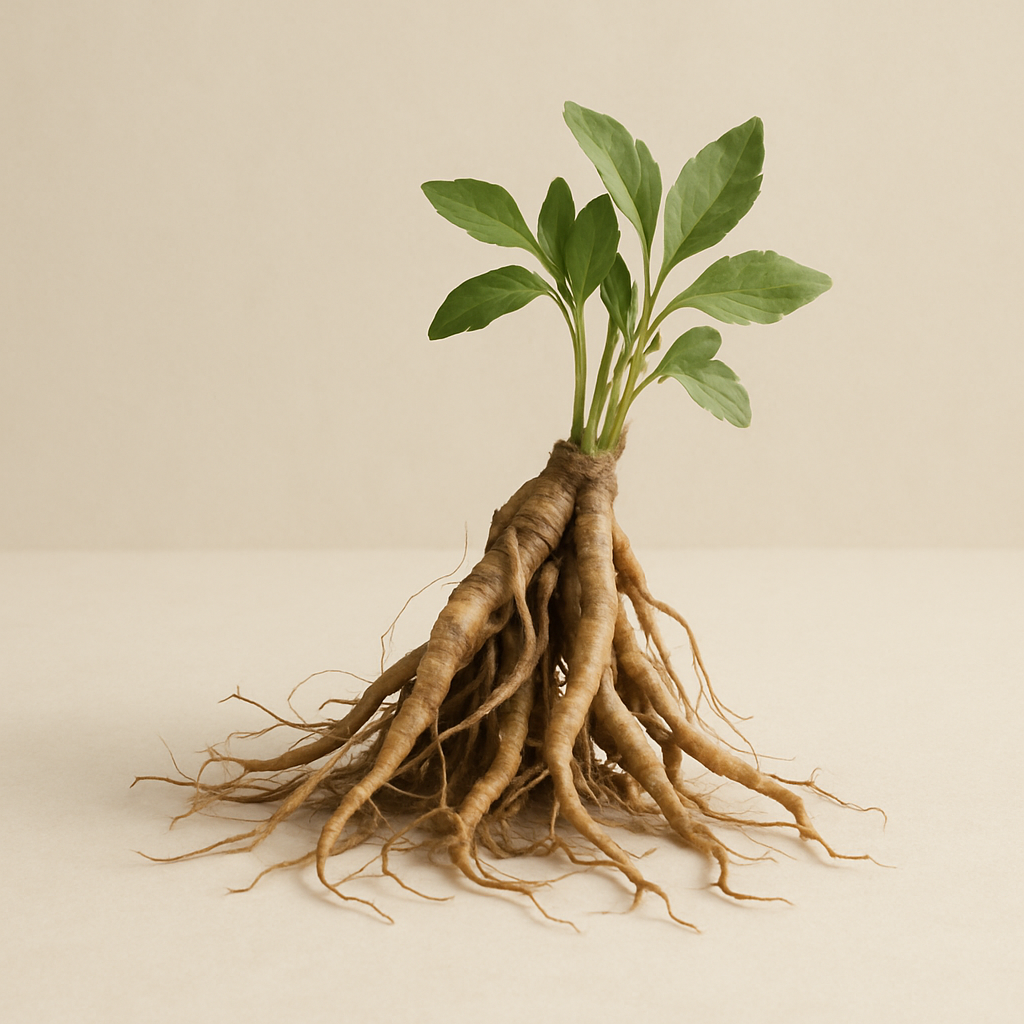
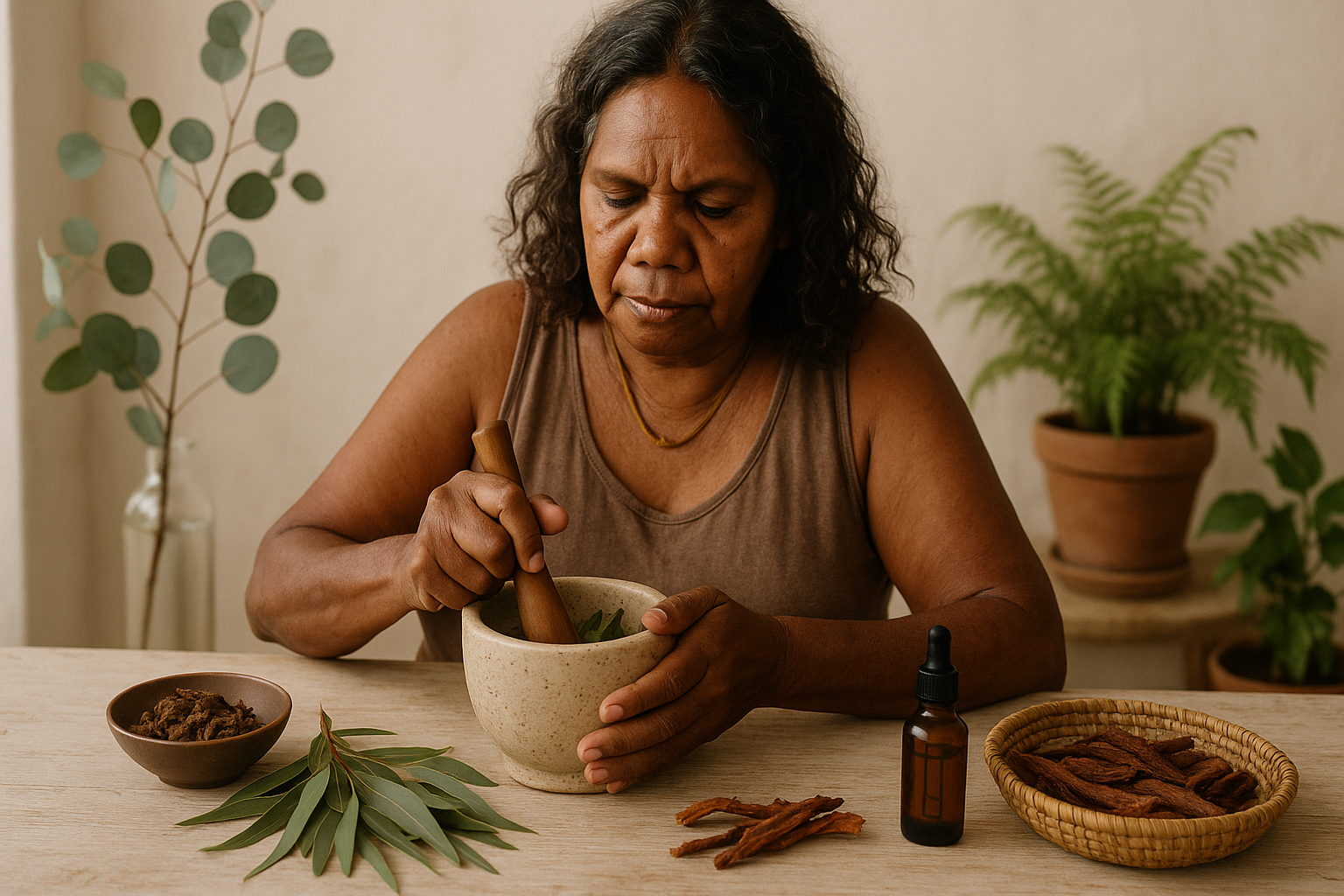
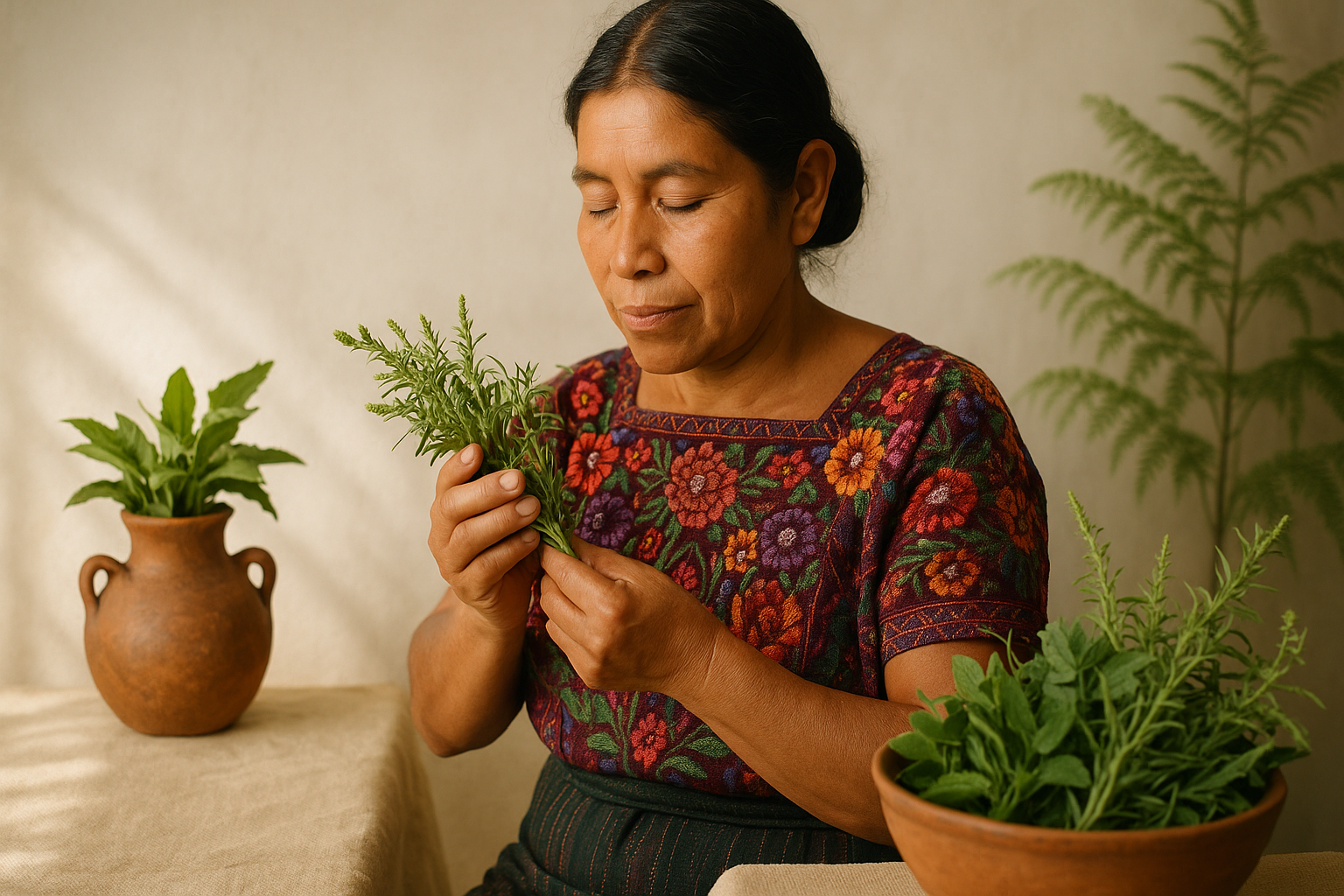
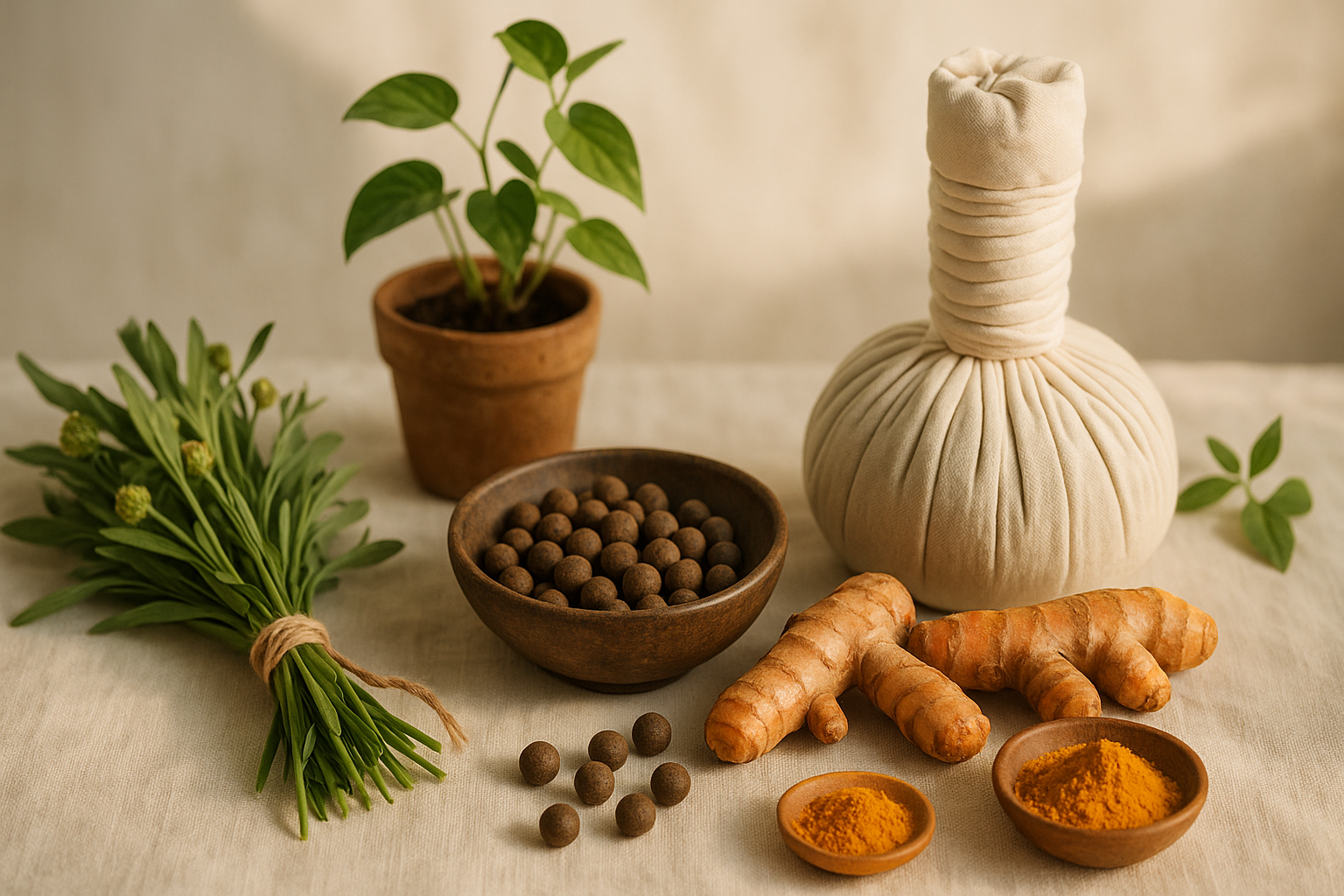
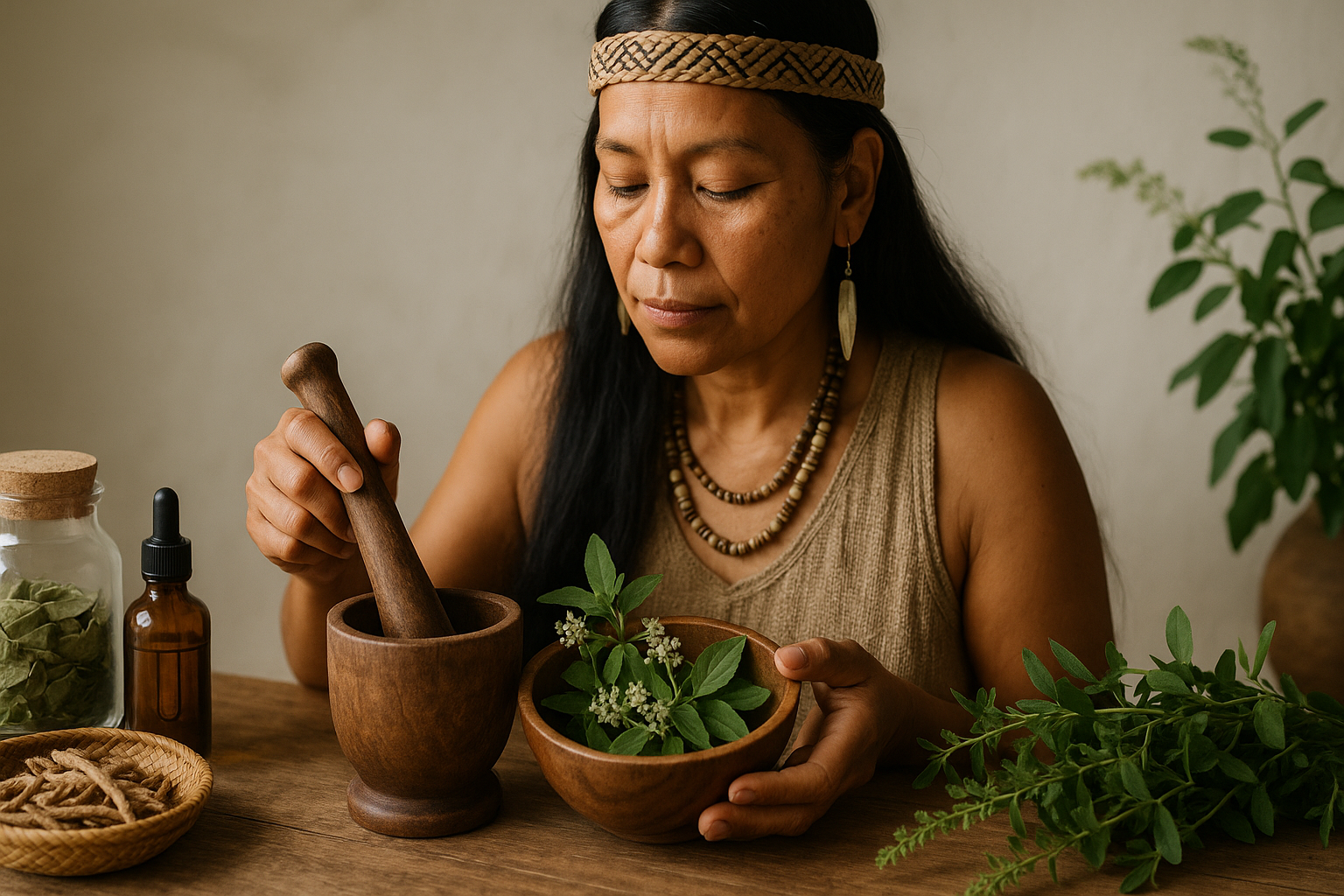
Herbalism in this context is characterized by the use of indigenous flora, passed down through generations, which forms an integral part of the cultural identity of various tribes. Practitioners, often known as herbalists or traditional healers, rely on their extensive knowledge of plants, which they gather through observation, experience, and oral traditions.
Historical Context Within African Traditional Medicine
Tribal Herbalism has its roots in the ancient practices of African communities, dating back thousands of years. As a key component of African Traditional Medicine, it emerged as tribes developed their unique systems of healing based on local resources and environmental conditions. This form of herbalism was not only a means to address physical ailments but also served to strengthen communal bonds and cultural identities.
Various tribes across the African continent have contributed to the development of Tribal Herbalism, each bringing their unique perspectives and practices. The knowledge has been preserved through oral traditions, where elders and healers share their insights and experiences with younger generations, ensuring the continuity of this ancient wisdom.
How It's Practiced
The practice of Tribal Herbalism involves several steps, often tailored to the individual needs of the person seeking healing. Here is a general overview of the process:
- Consultation: The practitioner engages with the individual to understand their health concerns, lifestyle, and emotional state.
- Diagnosis: Based on traditional methods, the healer may diagnose the condition by observing symptoms and asking questions about the individual's life.
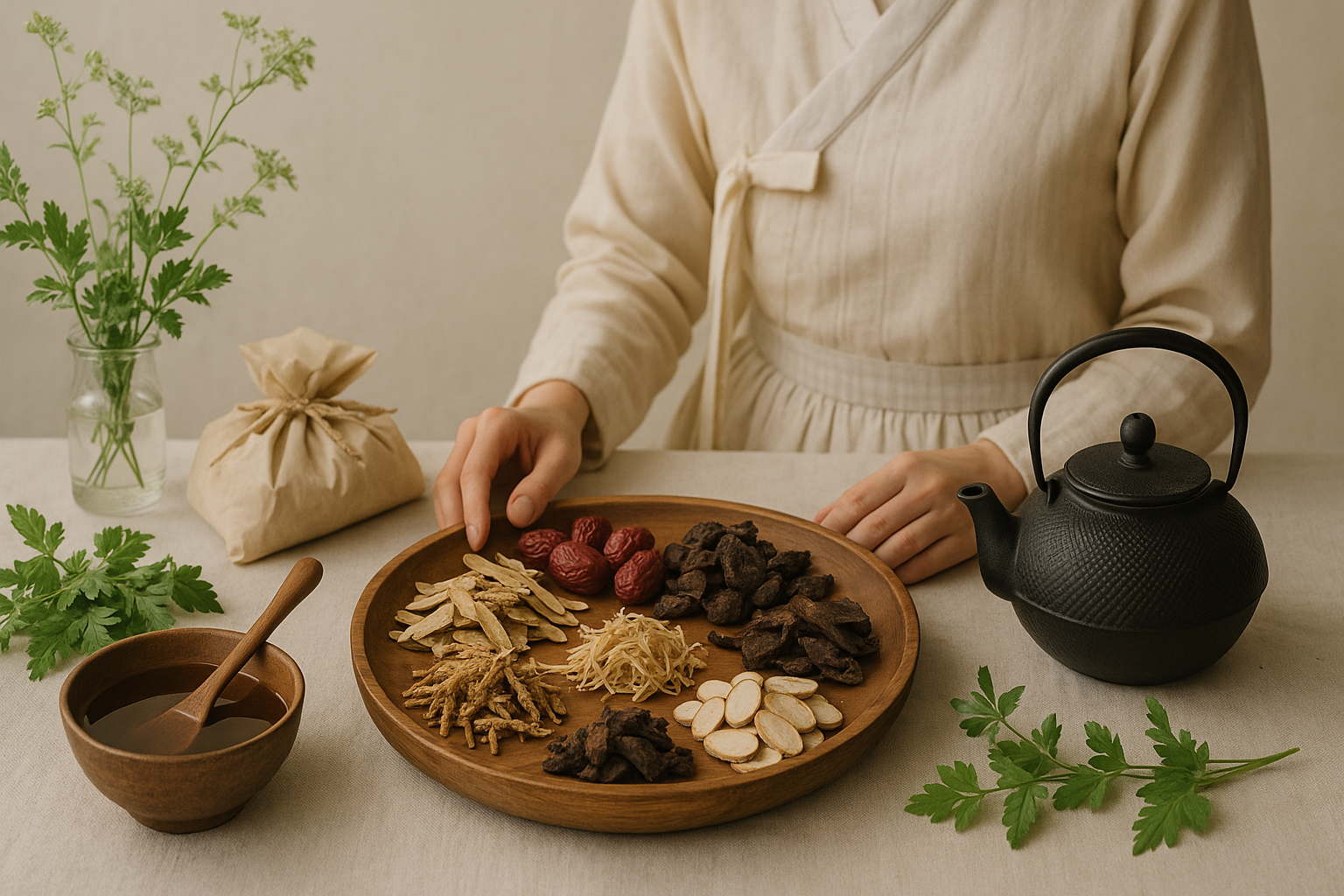
- Herb Selection: The herbalist selects appropriate herbs based on their knowledge of local plants and their therapeutic properties.
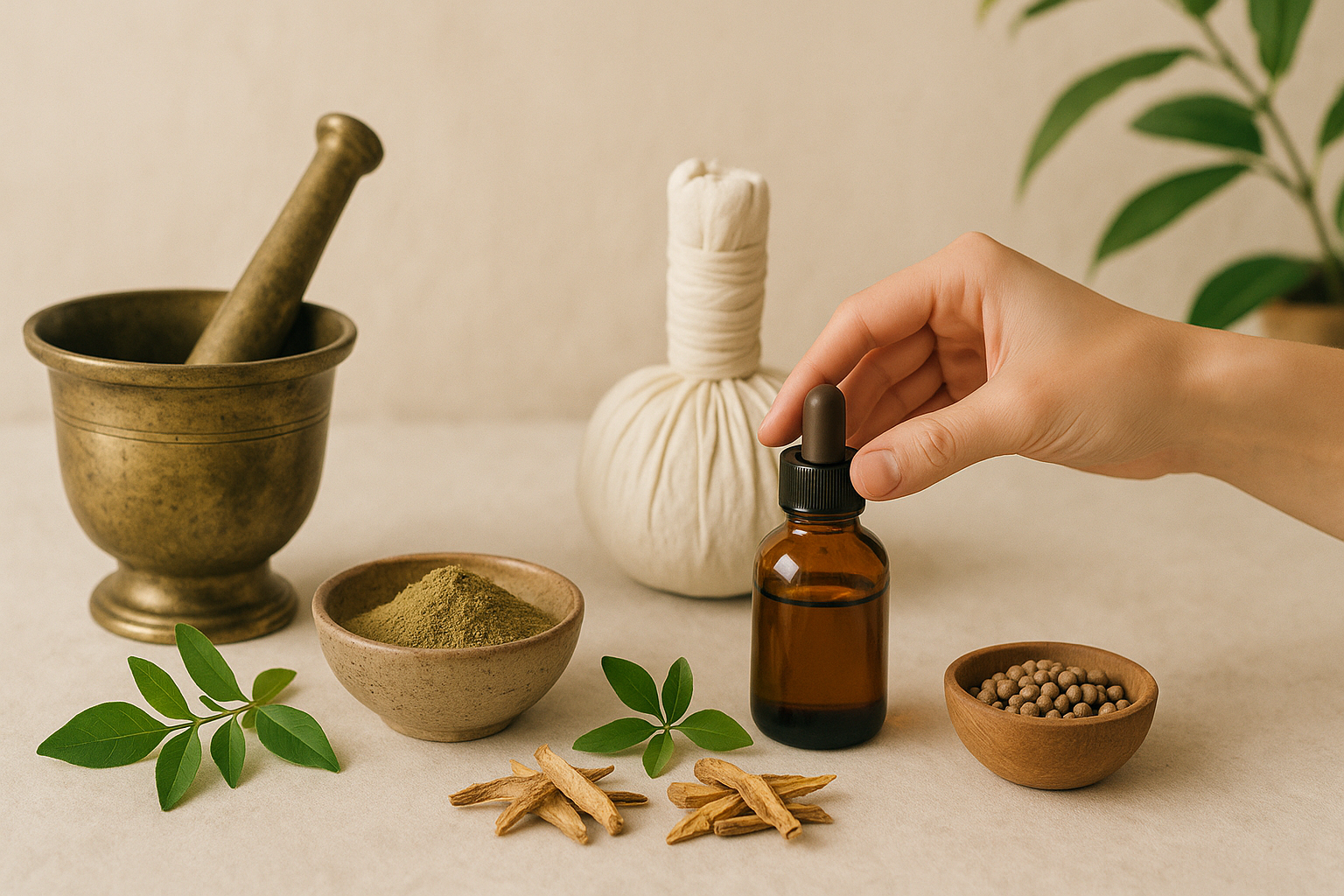
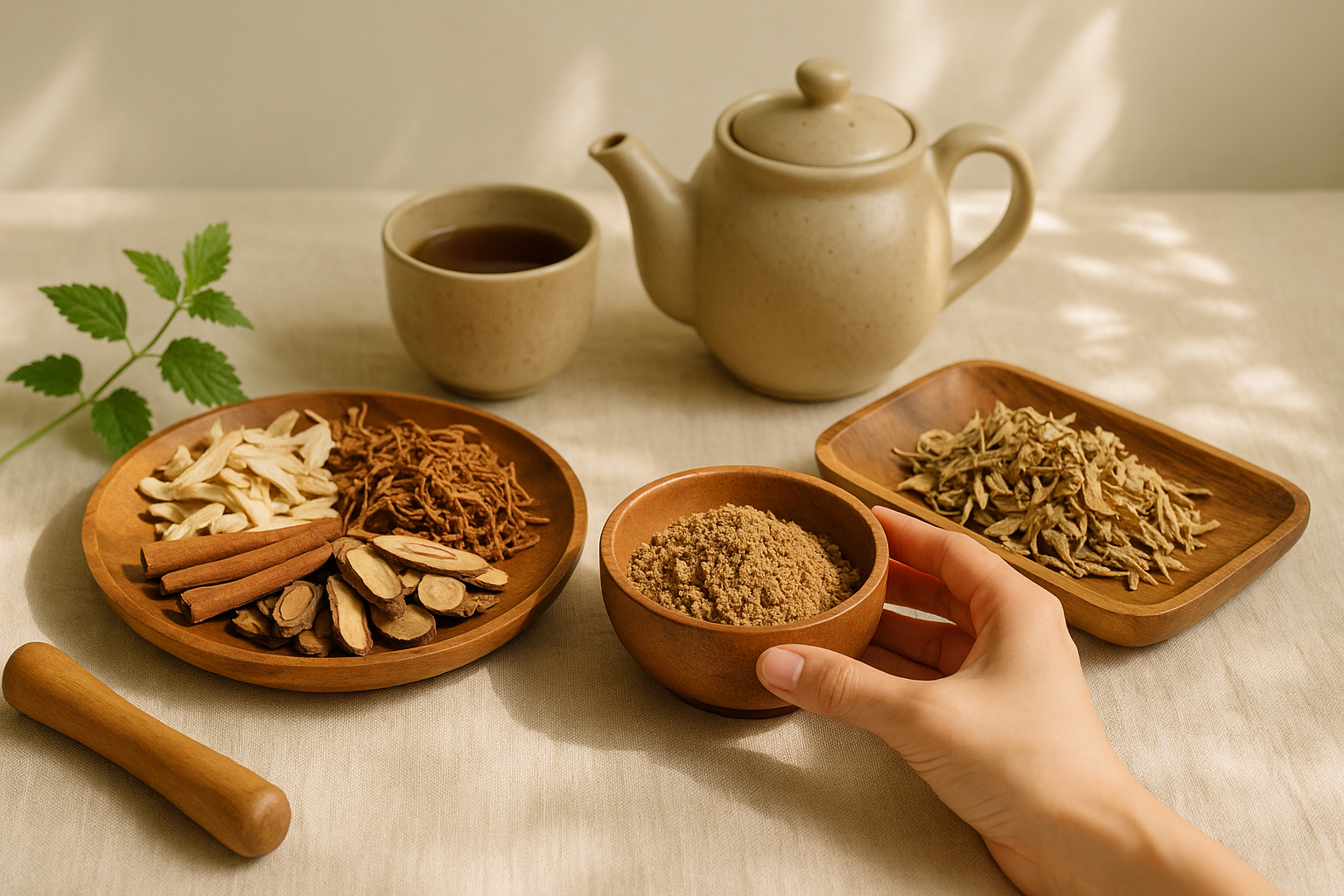
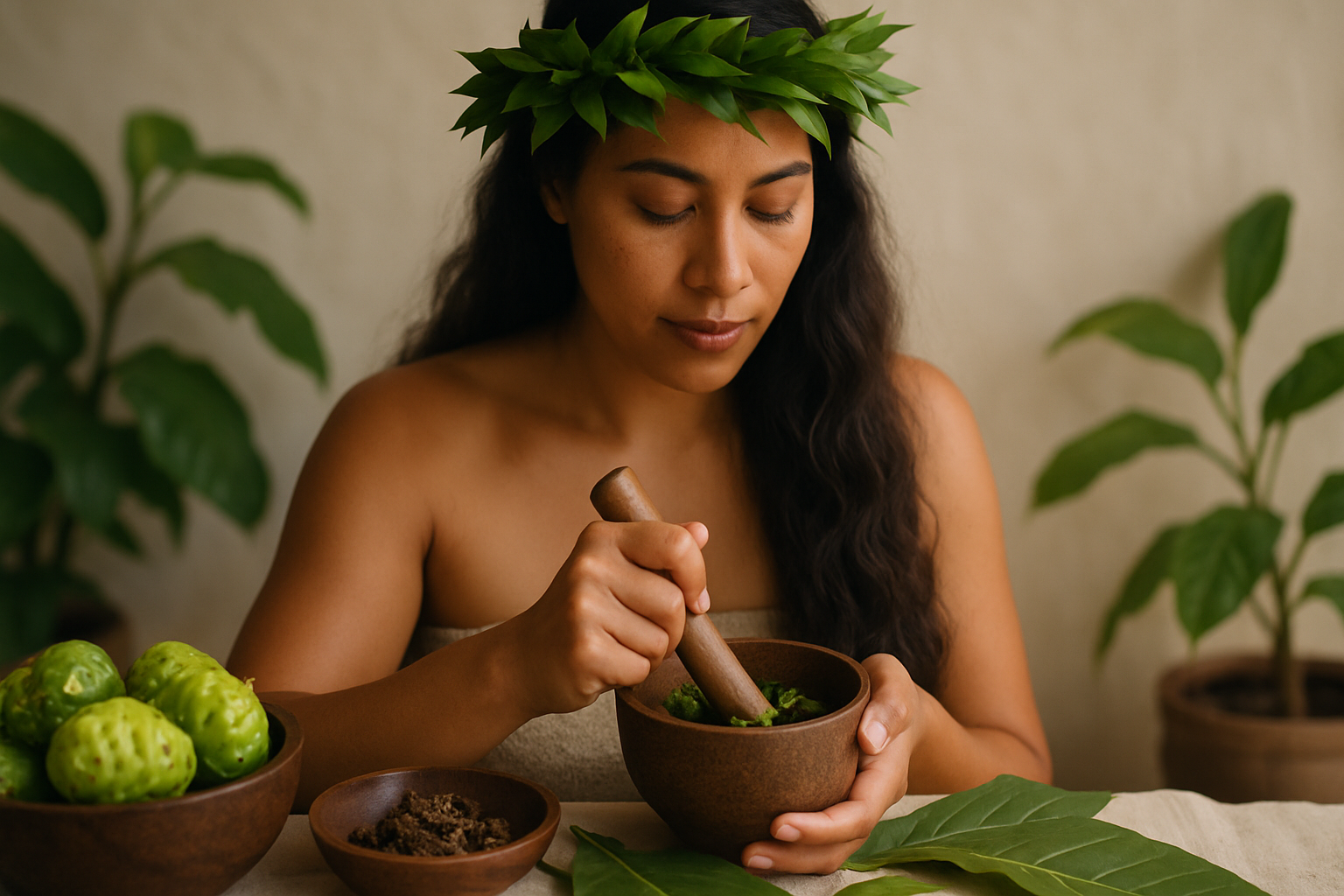
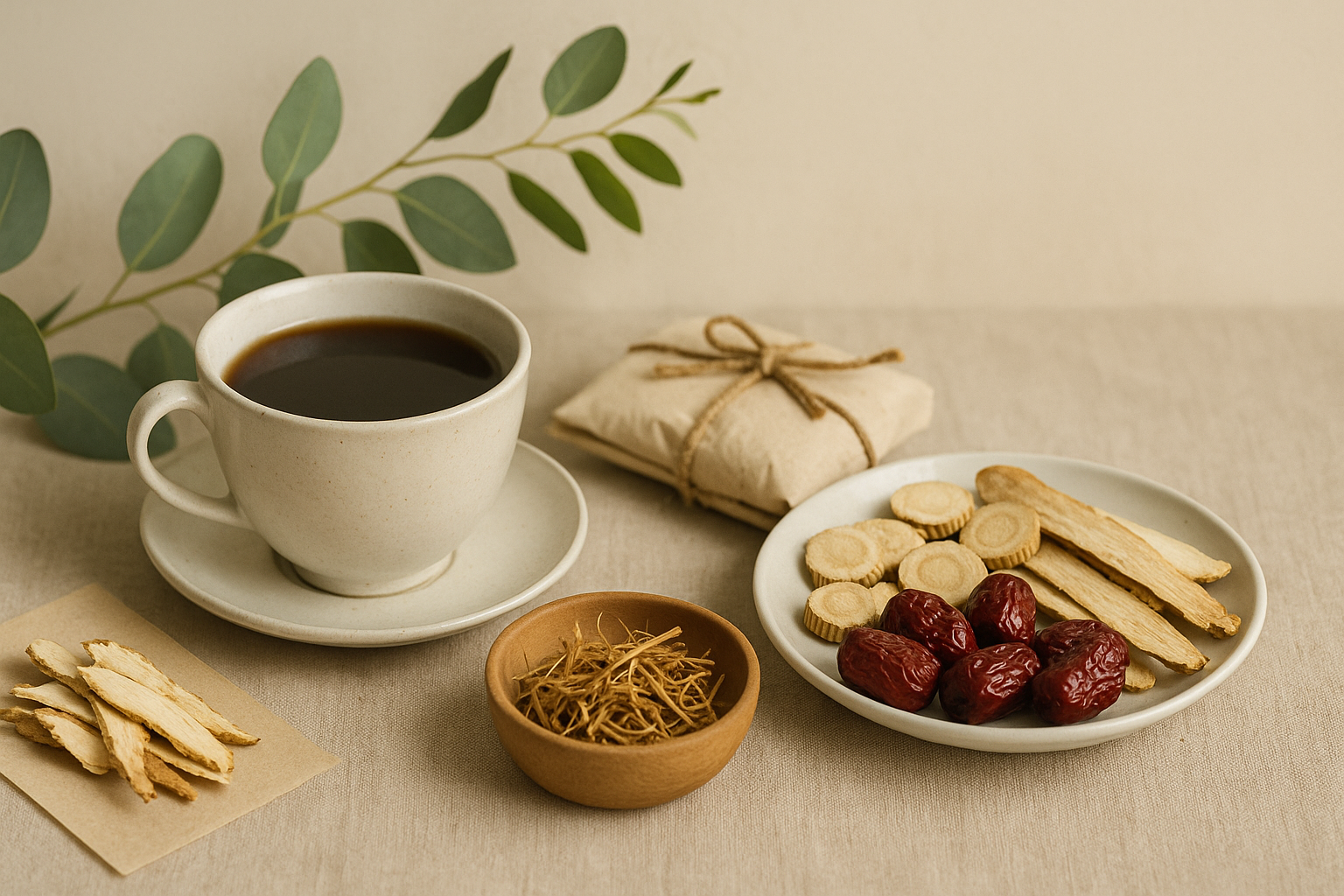
- Preparation: Herbs may be prepared in various forms, including teas, poultices, infusions, or tinctures.
- Administration: The remedy is administered, and the herbalist may provide guidance on lifestyle changes or additional practices for holistic healing.
- Follow-Up: The practitioner often schedules follow-up visits to assess the individual’s progress and make necessary adjustments to the treatment.
What It Is Traditionally Explored For
Tribal Herbalism is traditionally used for a variety of health concerns. Common goals include:
- Supporting digestive health
- Enhancing immune function
- Alleviating pain and inflammation
- Addressing respiratory issues
- Promoting mental well-being and emotional balance
- Facilitating wound healing
It is important to note that these uses are grounded in cultural practices and beliefs, and individuals seeking herbal remedies should approach them with an understanding of their traditional context.
What Modern Research Suggests
Modern research into Tribal Herbalism and its components is still in its early stages, but there are promising findings. Preliminary studies have begun to explore the bioactive compounds found in many traditional herbs used in this practice. Some research suggests that these compounds may have anti-inflammatory, antimicrobial, and antioxidant properties, aligning with traditional uses.
However, more rigorous clinical studies are needed to fully understand the efficacy and safety of these herbal remedies. It is essential for modern researchers to respect the cultural significance of these practices while seeking to validate them through scientific methods.
Safety, Contraindications & Who Should Skip
While many herbal remedies are considered safe when used appropriately, caution is advised. Individuals with certain health conditions, those taking prescription medications, or pregnant or breastfeeding women should consult with a healthcare professional before using herbal remedies. Additionally, some herbs may interact with medications or exacerbate existing health issues.
Pairs Well With (within African Traditional Medicine and across pillars)
- Spiritual Healing Practices
- Massage Therapy
- Traditional Dietary Practices
- Physical Therapy Techniques
- Community Healing Circles
How to Find a Qualified Practitioner
Finding a qualified practitioner of Tribal Herbalism involves researching local traditions and communities. Here are some tips:
- Seek recommendations from community members or local health institutions.
- Look for practitioners with a strong reputation and years of experience.
- Inquire about their training and understanding of herbal medicine.
- Ensure that the practitioner respects both cultural traditions and modern health practices.
FAQs (5)
- What is the difference between Tribal Herbalism and Western herbalism?
Tribal Herbalism is rooted in indigenous knowledge and cultural practices, while Western herbalism often relies on scientific study and standardized dosages. - Are there any side effects of using herbal remedies?
Yes, some herbs can cause side effects or interact with medications, so it is crucial to consult with a healthcare provider. - Can anyone practice Tribal Herbalism?
Typically, it is practiced by those who have been trained within their cultural context, often through apprenticeship with experienced healers. - How long does it take to see results from herbal remedies?
Results can vary based on the individual and the condition being treated; some may experience improvement quickly, while others may take longer. - Is Tribal Herbalism suitable for everyone?
It may not be suitable for everyone, particularly those with specific health concerns or who are taking certain medications. Consultation is advised.
Frequently asked
What is the difference between Tribal Herbalism and Western herbalism?
Tribal Herbalism is rooted in indigenous knowledge and cultural practices, while Western herbalism often relies on scientific study and standardized dosages.
Are there any side effects of using herbal remedies?
Yes, some herbs can cause side effects or interact with medications, so it is crucial to consult with a healthcare provider.
Can anyone practice Tribal Herbalism?
Typically, it is practiced by those who have been trained within their cultural context, often through apprenticeship with experienced healers.
How long does it take to see results from herbal remedies?
Results can vary based on the individual and the condition being treated; some may experience improvement quickly, while others may take longer.
Is Tribal Herbalism suitable for everyone?
It may not be suitable for everyone, particularly those with specific health concerns or who are taking certain medications. Consultation is advised.