Plant Healing
Delve into the fundamentals of Plant Healing in African Traditional Medicine, its historical context, practices, and safety considerations.
Explore the ancient practice of Plant Healing within African Traditional Medicine, its historical roots, practical applications, and modern research insights.
What It Is
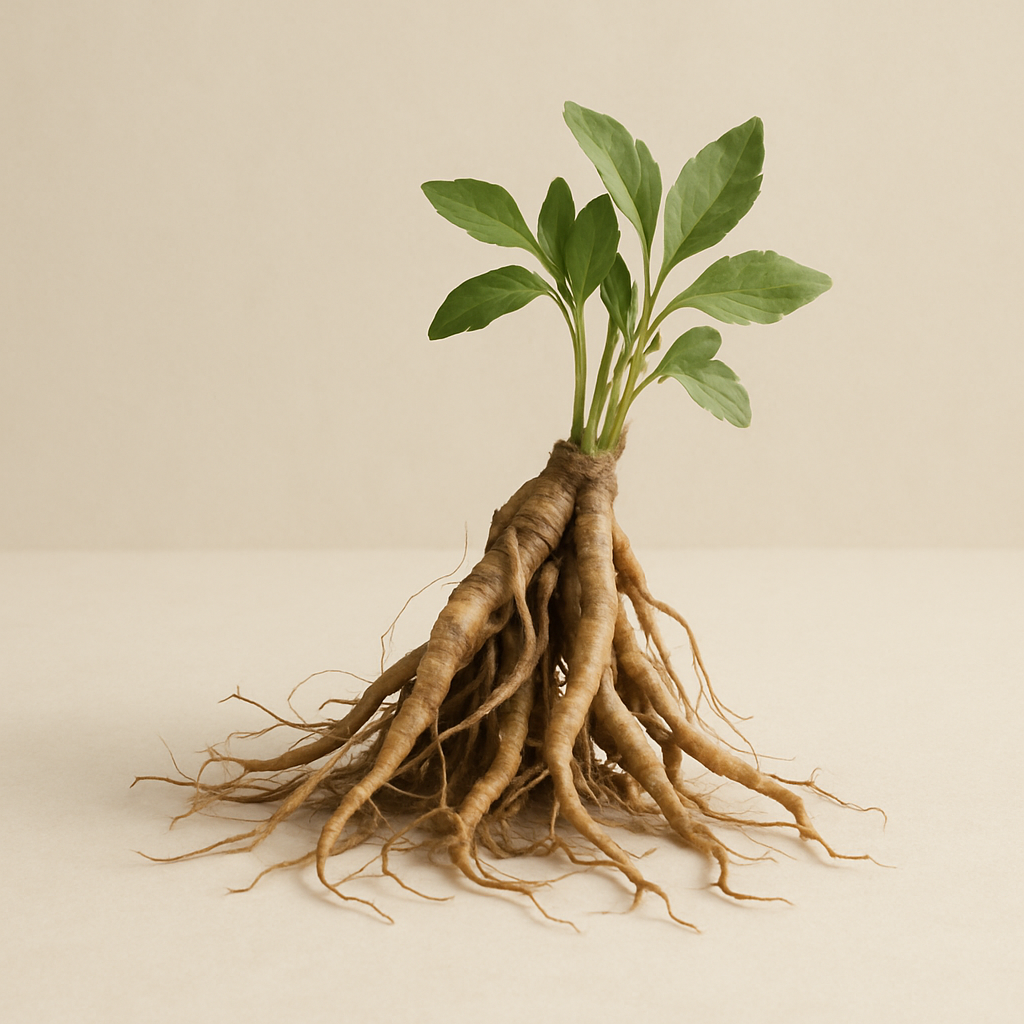
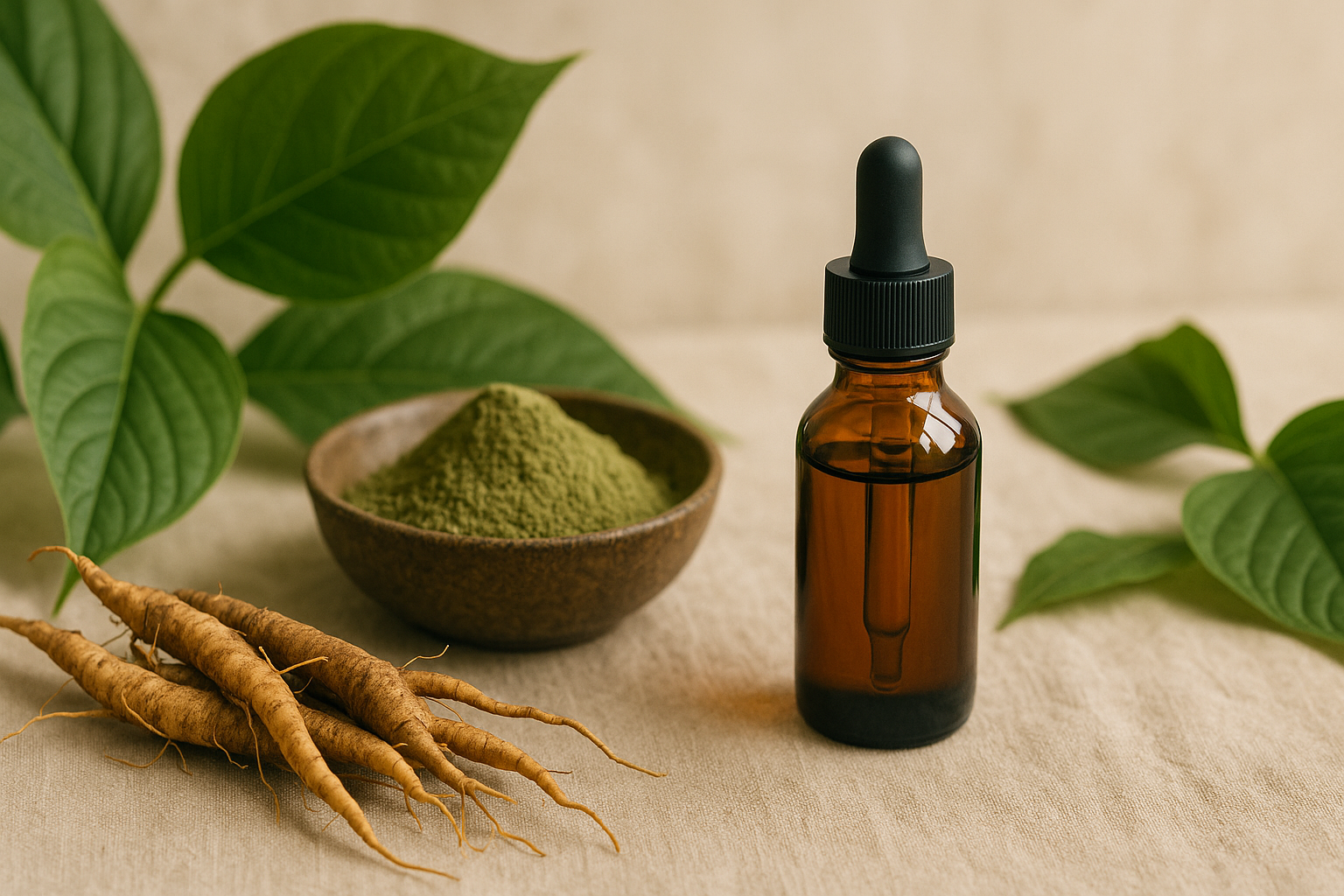
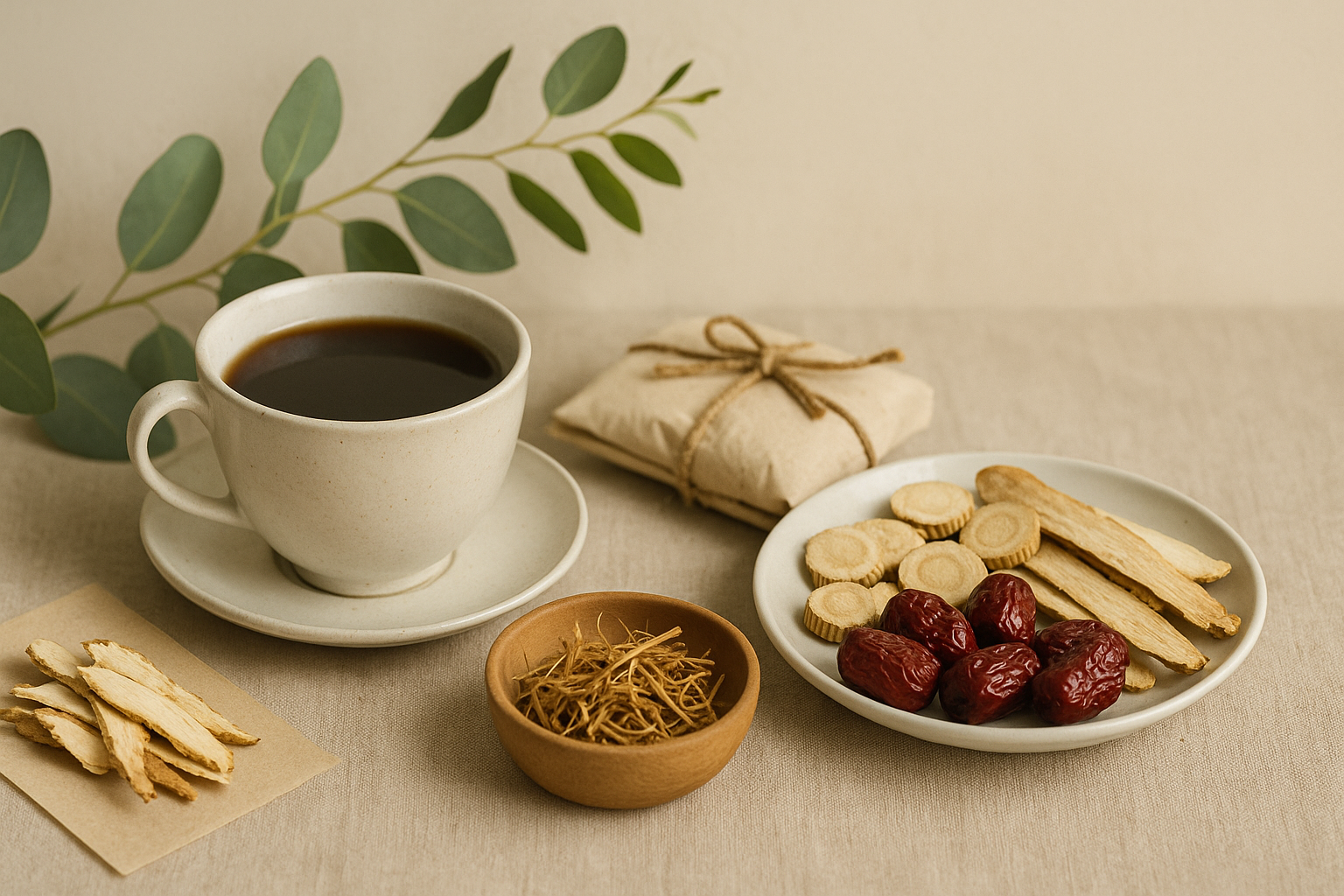
Plant Healing is a fundamental aspect of African Traditional Medicine (ATM), which emphasizes the use of plants and natural herbal remedies to promote health and well-being. This practice revolves around the belief that plants possess inherent healing properties, and that by harnessing these, individuals can restore balance to their bodies and minds. The use of plant materials such as leaves, roots, flowers, and barks plays a crucial role in the treatment of various ailments.
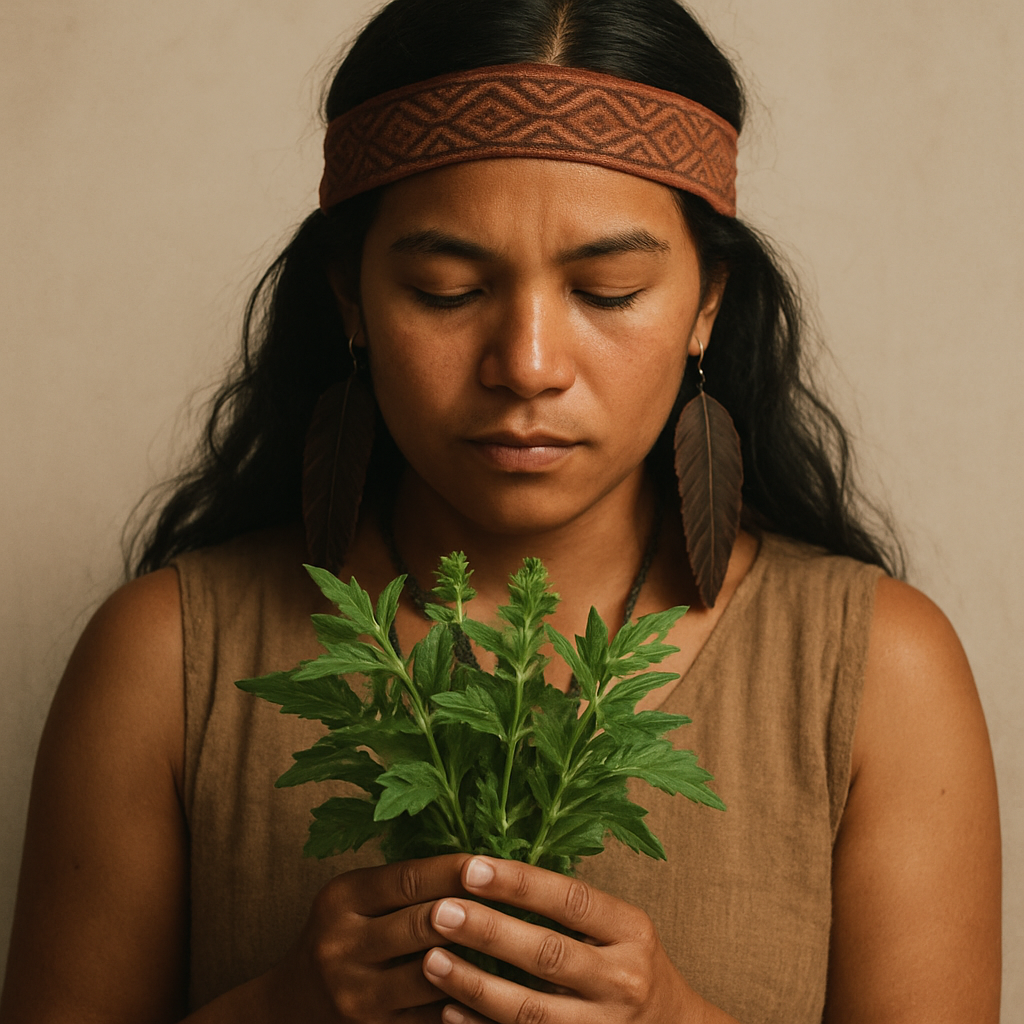
Within the context of ATM, Plant Healing is not merely about the physical application of herbs. It is often intertwined with cultural beliefs, spiritual practices, and the holistic understanding of health. Practitioners consider the emotional and spiritual well-being of individuals alongside their physical health, fostering a comprehensive approach to healing.
Historical Context Within African Traditional Medicine
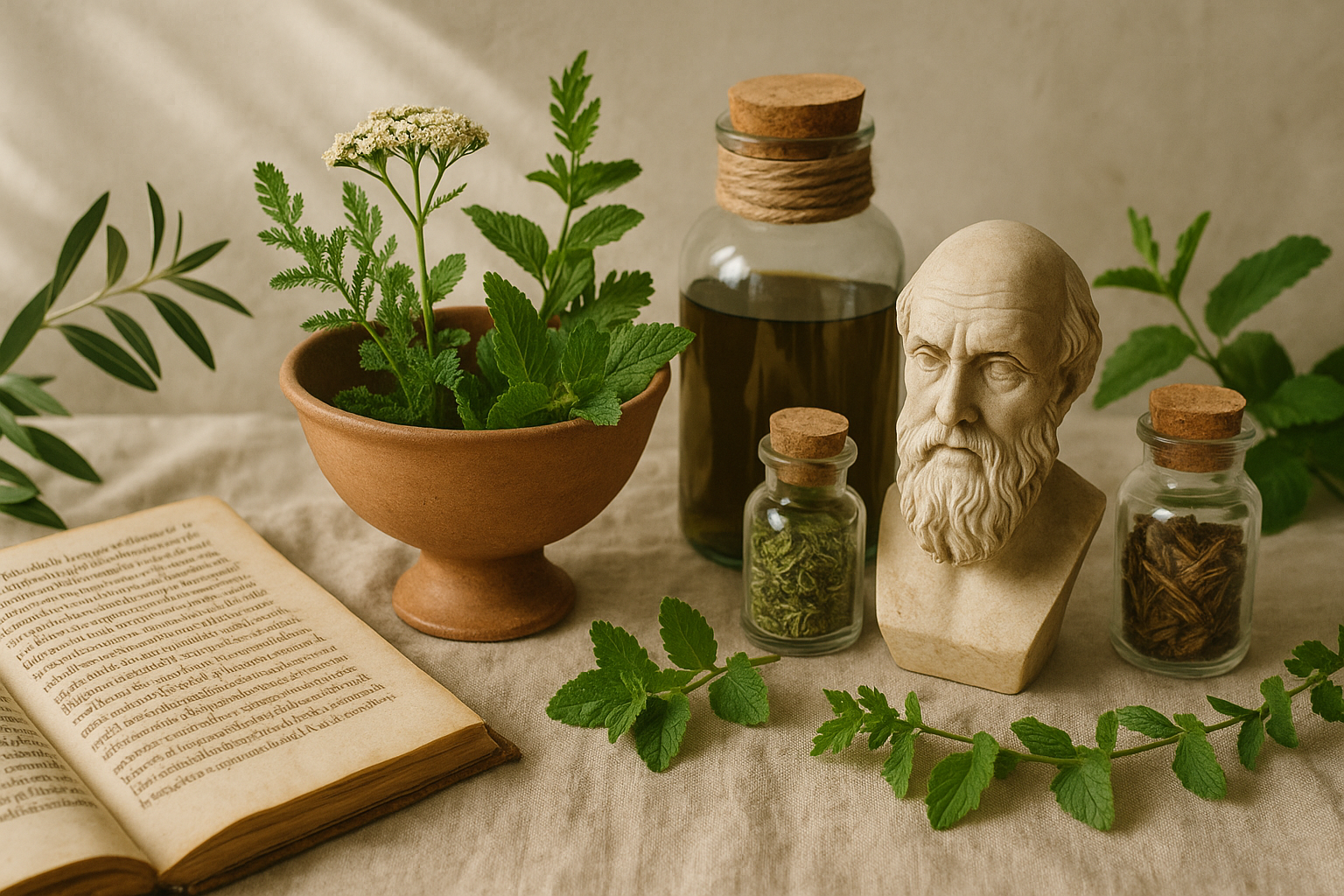
The roots of Plant Healing in African Traditional Medicine can be traced back thousands of years, emerging from the indigenous knowledge and practices of various African cultures. This tradition was developed by healers and herbalists who observed the healing properties of local flora and passed this knowledge through generations. It has been shaped by cultural beliefs, rituals, and the communal understanding of health.
As societies evolved, the practice of Plant Healing became formalized within the broader scope of African Traditional Medicine. It reflects a deep connection with nature and the environment, emphasizing a sustainable relationship with the earth's resources. This historical backdrop underlines the significance of plant-based healing in maintaining cultural identity and heritage.
How It's Practiced
Practicing Plant Healing typically involves several steps, guided by trained practitioners known as healers or herbalists. Here is a general overview of the process:
- Consultation: The practitioner conducts a thorough assessment of the individual's health, including physical, emotional, and spiritual aspects.
- Diagnosis: Based on traditional methods, the healer identifies the underlying causes of the individual's ailments.
- Herb Selection: The practitioner selects appropriate plants or herbs based on their healing properties, taking into account the individual's specific needs.
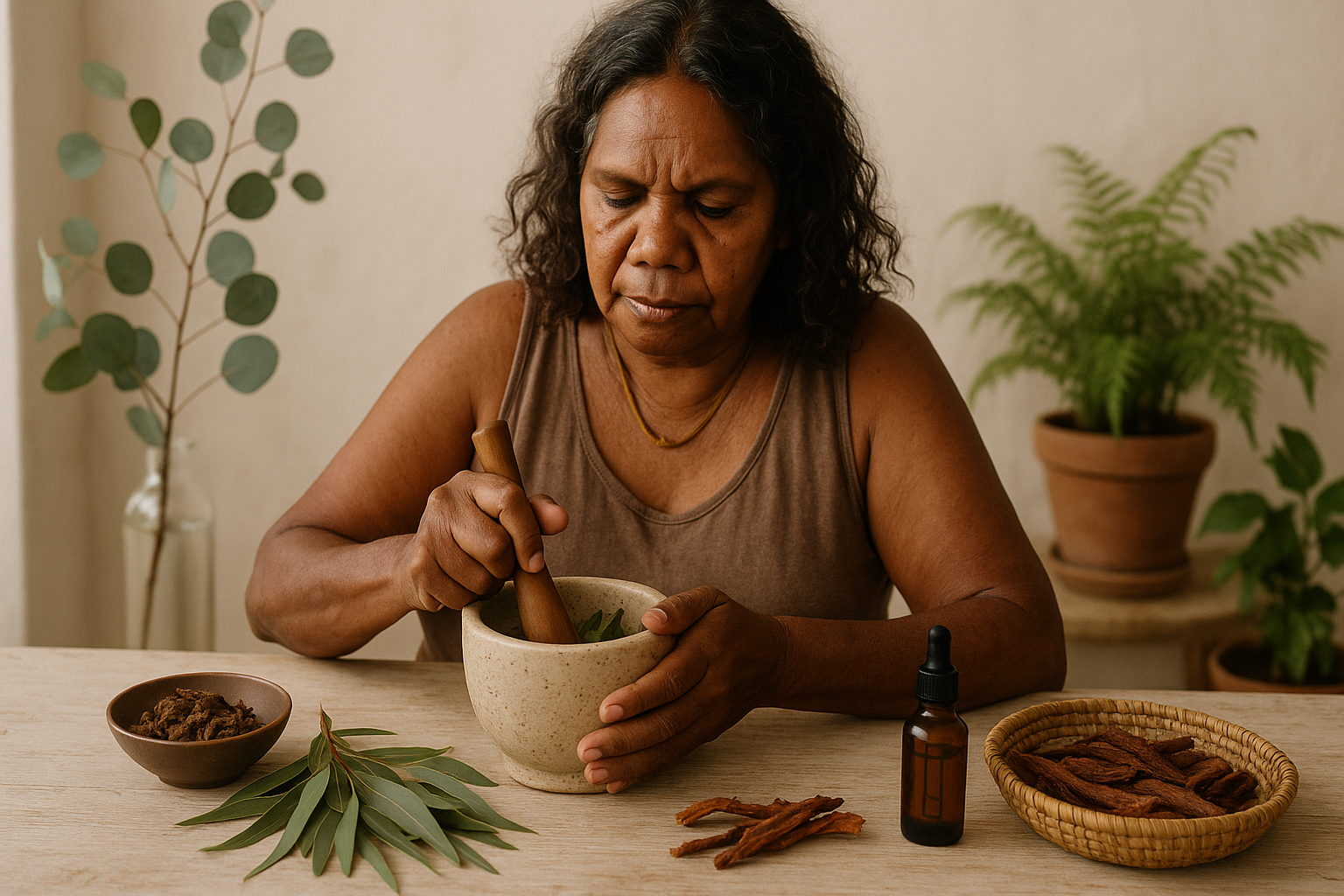
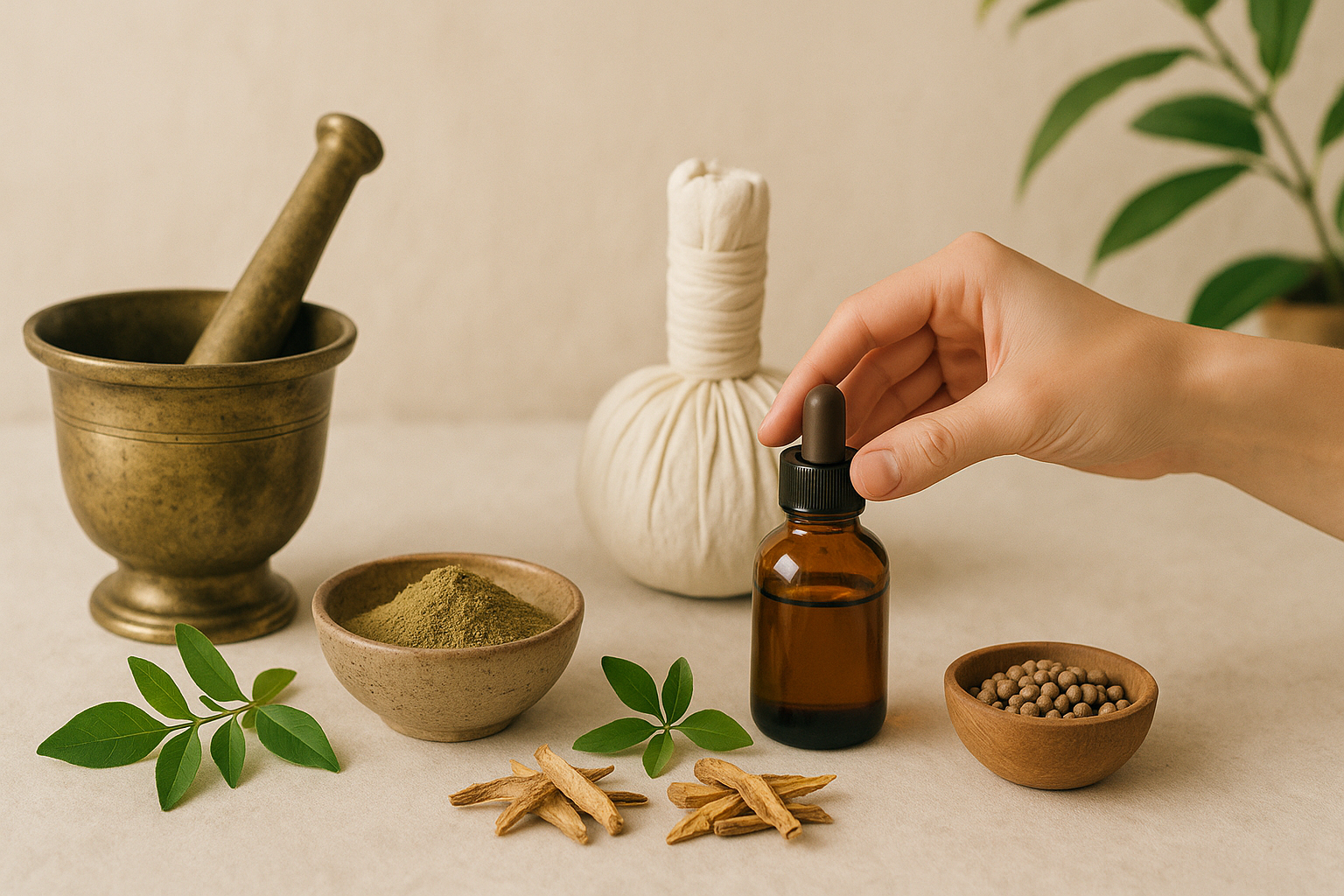
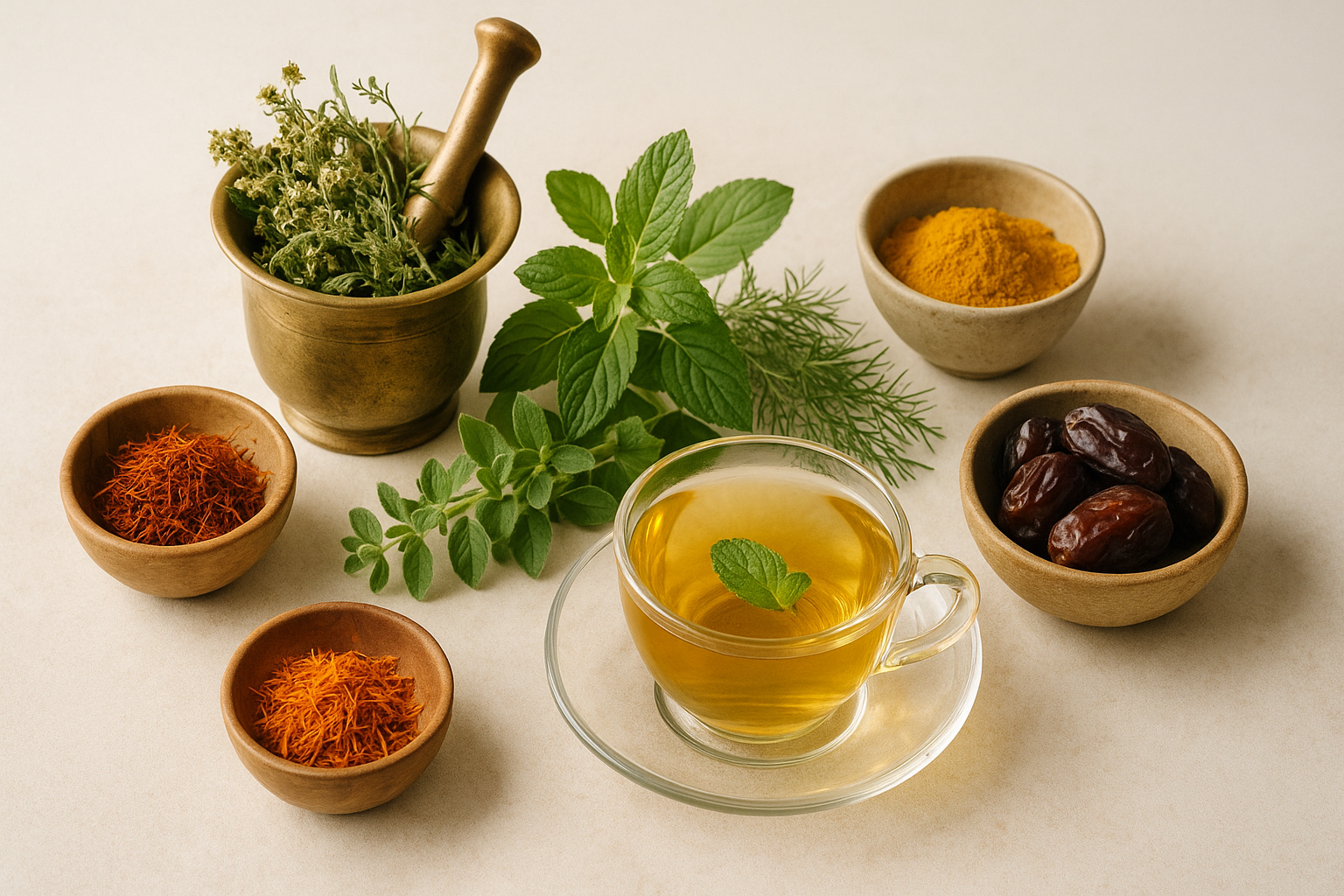
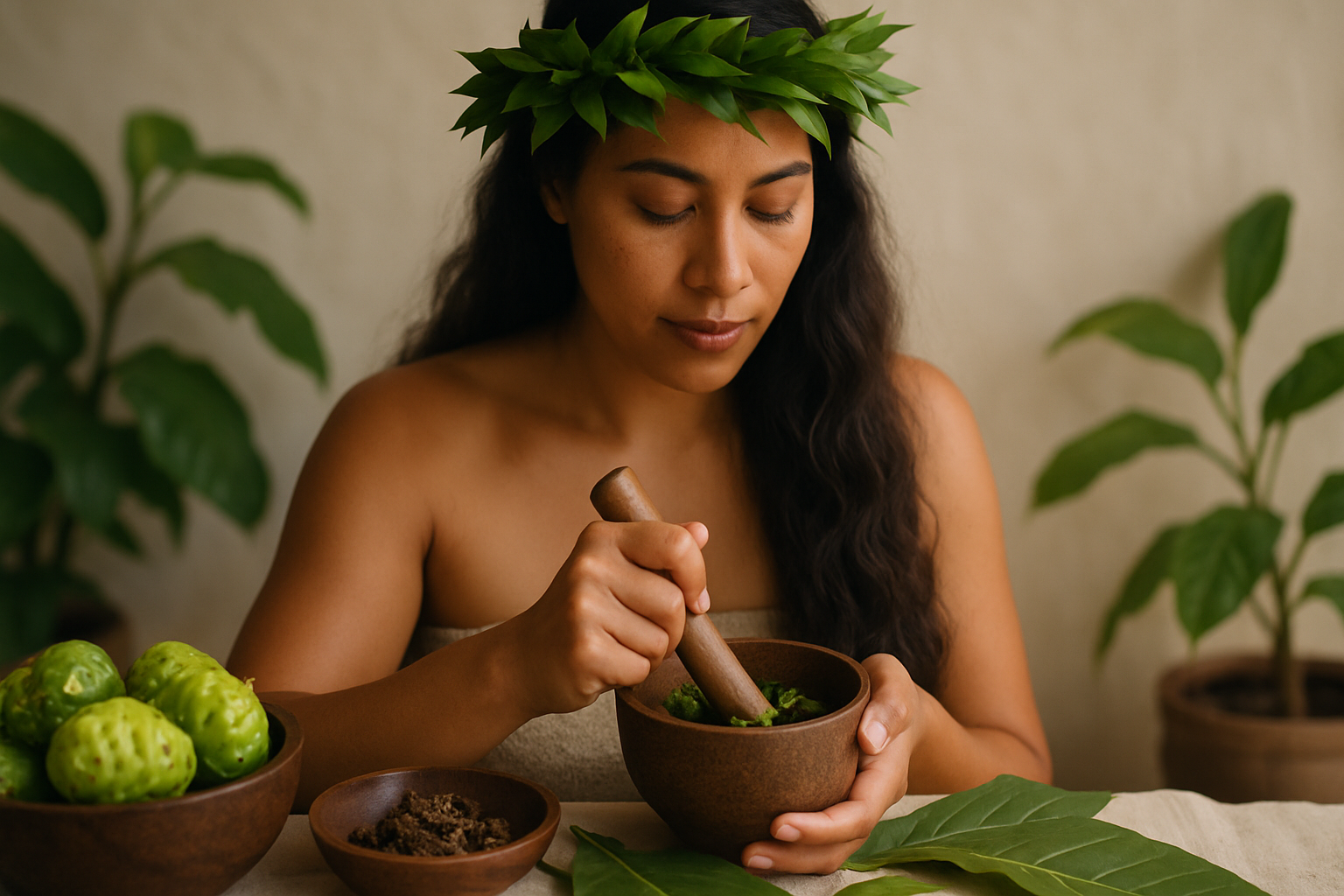
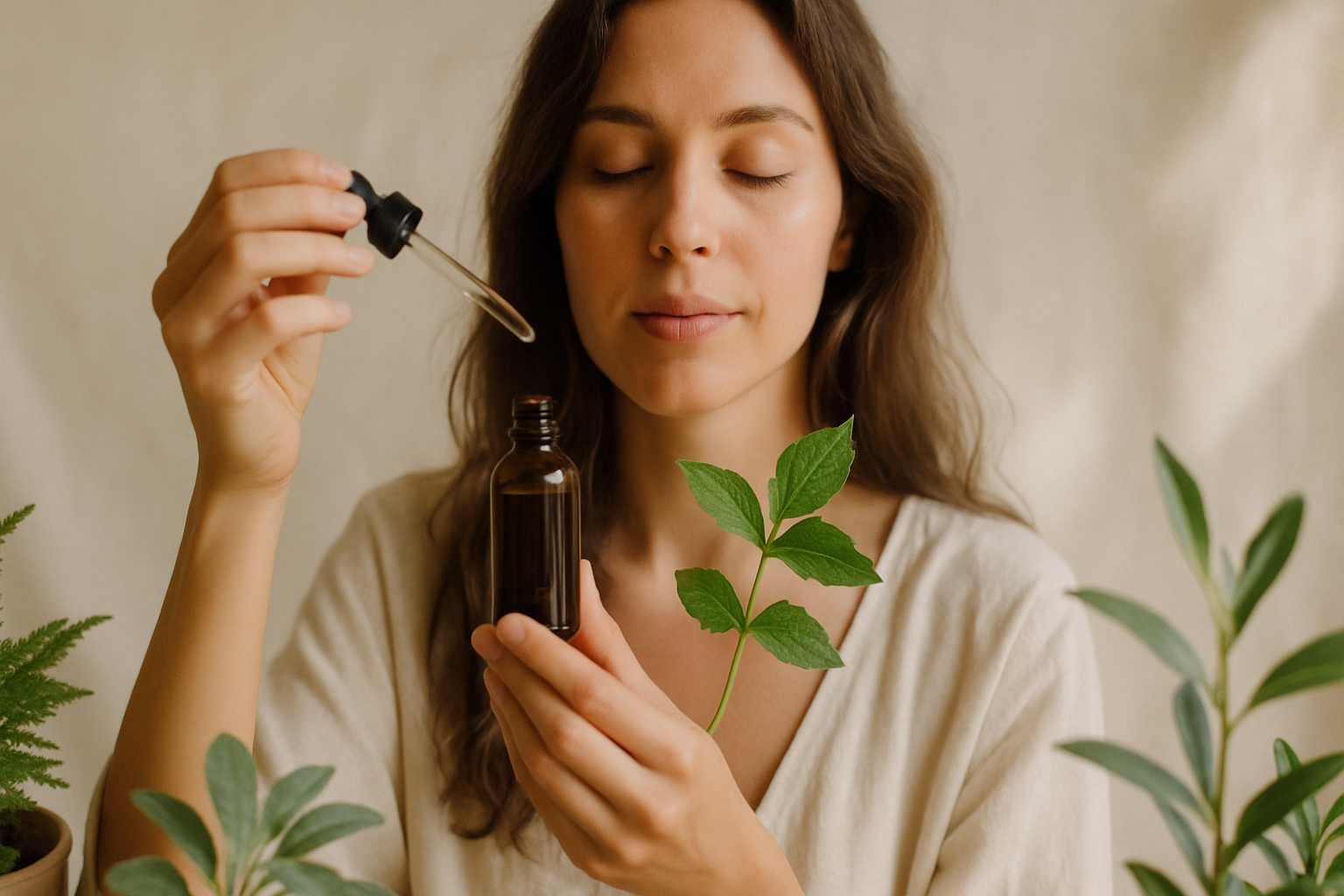
- Preparation: Herbs may be prepared in various forms, such as teas, poultices, tinctures, or powders, depending on the desired effect.
- Administration: The remedies are administered to the individual, often alongside guidance on lifestyle changes or dietary adjustments.
- Follow-up: Continued support and reassessment are provided to monitor progress and make necessary adjustments to the treatment plan.
What It Is Traditionally Explored For
Plant Healing is traditionally explored for a wide range of conditions and health concerns. While it is essential to note that individual experiences may vary, this practice has been historically used for:
- Digestive issues, such as stomach pains and indigestion.
- Respiratory problems, including coughs and asthma.
- Skin ailments, such as rashes and infections.
- Emotional and mental health support, including anxiety and depression.
- Chronic conditions, such as diabetes and hypertension.
- General wellness and preventive care.
What Modern Research Suggests
Contemporary research into Plant Healing within African Traditional Medicine has begun to explore the efficacy of various herbal remedies. Preliminary studies have indicated that certain plants used in traditional practices possess bioactive compounds that may contribute to their healing effects. For instance, some herbs have shown potential anti-inflammatory, antimicrobial, and antioxidant properties.
However, it is crucial to approach these findings with caution. While some studies provide promising insights, more rigorous clinical trials are needed to fully understand the mechanisms and effectiveness of these plant-based treatments. Many traditional remedies are still under-researched in scientific literature, prompting a call for further investigation into their potential benefits and risks.
Safety, Contraindications & Who Should Skip
While Plant Healing is a natural approach, it is essential to consider safety and contraindications. Some herbal remedies may interact with conventional medications or may not be suitable for everyone. It is advisable for individuals with the following conditions to exercise caution:
- Pregnant or breastfeeding women should consult a healthcare provider before using herbal remedies.
- Individuals with allergies to specific plants or herbs.
- Those with chronic health conditions or on medication.
- Children and elderly individuals may require tailored approaches.
Consulting with a qualified practitioner is recommended to ensure safe and appropriate use of Plant Healing.
Pairs Well With (within African Traditional Medicine and across pillars)
Plant Healing can complement various modalities in African Traditional Medicine, enhancing the healing experience. Some related practices include:
- Spiritual healing and rituals.
- Massage therapy using herbal oils.
- Dietary interventions focusing on natural foods.
- Traditional healing ceremonies and community support.
How to Find a Qualified Practitioner
Finding a qualified practitioner in Plant Healing requires careful consideration. Here are some steps to guide your search:
- Seek recommendations from trusted sources, such as community members or health professionals.
- Research practitioners' qualifications and experience in African Traditional Medicine.
- Inquire about their approach to plant healing and any specific areas of expertise.
- Schedule an initial consultation to discuss your health concerns and assess compatibility.
FAQs (5)
What is Plant Healing?
Plant Healing is a practice within African Traditional Medicine that utilizes the healing properties of plants and herbs to promote health and well-being.
Is Plant Healing safe?
While many herbs are natural, safety can vary. It is essential to consult a qualified practitioner and discuss any existing health conditions or medications.
What conditions can Plant Healing address?
Traditionally, Plant Healing has been explored for digestive issues, respiratory problems, skin ailments, and emotional health support among others.
How do I find a qualified practitioner?
Look for recommendations, check qualifications, and schedule consultations to ensure a good fit for your health needs.
What does modern research say about Plant Healing?
Preliminary studies suggest some traditional herbs have beneficial properties, but further research is needed to fully understand their effectiveness.
Frequently asked
What is Plant Healing?
Plant Healing is a practice within African Traditional Medicine that utilizes the healing properties of plants and herbs to promote health and well-being.
Is Plant Healing safe?
While many herbs are natural, safety can vary. It is essential to consult a qualified practitioner and discuss any existing health conditions or medications.
What conditions can Plant Healing address?
Traditionally, Plant Healing has been explored for digestive issues, respiratory problems, skin ailments, and emotional health support among others.
How do I find a qualified practitioner?
Look for recommendations, check qualifications, and schedule consultations to ensure a good fit for your health needs.
What does modern research say about Plant Healing?
Preliminary studies suggest some traditional herbs have beneficial properties, but further research is needed to fully understand their effectiveness.