Community Healing
Discover Community Healing, a vital aspect of African Traditional Medicine, emphasizing collective well-being and traditional practices.
Explore the rich tradition of Community Healing within African Traditional Medicine, focusing on its practices, historical context, and potential benefits.
What It Is
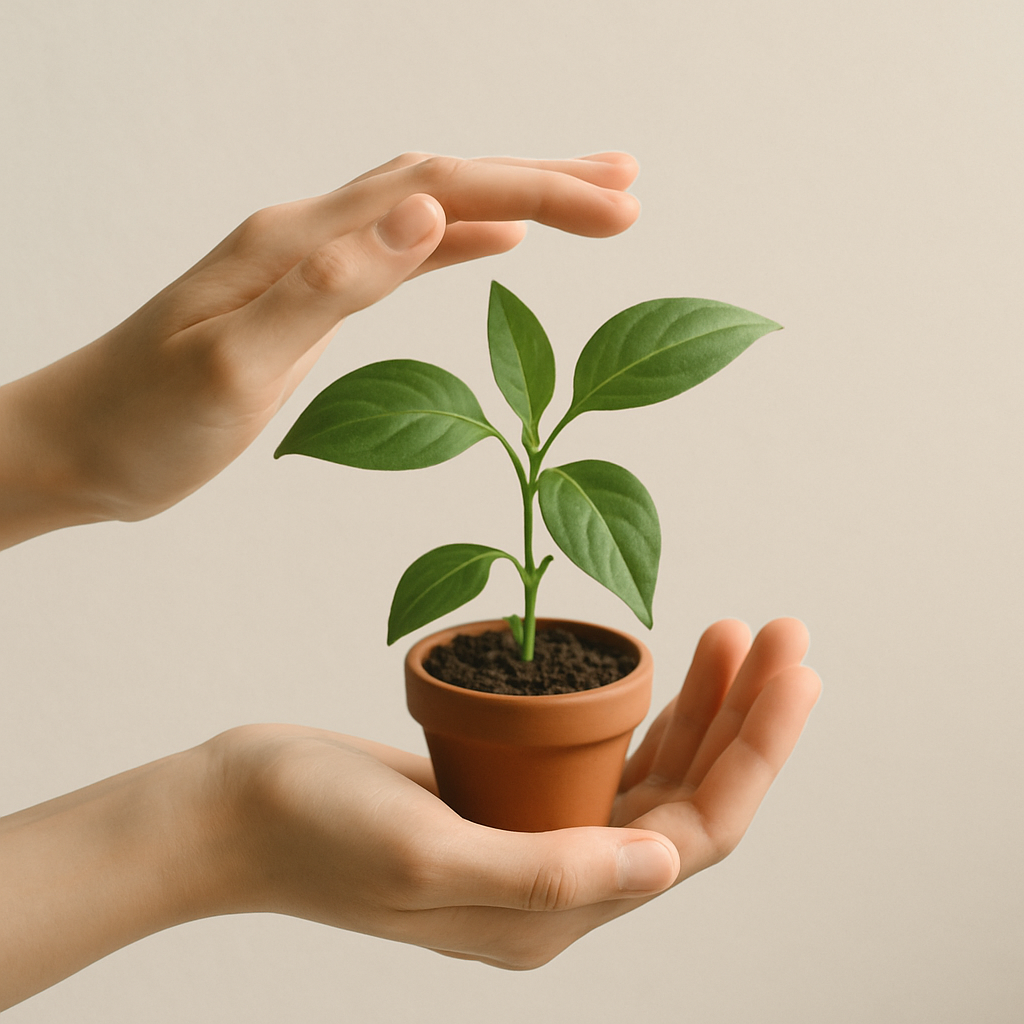
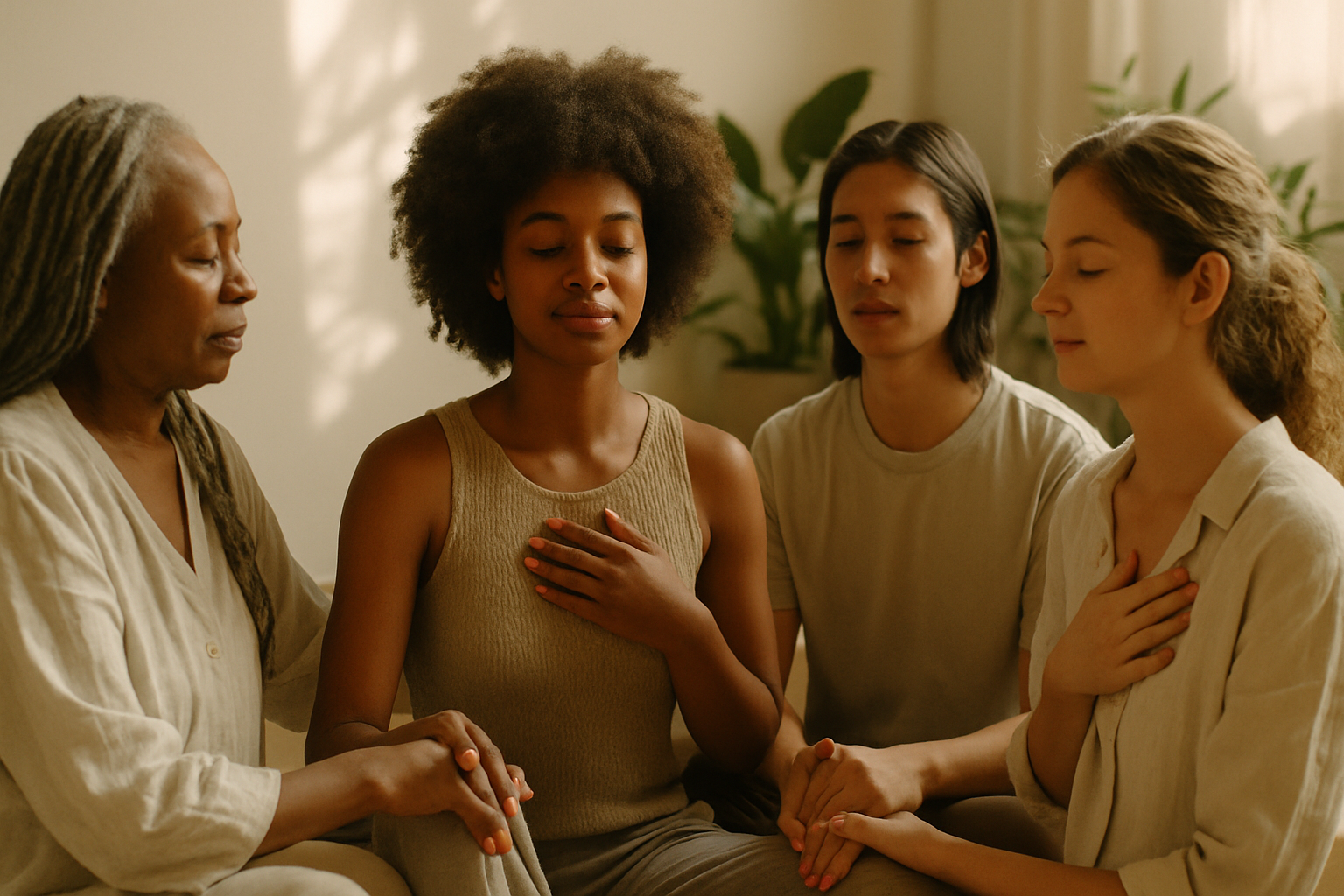
Community Healing is a practice rooted in African Traditional Medicine, emphasizing the interconnectedness of individuals, families, and the community at large. It recognizes that well-being is not solely an individual pursuit but rather a shared experience that thrives within a supportive social framework. This approach integrates various healing techniques, rituals, and community gatherings aimed at restoring harmony and balance among community members.
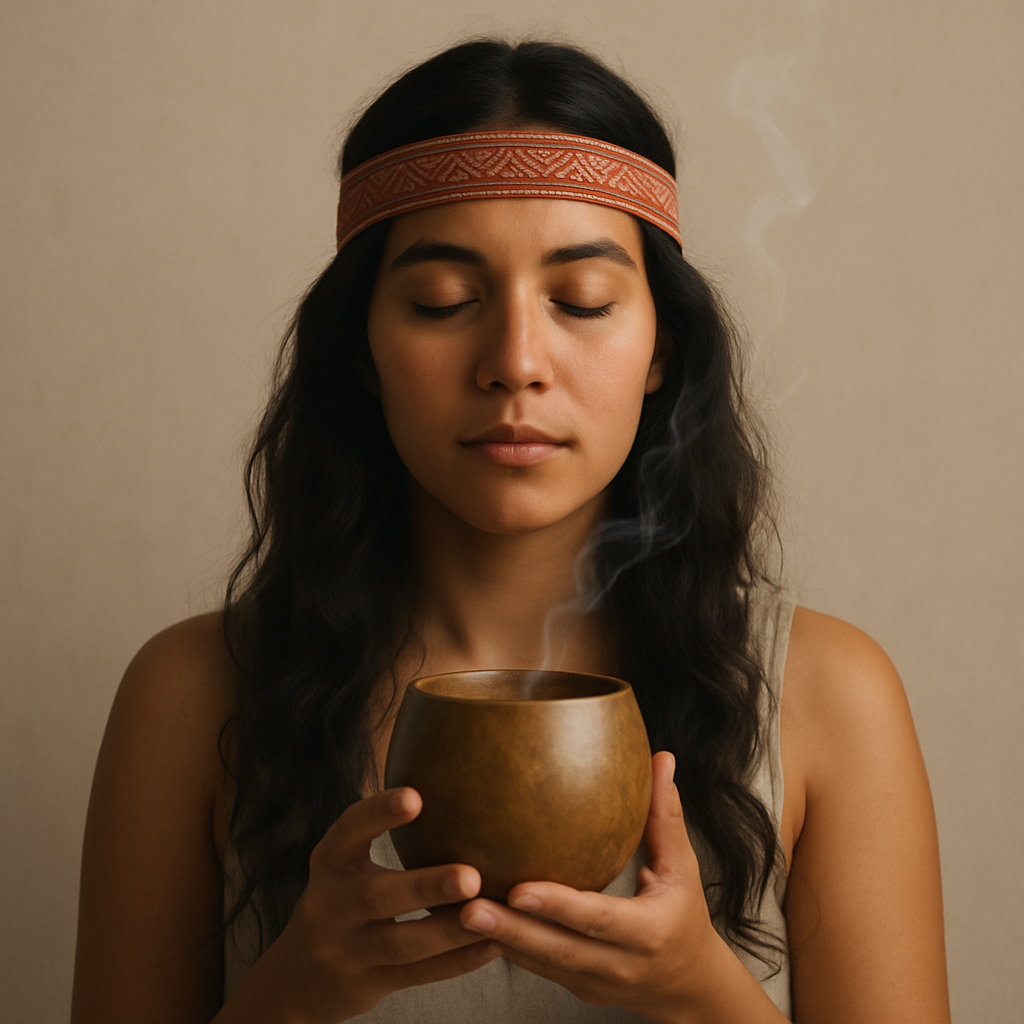
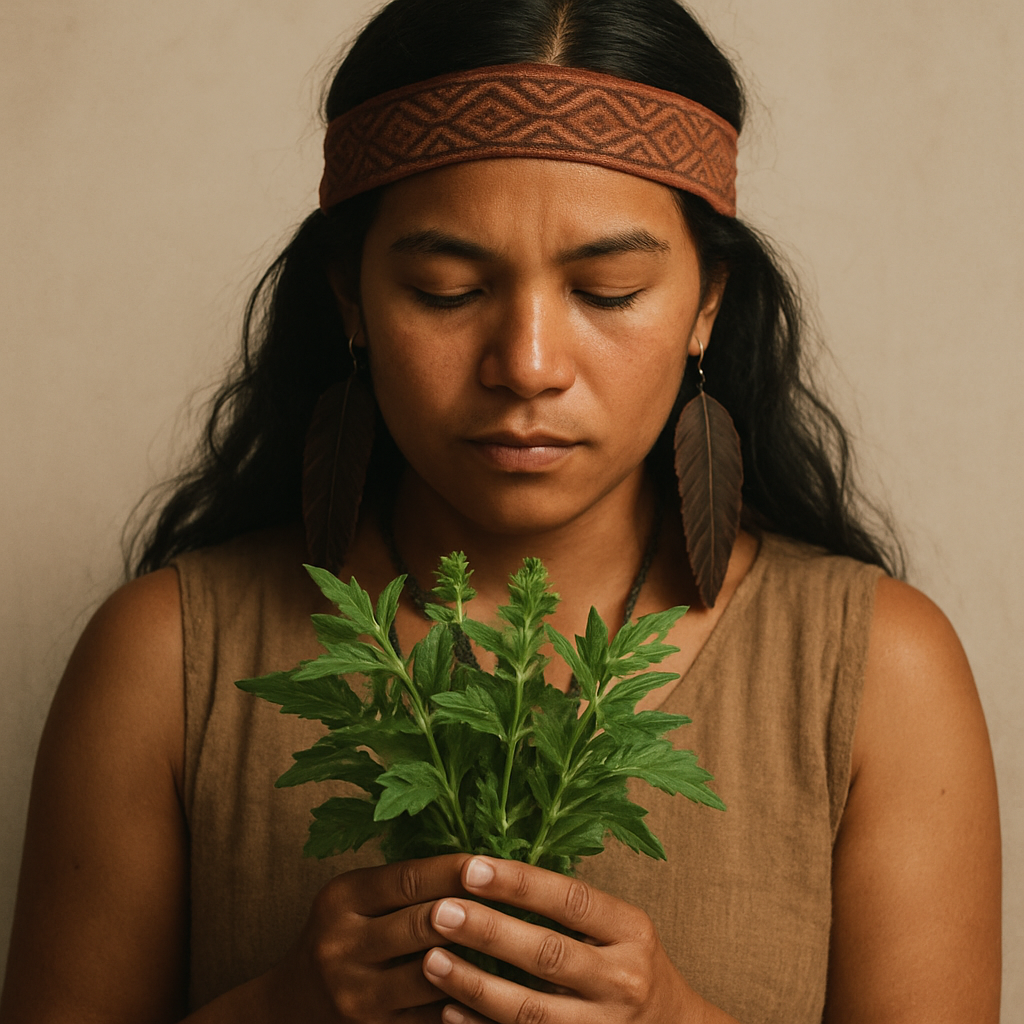
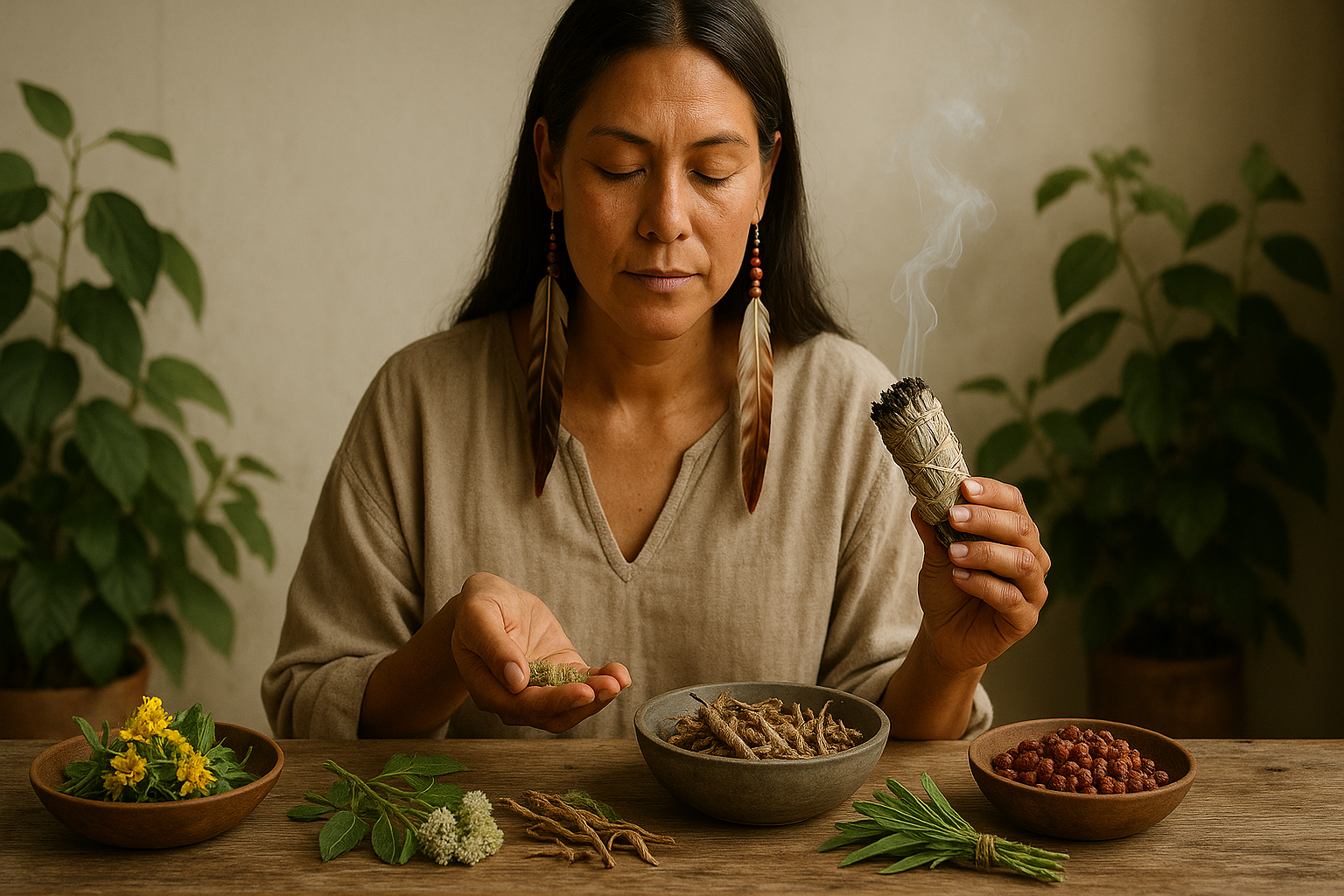
In Community Healing, the role of the healer extends beyond physical health to encompass emotional and spiritual well-being. It involves collective participation in healing rituals, storytelling, and the use of traditional herbs and remedies, fostering a sense of belonging and communal support. The belief is that when one individual is healed, the ripple effect positively impacts the entire community.
Historical Context Within African Traditional Medicine
Community Healing has deep roots in African Traditional Medicine, which dates back thousands of years. It emerged as a holistic approach to healing, developed by indigenous communities across the continent who recognized the importance of social bonds in health and wellness. The practice has been passed down through generations, with each community adapting techniques and beliefs to suit their cultural context.
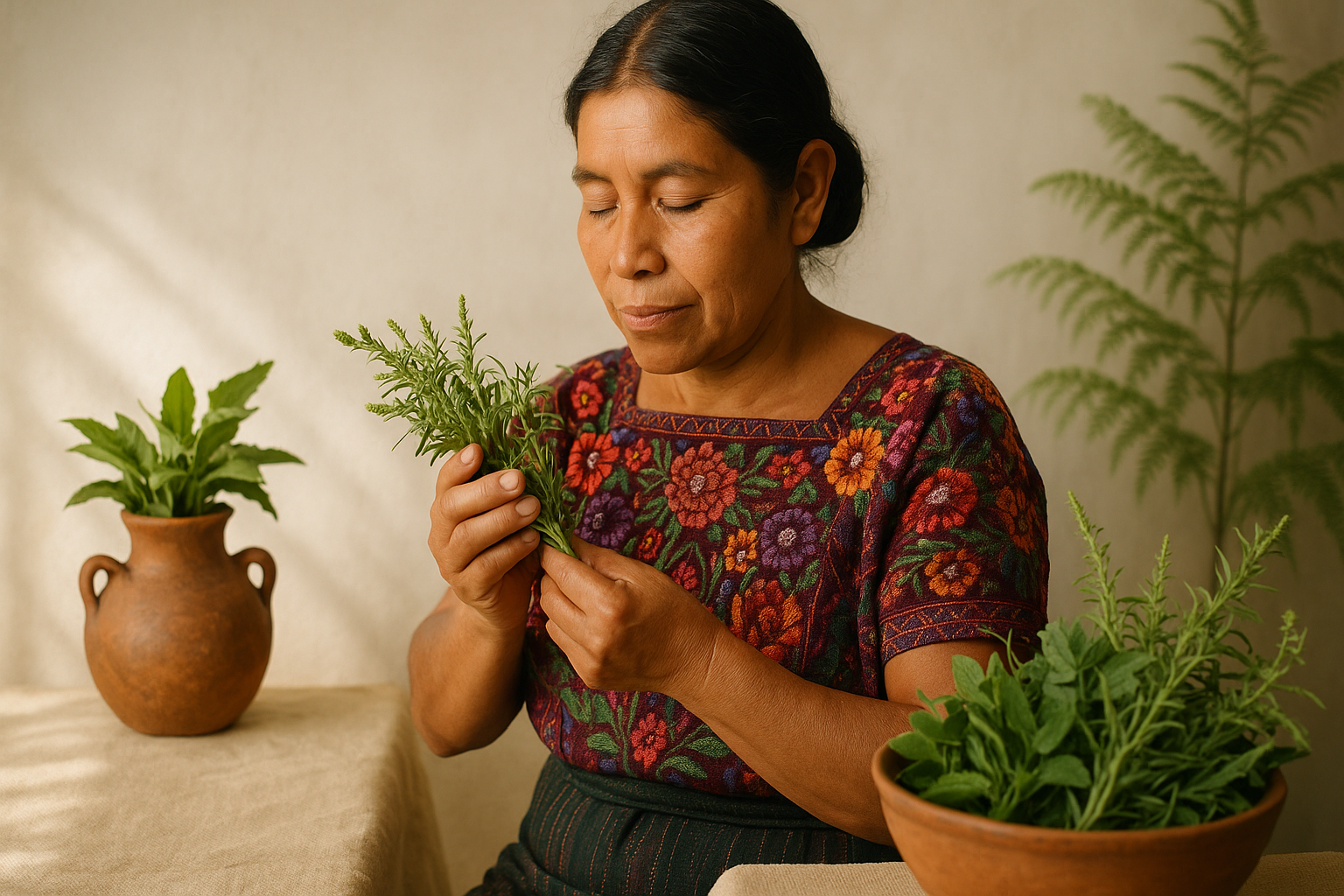
Historically, Community Healing was often led by a designated healer or elder, who was revered for their knowledge of medicinal plants, spiritual practices, and the cultural significance of healing rites. These healers served not only as medical practitioners but also as vital figures in maintaining social cohesion and cultural identity.
How It's Practiced
The practice of Community Healing typically involves several key components:
- Community Gatherings: Regular meetings where community members come together to discuss health, share experiences, and participate in healing rituals.
- Rituals and Ceremonies: These may include dances, songs, and prayers aimed at invoking spiritual support and healing energies.
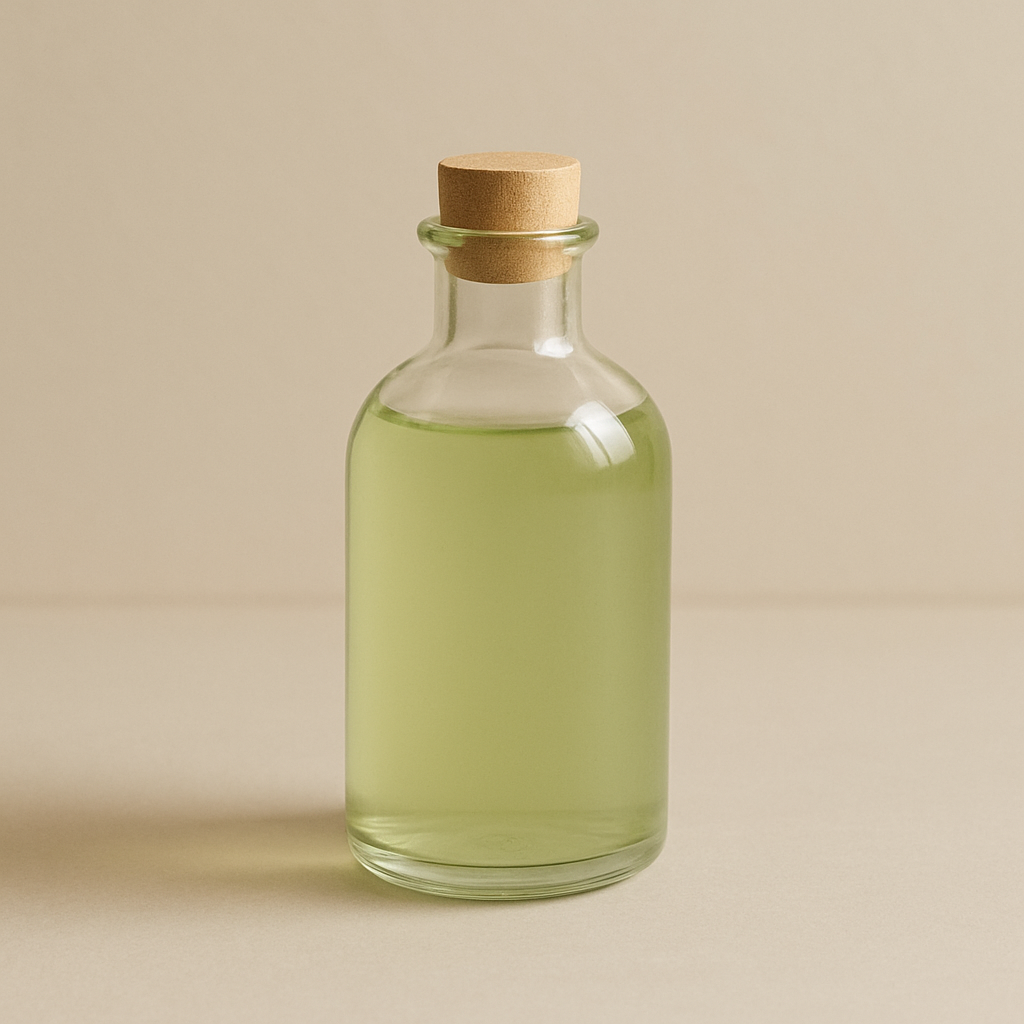
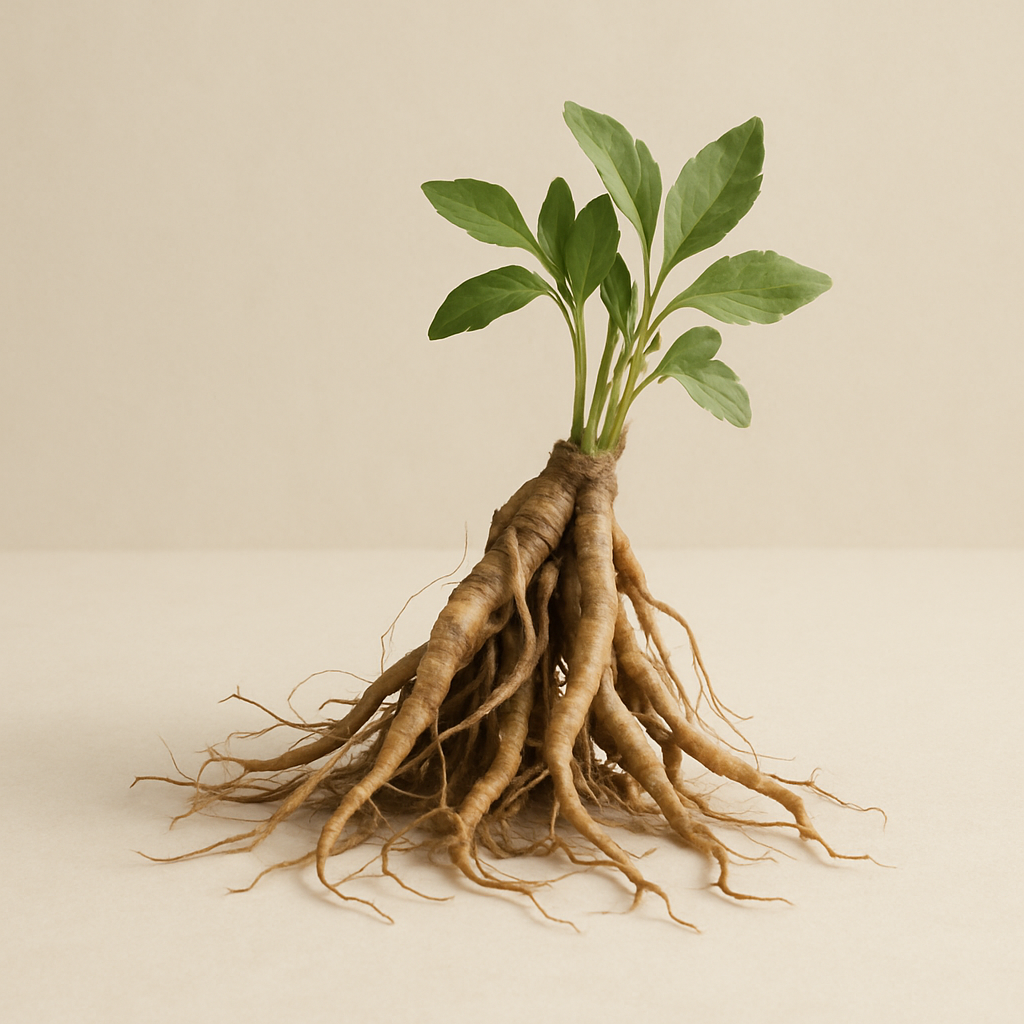
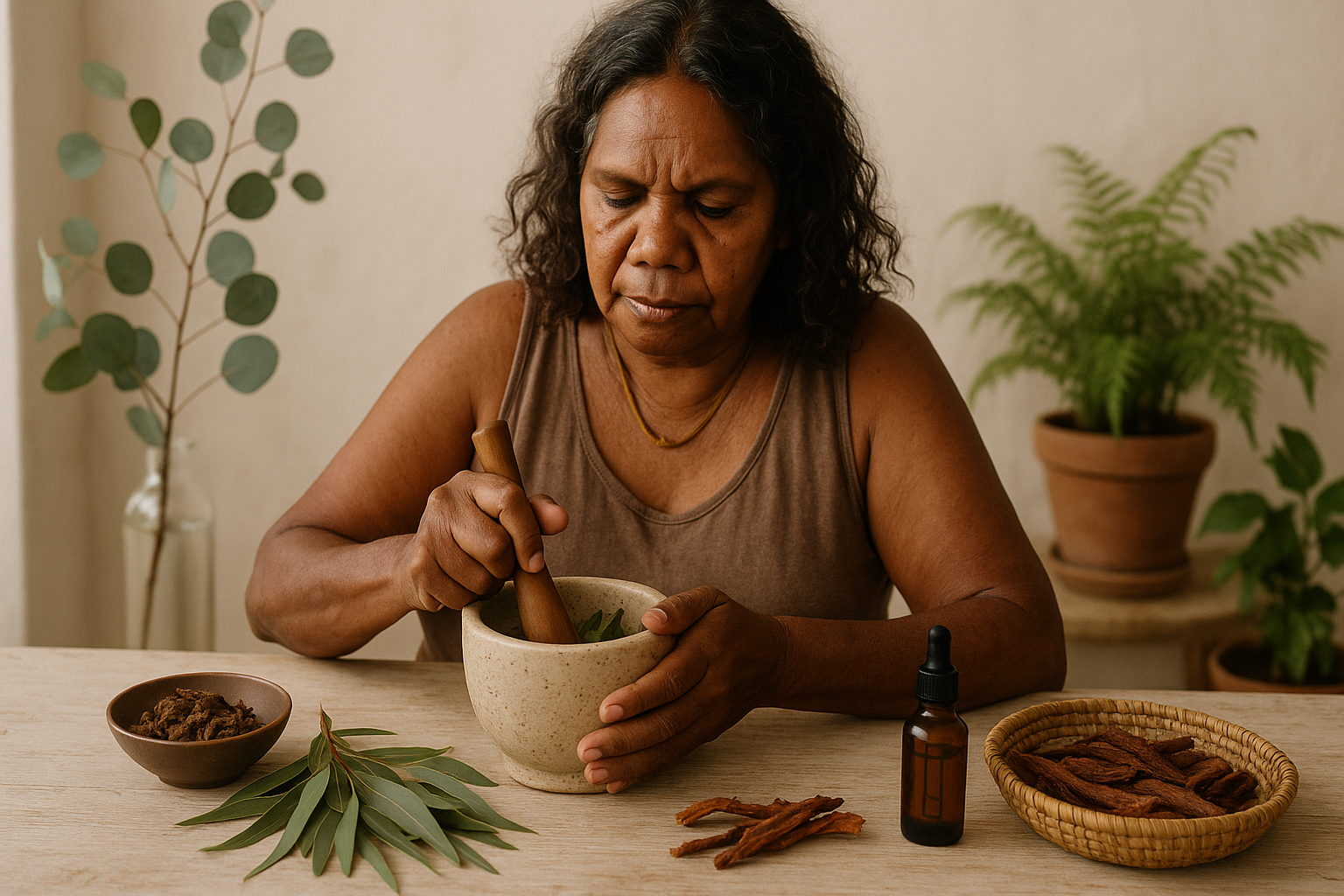
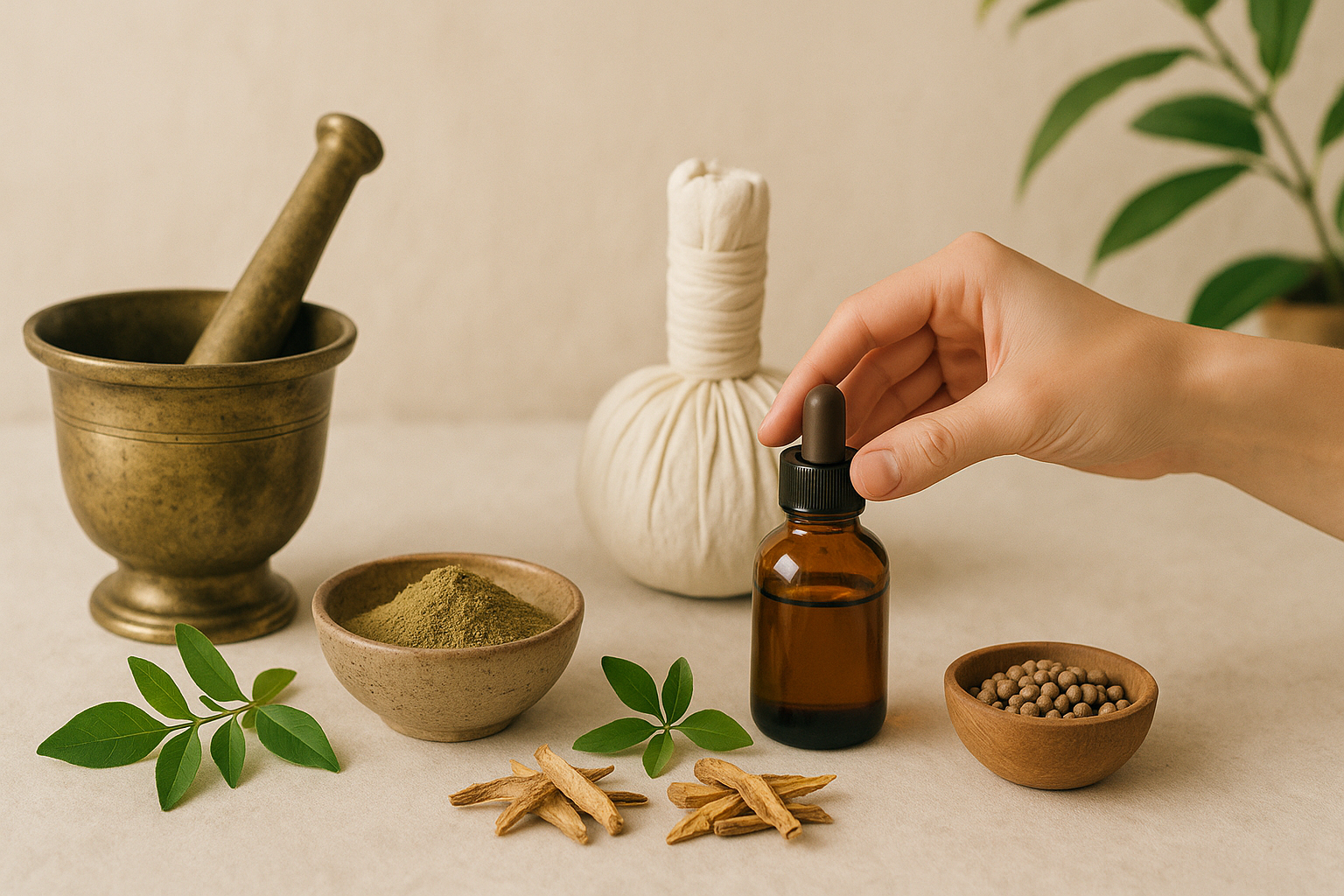
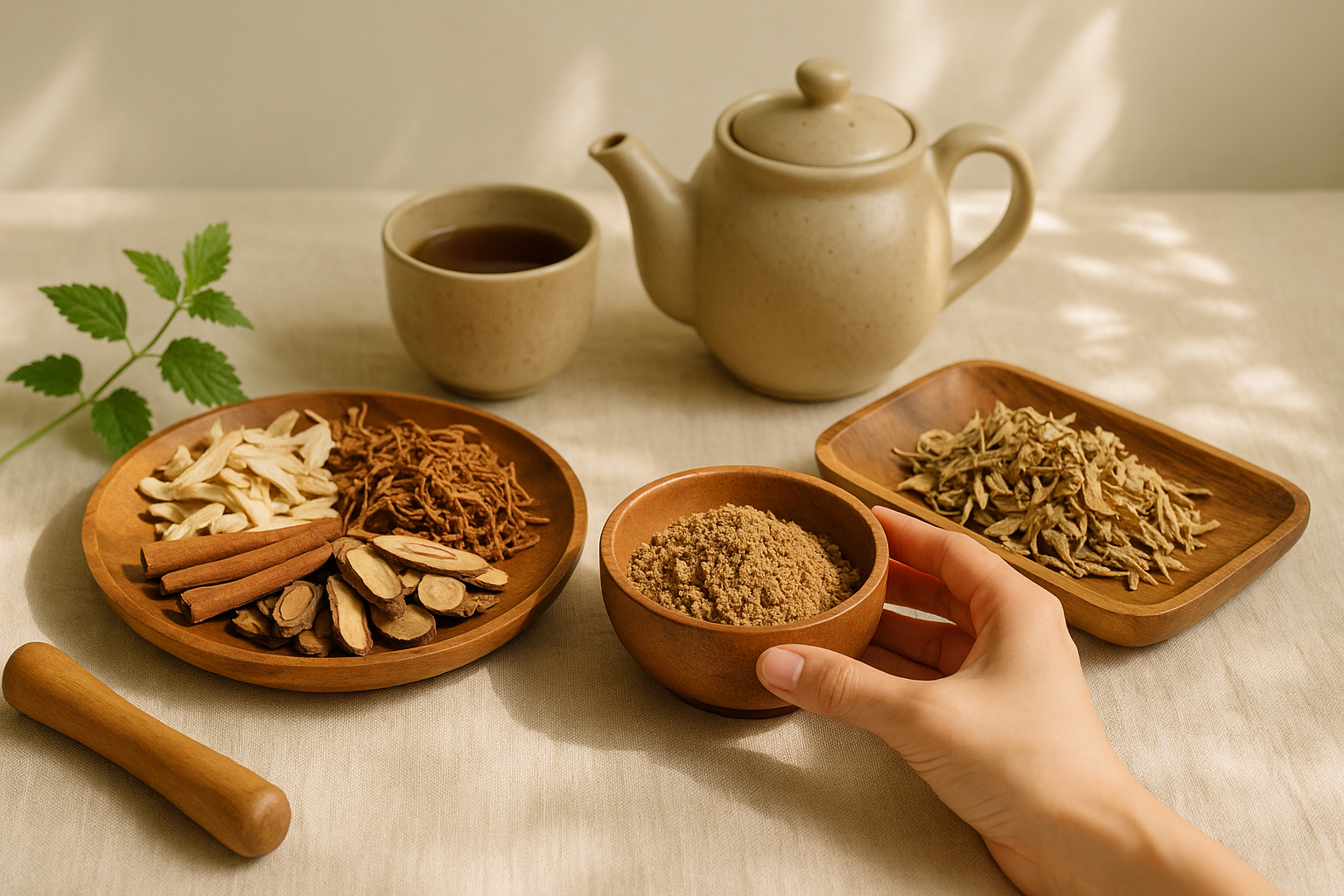
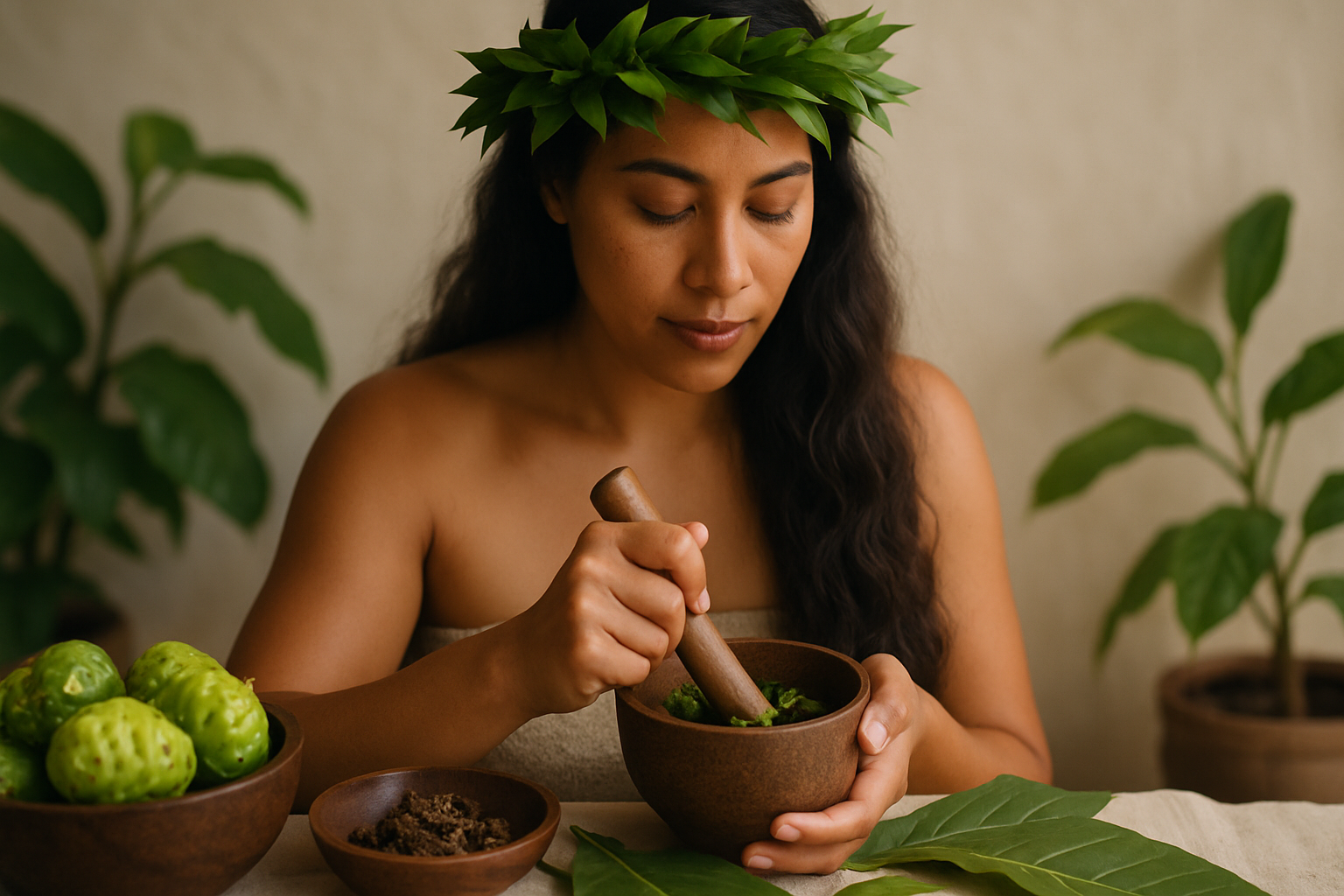
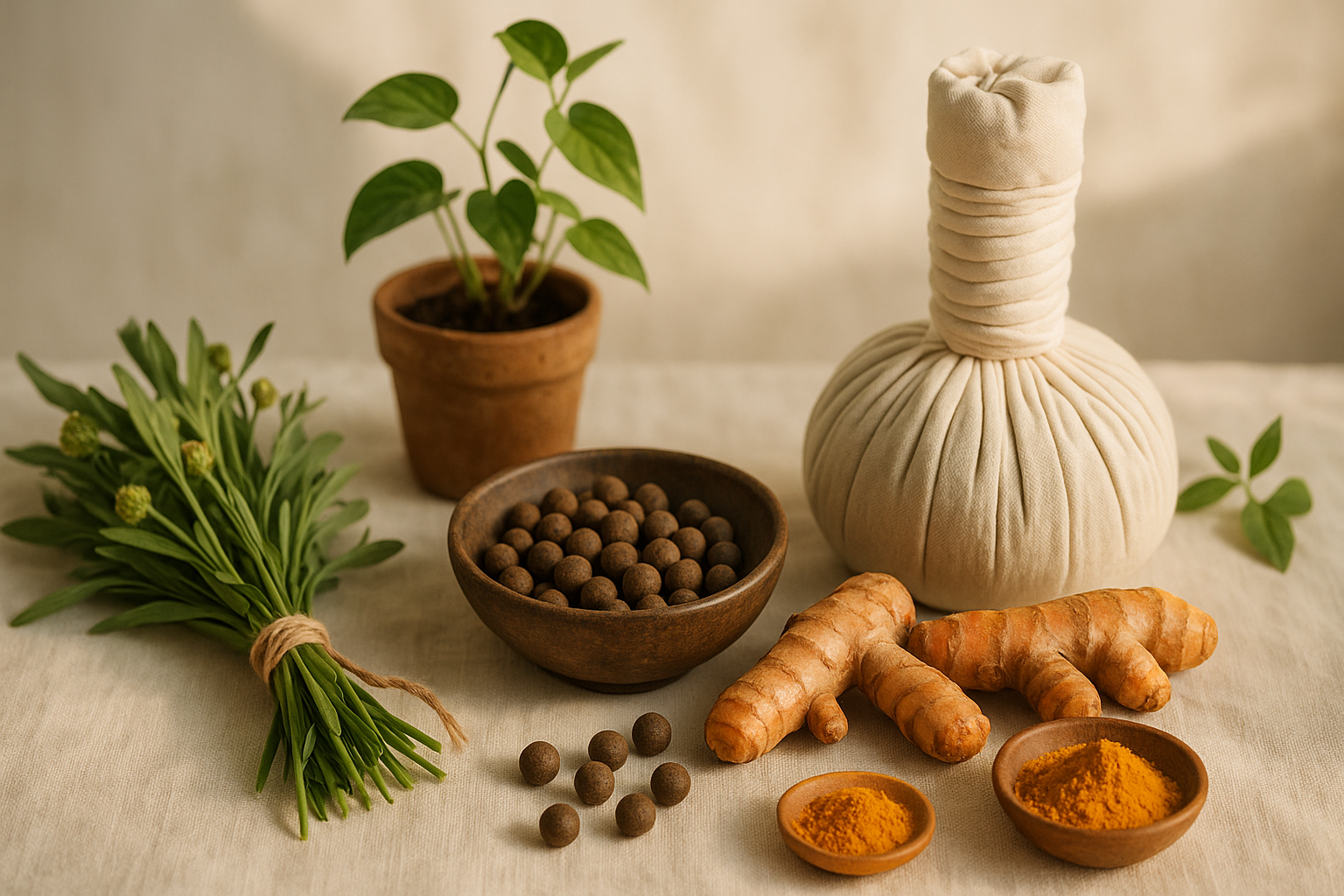
- Use of Herbal Remedies: Traditional healers often prepare herbal concoctions that are consumed or applied to support healing processes.
- Storytelling: Sharing personal stories and ancestral tales that reinforce communal ties and collective identity.
- Consultation with the Healer: Individuals may seek guidance from the healer for personalized advice on health issues, both physical and emotional.
What It Is Traditionally Explored For
Community Healing is traditionally explored for various physical, emotional, and spiritual issues, including:
- Stress and anxiety relief
- Support during life transitions, such as birth or death
- Healing from trauma or loss
- Enhancing community cohesion and support
- Coping with chronic illnesses and disabilities
While the specific issues addressed may vary by community, the underlying goal is often to restore balance and harmony, fostering resilience among community members.
What Modern Research Suggests
Modern research into Community Healing and its effectiveness is still emerging. Preliminary studies indicate that communal practices can lead to improved mental health outcomes, particularly in settings where social support is a key component of healing. For instance, studies have shown that participation in community rituals can reduce feelings of isolation and enhance emotional well-being.
Additionally, some clinical research suggests that traditional healing practices, when integrated with modern healthcare approaches, can provide complementary benefits. However, more rigorous studies are needed to validate these findings and understand the mechanisms through which Community Healing exerts its effects.
Safety, Contraindications & Who Should Skip
While Community Healing is generally considered safe, individuals with specific health conditions or those undergoing medical treatments should approach it with caution. It is advisable for individuals who:
- Are on prescribed medications
- Have serious medical conditions
- Are pregnant or nursing
- Are experiencing severe mental health issues without professional support
Consulting with a healthcare provider before engaging in Community Healing practices is recommended to ensure safety and compatibility with individual health needs.
Pairs Well With (within African Traditional Medicine and across pillars)
Community Healing pairs well with several other modalities within African Traditional Medicine, including:
- Herbal Medicine
- Spiritual Healing
- Rituals and Ceremonies
- Traditional Massage and Bodywork
- Nutrition and Dietary Practices
How to Find a Qualified Practitioner
Finding a qualified practitioner in Community Healing involves several steps:
- Seek recommendations from community members or local organizations.
- Research practitioners’ backgrounds and training in African Traditional Medicine.
- Look for practitioners who emphasize community involvement and collective healing.
- Attend community gatherings or workshops to connect with potential healers.
- Ensure that the practitioner respects and understands your individual needs and concerns.
FAQs (5)
- What is the main goal of Community Healing? The primary goal is to restore balance and harmony within individuals and the community.
- Can Community Healing be used alongside conventional medicine? Yes, it can complement conventional treatments, but it's important to consult with healthcare providers.
- Are there any risks associated with Community Healing? While generally safe, individuals with specific health conditions should approach it cautiously.
- How often should one participate in Community Healing practices? Participation frequency can vary; regular gatherings are encouraged to maintain connection and support.
- Is Community Healing effective for mental health issues? Preliminary research suggests it may offer benefits, particularly in enhancing social support.
Frequently asked
What is the main goal of Community Healing?
The primary goal is to restore balance and harmony within individuals and the community.
Can Community Healing be used alongside conventional medicine?
Yes, it can complement conventional treatments, but it's important to consult with healthcare providers.
Are there any risks associated with Community Healing?
While generally safe, individuals with specific health conditions should approach it cautiously.
How often should one participate in Community Healing practices?
Participation frequency can vary; regular gatherings are encouraged to maintain connection and support.
Is Community Healing effective for mental health issues?
Preliminary research suggests it may offer benefits, particularly in enhancing social support.