Root Medicine
Explore Root Medicine, a vital aspect of African Traditional Medicine, emphasizing the use of roots for holistic healing. Learn about its history, practices, and what modern research suggests.
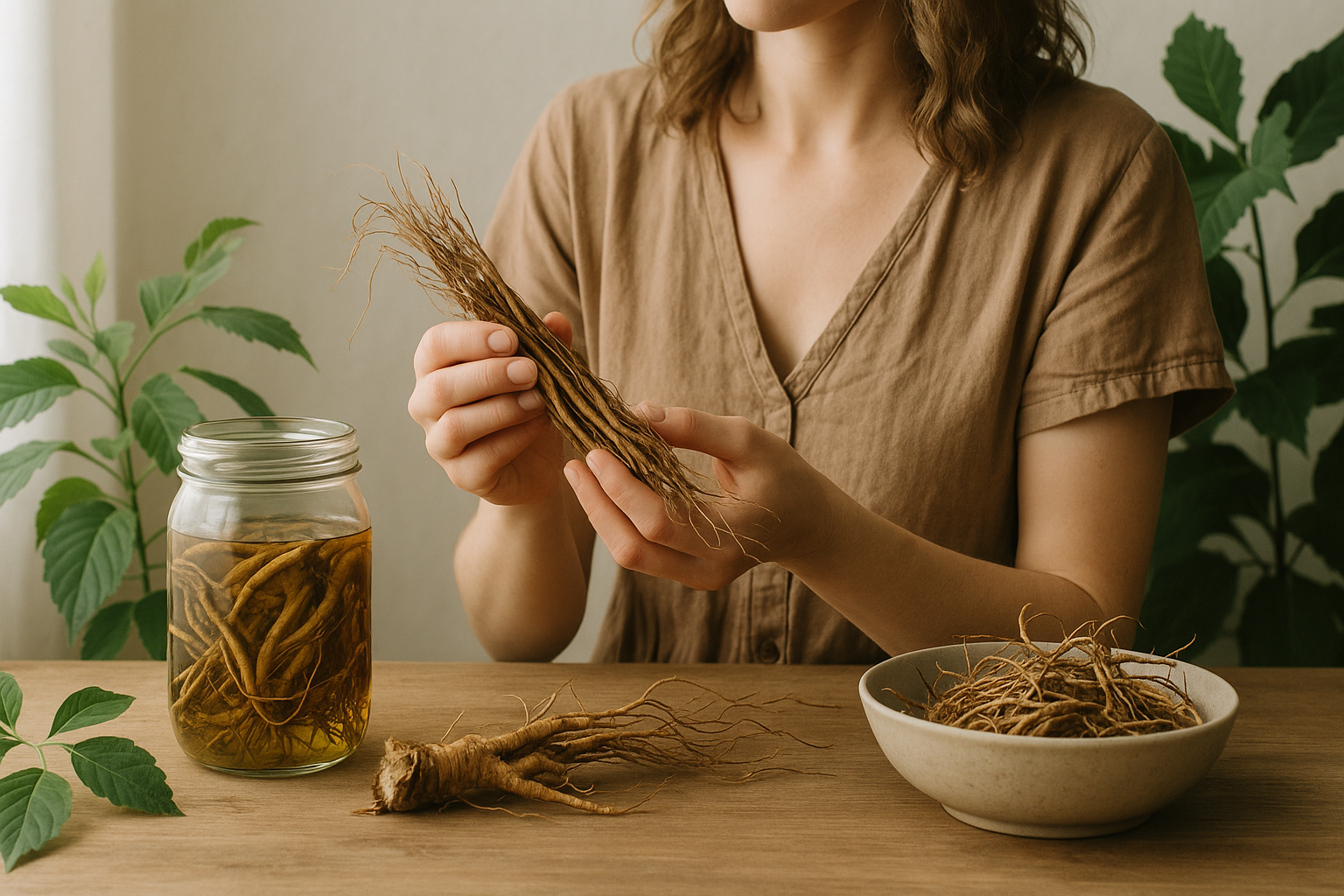
Root Medicine is a significant component of African Traditional Medicine, focusing on the use of plant roots for healing and wellness. This practice is steeped in cultural history and has evolved over generations, utilizing the knowledge of ancestral healers. With a holistic approach, Root Medicine traditionally addresses various ailments and promotes overall health.
What It Is
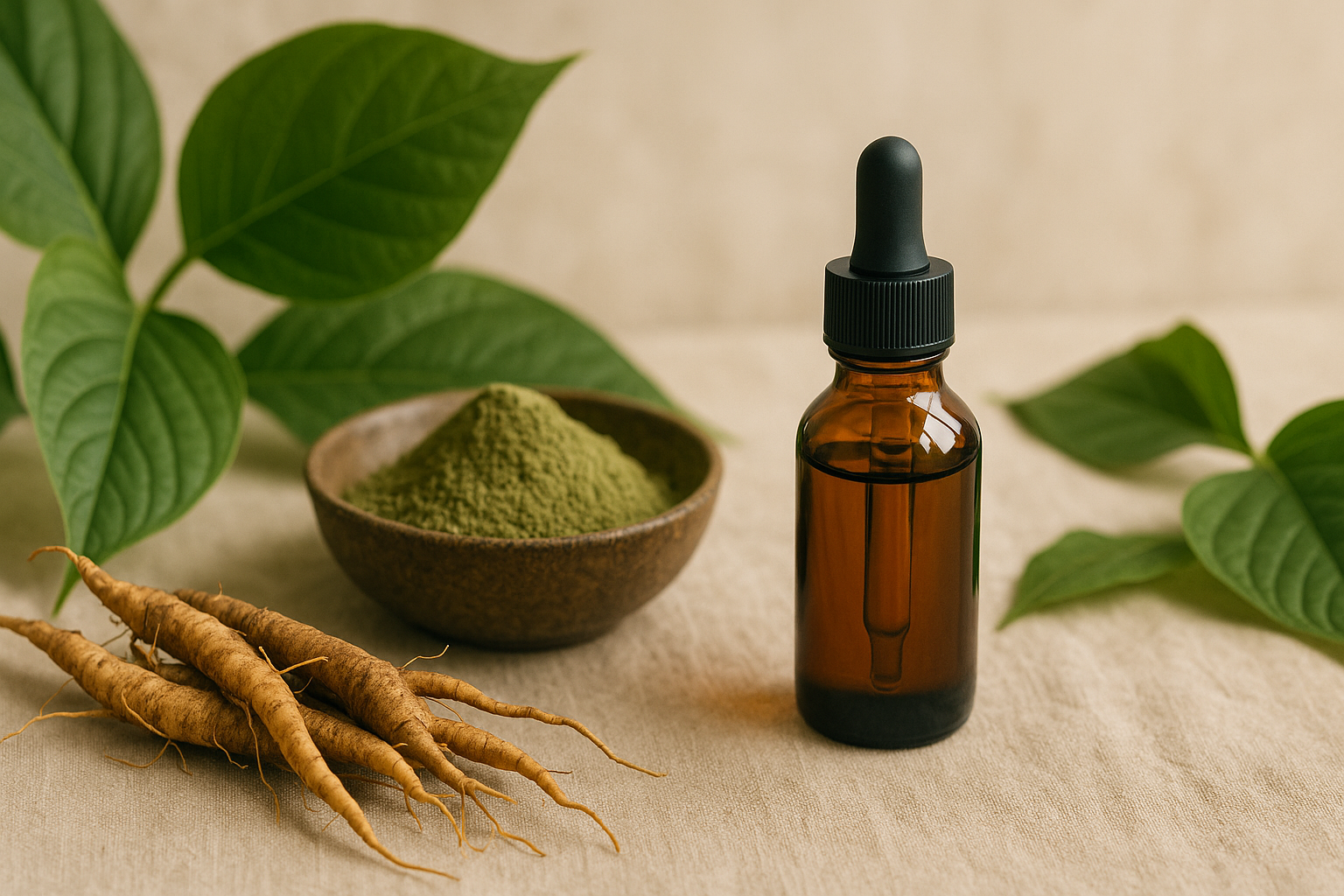
Root Medicine, a vital aspect of African Traditional Medicine, involves the use of plant roots to promote healing and wellness. This ancient practice draws upon the rich biodiversity found across the African continent, where various roots are believed to possess medicinal properties. Practitioners of Root Medicine often rely on traditional knowledge passed down through generations, utilizing specific roots for their perceived therapeutic benefits.
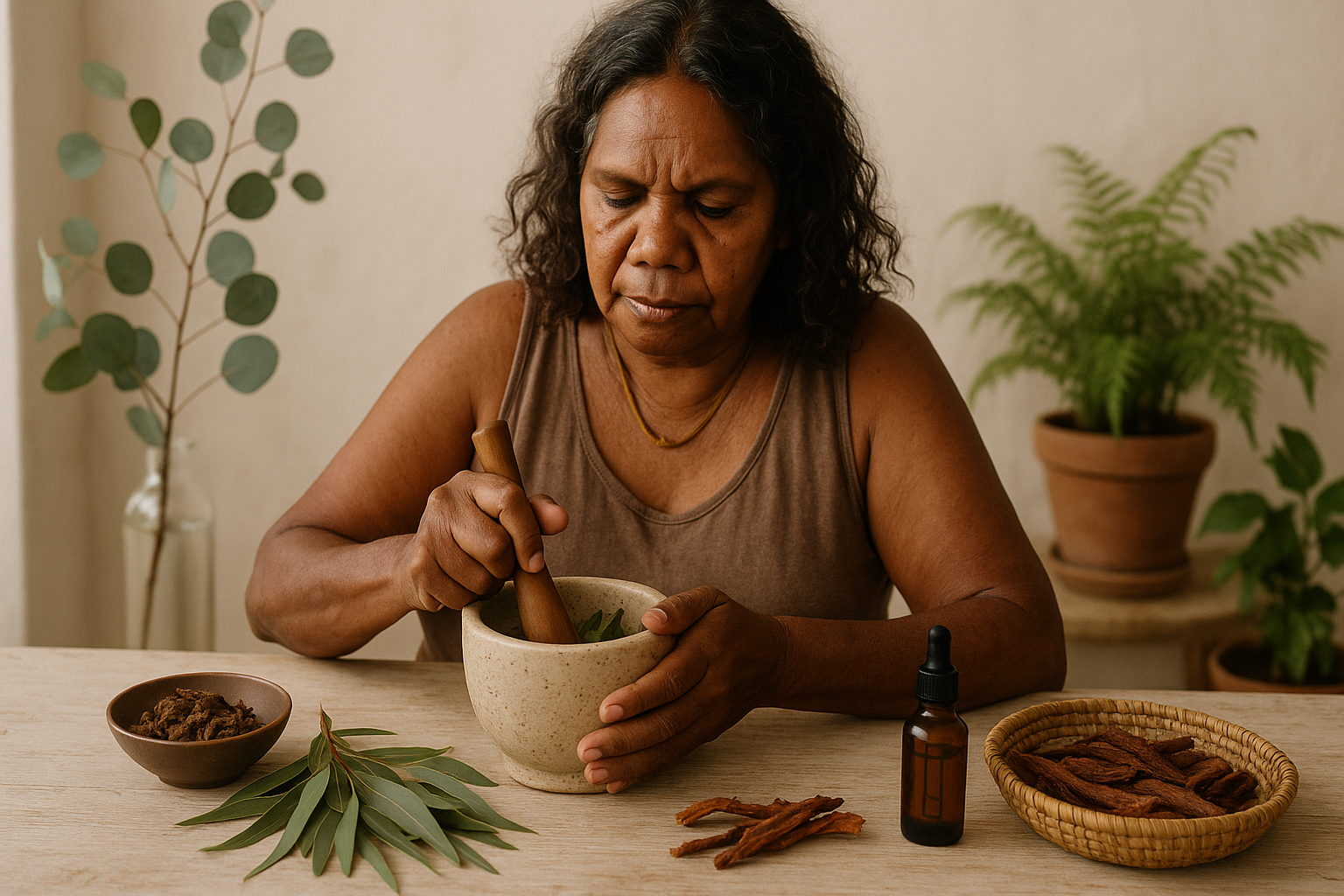
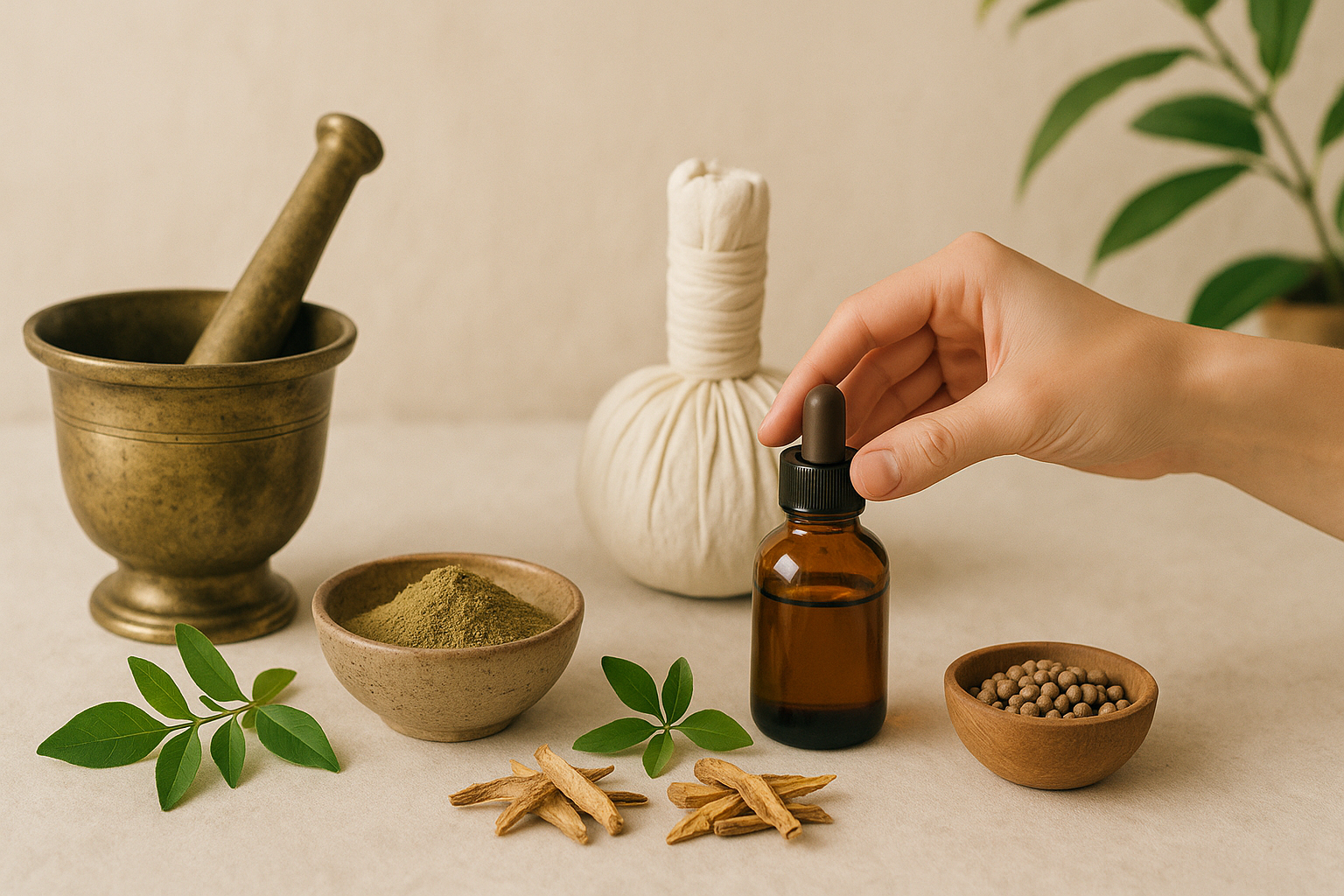
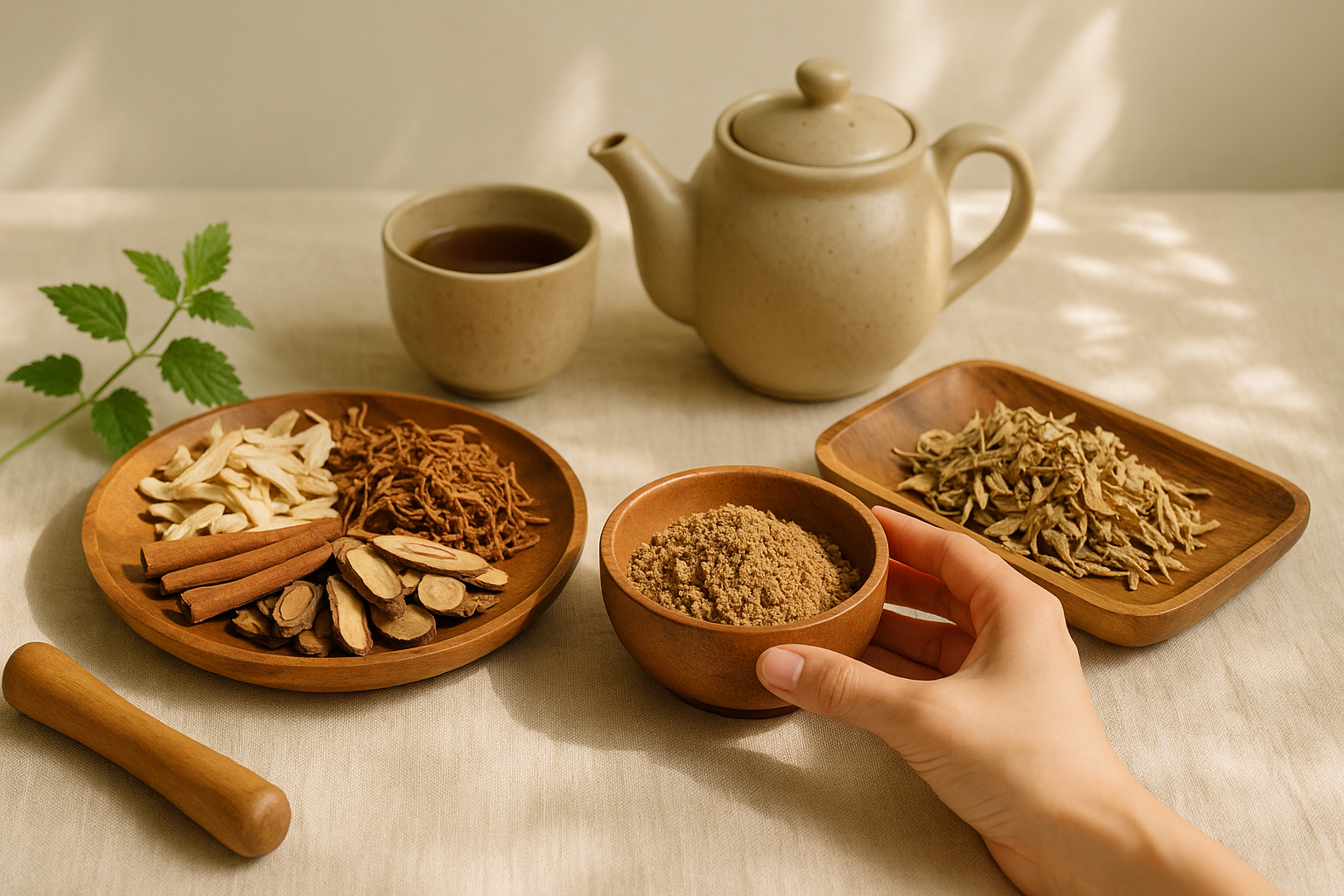
The roots are typically prepared in various forms, such as teas, tinctures, or poultices, and are administered based on the individual’s needs. Root Medicine emphasizes a holistic understanding of health, considering not only the physical symptoms but also emotional and spiritual well-being.
Historical Context Within African Traditional Medicine
Root Medicine has deep historical roots within the tapestry of African Traditional Medicine, which has existed for thousands of years. This practice emerged as a response to the need for accessible healthcare, particularly in communities where modern medical facilities were limited. Ancestors of various African cultures developed the knowledge of medicinal plants, including roots, through observation and experimentation.
Traditionally, healers known as herbalists or sangomas played a crucial role in the development of Root Medicine. These individuals were often regarded as custodians of community health, possessing extensive knowledge of local flora and its uses. Their practices were integrated into the cultural and spiritual frameworks of their societies, reinforcing the importance of Root Medicine as more than just a physical treatment.
How It's Practiced
The practice of Root Medicine involves several steps, typically guided by a trained practitioner. Here is a general walk-through of how it is practiced:
- Consultation: The practitioner conducts an initial assessment, discussing the individual's health concerns, lifestyle, and any relevant medical history.
- Diagnosis: Based on traditional methods, the practitioner identifies imbalances in the body and determines which roots may be beneficial.
- Root Selection: Specific roots are chosen based on their traditional uses and the practitioner's experience.
- Preparation: The selected roots are processed into various forms, such as teas, powders, or topical applications.
- Administration: The practitioner advises the individual on how to use the prepared remedies, including dosage and frequency.
- Follow-Up: Regular check-ins may occur to assess the effectiveness of the treatment and make necessary adjustments.
What It Is Traditionally Explored For
Root Medicine is traditionally used for a variety of health concerns. While it is essential to approach these uses with caution, as individual results may vary, some common goals include:
- Supporting digestive health
- Enhancing immune function
- Alleviating pain and inflammation
- Promoting emotional balance and mental clarity
- Addressing respiratory issues
- Encouraging overall vitality and well-being
What Modern Research Suggests
Modern research into Root Medicine is still in its early stages, but some preliminary studies have begun to explore the potential benefits of specific roots used in traditional practices. For instance, certain roots have been investigated for their anti-inflammatory and antioxidant properties, suggesting that they may have a role in supporting health. However, much of the evidence remains anecdotal or based on small-scale studies.
It is crucial to approach this research with an understanding of the complexity of herbal medicine. While some roots may show promise, thorough clinical trials are necessary to establish their efficacy and safety comprehensively. Individuals interested in Root Medicine should consider it a complementary practice and consult healthcare professionals regarding their health conditions.
Safety, Contraindications & Who Should Skip
While Root Medicine can be beneficial, it is essential to consider safety and possible contraindications. Individuals with specific health conditions, such as allergies to certain plants, pregnancy, or chronic illnesses, should consult a qualified practitioner before engaging in Root Medicine. Additionally, those taking prescription medications should exercise caution, as some roots may interact with these drugs.
As with any traditional practice, it is advisable for individuals to seek guidance from a knowledgeable practitioner to ensure appropriate use and avoid potential adverse effects.
Pairs Well With (within African Traditional Medicine and across pillars)
Root Medicine aligns well with various other modalities and practices within African Traditional Medicine, including:
- Herbal Medicine
- Spiritual Healing
- Massage Therapy
- Nutritional Guidance
- Traditional Healing Rituals
How to Find a Qualified Practitioner
To find a qualified practitioner of Root Medicine, consider the following steps:
- Seek recommendations from trusted sources, such as community members or health professionals.
- Research local practitioners, ensuring they have a background in African Traditional Medicine and experience with Root Medicine.
- Verify their credentials and experience, looking for affiliations with recognized traditional healing organizations.
- Schedule an initial consultation to discuss your health concerns and assess their approach.
FAQs
What types of roots are commonly used in Root Medicine?
Commonly used roots include ginger, garlic, and various local plants specific to different African regions.
Is Root Medicine safe for everyone?
While many people may benefit from Root Medicine, those with specific health conditions or allergies should consult a practitioner before use.
Can I combine Root Medicine with modern medicine?
Yes, but it is essential to consult with healthcare professionals to ensure that there are no interactions with medications.
How long does it take to see results from Root Medicine?
Results can vary depending on the individual and the specific ailment being addressed. Some may notice improvements quickly, while others may require more time.
Where can I learn more about Root Medicine?
Many resources are available online, including books and articles on African Traditional Medicine, as well as local workshops and seminars.
Frequently asked
What types of roots are commonly used in Root Medicine?
Commonly used roots include ginger, garlic, and various local plants specific to different African regions.
Is Root Medicine safe for everyone?
While many people may benefit from Root Medicine, those with specific health conditions or allergies should consult a practitioner before use.
Can I combine Root Medicine with modern medicine?
Yes, but it is essential to consult with healthcare professionals to ensure that there are no interactions with medications.
How long does it take to see results from Root Medicine?
Results can vary depending on the individual and the specific ailment being addressed. Some may notice improvements quickly, while others may require more time.
Where can I learn more about Root Medicine?
Many resources are available online, including books and articles on African Traditional Medicine, as well as local workshops and seminars.