Holistic Wellness

What It Is
Holistic Wellness within the framework of African Traditional Medicine (ATM) encompasses a comprehensive approach to health that integrates the physical, mental, spiritual, and social aspects of an individual's well-being. It recognizes that each person is a unique blend of these dimensions and that imbalances can lead to illness or discomfort. In this context, wellness is not merely the absence of disease but a state of harmony between all facets of life.
This holistic approach often involves various practices aimed at restoring balance and promoting healing. It integrates traditional practices, dietary recommendations, herbal remedies, and spiritual rituals, all tailored to the individual's specific needs and cultural background. Through this lens, wellness is a continuous journey rather than a fixed state, encouraging individuals to engage actively in their health and community.
Historical Context Within African Traditional Medicine
The roots of Holistic Wellness within African Traditional Medicine can be traced back thousands of years, with its development deeply embedded in the cultural practices of various African communities. It emerged from the collective wisdom of ancestors who observed the interconnectedness of life and health. These practices have been passed down through generations, evolving while maintaining core principles that emphasize balance and harmony.
Healers, often referred to as traditional healers or medicine men and women, played a crucial role in the development of holistic wellness. They were not only healers but also spiritual leaders and community figures who understood the importance of social support and cultural identity in health. Their knowledge has been preserved through oral traditions, rituals, and community involvement, ensuring that holistic wellness remains integral to African Traditional Medicine.
How It's Practiced
The practice of Holistic Wellness in African Traditional Medicine is multifaceted and can vary significantly between cultures. Here is a general overview of how it is typically practiced:
- Assessment: The practitioner begins with a thorough assessment of the individual, considering physical symptoms, emotional state, spiritual beliefs, and social environment.
- Personalized Treatment: Based on the assessment, a personalized treatment plan is developed, which may include:
- Herbal remedies tailored to the individual's health needs.
- Nutritional guidance focusing on traditional diets that promote health.
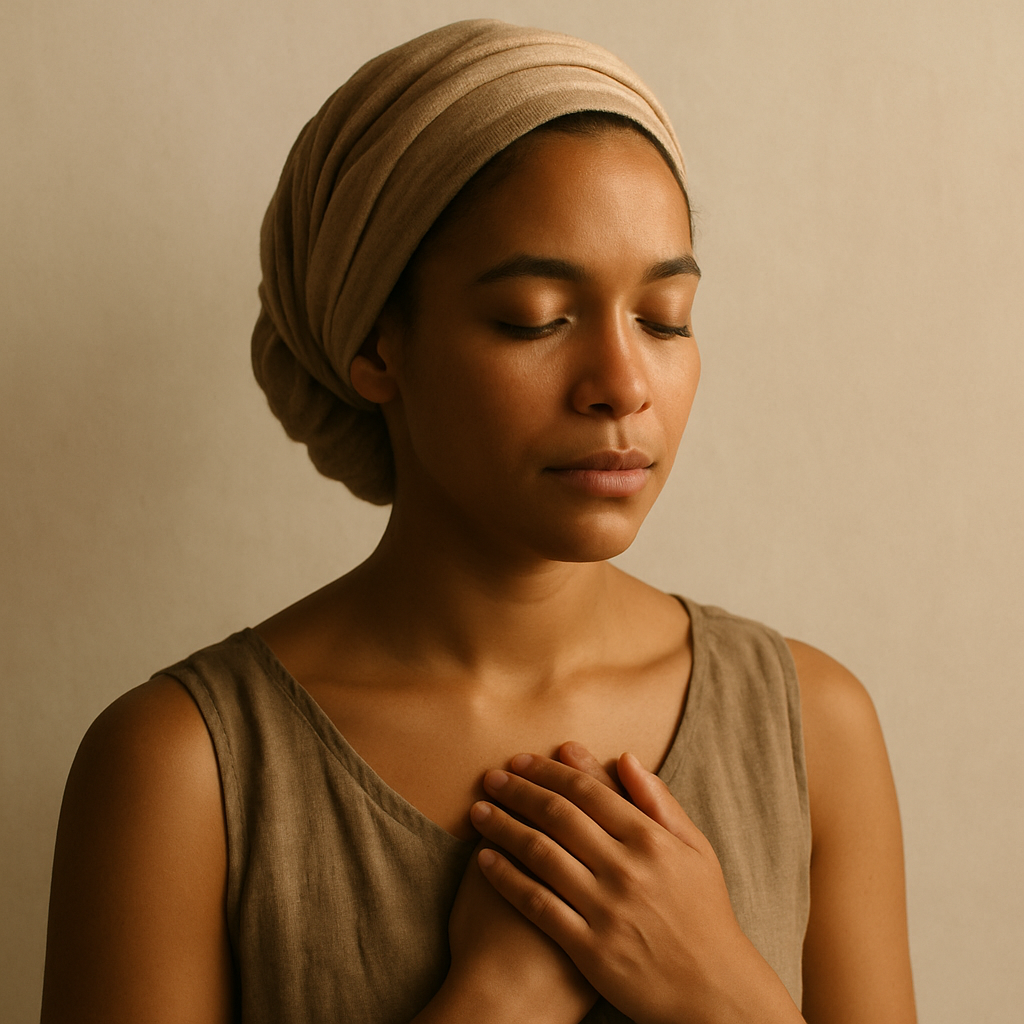
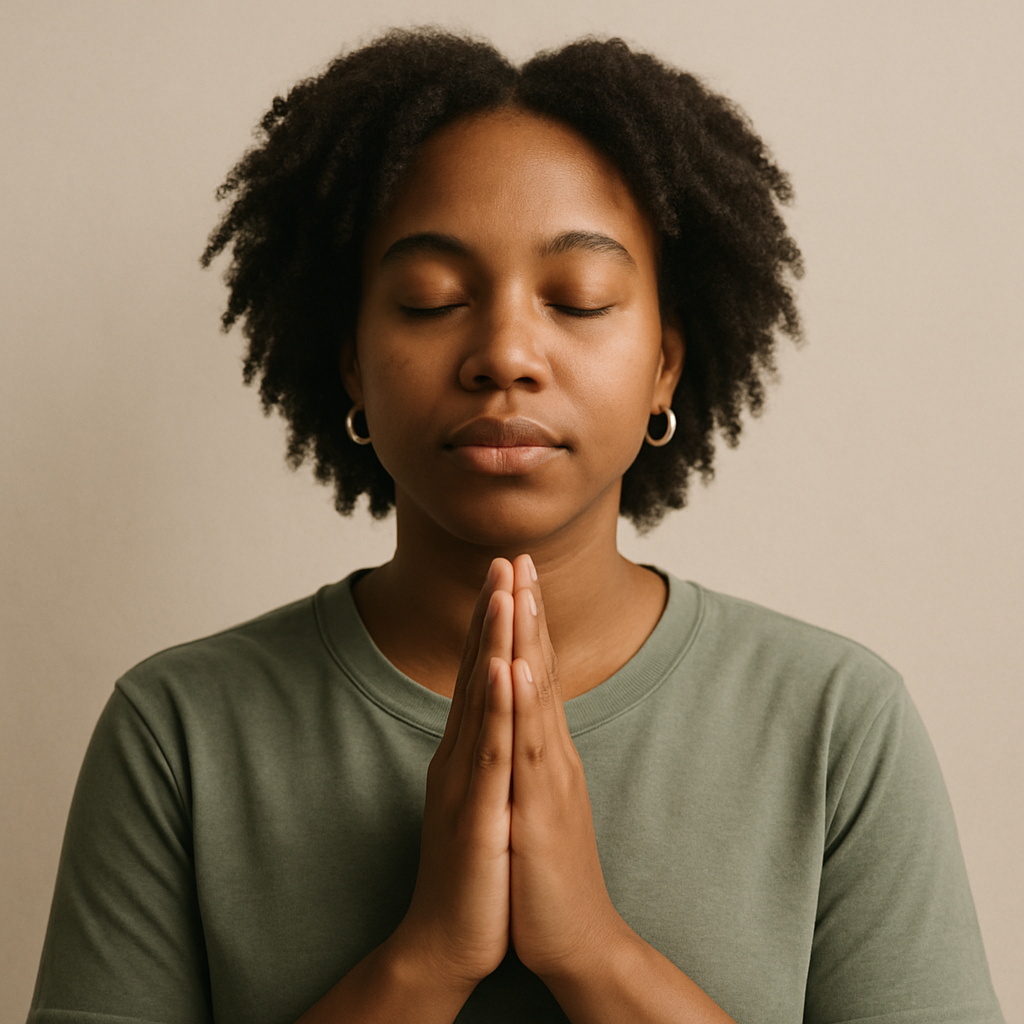
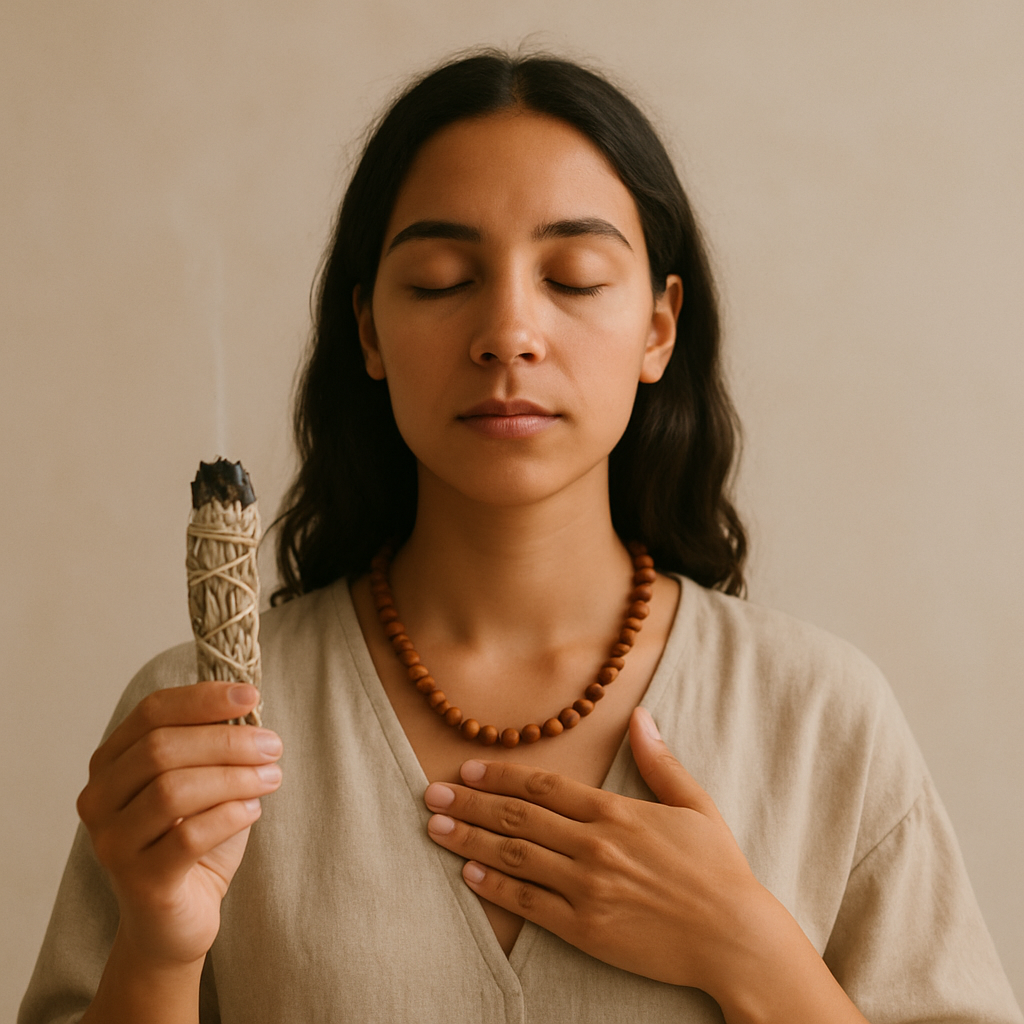
- Spiritual practices such as prayer, meditation, or rituals to enhance mental and spiritual well-being.
- Physical therapies including massage or traditional healing techniques.
- Community Involvement: Involvement of family and community members is often encouraged, recognizing the role of social support in healing.
- Follow-up: Continuous follow-up is crucial to monitor progress and adjust treatments as necessary, reinforcing the dynamic nature of holistic wellness.
What It Is Traditionally Explored For
Holistic Wellness in African Traditional Medicine has traditionally been explored for a variety of health concerns. It is important to note that the following uses are based on historical practices and should not be considered diagnostic or prescriptive. Commonly, it has been used for:
- Stress management and emotional well-being.
- Chronic pain and inflammation relief.
- Digestive health and nutritional balance.
- Immune system support.
- Spiritual healing and personal growth.
What Modern Research Suggests
Furthermore, the emphasis on community and social support within holistic wellness practices is backed by research indicating that social connections can significantly impact mental health and recovery. While more rigorous clinical studies are necessary to substantiate these findings, there is a growing interest in the integration of holistic approaches within contemporary healthcare settings.
Safety, Contraindications & Who Should Skip
As with any health practice, safety is paramount. While Holistic Wellness practices are generally viewed as safe, there are specific considerations to keep in mind:
- Individuals with chronic health conditions or those taking medication should consult a healthcare professional before starting any herbal remedies.
- Pregnant or breastfeeding women should exercise caution and seek guidance from qualified practitioners.
- People with allergies to certain herbs should avoid those specific treatments.
Overall, it is advisable for individuals with serious health concerns to seek comprehensive care from qualified healthcare providers, integrating traditional practices with conventional medicine as appropriate.
Pairs Well With (within African Traditional Medicine and across pillars)
Holistic Wellness in African Traditional Medicine can be complemented by various other practices and modalities, including:
- Herbal Medicine
- Spiritual Healing
- Massage and Physical Therapy
- Nutritional Counseling
- Rituals and Ceremonies
How to Find a Qualified Practitioner
Finding a qualified practitioner in Holistic Wellness within African Traditional Medicine involves several steps:
- Seek recommendations from trusted community members or local health organizations.
- Research practitioners’ backgrounds and training in traditional healing.
- Verify their experience and approach to holistic wellness.
- Ask about their methods and ensure they align with your health goals.
It is essential to engage with practitioners who respect both traditional practices and modern health principles, ensuring a balanced approach to wellness.
FAQs (5)
- What is Holistic Wellness? Holistic Wellness is an approach to health that emphasizes the interconnectedness of physical, mental, spiritual, and social well-being.
- How is Holistic Wellness practiced? It involves personalized assessments, herbal remedies, nutritional guidance, and community support.
- What conditions is it traditionally used for? Traditionally, it has been used for stress management, chronic pain relief, and enhancing overall health.
- Is Holistic Wellness safe? While generally safe, individuals with chronic conditions or allergies should consult professionals before starting treatments.
- How do I find a qualified practitioner? Seek recommendations, research backgrounds, and verify their experience in traditional healing practices.
Frequently asked
What is Holistic Wellness?
Holistic Wellness is an approach to health that emphasizes the interconnectedness of physical, mental, spiritual, and social well-being.
How is Holistic Wellness practiced?
It involves personalized assessments, herbal remedies, nutritional guidance, and community support.
What conditions is it traditionally used for?
Traditionally, it has been used for stress management, chronic pain relief, and enhancing overall health.
Is Holistic Wellness safe?
While generally safe, individuals with chronic conditions or allergies should consult professionals before starting treatments.
How do I find a qualified practitioner?
Seek recommendations, research backgrounds, and verify their experience in traditional healing practices.