Traditional Diagnostics
Discover the essence of Traditional Diagnostics in African Traditional Medicine, its historical context, practice methods, and safety considerations.
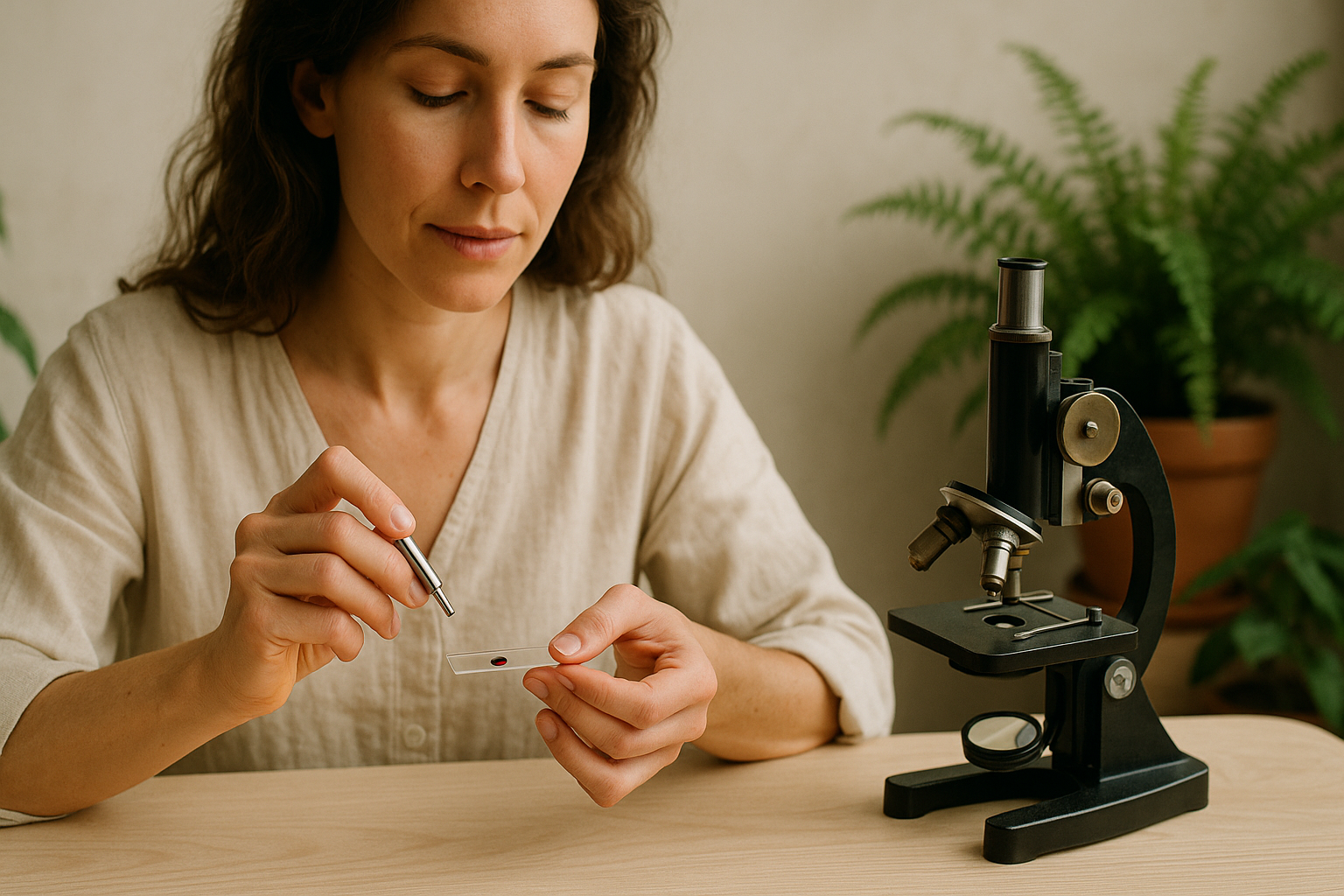
Explore the ancient practice of Traditional Diagnostics within African Traditional Medicine, its historical roots, modern relevance, and how to find qualified practitioners.
What It Is
Traditional Diagnostics is a crucial aspect of African Traditional Medicine (ATM), encompassing various methods used to assess a person's health. It relies on the understanding of the body, spirit, and mind as interconnected elements. Practitioners utilize observational skills, questioning, and the interpretation of physical signs to determine the underlying causes of illness. This holistic approach is rooted in the belief that health is a balance of physical, spiritual, and social well-being.
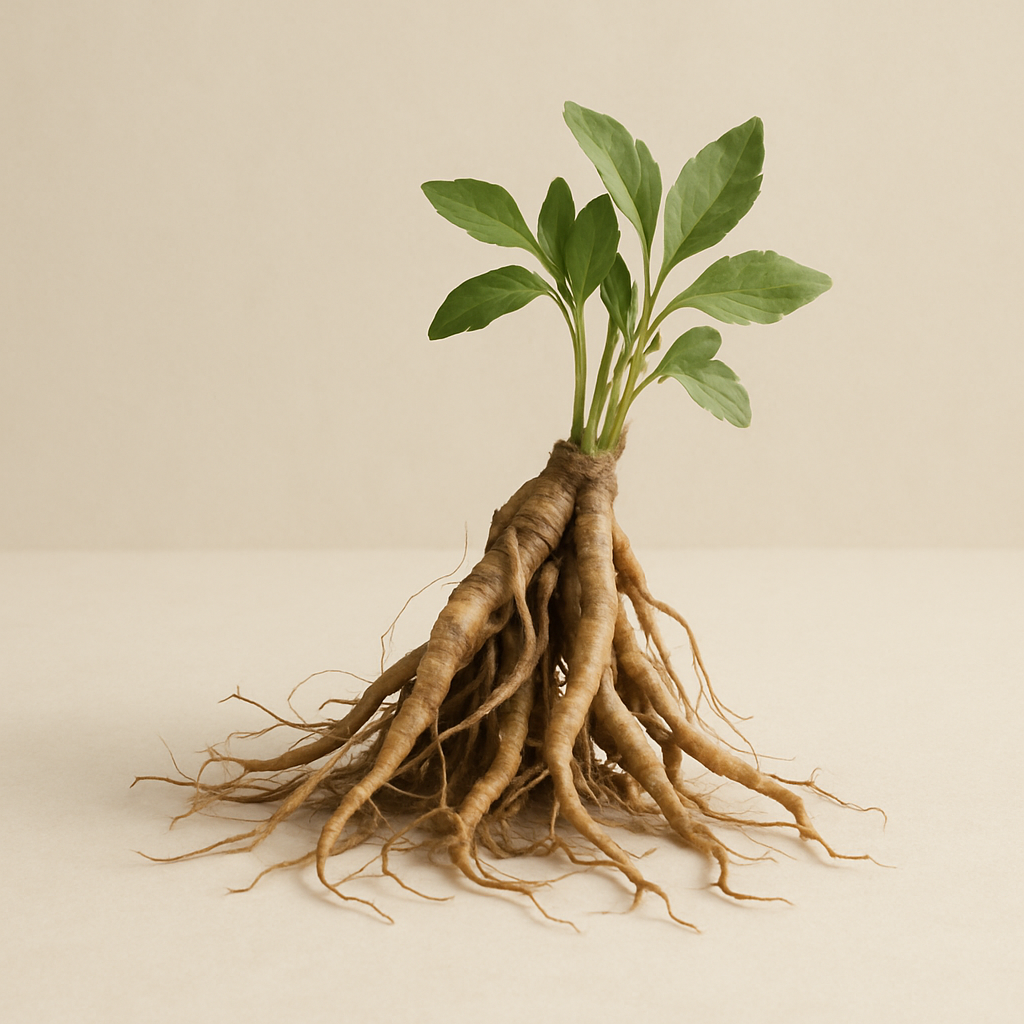
In practice, Traditional Diagnostics often involves the use of natural elements, such as herbs, to aid in the assessment process. Techniques may include examining body language, skin conditions, and pulse readings, among others. This comprehensive evaluation allows practitioners to develop tailored treatment plans that address not only the symptoms but also the root causes of health issues.
Historical Context Within African Traditional Medicine
The roots of Traditional Diagnostics can be traced back thousands of years within African cultures. It emerged as a systematic approach to understanding health and disease, developing alongside various African healing traditions. Early practitioners, often regarded as healers or shamans, were the custodians of this knowledge, relying on oral traditions to pass down their wisdom through generations.
Over time, these diagnostic practices became more refined, influenced by the diverse cultures and beliefs across the African continent. Each community contributed unique elements to the practice, creating a rich tapestry of diagnostic techniques that are still utilized today. This historical context emphasizes the importance of cultural heritage in the development of African Traditional Medicine.
How It's Practiced
In a typical session with a Traditional Diagnostics practitioner, the process may unfold as follows:
- Initial Consultation: The practitioner greets the patient and creates a comfortable environment for discussion.
- Health History: The practitioner asks detailed questions about the patient's health history, lifestyle, and any specific symptoms.
- Physical Examination: The practitioner observes the patient’s physical appearance, including skin, eyes, and posture, and may perform pulse readings.
- Diagnosis: Based on the gathered information, the practitioner interprets the signs and symptoms to identify imbalances.
- Treatment Recommendations: The practitioner suggests a holistic treatment plan, which may include herbal remedies, dietary adjustments, and spiritual practices.
What It Is Traditionally Explored For
Traditional Diagnostics is traditionally used for a variety of health issues, including:
- Digestive disorders
- Respiratory ailments
- Musculoskeletal pain
- Emotional and psychological imbalances
- Spiritual disturbances
These practices aim to restore balance and harmony within the individual, addressing both physical symptoms and emotional or spiritual concerns.
What Modern Research Suggests
Recent studies have begun to explore the efficacy of various elements within Traditional Diagnostics. Preliminary research suggests that certain diagnostic techniques, such as pulse diagnosis and observational assessments, may offer insights that align with modern medical understanding. For instance, some studies indicate that traditional herbal remedies identified through these diagnostics can have beneficial effects on health.
However, it is essential to approach these findings with caution. While some studies show promise, more extensive clinical research is necessary to validate the effectiveness and safety of these practices within the broader healthcare context. The integration of traditional knowledge with modern science could potentially lead to enhanced therapeutic outcomes.
Safety, Contraindications & Who Should Skip
While Traditional Diagnostics is generally considered safe, there are some precautions to keep in mind:
- Individuals with serious health conditions should consult a qualified healthcare provider before engaging in traditional diagnostic practices.
- Pregnant women and those with specific health concerns are advised to seek guidance from a professional experienced in both traditional and modern medicine.
- Always inform the practitioner about any existing medications or treatments to avoid potential interactions.
Pairs Well With (within African Traditional Medicine and across pillars)
Traditional Diagnostics pairs well with various modalities and practices within African Traditional Medicine, including:
- Herbal Medicine
- Spiritual Healing
- Massage Therapy
- Nutritional Counseling
Additionally, it may complement practices from other health traditions, such as acupuncture and yoga, promoting a more holistic approach to wellness.
How to Find a Qualified Practitioner
Finding a qualified practitioner in Traditional Diagnostics involves several steps:
- Seek recommendations from trusted sources, such as friends or family members who have experience with traditional healers.
- Research local practitioners and their credentials, focusing on their training and experience in African Traditional Medicine.
- Look for practitioners who are members of recognized professional organizations, which can provide assurance of their expertise.
- Schedule an initial consultation to assess the practitioner’s approach, communication style, and comfort level.
FAQs (5)
What is Traditional Diagnostics?
Traditional Diagnostics is a holistic assessment method used in African Traditional Medicine, focusing on the interconnectedness of body, mind, and spirit.
How does Traditional Diagnostics differ from Western medicine?
Traditional Diagnostics emphasizes a holistic view of health, considering emotional and spiritual factors, whereas Western medicine often focuses primarily on physical symptoms.
Is Traditional Diagnostics safe?
Generally, Traditional Diagnostics is safe, but individuals with serious health conditions should consult a healthcare provider before engaging in these practices.
What types of conditions can Traditional Diagnostics address?
Traditional Diagnostics can be used for various conditions, including digestive issues, respiratory ailments, and emotional imbalances.
How do I find a qualified practitioner?
Seek recommendations, research practitioners' credentials, and schedule initial consultations to find a qualified Traditional Diagnostics practitioner.
Frequently asked
What is Traditional Diagnostics?
Traditional Diagnostics is a holistic assessment method used in African Traditional Medicine, focusing on the interconnectedness of body, mind, and spirit.
How does Traditional Diagnostics differ from Western medicine?
Traditional Diagnostics emphasizes a holistic view of health, considering emotional and spiritual factors, whereas Western medicine often focuses primarily on physical symptoms.
Is Traditional Diagnostics safe?
Generally, Traditional Diagnostics is safe, but individuals with serious health conditions should consult a healthcare provider before engaging in these practices.
What types of conditions can Traditional Diagnostics address?
Traditional Diagnostics can be used for various conditions, including digestive issues, respiratory ailments, and emotional imbalances.
How do I find a qualified practitioner?
Seek recommendations, research practitioners' credentials, and schedule initial consultations to find a qualified Traditional Diagnostics practitioner.