Protective Rituals
Discover the significance of protective rituals in African Traditional Medicine, their historical roots, practical applications, and modern interpretations.
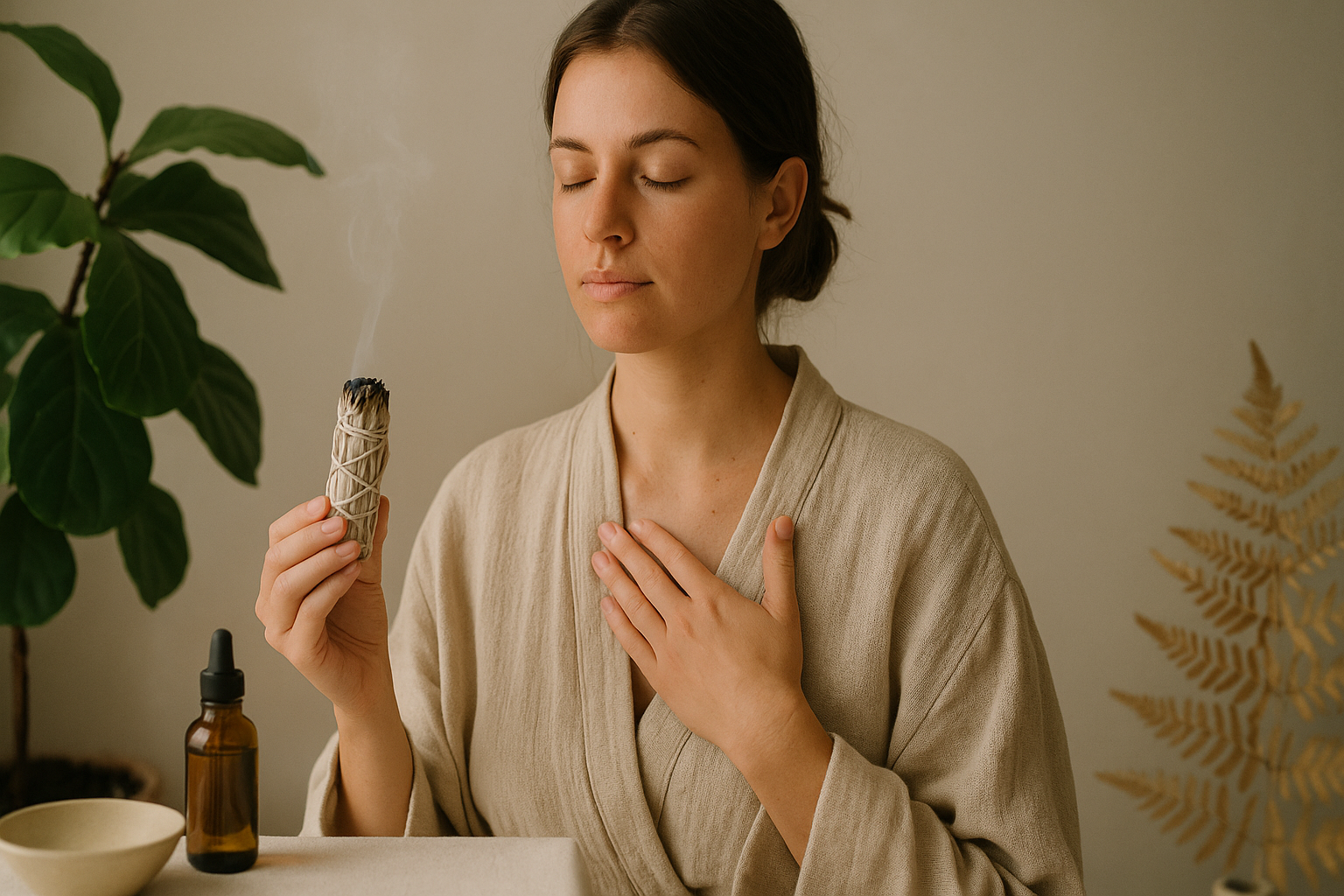
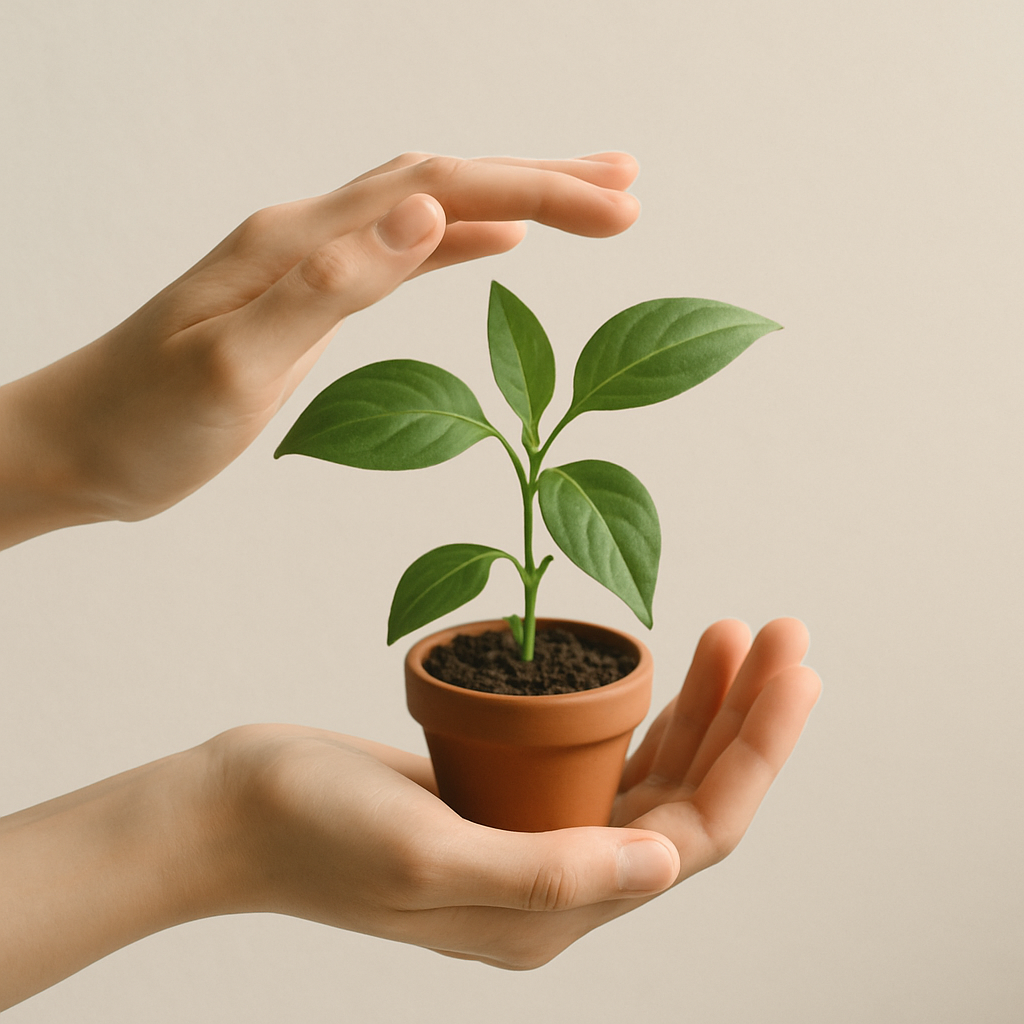
Protective rituals in African Traditional Medicine offer a profound connection to cultural heritage and spiritual well-being. These practices emphasize safeguarding individuals and communities from negative influences, ensuring harmony and balance in life.
What It Is
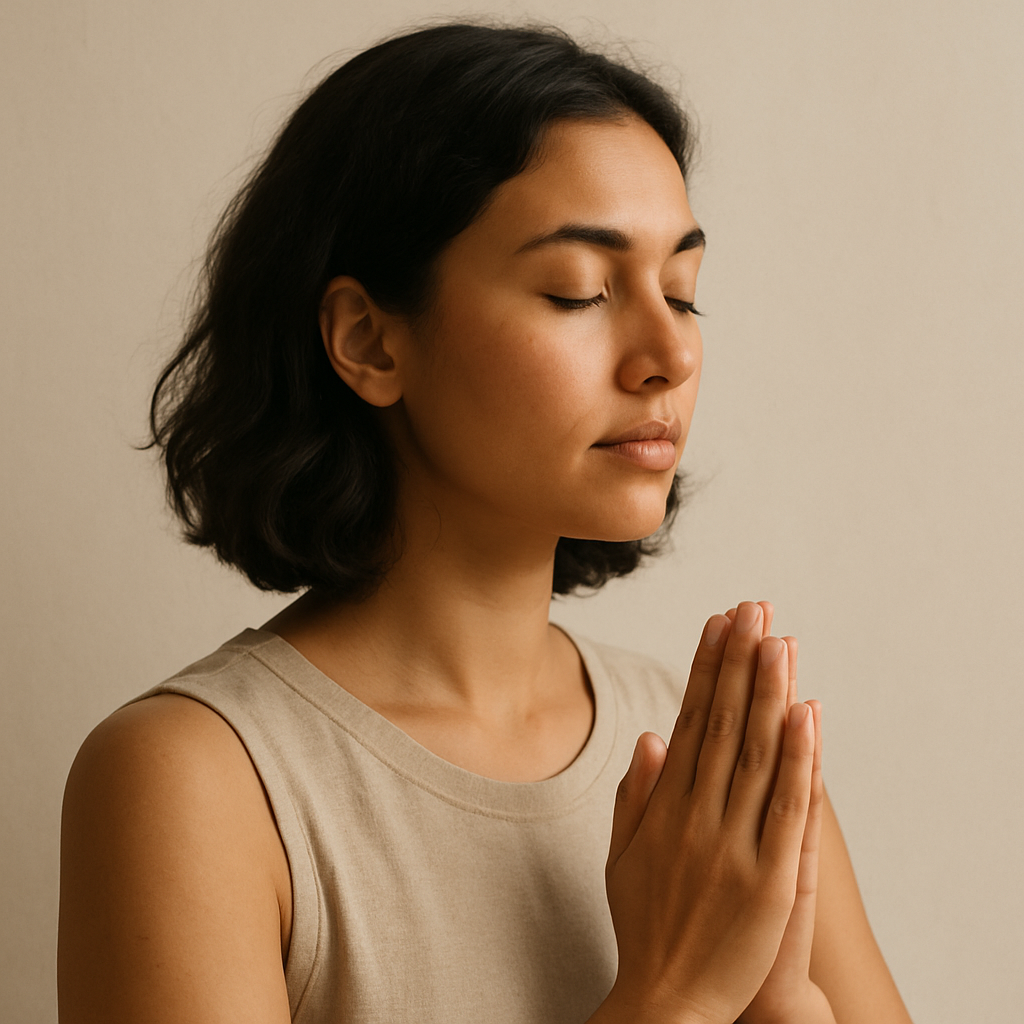
Protective rituals are integral components of African Traditional Medicine, focusing on safeguarding individuals and communities from harmful spiritual forces, misfortune, and illness. These rituals involve a variety of practices, including prayers, offerings, and symbolic acts, aimed at creating a protective barrier against negative energies and ensuring overall well-being.
The essence of protective rituals lies in their ability to invoke spiritual powers and ancestral guidance. Practitioners believe that these rituals help maintain a balance between the physical and spiritual realms, promoting health and harmony in the lives of those who partake in them.
Historical Context Within African Traditional Medicine
Protective rituals have deep historical roots within the African Traditional Medicine framework. They have been practiced for centuries, evolving through various cultures and communities across the continent. These rituals are often attributed to ancestral wisdom, passed down through generations, and are considered vital in the spiritual and physical health of individuals.
The development of protective rituals is credited to early African healers and spiritual leaders, who recognized the importance of addressing not only physical ailments but also the spiritual well-being of their communities. This holistic approach has sustained the relevance of protective rituals throughout African history.
How It's Practiced
The practice of protective rituals varies widely among different cultures within Africa, but generally follows a structured approach. Here is a plain language walk-through of how these rituals are commonly performed:
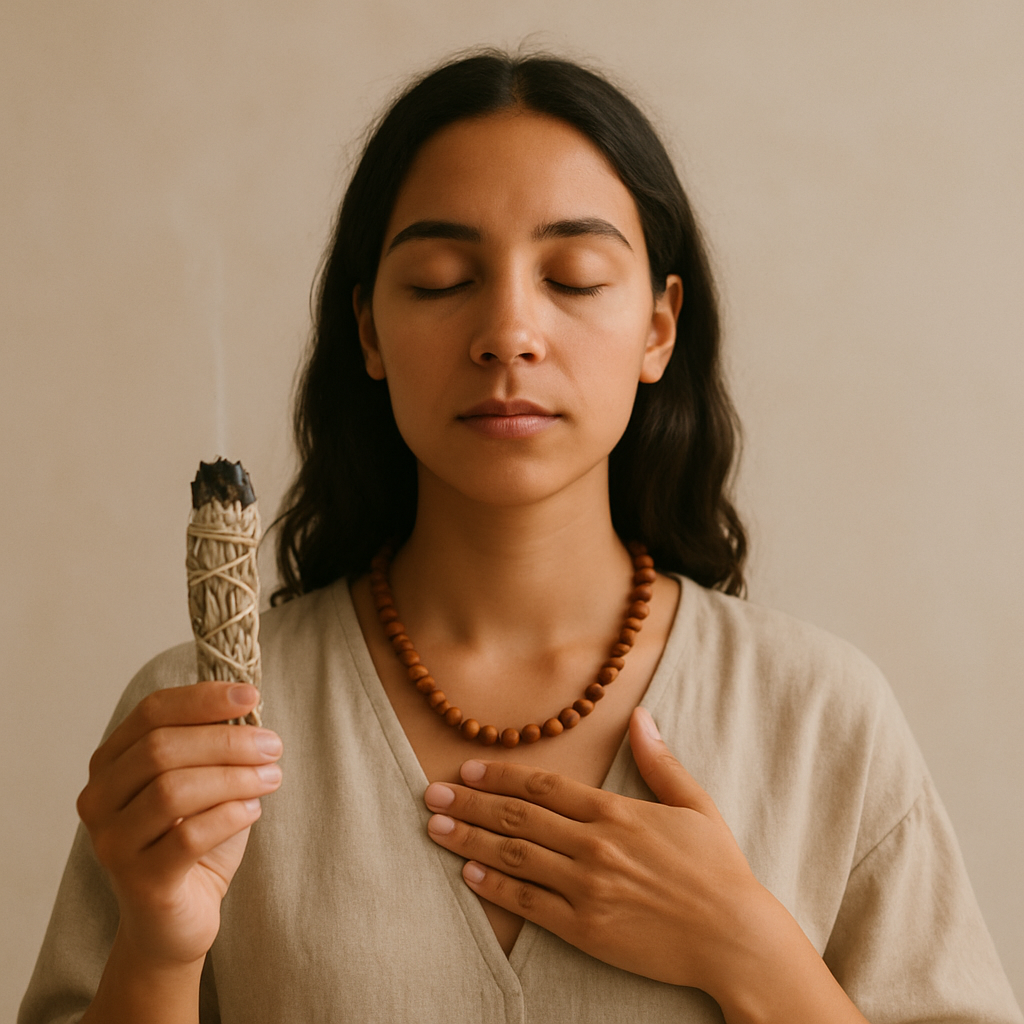
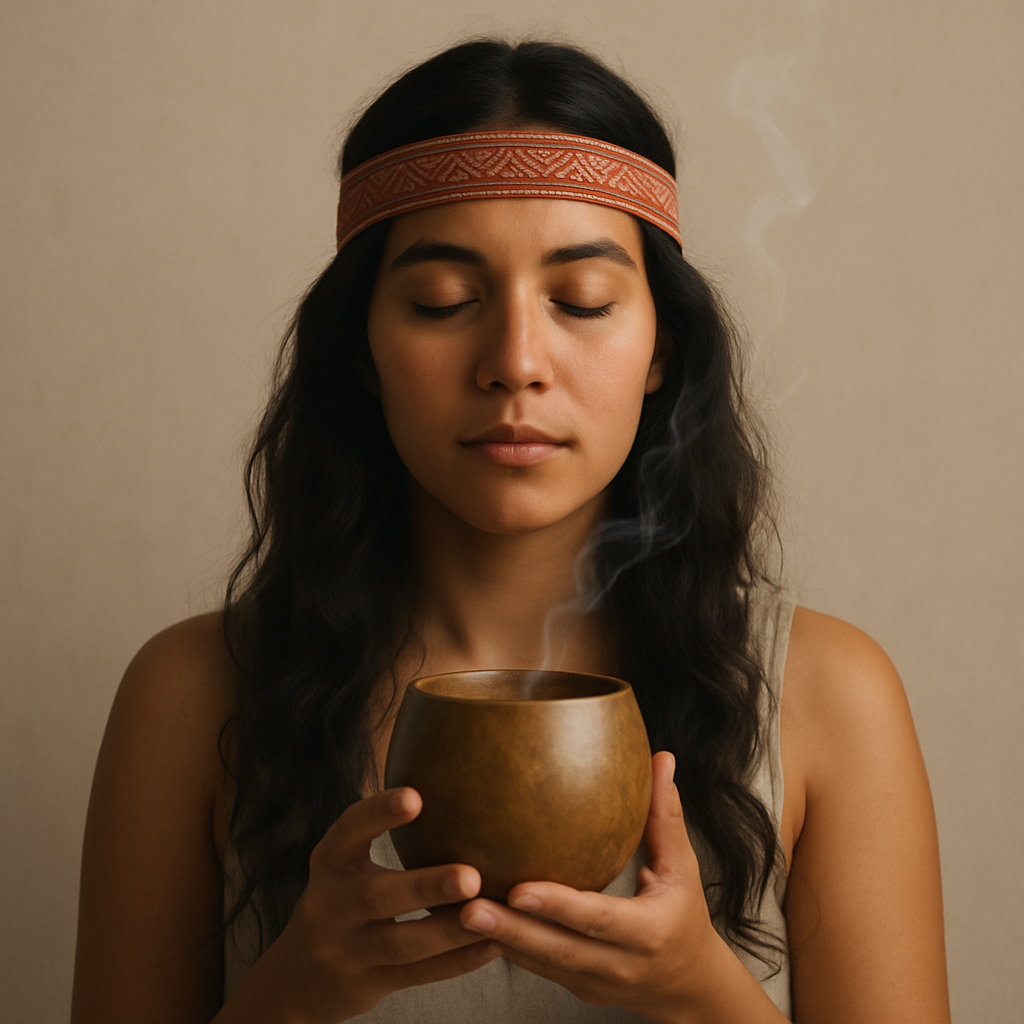
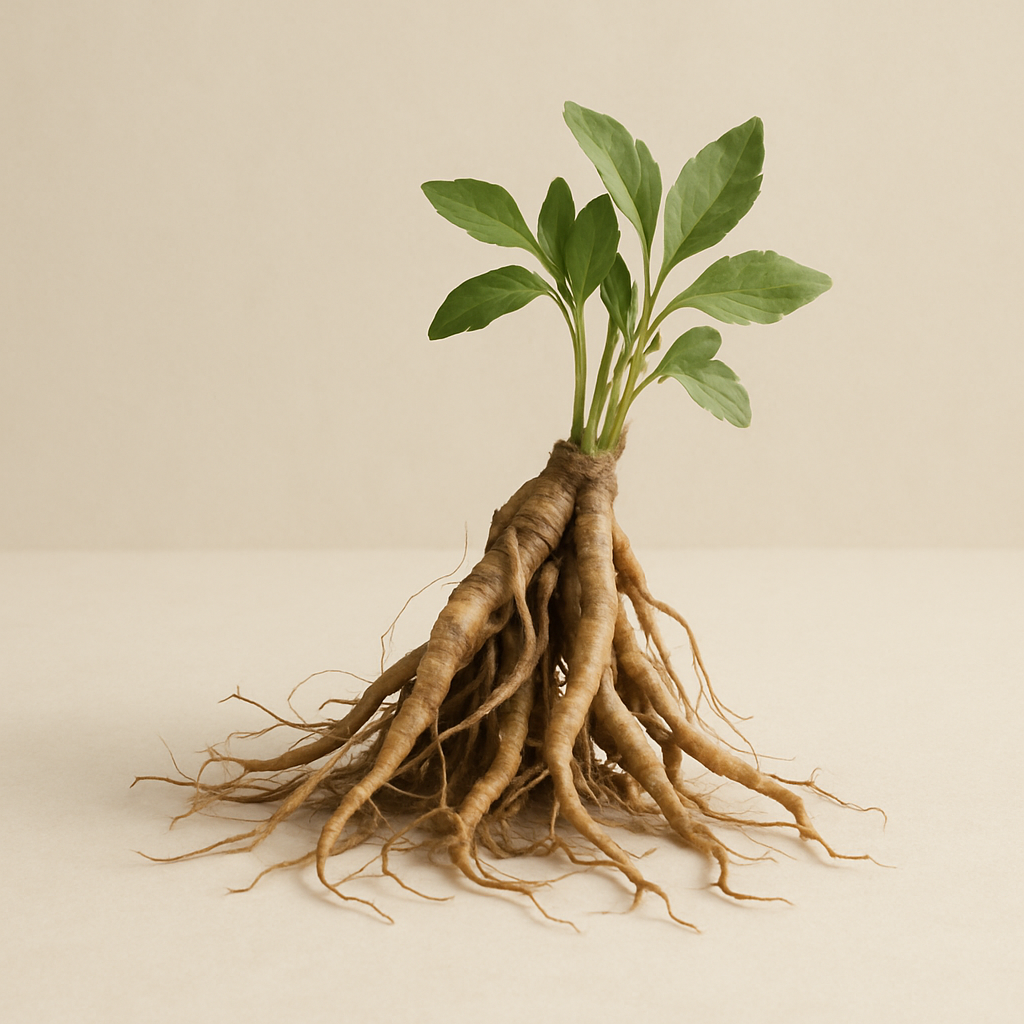
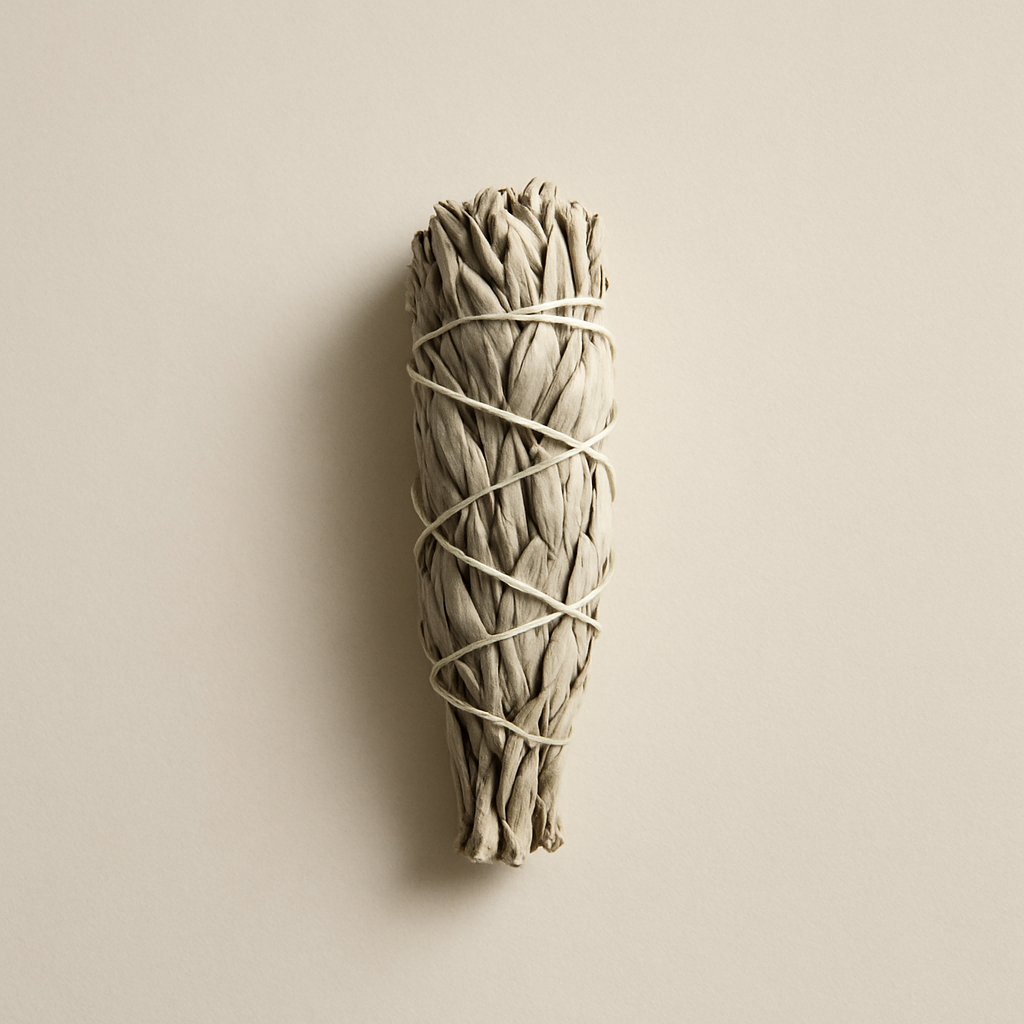
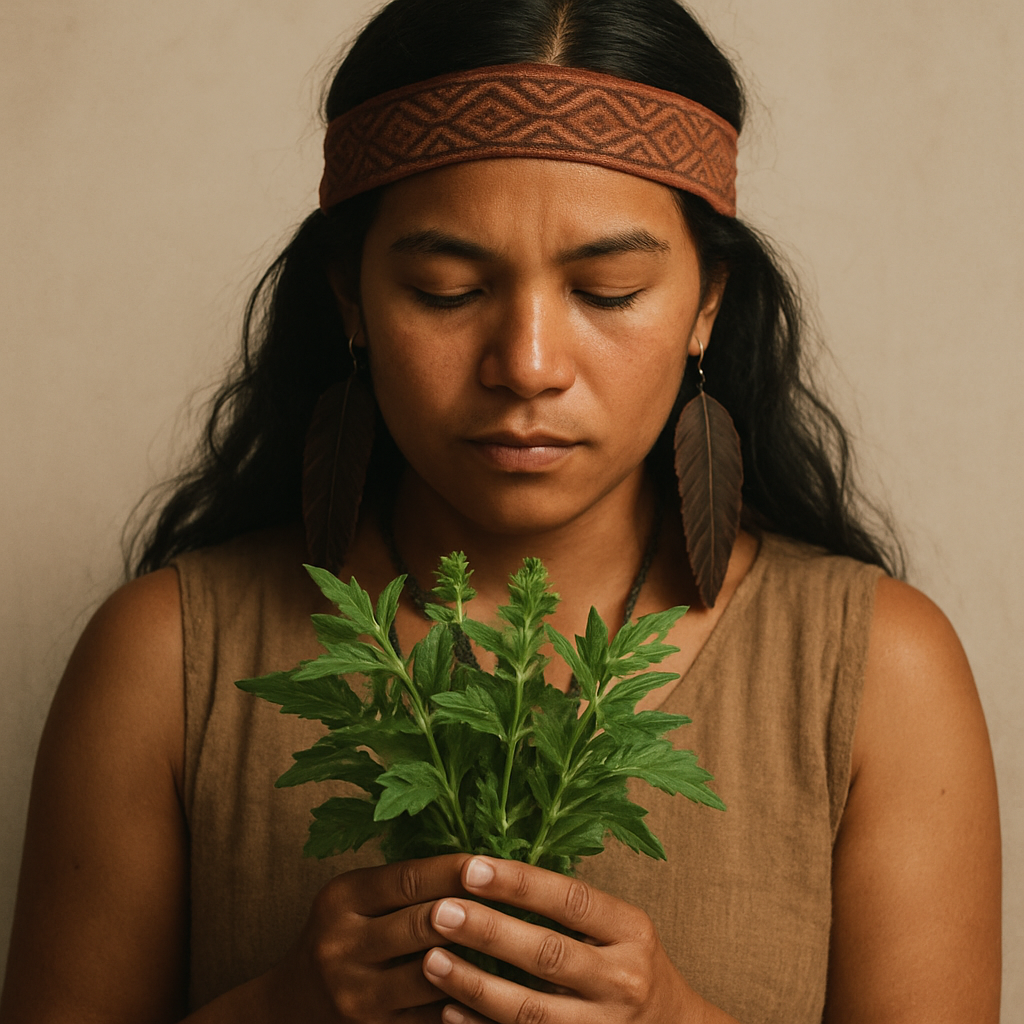
- Preparation: The practitioner prepares the space, often using natural elements like herbs, water, and sacred objects.
- Invocation: Participants may call upon ancestors or spiritual entities through prayers or chants to seek their protection.
- Offerings: Ritual offerings, such as food, flowers, or symbolic items, may be presented to honor the spirits and ask for their blessings.
- Ritual Actions: Specific actions, such as circumambulation, anointing with oils, or weaving protective charms, are performed to enhance the protective energy.
- Closing: The ritual concludes with gratitude expressed to the spirits, often accompanied by a communal feast or gathering.
What It Is Traditionally Explored For
Protective rituals are traditionally used for a variety of purposes, focusing on both individual and communal needs. Some common goals include:
- Safeguarding against illness and misfortune.
- Enhancing personal strength and resilience.
- Promoting family harmony and unity.
- Providing support during significant life events, such as childbirth or marriage.
- Ensuring protection from malevolent forces or witchcraft.
What Modern Research Suggests
Modern research into protective rituals within African Traditional Medicine is still in its early stages. Some studies have begun to explore the psychological and social benefits of engaging in these practices. For example, preliminary findings suggest that individuals who participate in protective rituals may experience lower levels of anxiety and a greater sense of community belonging.
Additionally, researchers are investigating the role of cultural identity and spiritual practices in promoting mental health. While clinical evidence is limited, there is growing recognition of the importance of these rituals in fostering resilience and coping mechanisms among individuals facing adversity.
Safety, Contraindications & Who Should Skip
While protective rituals are generally considered safe, individuals with specific health conditions or those who are skeptical of spiritual practices may choose to skip participation. It is important for participants to feel comfortable and open to the experience. Those with severe mental health issues should consult with a qualified mental health professional before engaging in any spiritual or ritual practices.
Pairs Well With (within African Traditional Medicine and across pillars)
Protective rituals can be complemented by various other practices within African Traditional Medicine, enhancing their effectiveness. Some related modalities and ingredients include:
- Herbal medicine for physical ailments.
- Divination practices for spiritual insights.
- Massage and bodywork for physical relaxation.
- Community gatherings for social support.
- Rituals of gratitude and celebration for emotional well-being.
How to Find a Qualified Practitioner
Finding a qualified practitioner for protective rituals involves careful consideration. Here are steps to ensure you connect with a reputable healer:
- Seek recommendations from trusted community members or cultural organizations.
- Research the practitioner’s background, training, and experience in African Traditional Medicine.
- Attend community events or gatherings to observe practitioners in action.
- Ask about their approach to protective rituals and what to expect during the experience.
- Ensure the practitioner respects your personal beliefs and boundaries.
FAQs (5)
- What are protective rituals? Protective rituals are spiritual practices aimed at safeguarding individuals and communities from negative influences and promoting well-being.
- How long do protective rituals take? The duration of protective rituals can vary significantly, ranging from a few minutes to several hours, depending on the complexity of the ritual.
- Can anyone participate in protective rituals? Yes, anyone interested in experiencing protective rituals can participate, but it is essential to approach them with an open mind.
- Are protective rituals effective? While empirical research is limited, many individuals report positive experiences and benefits from participating in protective rituals.
- Can protective rituals be combined with other forms of healing? Yes, protective rituals can be effectively combined with other practices within African Traditional Medicine to enhance overall health and well-being.
Frequently asked
What are protective rituals?
Protective rituals are spiritual practices aimed at safeguarding individuals and communities from negative influences and promoting well-being.
How long do protective rituals take?
The duration of protective rituals can vary significantly, ranging from a few minutes to several hours, depending on the complexity of the ritual.
Can anyone participate in protective rituals?
Yes, anyone interested in experiencing protective rituals can participate, but it is essential to approach them with an open mind.
Are protective rituals effective?
While empirical research is limited, many individuals report positive experiences and benefits from participating in protective rituals.
Can protective rituals be combined with other forms of healing?
Yes, protective rituals can be effectively combined with other practices within African Traditional Medicine to enhance overall health and well-being.