Healing Ceremonies
Explore the significance of healing ceremonies in African Traditional Medicine, their historical context, practices, and their modern relevance.
Healing ceremonies are integral to African Traditional Medicine, serving as a holistic approach to health and well-being. These ceremonies are deeply rooted in the cultural and spiritual fabric of African societies, encompassing various rituals and practices aimed at restoring balance and harmony within individuals and communities.
What It Is
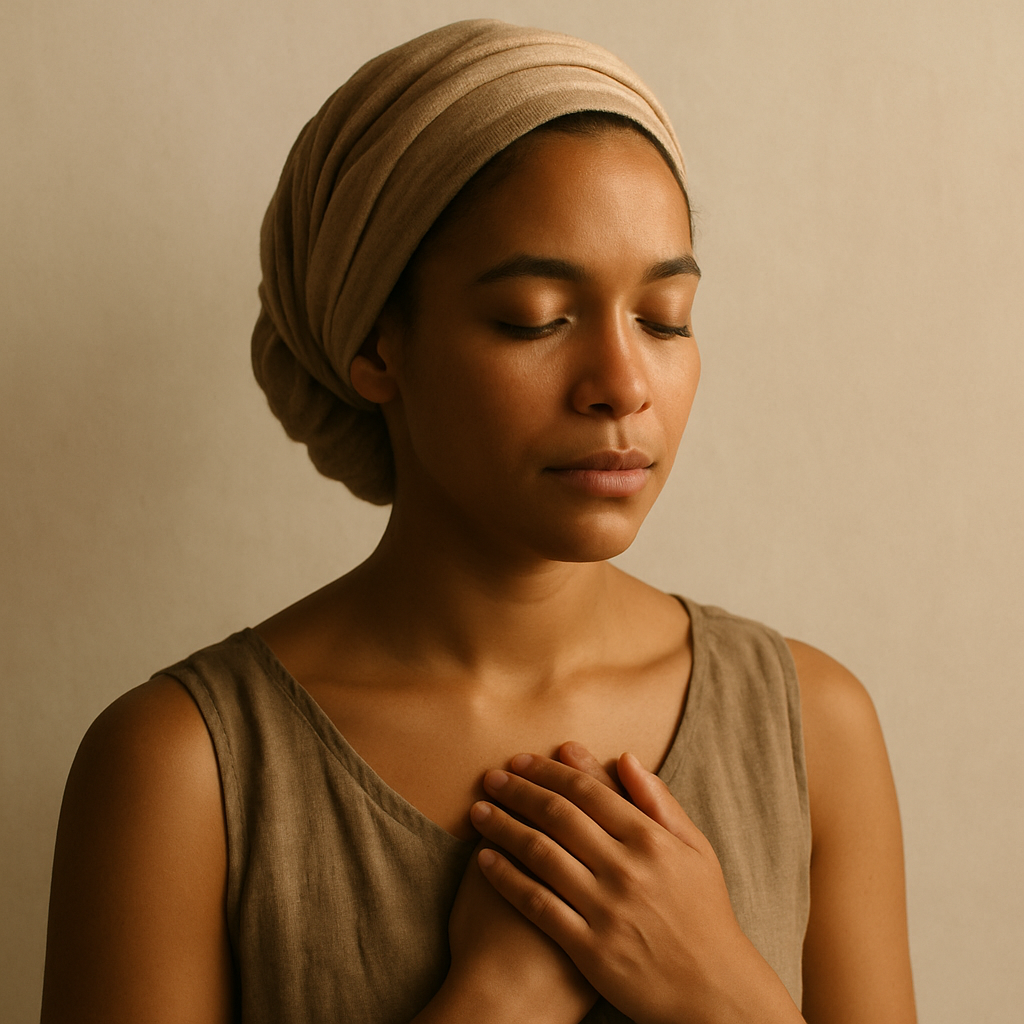
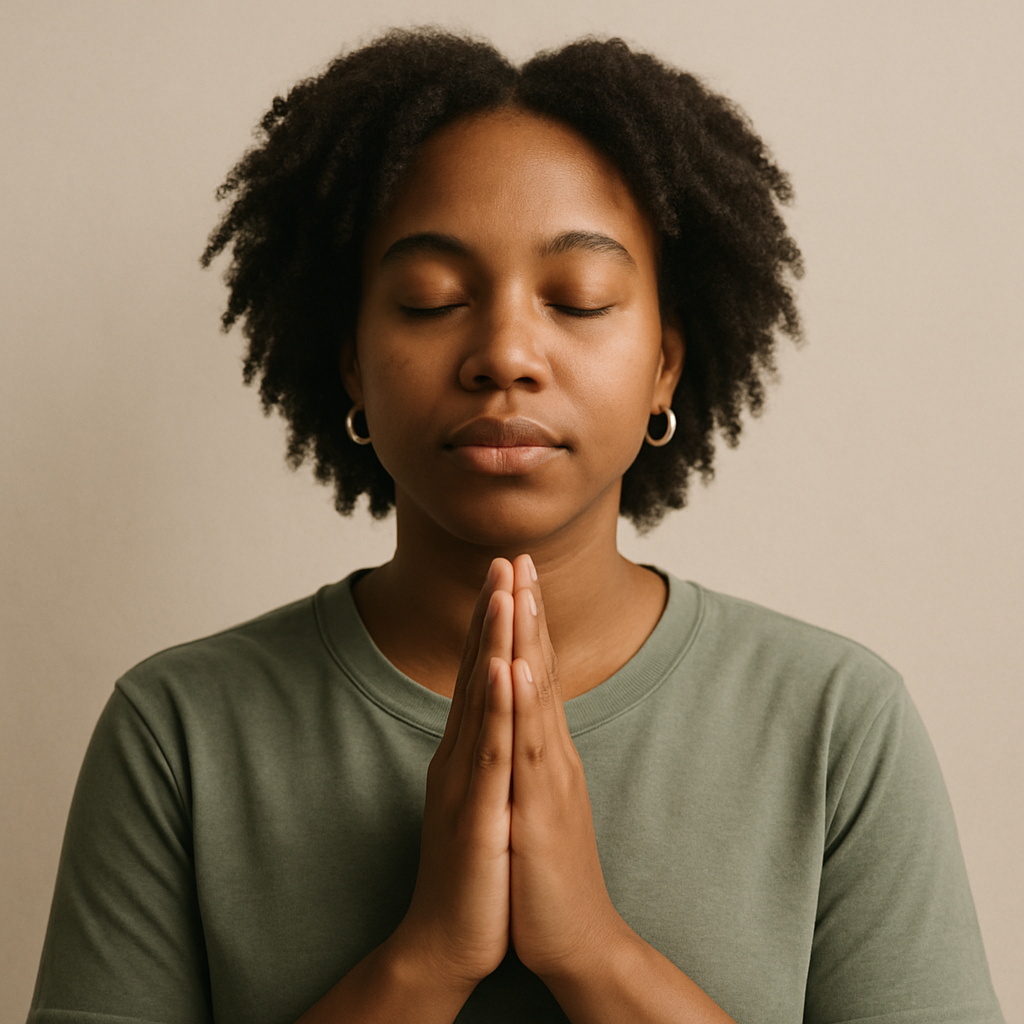
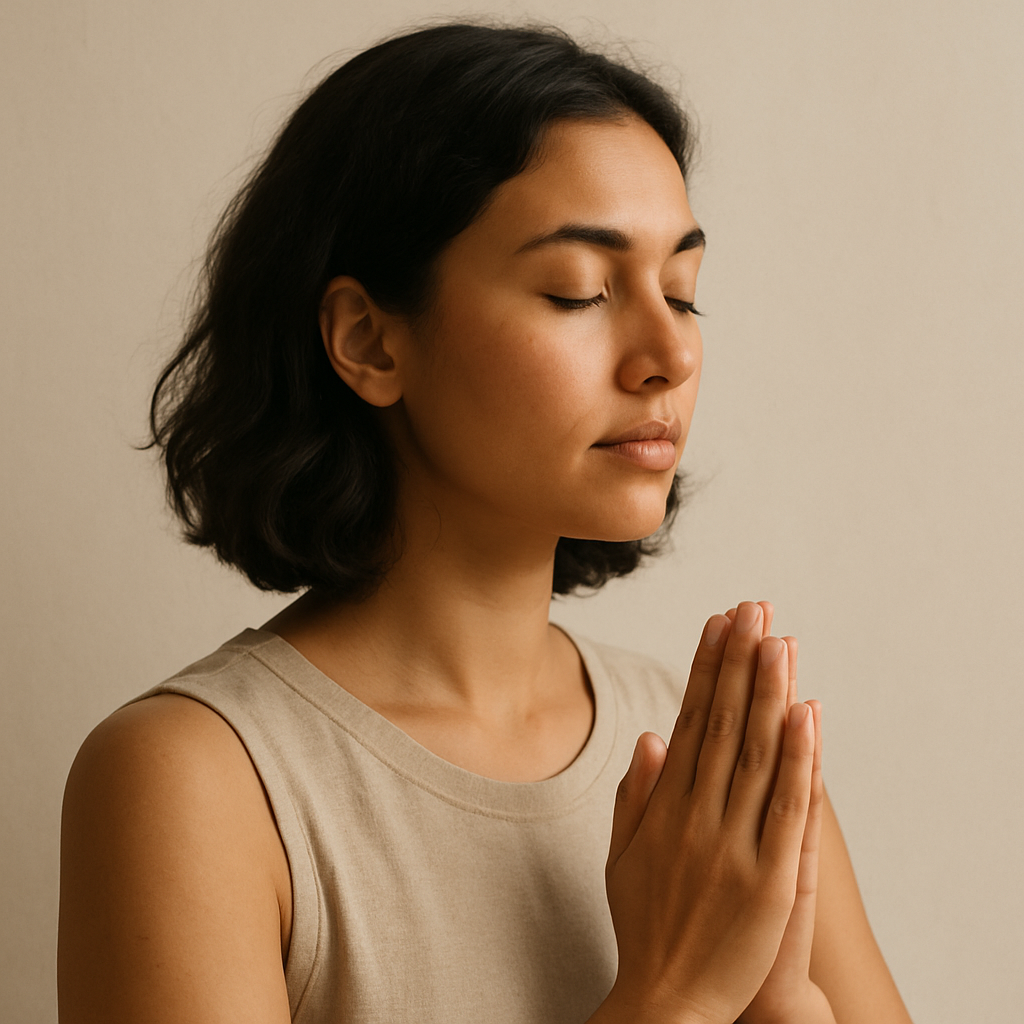
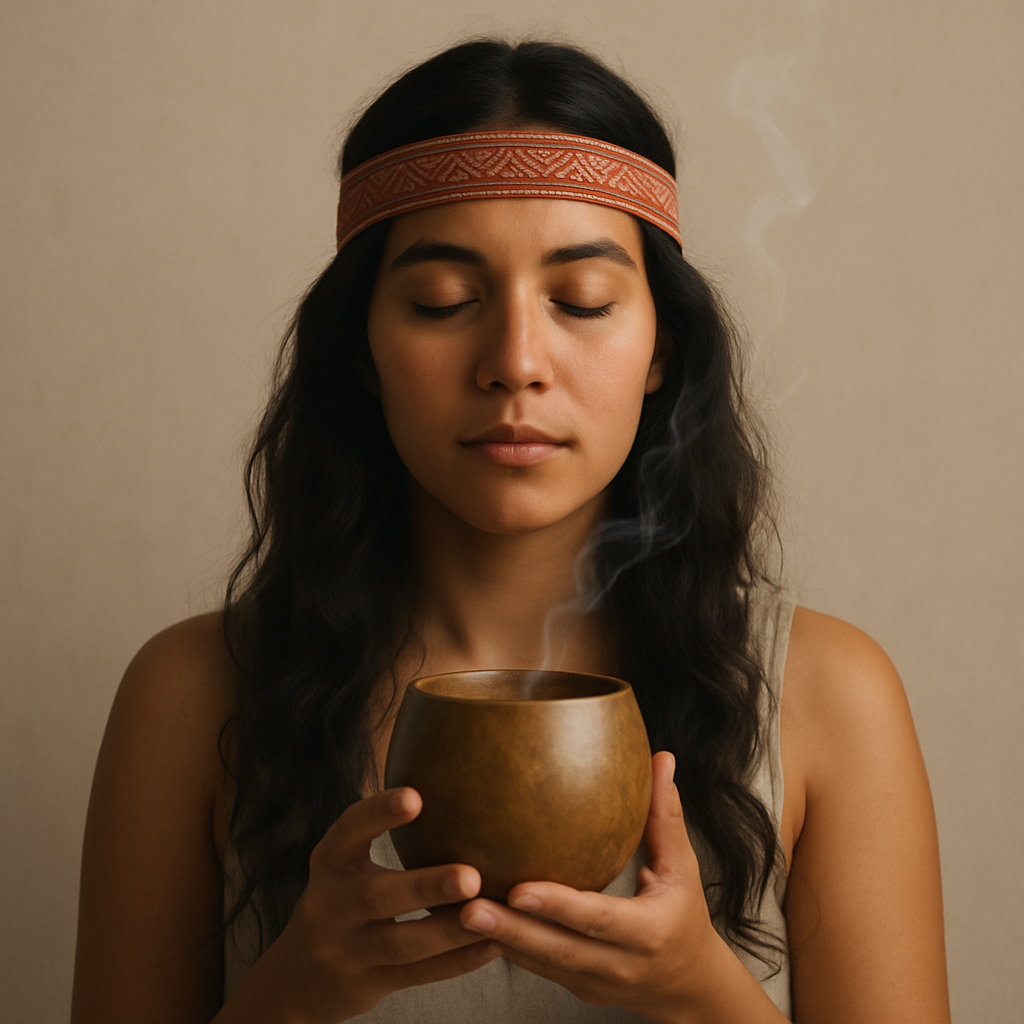
Healing ceremonies in African Traditional Medicine are sacred rituals designed to promote physical, emotional, and spiritual well-being. These ceremonies often involve a combination of prayer, music, dance, and the use of natural herbs and remedies. They are conducted by skilled practitioners known as healers or shamans, who are believed to possess special knowledge and abilities to connect with spiritual forces.
The primary goal of these ceremonies is to restore balance and harmony within the individual and the community. They are often performed in response to various life challenges, including illness, loss, or significant life transitions. Healing ceremonies are characterized by their communal nature, emphasizing the importance of social support and collective healing.
Historical Context Within African Traditional Medicine
Healing ceremonies have been a cornerstone of African Traditional Medicine for centuries, tracing their roots back to ancient African civilizations. These practices were developed by indigenous healers who understood the intricate connections between body, mind, and spirit. Over time, these ceremonies evolved, incorporating elements from different cultures and traditions as they adapted to changing social and environmental contexts.
The historical significance of healing ceremonies is reflected in their role as a means of preserving cultural identity and community cohesion. In many African societies, these rituals are passed down through generations, ensuring that traditional knowledge and practices remain alive and relevant in contemporary settings.
How It's Practiced
Healing ceremonies are typically structured events that involve several key components:
- Preparation: Participants may undergo purification rituals, such as bathing with specific herbs or fasting, to prepare themselves spiritually and physically.
- Invocation: The healer calls upon ancestral spirits or deities to guide and bless the ceremony.
- Rituals: Various rituals may be performed, including chanting, drumming, and dancing, to create a sacred atmosphere and facilitate healing.
- Offering: Participants may make offerings of food, drink, or other symbolic items to honor spirits and seek their assistance.
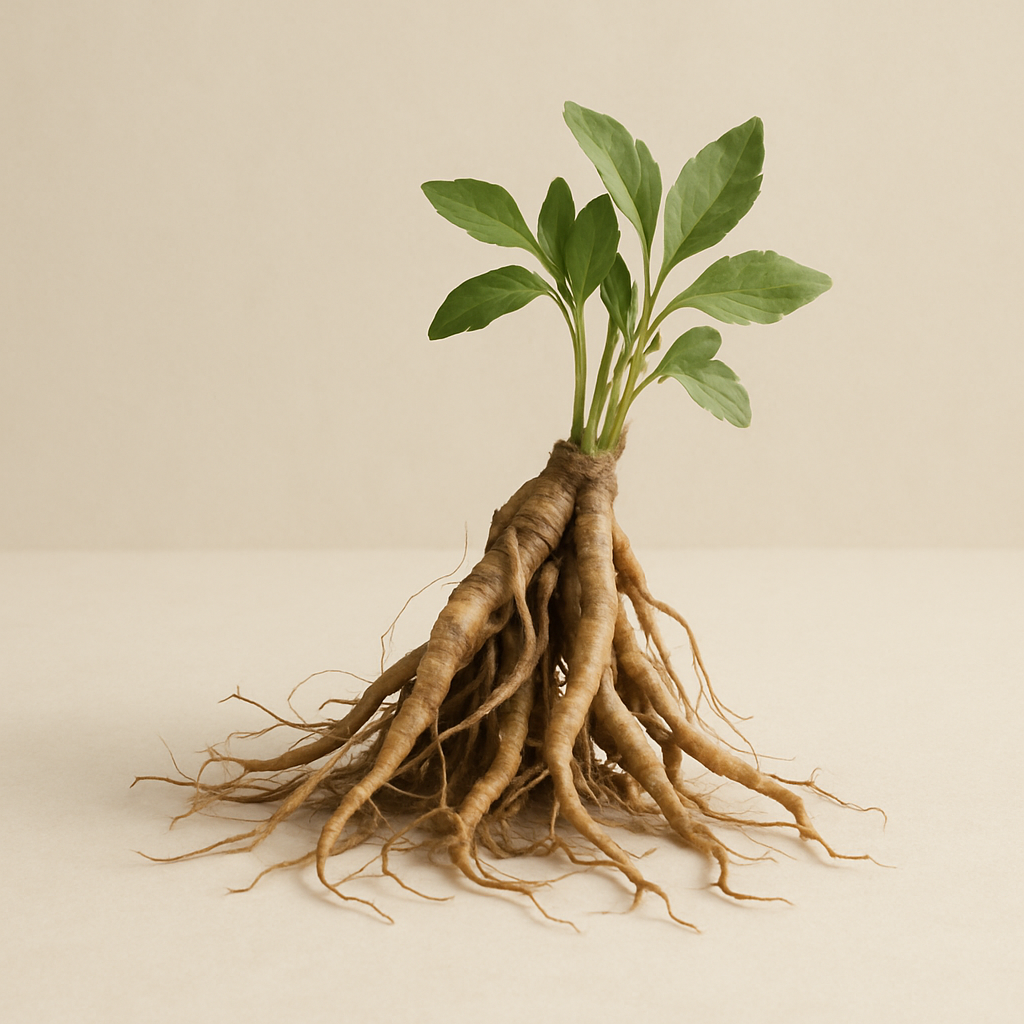
- Healing Techniques: The healer may use herbal remedies, massage, or other therapeutic practices during the ceremony.
- Integration: After the ceremony, participants are encouraged to reflect on their experiences and integrate the insights gained into their daily lives.
What It Is Traditionally Explored For
Healing ceremonies are traditionally used for a variety of purposes, including:
- Physical ailments, such as chronic pain or illness.
- Emotional distress, including grief, depression, or anxiety.
- Spiritual disconnection or imbalance.
- Community issues, such as conflicts or social unrest.
- Life transitions, such as marriage, childbirth, or death.
While these ceremonies are not substitutes for medical treatment, they can complement conventional approaches by addressing the holistic needs of individuals and communities.
What Modern Research Suggests
Modern research into the efficacy of healing ceremonies is still developing, but preliminary studies suggest that these practices may offer benefits in promoting mental health and well-being. For instance, some research has indicated that participating in communal healing rituals can lead to reduced stress and improved psychological resilience.
Additionally, studies have explored the role of cultural practices in health outcomes, highlighting the importance of community support and spiritual engagement in the healing process. While more rigorous scientific investigation is needed, these findings indicate that healing ceremonies may play a valuable role in holistic health approaches.
Safety, Contraindications & Who Should Skip
Healing ceremonies are generally considered safe when conducted by qualified practitioners. However, individuals with specific health conditions or those who are pregnant should approach these practices with caution. It is advisable for individuals taking medication or undergoing medical treatment to consult with a healthcare provider before participating in healing ceremonies.
People who are uncomfortable with spiritual or communal practices may wish to skip these ceremonies, as the experience relies heavily on participation and belief in the process.
Pairs Well With (within African Traditional Medicine and across pillars)
Healing ceremonies can complement various modalities within African Traditional Medicine, including:
- Herbal medicine
- Divination practices
- Massage therapy
- Ritual purification
- Dietary practices
Additionally, they may pair well with modern wellness practices such as mindfulness, meditation, and yoga, which also emphasize the importance of holistic health.
How to Find a Qualified Practitioner
To find a qualified practitioner of healing ceremonies in African Traditional Medicine, consider the following steps:
- Seek recommendations from trusted community members or local cultural organizations.
- Research practitioners’ backgrounds, training, and experience in conducting healing ceremonies.
- Look for practitioners who are respected within their communities and have a deep understanding of cultural practices.
- Consider attending introductory sessions or community events to observe the practitioner’s approach.
FAQs (5)
- What should I expect during a healing ceremony? Participants can expect a blend of rituals, music, and communal support focused on healing.
- Are healing ceremonies suitable for everyone? While many benefit from these practices, individuals with certain health conditions should consult a healthcare provider first.
- How long do these ceremonies typically last? The duration can vary widely, from a few hours to an entire day, depending on the specific ceremony.
- Can healing ceremonies be combined with other treatments? Yes, they can complement conventional medical treatments, but communication with healthcare providers is essential.
- What if I’m not familiar with the cultural practices? It is advisable to approach with an open mind and respect for the traditions, and practitioners often guide newcomers through the process.
Frequently asked
What should I expect during a healing ceremony?
Participants can expect a blend of rituals, music, and communal support focused on healing.
Are healing ceremonies suitable for everyone?
While many benefit from these practices, individuals with certain health conditions should consult a healthcare provider first.
How long do these ceremonies typically last?
The duration can vary widely, from a few hours to an entire day, depending on the specific ceremony.
Can healing ceremonies be combined with other treatments?
Yes, they can complement conventional medical treatments, but communication with healthcare providers is essential.
What if I’m not familiar with the cultural practices?
It is advisable to approach with an open mind and respect for the traditions, and practitioners often guide newcomers through the process.