Detoxification
Explore the ancient wisdom of detoxification in African Traditional Medicine, its historical context, practices, and modern insights.
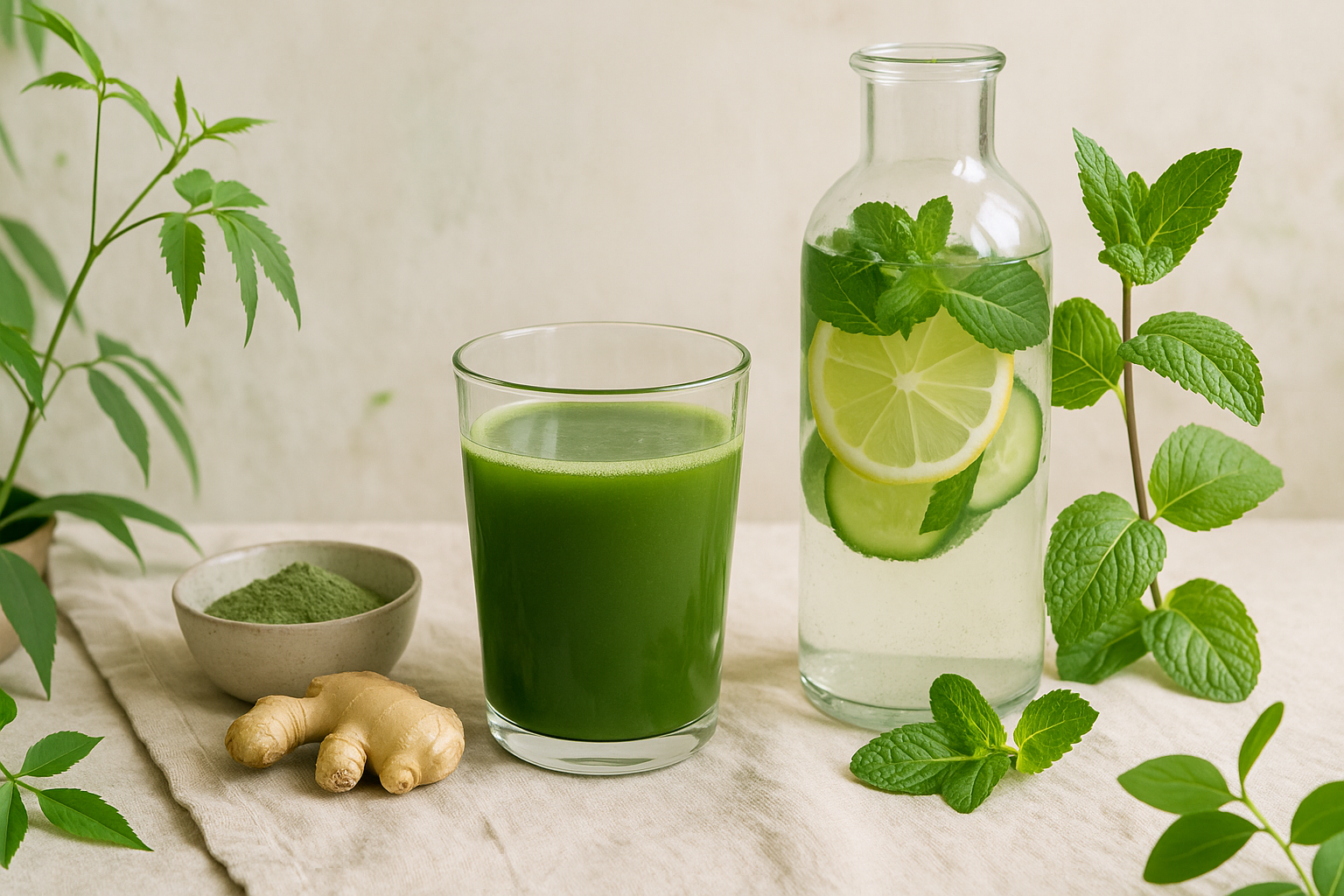
Detoxification within African Traditional Medicine emphasizes the body's natural ability to cleanse and rejuvenate through various natural methods. These practices are rooted in ancient wisdom and cultural traditions, aiming to restore balance and promote overall wellness.
What It Is
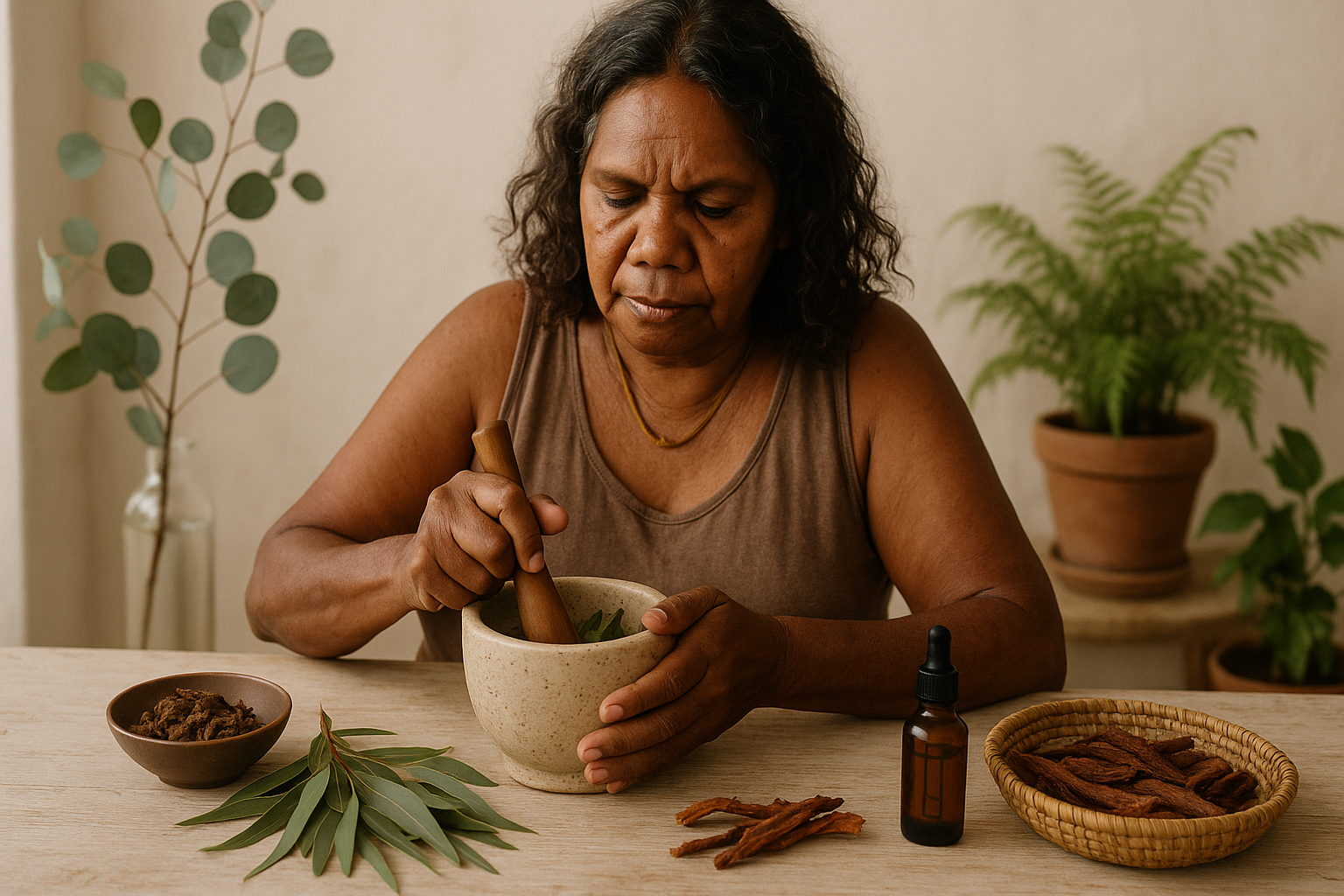
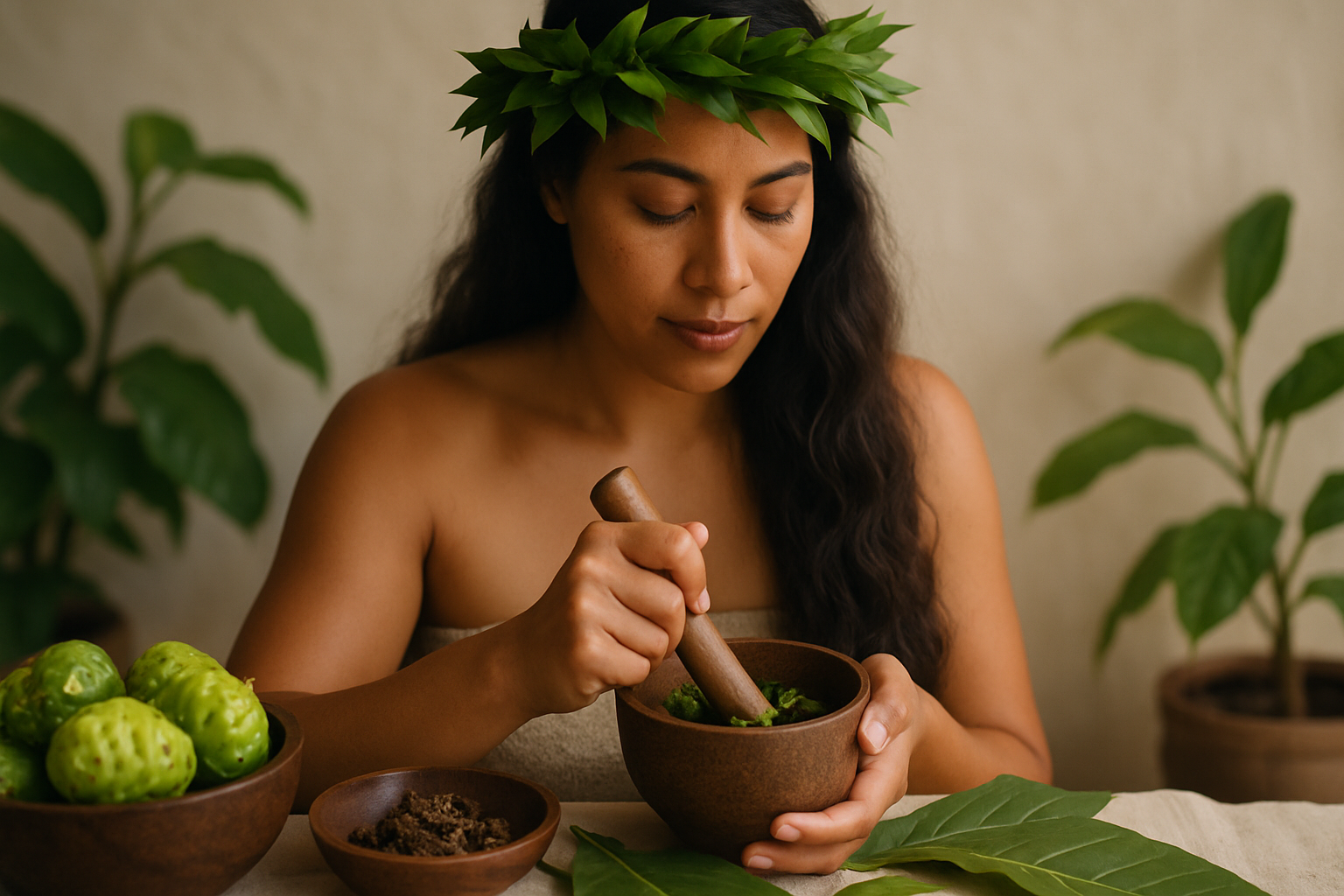
Detoxification in African Traditional Medicine refers to a holistic approach aimed at cleansing the body of toxins and impurities. This process is believed to enhance physical health and spiritual well-being by restoring the body's natural balance. Traditional practitioners employ various natural methods, including herbs, dietary changes, and spiritual practices, to facilitate detoxification.
The underlying philosophy of detoxification in this tradition is that the body has an innate ability to may support itself. By supporting this natural process, individuals can achieve a state of optimal health. Detoxification is often integrated with broader health practices, emphasizing the connection between mind, body, and spirit.
Historical Context Within African Traditional Medicine
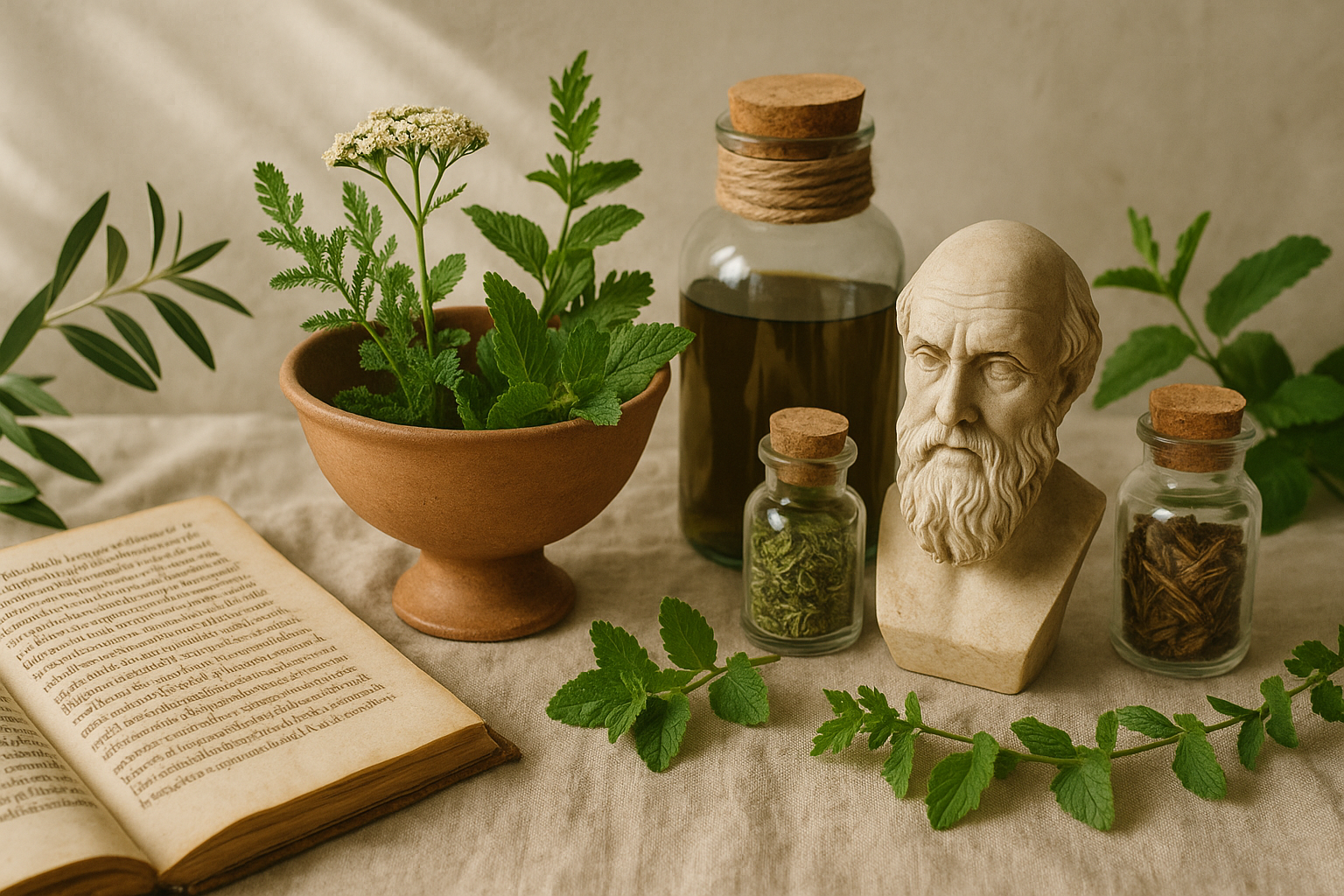
Detoxification practices have deep roots in African Traditional Medicine, emerging alongside the development of herbal medicine and spiritual healing practices. Historical records suggest that these practices were developed by indigenous healers who observed the effects of certain foods and herbs on the body.
As communities evolved, so did their understanding of health and wellness. Detoxification became a vital component of maintaining health, particularly in addressing ailments believed to be caused by imbalances or impurities within the body. Over generations, knowledge was passed down through oral traditions, solidifying detoxification's place in African healing practices.
How It's Practiced
Practitioners of detoxification in African Traditional Medicine typically follow a structured approach. Here is a general overview:
- Initial Consultation: The practitioner assesses the individual's health status, lifestyle, and dietary habits.
- Custom Detox Plan: A personalized plan is developed, which may include dietary changes, herbal remedies, and lifestyle adjustments.
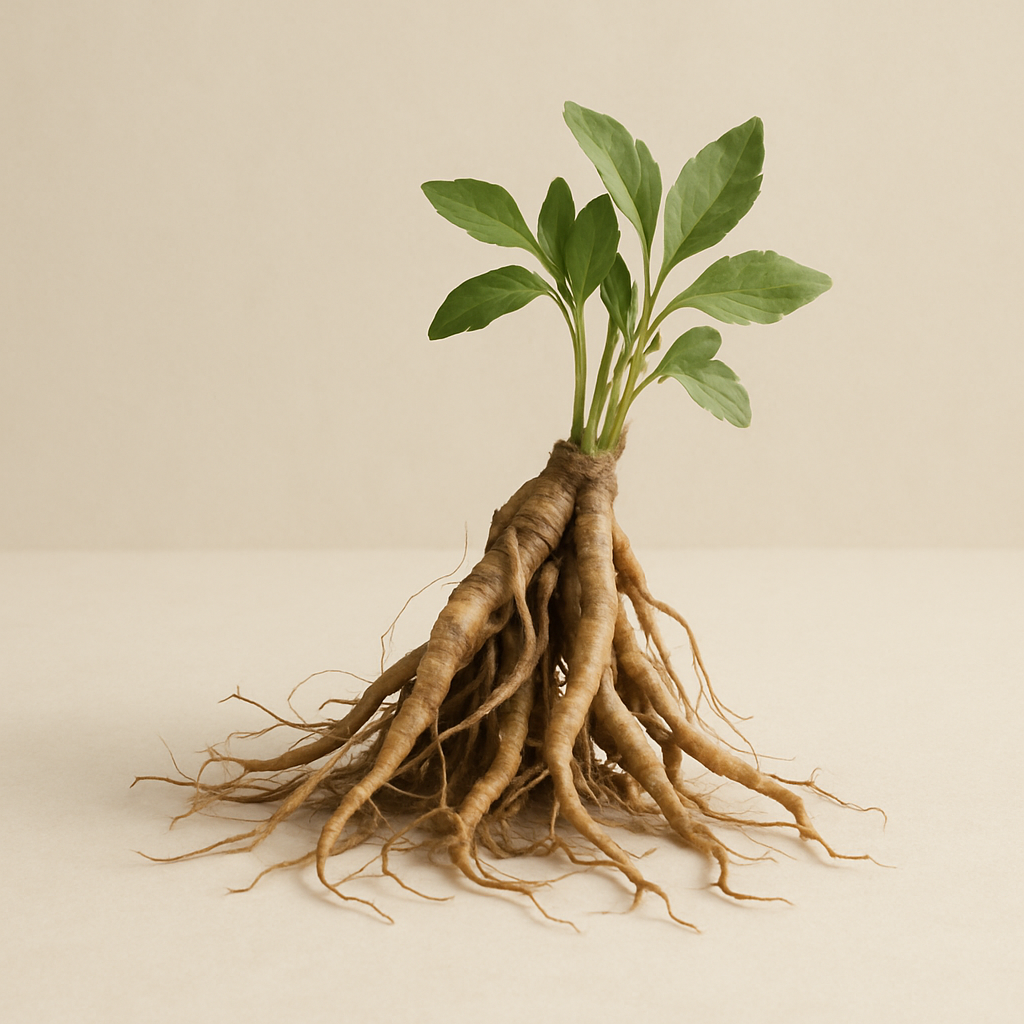
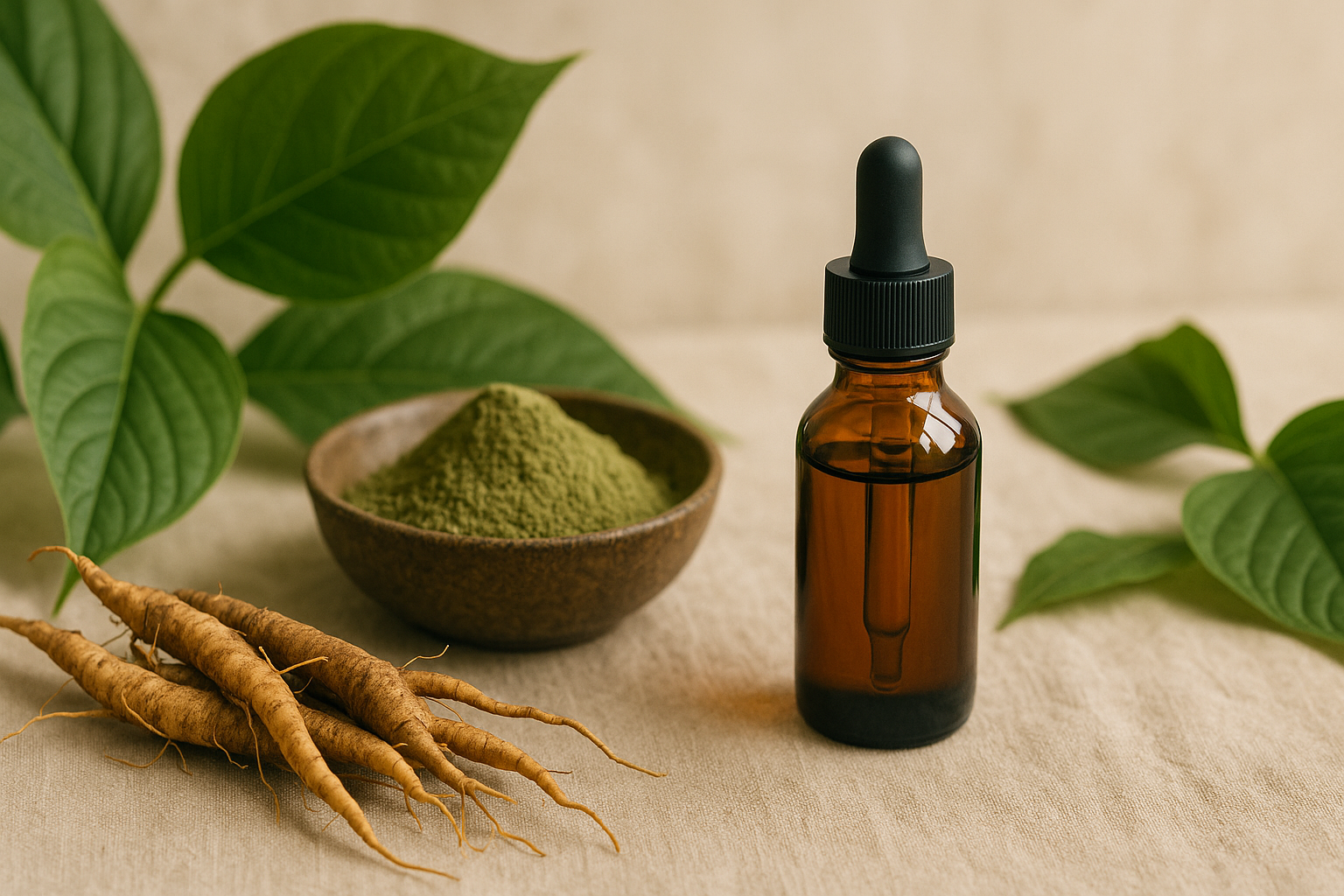
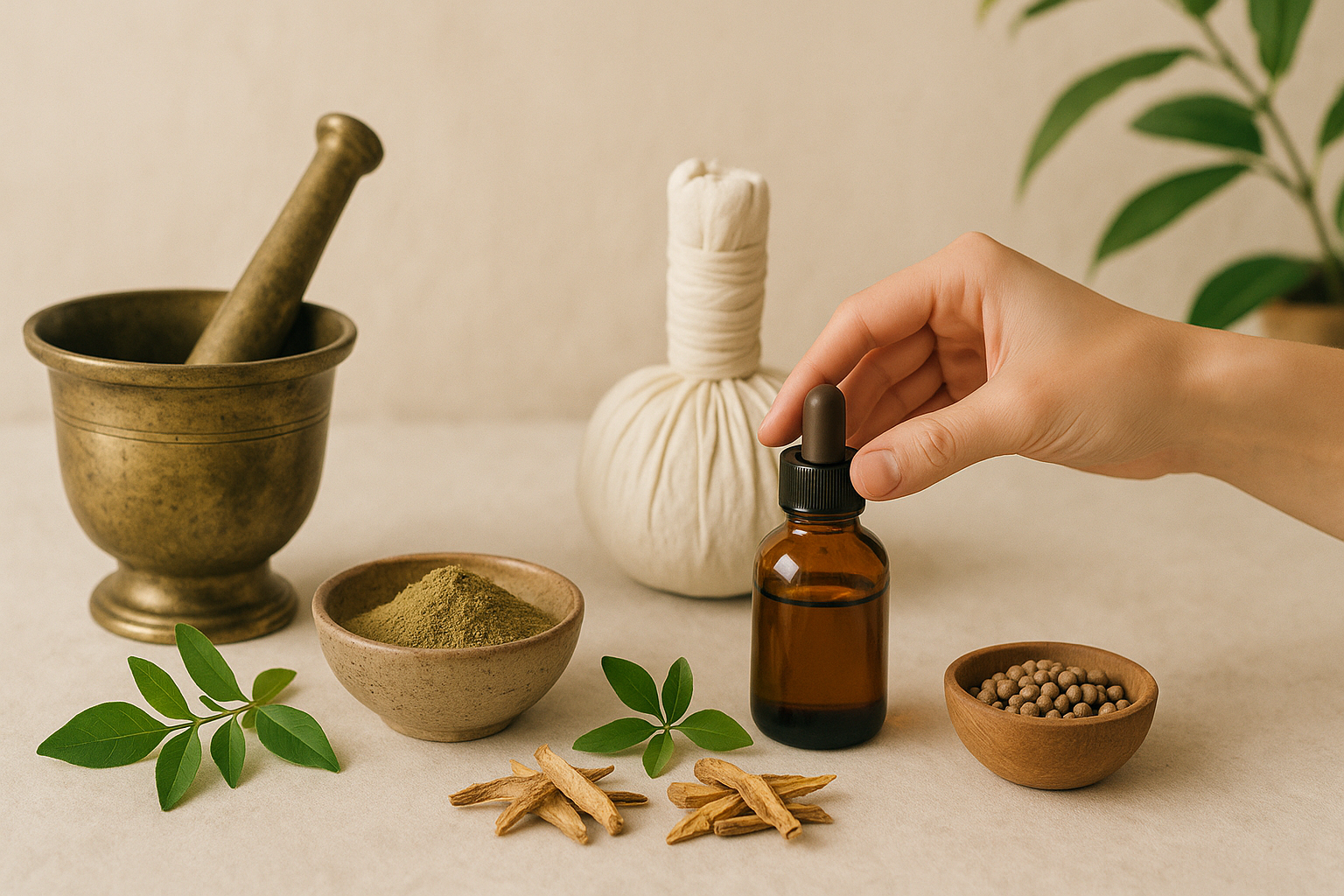
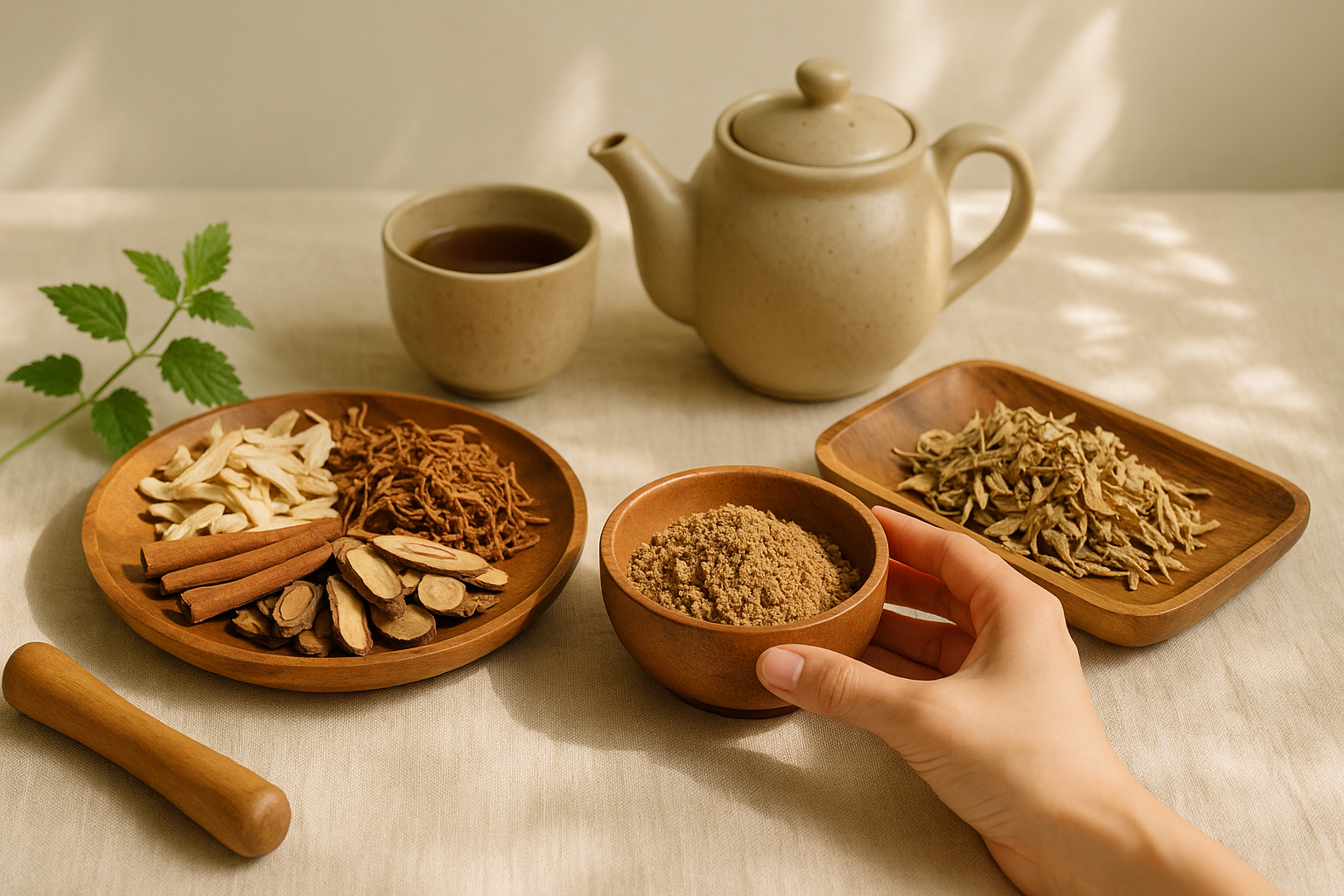
- Herbal Remedies: Specific herbs known for their detoxifying properties are prescribed. Common herbs may include burdock root, dandelion, and neem.
- Dietary Recommendations: A diet rich in fruits, vegetables, and whole grains is encouraged, while processed foods and sugars are typically avoided.
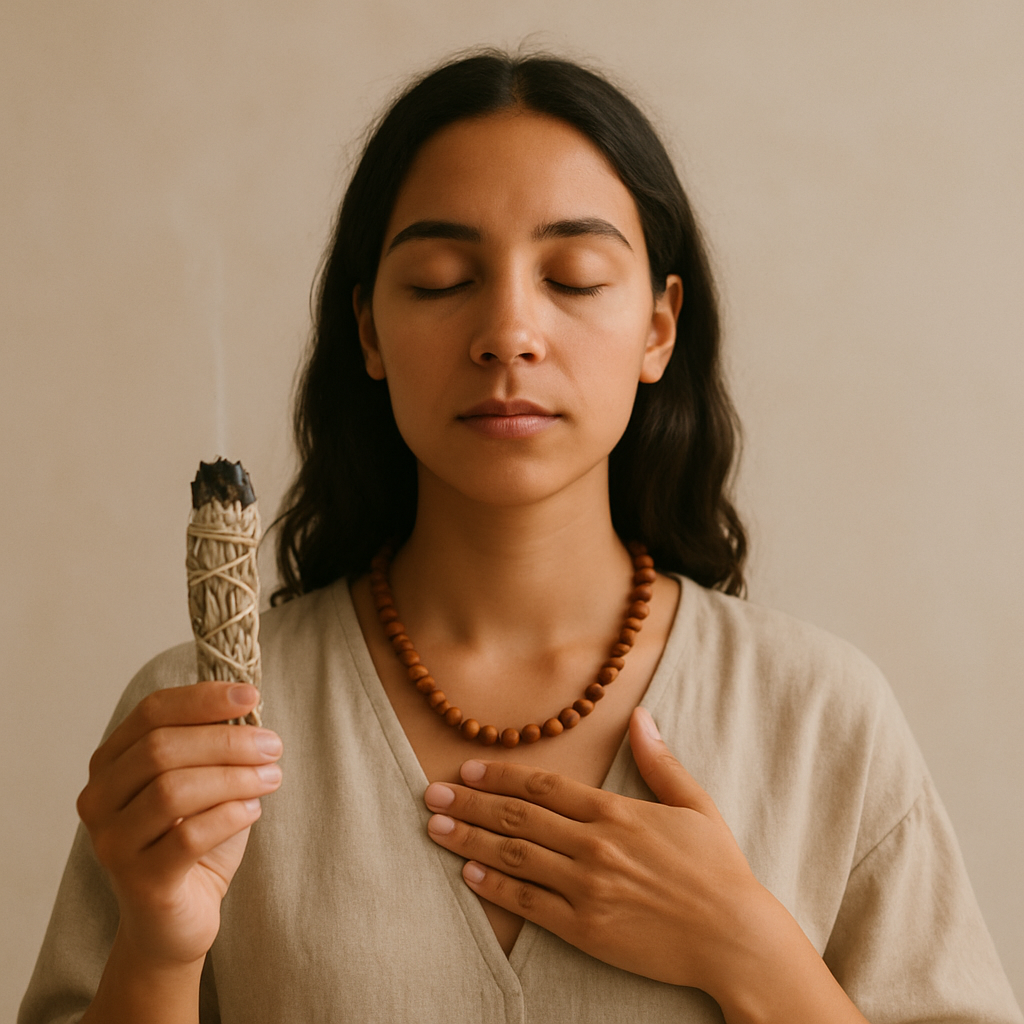
- Spiritual Practices: Meditation, prayer, or rituals may be incorporated to support mental and spiritual cleansing.
- Follow-Up: Regular follow-ups are conducted to monitor progress and make necessary adjustments to the detox plan.
What It Is Traditionally Explored For
Detoxification in African Traditional Medicine is traditionally explored for various purposes, including:
- Enhancing overall physical health
- Improving digestion and gastrointestinal health
- Boosting immune function
- Addressing skin conditions
- Promoting mental clarity and emotional well-being
While these practices are widely respected, it is important to approach them with caution and recognize that individual experiences may vary.
What Modern Research Suggests
Modern research into detoxification practices, including those rooted in African Traditional Medicine, is still in its early stages. Preliminary studies suggest that certain herbs used in detoxification may possess beneficial properties, such as anti-inflammatory and antioxidant effects. For example, studies on herbs like dandelion and burdock root indicate potential benefits for liver health and detoxification processes.
However, it is essential to approach these findings with caution. More rigorous clinical trials are needed to establish the efficacy and safety of these practices definitively. As always, individuals should consult healthcare professionals when considering detoxification methods.
Safety, Contraindications & Who Should Skip
While detoxification practices can be beneficial, certain individuals should approach them with caution or avoid them altogether. Those who may need to skip detoxification include:
- Pregnant or breastfeeding women
- Individuals with underlying health conditions, such as liver or kidney disease
- People taking prescription medications that may interact with herbal remedies
- Individuals with weakened immune systems
It is crucial to consult with a qualified practitioner to ensure safety and appropriateness of detoxification methods.
Pairs Well With (within African Traditional Medicine and across pillars)
Detoxification practices can complement various modalities within African Traditional Medicine, including:
- Herbal Medicine
- Massage Therapy
- Spiritual Healing
- Nutritional Counseling
- Traditional Healing Rituals
These practices work synergistically to support overall wellness and healing.
How to Find a Qualified Practitioner
Finding a qualified practitioner in African Traditional Medicine for detoxification can involve several steps:
- Seek recommendations from trusted sources or community members.
- Research local practitioners and their credentials.
- Look for practitioners who have experience specifically in detoxification.
- Schedule a consultation to discuss your health needs and assess compatibility.
FAQs
1. What is the main goal of detoxification?
The primary goal of detoxification is to cleanse the body of toxins and impurities, promoting overall health and balance.
2. How long does a typical detoxification process last?
The duration of detoxification varies depending on individual health and the specific plan designed by the practitioner, generally ranging from a few days to several weeks.
3. Are there any side effects associated with detoxification?
Some individuals may experience mild side effects such as fatigue, headaches, or digestive changes during the detoxification process.
4. Can detoxification help with specific health issues?
Detoxification is traditionally used to support various health issues, but it is essential to consult a practitioner for individualized guidance.
5. Is detoxification safe for everyone?
Detoxification may not be safe for everyone, particularly pregnant individuals or those with certain health conditions. Consultation with a qualified practitioner is recommended.
Frequently asked
What is the main goal of detoxification?
The primary goal of detoxification is to cleanse the body of toxins and impurities, promoting overall health and balance.
How long does a typical detoxification process last?
The duration of detoxification varies depending on individual health and the specific plan designed by the practitioner, generally ranging from a few days to several weeks.
Are there any side effects associated with detoxification?
Some individuals may experience mild side effects such as fatigue, headaches, or digestive changes during the detoxification process.
Can detoxification help with specific health issues?
Detoxification is traditionally used to support various health issues, but it is essential to consult a practitioner for individualized guidance.
Is detoxification safe for everyone?
Detoxification may not be safe for everyone, particularly pregnant individuals or those with certain health conditions. Consultation with a qualified practitioner is recommended.