Natural Tonics
Explore the ancient wisdom of natural tonics in African Traditional Medicine, their historical significance, practices, and modern research insights.
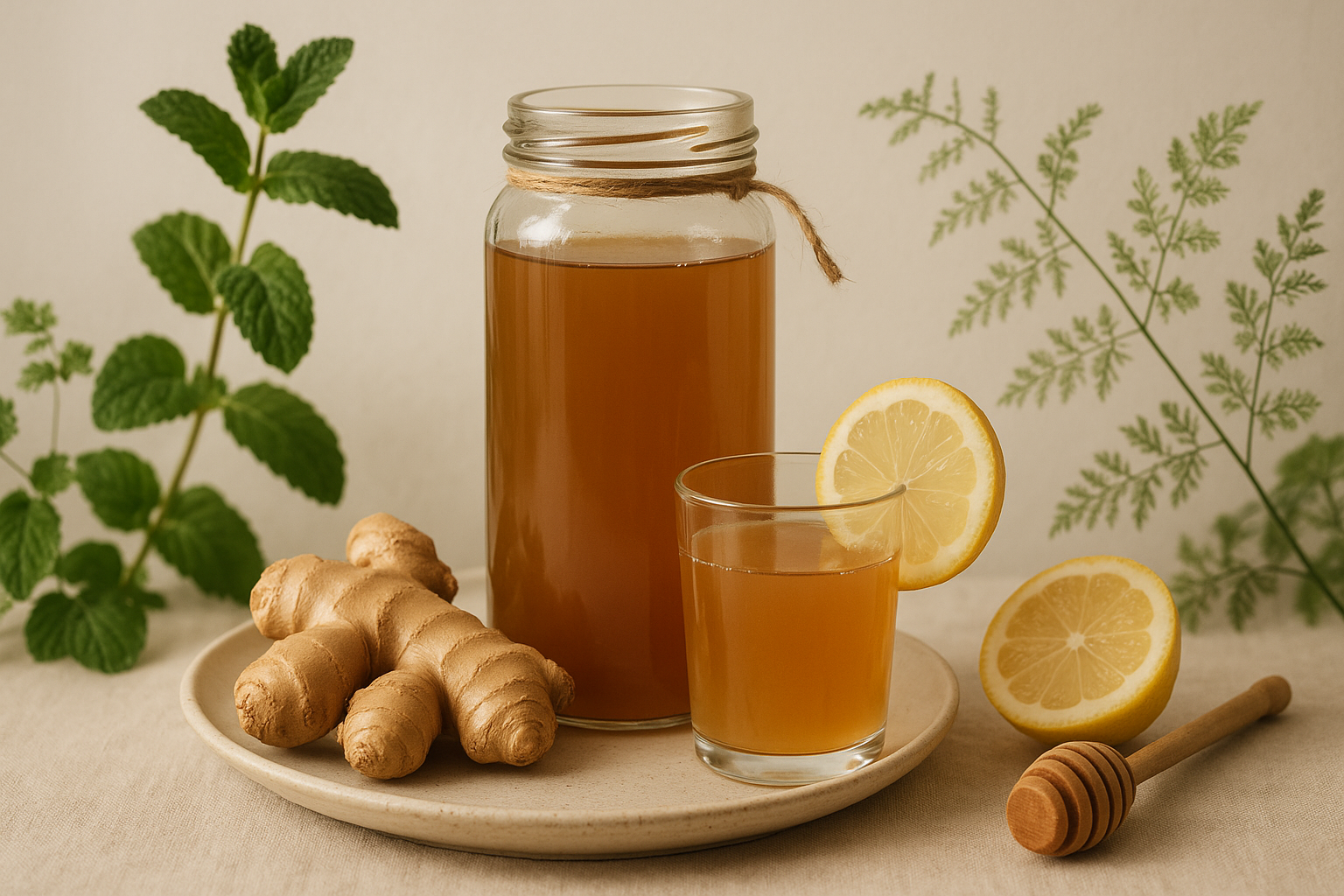
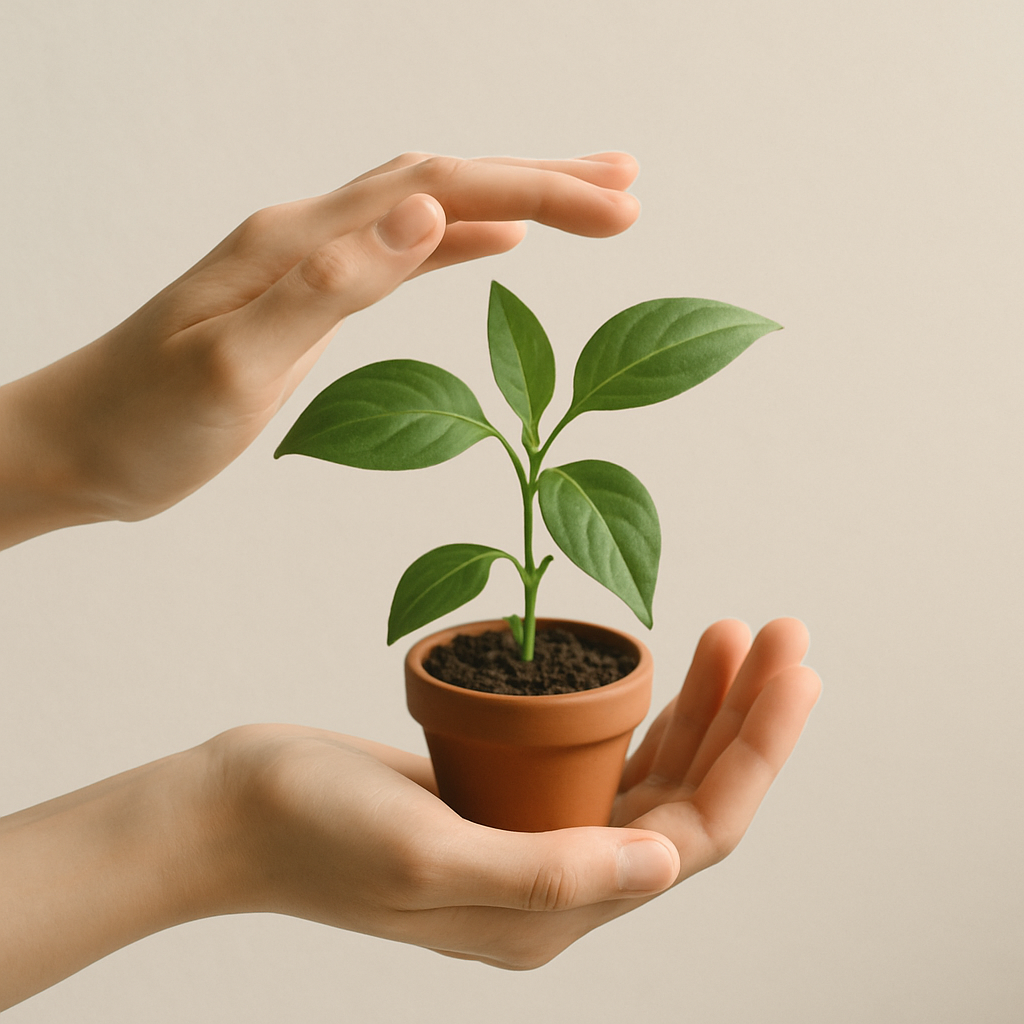
Natural tonics in African Traditional Medicine are holistic remedies believed to enhance health and vitality. These tonics utilize a variety of plant-based ingredients and aim to restore balance within the body.
What It Is
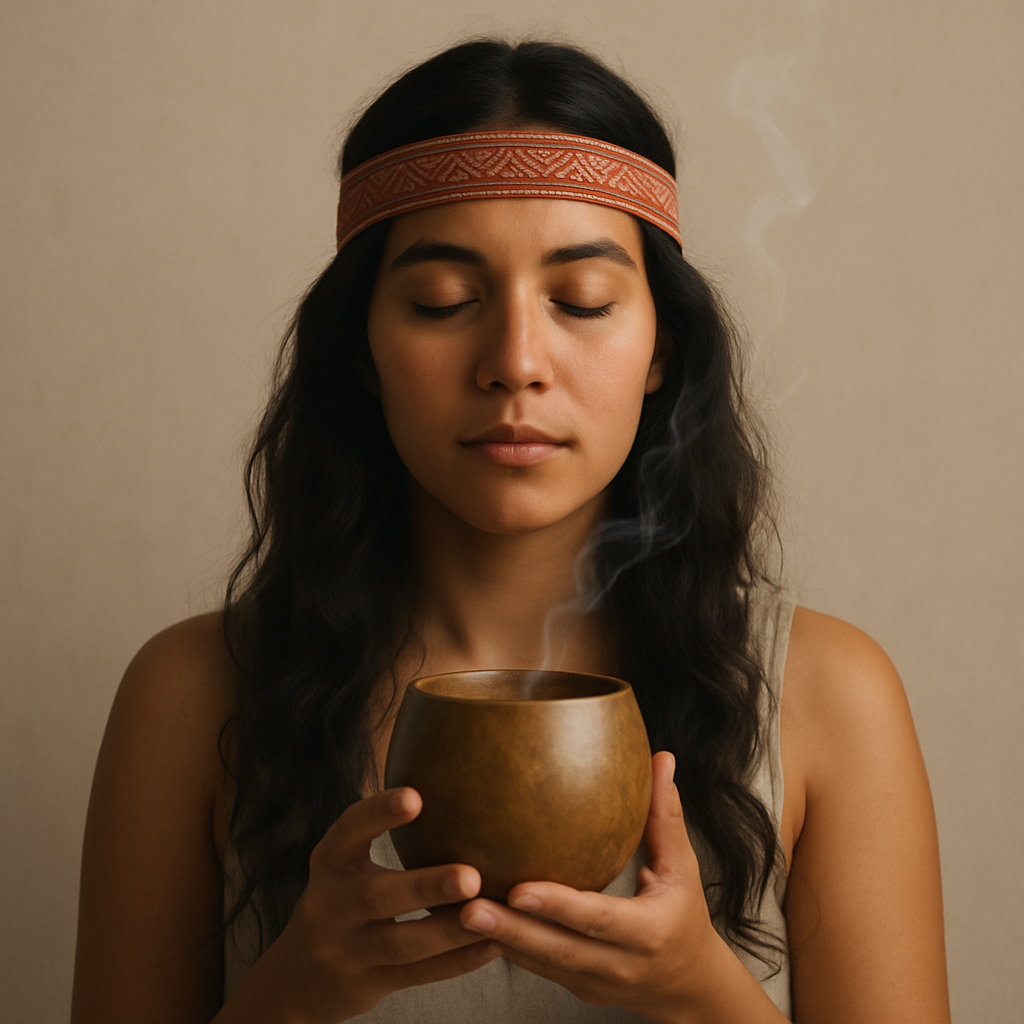
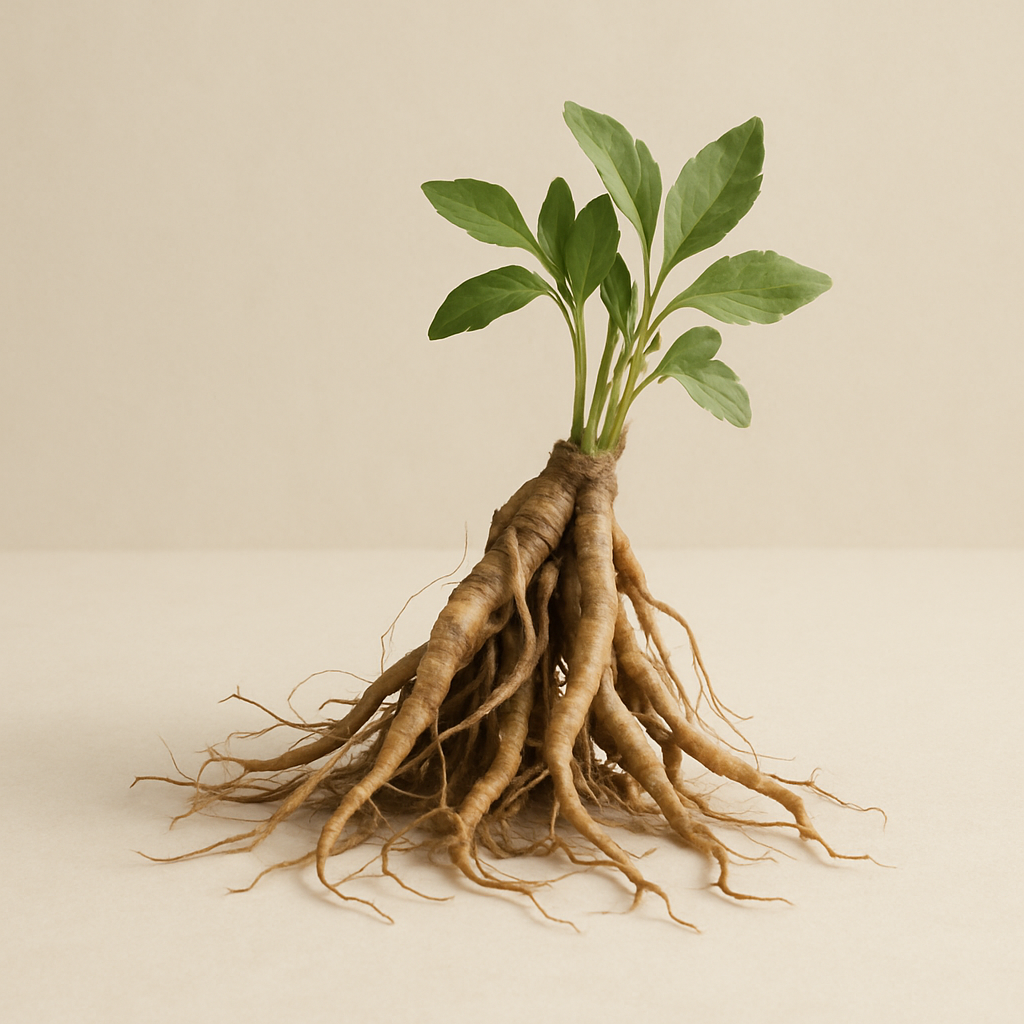
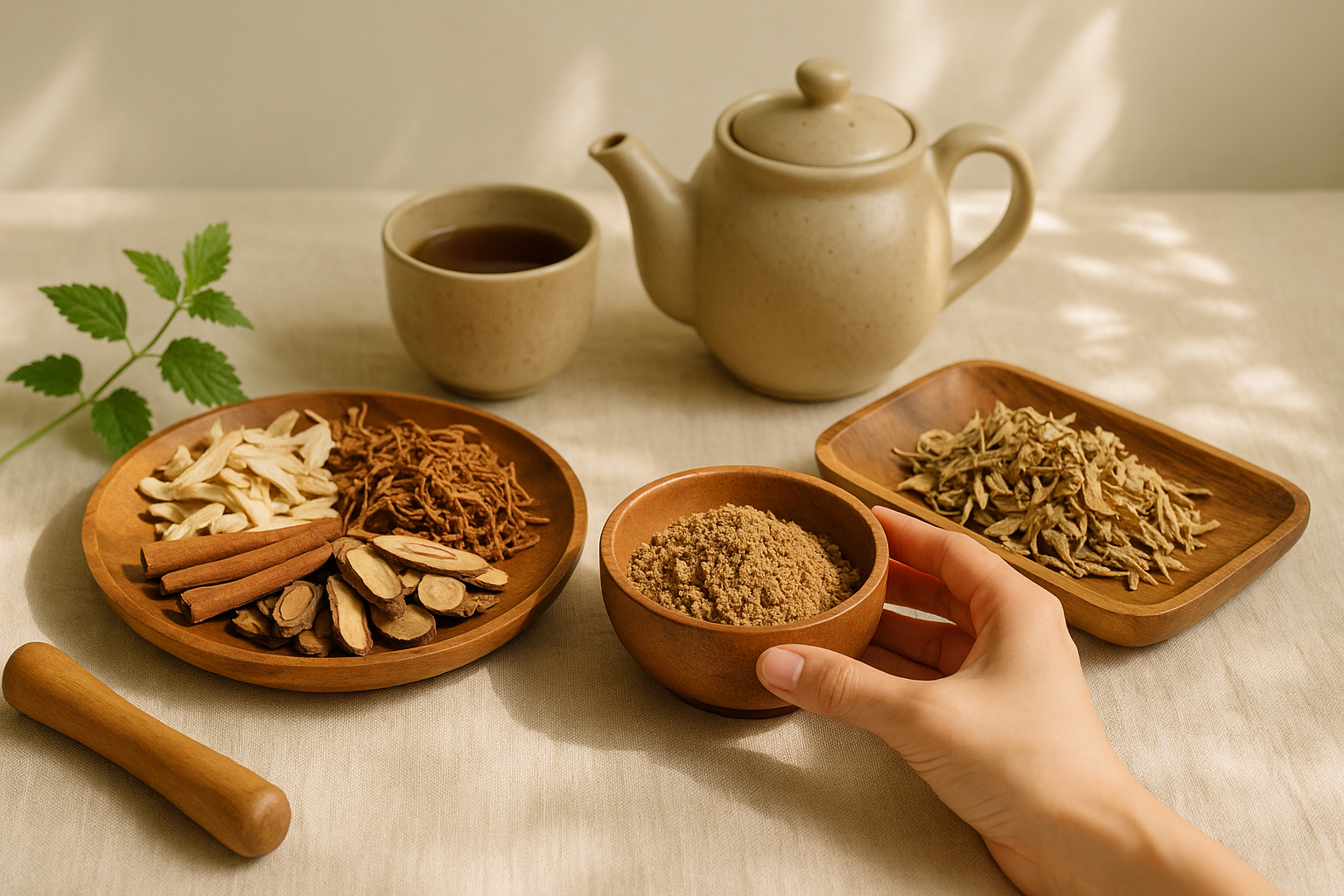
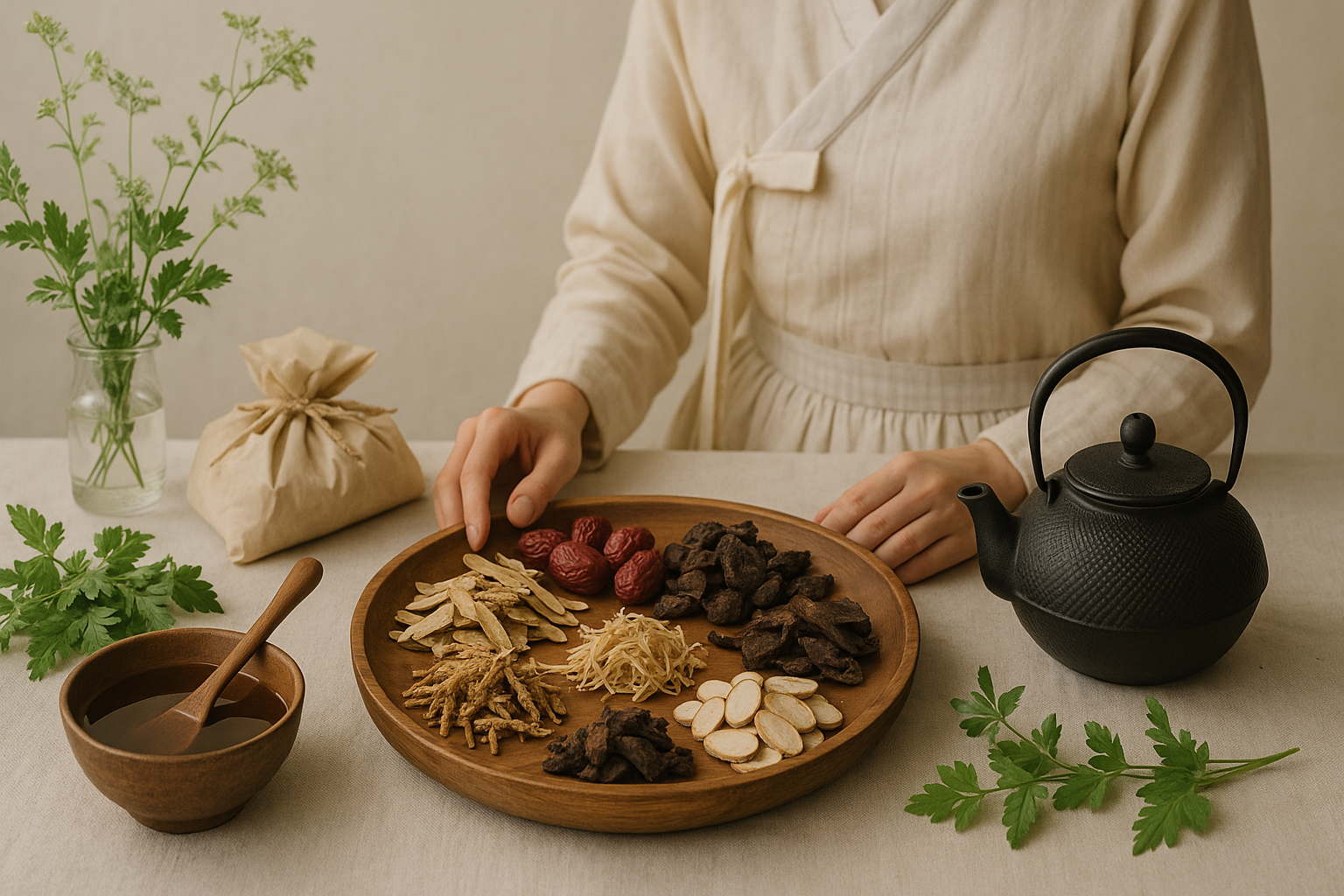
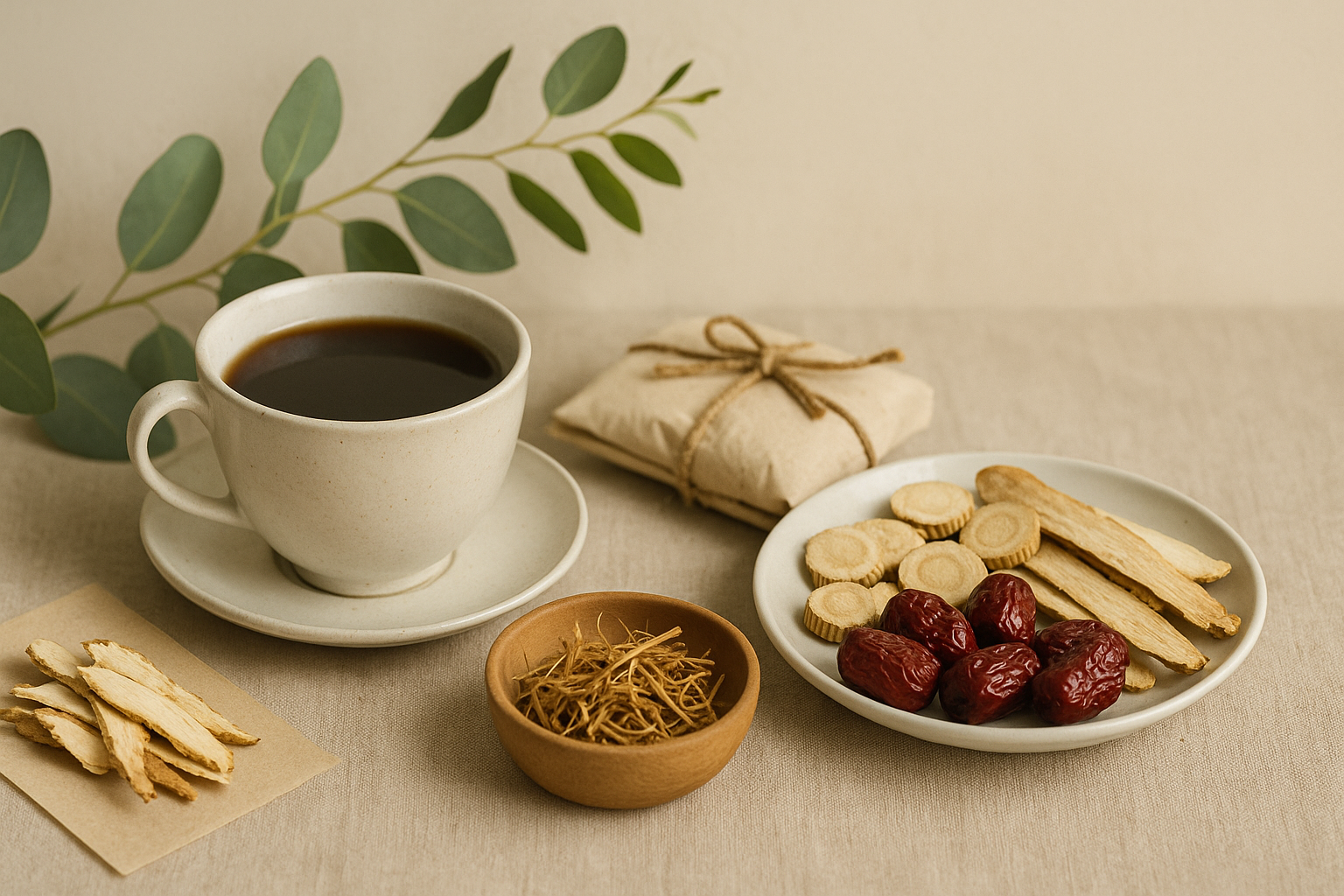
Natural tonics are herbal formulations traditionally used in African Traditional Medicine to promote overall health and vitality. These tonics often consist of a blend of various plants, roots, and herbs, which are believed to work synergistically to enhance the body’s natural functions. They are designed to nourish the body, support the immune system, and improve energy levels, making them a vital aspect of holistic health practices.
The use of natural tonics is rooted in the belief that the body has an innate ability to may support itself when provided with the right nutrients and support. Practitioners of African Traditional Medicine utilize these tonics not only for their physical benefits but also for their spiritual and emotional effects, fostering a comprehensive approach to wellness.
Historical Context Within African Traditional Medicine
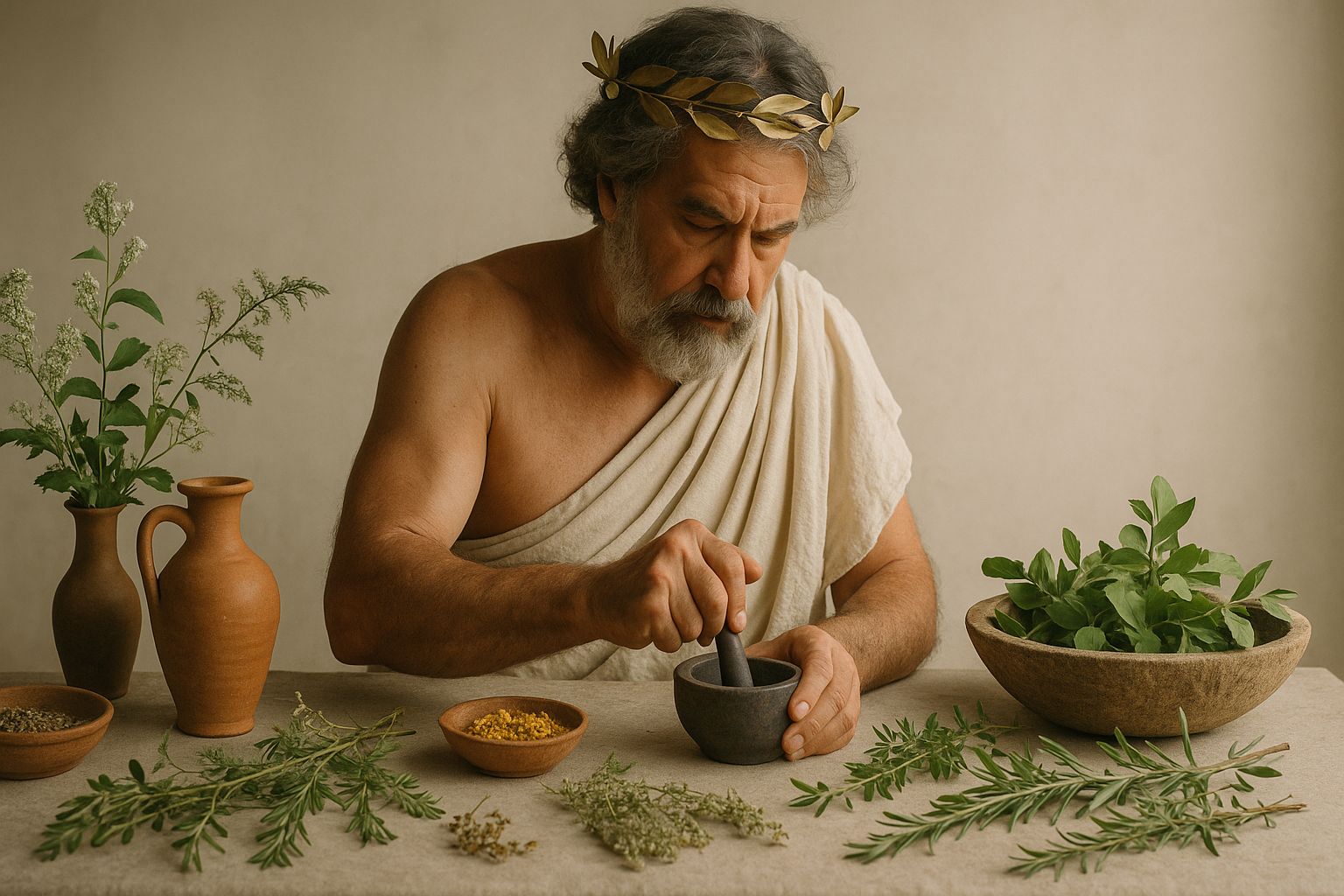
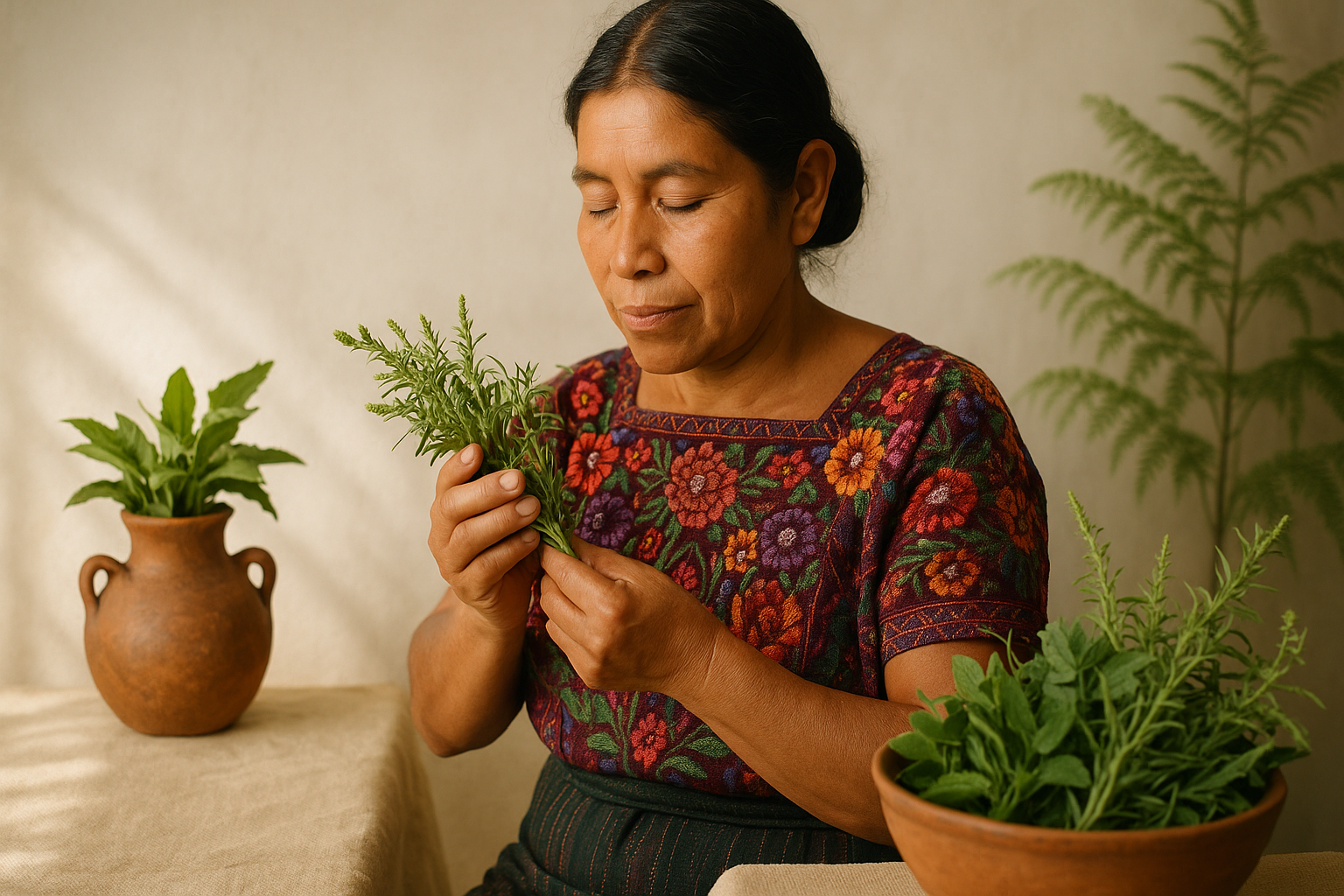
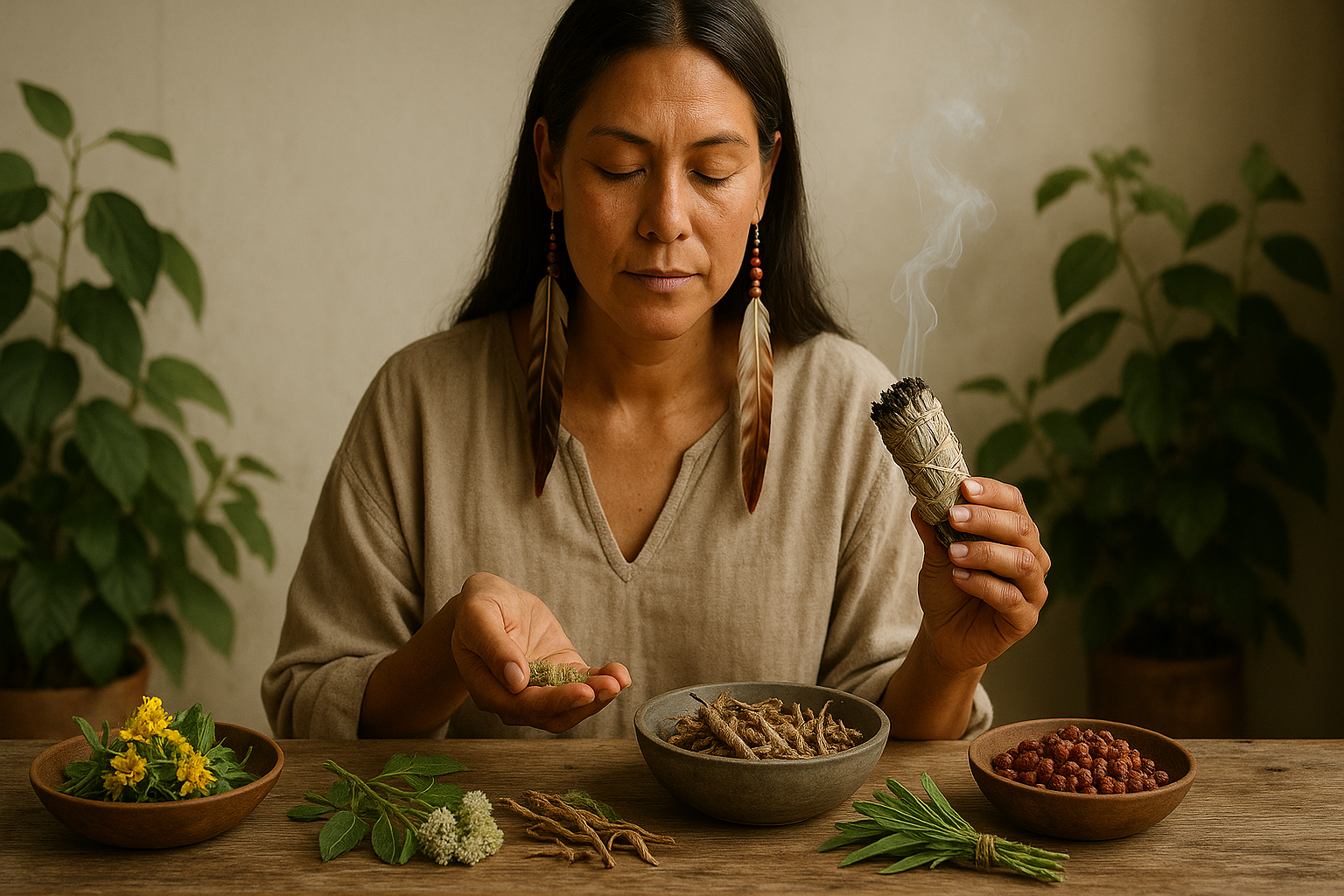
The practice of using natural tonics in African Traditional Medicine can be traced back centuries, with its origins deeply embedded in the cultural practices of various African communities. Healers and herbalists developed these remedies based on generations of knowledge passed down through oral traditions. They observed the healing properties of various plants and began to formulate tonics that catered to the specific needs of their communities.
Throughout history, these natural tonics have been used during significant life events, such as childbirth and initiation rites, emphasizing their importance in cultural rituals and community health. The knowledge of plant properties was often held by respected elders or shamans, who played a crucial role in maintaining the health of their communities.
How It's Practiced
The practice of creating and administering natural tonics involves several key steps, often led by a skilled practitioner. Here is a general overview of the process:
- Assessment: The practitioner assesses the individual's health status and needs, often through observation and conversation.
- Selection of Ingredients: Based on the assessment, the practitioner selects appropriate herbs and plants that are known for their tonic properties.
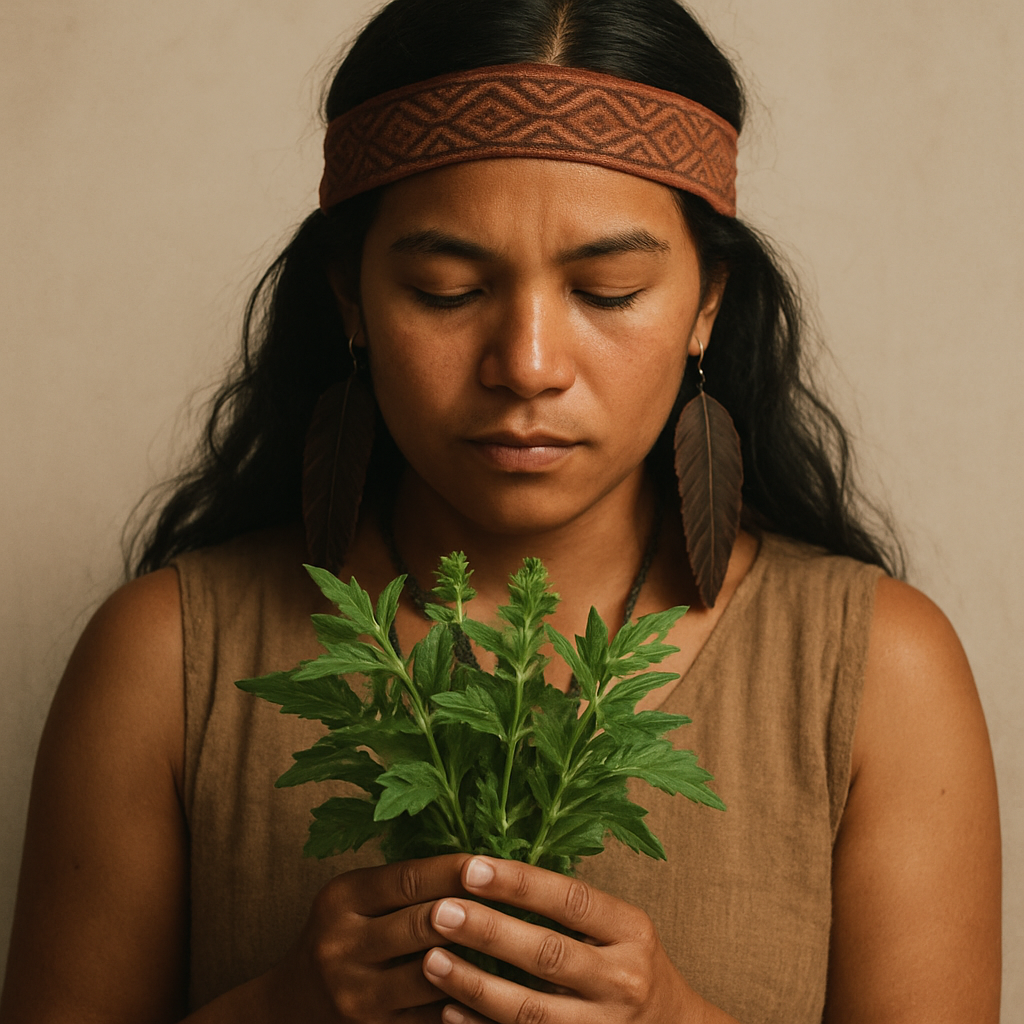
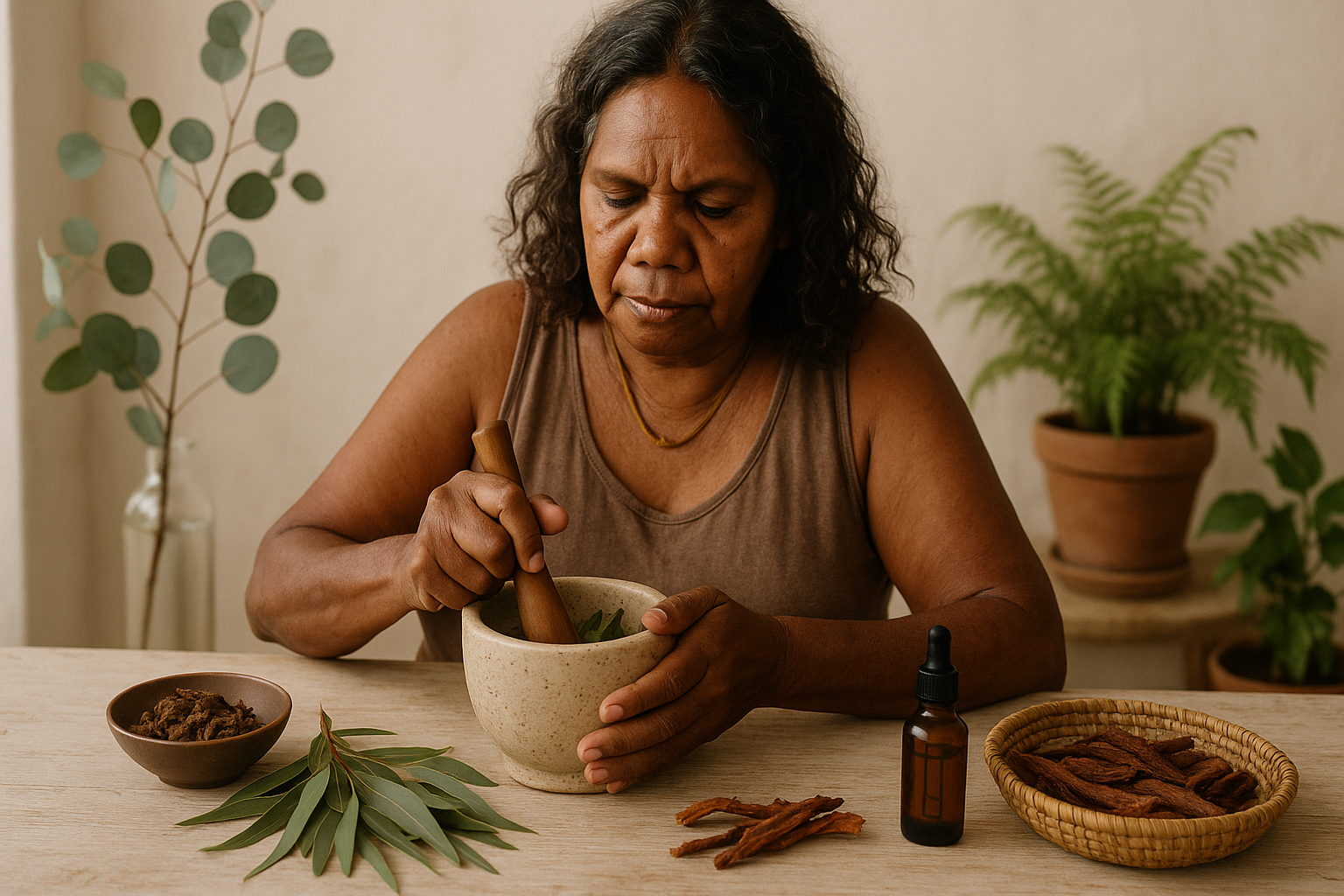
- Preparation: The selected ingredients are prepared through methods such as boiling, infusing, or grinding, depending on the desired outcome.
- Administration: The tonic is administered to the individual, often with guidance on dosage and timing for optimal effect.
- Follow-Up: The practitioner may schedule follow-up visits to monitor progress and make adjustments as necessary.
What It Is Traditionally Explored For
Natural tonics in African Traditional Medicine are traditionally explored for various health goals, including:
- Enhancing overall vitality and energy levels.
- Supporting the immune system.
- Promoting digestive health.
- Balancing hormonal levels.
- Improving mental clarity and focus.
While these tonics are celebrated for their wide-ranging benefits, it is important to approach their use with respect and caution, recognizing that individual responses may vary.
What Modern Research Suggests
Modern research into natural tonics, particularly those used in African Traditional Medicine, has begun to uncover potential benefits. Preliminary studies suggest that certain herbal ingredients commonly found in tonics may possess antioxidant, anti-inflammatory, and immune-boosting properties. For example, some plants used in traditional tonics have been shown to enhance the body’s response to stress and improve overall metabolic health.
However, it is crucial to note that much of the research is still in its early stages. While there is promising evidence supporting the efficacy of specific herbal components, further studies are needed to understand their full potential and mechanisms of action in the body. As with any health practice, individuals should consult healthcare professionals before incorporating these tonics into their regimen.
Safety, Contraindications & Who Should Skip
While natural tonics are generally considered safe for many individuals, there are some precautions to consider:
- Pregnant or breastfeeding women should consult with a healthcare provider before using any herbal tonics.
- Individuals with pre-existing medical conditions or those taking prescription medications should also seek professional advice, as some herbs may interact with medications.
- People with allergies to specific plants should avoid tonics containing those ingredients.
It is essential to use natural tonics responsibly and under the guidance of a qualified practitioner to ensure safety and effectiveness.
Pairs Well With (within African Traditional Medicine and across pillars)
Natural tonics can be effectively paired with various other modalities and ingredients in African Traditional Medicine, including:
- Herbal infusions and teas
- Massage and bodywork
- Spiritual healing practices
- Dietary adjustments using traditional foods
- Other herbal remedies for specific ailments
How to Find a Qualified Practitioner
Finding a qualified practitioner of African Traditional Medicine who specializes in natural tonics involves a few key steps:
- Seek recommendations from community members or trusted sources knowledgeable in herbal medicine.
- Look for practitioners who have formal training or certifications in traditional herbalism.
- Verify their experience and expertise in creating and administering natural tonics.
- Consider scheduling a consultation to discuss your health goals and assess their approach to treatment.
FAQs (5)
- What are natural tonics?
Natural tonics are herbal formulations that are believed to enhance health and vitality. - How are natural tonics prepared?
They are prepared by selecting appropriate herbs, preparing them through methods like boiling or infusing, and administering them to individuals. - What are some common uses of natural tonics?
They are traditionally used to enhance energy, support the immune system, and promote overall wellness. - Are there any risks associated with natural tonics?
Yes, some individuals may experience allergic reactions or interactions with medications, so it is important to consult with a healthcare provider. - How can I find a practitioner?
Seek recommendations, check for training or certification, and schedule a consultation to find a qualified practitioner of African Traditional Medicine.
Frequently asked
What are natural tonics?
Natural tonics are herbal formulations that are believed to enhance health and vitality.
How are natural tonics prepared?
They are prepared by selecting appropriate herbs, preparing them through methods like boiling or infusing, and administering them to individuals.
What are some common uses of natural tonics?
They are traditionally used to enhance energy, support the immune system, and promote overall wellness.
Are there any risks associated with natural tonics?
Yes, some individuals may experience allergic reactions or interactions with medications, so it is important to consult with a healthcare provider.
How can I find a practitioner?
Seek recommendations, check for training or certification, and schedule a consultation to find a qualified practitioner of African Traditional Medicine.