Ritual Medicine
Discover Ritual Medicine, a vital aspect of African Traditional Medicine, its history, practices, and modern relevance.
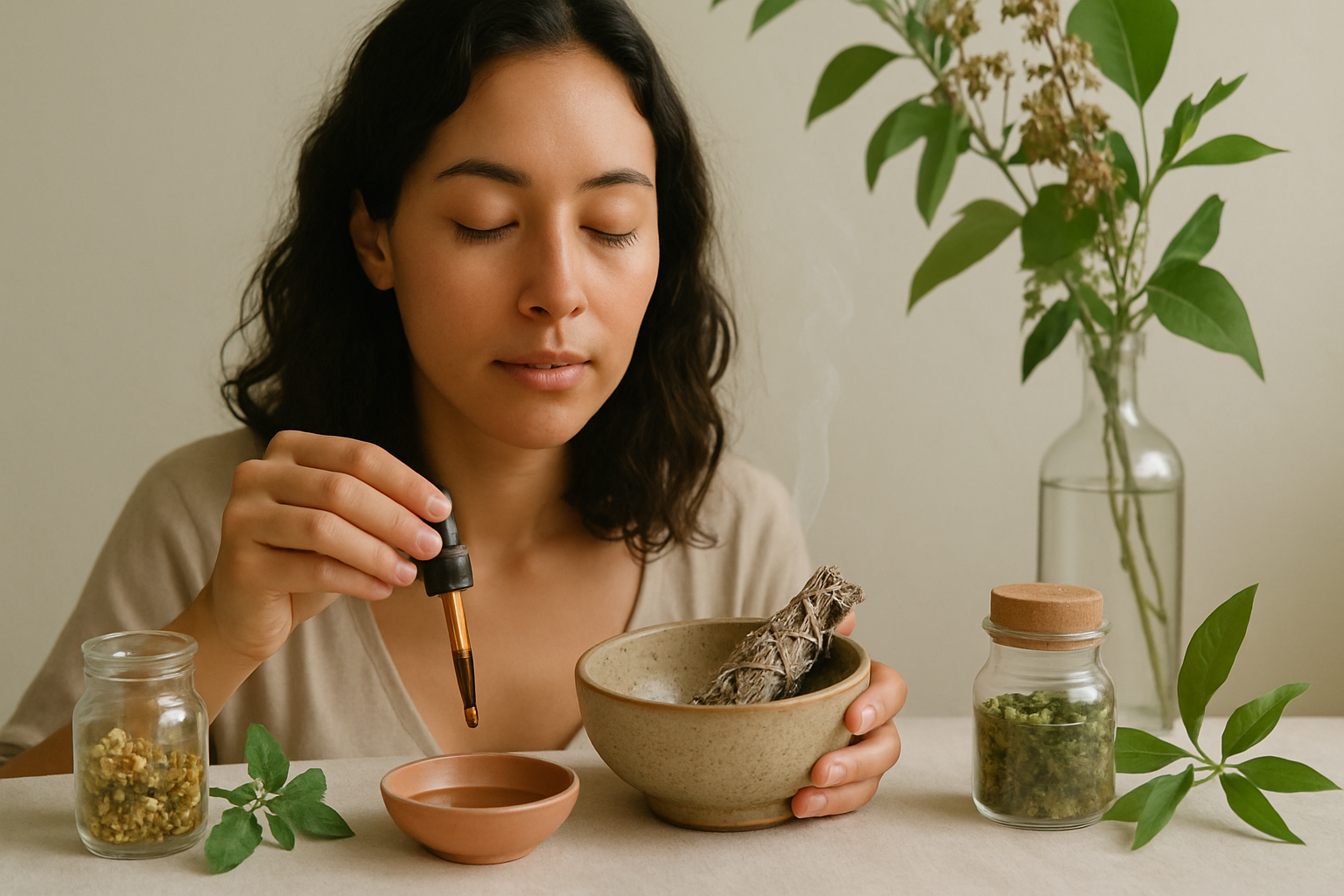
Explore the intricate practice of Ritual Medicine within African Traditional Medicine, delving into its definitions, historical significance, practices, and modern insights.
What It Is
Ritual Medicine represents a unique aspect of African Traditional Medicine, integrating spiritual, physical, and communal elements into healing practices. It involves a variety of rituals, ceremonies, and herbal treatments aimed at restoring balance and harmony within individuals and their communities. Rituals may include prayers, offerings, and specific actions performed by a healer, who is often regarded as a mediator between the spiritual and physical worlds.
This practice is rooted in the belief that health is a holistic state, influenced by not only physical conditions but also spiritual well-being and community health. Ritual Medicine often emphasizes the importance of cultural identity, communal ties, and ancestral connections, reflecting the deep interrelation of community and individual health.
Historical Context Within African Traditional Medicine
Ritual Medicine has developed over centuries, deeply embedded in the cultural and spiritual frameworks of various African societies. Its origins can be traced back to ancient practices of healing and spirituality, where the roles of healers were established in the context of community life. These healers, often spiritual leaders or shamans, were responsible for guiding individuals in their healing journeys through rituals that called upon ancestral spirits and nature.
This modality flourished in diverse African cultures, adapting to local beliefs and practices while maintaining core principles. The transmission of knowledge has historically occurred through oral traditions, where experiences and rituals were shared across generations, ensuring the survival and evolution of these practices.
How It's Practiced
Practicing Ritual Medicine typically involves a structured approach, guided by an experienced practitioner. Here is a general outline of the process:
- Consultation: A practitioner meets with the individual to discuss their concerns and background, establishing a connection.
- Diagnosis: The healer assesses the situation, often through divination or spiritual insight, to identify imbalances.
- Ritual Preparation: The practitioner prepares necessary items, which may include herbs, offerings, and sacred objects.
- Ritual Performance: The primary healing ritual is performed, which could involve prayers, chants, and specific actions aimed at invoking healing energies.
- Follow-Up: After the ritual, the practitioner may provide guidance on lifestyle changes or additional rituals for ongoing support.
What It Is Traditionally Explored For
Ritual Medicine is traditionally used for a variety of concerns, reflecting the holistic view of health within African Traditional Medicine. Commonly explored areas include:
- Emotional and psychological distress
- Physical ailments and chronic illnesses
- Spiritual disconnection or disturbances
- Community health issues and social harmony
- Life transitions, such as birth, marriage, and death
These rituals aim to restore balance, foster resilience, and promote well-being, addressing not only the individual but also their relationship with the community and the spiritual realm.
What Modern Research Suggests
While the practice of Ritual Medicine is steeped in tradition, modern research is beginning to explore its efficacy and relevance. Some studies have indicated that the communal and spiritual aspects of these rituals may contribute positively to mental health outcomes, highlighting the importance of social support and cultural identity in healing processes. For example, research on communal rituals suggests that shared experiences can enhance emotional well-being and foster a sense of belonging.
Additionally, preliminary studies on the use of specific herbs in conjunction with ritual practices have shown promise in addressing certain physical health concerns. However, it is crucial to approach these findings with caution, as much of the research is still in early stages and requires further investigation to establish efficacy and safety.
Safety, Contraindications & Who Should Skip
Engaging with Ritual Medicine should be approached with caution, particularly for individuals with specific health concerns. It is advisable for individuals who:
- Are experiencing severe mental health issues that require clinical intervention
- Have chronic health conditions that necessitate conventional medical treatment
- Are pregnant or nursing, without proper guidance from a qualified practitioner
- Are taking medications that may interact with herbal remedies
Consulting with a healthcare provider is recommended prior to engaging in Ritual Medicine, especially for those with existing health issues or concerns.
Pairs Well With (within African Traditional Medicine and across pillars)
Ritual Medicine can complement various other modalities and practices, enhancing overall wellness. Some related practices include:
- Herbal Medicine
- Divination
- Spiritual Counseling
- Massage and Bodywork
- Nutrition and Dietary Practices
How to Find a Qualified Practitioner
Finding a qualified practitioner in Ritual Medicine involves several considerations:
- Research: Look for practitioners with a strong background in African Traditional Medicine and a good reputation within the community.
- Recommendations: Seek referrals from trusted sources, such as community leaders or individuals who have previously engaged with the practitioner.
- Initial Consultation: Schedule a meeting to discuss your needs and gauge the practitioner's approach and experience.
- Credentials: Verify any relevant training or certifications related to their practice.
FAQs (5)
What is Ritual Medicine?
Ritual Medicine is a healing practice within African Traditional Medicine that combines spiritual and physical healing through rituals and ceremonies.
How does a ritual practitioner diagnose issues?
Diagnosis may involve spiritual insights, consultations, and divination methods to understand the underlying imbalances affecting an individual.
Is Ritual Medicine safe?
While many find benefit from it, individuals with specific health conditions should approach it with caution and consult healthcare providers.
What types of issues can Ritual Medicine address?
It is traditionally explored for emotional distress, physical ailments, spiritual disconnection, and community health issues.
How can I find a Ritual Medicine practitioner?
Research, seek recommendations, and ensure the practitioner has appropriate qualifications and experience in African Traditional Medicine.
Frequently asked
What is Ritual Medicine?
Ritual Medicine is a healing practice within African Traditional Medicine that combines spiritual and physical healing through rituals and ceremonies.
How does a ritual practitioner diagnose issues?
Diagnosis may involve spiritual insights, consultations, and divination methods to understand the underlying imbalances affecting an individual.
Is Ritual Medicine safe?
While many find benefit from it, individuals with specific health conditions should approach it with caution and consult healthcare providers.
What types of issues can Ritual Medicine address?
It is traditionally explored for emotional distress, physical ailments, spiritual disconnection, and community health issues.
How can I find a Ritual Medicine practitioner?
Research, seek recommendations, and ensure the practitioner has appropriate qualifications and experience in African Traditional Medicine.