Sacred Herbs
Discover Sacred Herbs in African Traditional Medicine, their historical significance, traditional uses, and modern insights.
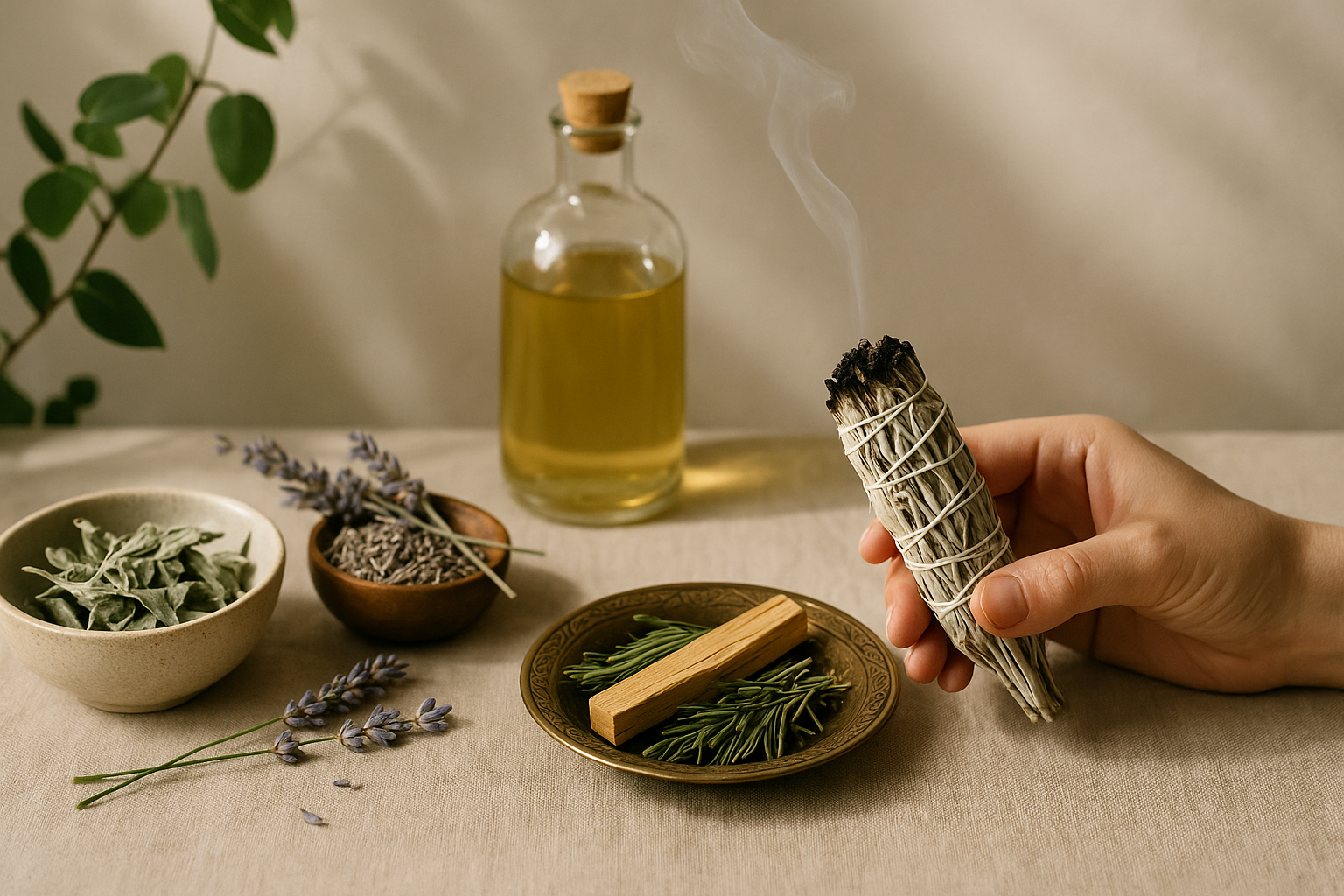
Explore the rich tradition of Sacred Herbs within African Traditional Medicine, their historical context, modern research, and how to safely approach their use.
What It Is
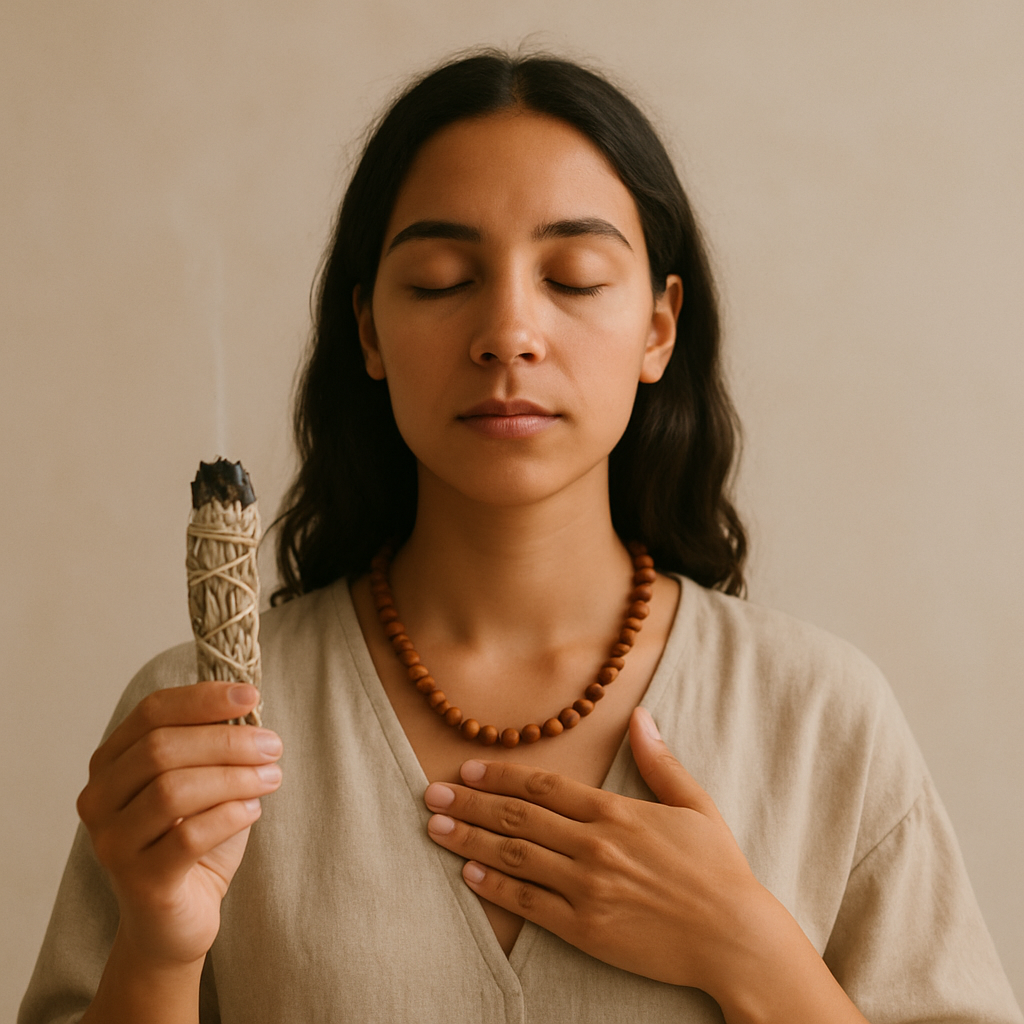
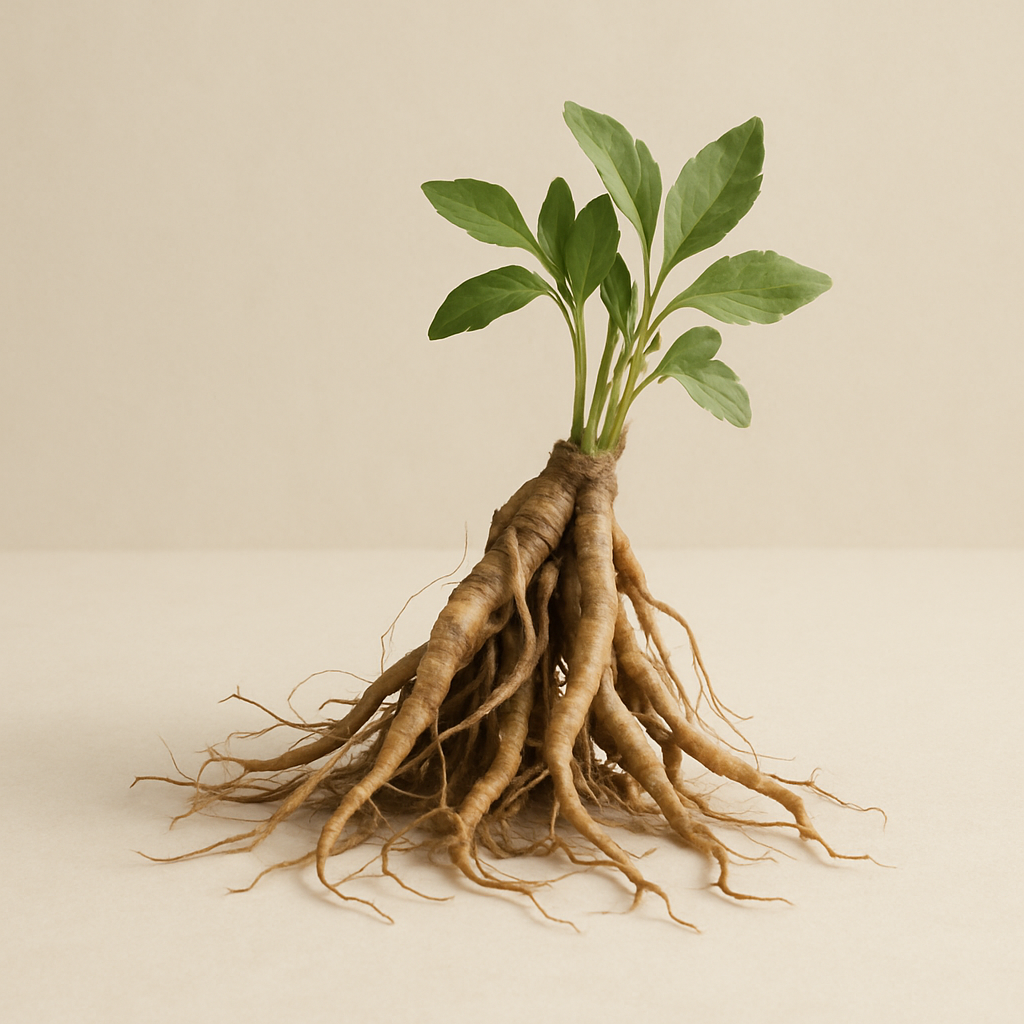
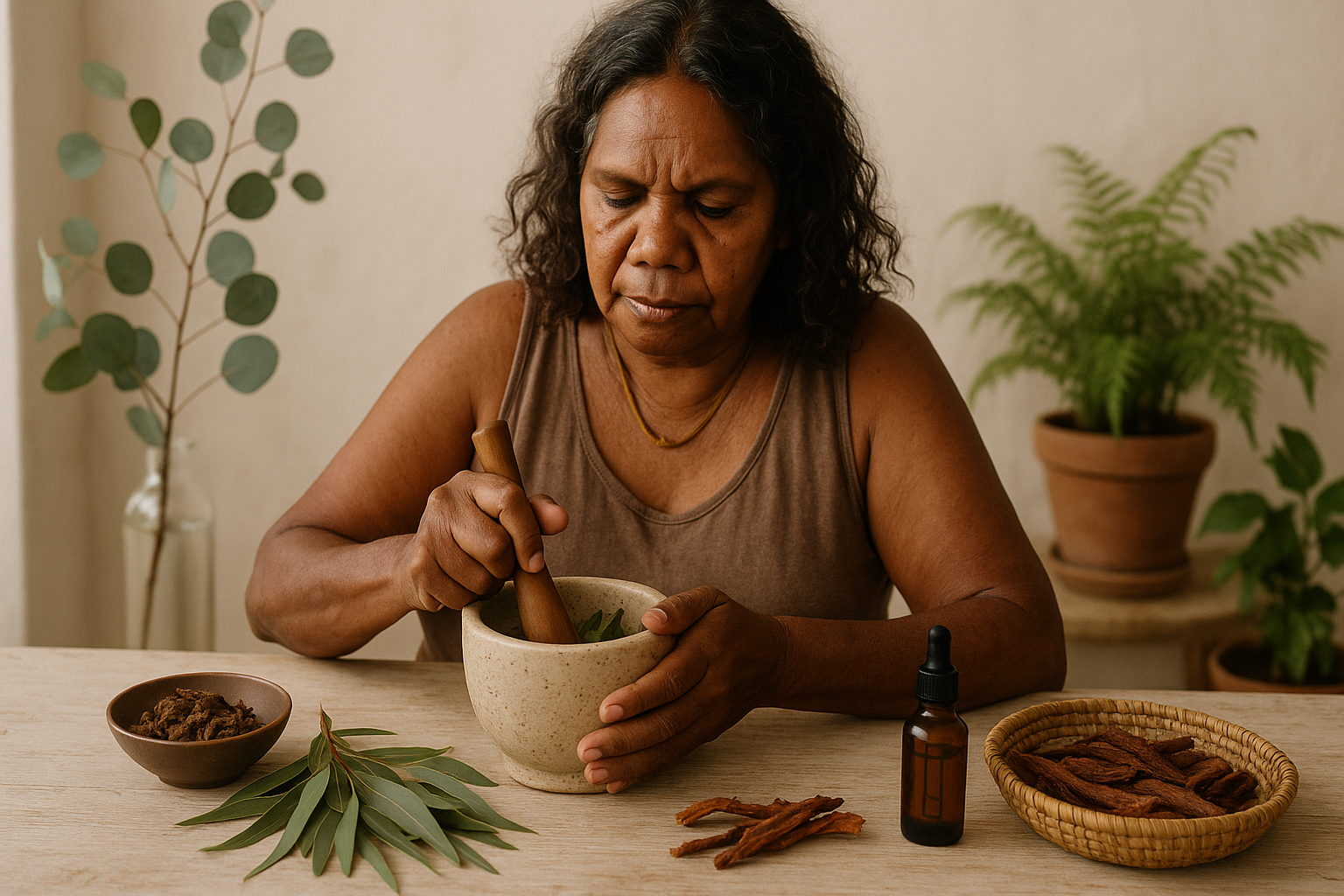
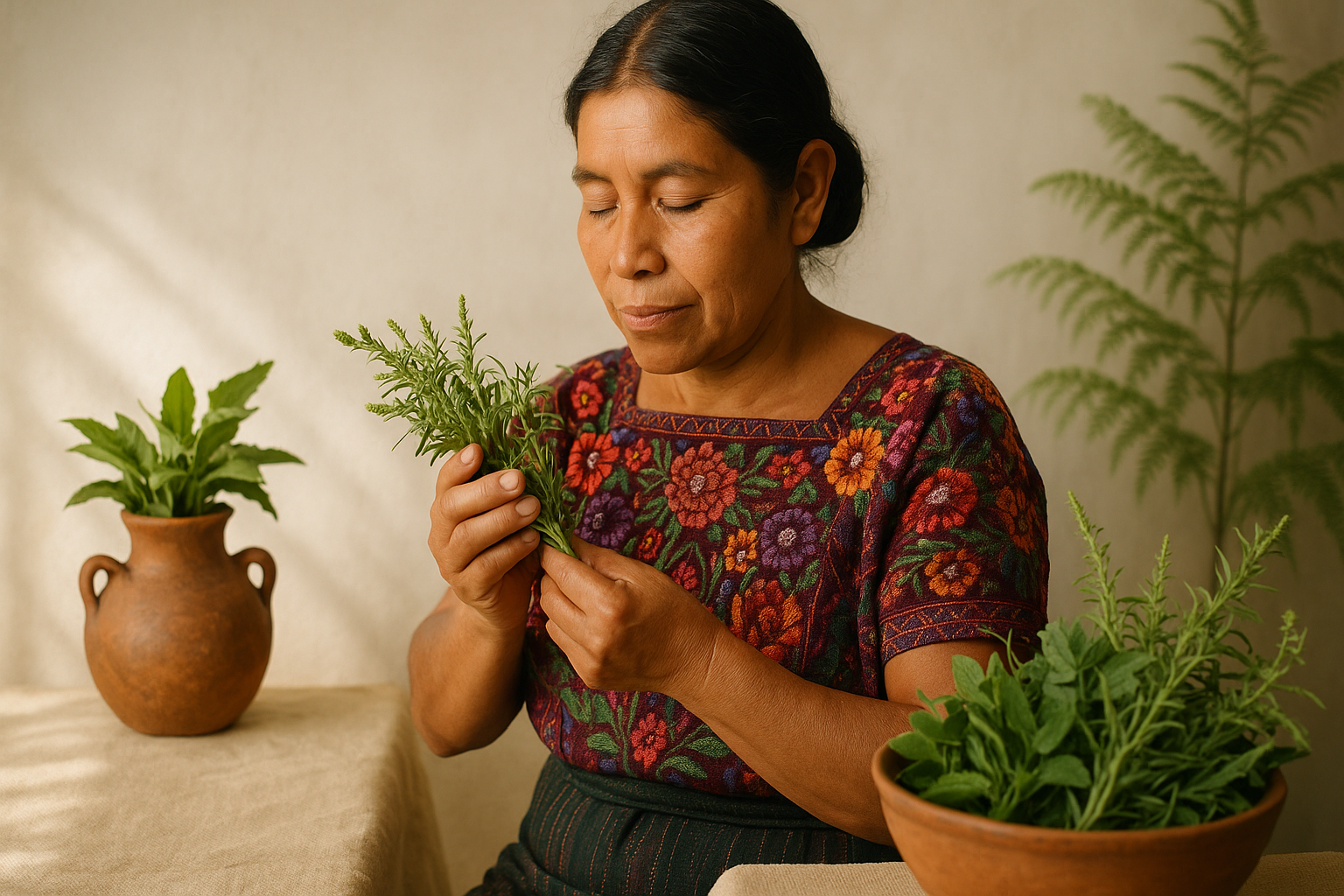
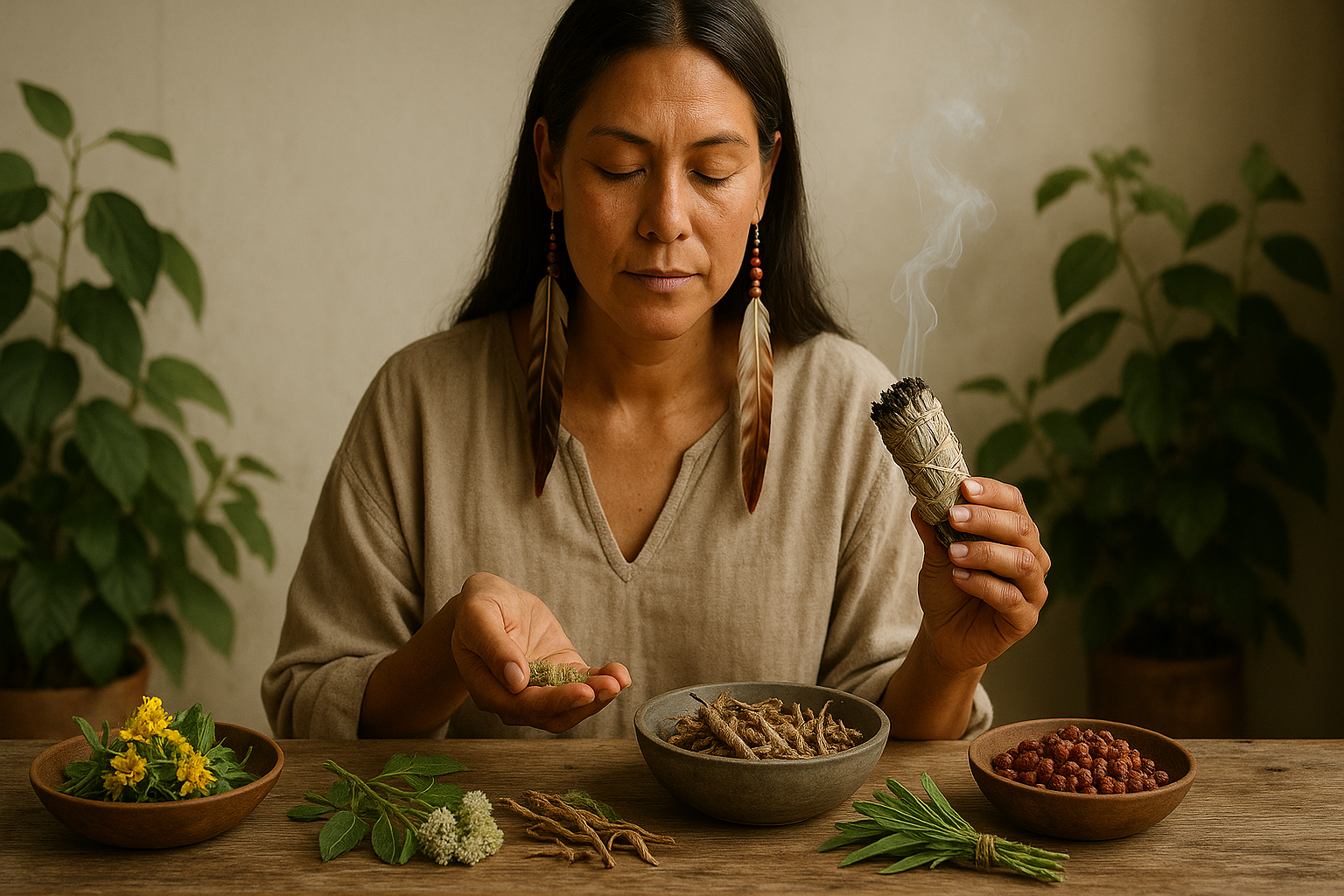
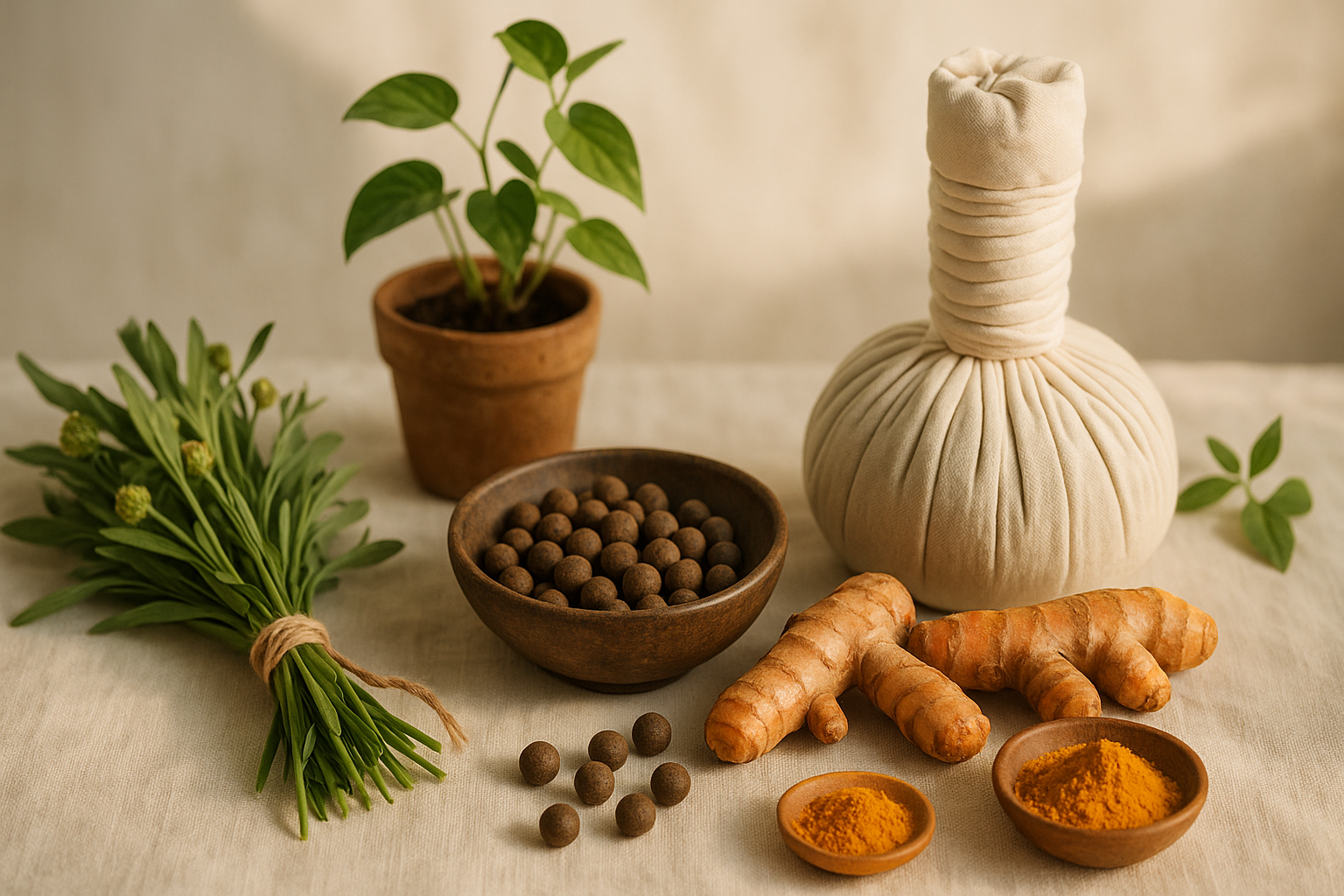
Sacred Herbs hold a significant place in African Traditional Medicine, symbolizing the deep connection between nature and healing practices. These herbs are not only valued for their medicinal properties but also for their spiritual significance, often used in rituals and ceremonies to enhance the healing process. Sacred Herbs are considered gifts from the earth, imbued with the power to promote physical, emotional, and spiritual well-being.
The practice of using Sacred Herbs involves a deep understanding of the plants, their properties, and the cultural beliefs surrounding them. Herbalists or traditional healers often possess extensive knowledge passed down through generations, recognizing the importance of these herbs in maintaining harmony within the body and the environment.
Historical Context Within African Traditional Medicine
The use of Sacred Herbs can be traced back thousands of years, deeply rooted in the cultures and traditions of various African communities. This practice emerged as part of the broader framework of African Traditional Medicine, which encompasses a variety of healing modalities including spiritual rituals, divination, and herbal medicine.
Historically, these sacred plants were cultivated and harvested by healers who understood their significance in both health and spirituality. Various tribes and communities developed their unique practices around these herbs, often integrating them into rituals and healing ceremonies. The knowledge of Sacred Herbs was traditionally shared orally, ensuring that the wisdom was passed down through generations.
How It's Practiced
The practice of using Sacred Herbs involves several steps, often guided by a traditional healer or herbalist. Here is a simplified walk-through of how this practice typically unfolds:
- Consultation: The practitioner meets with the individual seeking help to discuss their concerns and health issues.
- Diagnosis: Based on traditional methods, the healer assesses the individual's condition, which may include spiritual aspects.
- Selection of Herbs: The healer selects appropriate Sacred Herbs based on their properties and the individual's needs.
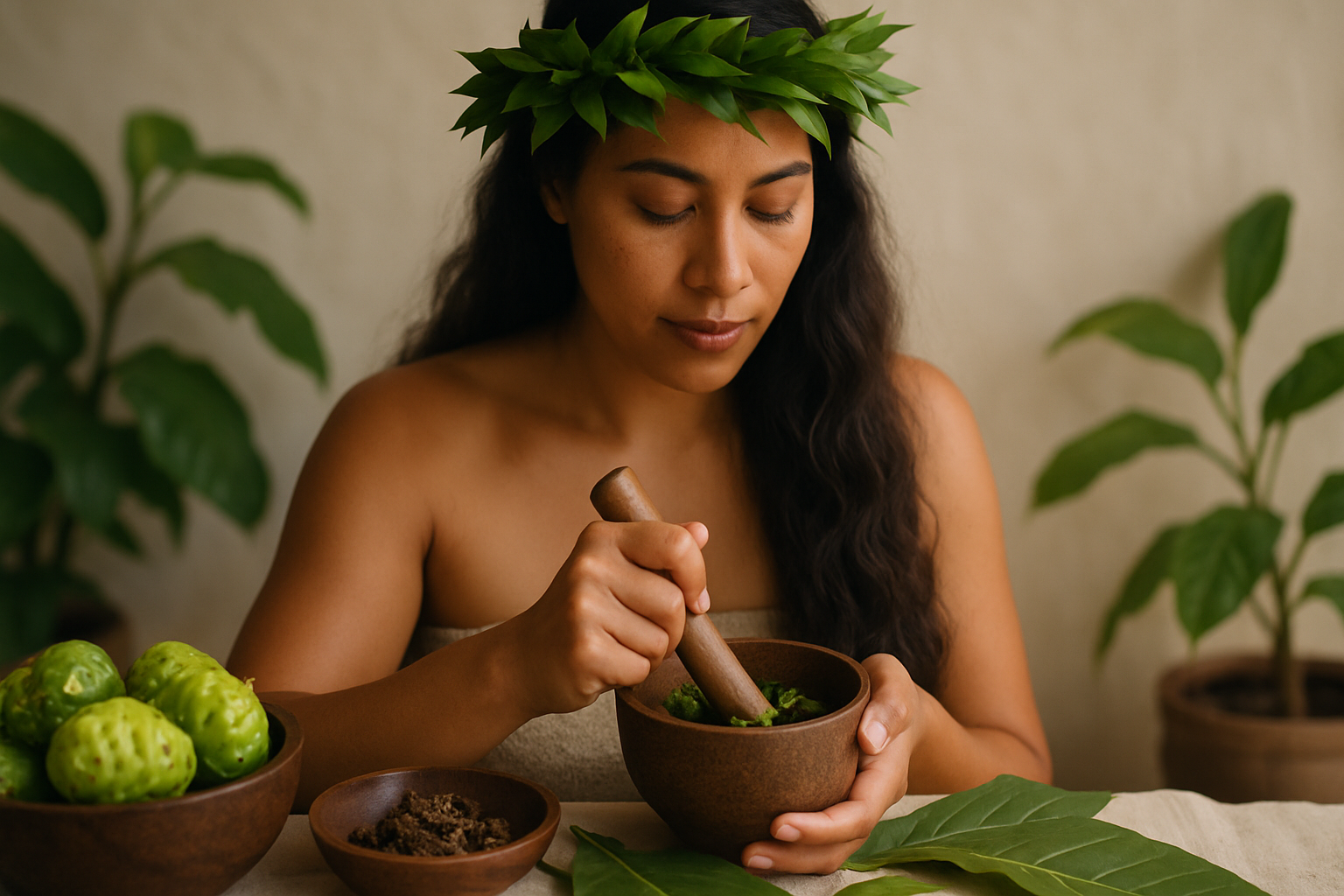
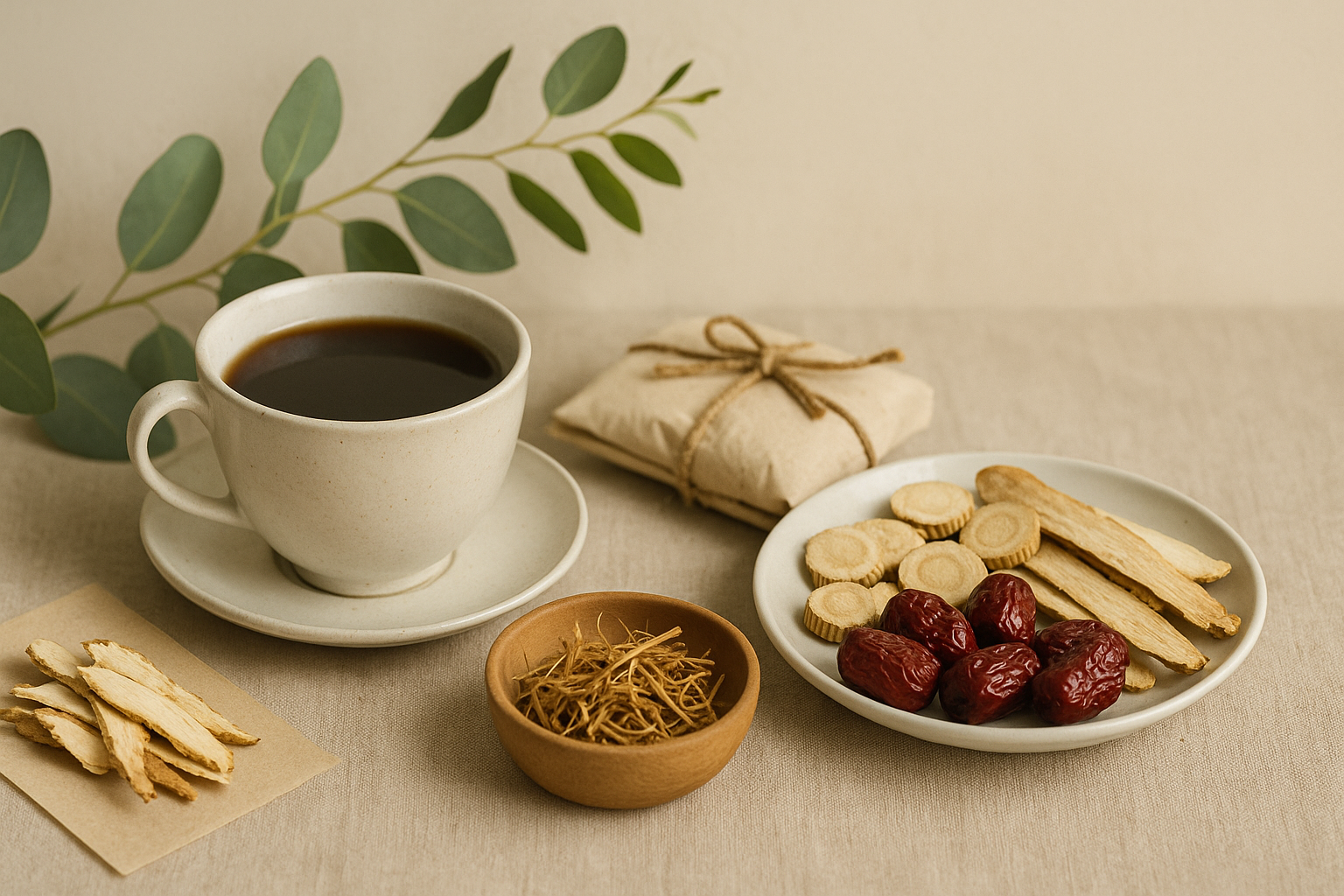
- Preparation: The selected herbs may be prepared in various forms such as teas, poultices, or infusions, often accompanied by specific rituals.
- Administration: The individual is guided on how to use the herbs, which may include ingesting, applying topically, or using in ceremonial contexts.
- Follow-up: The practitioner may schedule follow-up appointments to assess progress and adjust treatment as necessary.
What It Is Traditionally Explored For
Sacred Herbs are traditionally used for a variety of purposes, reflecting the holistic approach of African Traditional Medicine. Some of the common goals include:
- Supporting physical health and addressing ailments such as digestive issues or respiratory conditions.
- Enhancing emotional well-being, helping individuals cope with stress, anxiety, or depression.
- Facilitating spiritual healing, often used in rituals to connect with ancestors or divine forces.
- Promoting overall balance and harmony within the body and with the surrounding environment.
What Modern Research Suggests
While Sacred Herbs have been used for centuries, modern research is beginning to explore their potential benefits. Preliminary studies have indicated that certain herbs traditionally recognized for their healing properties may possess antimicrobial, anti-inflammatory, and antioxidant effects. However, much of this research is still in its infancy, and more clinical studies are needed to substantiate these findings.
It is important to approach these studies with caution, as traditional uses do not always align with scientific validation. The complexities of herbal interactions and individual responses to these substances necessitate further investigation to fully understand their efficacy and safety.
Safety, Contraindications & Who Should Skip
While Sacred Herbs are generally considered safe when used appropriately, there are important safety considerations to keep in mind:
- Individuals with allergies to specific plants should avoid those herbs.
- Pregnant or nursing women should consult with a healthcare professional before using any herbal remedies.
- Those taking prescription medications should be cautious, as some herbs may interact with conventional treatments.
- It is advisable for individuals with chronic health conditions to seek guidance from a qualified practitioner before using Sacred Herbs.
Pairs Well With (within African Traditional Medicine and across pillars)
Sacred Herbs can complement various other modalities and ingredients within African Traditional Medicine:
- Spiritual cleansing rituals
- Massage and bodywork techniques
- Other herbal remedies
- Divination practices
How to Find a Qualified Practitioner
Finding a qualified practitioner of African Traditional Medicine specializing in Sacred Herbs involves several steps:
- Seek recommendations from trusted sources or community members familiar with traditional healing.
- Verify the practitioner's training and experience in herbal medicine.
- Look for practitioners who respect cultural practices and prioritize client safety.
- Consider scheduling a preliminary consultation to gauge the practitioner's approach and knowledge.
FAQs
- What are Sacred Herbs? Sacred Herbs are plants used in African Traditional Medicine for their medicinal and spiritual properties.
- How do Sacred Herbs work? They are believed to promote healing by addressing physical, emotional, and spiritual imbalances.
- Are there any risks associated with using Sacred Herbs? Yes, individuals should be aware of potential allergies, interactions with medications, and specific health conditions.
- Can anyone use Sacred Herbs? It is recommended to consult with a qualified practitioner, especially for those with health concerns or who are pregnant.
- Is there scientific evidence supporting the use of Sacred Herbs? Some preliminary studies suggest potential benefits, but more research is needed to confirm their efficacy.
Frequently asked
What are Sacred Herbs?
Sacred Herbs are plants used in African Traditional Medicine for their medicinal and spiritual properties.
How do Sacred Herbs work?
They are believed to promote healing by addressing physical, emotional, and spiritual imbalances.
Are there any risks associated with using Sacred Herbs?
Yes, individuals should be aware of potential allergies, interactions with medications, and specific health conditions.
Can anyone use Sacred Herbs?
It is recommended to consult with a qualified practitioner, especially for those with health concerns or who are pregnant.
Is there scientific evidence supporting the use of Sacred Herbs?
Some preliminary studies suggest potential benefits, but more research is needed to confirm their efficacy.