Energy Rituals
Discover Energy Rituals in African Traditional Medicine, an ancient practice aimed at balancing energies for well-being. Learn about its history, methods, and traditional uses.
Explore the ancient practice of Energy Rituals within African Traditional Medicine, a modality focused on harnessing and balancing energies to promote well-being. This page covers its historical context, practice methods, traditional uses, modern research insights, safety considerations, and how to find qualified practitioners.
What It Is
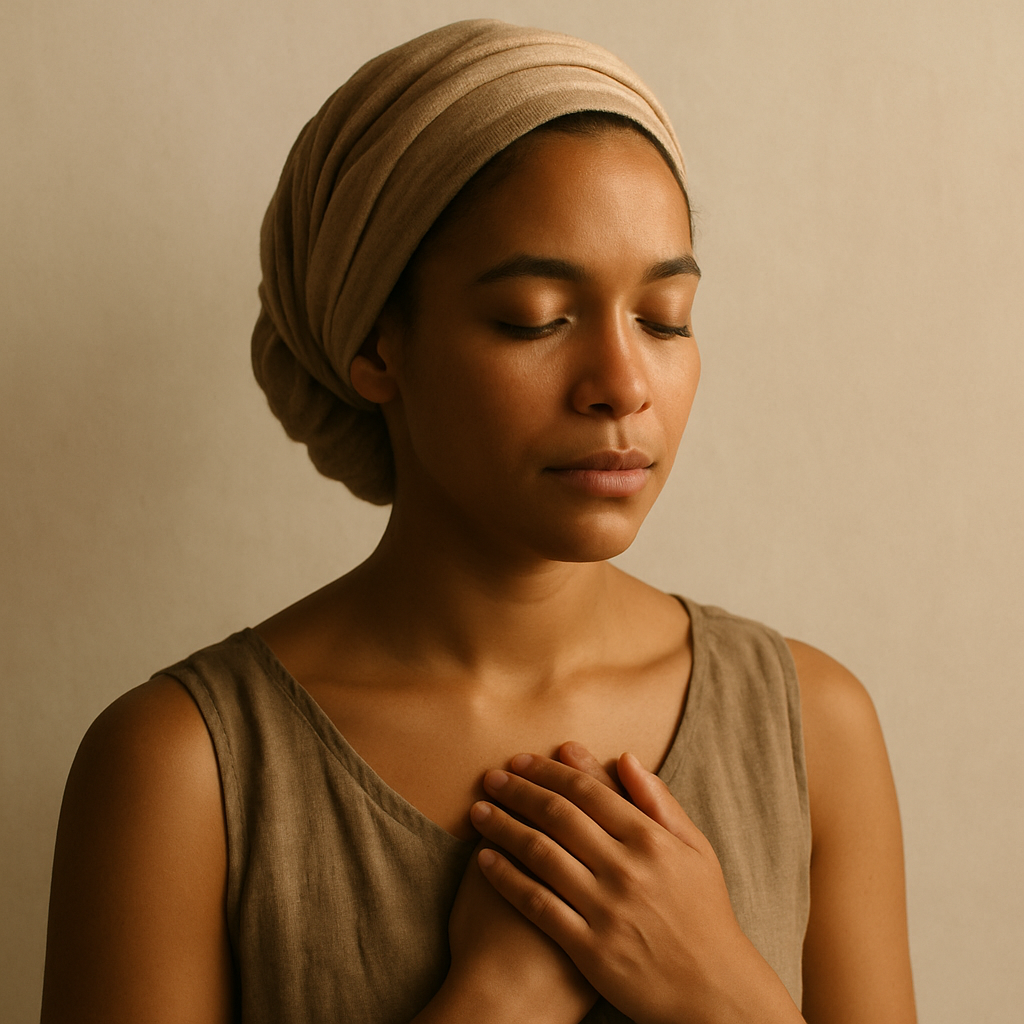
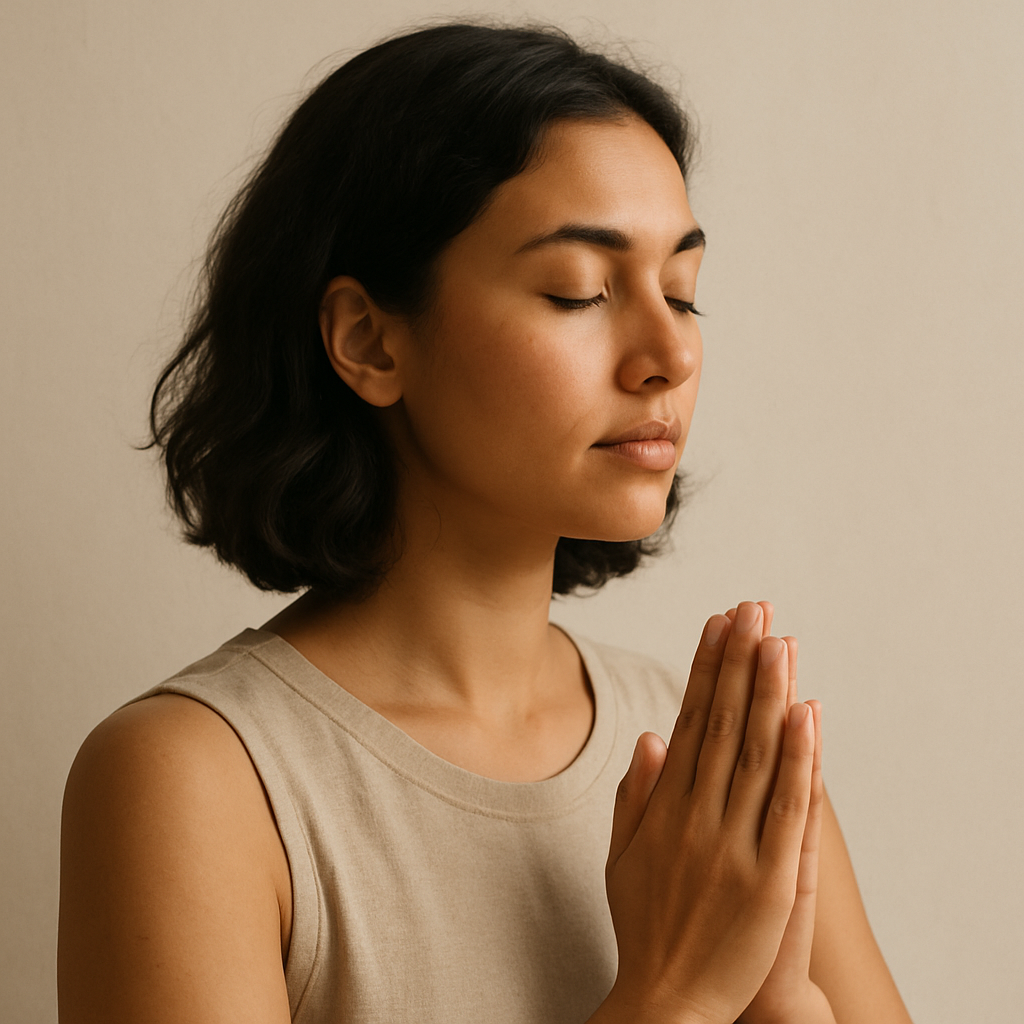
Energy rituals are a fundamental aspect of African Traditional Medicine, emphasizing the interconnectedness of body, mind, and spirit through the manipulation and balancing of energy. These rituals involve the use of sacred practices, chants, and movements designed to activate and align the body’s energy fields. The aim is to restore harmony and promote healing by tapping into the natural life forces that flow through all living beings.
Practitioners often believe that imbalances in one’s energy can lead to physical, emotional, or spiritual distress. Energy rituals, therefore, serve as a means to cleanse and rejuvenate, allowing individuals to reconnect with their inner selves and the universe. This practice is steeped in cultural significance and often incorporates traditional beliefs, ancestral wisdom, and the use of natural elements.
Historical Context Within African Traditional Medicine
The roots of energy rituals in African Traditional Medicine can be traced back centuries, deeply embedded in the cultural practices of various African communities. These rituals have been developed and passed down through generations, often evolving to incorporate local customs and beliefs. Elders and practitioners, viewed as custodians of this knowledge, have played a pivotal role in preserving these sacred practices.
Historically, energy rituals emerged as a response to the need for healing and balance within communities. They were practiced not only as a method of individual healing but also as a communal activity, fostering social cohesion and spiritual connection. This tradition highlights the African understanding of health as a holistic concept, where physical ailments are often seen as manifestations of deeper spiritual or emotional issues.
How It's Practiced
The practice of energy rituals can vary widely based on cultural and regional differences, but common elements often include:
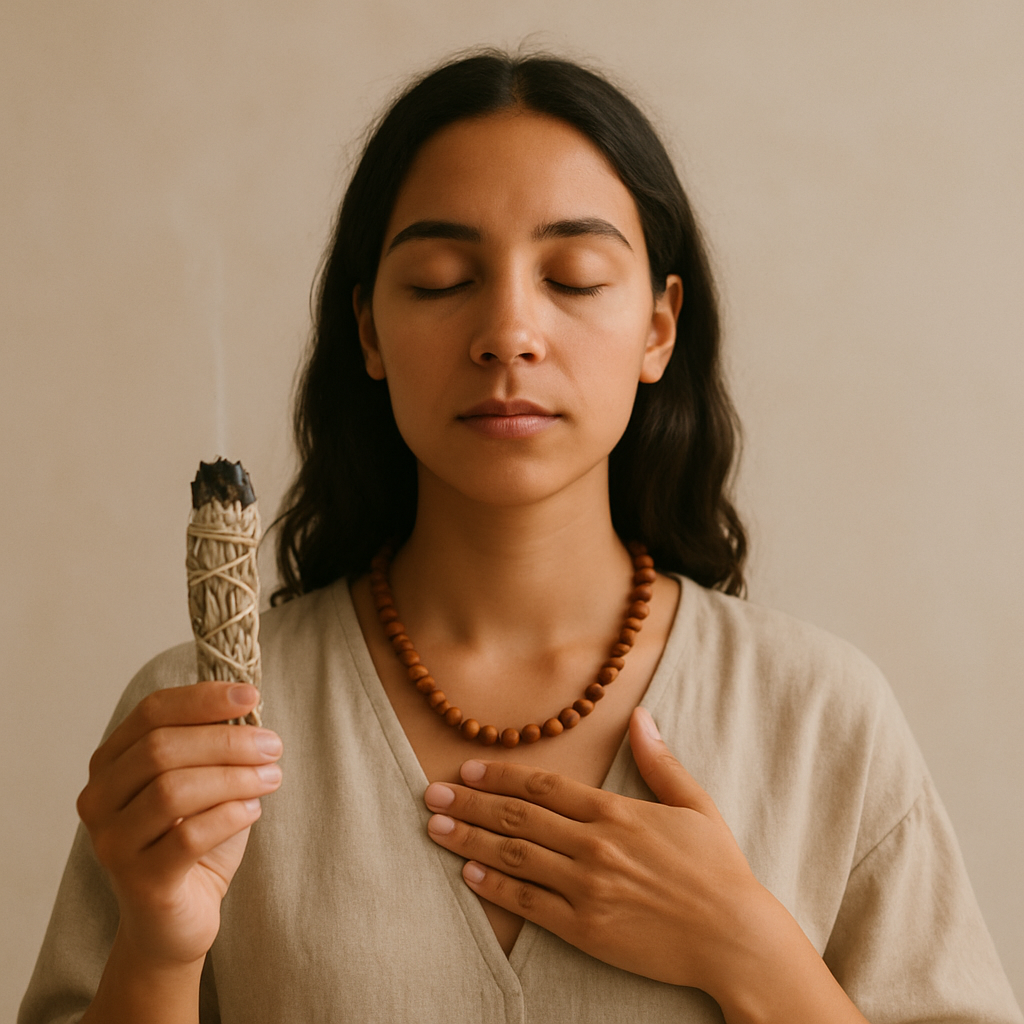
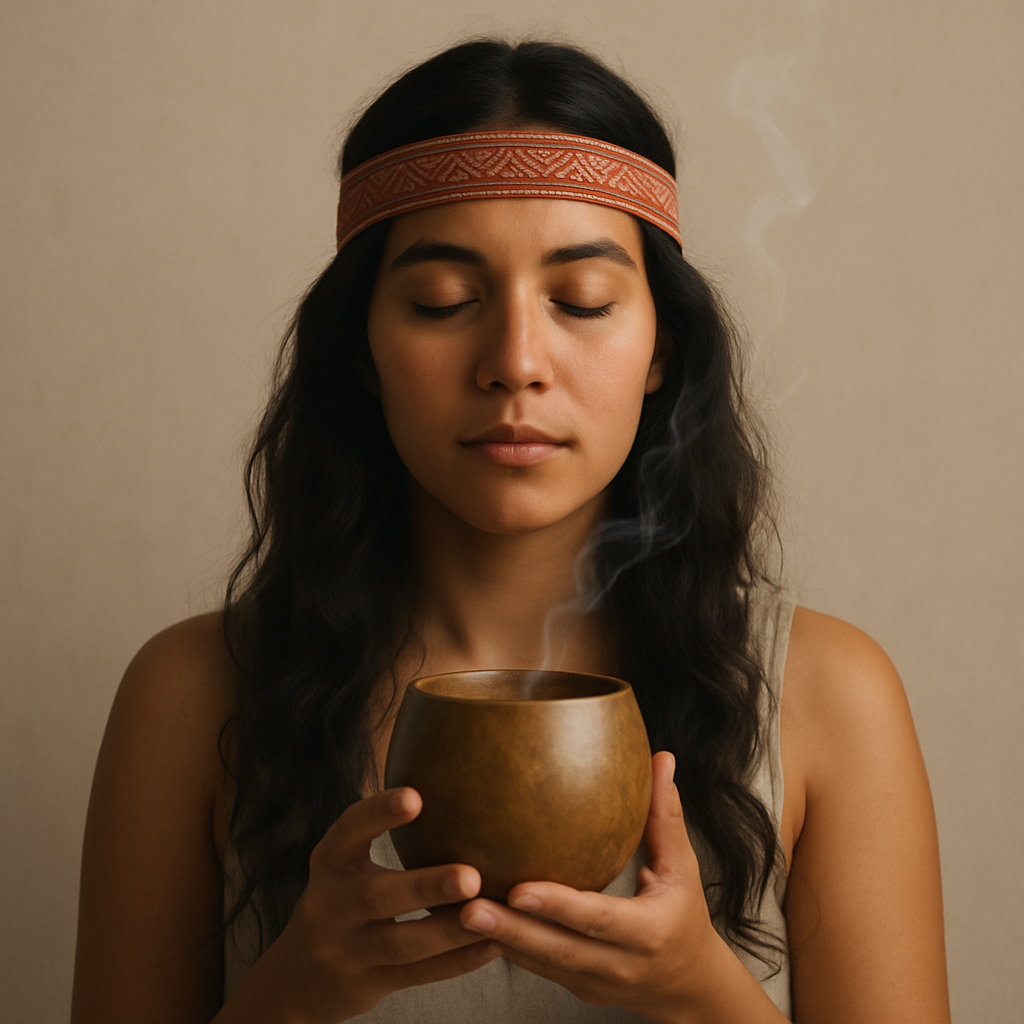
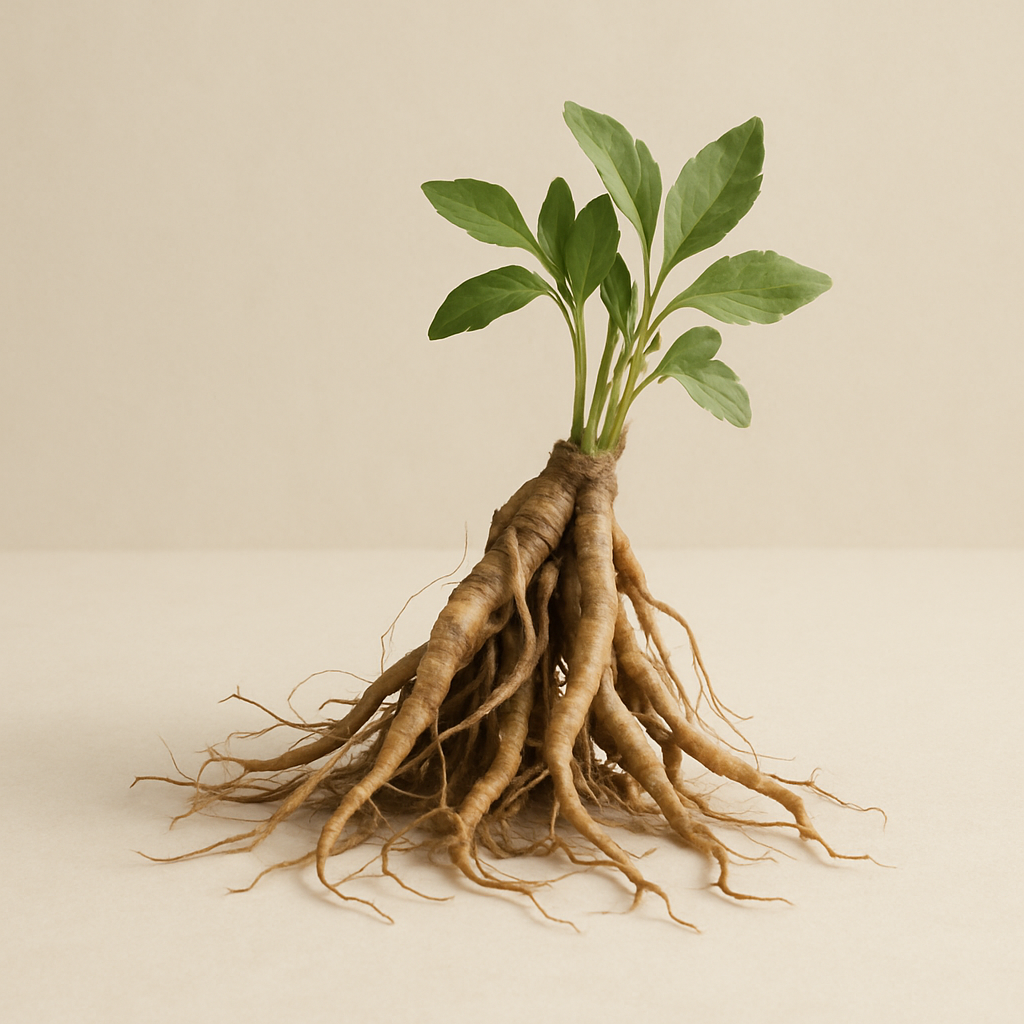
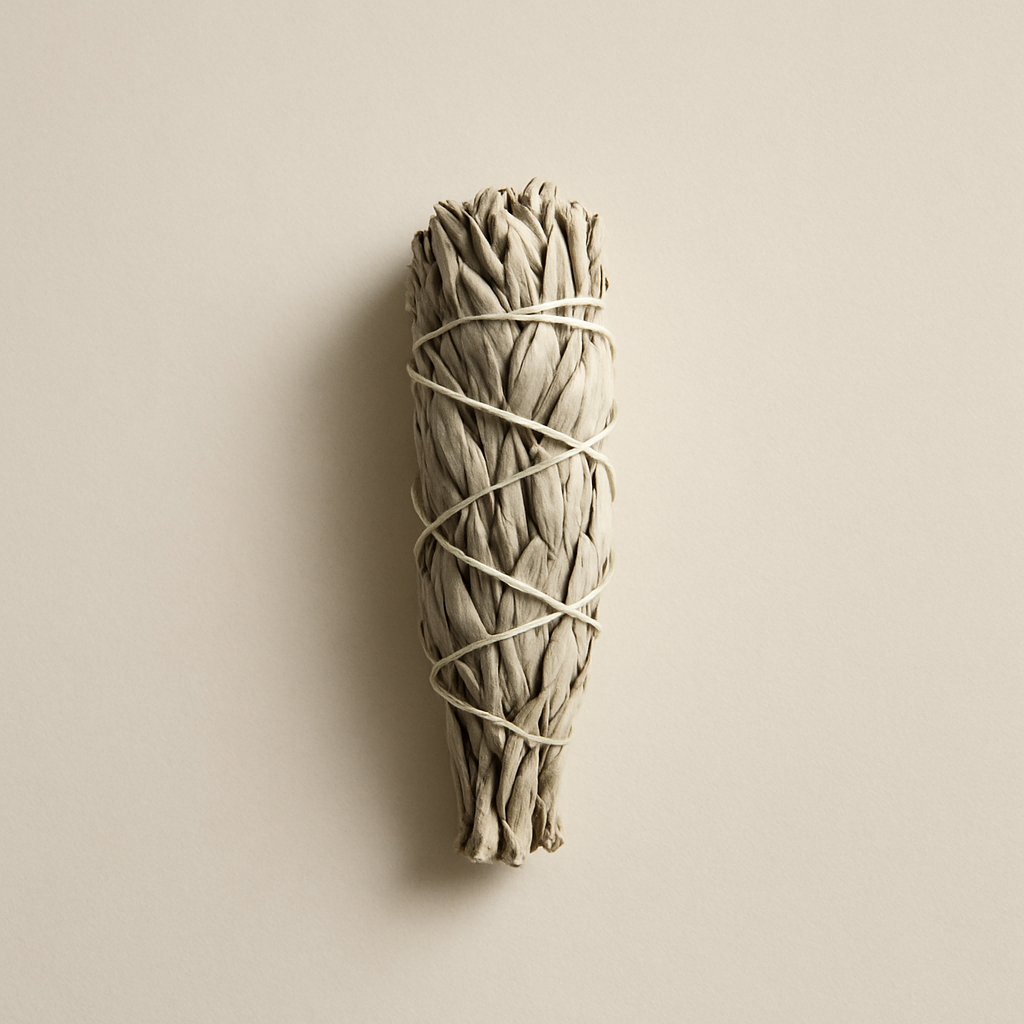
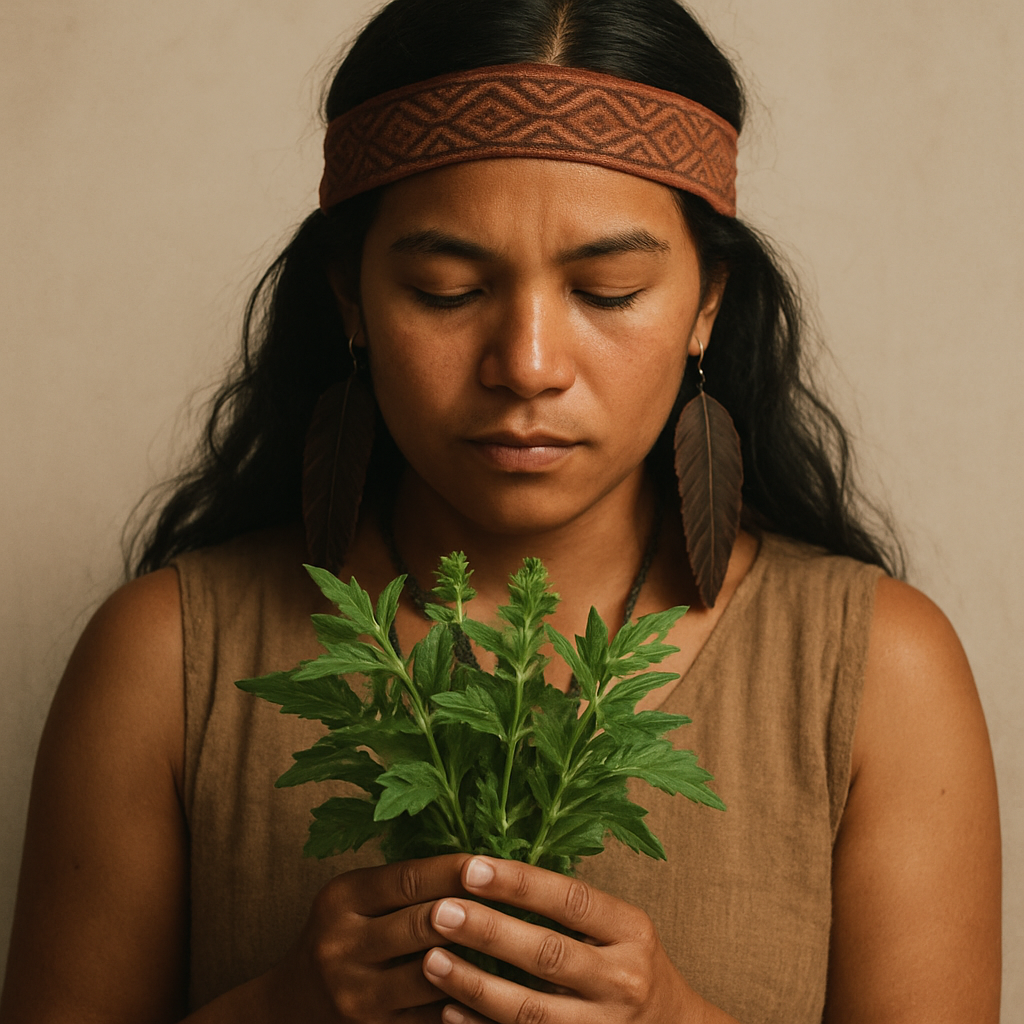
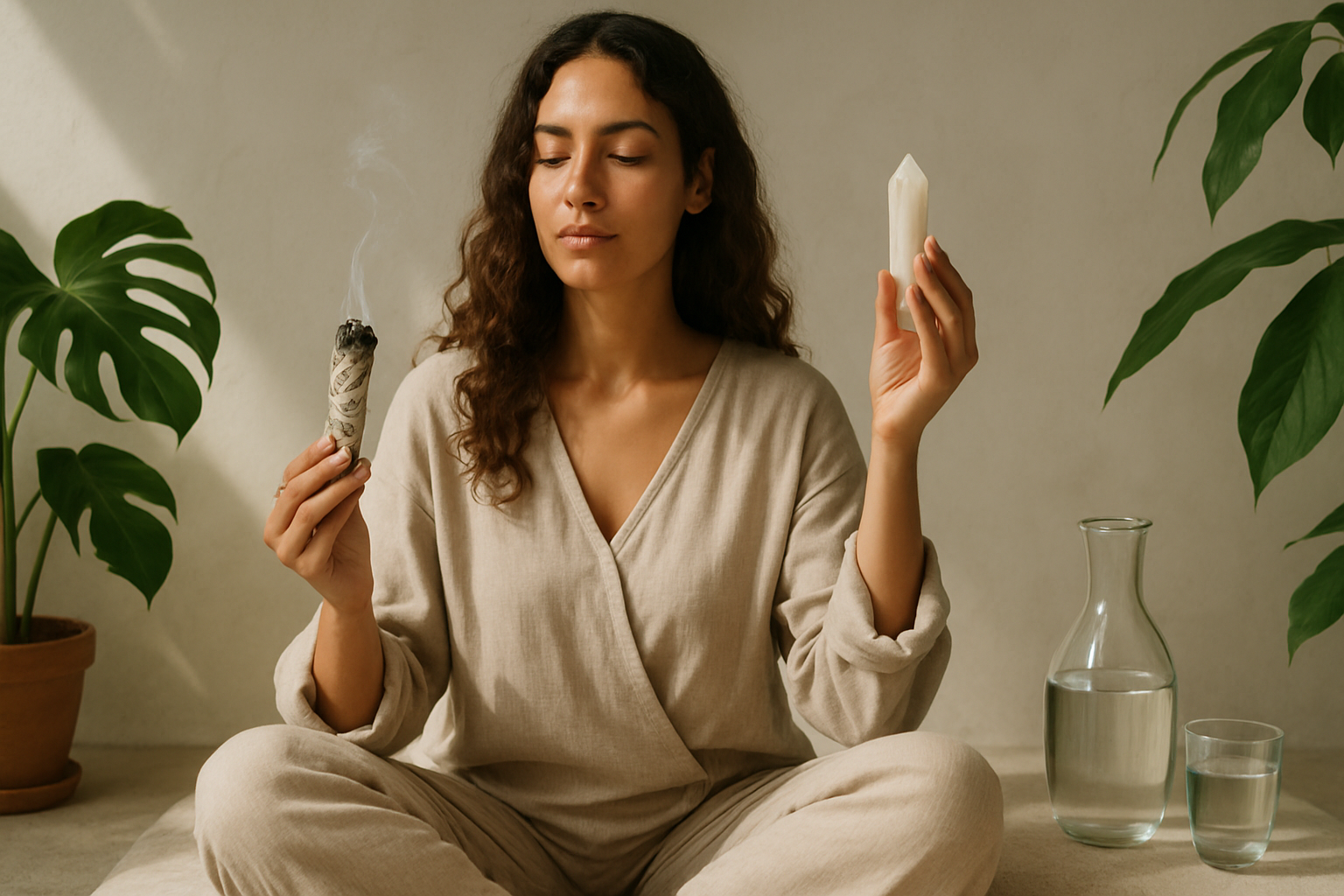
- Preparation: The practitioner may prepare a sacred space, often adorned with symbols, herbs, and other elements that hold spiritual significance.
- Invocation: Rituals typically begin with invocations, calling upon ancestors, spirits, or deities to guide and protect the process.
- Movement: Participants may engage in specific movements or dances that help to awaken and circulate energy within the body.
- Chanting: Vocal expressions, such as chants or songs, are often used to facilitate a connection with spiritual realms and enhance the energy flow.
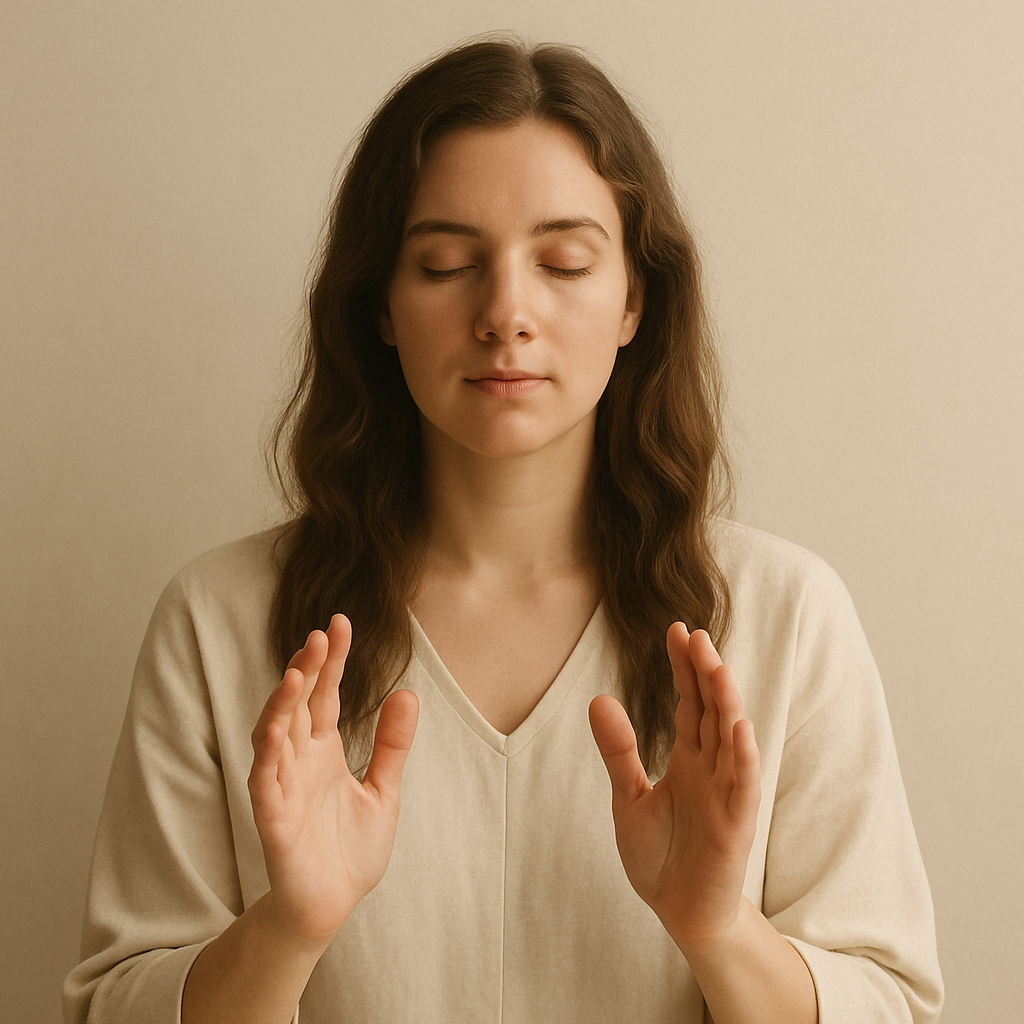
- Healing Techniques: Practitioners might use techniques such as laying on of hands, drumming, or the use of crystals and natural elements to channel energy.
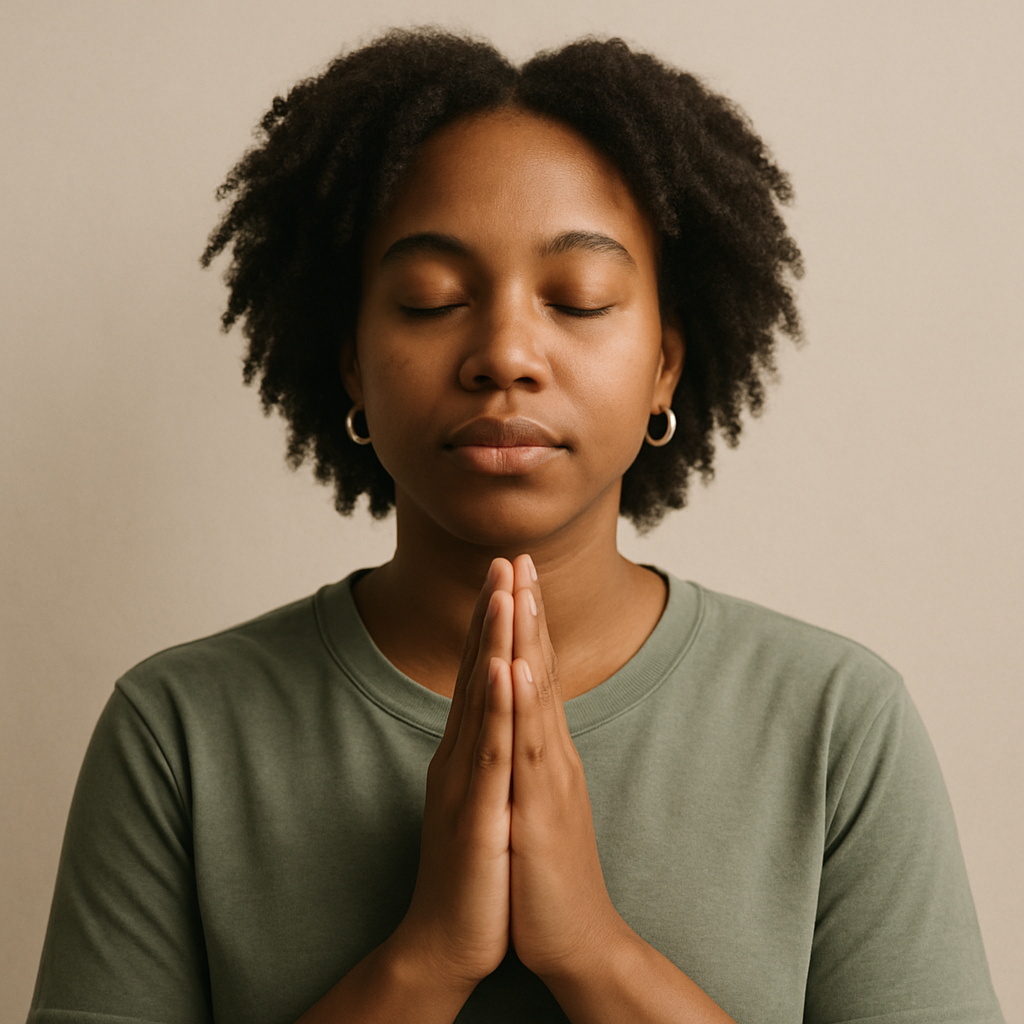
- Closing: The ritual concludes with gratitude expressed to the energies and spirits involved, often followed by a period of reflection or meditation.
What It Is Traditionally Explored For
Energy rituals are traditionally used for a variety of purposes, including:
- Restoration of physical health and vitality
- Emotional healing and stress relief
- Spiritual growth and enlightenment
- Enhancing intuition and personal insight
- Fostering community and social bonds
While these practices are rooted in tradition, individuals often seek them out for personal empowerment and to achieve a deeper understanding of their life’s purpose.
What Modern Research Suggests
Modern scientific research into energy practices, including those found in African Traditional Medicine, is still in its early stages. Some preliminary studies suggest that practices involving energy work may contribute to improved mental and emotional well-being. For instance, certain studies have indicated that energy-based therapies can help reduce anxiety and enhance overall quality of life.
However, it is essential to approach these findings with caution. Much of the existing research lacks rigorous methodology or large sample sizes, making it difficult to draw definitive conclusions. As the field of complementary and alternative medicine continues to evolve, further studies are needed to thoroughly understand the implications and effectiveness of energy rituals.
Safety, Contraindications & Who Should Skip
While energy rituals are generally considered safe, individuals with specific health conditions or those who are pregnant should consult with a healthcare professional before participating. Caution is advised for:
- Individuals with severe mental health issues
- Those undergoing significant medical treatment
- Pregnant women without guidance from a qualified practitioner
It is important to recognize that energy rituals are not a substitute for conventional medical treatment, and individuals should always seek professional medical advice for serious health concerns.
Pairs Well With (within African Traditional Medicine and across pillars)
Energy rituals can be complemented by various practices and ingredients, enhancing their effectiveness:
- Herbal remedies, such as moringa and baobab
- Other modalities like herbal medicine and spiritual guidance
- Physical practices such as dance and drumming
- Mindfulness and meditation techniques
How to Find a Qualified Practitioner
To find a qualified practitioner of energy rituals, consider the following steps:
- Seek recommendations from trusted sources or community members familiar with African Traditional Medicine.
- Research local practitioners, ensuring they have a background in traditional healing and energy work.
- Assess their credentials and experience, including any training in relevant practices.
- Arrange an initial consultation to discuss your needs and gauge their approach.
Building a rapport with a practitioner is essential, as it fosters trust and openness, which are vital for the effectiveness of energy rituals.
FAQs (5)
1. What are energy rituals?
Energy rituals are practices within African Traditional Medicine focused on balancing and harnessing life forces to promote healing and well-being.
2. How long do energy rituals typically last?
The duration of energy rituals can vary, often ranging from a few minutes to several hours, depending on the specific practice and the needs of the participants.
3. Can anyone participate in energy rituals?
While many individuals can benefit from energy rituals, those with specific health concerns should consult a healthcare professional before participating.
4. Are energy rituals supported by scientific research?
Some preliminary research suggests potential benefits of energy practices, but more rigorous studies are needed to establish conclusive evidence.
5. How can I find a qualified practitioner?
To find a qualified practitioner, seek recommendations, research local options, and assess their credentials and experience in energy work.
Frequently asked
What are energy rituals?
Energy rituals are practices within African Traditional Medicine focused on balancing and harnessing life forces to promote healing and well-being.
How long do energy rituals typically last?
The duration of energy rituals can vary, often ranging from a few minutes to several hours, depending on the specific practice and the needs of the participants.
Can anyone participate in energy rituals?
While many individuals can benefit from energy rituals, those with specific health concerns should consult a healthcare professional before participating.
Are energy rituals supported by scientific research?
Some preliminary research suggests potential benefits of energy practices, but more rigorous studies are needed to establish conclusive evidence.
How can I find a qualified practitioner?
To find a qualified practitioner, seek recommendations, research local options, and assess their credentials and experience in energy work.