Therapeutic Stretching
Discover the fundamentals of therapeutic stretching, its benefits, and how it contributes to physical well-being.

Explore the benefits of therapeutic stretching, its historical uses, modern research insights, and how it supports overall health.
What It Is
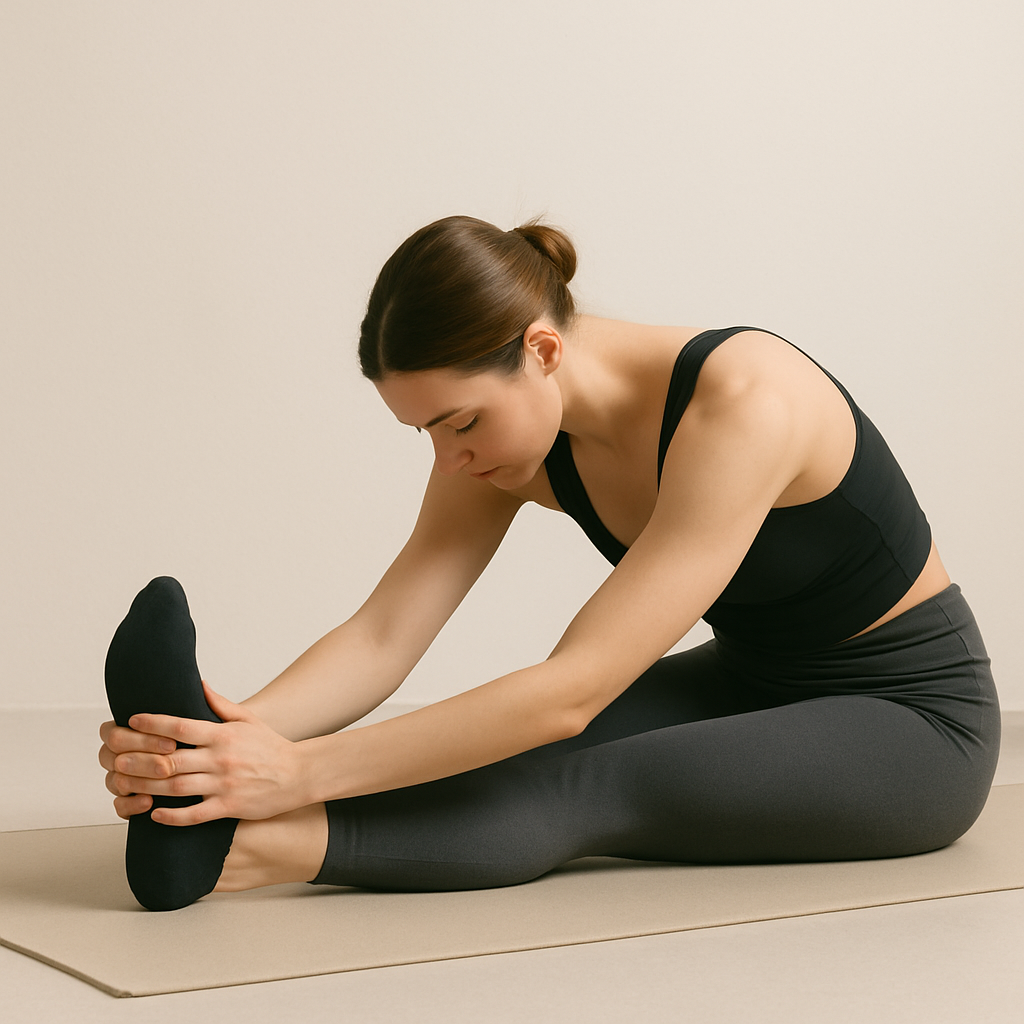
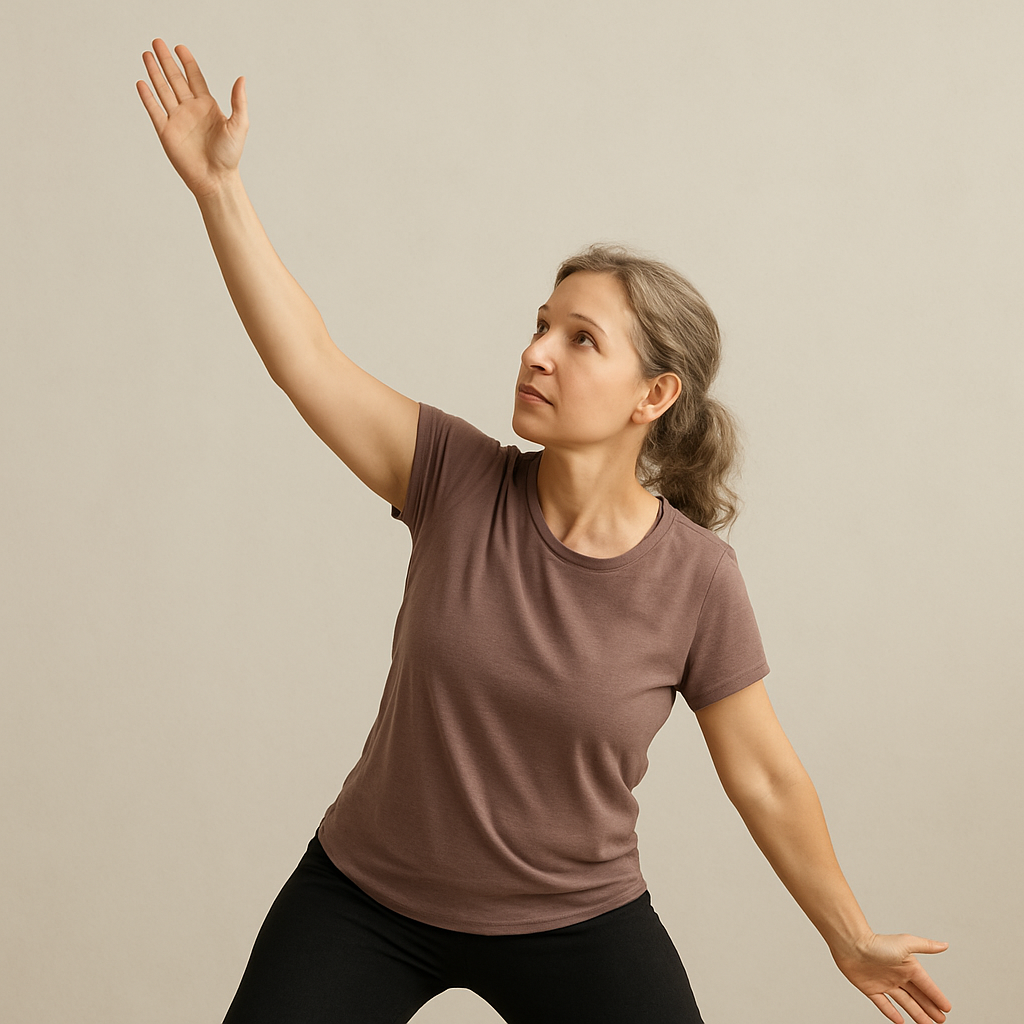
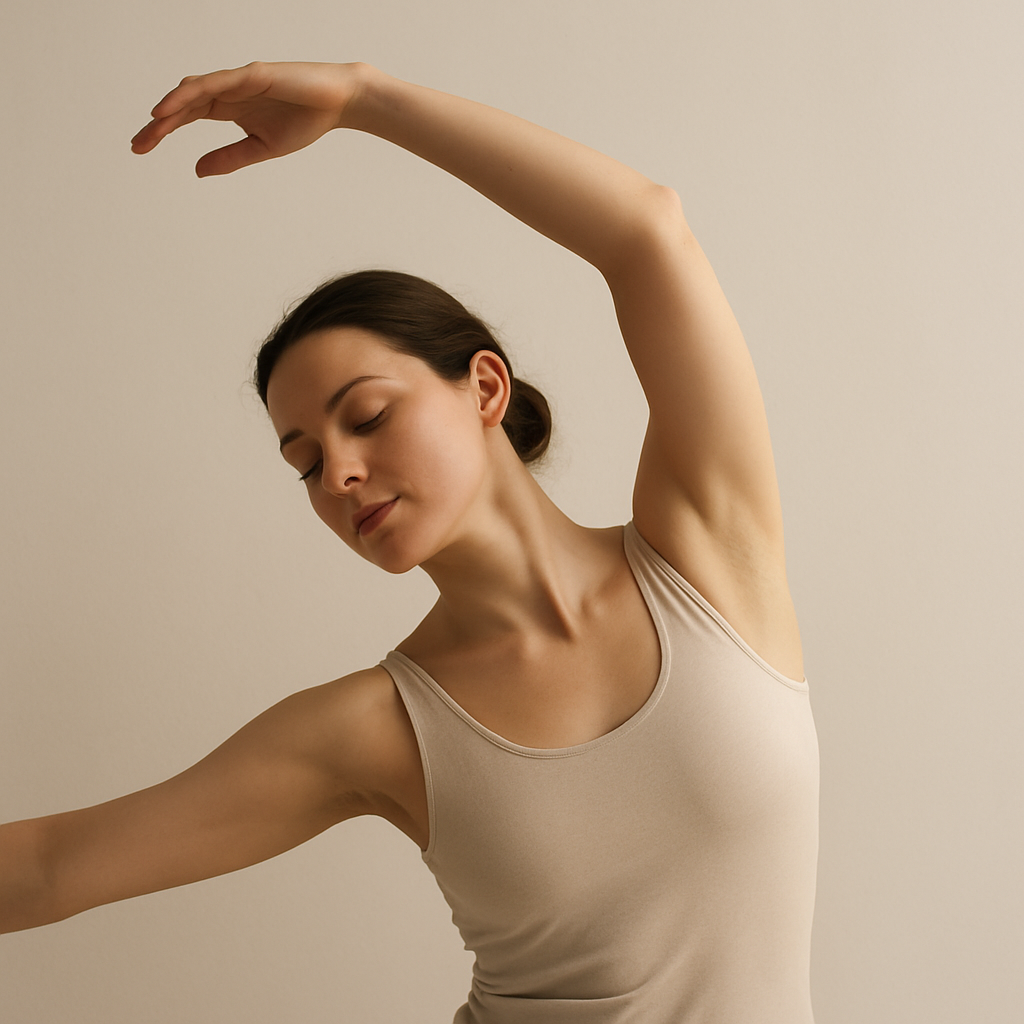
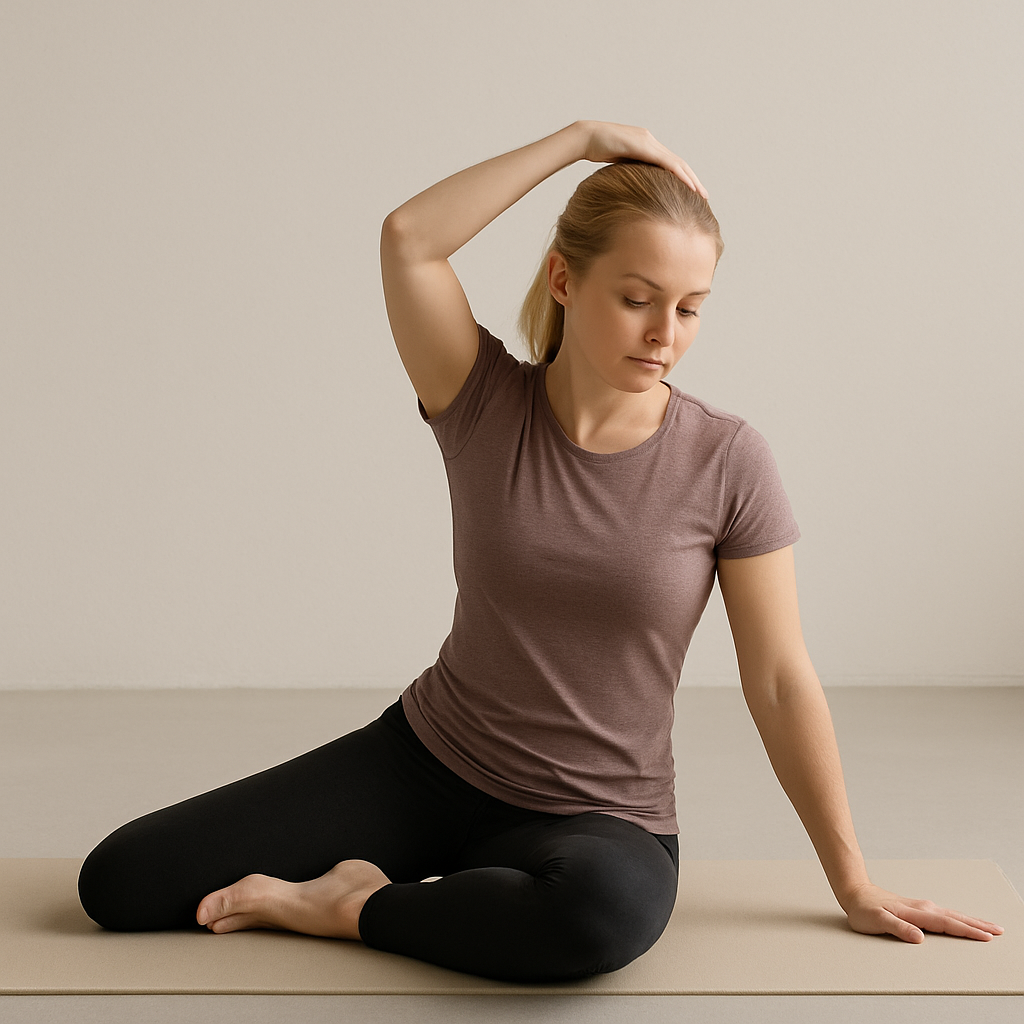
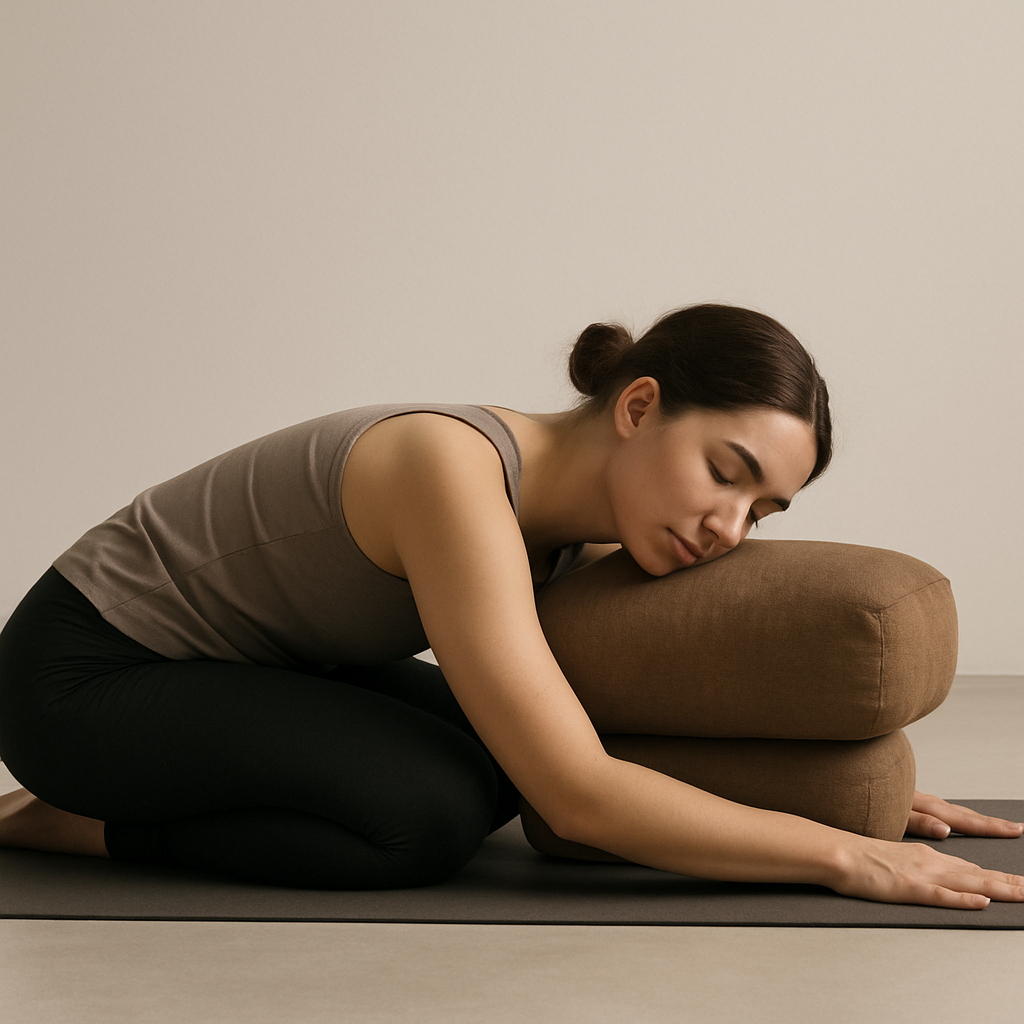
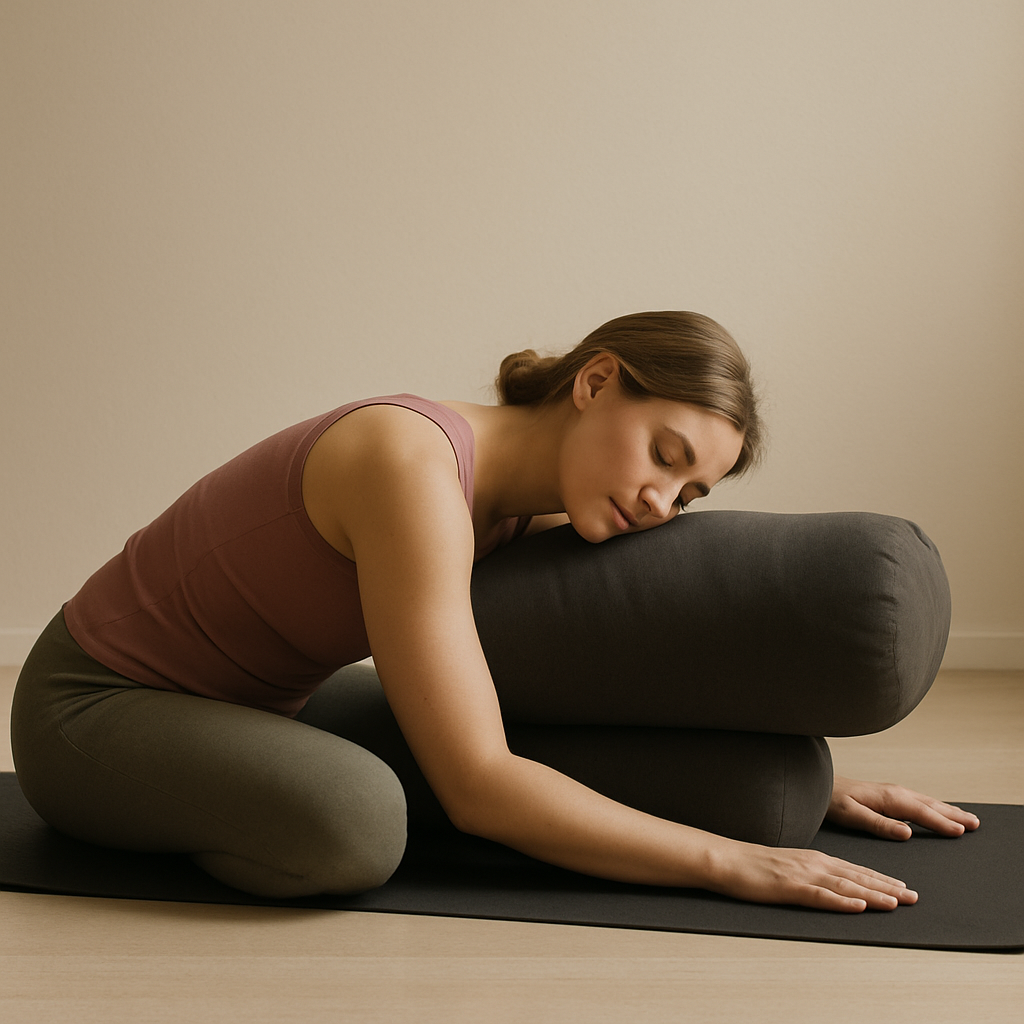
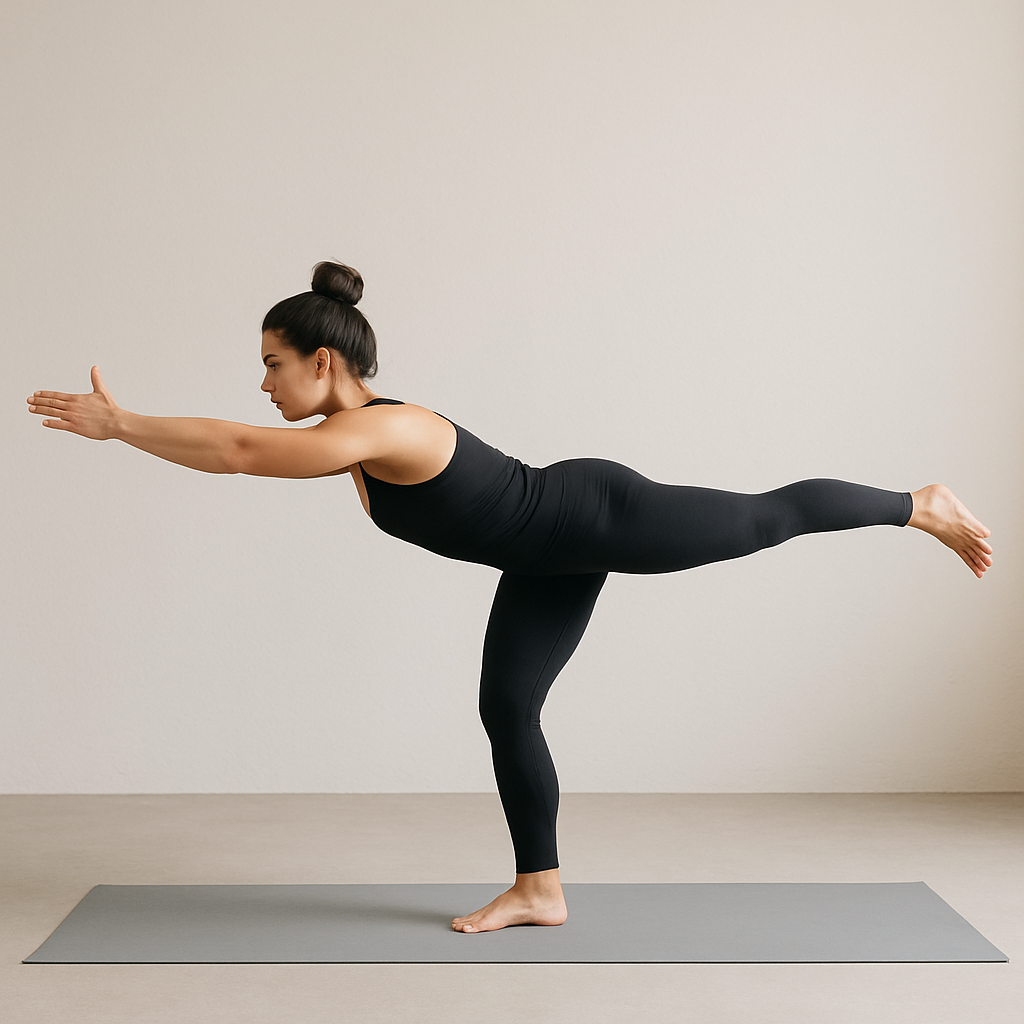
Therapeutic stretching refers to a set of techniques designed to improve flexibility, range of motion, and overall physical performance. It is often incorporated into various movement modalities, including yoga and physical therapy, to promote relaxation, reduce muscle tension, and enhance recovery. Therapeutic stretching can involve static stretches, dynamic stretches, and facilitated stretches, each serving distinct purposes in maintaining and improving physical health.
Key Active Compounds & Mechanisms
Unlike herbal remedies, therapeutic stretching does not involve active compounds in a biochemical sense. Instead, its effectiveness is derived from mechanical and neurological mechanisms. Stretching enhances blood flow to muscles and connective tissues, facilitating nutrient delivery and waste removal. It also activates proprioceptors, which help the body sense its position and movement, ultimately improving coordination and balance.
Traditional Uses
Historically, stretching practices can be traced back to ancient cultures. In India, yoga has incorporated stretching for thousands of years, aiming to harmonize the body and mind. Ancient Greek athletes were known to utilize stretching techniques to enhance performance and prevent injuries. Across various cultures, stretching has been employed as a method of preparing the body for physical activity, aiding in recovery, and promoting overall well-being.
What Modern Research Suggests
Modern research on therapeutic stretching has yielded mixed results, with some studies highlighting its benefits for increasing flexibility and reducing muscle soreness post-exercise. A systematic review from 2021 indicated that both static and dynamic stretching can enhance range of motion, although the timing and type of stretching may affect performance outcomes. It is essential to note that while stretching can be beneficial, it should be combined with other forms of exercise and not relied upon as a sole method for injury prevention.
Functional Actions
The functional actions of therapeutic stretching include:
- Increased Flexibility: Regular stretching can lengthen muscles and increase joint flexibility.
- Improved Circulation: Stretching promotes blood flow, delivering oxygen and nutrients to tissues.
- Enhanced Performance: Athletes often use stretching to prepare muscles for activity, potentially improving performance.
- Stress Relief: Stretching promotes relaxation by reducing muscle tension and encouraging mindfulness.
- Injury Prevention: Proper stretching techniques can help reduce the risk of strains and sprains.
Body Systems Supported
Therapeutic stretching primarily supports the following body systems:
- Musculoskeletal System: Enhances flexibility and range of motion in muscles and joints.
- Circulatory System: Promotes blood flow and nutrient delivery to muscles.
- Nervous System: Improves proprioception and body awareness, contributing to better coordination.
Common Forms & Educational Dosing Ranges
Therapeutic stretching can be performed in various forms, including:
- Static Stretching: Holding a stretch for 15-60 seconds to increase muscle length.
- Dynamic Stretching: Moving through a full range of motion, often as part of a warm-up routine.
- PNF Stretching: Proprioceptive Neuromuscular Facilitation involves a combination of stretching and contracting the muscle.
For educational dosing ranges, it is generally recommended to incorporate stretching into your routine 2-3 times per week, focusing on major muscle groups.
Safety, Contraindications & Interactions
While therapeutic stretching is generally safe, certain precautions should be taken:
- Individuals with acute injuries, severe muscle strains, or recent surgeries should consult a healthcare professional before starting any stretching regimen.
- People with certain conditions, such as hypermobility syndromes, may need to avoid certain stretches to prevent injury.
- Stretching should be approached with caution in conjunction with medications that affect muscle tone or nerve function, such as muscle relaxants or anticonvulsants.
Pairs Well With
Therapeutic stretching pairs well with:
- Yoga: Integrating stretches into yoga practice enhances overall flexibility and mindfulness.
- Strength Training: Balancing strength training with stretching can improve performance and reduce the risk of injury.
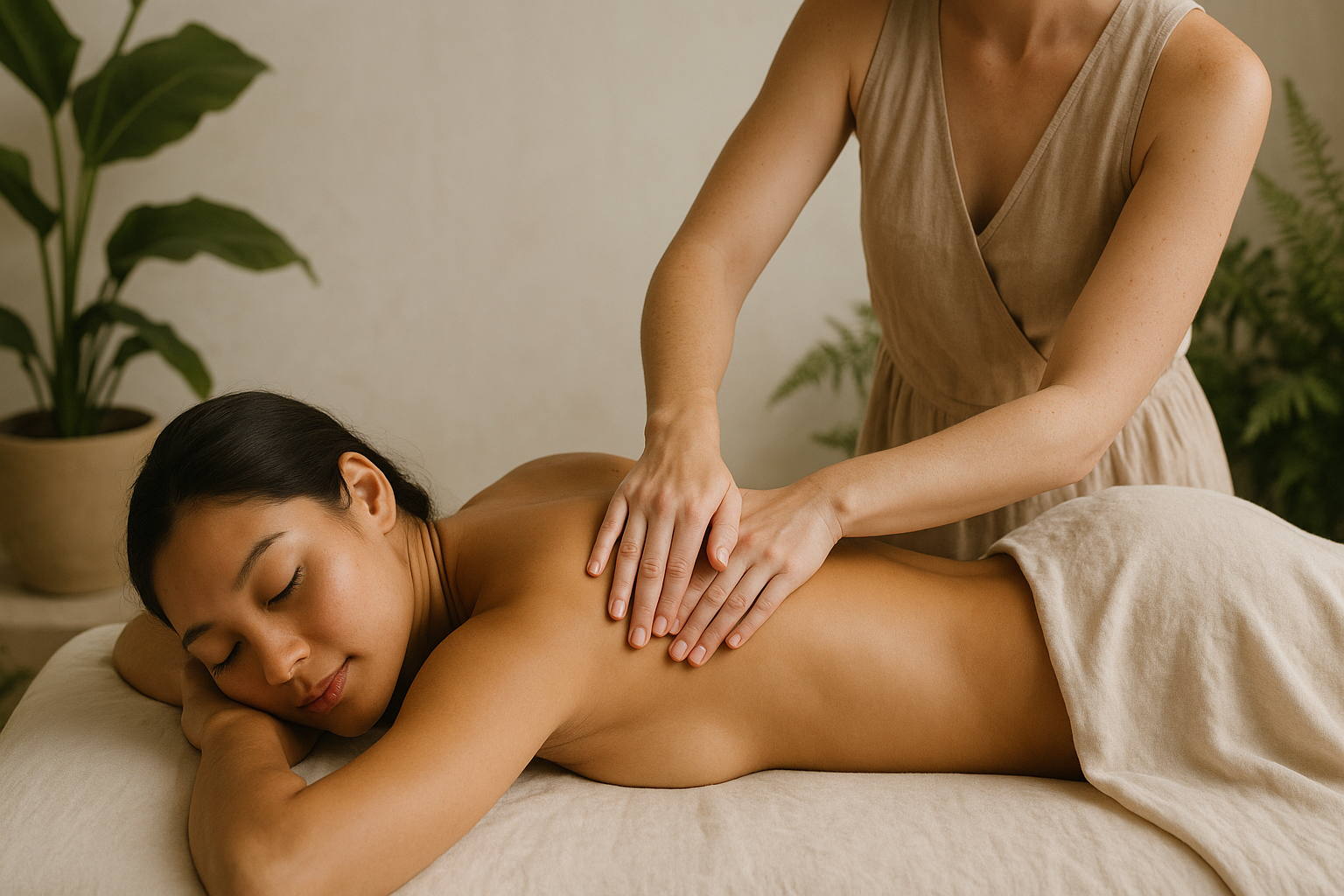
- Massage Therapy: Combining stretching with massage can help release muscle tension and improve recovery.
FAQs (5)
- 1. How often should I incorporate therapeutic stretching into my routine? It is recommended to stretch 2-3 times per week, focusing on major muscle groups.
- 2. Can stretching help with muscle soreness? Yes, therapeutic stretching may help reduce muscle soreness when performed after exercise.
- 3. Is there a best time to stretch? Stretching can be beneficial both before and after workouts, depending on the type of stretch performed.
- 4. Can anyone practice therapeutic stretching? Generally, yes, but individuals with specific injuries or conditions should consult a healthcare professional first.
- 5. Can therapeutic stretching improve athletic performance? Yes, it can enhance flexibility and range of motion, which may contribute to improved performance.
Frequently asked
How often should I incorporate therapeutic stretching into my routine?
It is recommended to stretch 2-3 times per week, focusing on major muscle groups.
Can stretching help with muscle soreness?
Yes, therapeutic stretching may help reduce muscle soreness when performed after exercise.
Is there a best time to stretch?
Stretching can be beneficial both before and after workouts, depending on the type of stretch performed.
Can anyone practice therapeutic stretching?
Generally, yes, but individuals with specific injuries or conditions should consult a healthcare professional first.
Can therapeutic stretching improve athletic performance?
Yes, it can enhance flexibility and range of motion, which may contribute to improved performance.