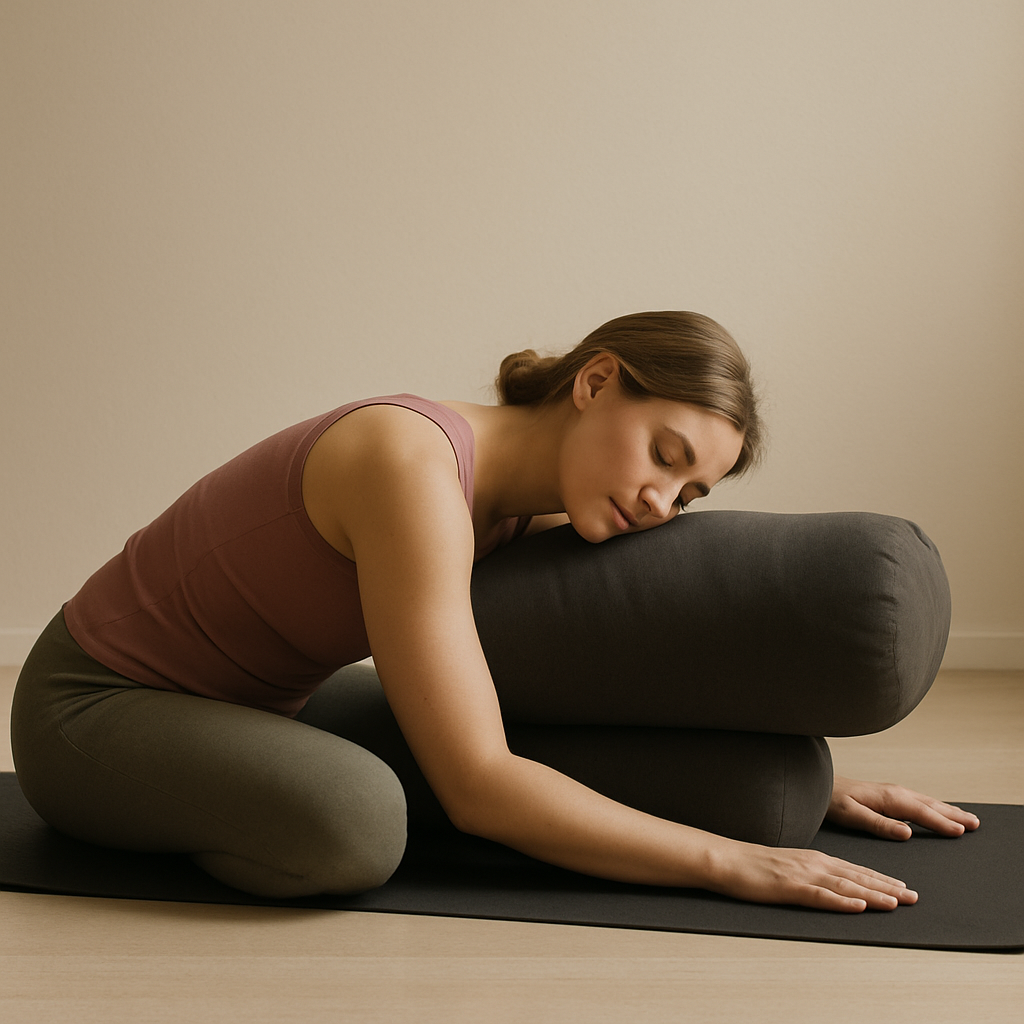
Functional Mobility
Discover how functional mobility practices can improve your physical health and overall well-being through yoga and movement therapy.

Explore the world of functional mobility through yoga and movement therapy to enhance physical well-being and flexibility.
What It Is
Functional mobility refers to the ability to move freely and easily in everyday activities. It encompasses a range of movements that support physical tasks—like bending, reaching, and walking—that are essential for daily living. This concept is crucial in yoga and movement therapy, where practitioners focus on enhancing mobility through mindful movement, flexibility, strength, and balance.
Key Active Compounds & Mechanisms
While functional mobility itself does not involve specific compounds, the practice of yoga and movement therapy can be enhanced by understanding the role of certain active components in the body, such as:
- Muscle fibers: Slow-twitch and fast-twitch fibers play significant roles in endurance and strength, impacting mobility.
- Connective tissues: Tendons and ligaments provide support and elasticity, essential for fluid movement.
- Neurotransmitters: Chemicals like serotonin and dopamine can influence muscle function and coordination.
Traditional Uses
Historically, functional mobility has been a key aspect of various traditional practices around the world. In ancient cultures, such as those in India, yoga has been used not only as a spiritual practice but also as a means to maintain physical health and functional mobility. Movement therapies have been utilized in Traditional Chinese Medicine (TCM) with practices like Tai Chi, which emphasizes slow, controlled movements to improve balance and flexibility.
What Modern Research Suggests
Contemporary studies have increasingly supported the benefits of yoga and movement therapy on functional mobility. Research indicates that regular participation in these practices can:
- Enhance flexibility and range of motion.
- Improve balance and coordination.
- Reduce the risk of falls in the elderly.
- Alleviate symptoms of chronic pain conditions.
While more research is needed to establish definitive outcomes, preliminary findings suggest that integrating these practices into daily routines can significantly benefit physical health.
Functional Actions
The functional actions associated with mobility-enhancing practices include:
- Stretching: Increases flexibility and range of motion.
- Strength training: Builds muscle to support joint stability.
- Balance exercises: Improves coordination and reduces fall risks.
- Mindfulness: Enhances body awareness, promoting safer movement.
Body Systems Supported
Functional mobility practices positively impact several body systems, including:
- Musculoskeletal system: Strengthens muscles and joints.
- Nervous system: Improves coordination and reaction times.
- Cardiovascular system: Enhances circulation and overall heart health.
- Endocrine system: Regulates hormones that influence metabolism and energy levels.
Common Forms & Educational Dosing Ranges
Functional mobility can be practiced through various forms, including:
- Yoga: Various styles such as Hatha, Vinyasa, and Yin Yoga.
- Physical therapy: Tailored exercises to improve mobility.
- Tai Chi: A gentle form of martial arts focusing on slow movement.
A typical recommendation for engaging in functional mobility practices is:
- At least 150 minutes of moderate aerobic activity or 75 minutes of vigorous activity weekly.
- Incorporating strength training at least two days per week.
Safety, Contraindications & Interactions
While yoga and movement therapies are generally safe, certain precautions should be taken:
- Individuals with specific injuries or conditions (e.g., severe arthritis, osteoporosis) should consult healthcare professionals before starting.
- Be cautious if taking medications that affect balance or coordination, such as sedatives or blood pressure medications.
- Pregnant individuals should seek guidance on safe practices tailored to their condition.
Pairs Well With
Functional mobility practices can be complemented by:
- Nutrition: A balanced diet supports muscle and joint health.
- Hydration: Staying hydrated maintains flexibility and performance.
- Mindfulness practices: Meditation can enhance mental focus and body awareness.
FAQs (5)
- What is functional mobility?
Functional mobility refers to the ability to perform everyday movements easily and efficiently.
- How can yoga improve my functional mobility?
Yoga enhances flexibility, strength, and balance, which are all crucial for maintaining functional mobility.
- What types of exercises improve mobility?
Stretching, strength training, and balance exercises are effective for improving mobility.
- Is there an age limit for practicing mobility exercises?
No, individuals of all ages can benefit from mobility exercises, though adaptations may be necessary for older adults.
- Can I practice mobility exercises if I have an injury?
It is essential to consult with a healthcare professional before starting any exercise regimen if you have an injury.
Frequently asked
What is functional mobility?
Functional mobility refers to the ability to perform everyday movements easily and efficiently.
How can yoga improve my functional mobility?
Yoga enhances flexibility, strength, and balance, which are all crucial for maintaining functional mobility.
What types of exercises improve mobility?
Stretching, strength training, and balance exercises are effective for improving mobility.
Is there an age limit for practicing mobility exercises?
No, individuals of all ages can benefit from mobility exercises, though adaptations may be necessary for older adults.
Can I practice mobility exercises if I have an injury?
It is essential to consult with a healthcare professional before starting any exercise regimen if you have an injury.