Meditative Yoga
Explore the benefits of meditative yoga, its historical roots, modern research findings, and how it supports physical and mental well-being.
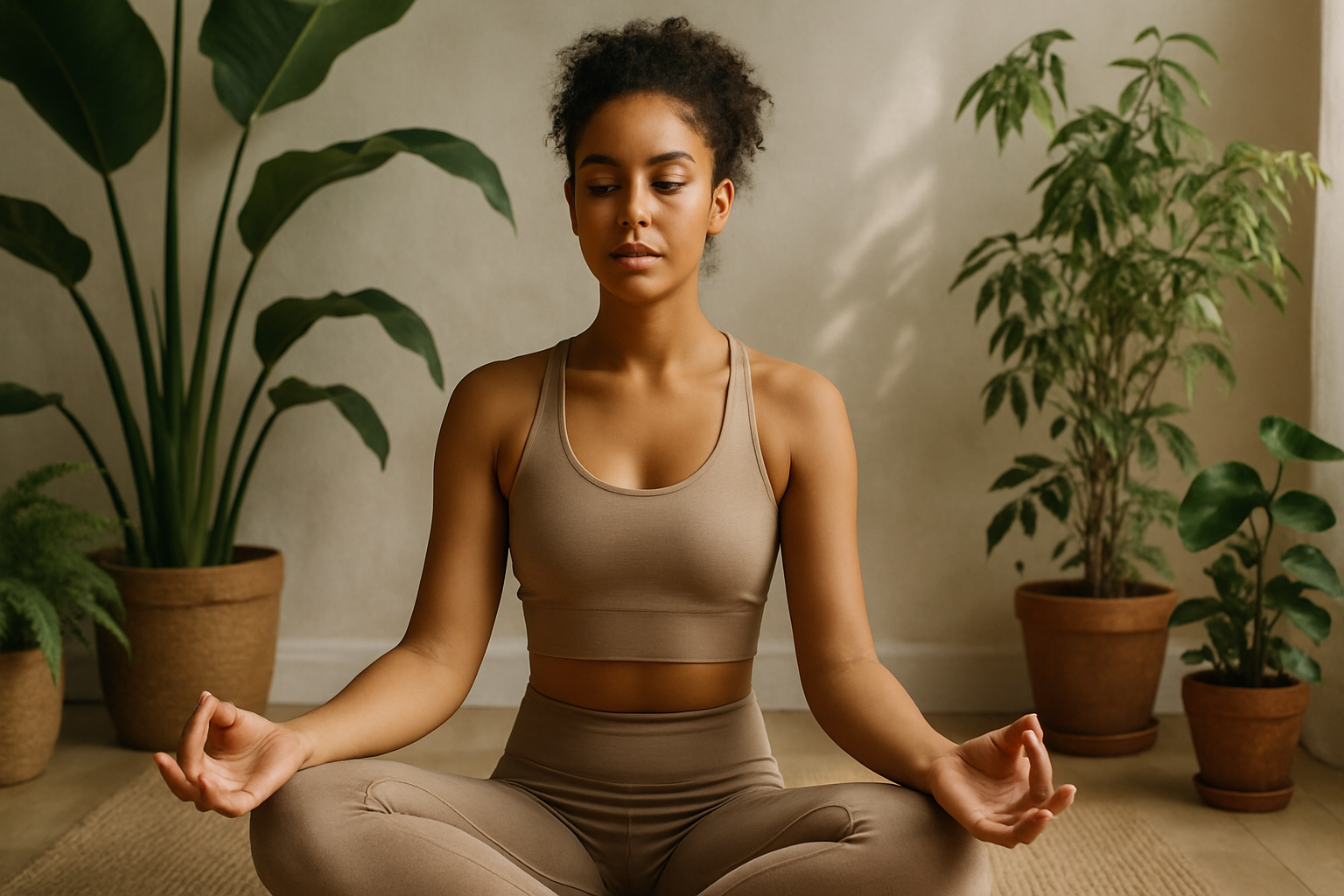
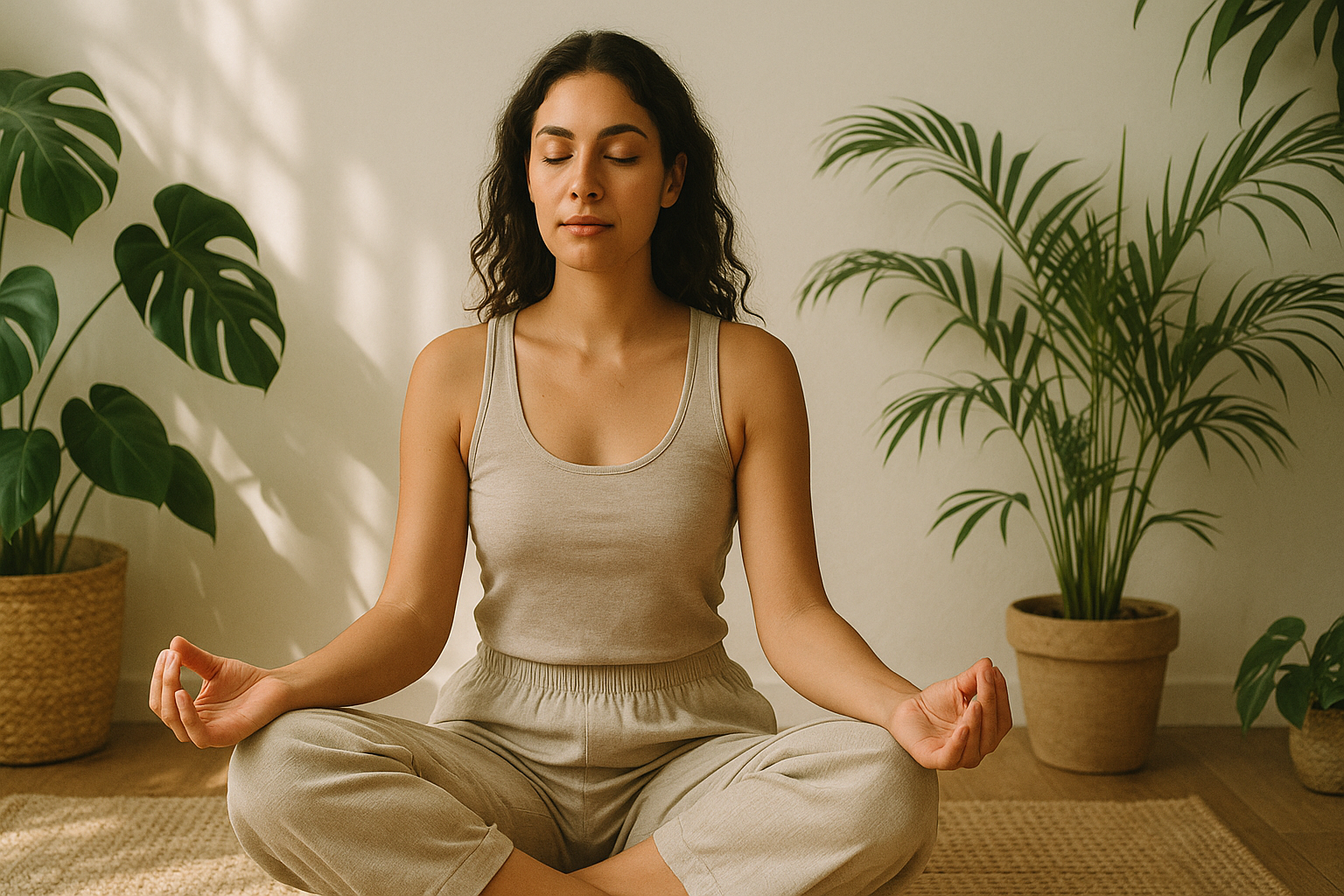
Meditative yoga combines traditional yoga practices with mindfulness and meditation techniques, promoting mental clarity, emotional stability, and physical well-being. This subcategory explores its definition, historical uses, modern research, and practical applications for enhancing holistic health.
What It Is
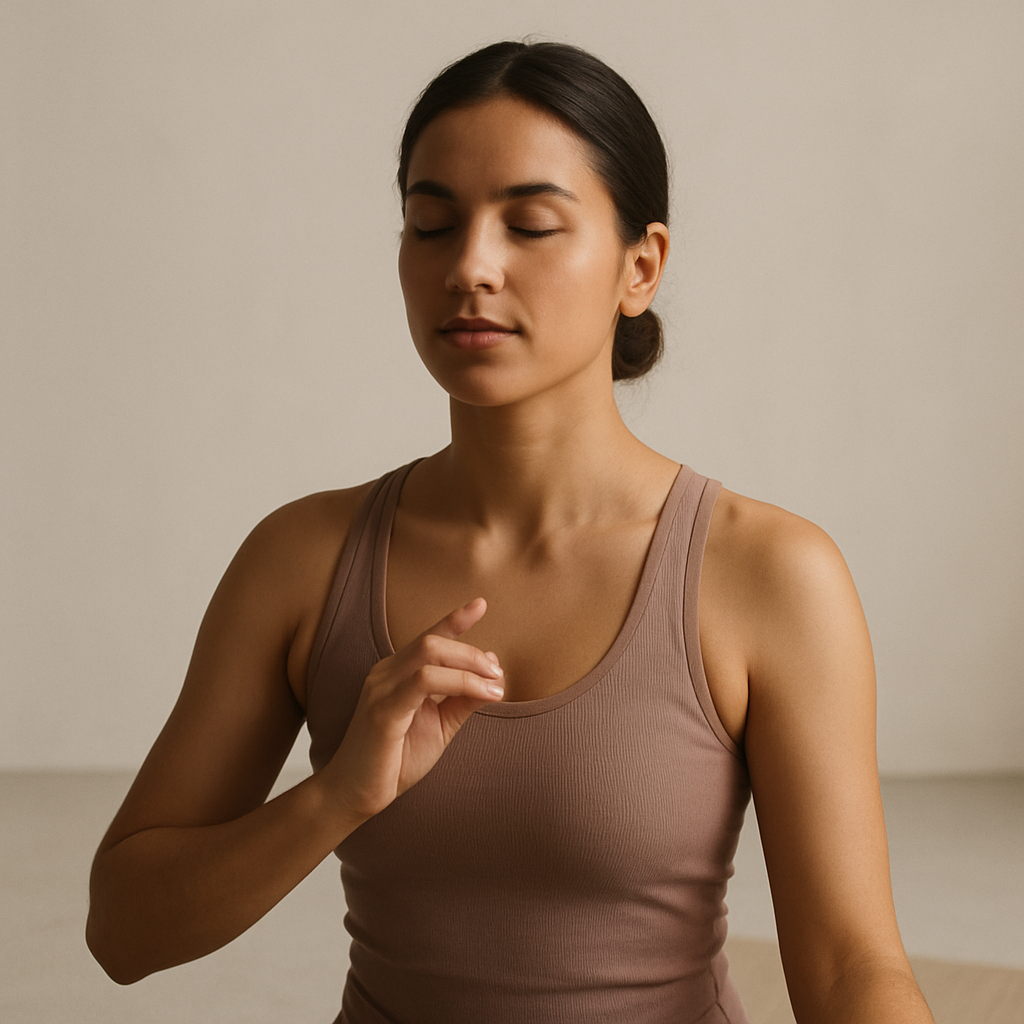
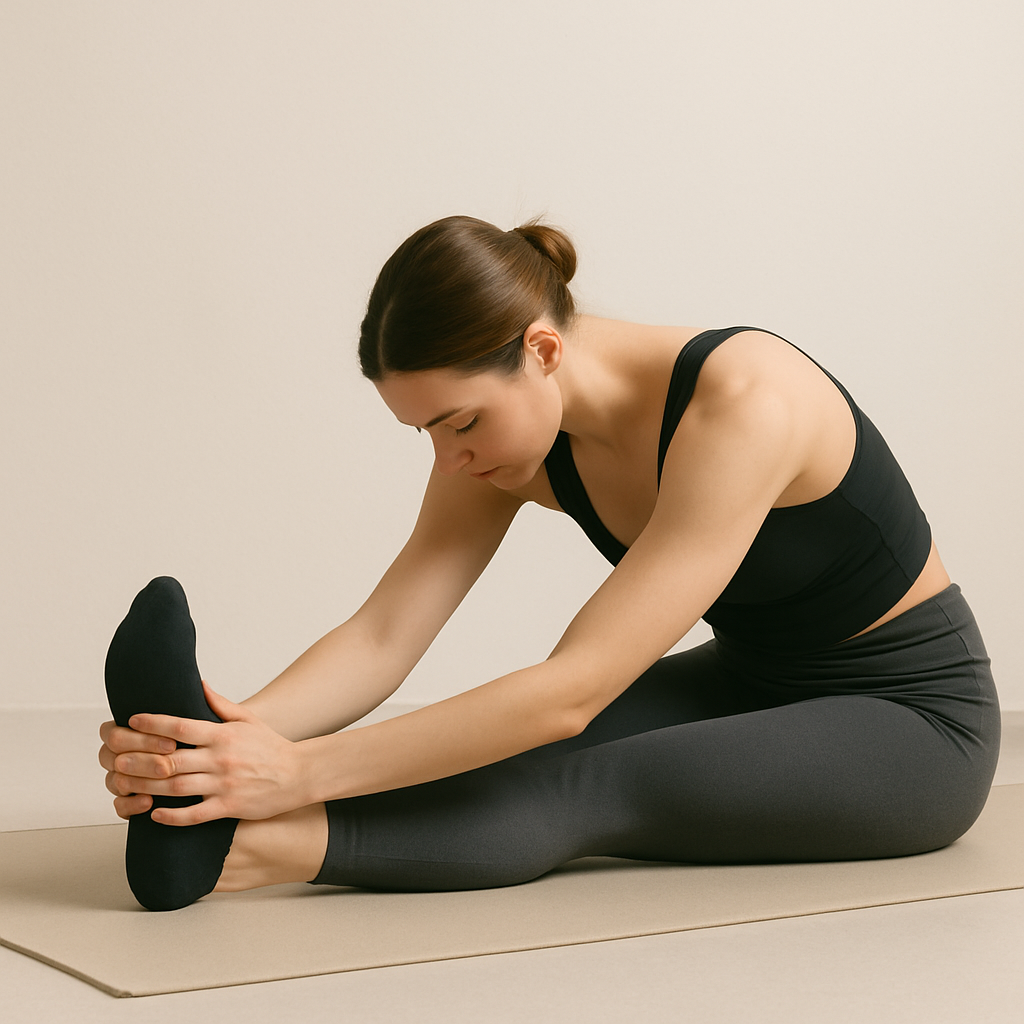
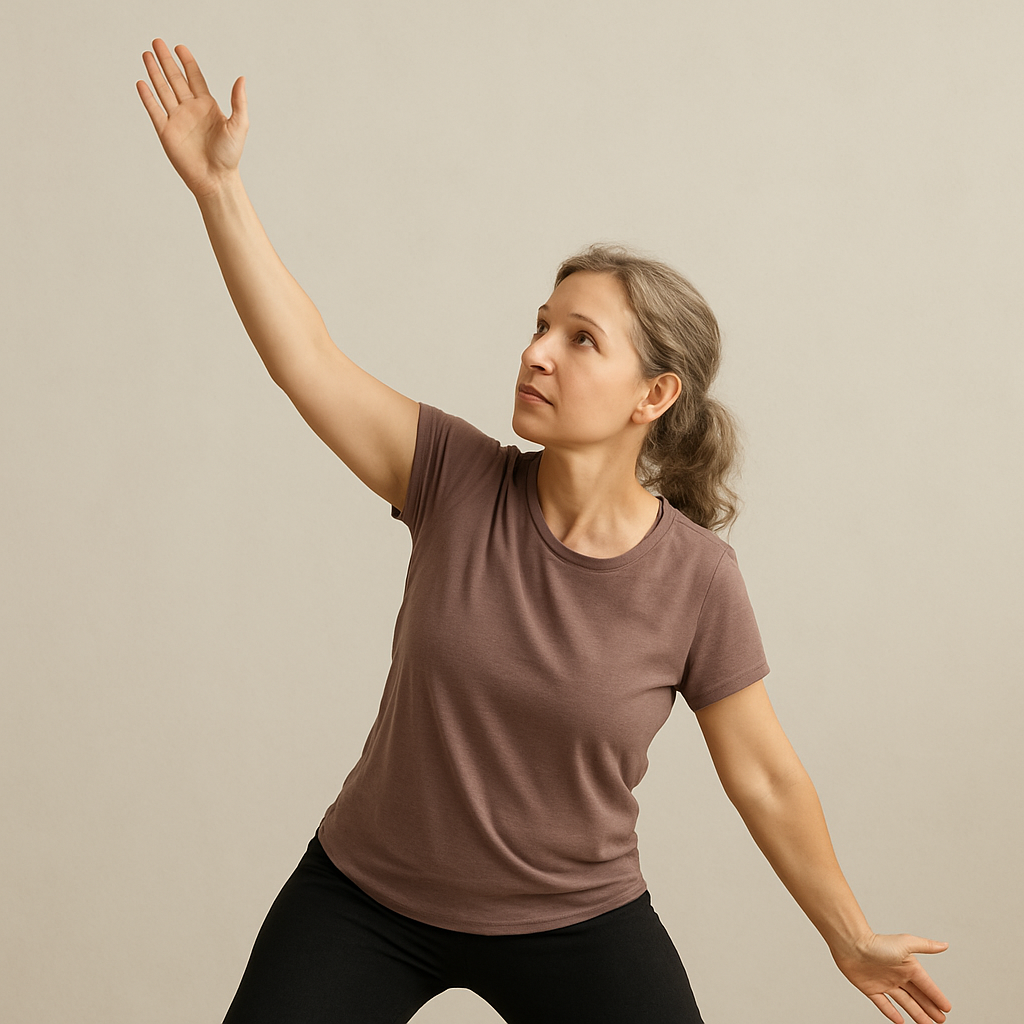
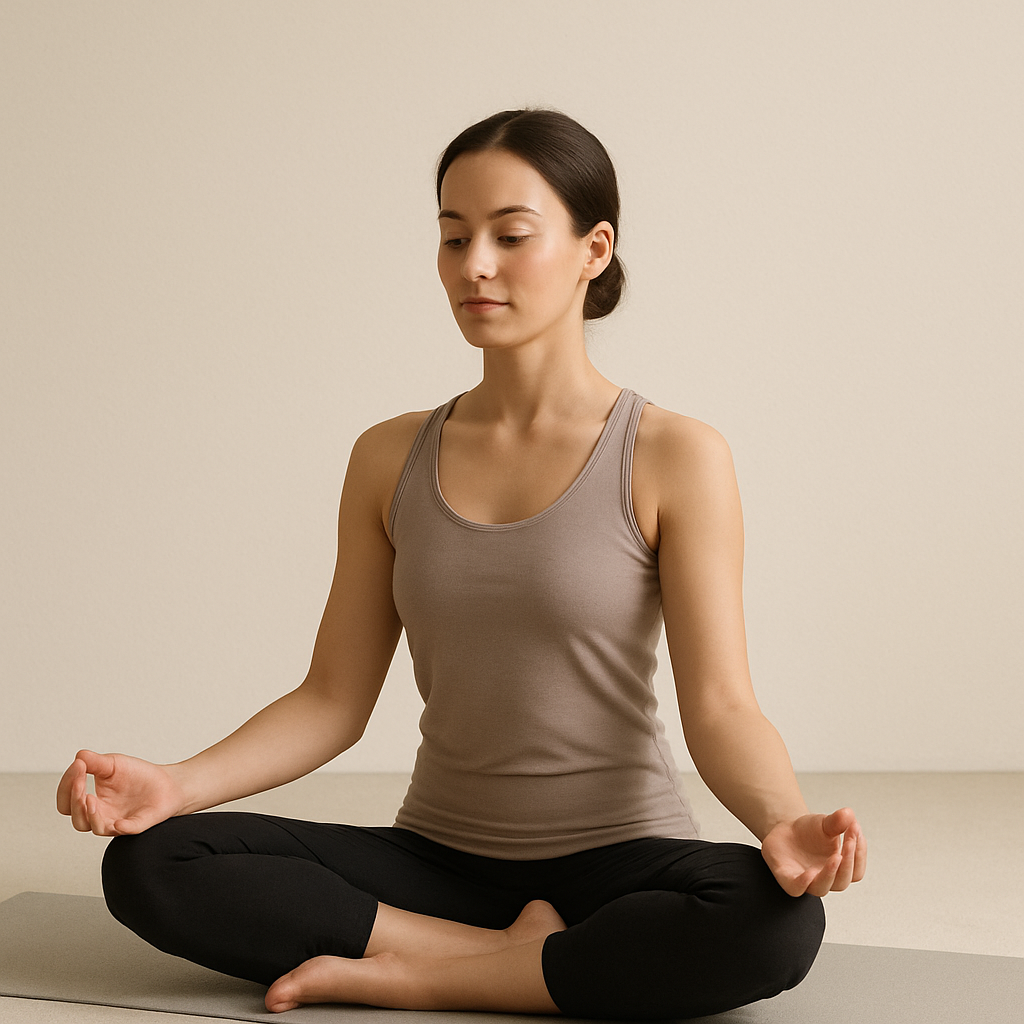
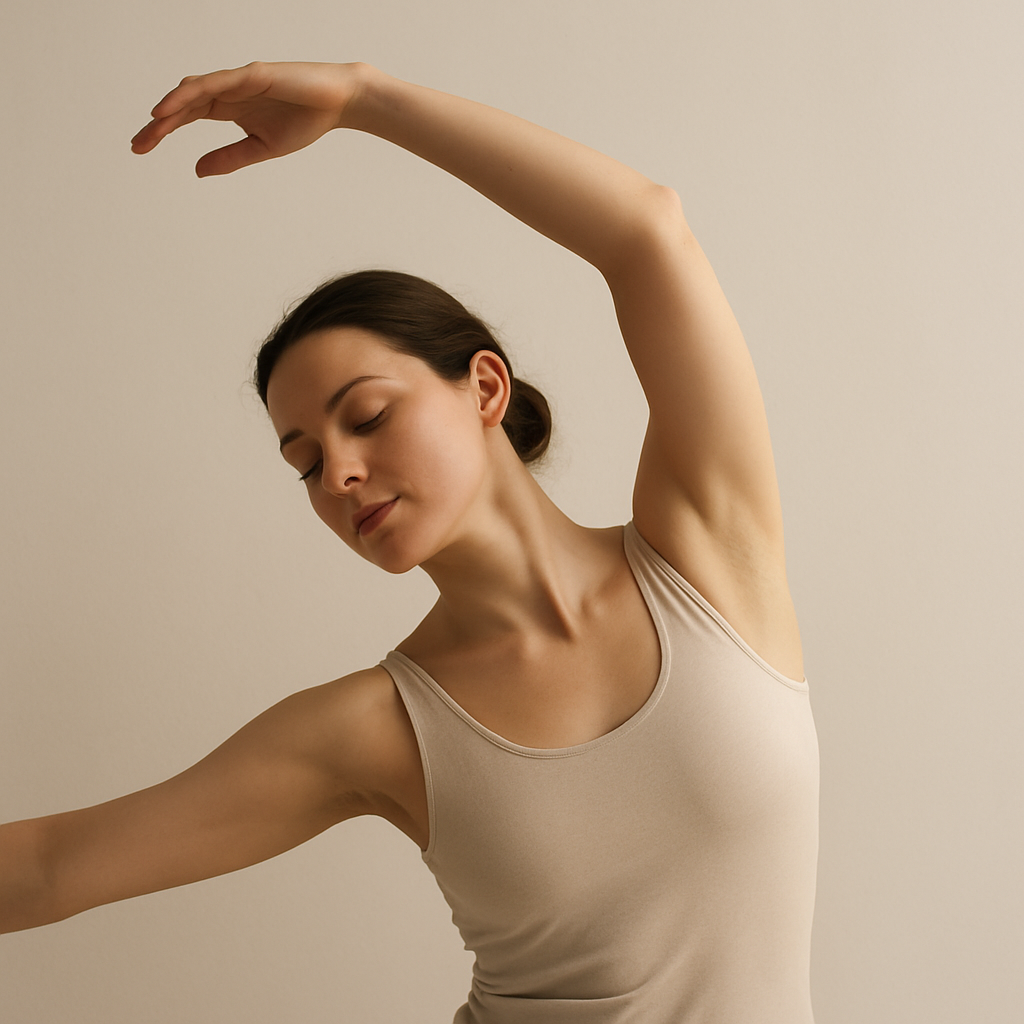
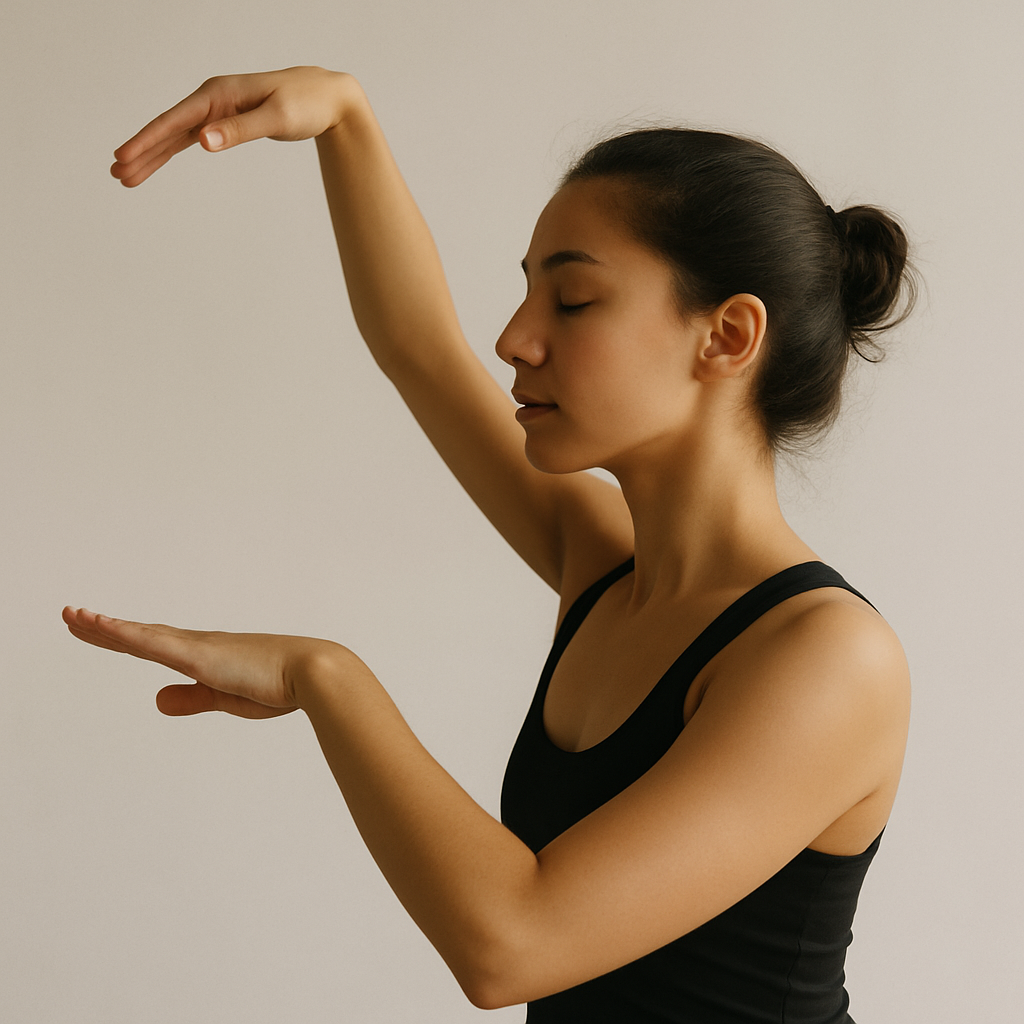
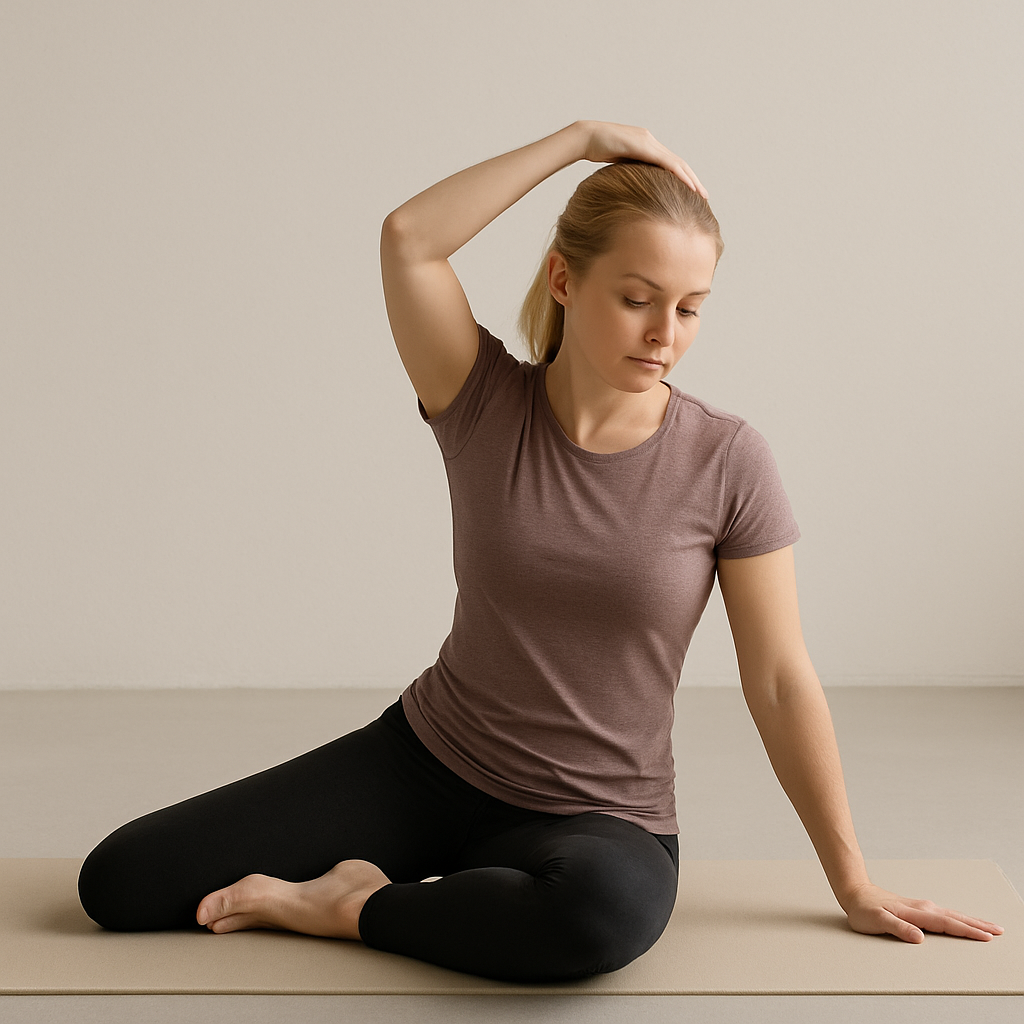
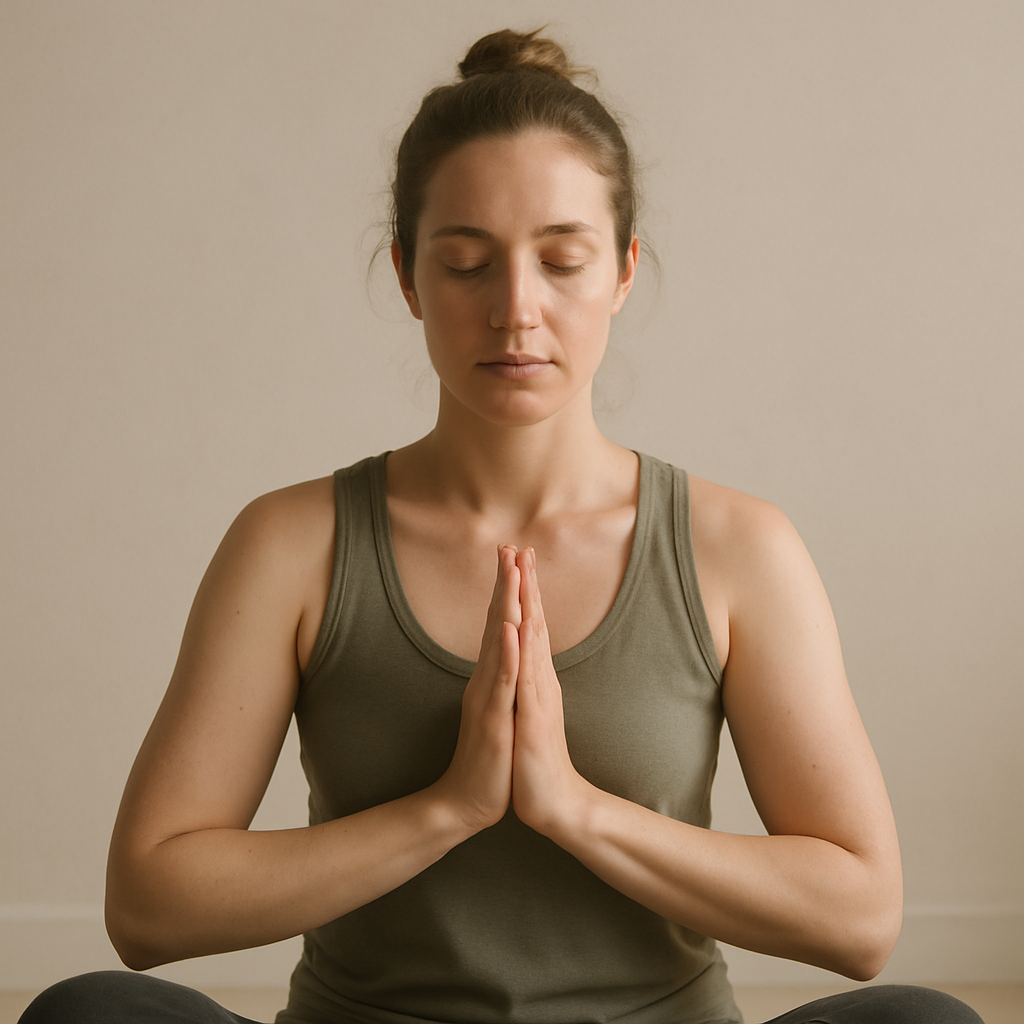
Meditative yoga is a holistic practice that integrates traditional yoga postures (asanas) with mindfulness and meditation techniques. The essence of meditative yoga lies in cultivating awareness and presence, allowing practitioners to connect deeply with their body and mind. This form of yoga emphasizes breath control (pranayama), meditation, and gentle movements to foster relaxation, reduce stress, and enhance spiritual growth.
Key Active Compounds & Mechanisms
While meditative yoga does not involve specific compounds like herbal remedies, its benefits can be attributed to various mechanisms that promote physical and mental health. These include:
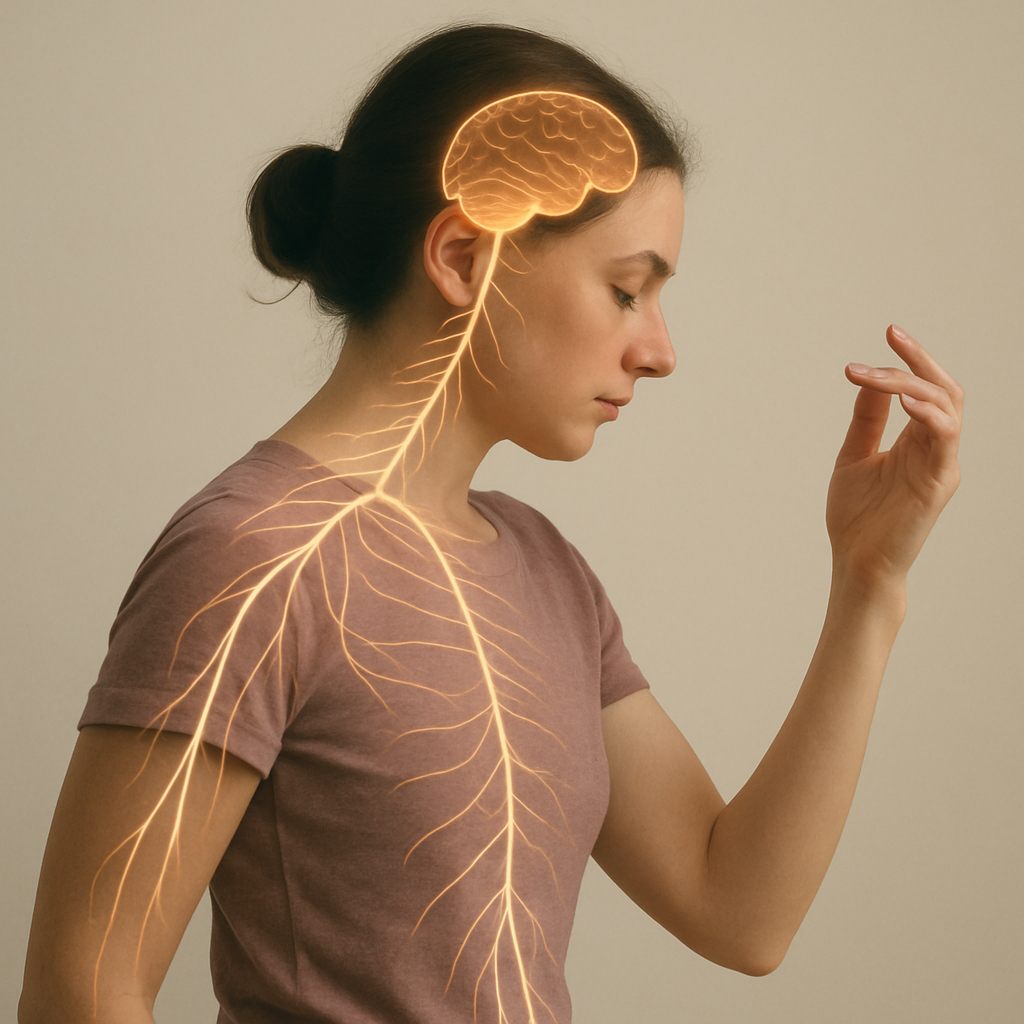
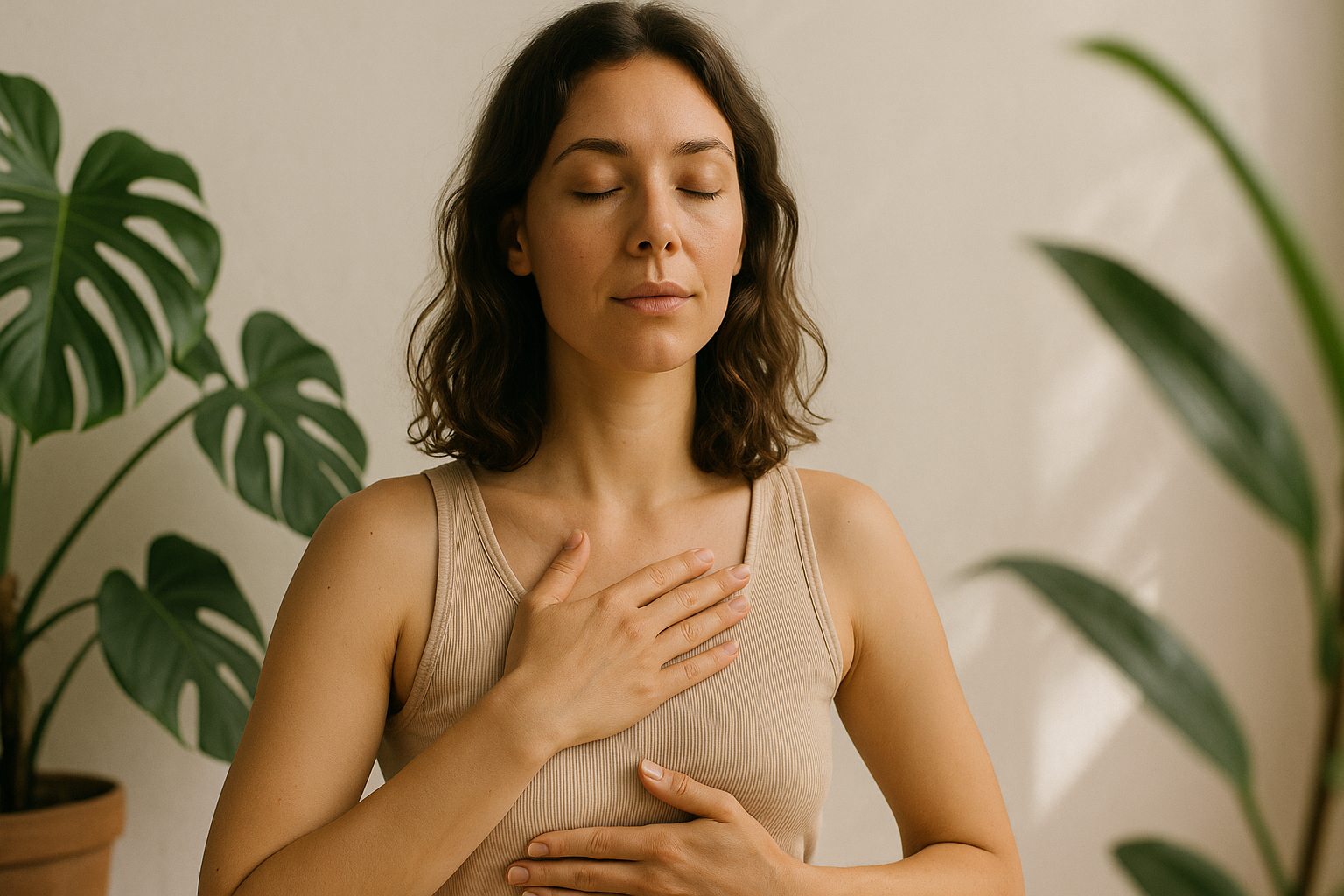
- Breath Regulation: Controlled breathing techniques enhance oxygen flow, stimulate the parasympathetic nervous system, and induce calmness.
- Mindfulness: Focusing on the present moment reduces anxiety and promotes emotional regulation.
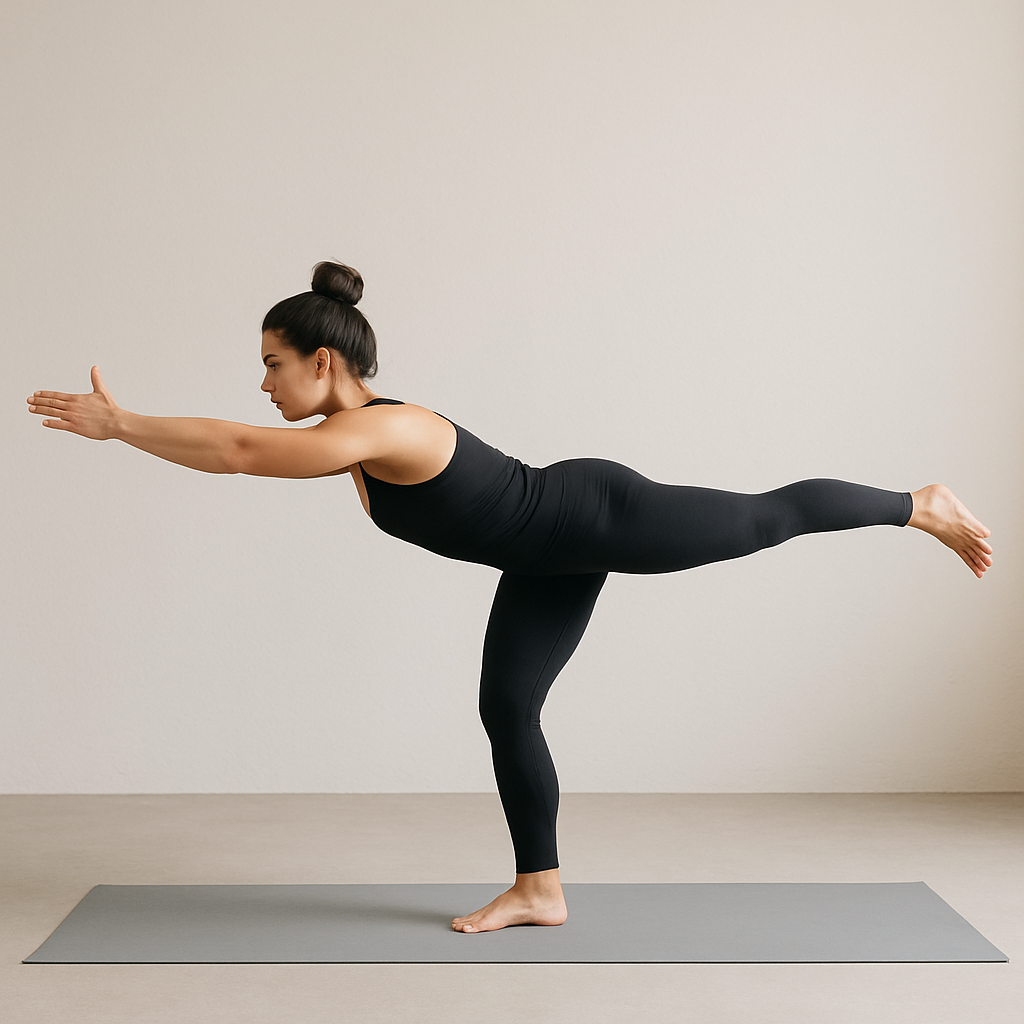
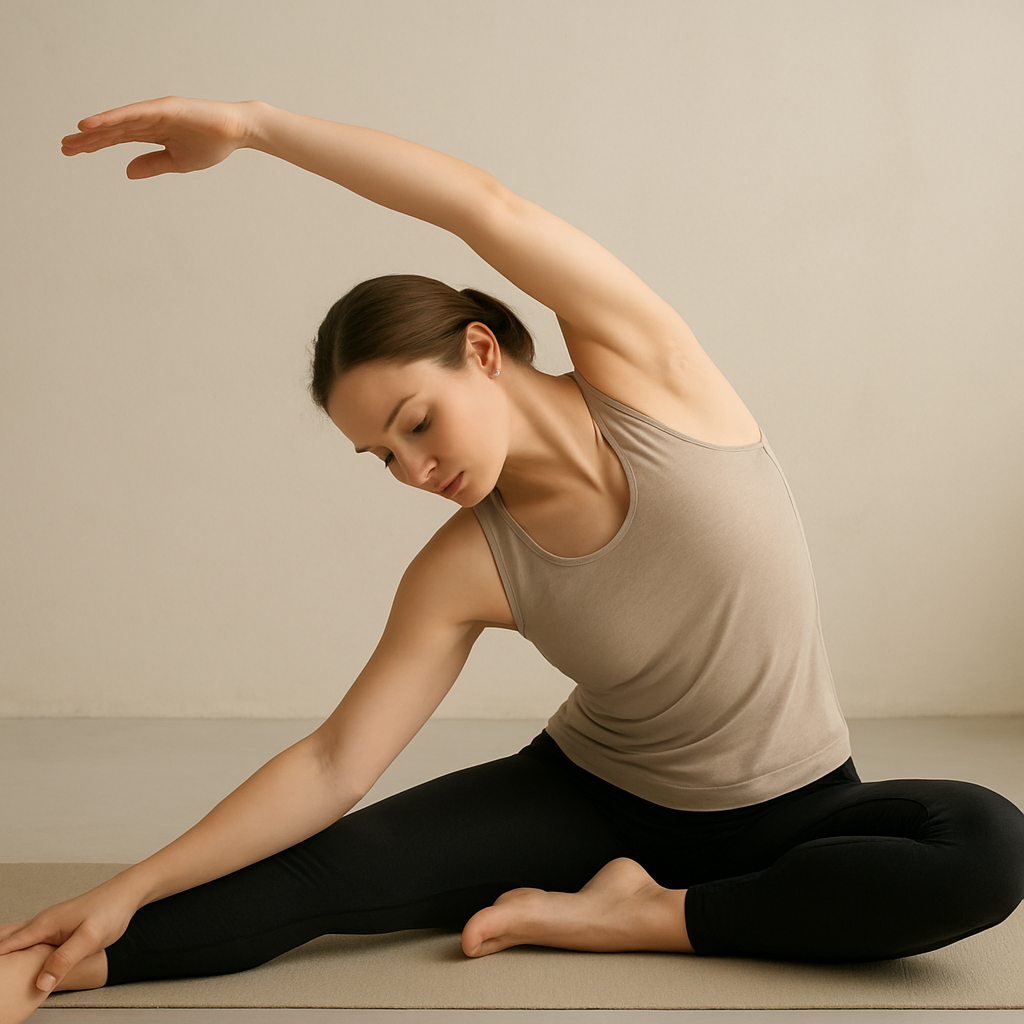
- Physical Movement: Gentle asanas improve flexibility, strength, and balance, contributing to overall physical health.
Traditional Uses
Historically, meditative yoga has its roots in ancient practices from India, where it was used as a spiritual discipline for centuries. The integration of meditation and yoga can be traced back to texts such as the Yoga Sutras of Patanjali, which outlines the eight limbs of yoga, including meditation (dhyana) and concentration (dharana). In various Eastern cultures, this practice was utilized not only for physical well-being but also for spiritual enlightenment and self-realization.
What Modern Research Suggests
Modern studies suggest that meditative yoga can have profound effects on mental and physical health. Research indicates benefits such as:
- Reduction in symptoms of anxiety and depression.
- Improvement in overall well-being and quality of life.
- Enhanced cognitive function and memory.
While further studies are needed for conclusive evidence, preliminary findings support the integration of meditative yoga into wellness routines.
Functional Actions
Meditative yoga offers several functional actions that benefit both the mind and body, including:
- Stress Reduction: Promotes relaxation and lowers cortisol levels.
- Enhanced Focus: Improves concentration and mental clarity through mindfulness.
- Emotional Balance: Facilitates emotional release and stability.
Body Systems Supported
This practice supports multiple body systems, including:
- Nervous System: Enhances relaxation and reduces stress responses.
- Musculoskeletal System: Improves flexibility, strength, and posture.
- Cardiovascular System: Promotes heart health through improved circulation and lower blood pressure.
Common Forms & Educational Dosing Ranges
Meditative yoga can be practiced in various forms, including:
- Hatha Yoga: Focuses on physical postures and breath control.
- Vinyasa Yoga: Links movement with breath in a flow sequence.
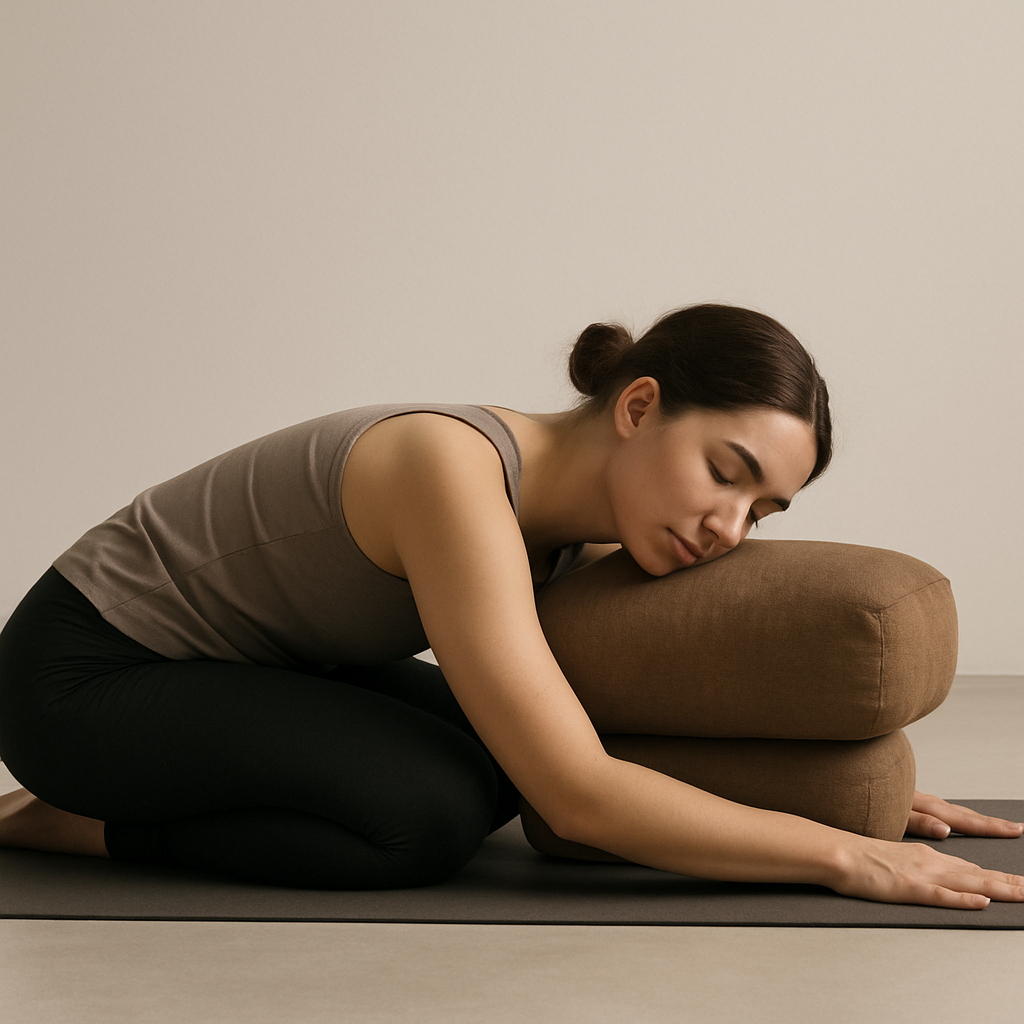
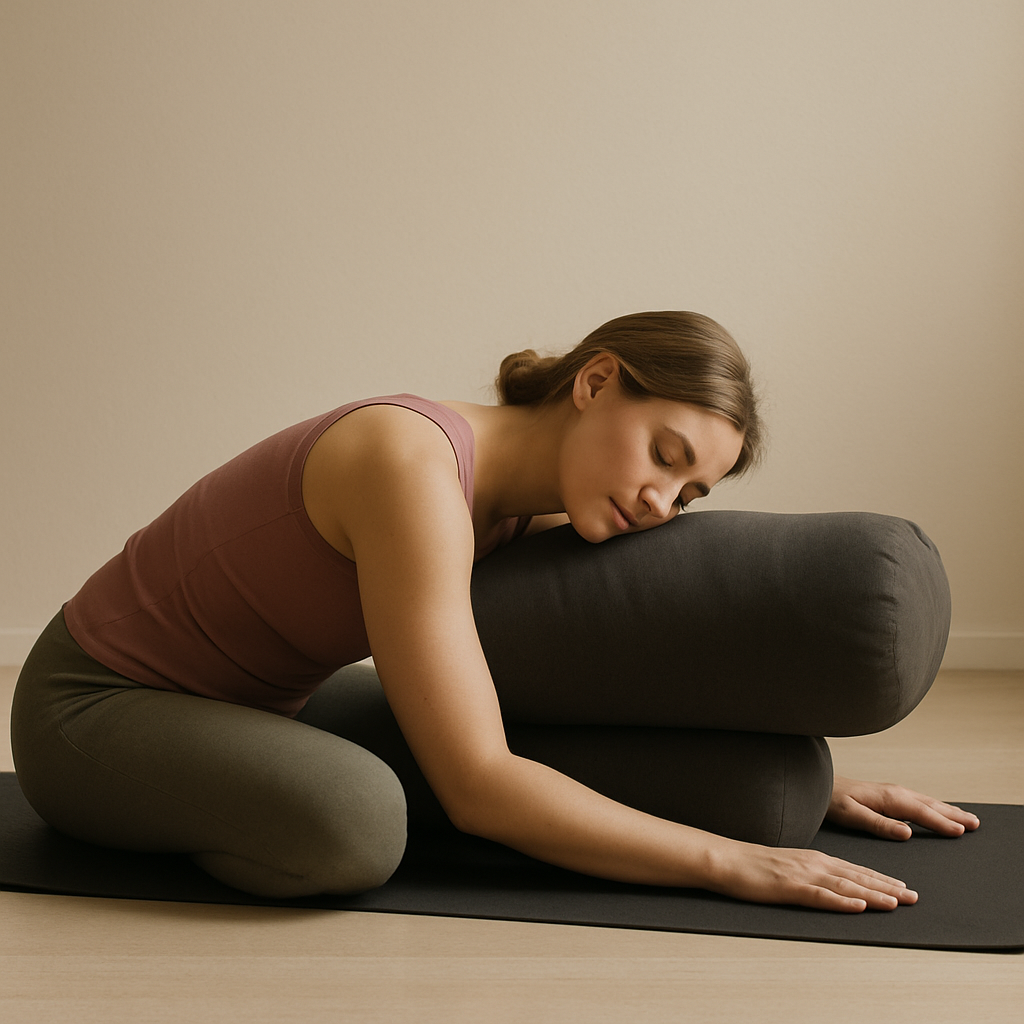
- Restorative Yoga: Uses props for deep relaxation and meditation.
Typically, practitioners are encouraged to engage in meditative yoga sessions ranging from 20 to 60 minutes, several times a week, depending on individual comfort and goals.
Safety, Contraindications & Interactions
While meditative yoga is generally safe for most individuals, there are a few considerations to keep in mind:
- Individuals with serious health conditions, such as severe back pain or recent surgeries, should consult a healthcare provider before starting.
- Those on medications affecting mood or cognitive function should be cautious and may benefit from discussing their yoga practice with a physician.
- Pregnant individuals should seek guidance from a prenatal yoga instructor to ensure safety.
Pairs Well With
Meditative yoga can be effectively combined with:
- Aromatherapy: Essential oils like lavender can enhance relaxation.
- Herbal Supplements: Adaptogens such as ashwagandha (Withania somnifera) may support stress management.
- Mindfulness Practices: Techniques such as journaling can complement the meditative aspect of yoga.
FAQs (5)
- What is the main purpose of meditative yoga? Meditative yoga aims to connect the mind and body through mindfulness and breath, promoting relaxation and emotional balance.
- Can anyone practice meditative yoga? Yes, it is suitable for individuals of all fitness levels, but modifications may be needed for those with specific health concerns.
- How often should I practice meditative yoga? Practicing 2-3 times a week for 20-60 minutes can yield beneficial results.
- What should I wear for meditative yoga? Comfortable, breathable clothing that allows free movement is recommended.
- Is meditative yoga the same as traditional yoga? While traditional yoga focuses on physical postures, meditative yoga emphasizes mindfulness and meditation alongside asanas.
Frequently asked
What is the main purpose of meditative yoga?
Meditative yoga aims to connect the mind and body through mindfulness and breath, promoting relaxation and emotional balance.
Can anyone practice meditative yoga?
Yes, it is suitable for individuals of all fitness levels, but modifications may be needed for those with specific health concerns.
How often should I practice meditative yoga?
Practicing 2-3 times a week for 20-60 minutes can yield beneficial results.
What should I wear for meditative yoga?
Comfortable, breathable clothing that allows free movement is recommended.
Is meditative yoga the same as traditional yoga?
While traditional yoga focuses on physical postures, meditative yoga emphasizes mindfulness and meditation alongside asanas.