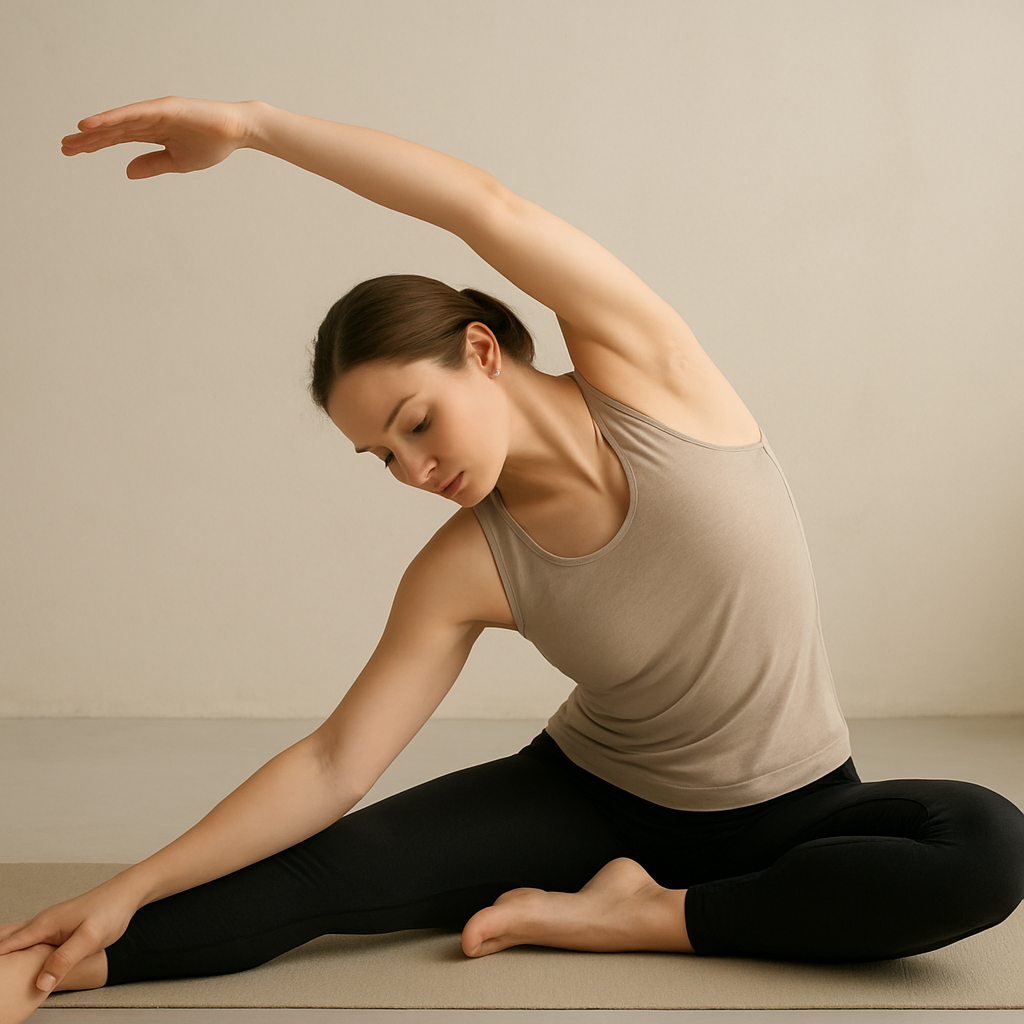
Flexibility Training
Explore the importance of flexibility training in yoga and movement therapy, including its benefits, historical uses, and safety considerations.
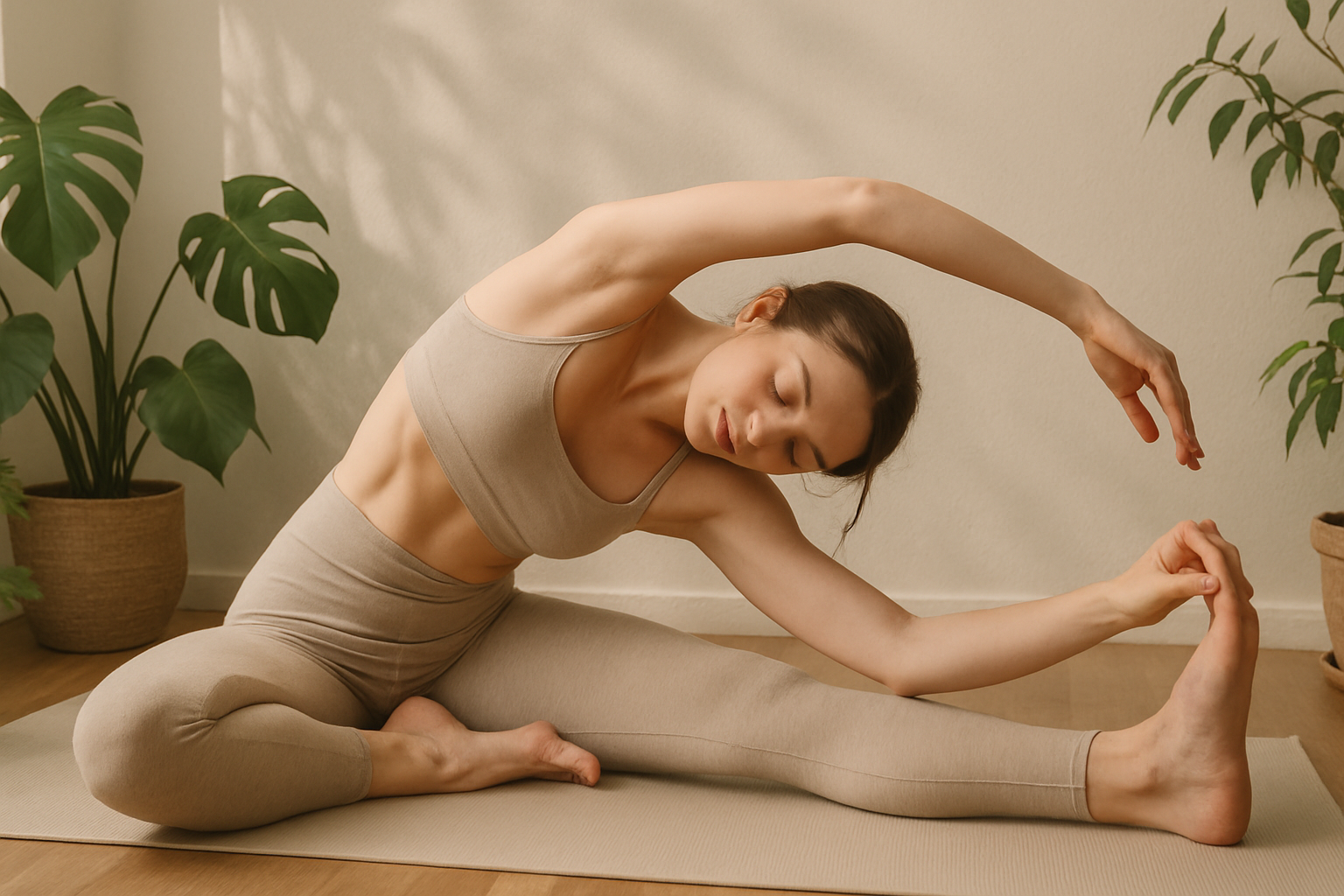
Flexibility training is an essential component of yoga and movement therapy that enhances physical movement and overall well-being. This subcategory page explores its definition, mechanisms, historical uses, modern research, functional actions, supported body systems, common forms, safety considerations, and complementary practices.
What It Is
Flexibility training refers to exercises that enhance the range of motion in the joints and muscles. It is a vital aspect of yoga and movement therapy, designed to improve physical performance and reduce the risk of injuries. Flexibility can be achieved through various techniques, including static stretching, dynamic stretching, and proprioceptive neuromuscular facilitation (PNF). Regular flexibility training promotes not only physical agility but also mental relaxation and stress relief, making it an integral part of holistic health practices.
Key Active Compounds & Mechanisms
While flexibility training itself does not involve specific compounds, it utilizes various physiological mechanisms. Stretching activates muscle fibers and tendons, promoting elasticity and increasing the length of muscle tissues. This process helps in the remodeling of muscle fibers and connective tissues, enhancing overall flexibility. Additionally, flexibility training stimulates the production of synovial fluid, which lubricates joints, thereby improving joint health and mobility.
Traditional Uses
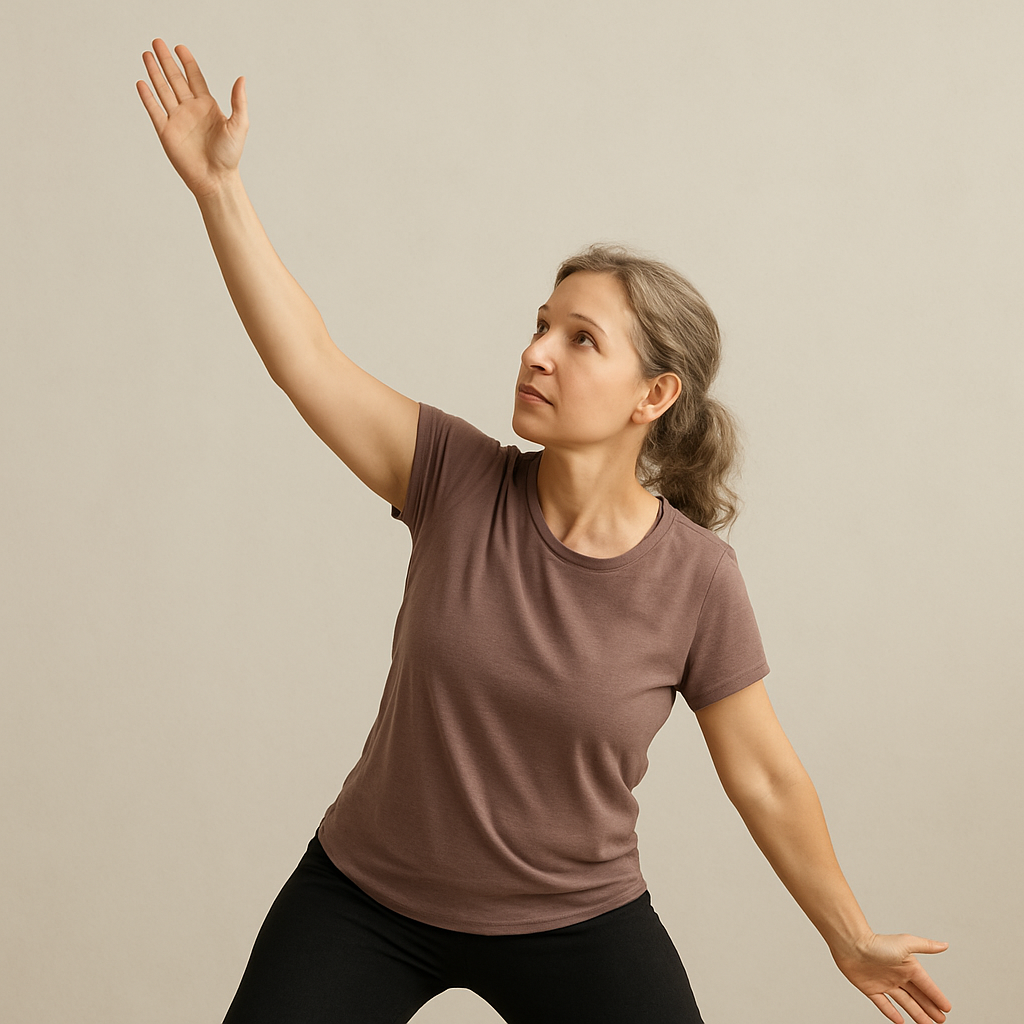
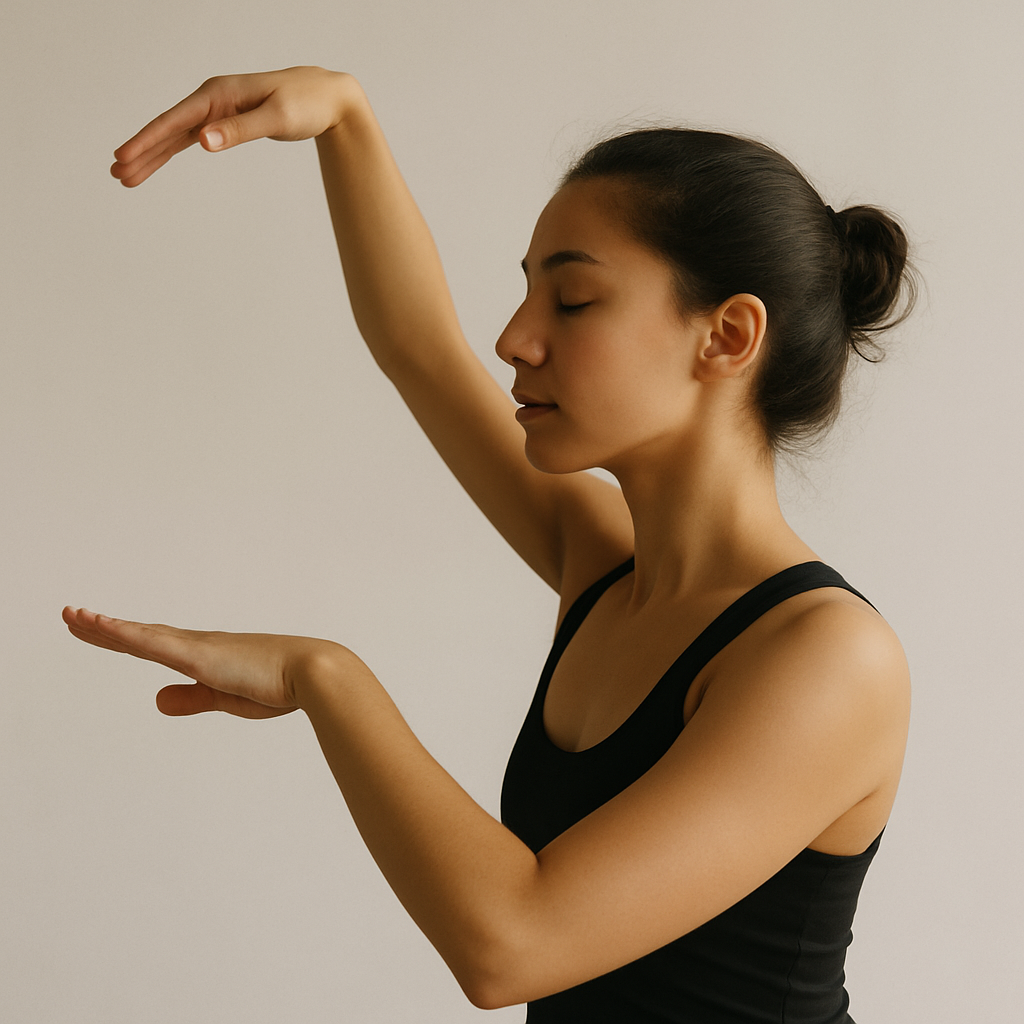
Historically, flexibility training has roots in several ancient practices, particularly in yoga, which dates back thousands of years in India. Traditional yoga incorporates various postures (asanas) that focus on stretching and lengthening the muscles. In Chinese medicine, flexibility is also emphasized through Tai Chi, which combines gentle movement with mindful breathing to enhance flexibility and balance. These ancient practices recognized the importance of flexibility not only for physical health but also for mental clarity and spiritual growth.
What Modern Research Suggests
Modern research has begun to validate the benefits of flexibility training. Studies suggest that regular stretching can improve athletic performance, enhance posture, and reduce muscle soreness after exercise. Research also indicates that flexibility training may play a role in alleviating symptoms of chronic conditions, such as arthritis, by improving joint function and reducing stiffness. However, while evidence supports the benefits of flexibility training, more rigorous clinical studies are needed to fully understand its long-term effects and optimal practices.
Functional Actions
Flexibility training serves several functional actions, including:
- Increased Range of Motion: Enhances the ability to move joints through their full spectrum.
- Improved Posture: Aids in maintaining proper alignment of the body.
- Enhanced Athletic Performance: Contributes to better overall performance in sports and physical activities.
- Injury Prevention: Reduces the risk of injuries by promoting muscle elasticity and joint stability.
- Stress Relief: Encourages relaxation and reduces tension in both the body and mind.
Body Systems Supported
Flexibility training supports various body systems, including:
- Musculoskeletal System: Improves muscle and joint function, promoting overall mobility.
- Nervous System: Enhances neuromuscular coordination and can reduce stress responses.
- Cardiovascular System: Facilitates better blood circulation and can improve heart health.
- Respiratory System: Promotes deeper breathing through improved thoracic flexibility.
Common Forms & Educational Dosing Ranges
Flexibility training can be practiced in various forms, including:
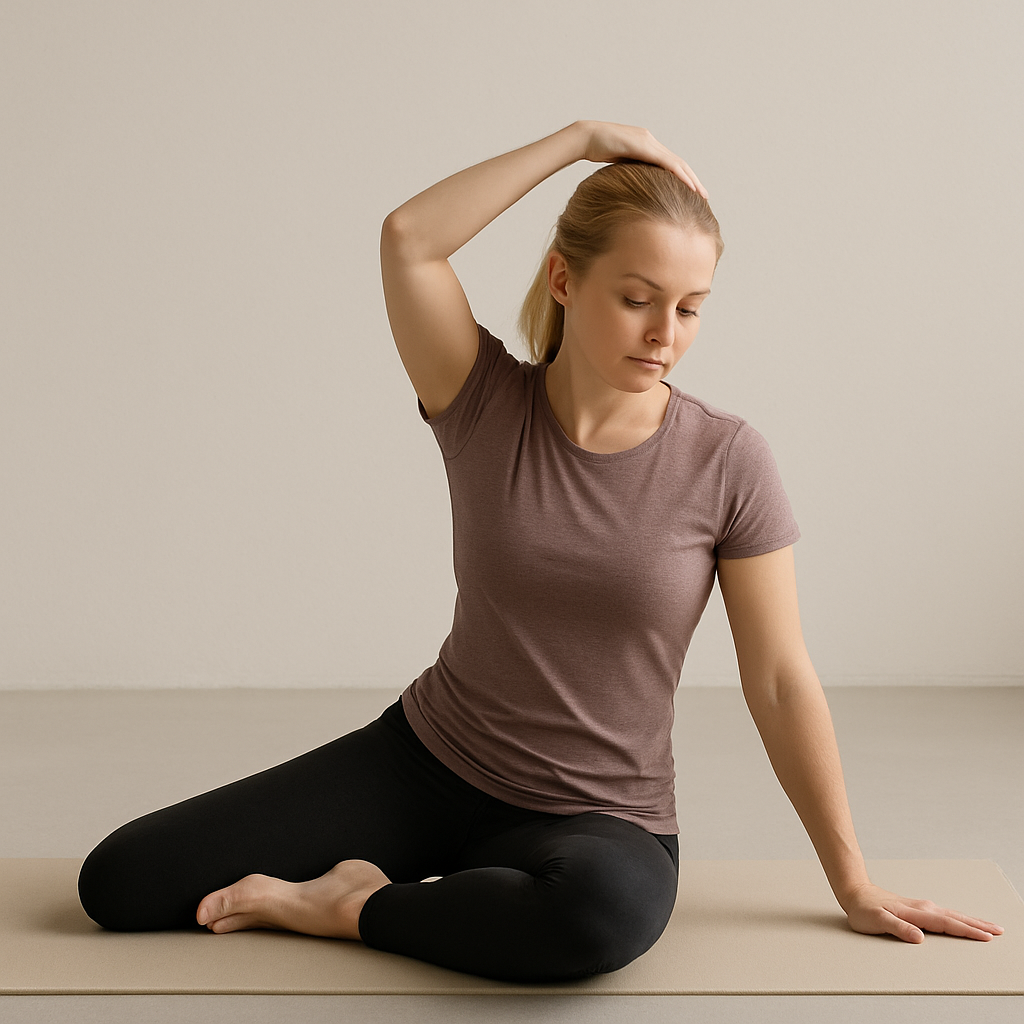
- Static Stretching: Holding a stretch for a specified duration, typically 15-60 seconds.
- Dynamic Stretching: Involves moving parts of your body through their full range of motion, often performed as part of a warm-up.
- Proprioceptive Neuromuscular Facilitation (PNF): A technique that involves stretching and contracting the targeted muscle group, often requiring a partner.
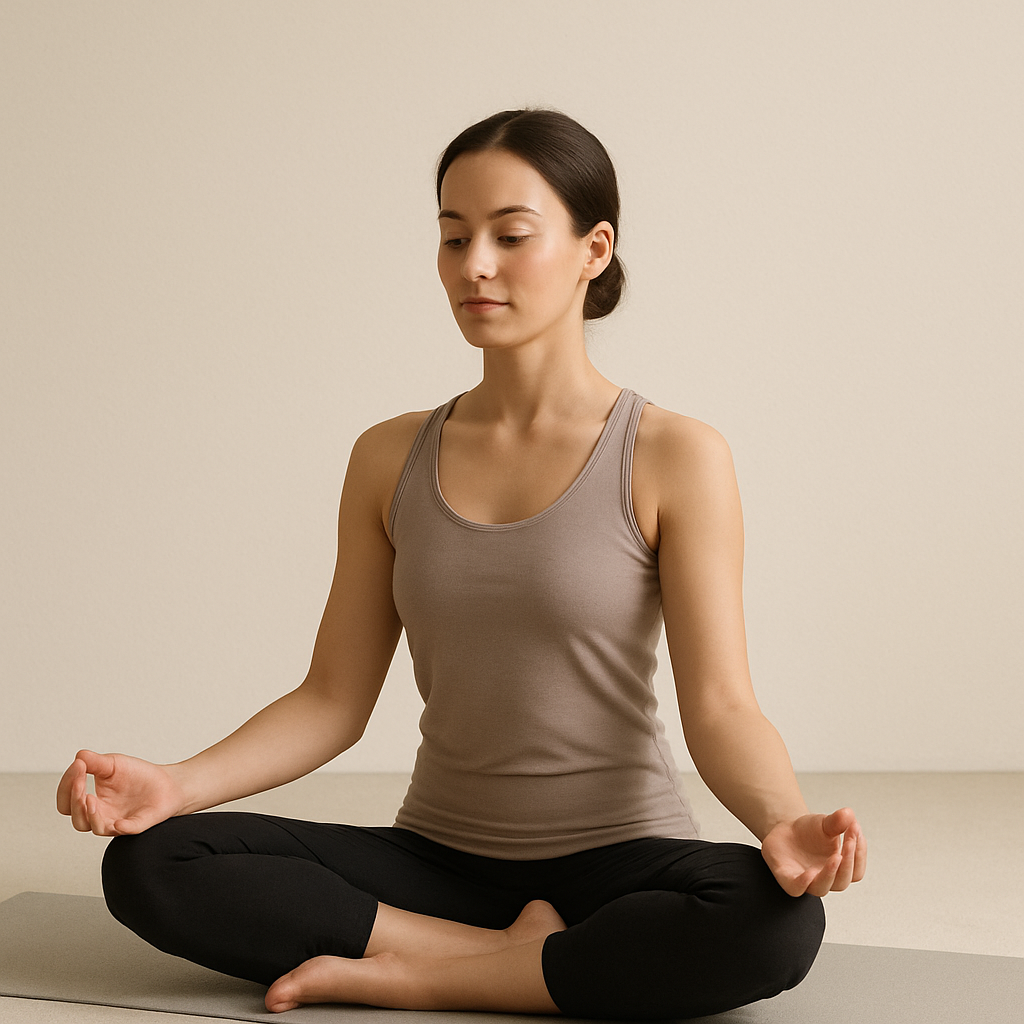
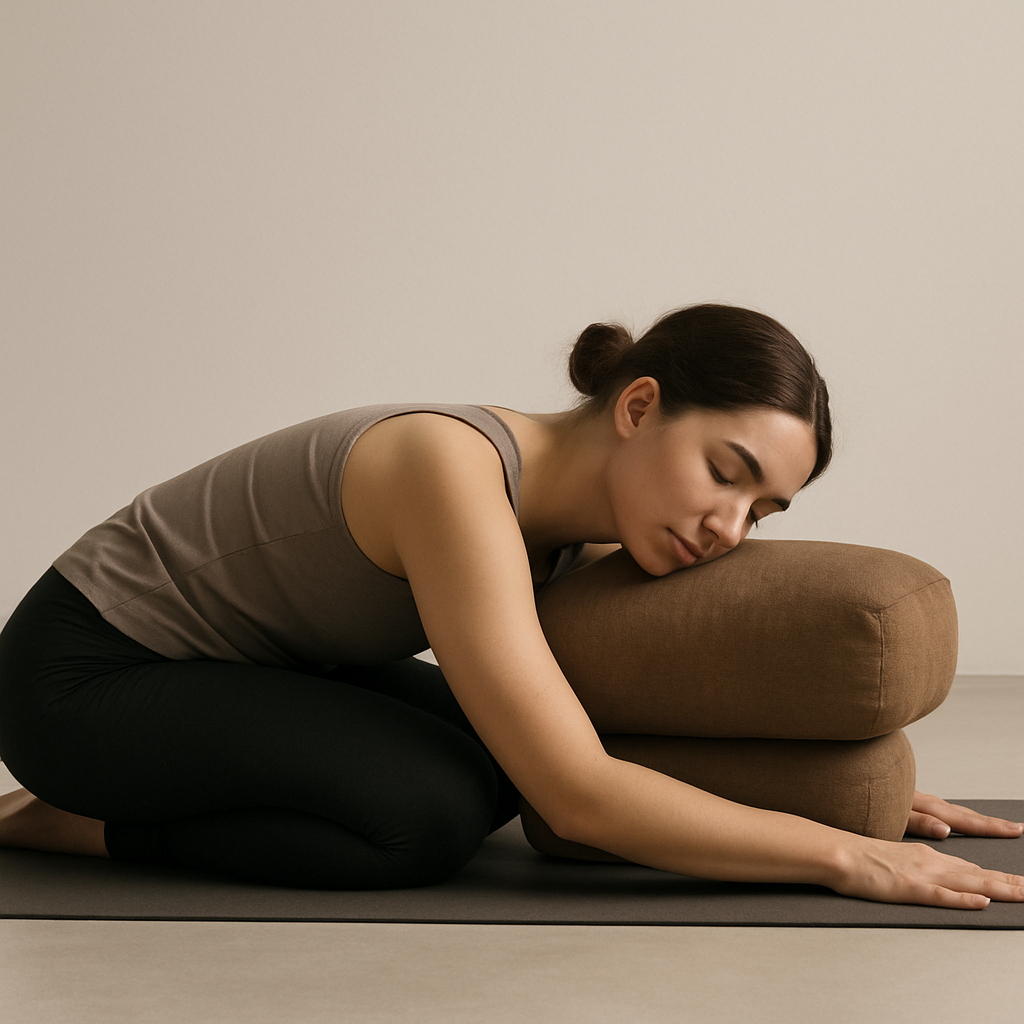
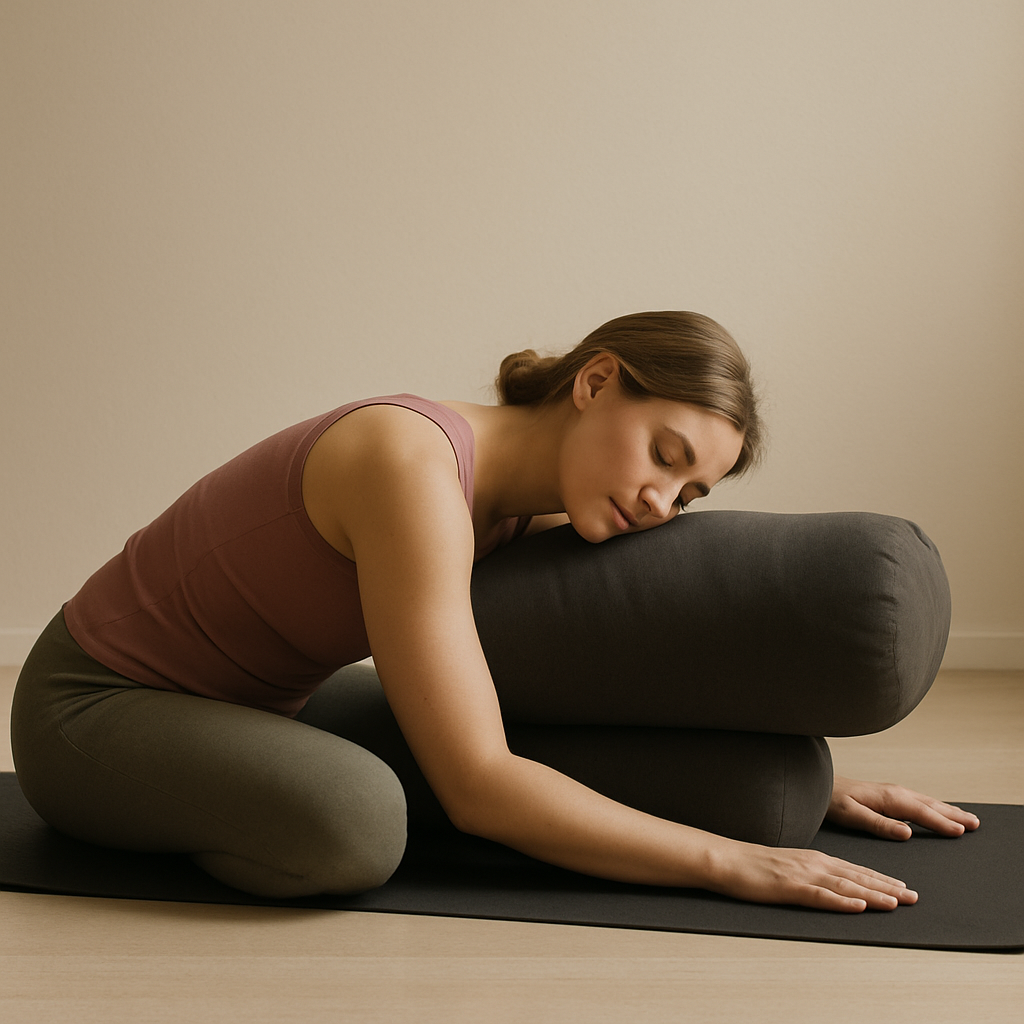
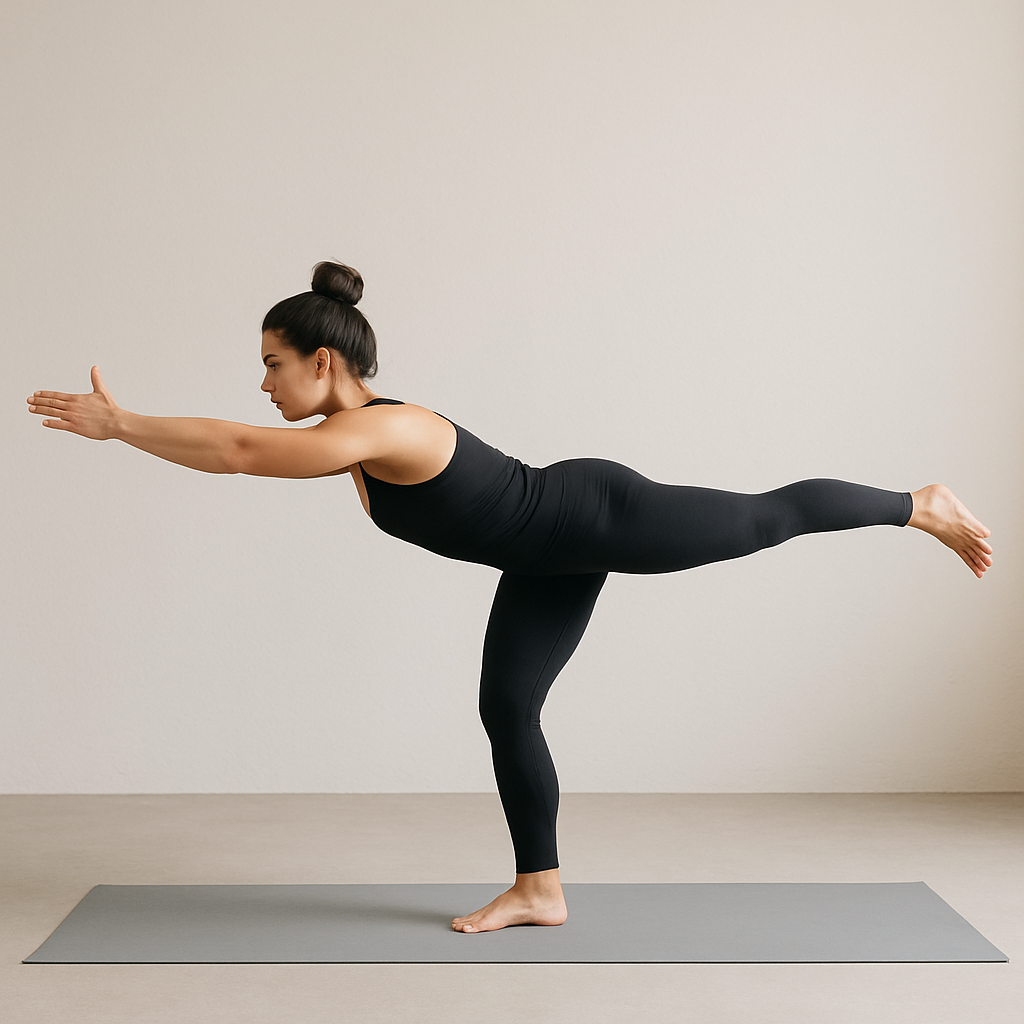
- Yoga: Incorporates various postures that promote flexibility, balance, and strength.
Safety, Contraindications & Interactions
While flexibility training is generally safe for most individuals, certain precautions should be taken:
- Individuals with joint injuries or conditions such as lupus or rheumatoid arthritis should consult a healthcare provider before starting a flexibility program.
- Those taking medications affecting muscle tone or joint stability, such as corticosteroids, should be cautious and seek professional guidance.
- Pregnant women should also consult a healthcare professional before participating in flexibility training to avoid overstretching or injury.
Pairs Well With
Flexibility training can be effectively paired with:
- Strength Training: Balances muscle strength with flexibility for overall fitness.
- Cardiovascular Exercises: Enhances endurance while maintaining muscle elasticity.
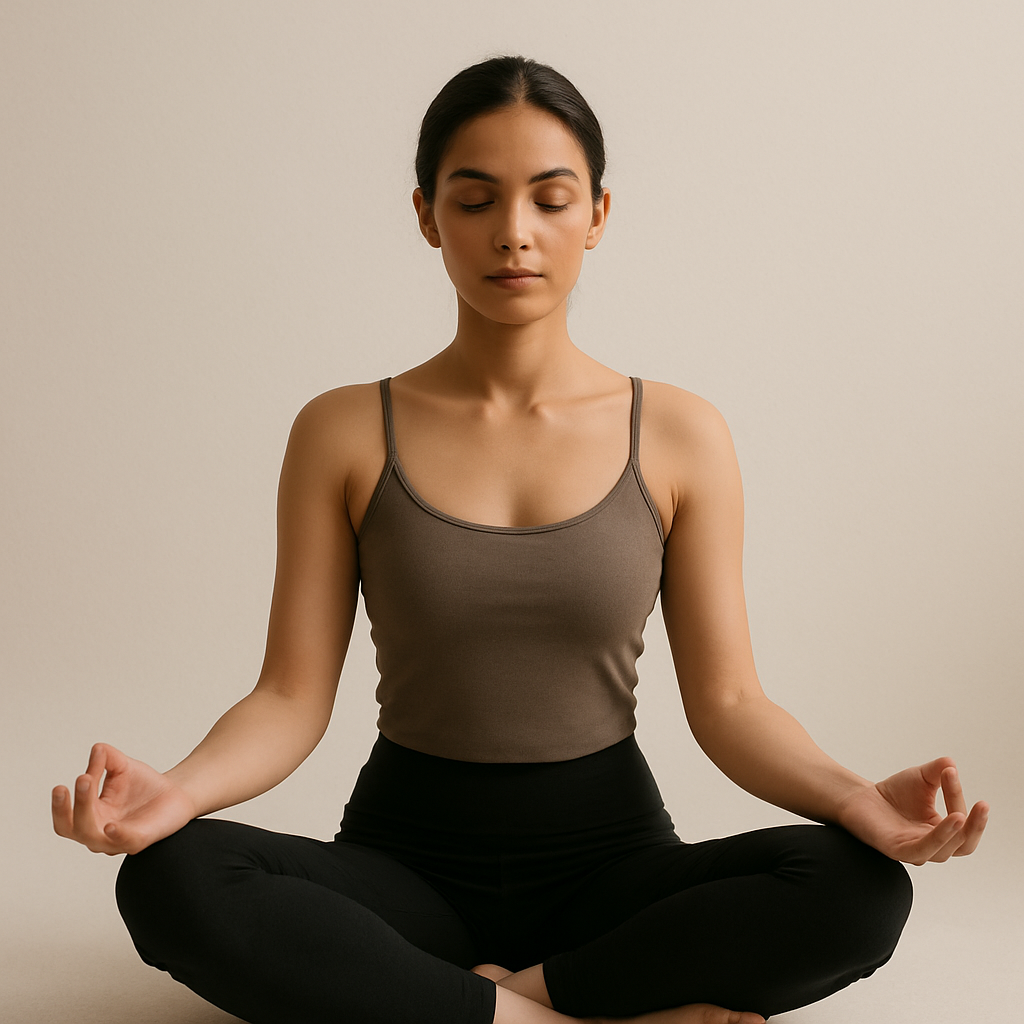
- Meditation and Breathing Exercises: Promotes mental relaxation and aids in the effectiveness of flexibility training.
FAQs (5)
- How often should I practice flexibility training? It is generally recommended to incorporate flexibility training into your routine at least 2-3 times per week.
- Can flexibility training help with back pain? Yes, improved flexibility can alleviate tension in muscles surrounding the spine, potentially reducing back pain.
- Is it safe to stretch before exercising? Dynamic stretching is recommended as a warm-up, while static stretching is better suited for after exercise.
- What are the best stretches for beginners? Basic stretches such as hamstring stretches, shoulder stretches, and quadriceps stretches are excellent for beginners.
- Can I do flexibility training at home? Absolutely! Many flexibility exercises can be performed at home with little to no equipment.
Frequently asked
How often should I practice flexibility training?
It is generally recommended to incorporate flexibility training into your routine at least 2-3 times per week.
Can flexibility training help with back pain?
Yes, improved flexibility can alleviate tension in muscles surrounding the spine, potentially reducing back pain.
Is it safe to stretch before exercising?
Dynamic stretching is recommended as a warm-up, while static stretching is better suited for after exercise.
What are the best stretches for beginners?
Basic stretches such as hamstring stretches, shoulder stretches, and quadriceps stretches are excellent for beginners.
Can I do flexibility training at home?
Absolutely! Many flexibility exercises can be performed at home with little to no equipment.