Recovery Yoga
Explore Recovery Yoga, a gentle therapeutic practice designed to enhance healing, restore balance, and promote overall wellness through mindful movement.

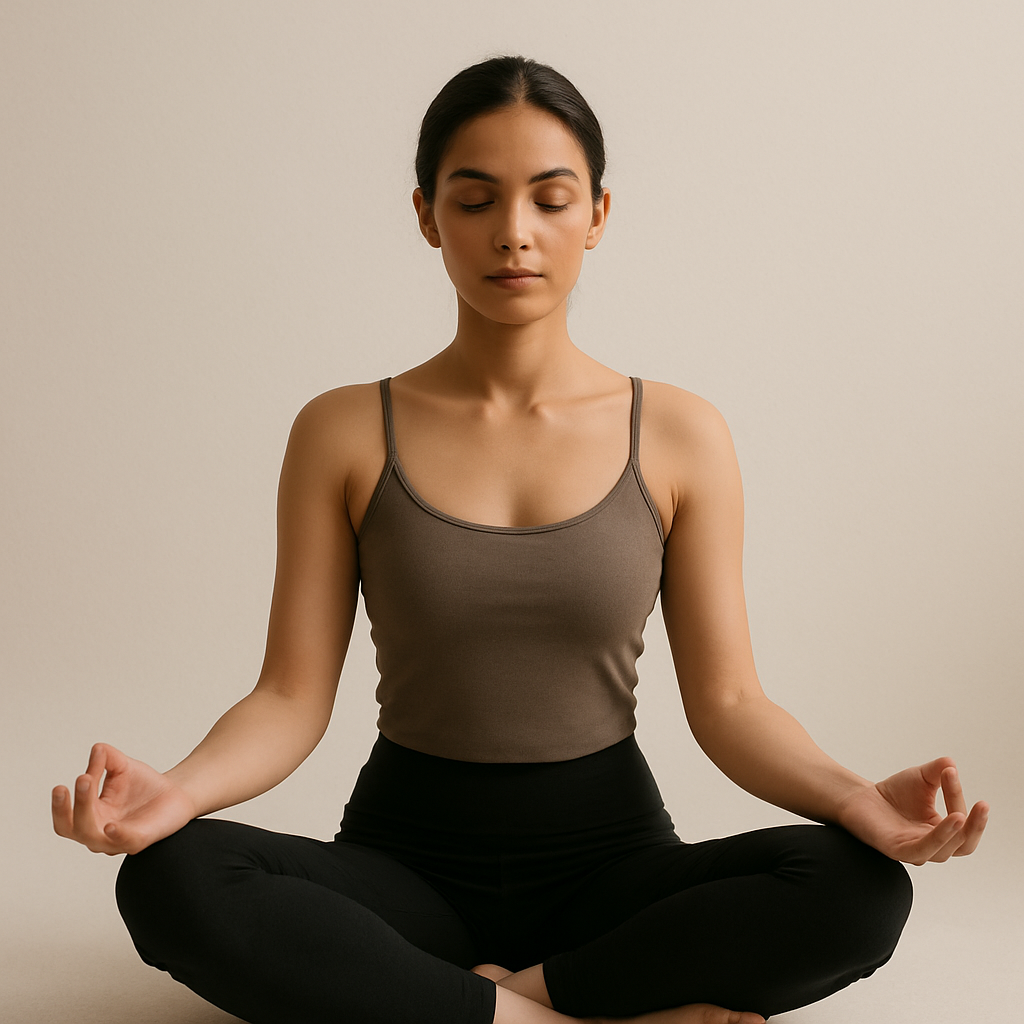
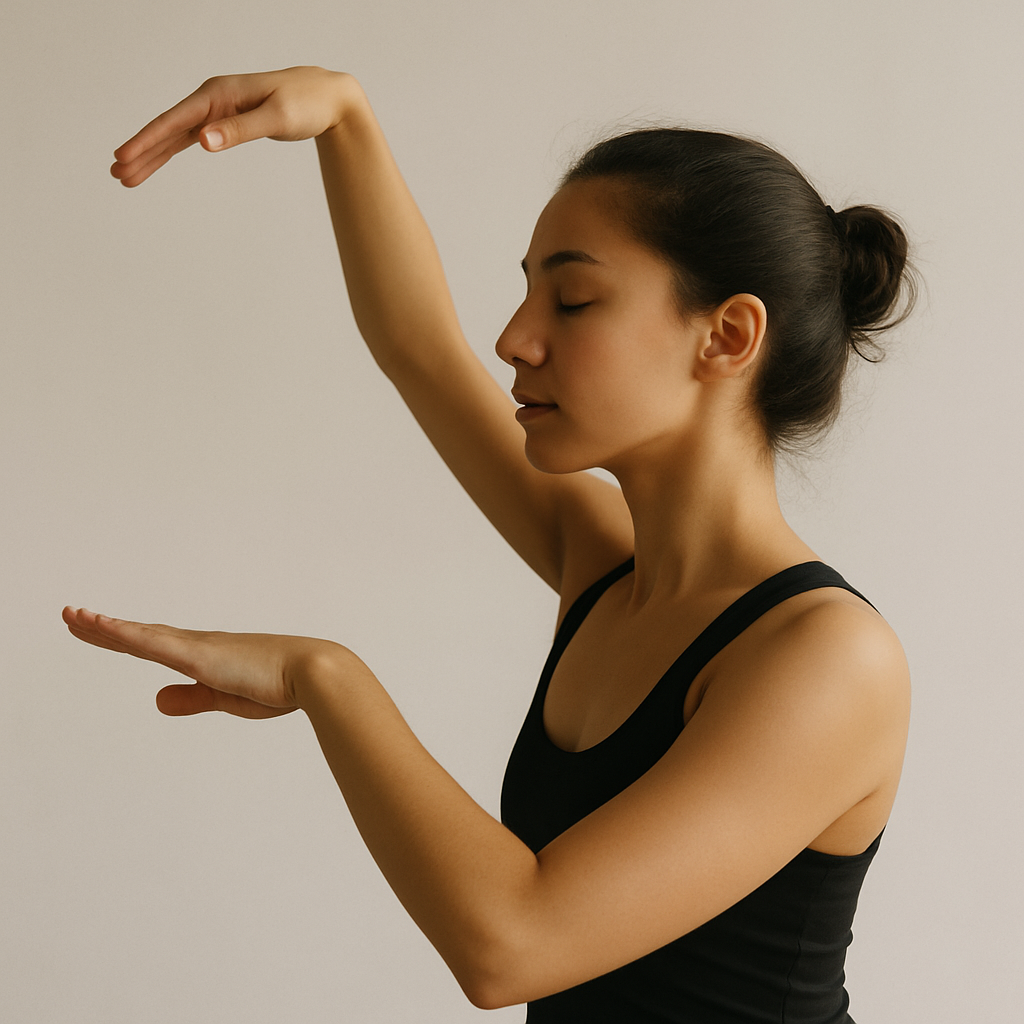
Recovery Yoga offers a gentle approach to healing and rejuvenation through mindful movement and breathwork. It emphasizes restorative poses and techniques to support physical and emotional well-being.
What It Is
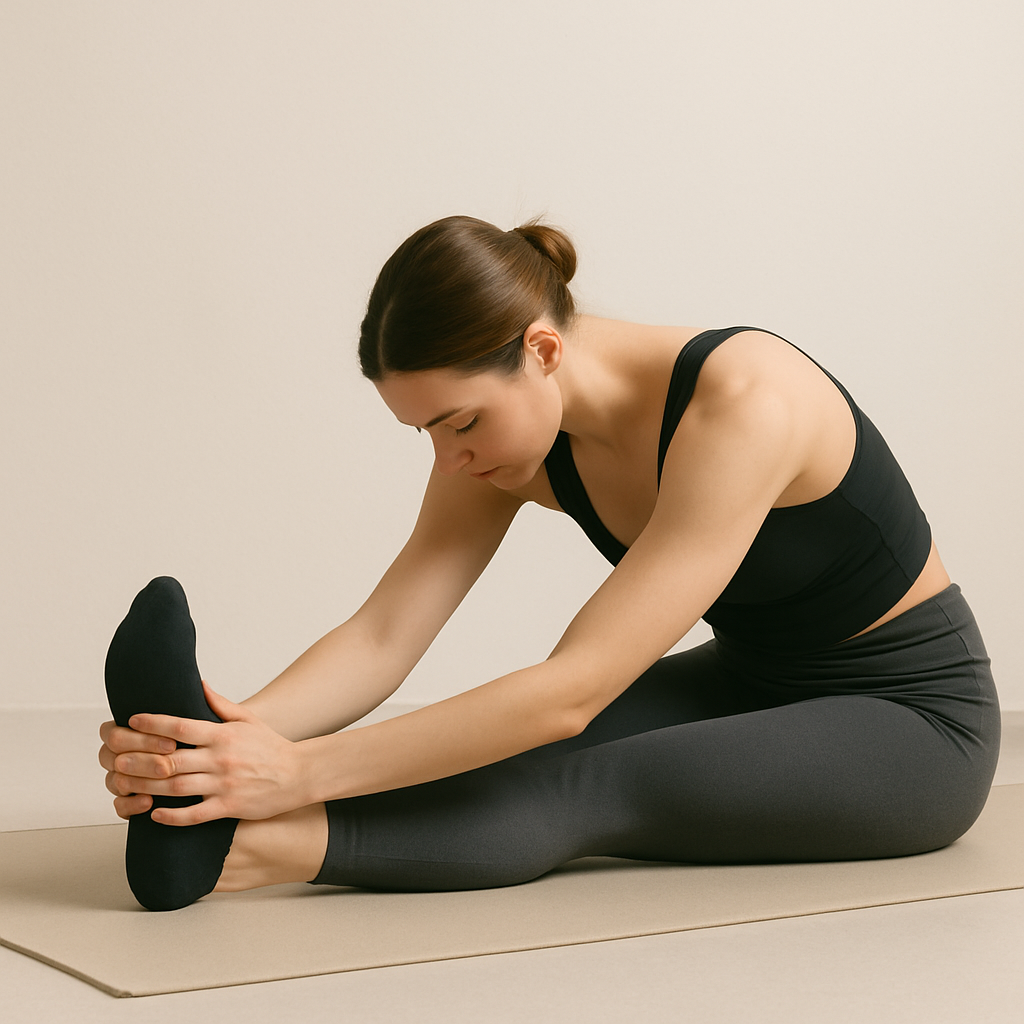
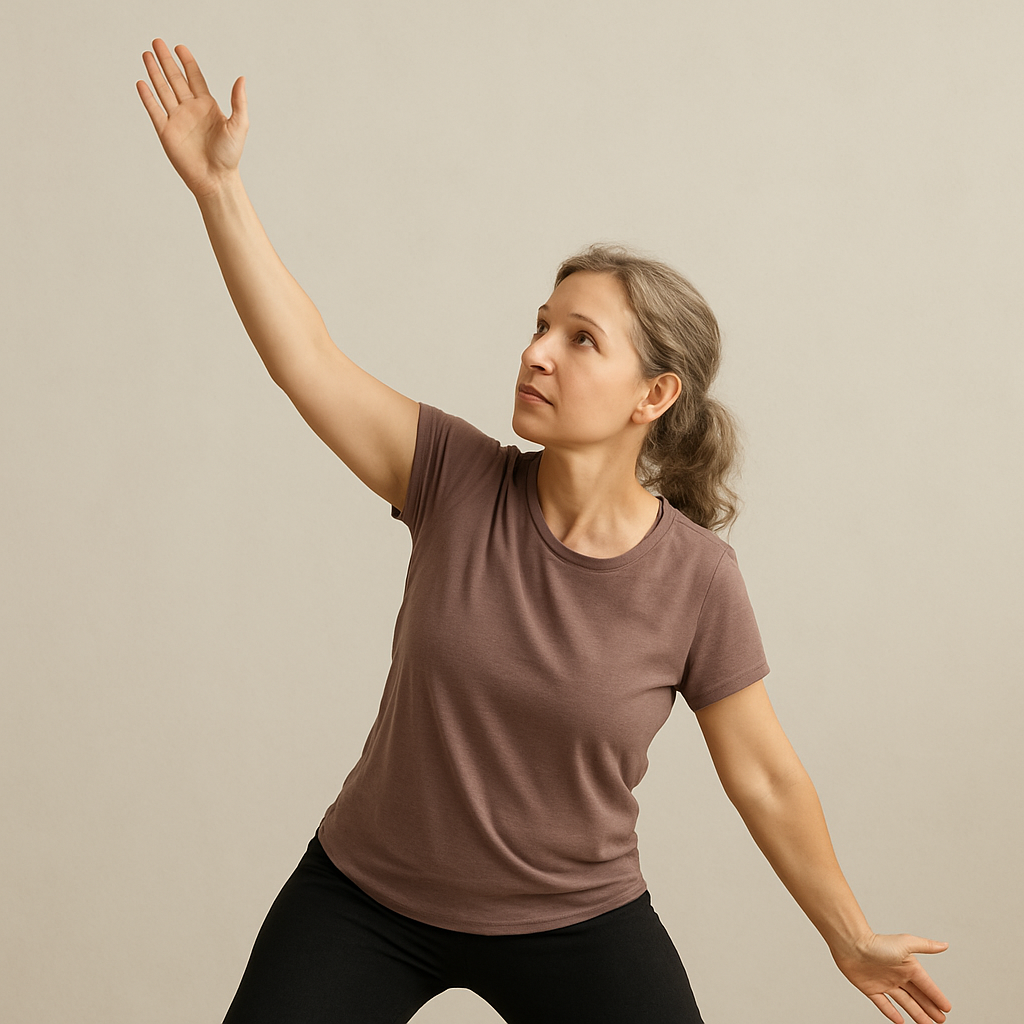
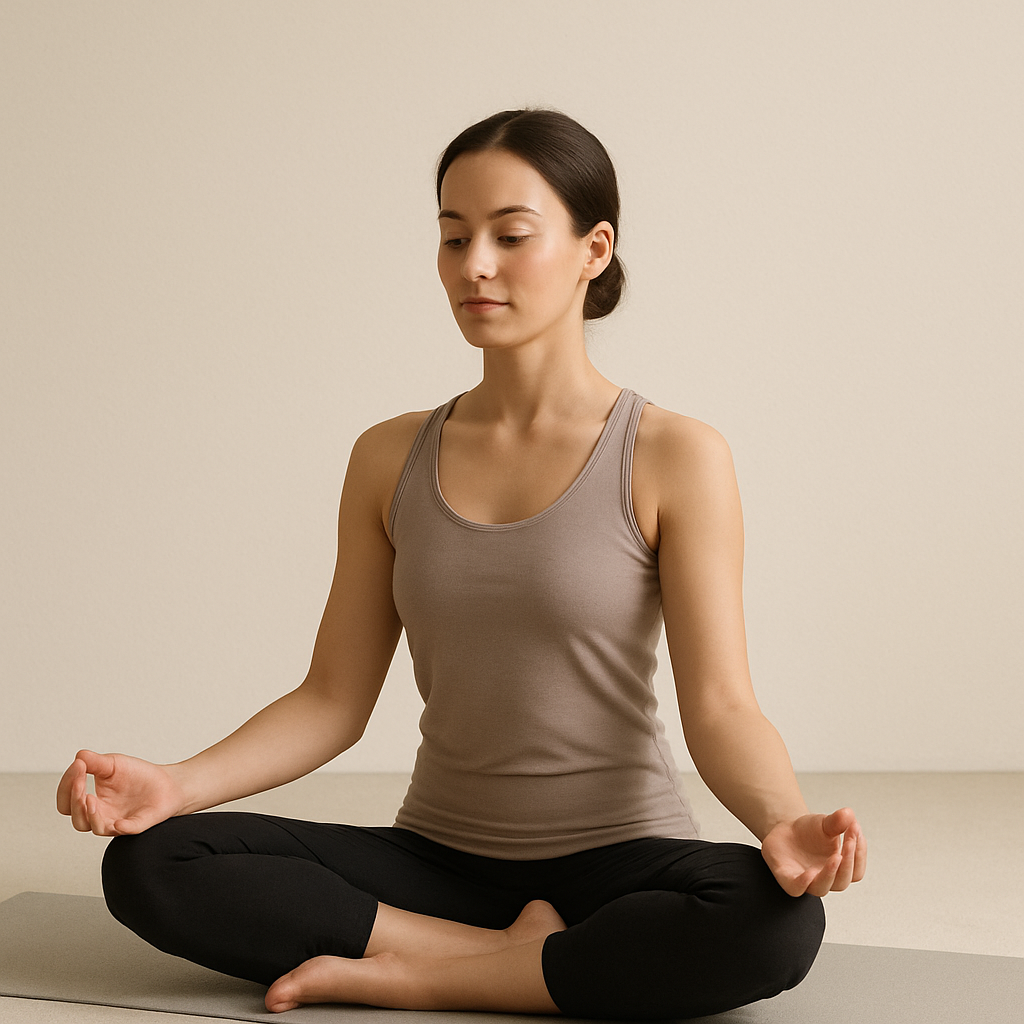
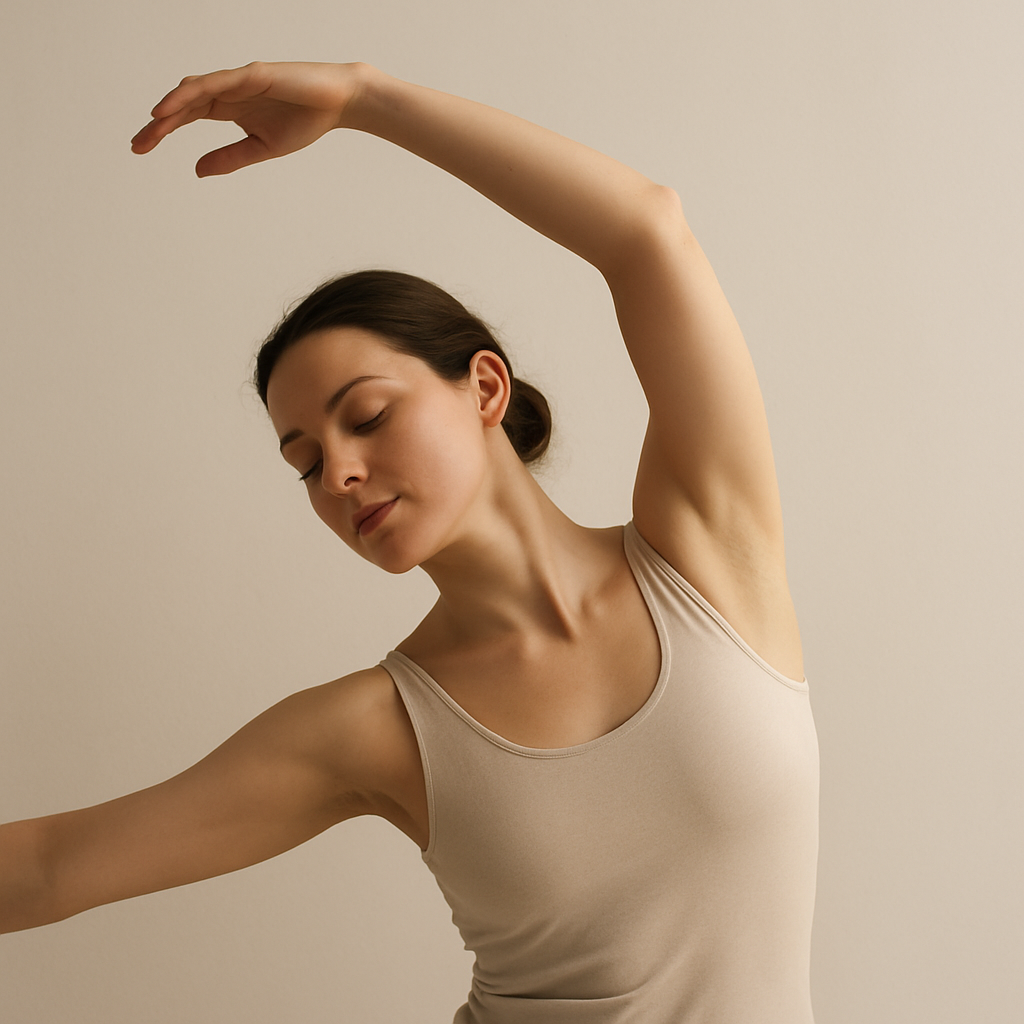
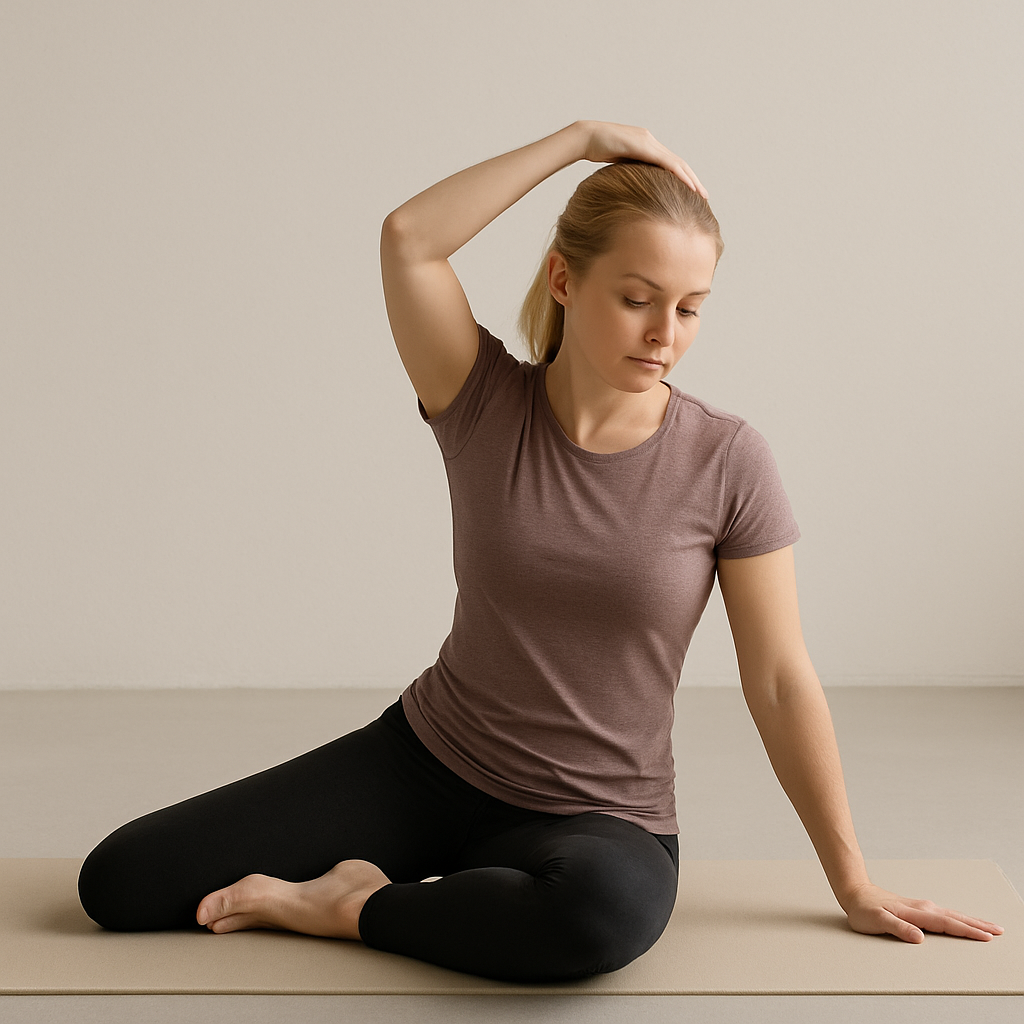
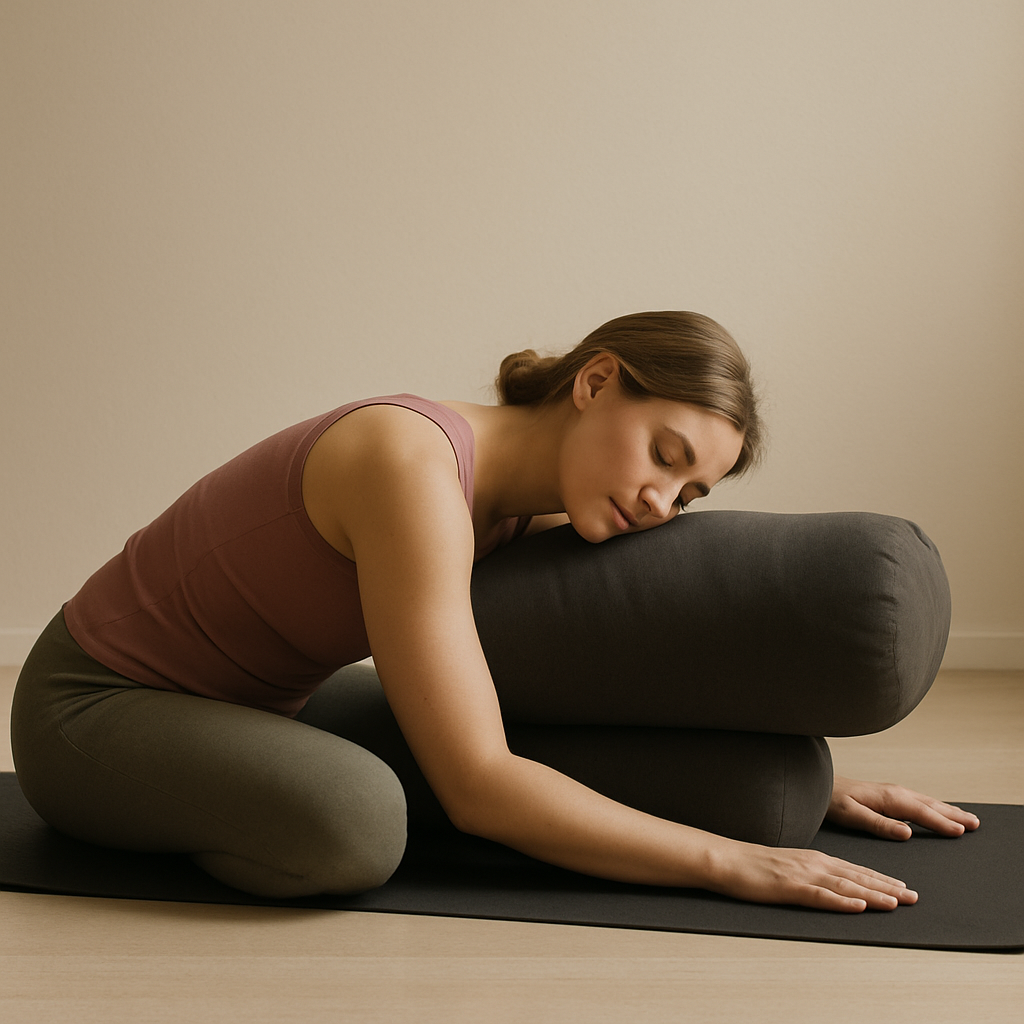
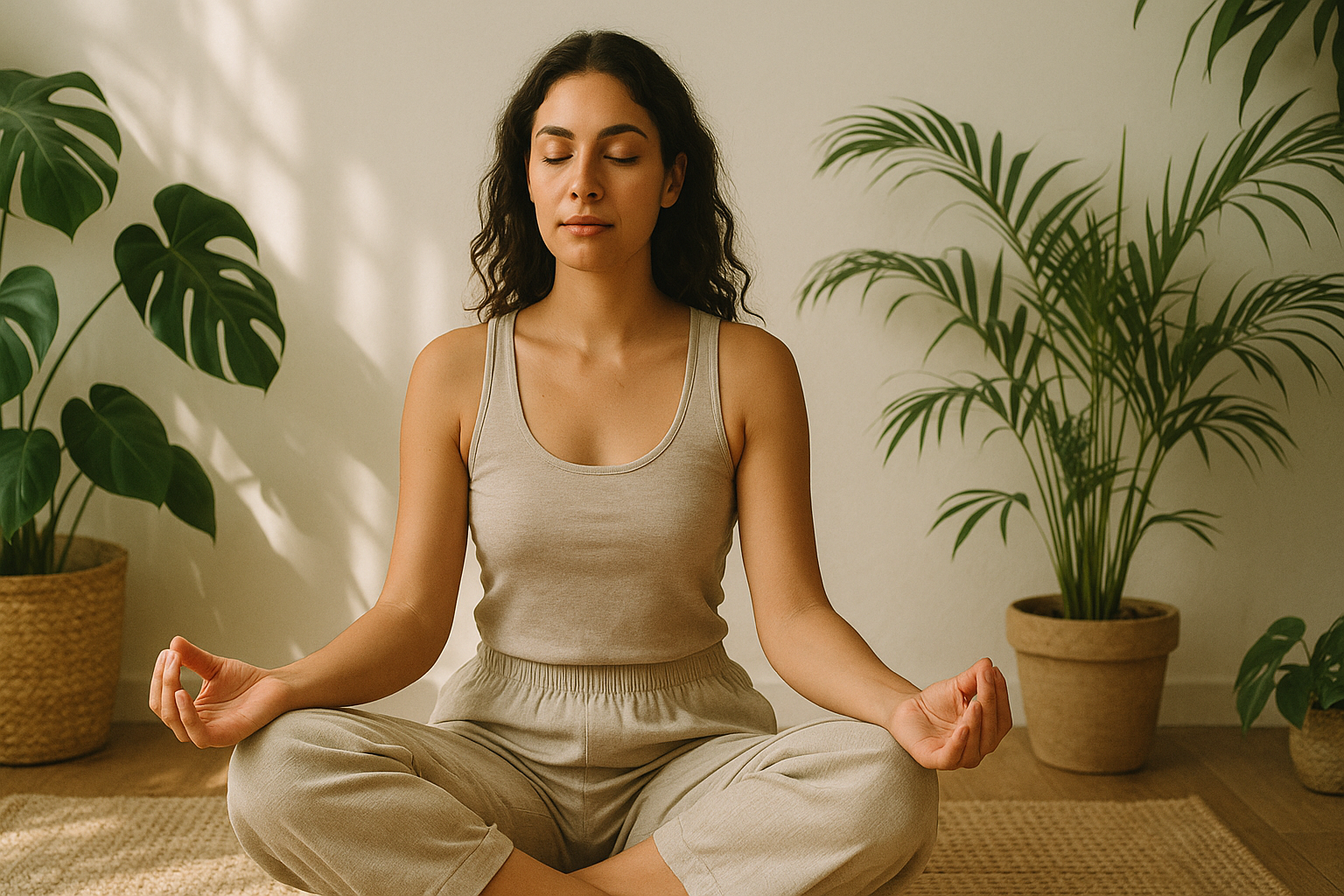
Recovery Yoga is a therapeutic approach to yoga that emphasizes gentle movements, restorative poses, and breathwork to aid in physical and emotional healing. Unlike traditional yoga practices, Recovery Yoga focuses on creating a supportive environment that fosters relaxation and recuperation. It is designed for individuals recovering from injuries, illness, or emotional distress, providing a safe space to reconnect with the body and mind.
Key Active Compounds & Mechanisms
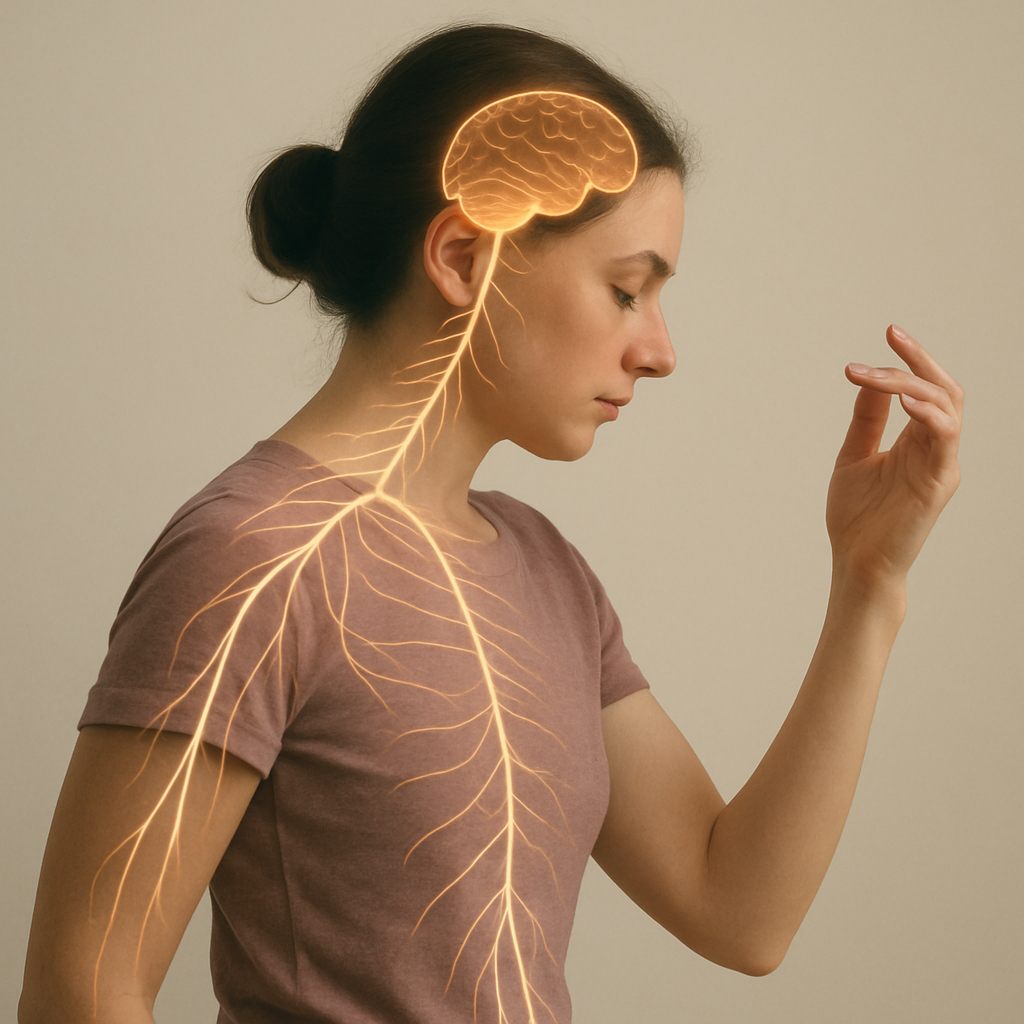
While Recovery Yoga itself does not contain active compounds in the same manner as herbal remedies, its effectiveness is supported by various mechanisms associated with mindfulness, breath control, and gentle movement. The practice can stimulate the parasympathetic nervous system, promoting relaxation and reducing stress levels. This activation helps in balancing cortisol levels, enhancing mood, and improving overall well-being.
Traditional Uses
Historically, yoga has roots in ancient Indian practices designed for spiritual and physical well-being. Various forms of yoga have been used as tools for recovery and healing, particularly in Ayurveda, which emphasizes holistic health. Recovery Yoga draws from these ancient traditions, adapting techniques that prioritize restoration and balance in both body and mind.
What Modern Research Suggests
Recent studies suggest that yoga practices, including Recovery Yoga, can have beneficial effects on mental health, pain management, and overall physical recovery. Research indicates that participants in yoga programs experience reductions in anxiety, depression, and chronic pain. However, more rigorous clinical trials are necessary to establish comprehensive guidelines and long-term benefits of Recovery Yoga.
Functional Actions
Recovery Yoga provides a variety of functional actions that contribute to overall well-being. These include:
- Stress Reduction: Mindfulness and breath control techniques help lower stress levels.
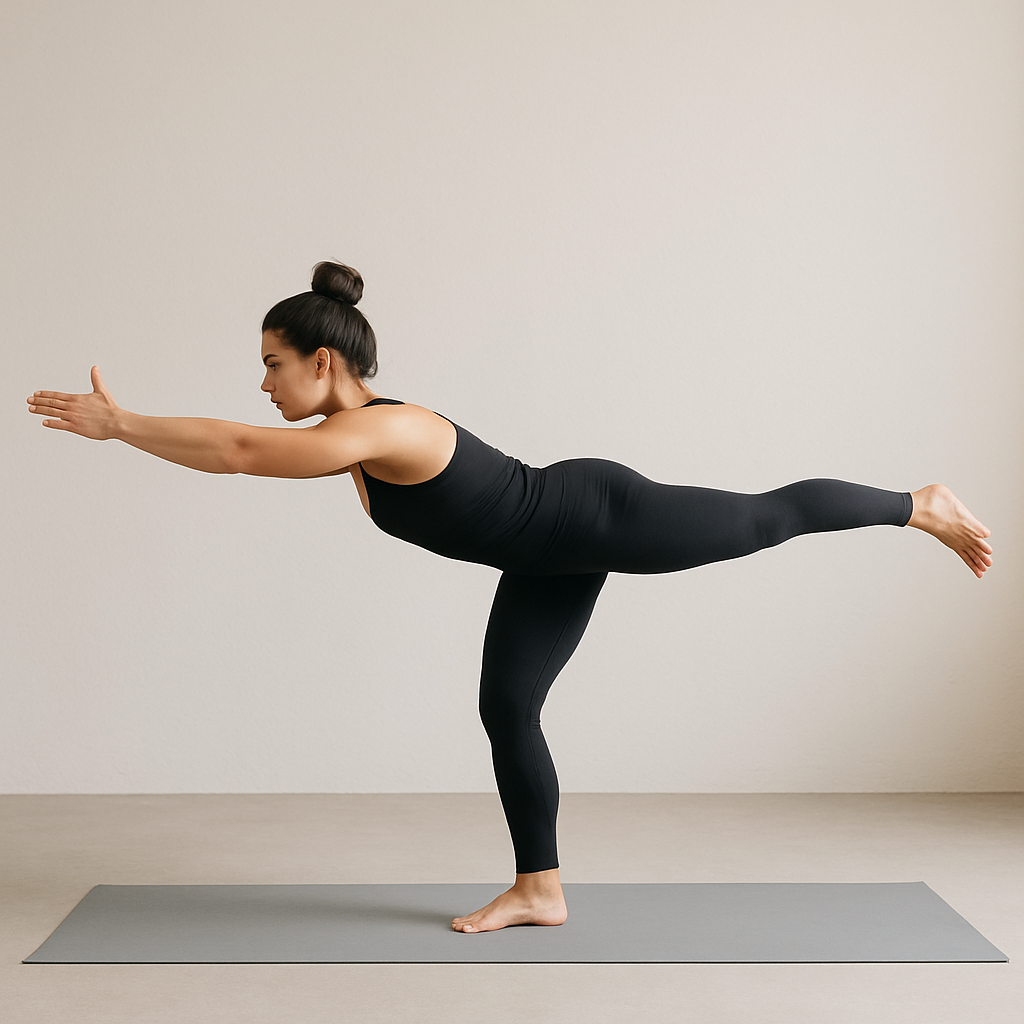
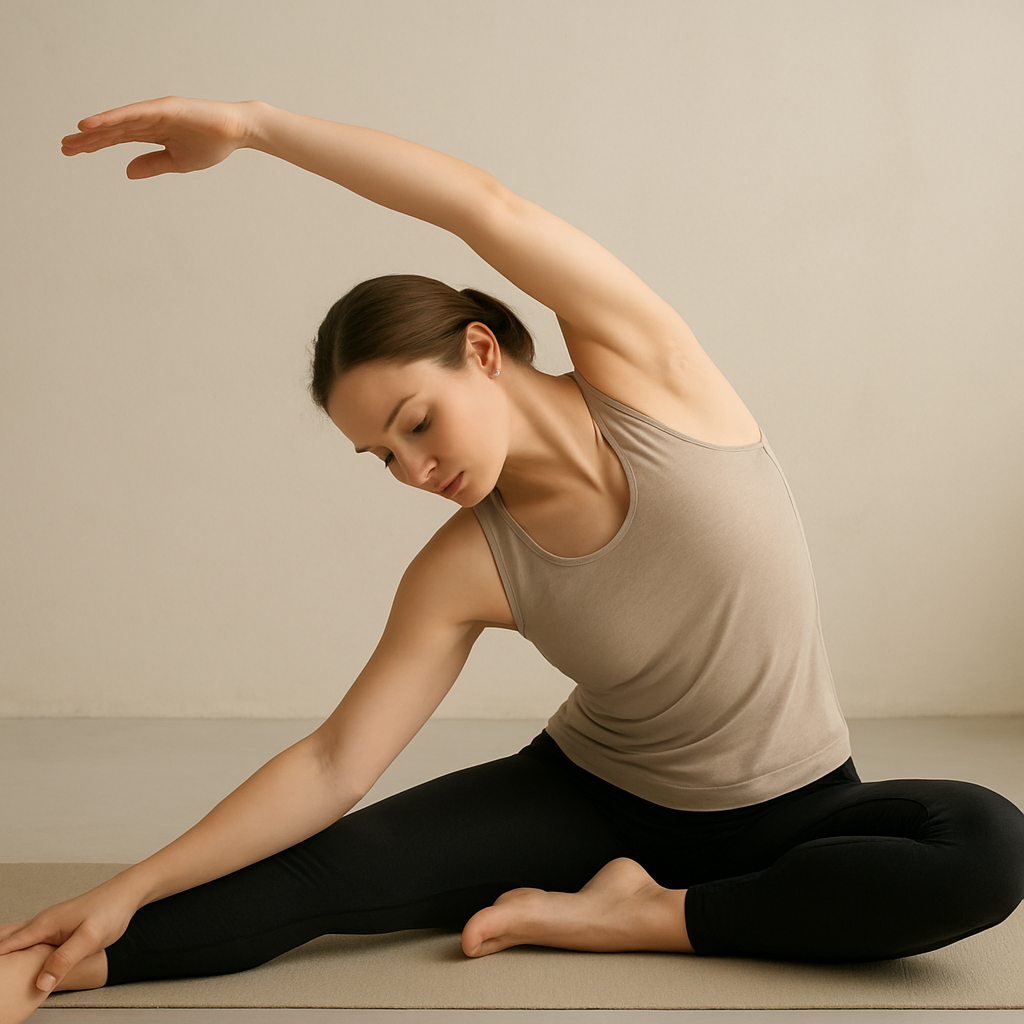
- Enhanced Flexibility: Gentle stretches promote joint mobility and muscle elasticity.
- Pain Relief: Restorative poses can alleviate tension and discomfort in the body.
- Mental Clarity: Mindful movement fosters focus and mental relaxation.
- Emotional Balance: The practice encourages self-acceptance and emotional healing.
Body Systems Supported
Recovery Yoga is beneficial for several body systems, including:
- Nervous System: Promotes relaxation and reduces anxiety.
- Musculoskeletal System: Supports flexibility and reduces muscle tension.
- Endocrine System: Helps balance hormone levels, particularly cortisol.
- Respiratory System: Improves lung capacity through breathing exercises.
- Digestive System: Gentle movements can aid digestion and alleviate discomfort.
Common Forms & Educational Dosing Ranges
Recovery Yoga can be practiced in various formats, including:
- Classes: Group or individual sessions led by certified instructors.
- Online Programs: Virtual classes available for home practice.
- Workshops: Intensive sessions focusing on specific recovery themes.
For best results, it is recommended to engage in Recovery Yoga sessions 2-3 times per week, with each session lasting between 30 and 60 minutes. Tailoring the practice to individual needs is essential for optimal recovery.
Safety, Contraindications & Interactions
Recovery Yoga is generally safe for most individuals; however, those with specific health conditions should consult a healthcare provider prior to starting. Contraindications may include:
- Severe injuries: Avoid poses that may aggravate injuries.
- Recent surgeries: Consult a doctor for guidance on physical activity.
- Pregnancy: Pregnant individuals should seek specialized classes.
- Certain medications: Individuals on sedatives or muscle relaxants should practice caution, as yoga may enhance their effects.
Pairs Well With
Recovery Yoga can be complemented by various practices and modalities, including:
- Meditation: Enhances mindfulness and emotional balance.
- Breathwork: Deep breathing techniques support relaxation and focus.
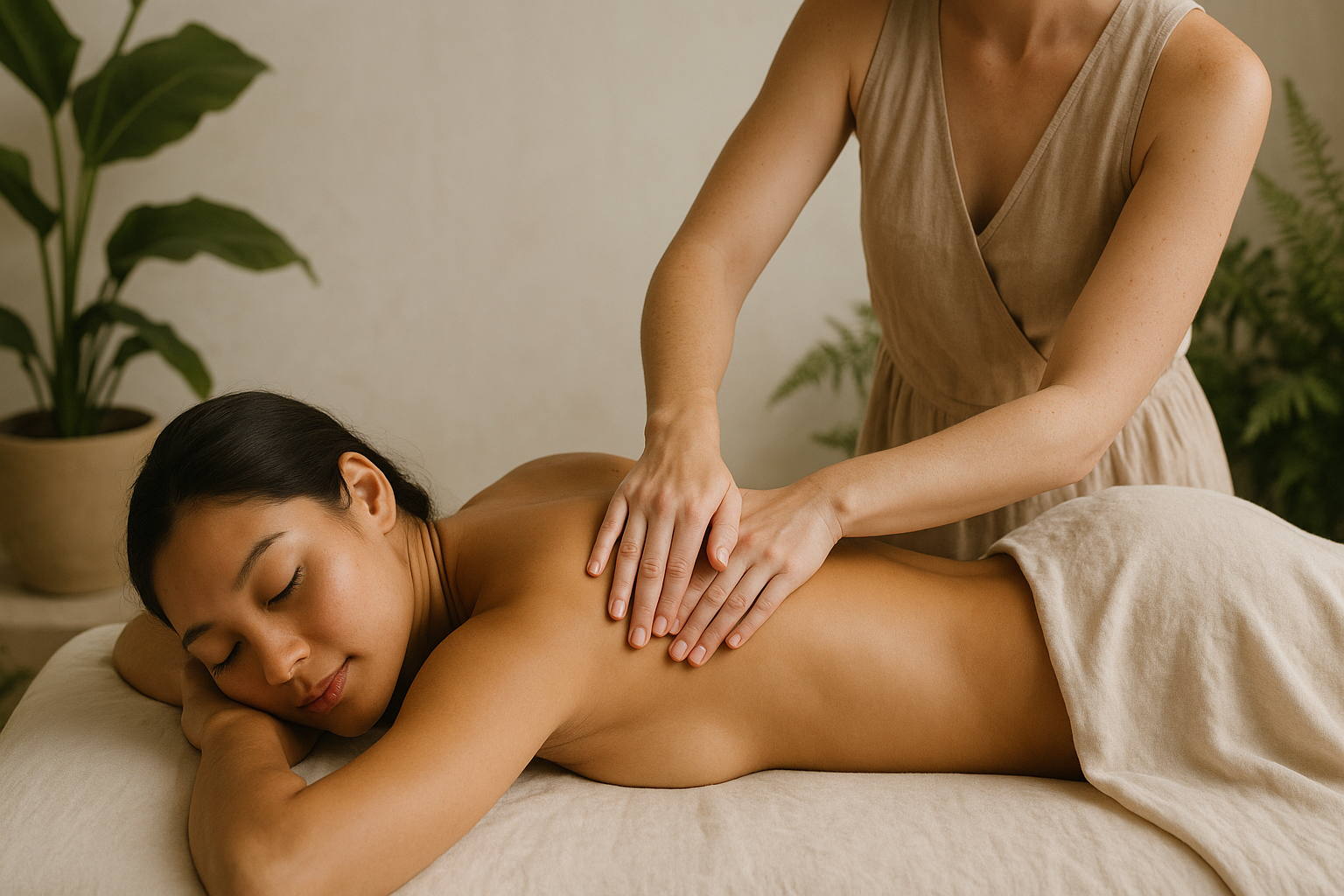
- Massage Therapy: Aids in muscle recovery and relaxation.
- Nutrition: A balanced diet supports overall healing and well-being.
FAQs (5)
- What is Recovery Yoga? Recovery Yoga is a gentle practice focused on restorative movements and breathwork to support healing and relaxation.
- Who can practice Recovery Yoga? It is suitable for anyone, especially those recovering from injuries, illness, or emotional distress.
- How often should I practice Recovery Yoga? Aim for 2-3 sessions per week, lasting 30 to 60 minutes each.
- Can Recovery Yoga help with stress? Yes, the practice is designed to reduce stress and promote relaxation.
- Is Recovery Yoga safe for pregnant individuals? It is advisable for pregnant individuals to seek specialized classes designed for their needs.
Frequently asked
What is Recovery Yoga?
Recovery Yoga is a gentle practice focused on restorative movements and breathwork to support healing and relaxation.
Who can practice Recovery Yoga?
It is suitable for anyone, especially those recovering from injuries, illness, or emotional distress.
How often should I practice Recovery Yoga?
Aim for 2-3 sessions per week, lasting 30 to 60 minutes each.
Can Recovery Yoga help with stress?
Yes, the practice is designed to reduce stress and promote relaxation.
Is Recovery Yoga safe for pregnant individuals?
It is advisable for pregnant individuals to seek specialized classes designed for their needs.