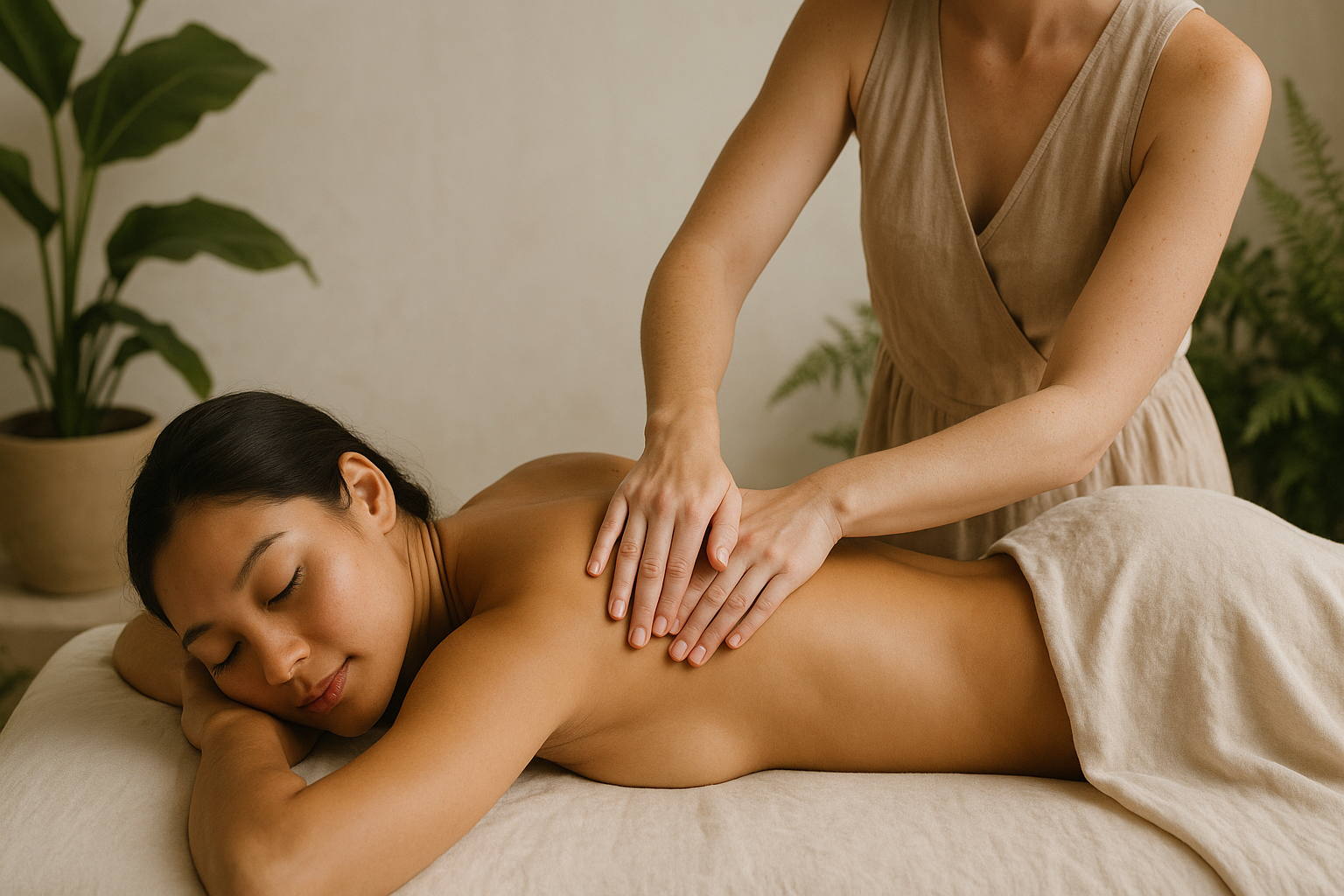
Mobility Therapy
Explore the world of Mobility Therapy, a vital aspect of Yoga & Movement Therapy, designed to enhance flexibility and movement through natural methods.
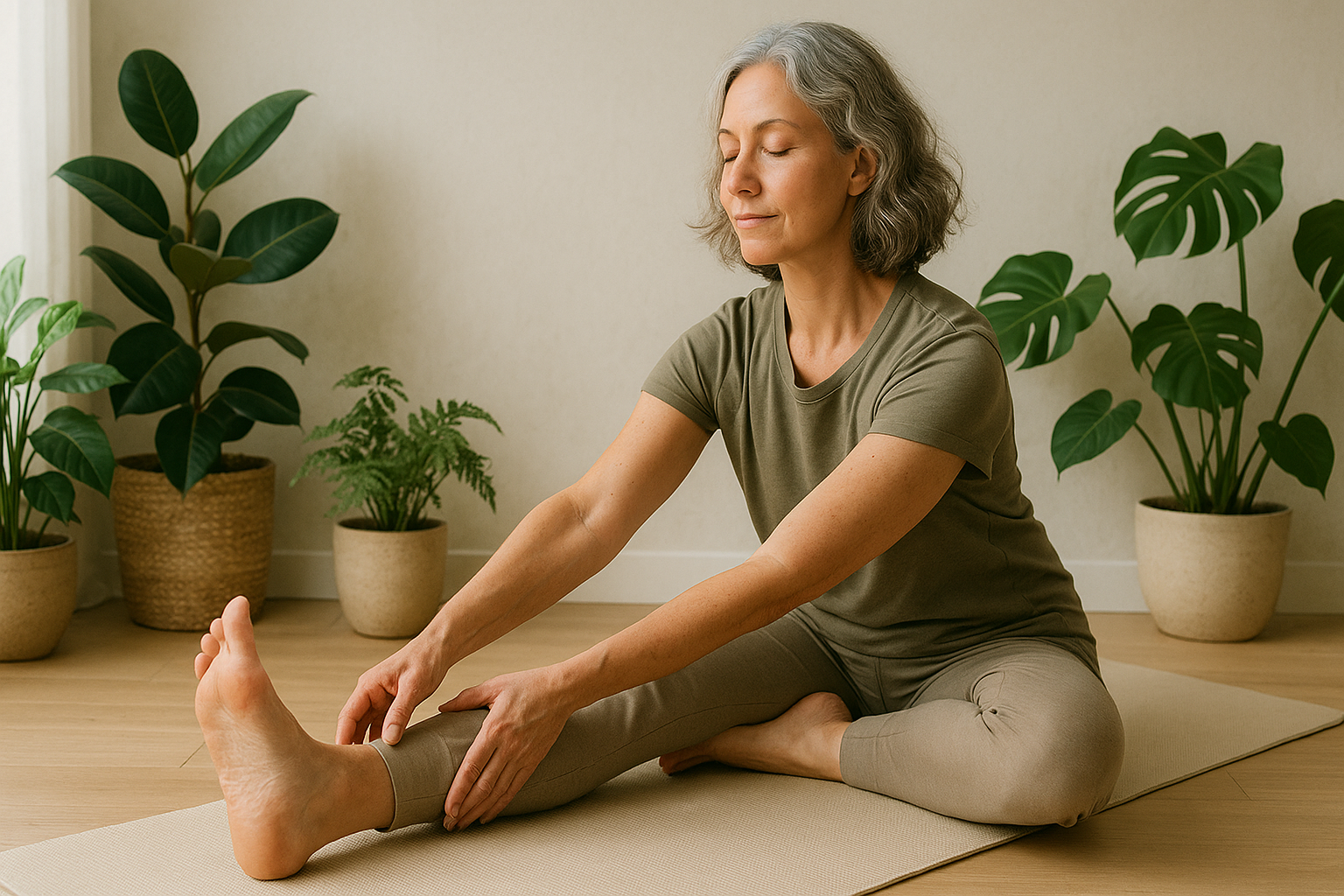
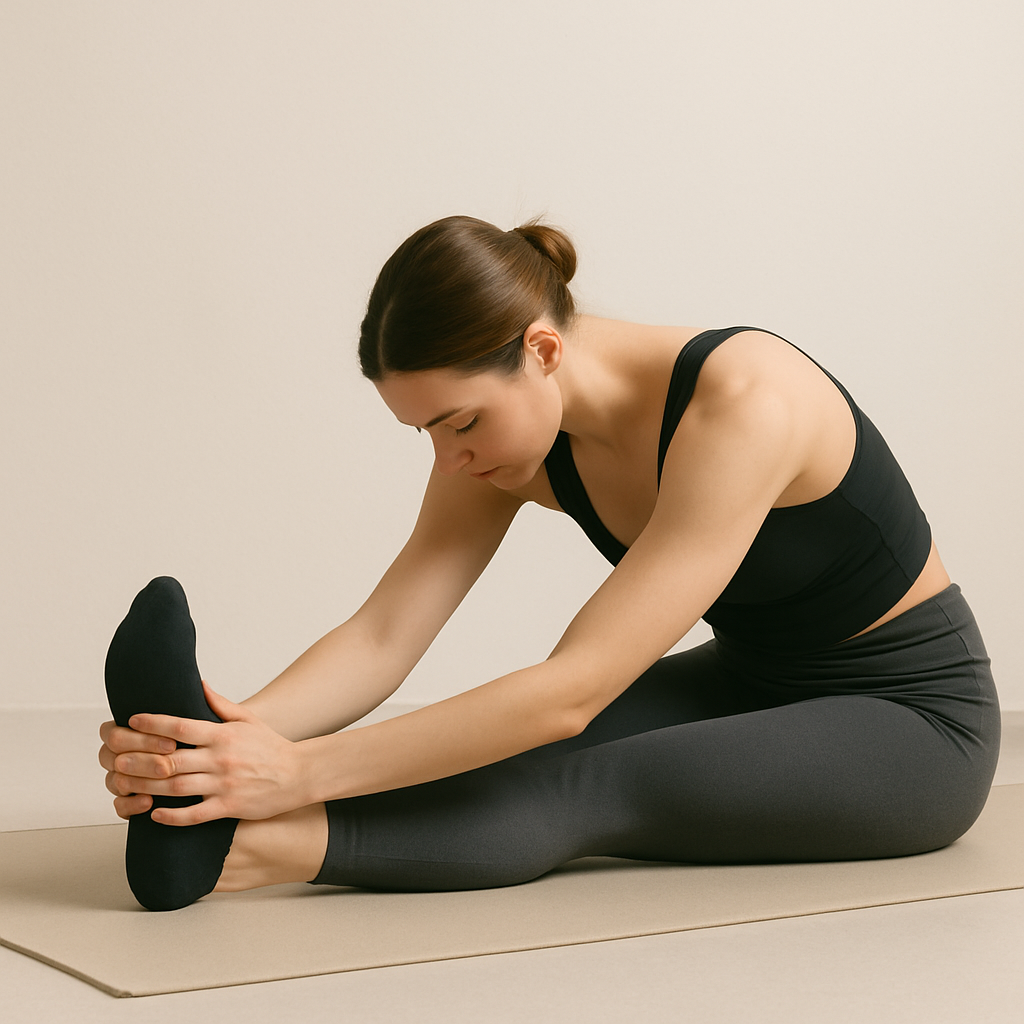
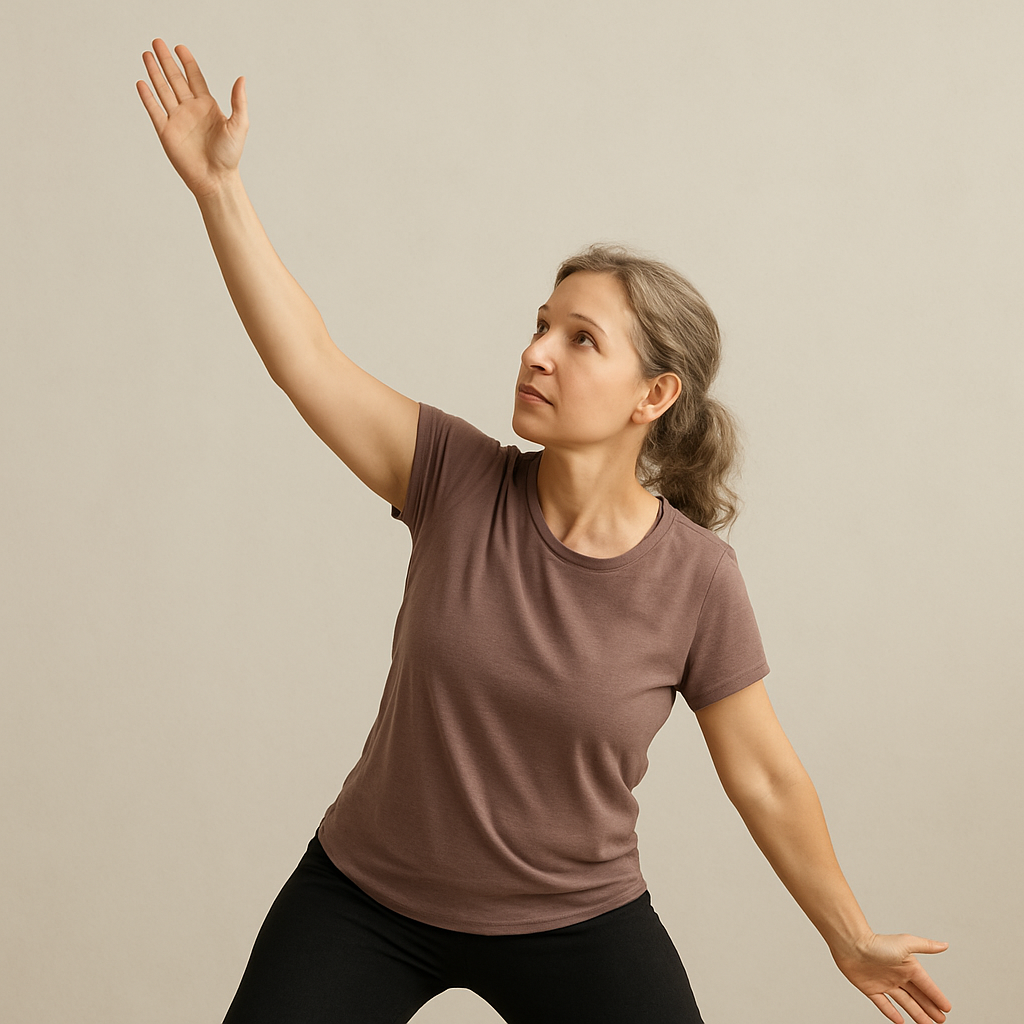
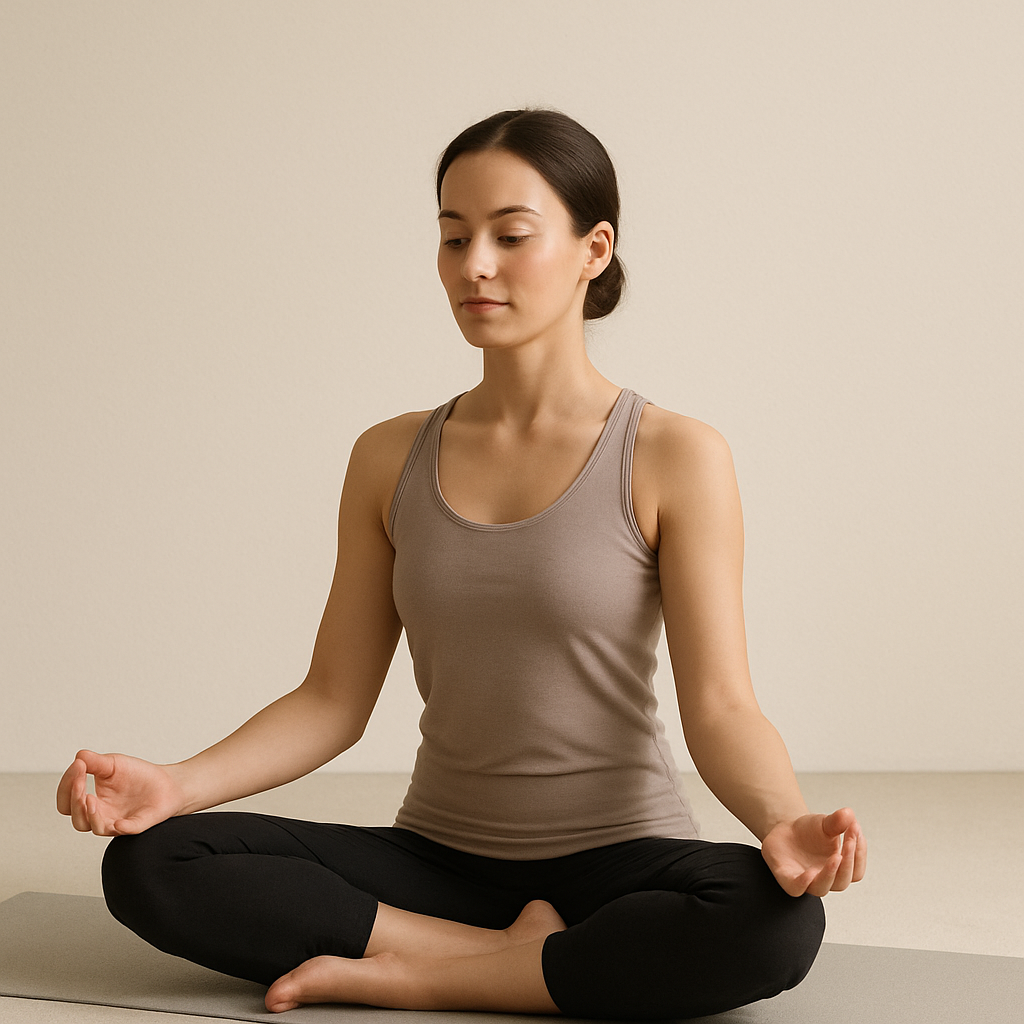
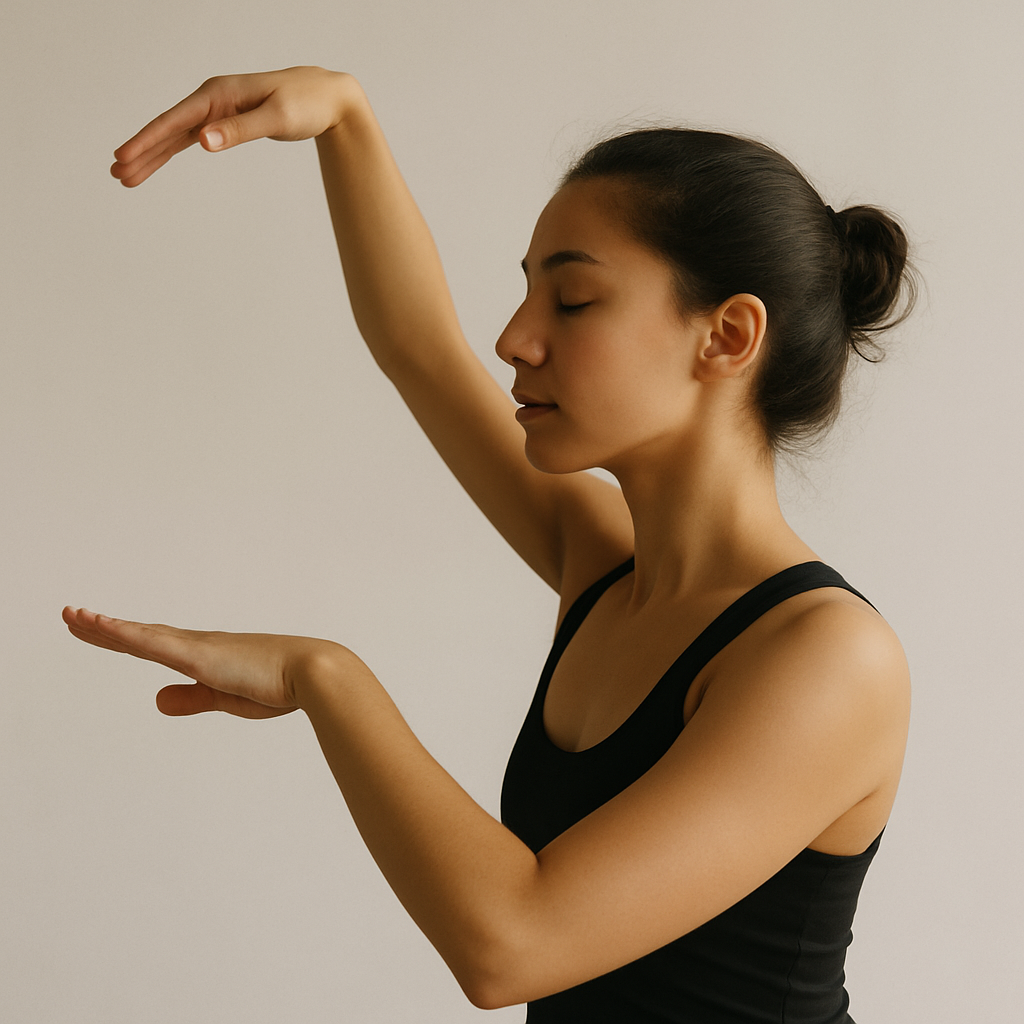
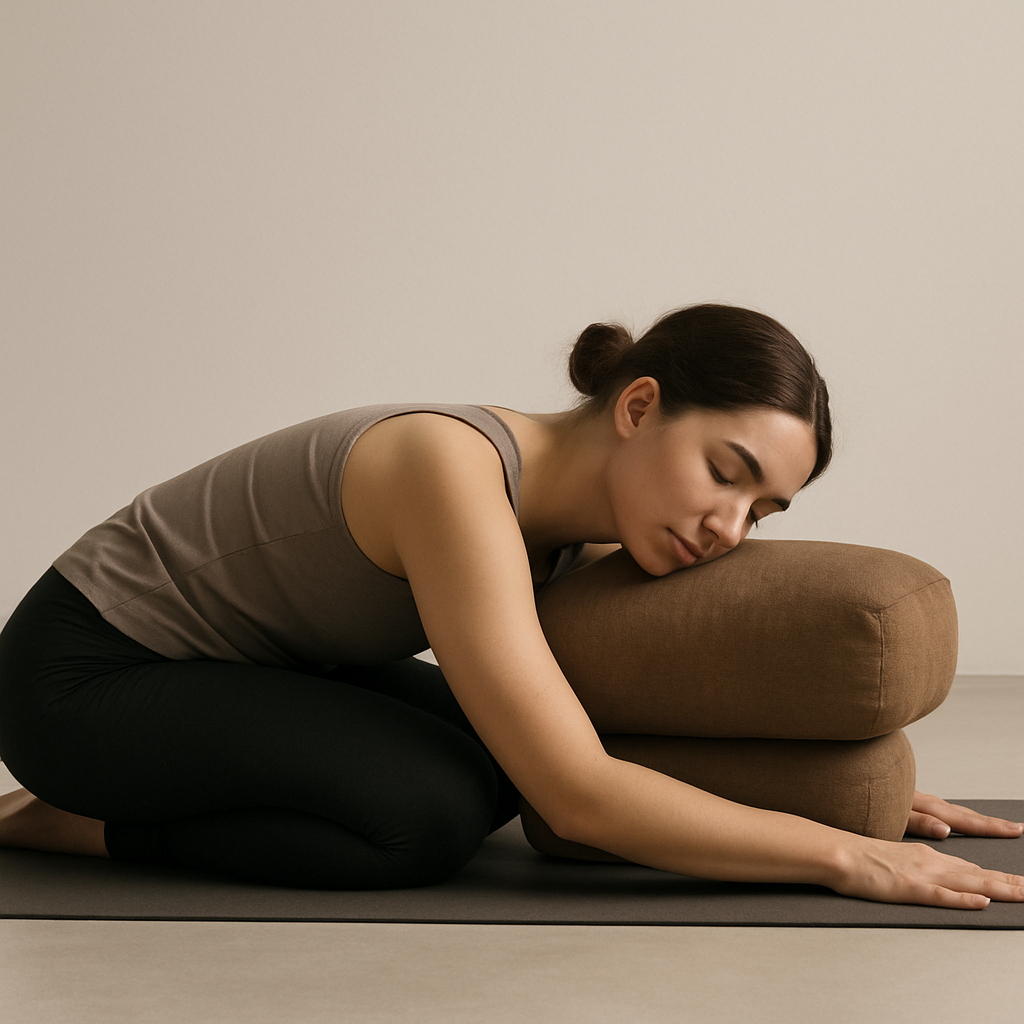
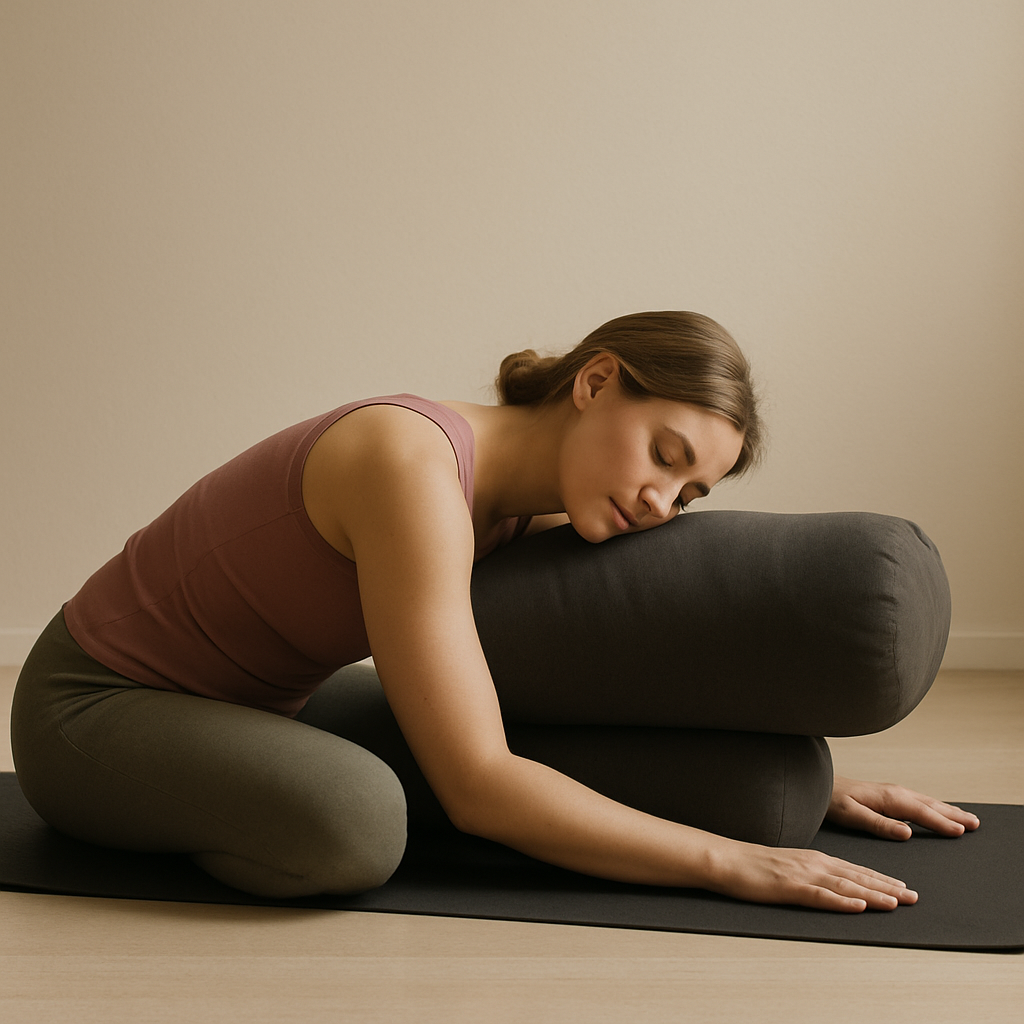
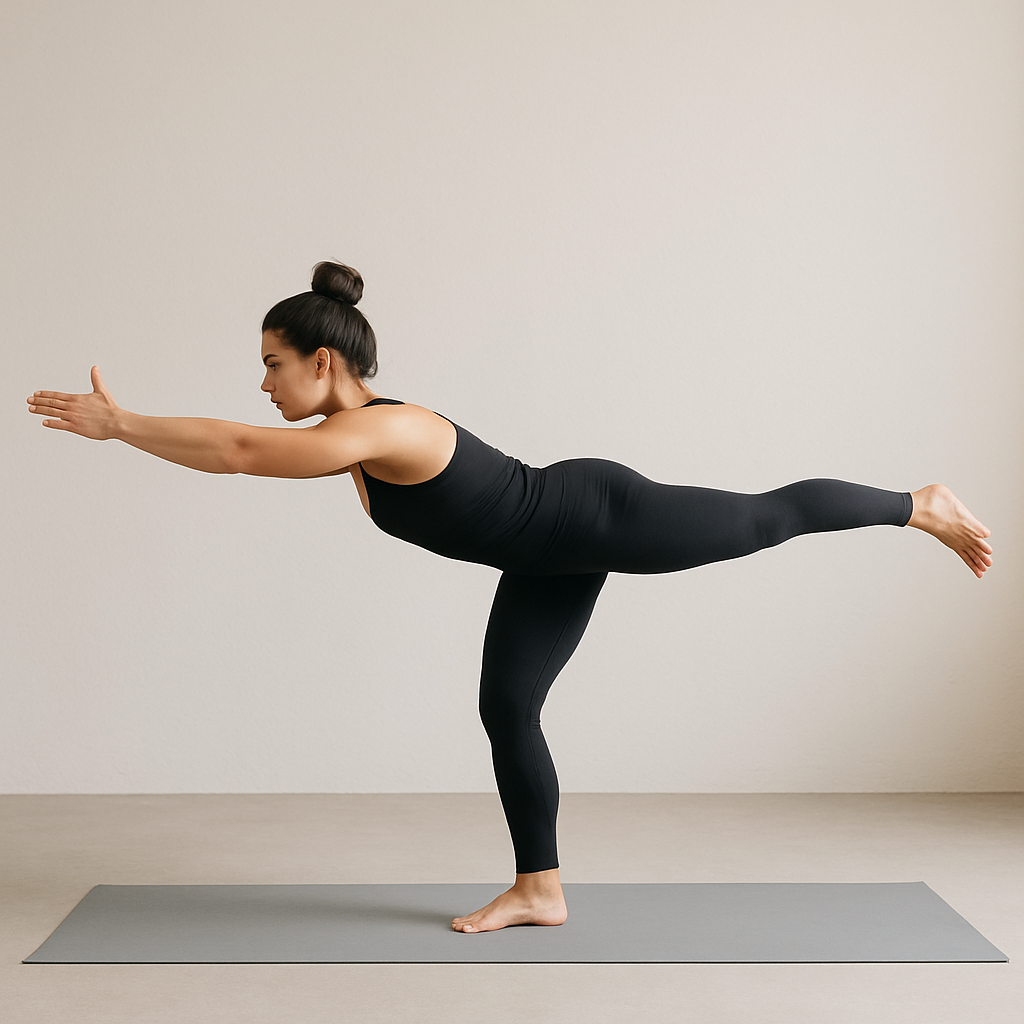
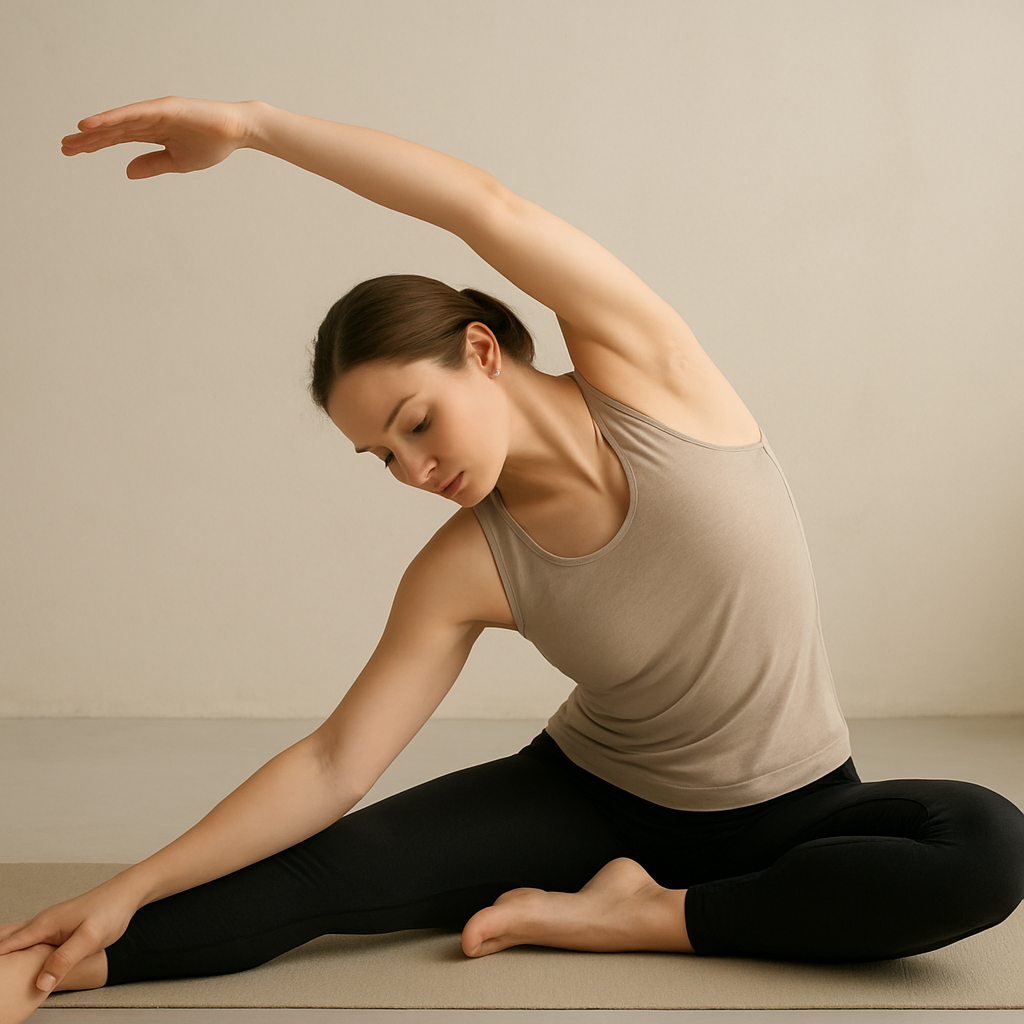
Mobility Therapy focuses on enhancing physical movement and flexibility through various modalities, including yoga, stretching, and targeted exercises. It aims to improve overall mobility, reduce pain, and promote well-being.
What It Is
Mobility Therapy is an approach that emphasizes the improvement of physical movement and flexibility through a variety of practices, including yoga, stretching, and functional exercises. It is designed to enhance the body's range of motion, reduce pain, and promote overall well-being. Mobility Therapy can be beneficial for individuals of all ages and fitness levels, making it an accessible option for those looking to enhance their physical capabilities.
Key Active Compounds & Mechanisms
While Mobility Therapy primarily relies on physical movement techniques, certain practices incorporate the use of essential oils and herbal remedies that may support mobility. For instance, ginger (Zingiber officinale) and turmeric (Curcuma longa) are known for their anti-inflammatory properties, which can aid in reducing discomfort during movement. Essential oils like peppermint (Mentha piperita) can stimulate circulation, enhancing the effectiveness of mobility exercises.
Traditional Uses
Historically, various cultures have utilized movement therapies to maintain physical health and prevent injury. In ancient India, yoga was practiced not only for spiritual growth but also for physical wellness. Similarly, Chinese medicine emphasizes the importance of movement through practices such as Tai Chi and Qigong, which are believed to enhance energy flow and physical harmony. These traditions laid the groundwork for modern Mobility Therapy, showcasing the long-standing belief in the power of movement for health.
What Modern Research Suggests
Recent studies have shown that regular participation in mobility-focused exercises can significantly improve joint function and flexibility. Clinical evidence suggests that practices such as yoga and targeted stretching routines can help alleviate symptoms associated with conditions like arthritis and chronic pain. While more research is needed to fully understand the mechanisms at play, preliminary findings support the efficacy of Mobility Therapy as a complementary approach to improving physical health and quality of life.
Functional Actions
Mobility Therapy aims to achieve several functional actions, including:
- Enhancing flexibility and range of motion
- Improving muscle strength and endurance
- Reducing pain and discomfort in joints and muscles
- Promoting better posture and body alignment
- Facilitating better coordination and balance
Body Systems Supported
Mobility Therapy supports multiple body systems, including:
- Musculoskeletal System: Enhances joint function and muscle strength.
- Nervous System: Improves coordination and body awareness.
- Circulatory System: Increases blood flow to muscles and joints.
- Endocrine System: May help regulate stress hormones through physical activity.
Common Forms & Educational Dosing Ranges
Mobility Therapy can be practiced through various forms, including:
- Yoga: Engaging in classes focusing on flexibility and mobility.
- Stretching Routines: Incorporating daily stretching exercises targeting major muscle groups.
- Functional Movement Exercises: Using bodyweight exercises to enhance mobility.
- Foam Rolling: Utilizing foam rollers for myofascial release.
For those interested in incorporating mobility exercises, a recommended approach might include:
- 15-30 minutes of mobility-focused activity, 3-5 times per week.
- Incorporating various forms to prevent monotony and promote overall flexibility.
Safety, Contraindications & Interactions
While Mobility Therapy is generally safe, there are some considerations to keep in mind:
- Individuals with pre-existing injuries or conditions should consult with a healthcare professional before starting any mobility program.
- Certain medications, particularly those that affect muscle or joint function, may interact with intensive mobility exercises.
- Be cautious of overexertion; listen to your body to avoid strains or injuries.
Pairs Well With
Mobility Therapy can be complemented by:
- Strength Training: To build muscle support around joints.
- Aromatherapy: Using oils like eucalyptus or lavender to enhance relaxation during sessions.
- Hydration: Drinking water before and after sessions to keep muscles hydrated.
- Nutrition: Consuming anti-inflammatory foods can support recovery and mobility.
FAQs (5)
- What is the best time to practice Mobility Therapy? Many individuals find that morning or evening sessions work best, depending on their schedule and energy levels.
- How long does it take to see results from Mobility Therapy? Results can vary, but many people notice improvements within a few weeks of regular practice.
- Can I practice Mobility Therapy if I have chronic pain? Yes, but it is important to consult with a healthcare professional to tailor the program to your needs.
- Is Mobility Therapy suitable for all ages? Yes, Mobility Therapy can be adapted for individuals of all ages and fitness levels.
- Do I need special equipment for Mobility Therapy? While some tools like yoga mats or foam rollers can be helpful, many exercises can be performed with just bodyweight.
Frequently asked
What is the best time to practice Mobility Therapy?
Many individuals find that morning or evening sessions work best, depending on their schedule and energy levels.
How long does it take to see results from Mobility Therapy?
Results can vary, but many people notice improvements within a few weeks of regular practice.
Can I practice Mobility Therapy if I have chronic pain?
Yes, but it is important to consult with a healthcare professional to tailor the program to your needs.
Is Mobility Therapy suitable for all ages?
Yes, Mobility Therapy can be adapted for individuals of all ages and fitness levels.
Do I need special equipment for Mobility Therapy?
While some tools like yoga mats or foam rollers can be helpful, many exercises can be performed with just bodyweight.