Mind-Body Movement
Discover the principles of mind-body movement, its historical roots, modern applications, and how it supports overall well-being.
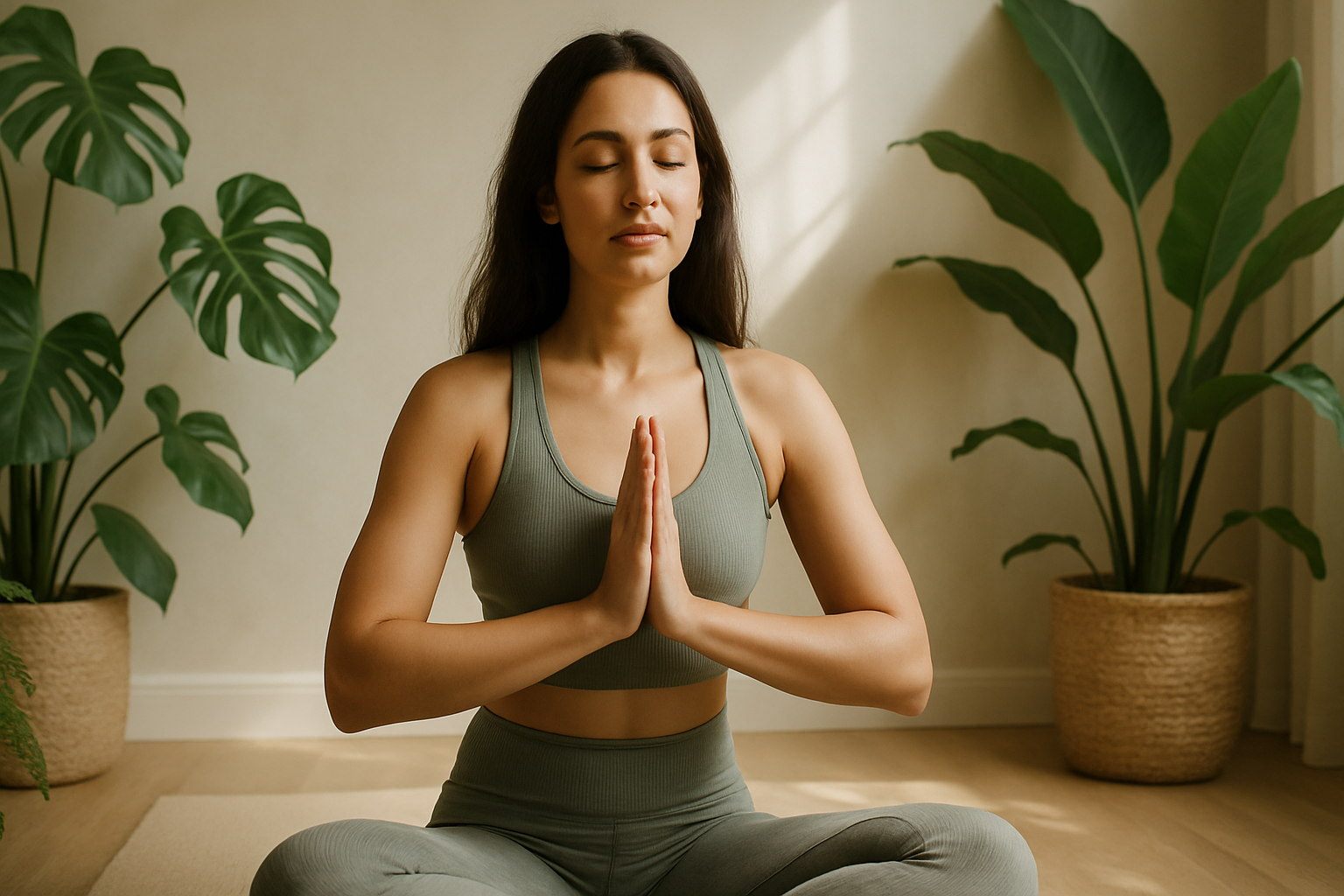
Explore the transformative world of mind-body movement within Yoga & Movement Therapy. This subcategory delves into its definition, traditional uses, modern research findings, and the benefits it can offer to various body systems.
What It Is
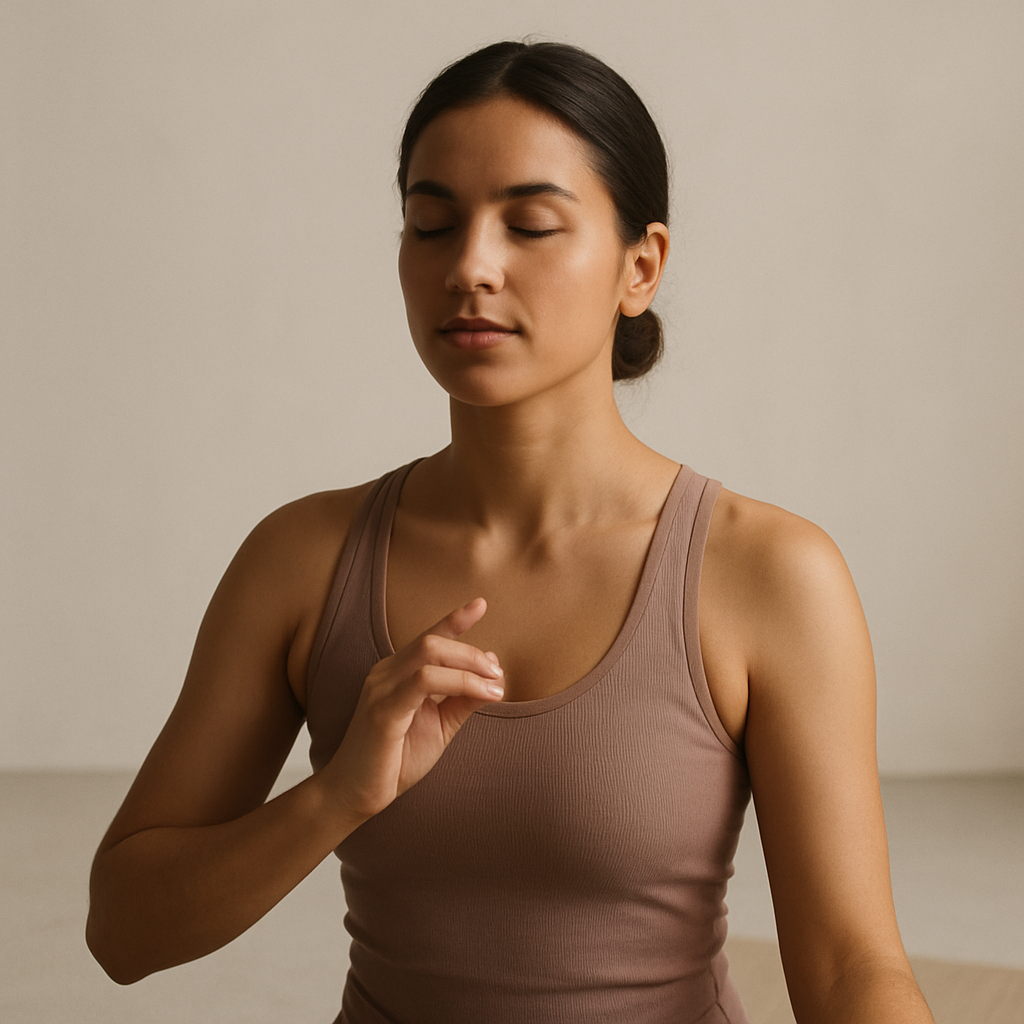
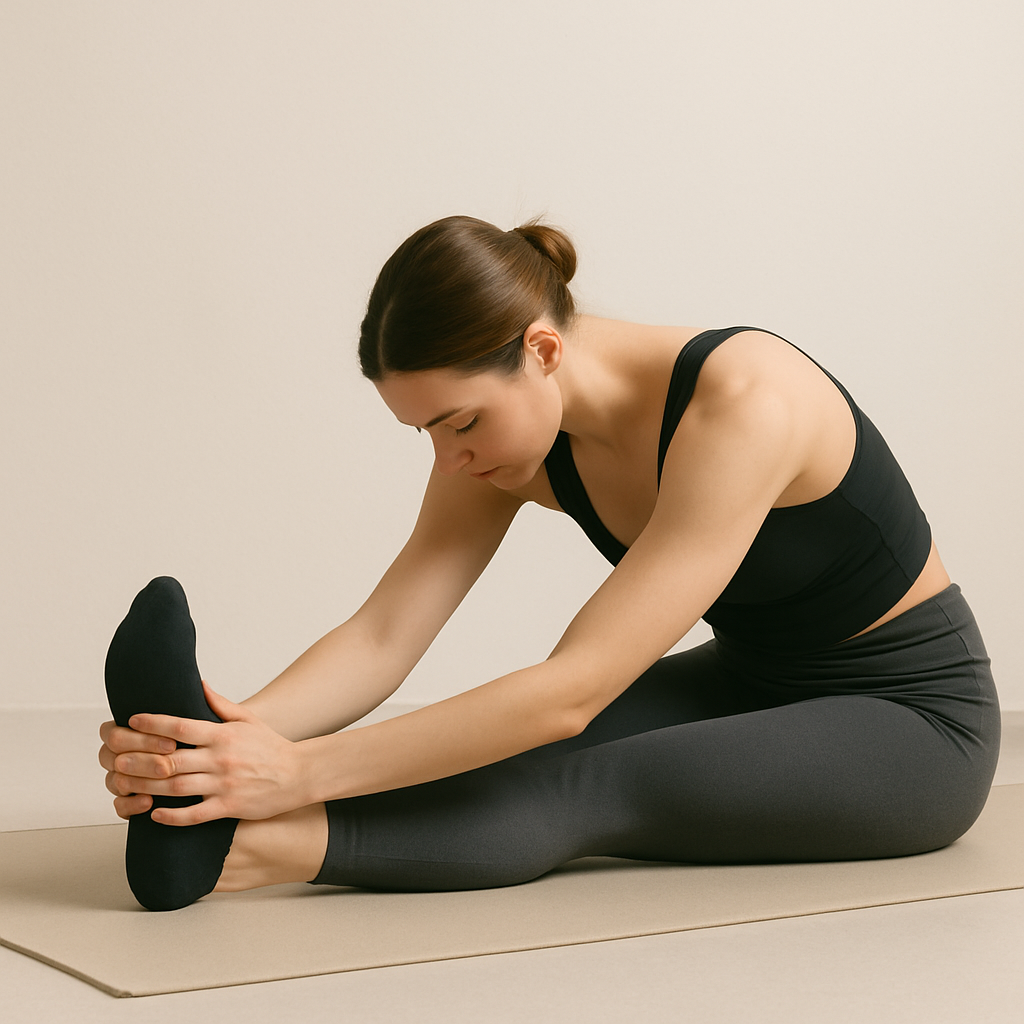
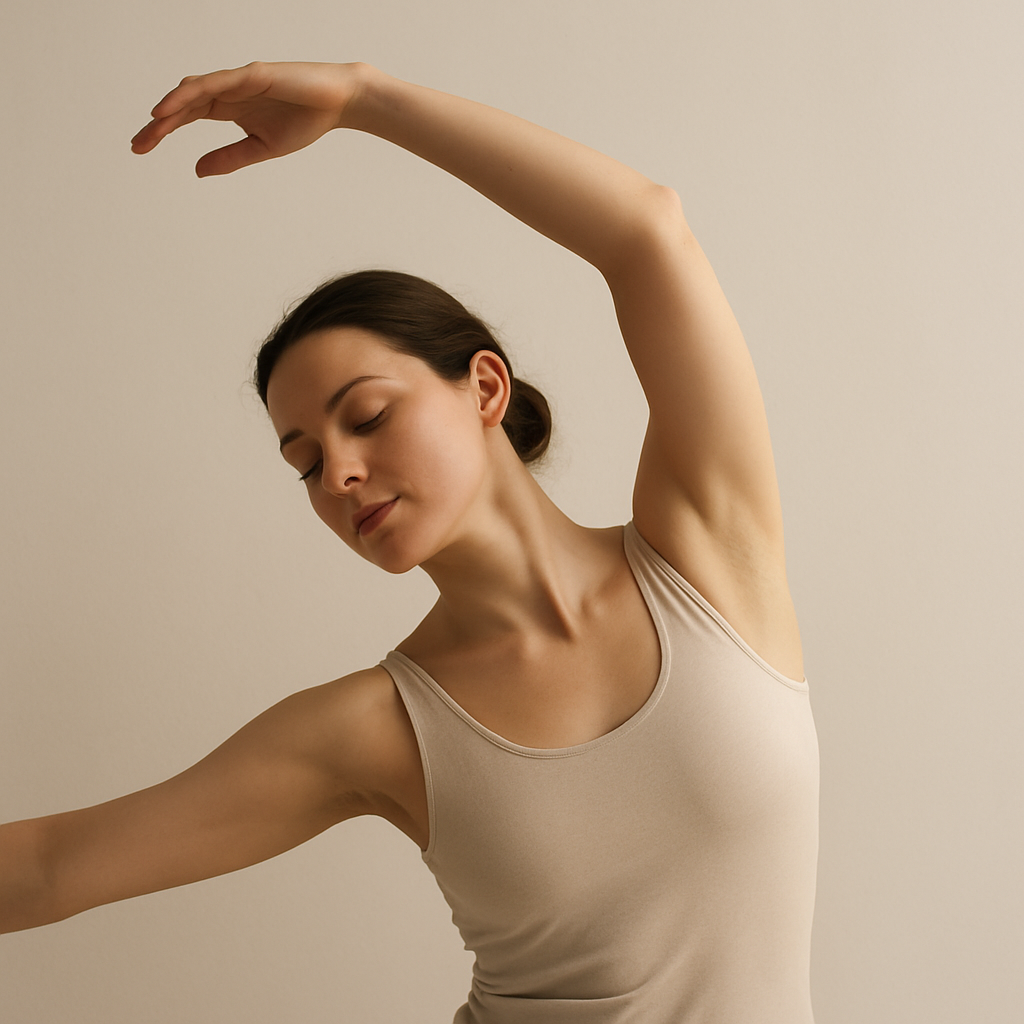
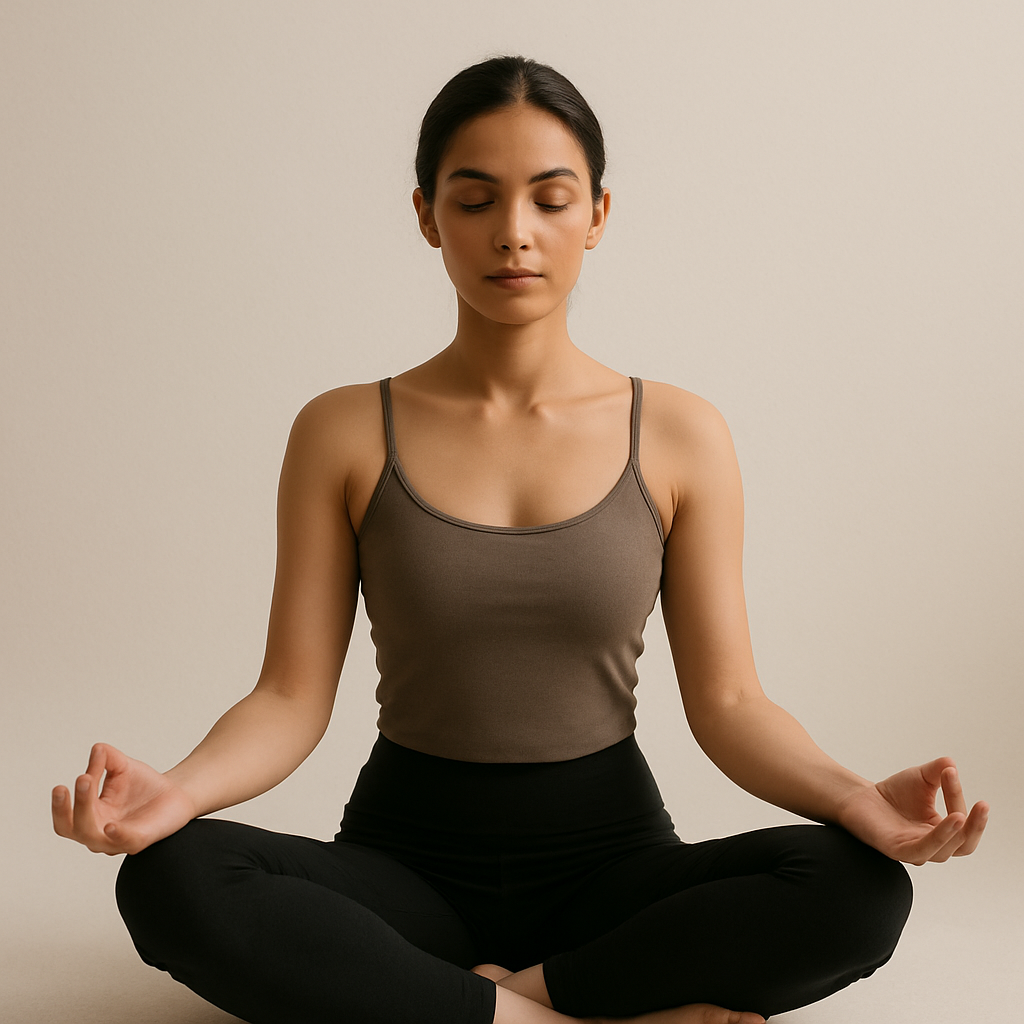
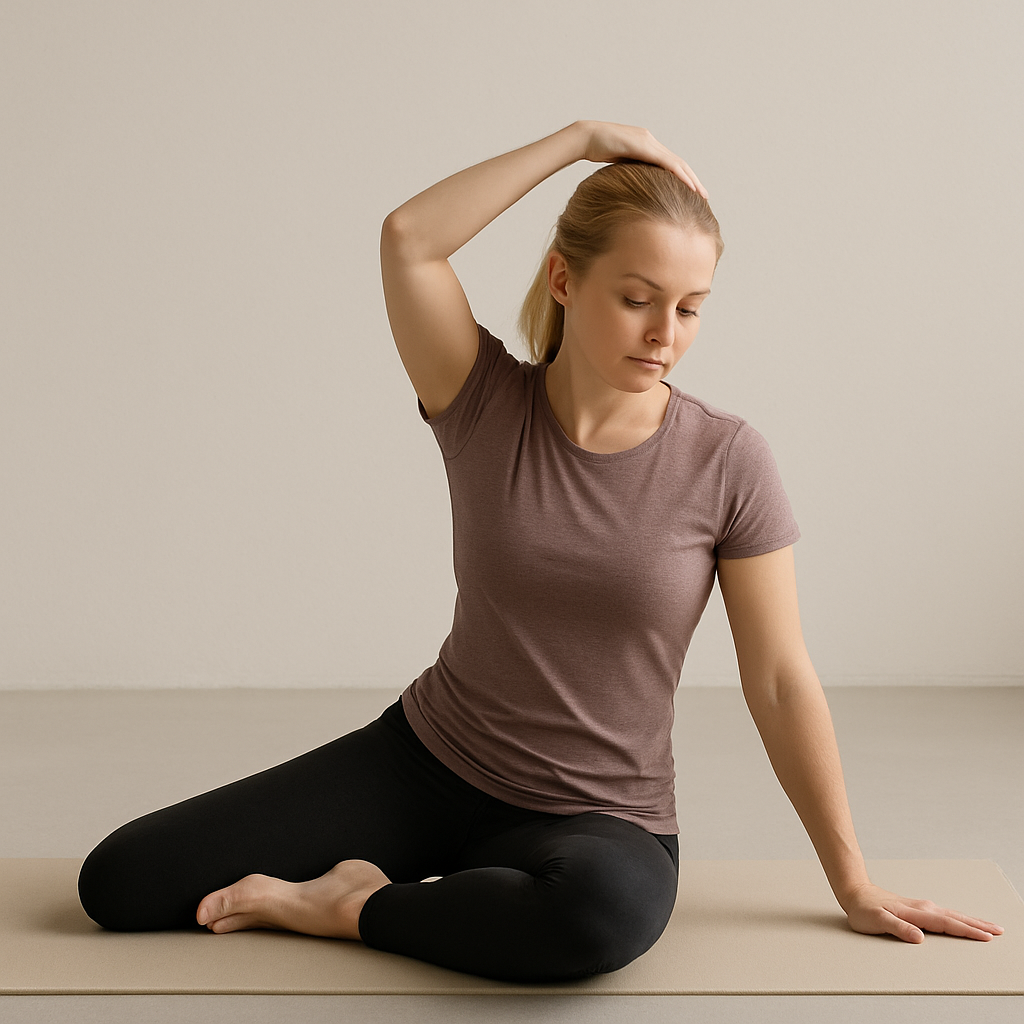
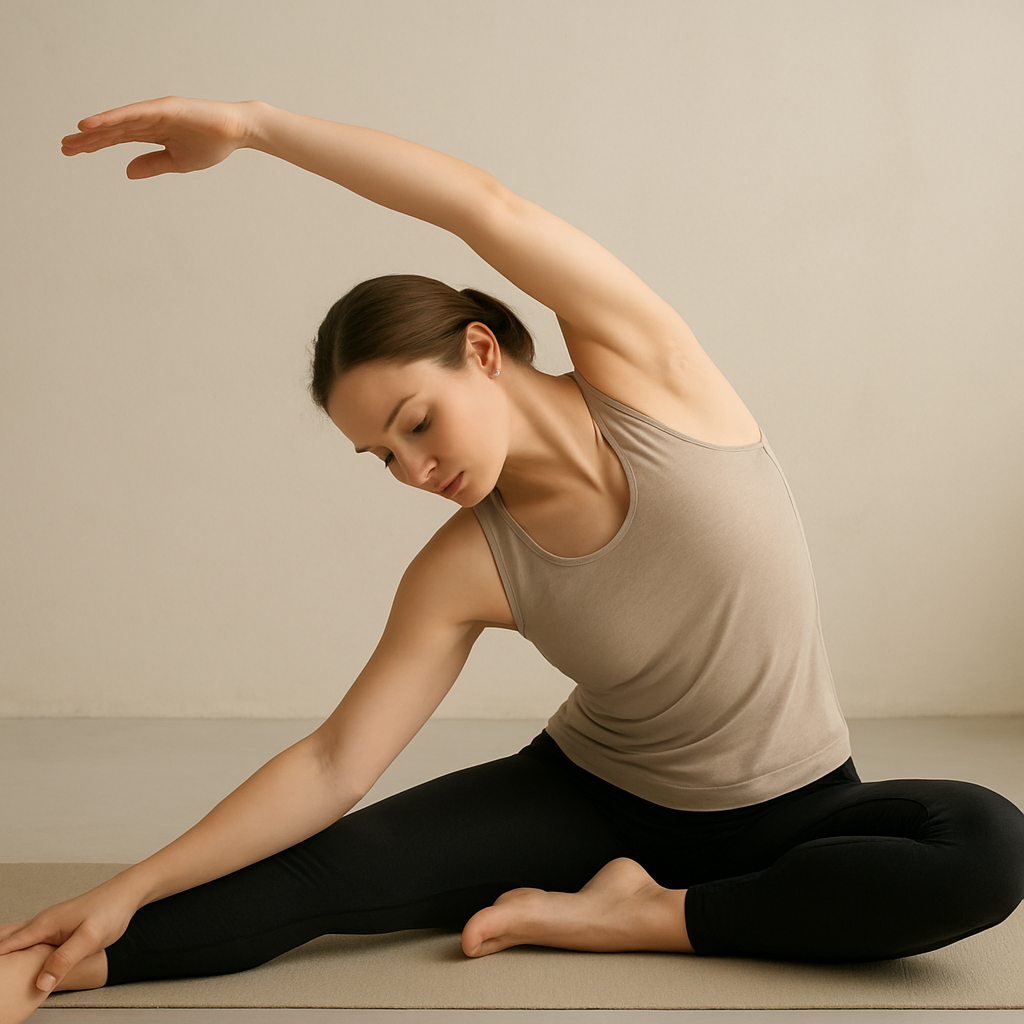
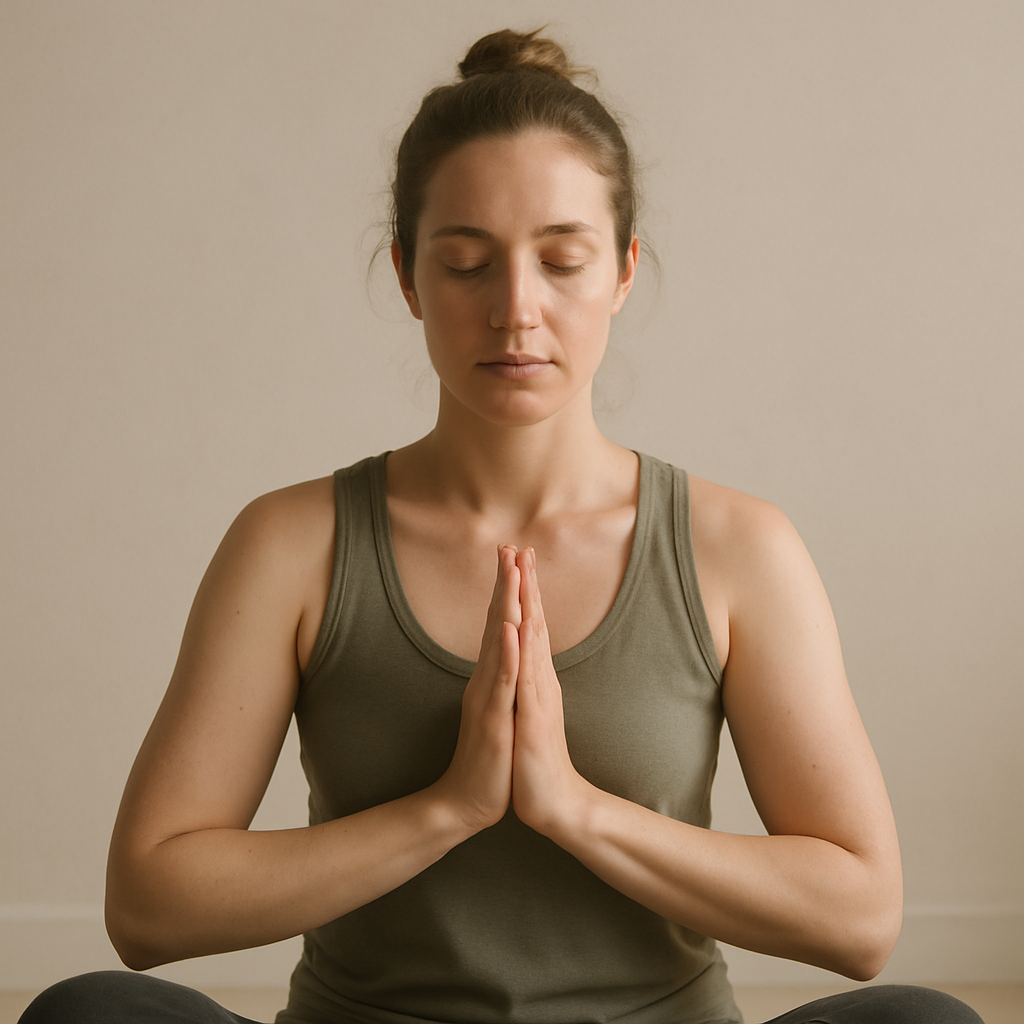
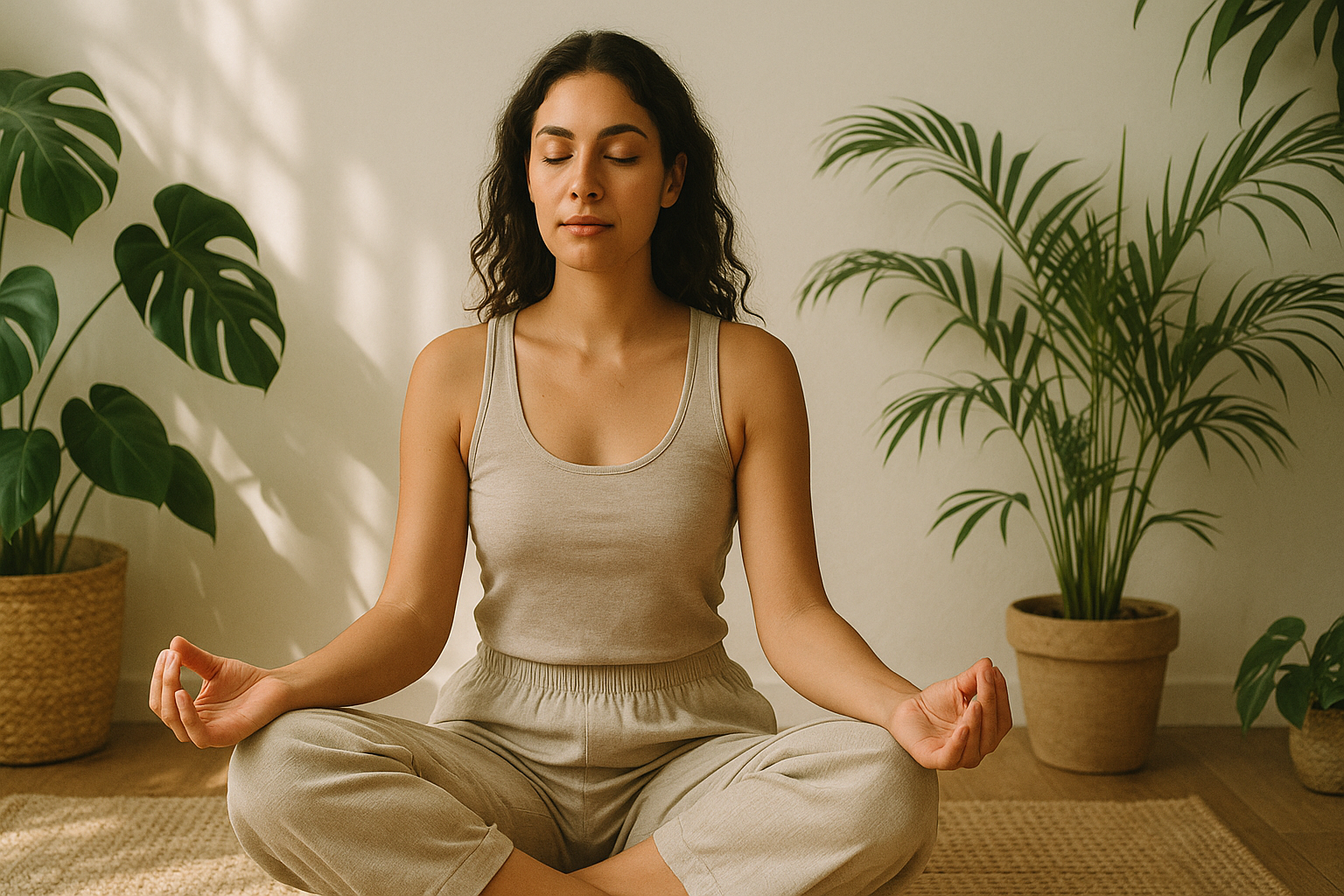
Mind-body movement encompasses practices that integrate mental and physical disciplines to enhance overall well-being. This approach emphasizes the connection between the mind and body, enabling individuals to cultivate awareness, improve physical health, and foster emotional balance. Techniques like yoga, tai chi, and qigong all fall under this category, promoting harmony between mental states and physical movements.
Key Active Compounds & Mechanisms
While mind-body movement does not involve specific compounds like herbal remedies, its effectiveness can be attributed to several key mechanisms:
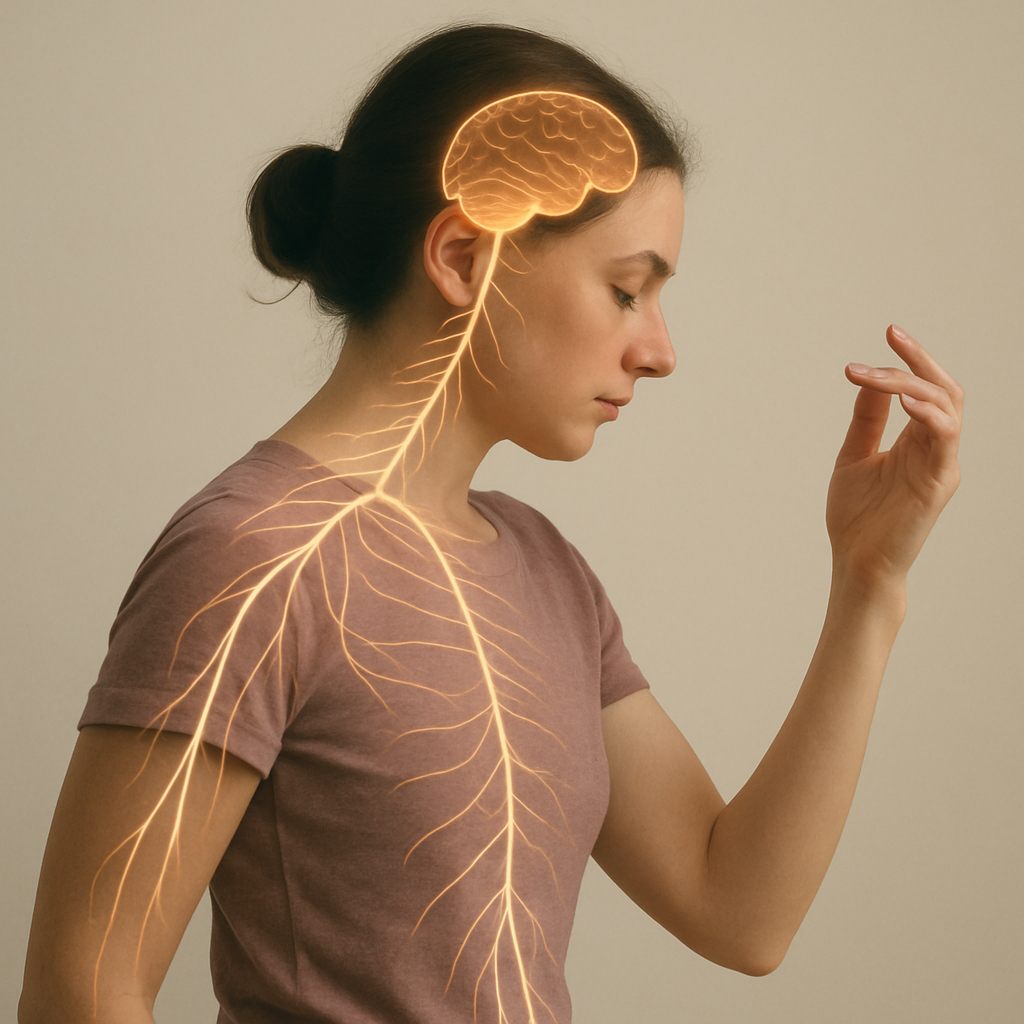
- Neuroplasticity: Engaging in mindful movement can lead to the formation of new neural connections, improving cognitive function.
- Endorphin Release: Physical activity stimulates the release of endorphins, promoting feelings of happiness and reducing stress.
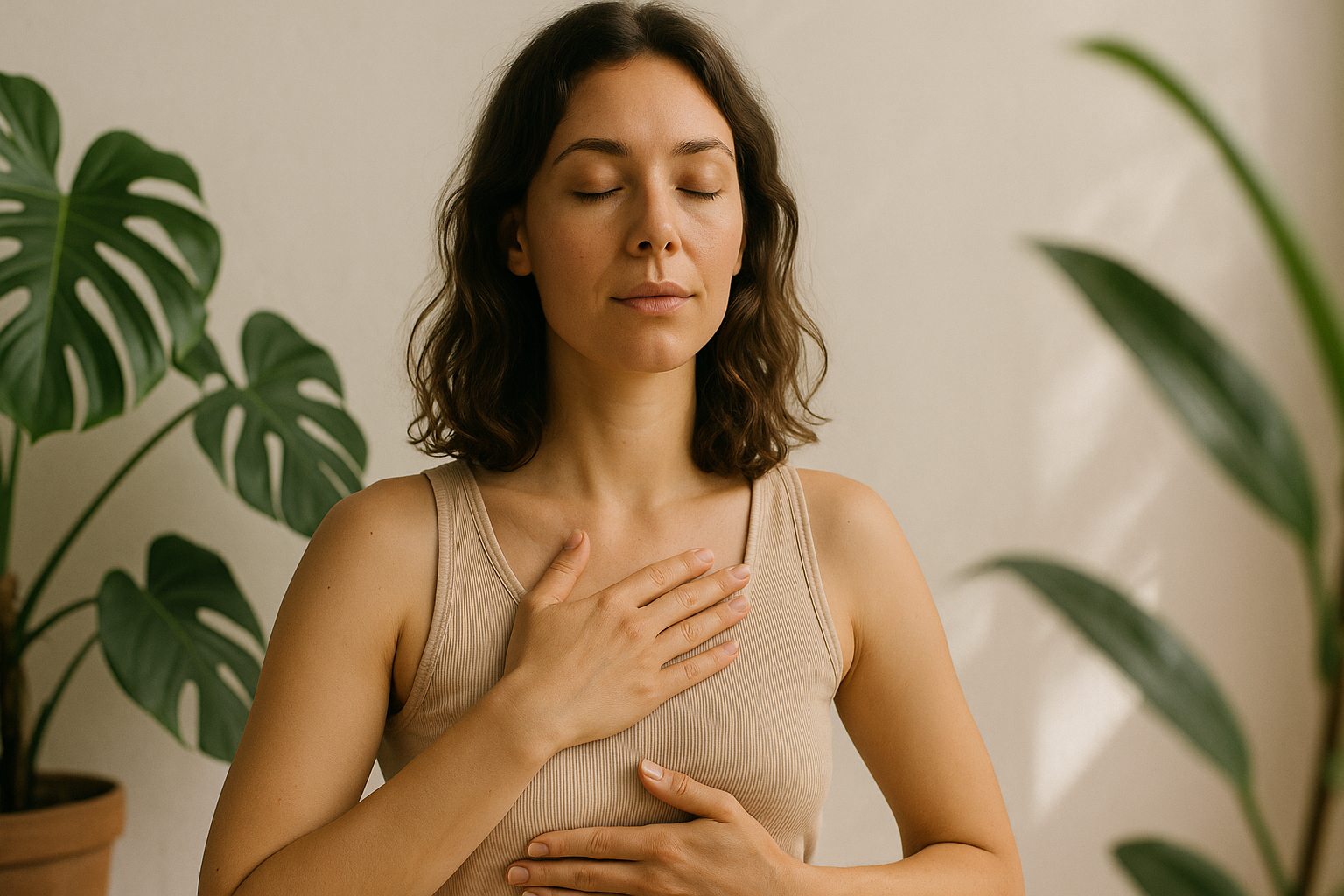
- Mindfulness: Techniques such as breath awareness and meditation foster mindfulness, which can lead to greater emotional regulation.
Traditional Uses
Historically, mind-body movement practices have roots in various cultures:
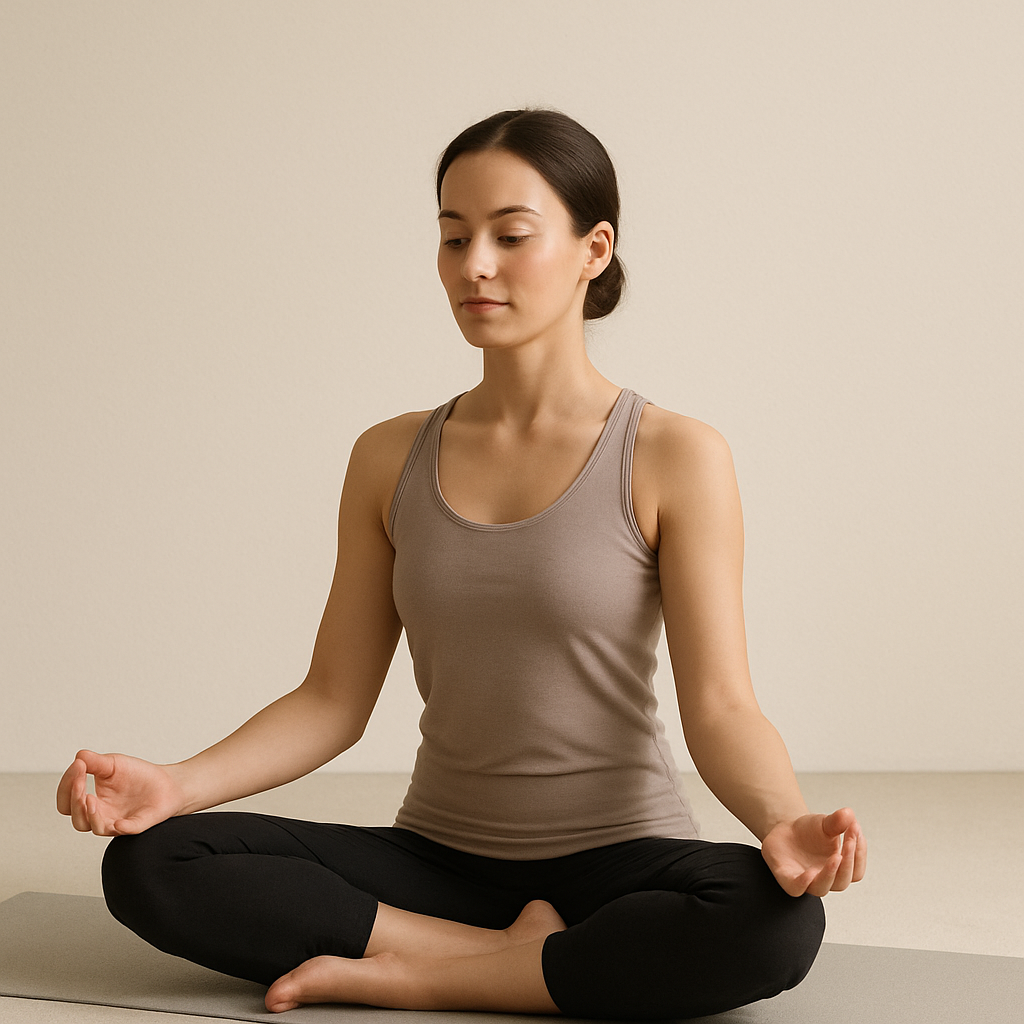
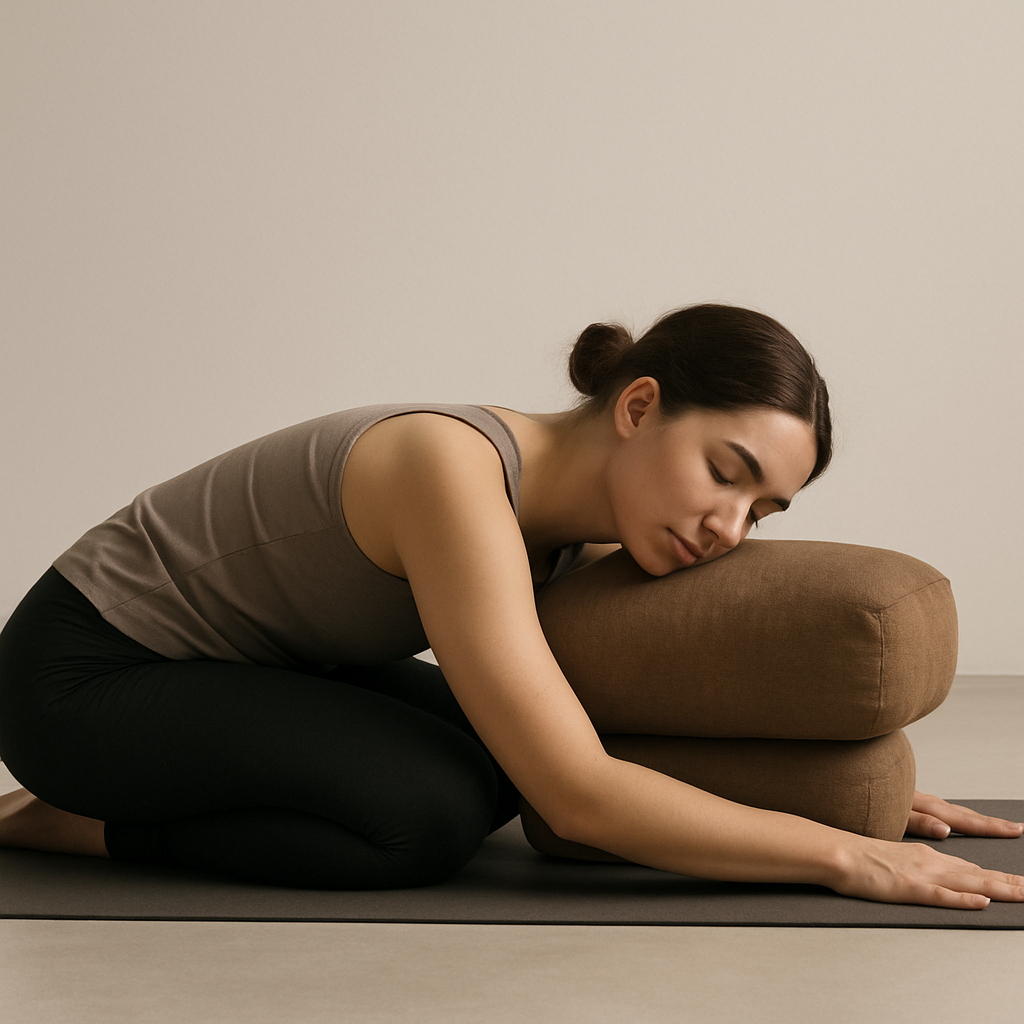
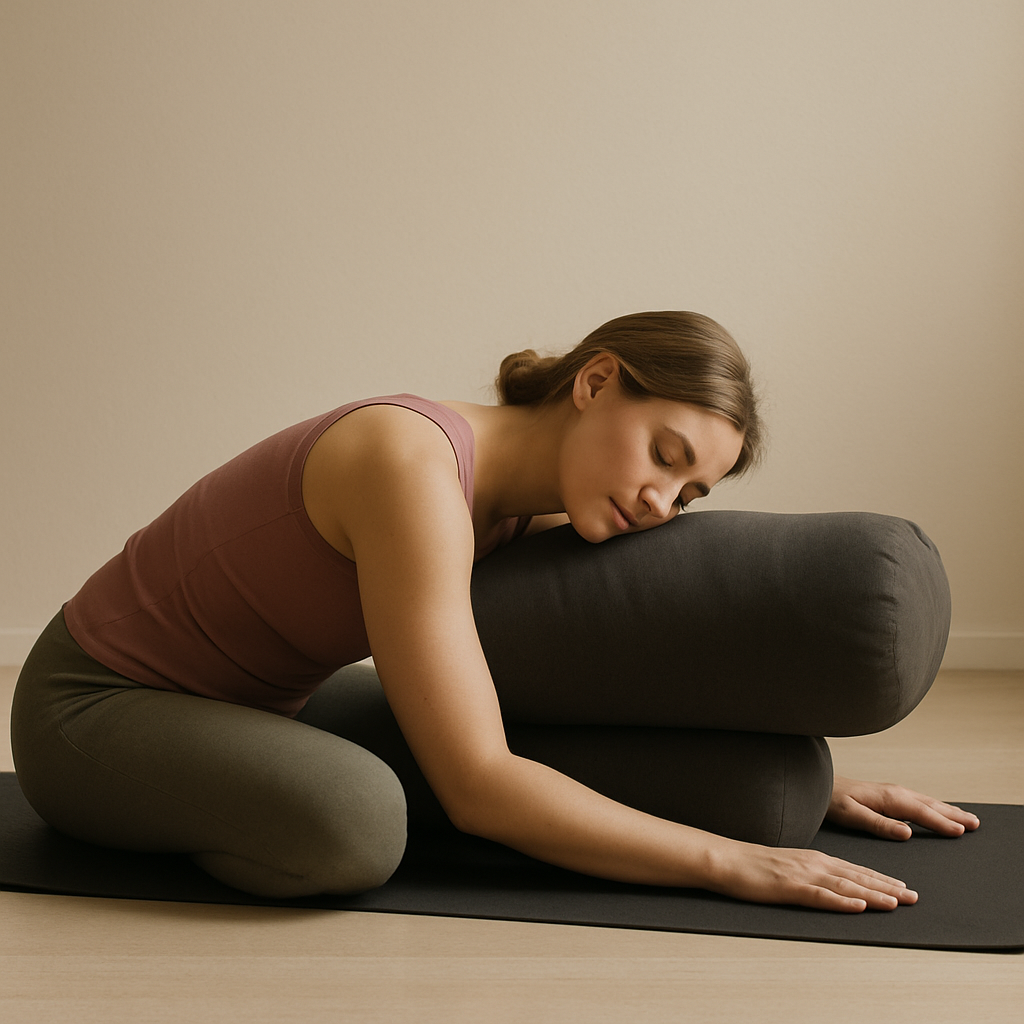
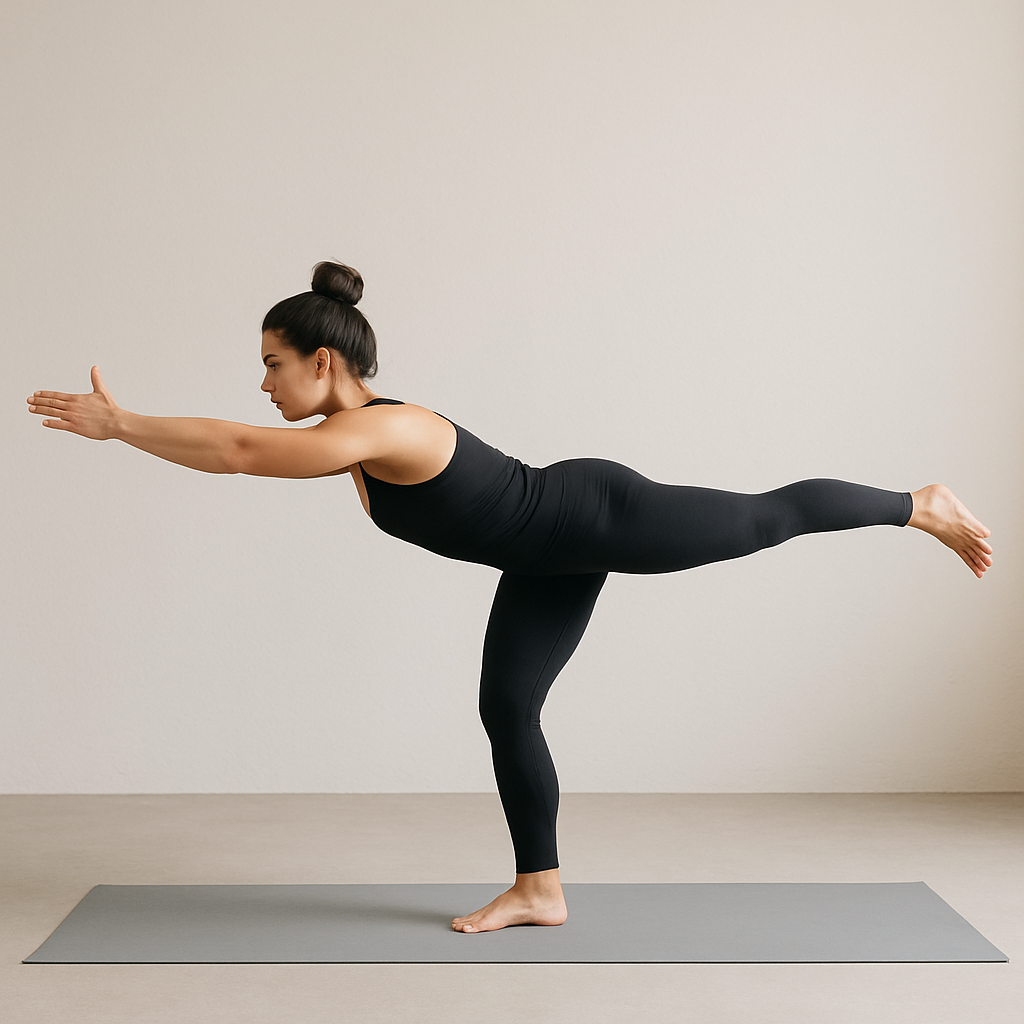
- Yoga: Originating in ancient India, yoga has been practiced for thousands of years as a holistic approach to health, emphasizing physical postures, breath control, and meditation.
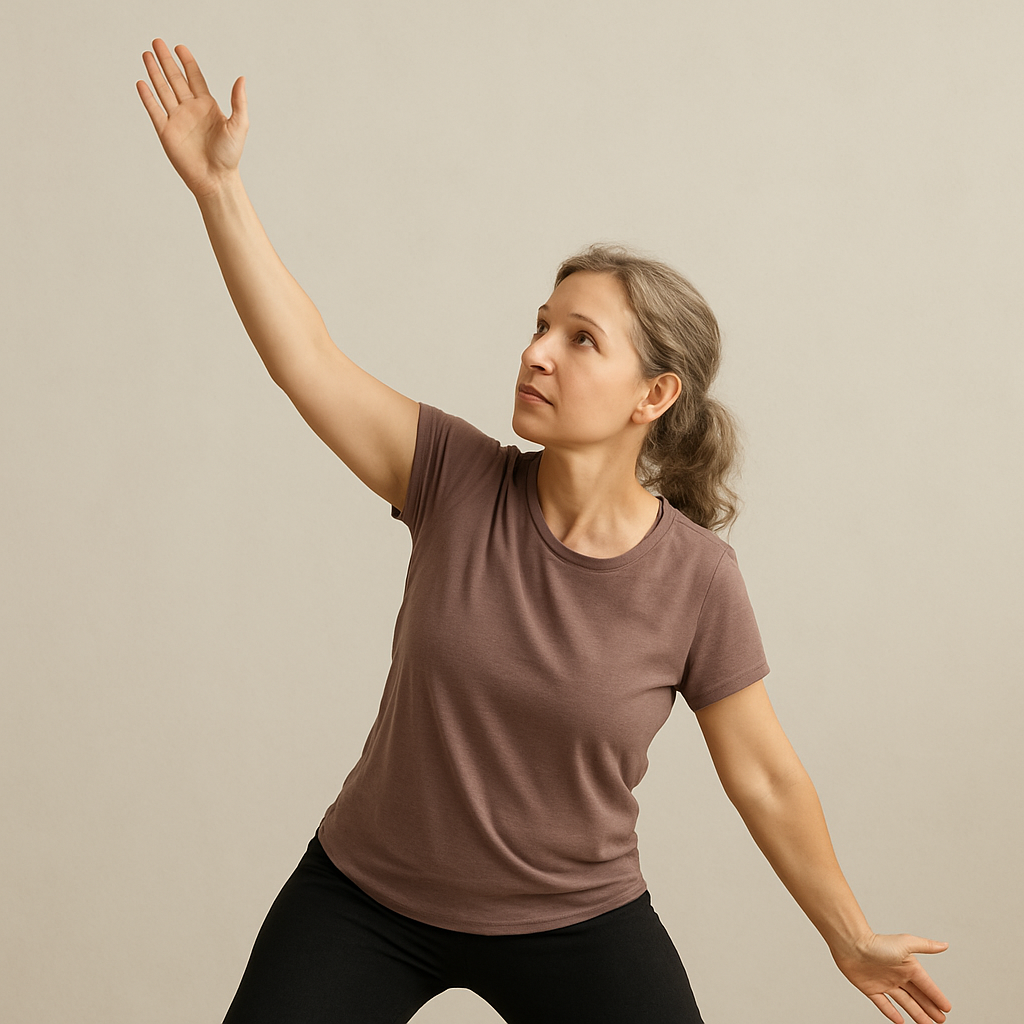
- Tai Chi: Developed in China, this martial art form is often described as "meditation in motion," promoting balance, flexibility, and tranquility.
- Qigong: Also from China, qigong combines movement, meditation, and controlled breathing to enhance the flow of energy (Qi) in the body.
What Modern Research Suggests
Recent studies have begun to validate the benefits of mind-body movement. Research suggests that:
- Yoga can reduce symptoms of anxiety and depression.
- Tai chi is effective for improving balance and reducing falls in older adults.
- Qigong may enhance immune function and overall health.
However, more rigorous studies are needed to fully understand the extent of these benefits and the mechanisms behind them.
Functional Actions
Mind-body movement practices can:
- Enhance physical flexibility and strength.
- Improve mental clarity and focus.
- Reduce stress and promote relaxation.
- Support emotional balance and resilience.
Body Systems Supported
These practices benefit multiple body systems, including:
- Nervous System: Promotes relaxation and reduces stress response.
- Musculoskeletal System: Enhances flexibility, strength, and posture.
- Cardiovascular System: Encourages healthy blood circulation and heart health.
- Endocrine System: Can help regulate hormones associated with stress and mood.
Common Forms & Educational Dosing Ranges
Mind-body movement can be practiced in various forms, including:
- Yoga: Classes typically last between 60 to 90 minutes, with various styles ranging from restorative to power yoga.
- Tai Chi: Sessions often last 30 to 60 minutes, focusing on slow, deliberate movements.
- Qigong: Practices can vary from 20 to 60 minutes, integrating gentle movement and breath control.
It is advisable to practice these forms regularly, ideally several times a week, to experience the full range of benefits.
Safety, Contraindications & Interactions
While generally safe, some individuals should approach mind-body movement with caution:
- Those with chronic health conditions should consult a healthcare provider before starting a new practice.
- Individuals with joint issues or recent injuries may need to modify movements or seek guidance.
- Pregnant individuals should consider specialized classes designed for their condition.
Pairs Well With
Mind-body movement can complement various wellness practices:
- Nutritional Counseling: Enhances overall health when combined with a balanced diet.
- Massage Therapy: Further promotes relaxation and physical recovery.
- Meditation: Deepens the mental and emotional benefits gained from movement practices.
FAQs (5)
- What is the difference between yoga and tai chi? Yoga focuses on physical postures and breath, while tai chi emphasizes fluid movements and balance.
- Can mind-body movement help with anxiety? Yes, many studies show that these practices can significantly reduce anxiety levels.
- How often should I practice? Ideally, practicing several times a week can maximize benefits.
- Is it safe for seniors? Yes, many forms are suitable for seniors, particularly gentle yoga and tai chi.
- Do I need special equipment? Minimal equipment is needed; a yoga mat and comfortable clothing are generally sufficient.
Frequently asked
What is the difference between yoga and tai chi?
Yoga focuses on physical postures and breath, while tai chi emphasizes fluid movements and balance.
Can mind-body movement help with anxiety?
Yes, many studies show that these practices can significantly reduce anxiety levels.
How often should I practice?
Ideally, practicing several times a week can maximize benefits.
Is it safe for seniors?
Yes, many forms are suitable for seniors, particularly gentle yoga and tai chi.
Do I need special equipment?
Minimal equipment is needed; a yoga mat and comfortable clothing are generally sufficient.